Plastic in horticulture is one of those problems everyone sees, but few feel they can fully tackle. Plant trays, pots, labels, and packaging move through greenhouses and garden centers at incredible speed, and most of it ends up as waste. But the story of Plantics and its DOPA paper pots is quite reassuring. DOPA paper pots show how smart materials, research, and industry collaborations can change a deeply rooted habit in horticulture, for a greener, cleaner industry.
A New Type of Biodegradable Polymer From the Lab
Bio-materials comprise less than 2% of the annual nearly 400-million-ton global plastic production. These materials, replacing conventional plastics, have been known to be far more expensive than conventional plastics. But Plantics, who are specialists driven by the ambition to contribute to a better and more sustainable world, are offering an innovative solution for the plastic problems and a safe enabler of CO2 emission reduction.
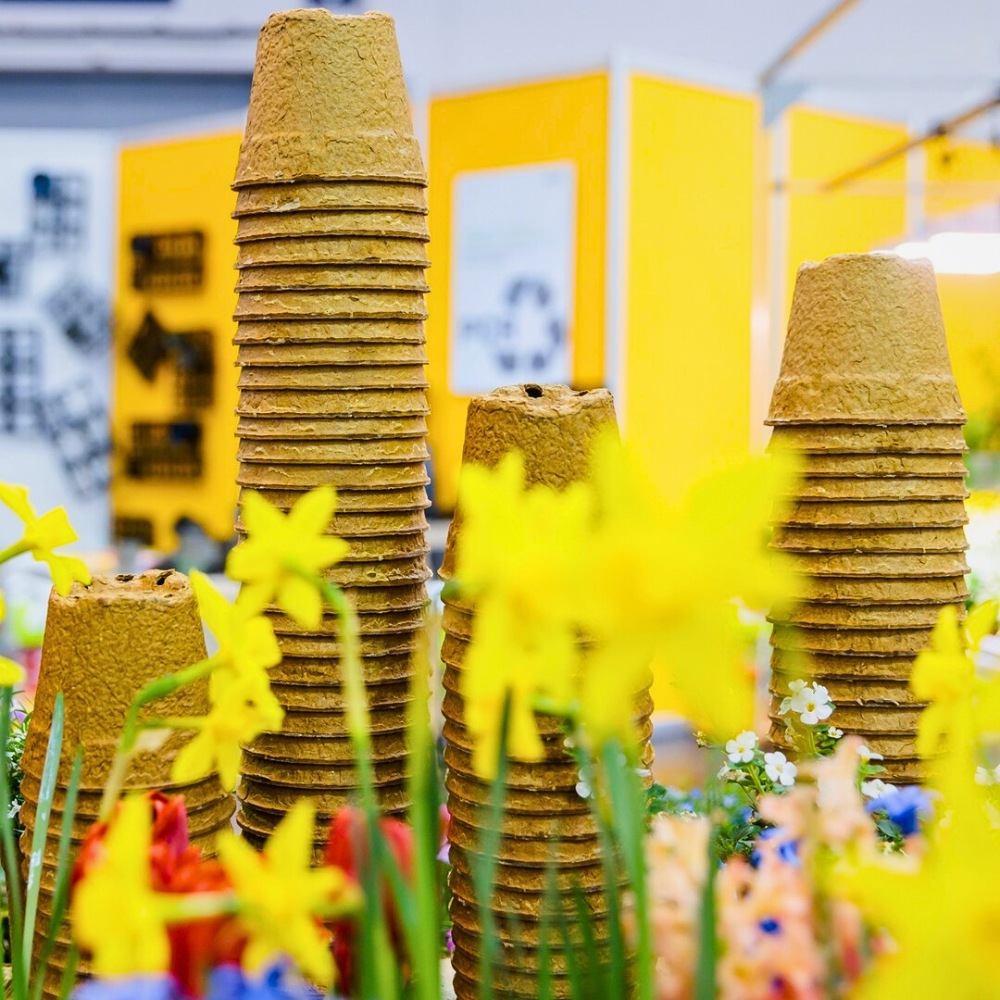
Started as a spin‑off from the University of Amsterdam, they sought to bring a new type of biodegradable polymer from the lab into real products. The polymer, discovered during biomass conversion research, became the basis of the first thermoset bioplastic that is fully biodegradable, compostable, and 100% bio‑based.
Plantics:
"Plantics strongly believes in the driving power of a team that combines the values: let's just do it, do it together, trust each other, and have fun. Plantics wants to be a game-changer."
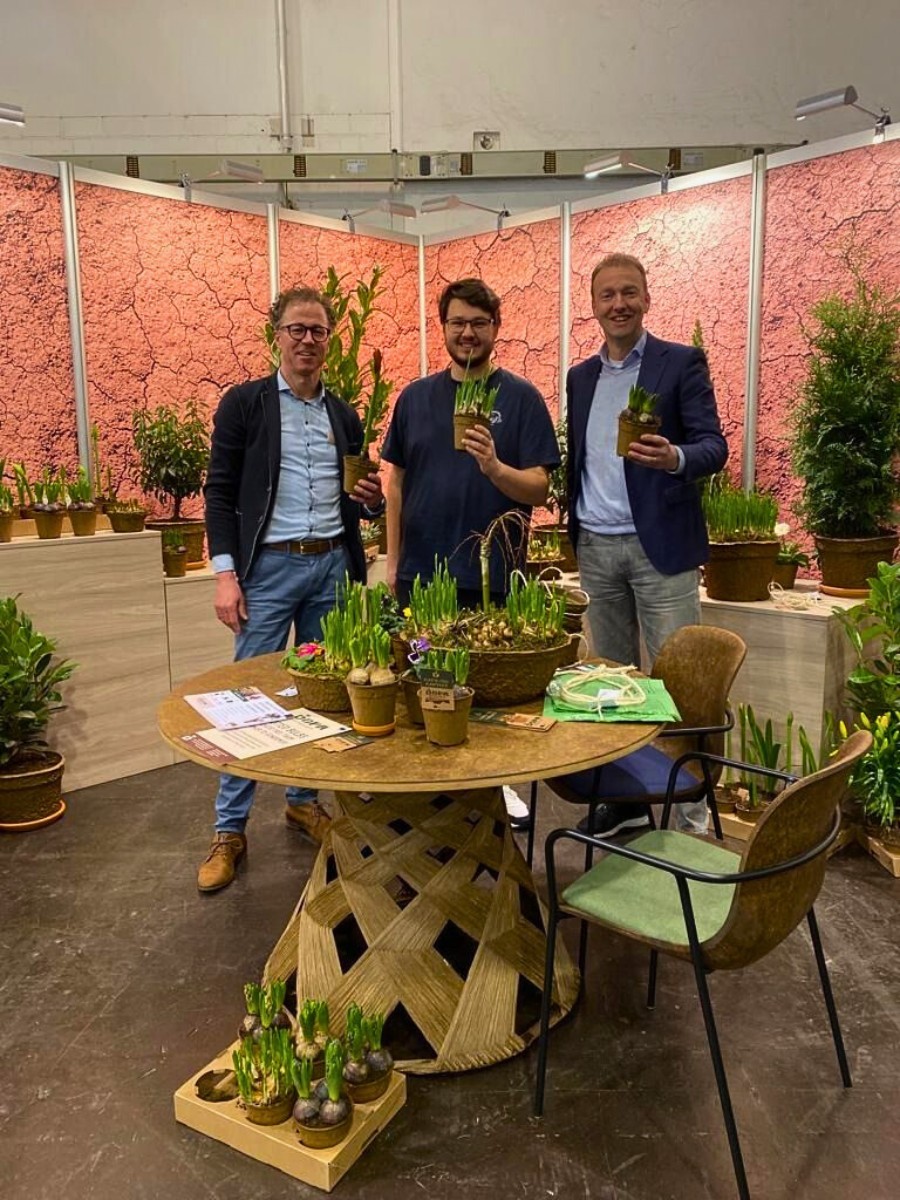
Instead of simply replacing one plastic item with another 'green' version, Plantics reconsidered materials for different sectors, including horticulture, furniture, and construction. This made it possible to invest in robust research and development (R&D) and scale up production, different from how single‑product niche solutions often do.
DOPA Paper Pots and How They Work
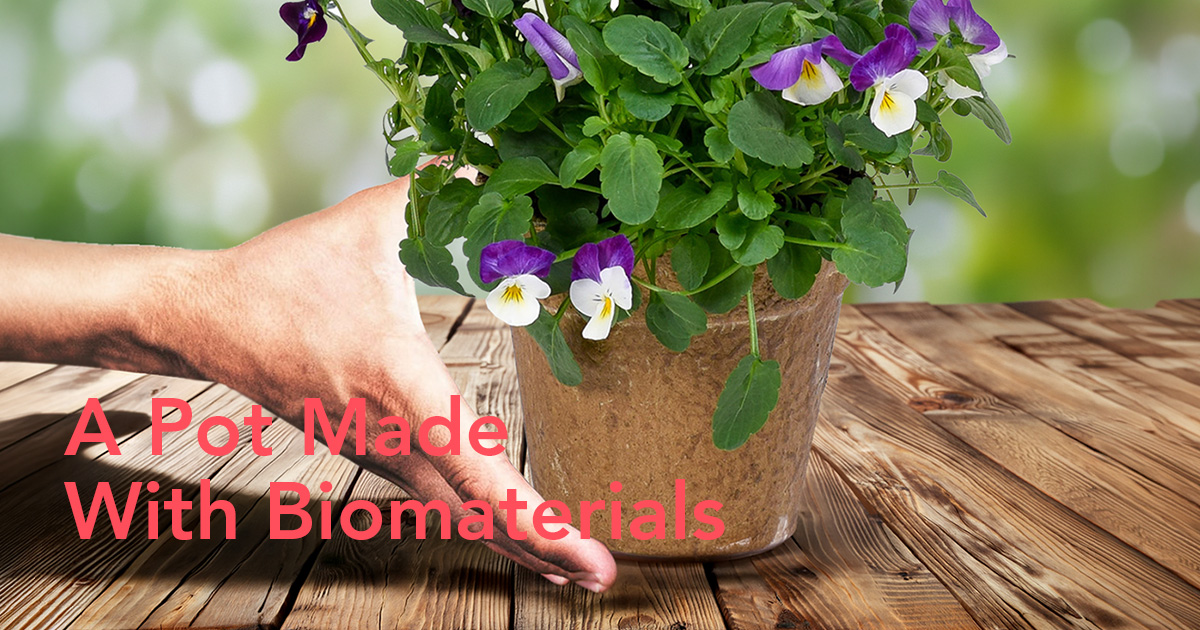
DOPA is a sustainable, biodegradable plant pot made from a mixture of recycled paper and a unique bio-resin developed by Plantics. As a paper pot strengthened with a natural bio‑resin, it can be used from grower to consumer without a plastic cover. The resin makes the pot more resistant to moisture, molds, and algae while keeping it free of fossil‑based plastic.
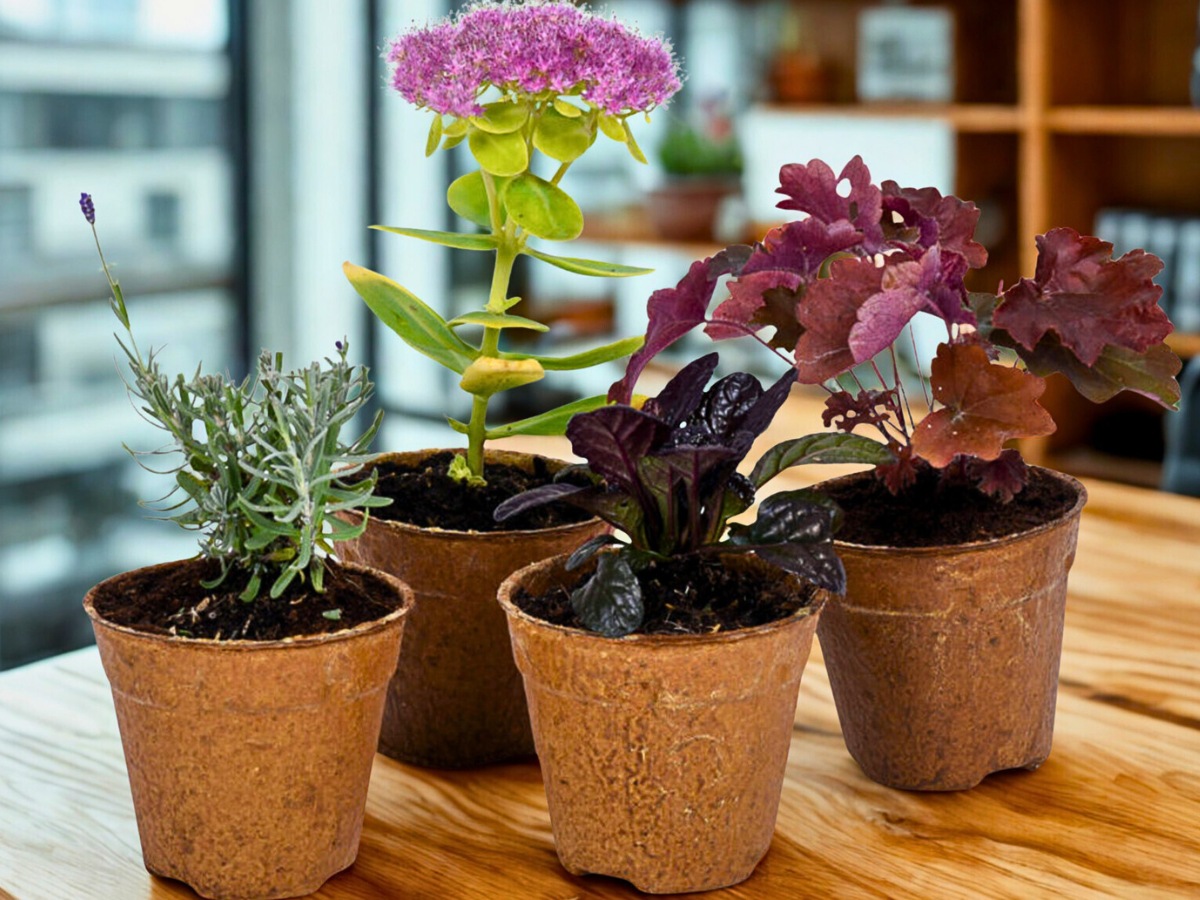
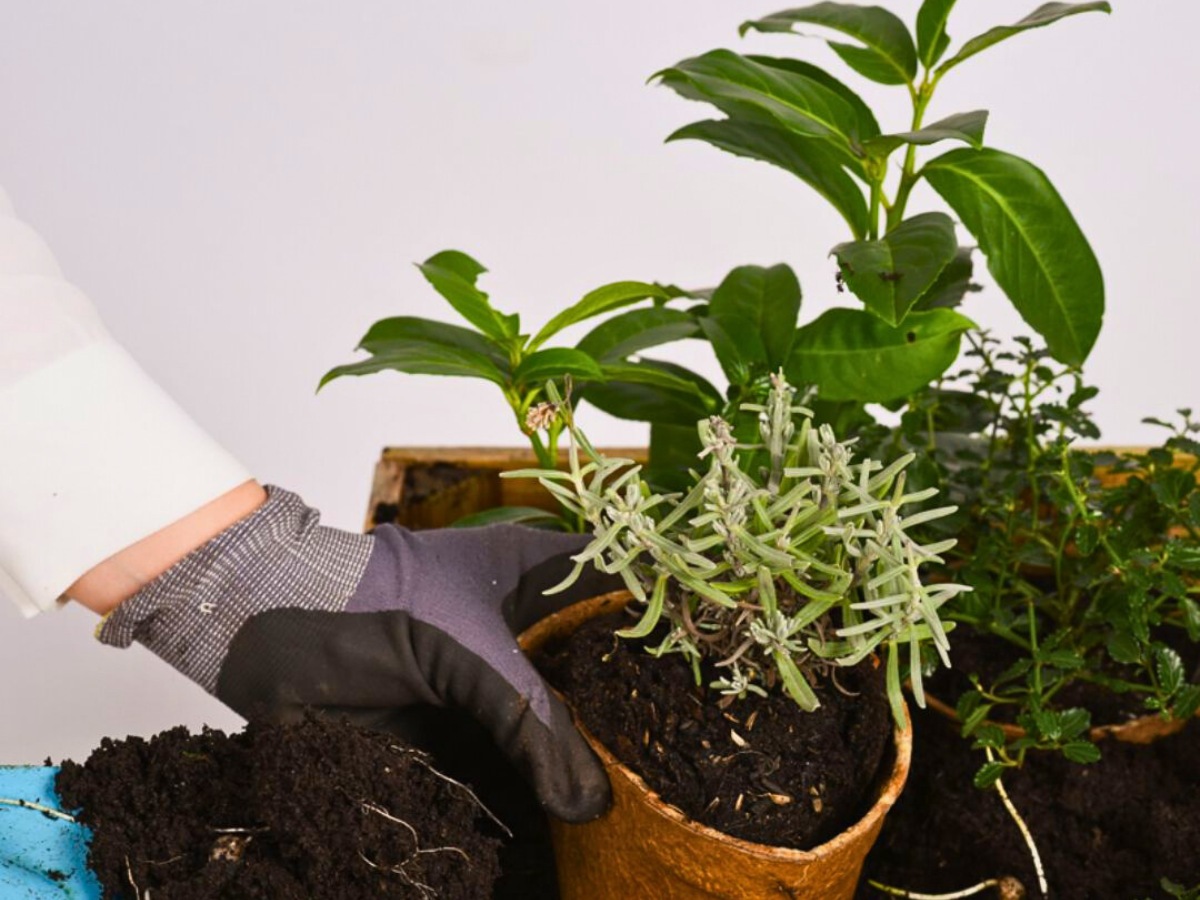
In practice, growers can fill, plant, and irrigate DOPA pots using their existing automated systems, then send them on to retailers and consumers with no extra repotting step. Once planted in the ground, the pot gradually breaks down in a similar way to organic waste and can contribute to soil quality instead of lingering as plastic fragments.
As Wridzer Bakker, the CEO of Plantics, notes:
"DOPA is one of our answers to the plastic waste problems. I do what I do in the first place for my daughters, the next generation. I want to leave the world a better place for them."

Why DOPA Works for Growers and Retailers
Horticulture’s ‘pot problem’ is still significant. Billions of plastic pots are used every year, and many are not recycled but incinerated or landfilled. For growers and retailers, DOPA provides several benefits alongside the environmental gains.
Some of its key advantages include:
- Use in existing automation systems, avoiding new capital expenditure for most standard formats.
- A natural look that fits consumer expectations around sustainable gardening and plant gifting.
- Home‑compostable, plastic‑free material that can go into the soil with the plant, simplifying disposal.
- Potential contribution to soil as the material breaks down, instead of leaving behind plastic shards.
Although paper‑based biopots are still often more expensive per unit than conventional plastic, the cost gap is expected to narrow as production scales and regulations around plastic tighten. For those building a sustainability profile, that extra cent or two can be an investment in product story, compliance, and customer loyalty.
DOPA Pots Stay Sturdy During the Growth and Retail
On its inception, Plantics concept seemed quite ambitious. But it is now moving into real volume. Over four years, they built a flexible demonstration plant that can produce around six million DOPA pots per year. The sizes and shapes are tuned to different crops and to standard pot‑filling, irrigation, and handling equipment, which is essential for commercial growers under time and labor pressure.
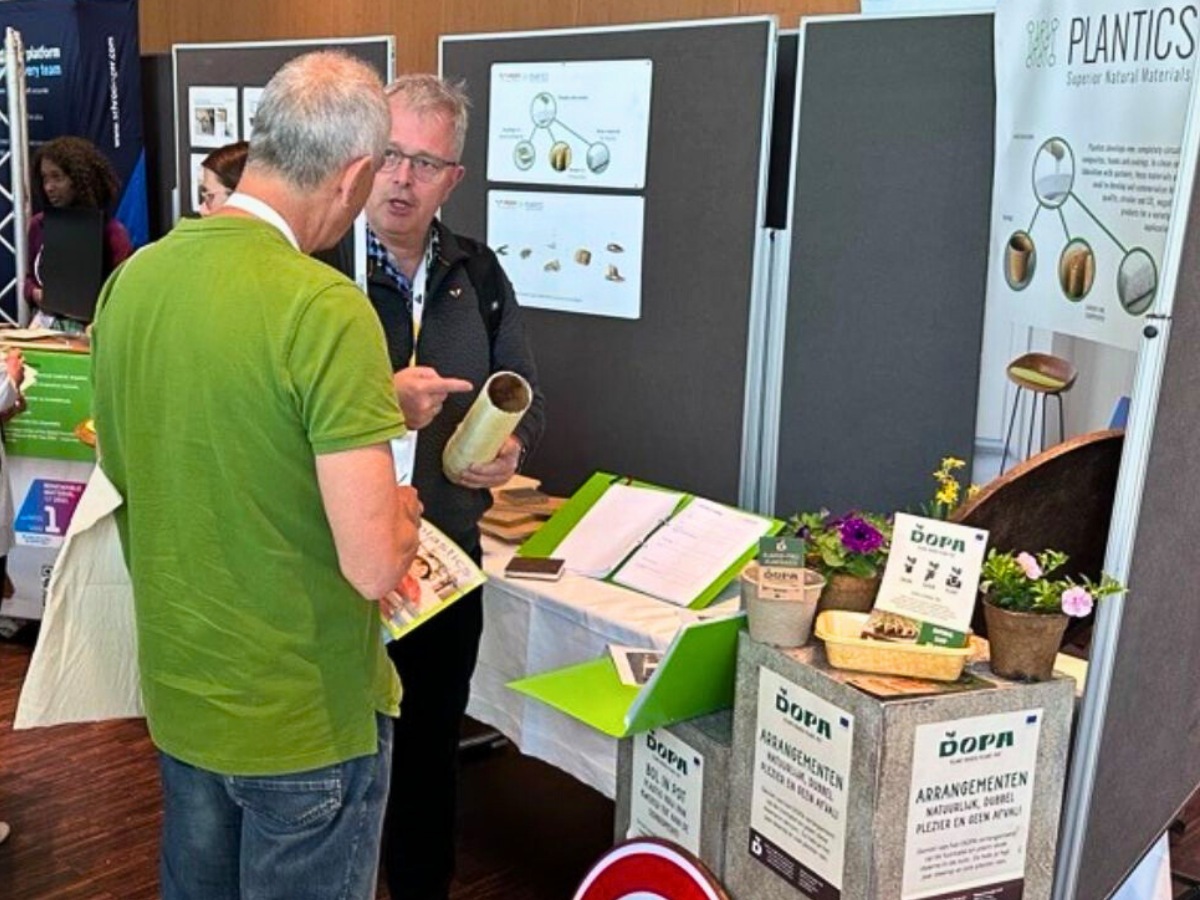
Trials at professional nurseries showed that DOPA pots stay sturdy during the growth and retail phase and can even sit on a terrace for months while maintaining their appearance. This performance is important in a market where many earlier paper or pulp pots degraded too quickly outdoors, making growers hesitant to switch.
Plantics Recognition, Investment, and New Partnerships
In the years of its being, Plantics' work has attracted increasing attention and support. They won the Renewable Material of the Year Award in 2021 for their bio‑resin technology and were nominated for the HortiContact Innovation Award in 2022. In 2023, they were ranked among the Top 5 emerging key players in the global bio-polymer market.

In late 2024, Saint‑Gobain, a major international player in construction materials, acquired a minority stake in Plantics to co‑develop circular construction products using Plantics resin. This helps strengthen the technology behind their horticultural products like DOPA. More recently, Plantics has secured European innovation funding, including an FTI grant and an SME/EIC grant to further develop and scale its biodegradable plastics.
As 2024 drew to a close, Plantics further highlighted a year of growing collaborations with greenhouses, nurseries, and garden centers across the European Union. DOPA pots were brought to more professional growers and eco‑focused retailers, growing the number of crops and concepts tested in real‑world conditions.
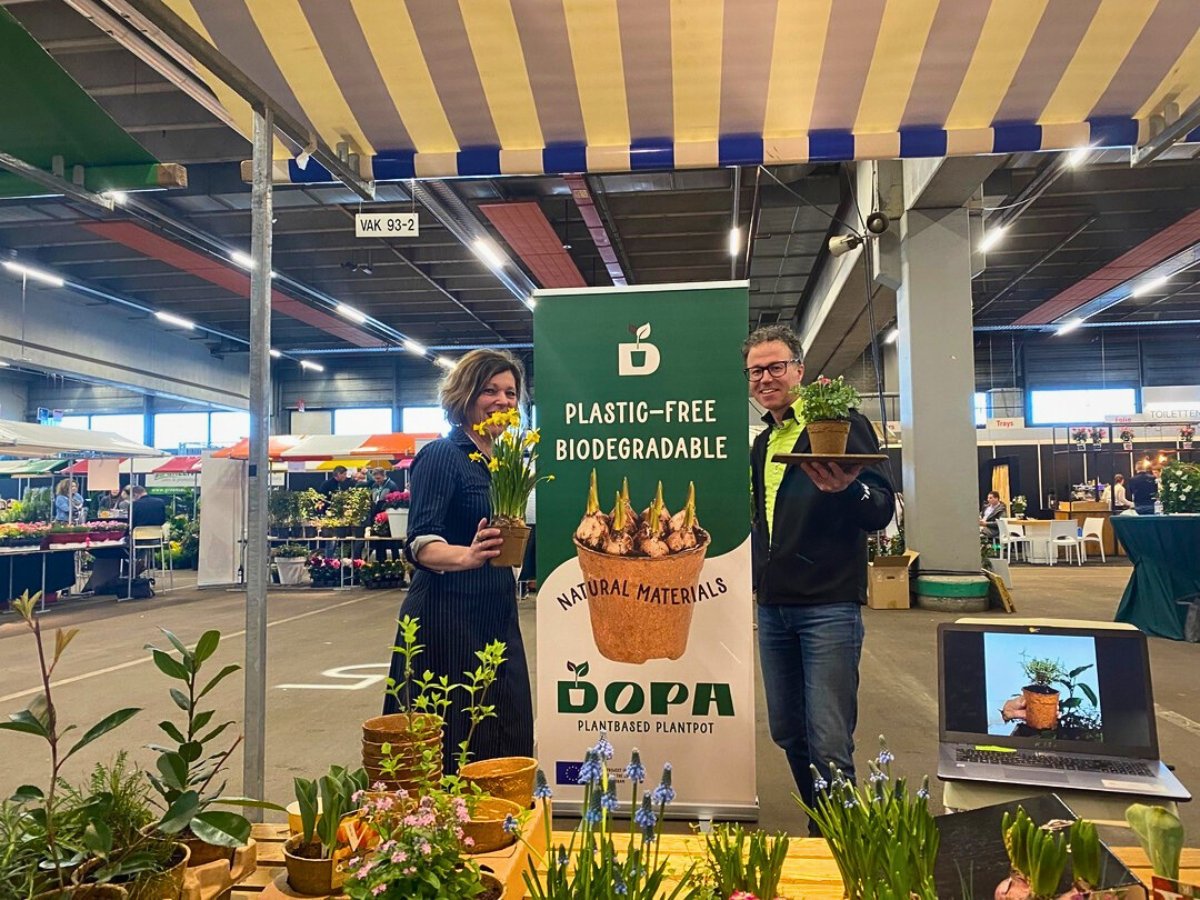
In early 2025, Plantics also reflected on being nominated for the Royal FloraHolland Greenovation Awards, a nod for suppliers who look to industry peers when judging new materials. At the same time, Plantics continued to explore options to further scale production capacity so that DOPA can move from being just an 'interesting innovation' to being an everyday standard for more plant categories.
From Niche to New Normal
With new investment, growing industrial partnerships, and ongoing technical refinements, Plantics is expanding both the range of pot sizes and shapes, as well as the number of sectors using its resin technology. For horticulture, the key question, then, is how fast these solutions can move from early adopters to everyday practice.
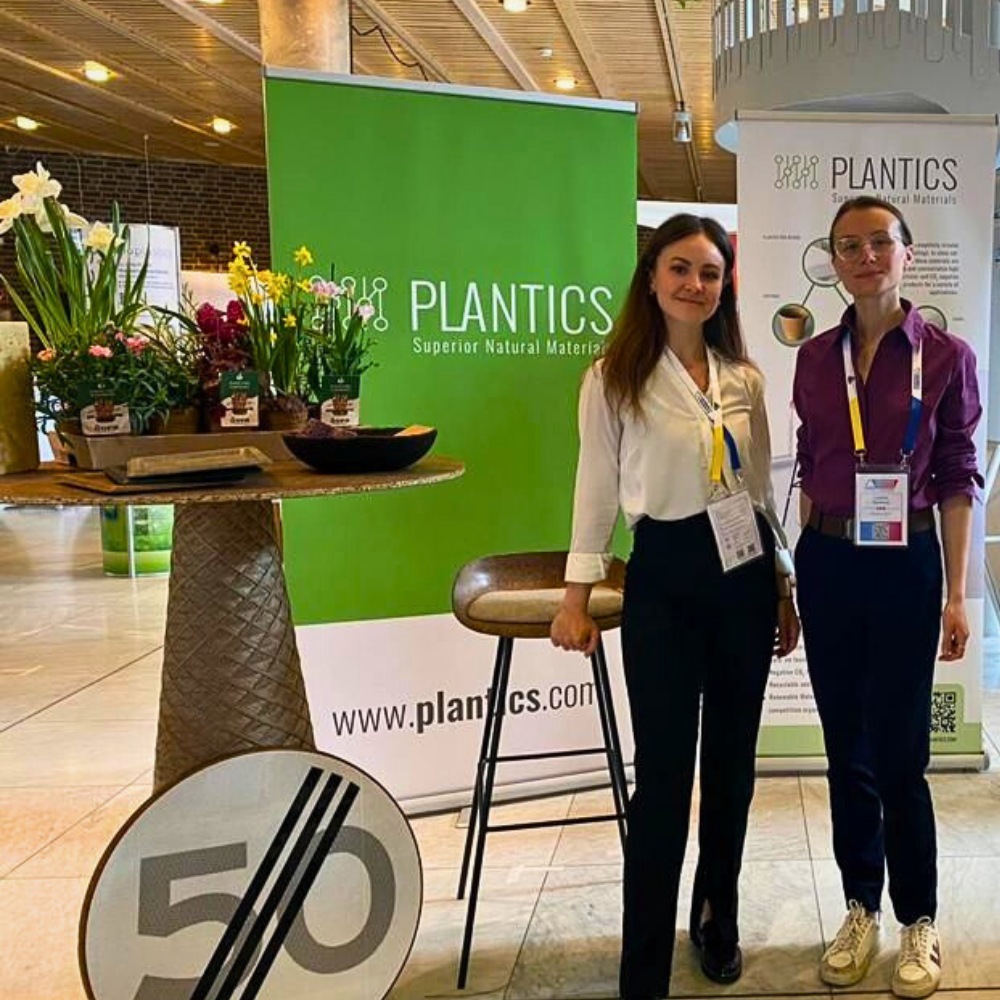
Growers replacing a portion of their plastic pots with soil‑degradable paper alternatives cut waste and inform consumers about the future of plant production. While DOPA may not solve every plastic challenge in horticulture, it certainly offers a working example of how innovation can make the industry more environmentally friendly without compromising efficiency.
Other images used are by Plantics BV.