
Fresh cut flowers are among the most generous gifts that nature offers. They often come full of life, color, and elegance, and then... they are wilted and gone, sometimes faster than one would like. But why most flowers wilt and fade quickly has less to do with them and more to do with how they are cared for. Fresh flowers look their best when they can drink well, stay clean, and sit in the right environment.
With that in mind, the good news is that keeping a bouquet fresh for more days is not about fancy tricks or guesswork, but mostly comes down to simple habits that limit bacteria, support water uptake, and slow stress from heat and dry air. Once you know the reasons for each step, flower care feels easy, much more practical, and worth doing.
Start With a Clean Vase and the Right Cut
Begin with a vase that has been washed with warm, soapy water and rinsed very well. Any leftover bacteria or residue can build up in the water and block the flower stems from taking in moisture. Clean glass or glazed ceramic is a smart choice because it is easy to rinse and less likely to hold old film. A spotless vase gives your flowers a healthier start from day one.
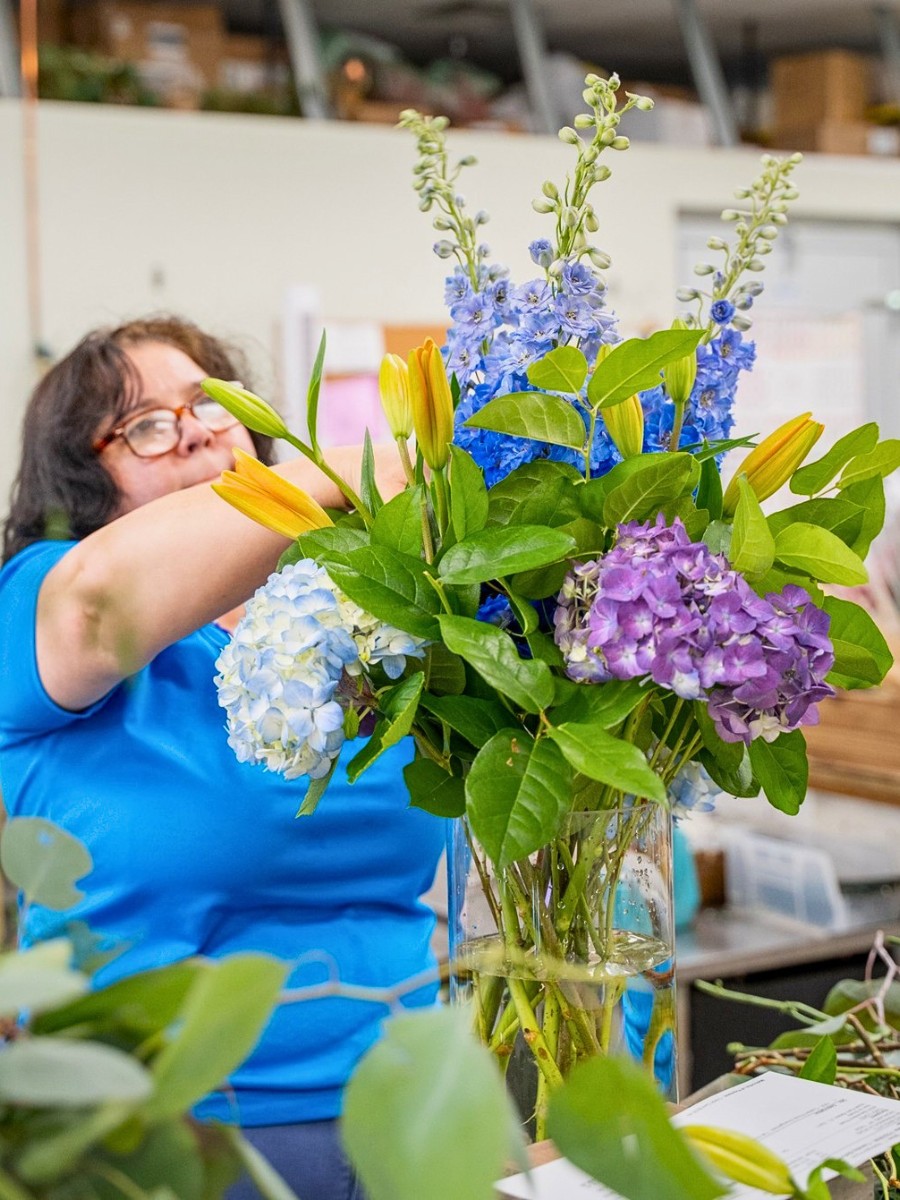
The next most important thing you can do for cut flowers happens before they even touch the vase; that’s how you cut the stem. When a stem is cut, it immediately begins sealing itself off, much like a wound. If you place a freshly cut stem straight into water, an air bubble can form at the base, blocking water uptake before the flower has a chance to hydrate properly.
The fix is to cut stems at a 45-degree angle, ideally underwater or immediately before placing them in a vase. The angled cut increases the surface area available for water absorption and prevents the stem from sitting flat against the vase bottom, which would restrict flow. For woody stems such as roses or eucalyptus, a longer cut or a small vertical slit at the base can help water move upward more easily.
Notably, when cutting the stem, use a sharp, clean knife or floral scissors. A dull blade crushes the stem's vascular tissue instead of cutting cleanly through it. And crushed tissue cannot draw water efficiently.
Keep the Water Clean and Fresh
Flowers drink a lot of water, and stagnant water is a breeding ground for bacteria quickly. Those bacteria clog the stem's vascular system, cutting off what the flower needs to survive. Change the water every one to two days. Each time you do, re-cut the stems slightly and rinse the vase thoroughly. A clean vase is much more important than most people realize, because old residue left therein from a previous arrangement harbors bacteria that shorten the life of your next one.
Water temperature is also worth thinking about. Most cut flowers prefer cool water, which slows bacterial growth and reduces the rate at which the flower metabolizes its own energy. Tropical flowers like Anthuriums and the bird of paradise are exceptions; they prefer almost room-temperature water.
Use a Flower Food or Preservative
Commercial flower foods, such as the products supplied by Chrysal (a brand well known in the flower postharvest care industry), are a simple but highly effective tool. Their formulas are designed to support longer vase life than water alone. These small packets, often included with supermarket bouquets, work on three levels: they provide sugars that feed the flower, contain an acidifier that lowers the water's pH to improve uptake, and include a biocide to slow bacterial growth.
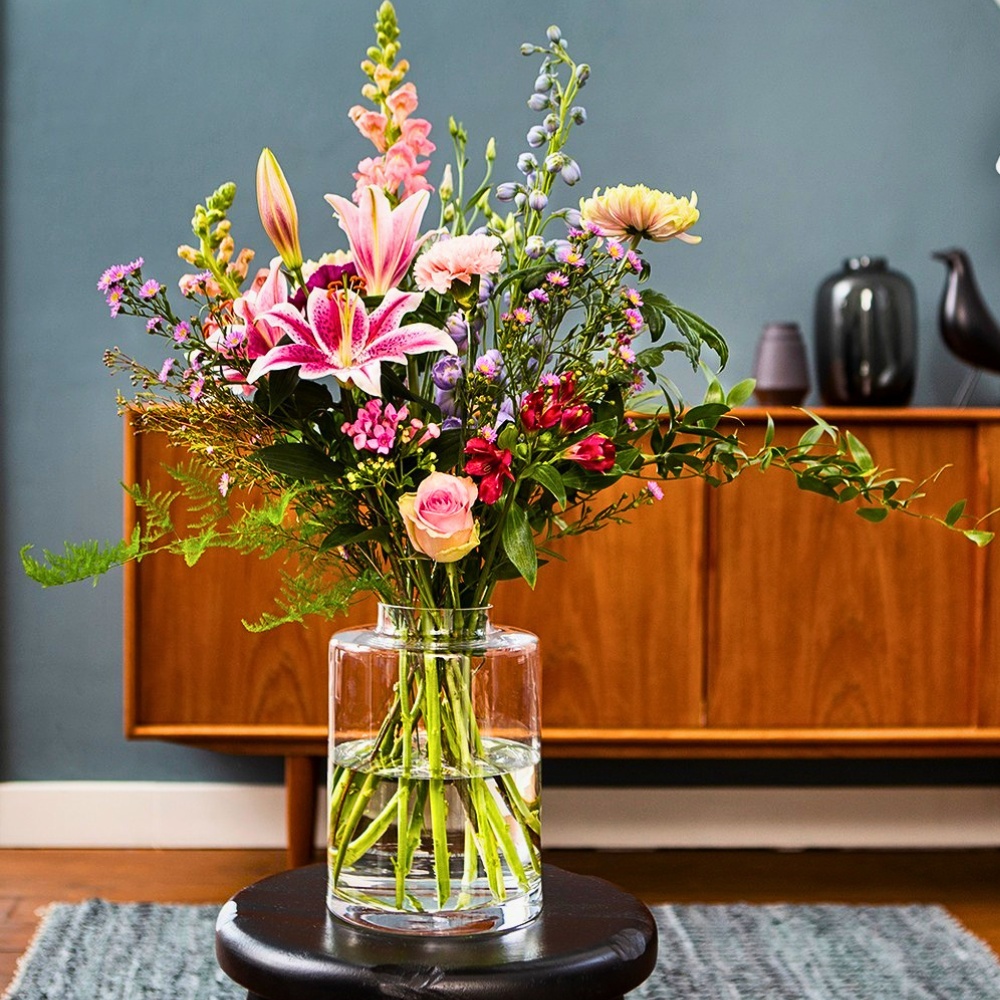
If you're without a packet, a homemade alternative could work reasonably well. Combine one quart of water with one tablespoon of sugar, one tablespoon of white vinegar, and a half teaspoon of bleach. The sugar feeds the flower, the vinegar adjusts pH, and the bleach keeps bacteria at bay. It is not quite as calibrated as a product like Chrysal's professional-grade preservatives, but it is far better than plain water alone.
Remove Leaves Below the Waterline and Watch the Arrangement Size
Any foliage submerged in water will rot, and that rotting material is a direct source of bacterial contamination. Before placing flowers in a vase, strip any leaves that will sit at or below the water's surface. This is a simple step, but one that is often skipped and later regretted.
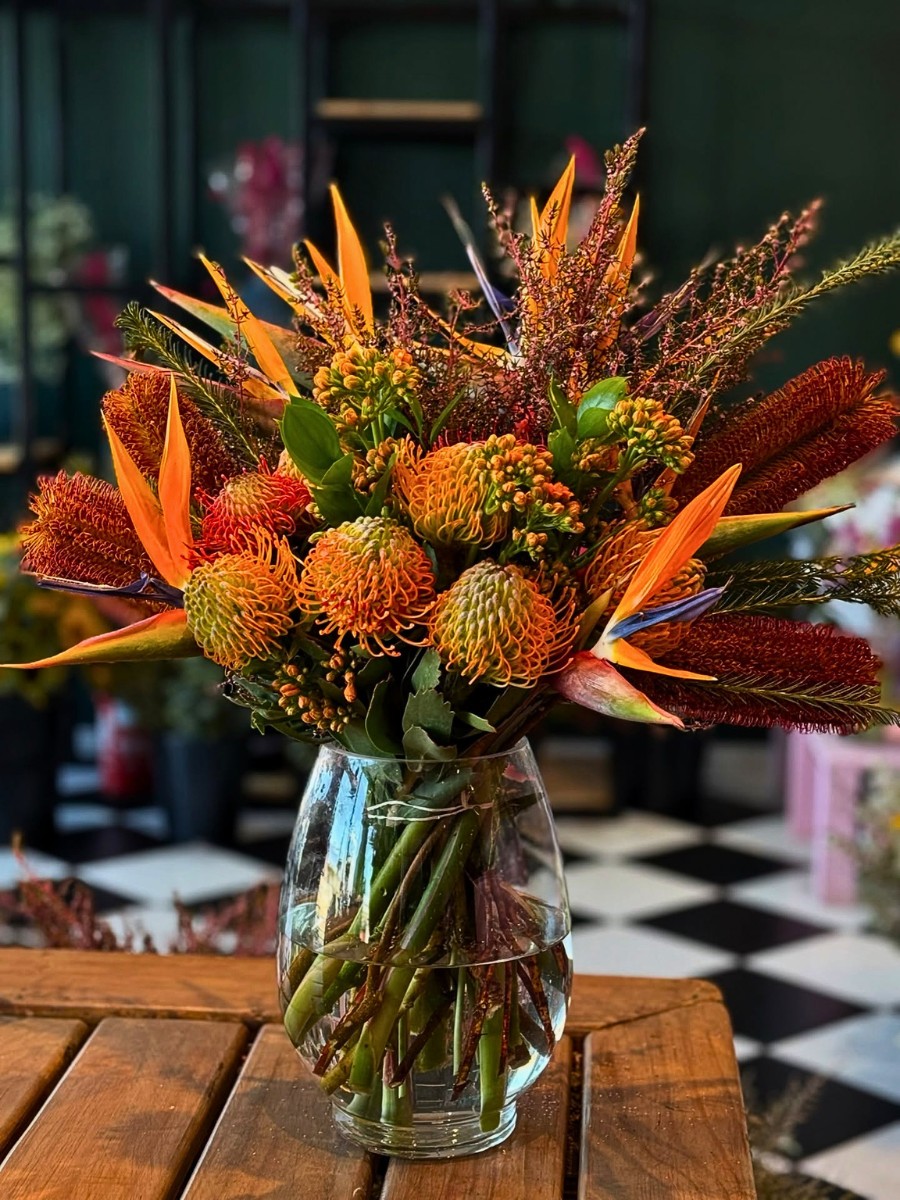
Also, do not overcrowd the vase. Flowers need space so stems are not crushed, and water can move freely around them. A vase that is too small can cause bending and pressure, while one that is too large may not support the stems well. The right size keeps the bouquet upright, tidy, and better hydrated.
Location Matters in Keeping the Flowers Cool
Where you place your arrangement has an impact on how long it lasts. Flowers age faster when exposed to heat, direct sunlight, and ethylene gas. Ethylene is a natural ripening agent released by fruits, so placing a vase of roses next to a bowl of bananas or apples is, unfortunately, a recipe for quick wilting.
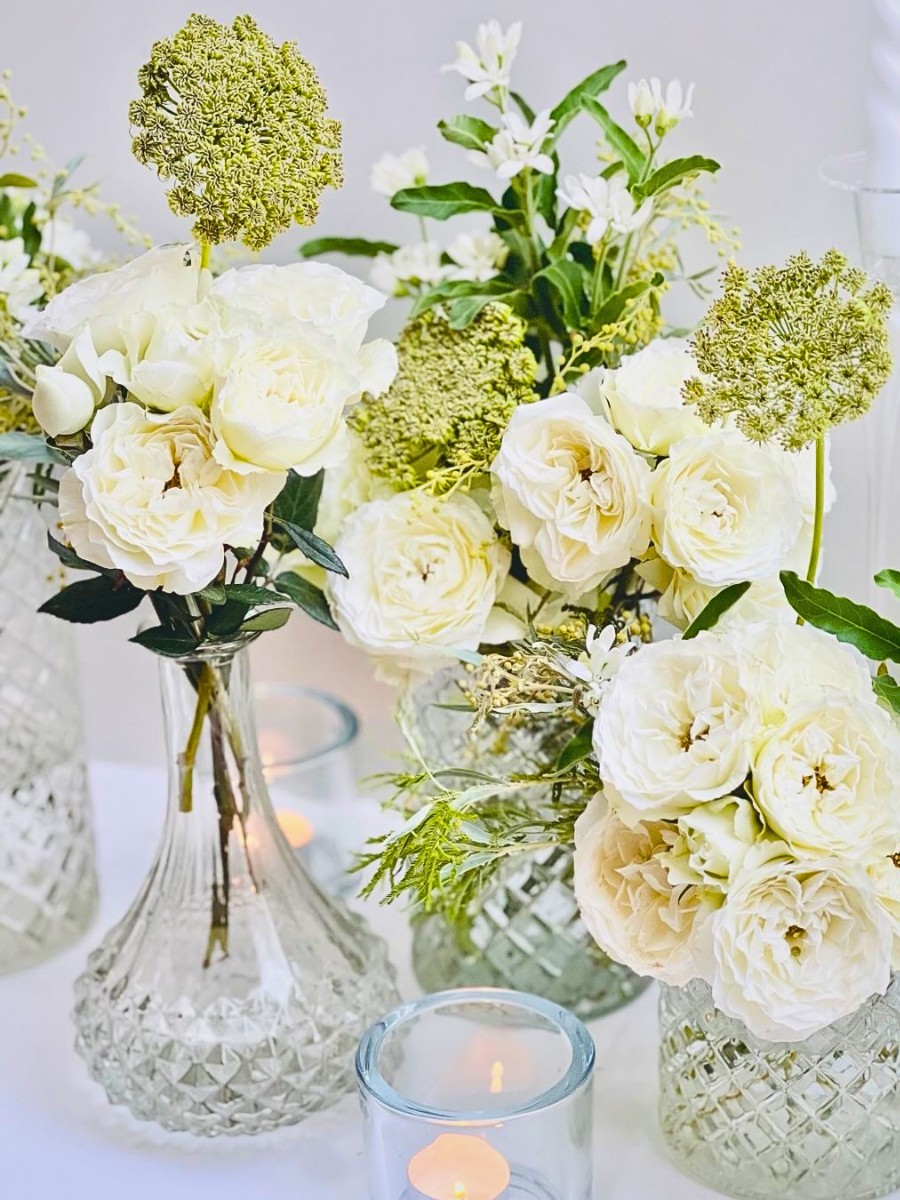
Also, keep arrangements away from heating vents, sunny windowsills, and televisions, all of which generate ambient heat. At night, if you can move the arrangement to a cooler room or even set it in the refrigerator, you'll add considerable life to it. Cold slows cellular respiration and delays the natural aging process in the flower.
Essentially, a cooler room extends the flowers’ useful life, while bright sun on a windowsill can shorten it. A stable spot with gentle light is usually the best home for a bouquet or a vase of flowers.
Condition the Flowers Before Arranging
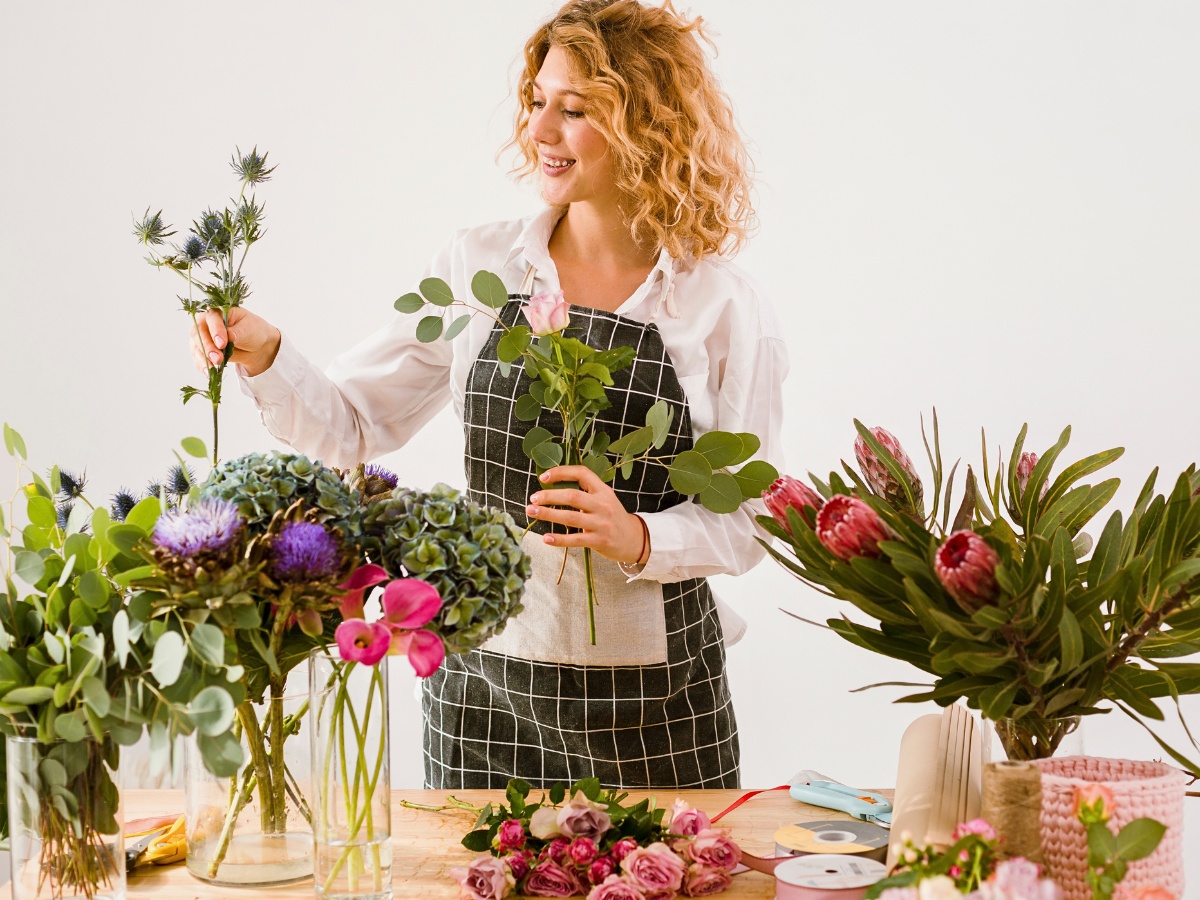
If you've purchased or received flowers that look slightly limp, ‘conditioning’ them can help considerably. Place the stems in deep, cool water for a few hours before arranging them. This rehydrates the stems and, for flowers that have been out of water for some time, helps restore their structure and posture.
Some flowers do much better with more specific conditioning. Hollow-stemmed flowers like Delphiniums can be turned upside down, filled with water, and the stem plugged with a small piece of cotton wool before being placed right-side up in the vase. This keeps the channel hydrated from the inside out.
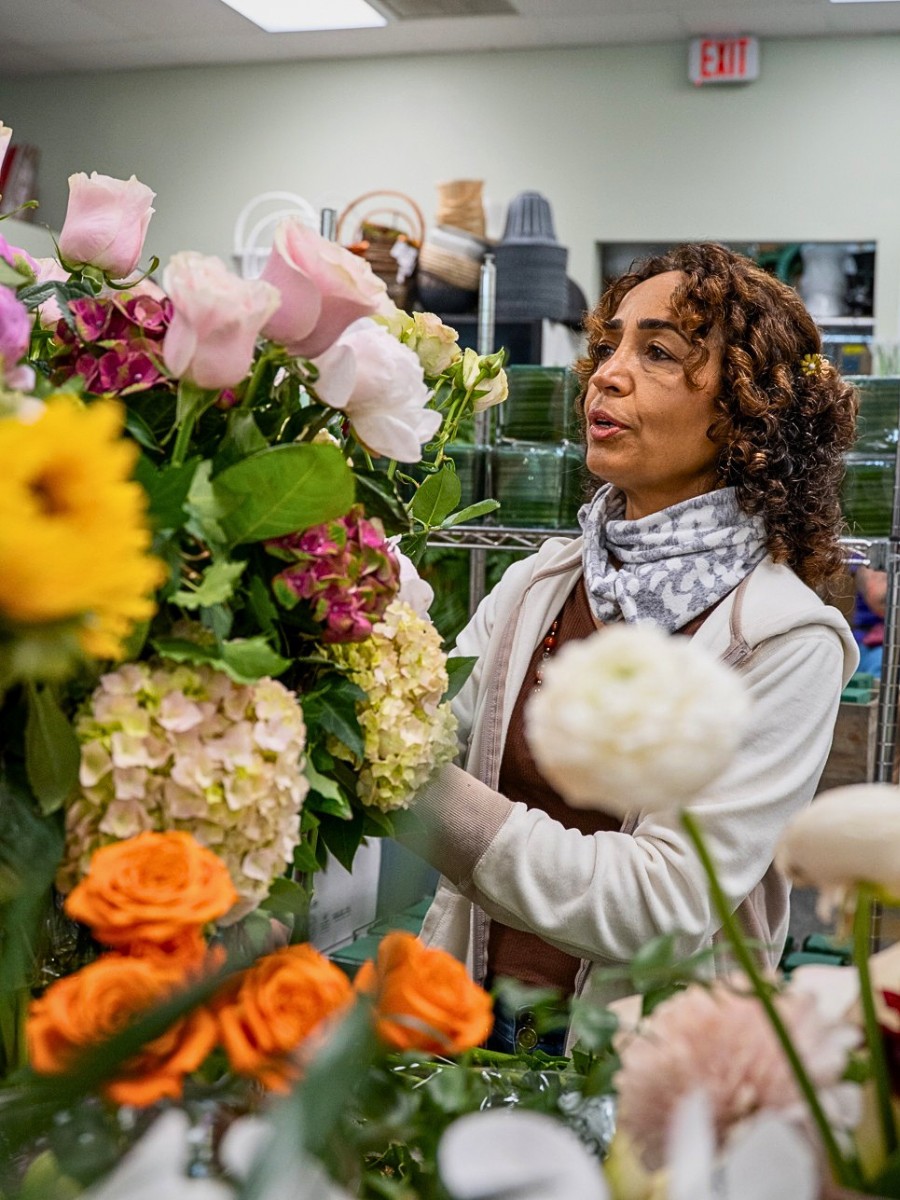
Know Your Flowers
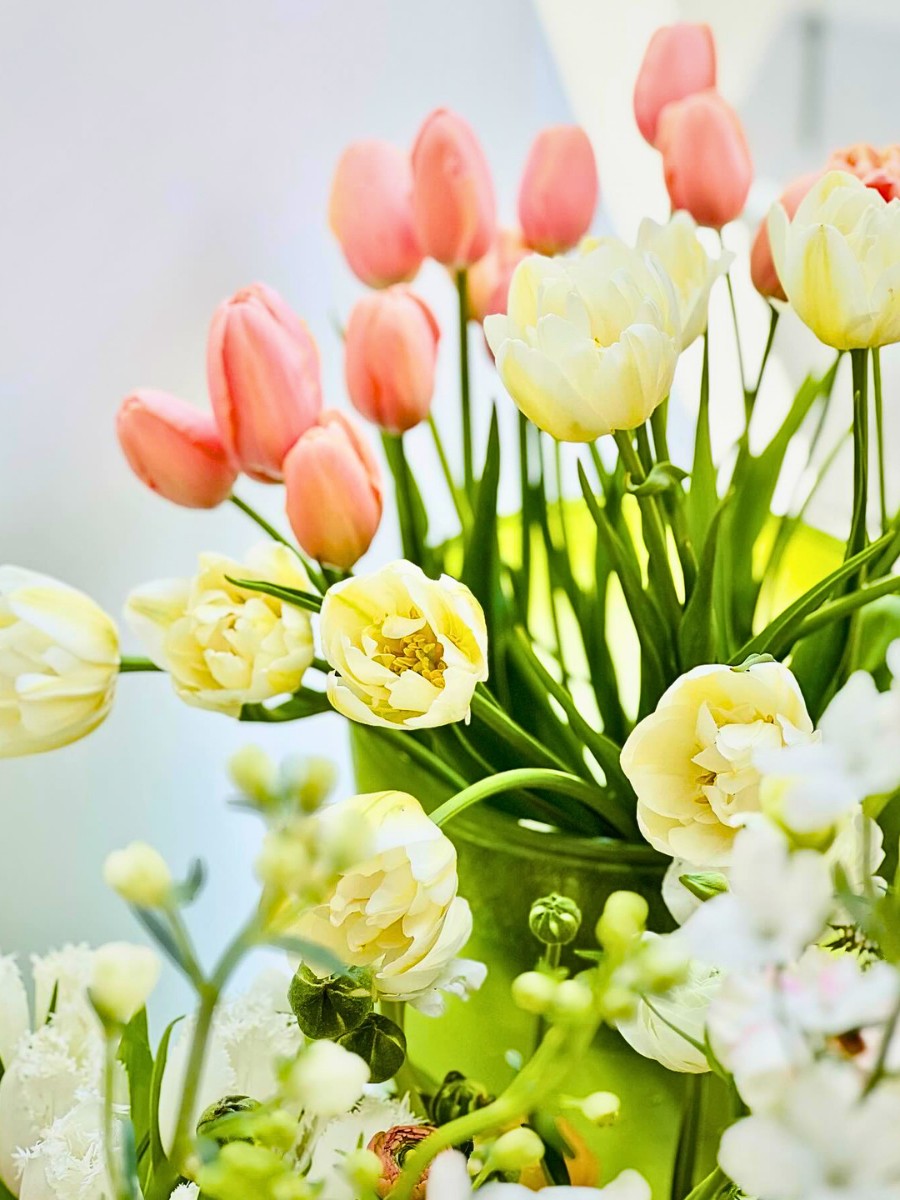
Different flowers have different needs. Tulips, for instance, continue to grow after being cut and will lean toward the light, which means rotating the vase daily and using cooler water keeps them more upright and tidy.
Roses with bent necks can often be revived by re-cutting the stem and placing the entire stem in warm water for twenty to thirty minutes. Woody-stemmed flowers, like lilac or Hydrangea, could do well with splitting the base of the stem so water can penetrate the dense tissue.
You Might Consider Skipping the Old Myths
Aspirin, vodka, pennies, soda, and mouthwash are often mentioned as flower-saving tricks. But while they may have been perceived to work, they are not as reliable as clean water, proper trimming, and commercial flower food. Some ideas may show limited effects, yet the basics reliably work better. If your goal is longer vase life, reliable care beats kitchen folklore.
Featured image by freepik. Header image by Andrea Piacquadio.