Floral design is often romanticized as creativity alone. In reality, it is a discipline that sits between art, horticulture, logistics, and business. The modern florist is not only arranging flowers. They are managing the cost of goods, understanding seasonality, working within tight event timelines, and translating emotion into structured design.
Because of that, education in floristry has evolved. What was once primarily apprenticeship-based has expanded into structured schools, certification programs, botanical institution courses, and professional workshops. For anyone considering entering the field or strengthening their position within it, understanding what floral design schools truly offer is an important step.
The Evolution of Floral Design Education
For decades, floral design was passed down in flower shops. Young designers learned by observing, practicing, and repeating techniques under experienced florists. While that system still exists, the industry has grown more complex.
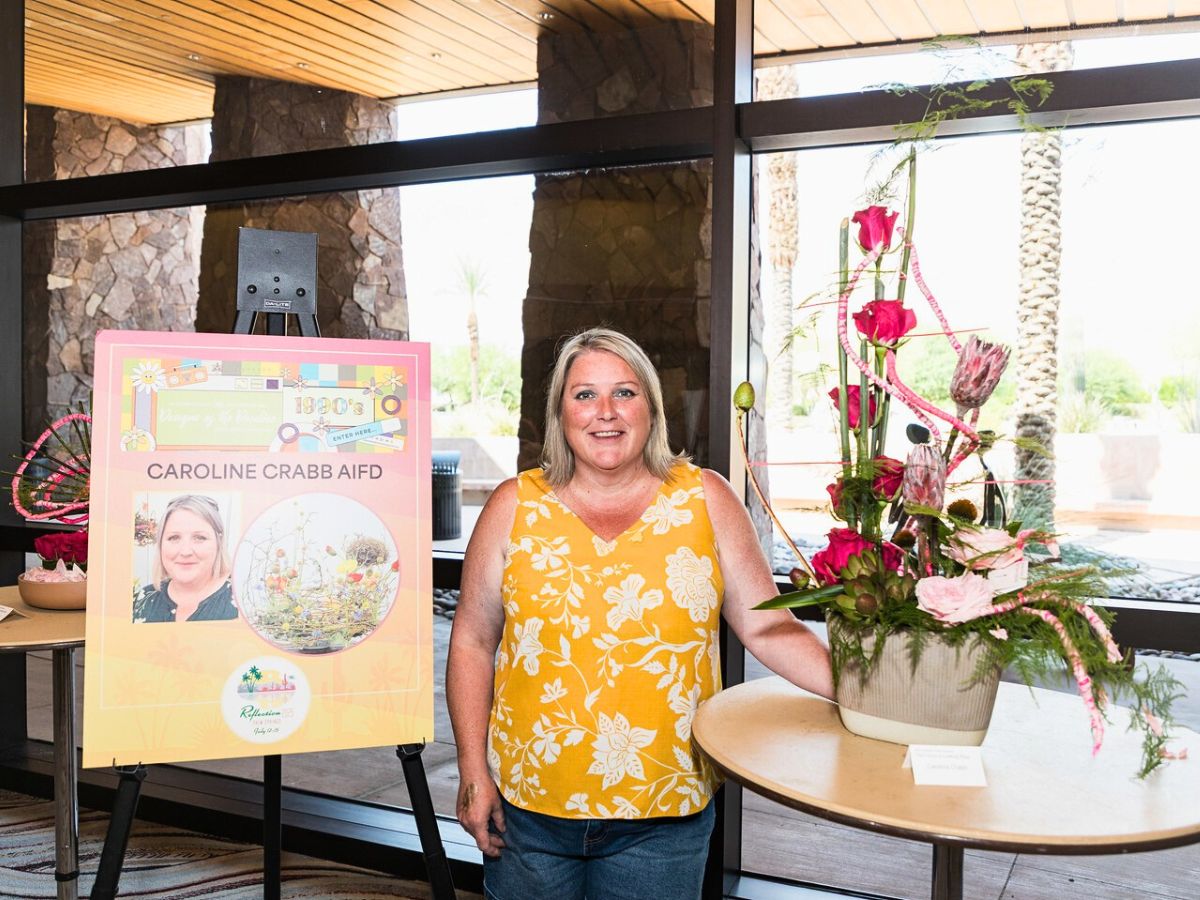
Weddings have become production-scale events. Corporate installations demand structural knowledge. Social media has influenced aesthetic expectations. Supply chains are global. Clients are more informed. As a result, formal floral design schools emerged to provide structured foundations. These institutions introduced design theory, color relationships, proportion principles, plant science, and pricing logic into what had once been informal learning. Today, education in floristry can be both technical and strategic. That shift reflects how the industry itself has matured.
Understanding the Different Types of Floral Design Schools
Not all programs serve the same purpose. One of the biggest mistakes prospective students make is assuming every floral design school offers identical value. In reality, each format responds to different ambitions.
Certificate Focused Programs
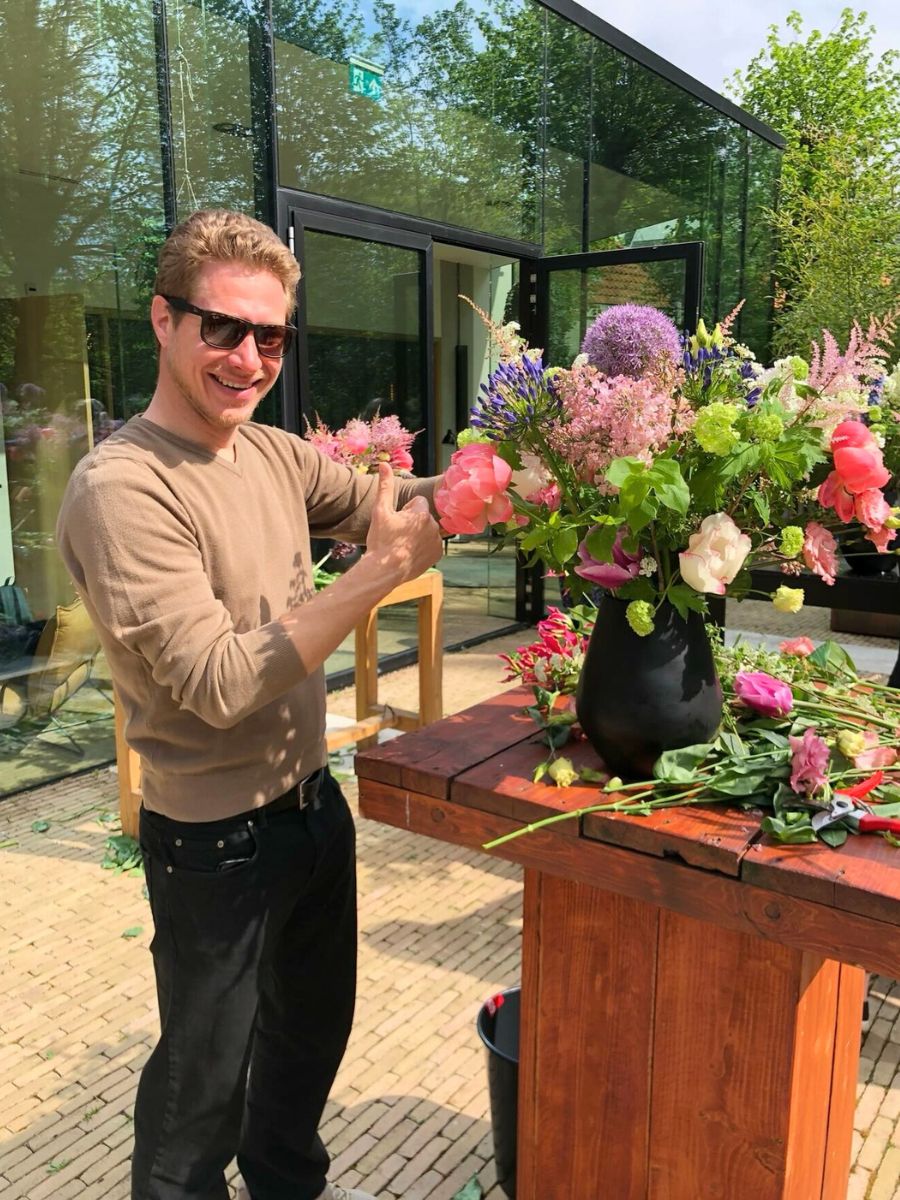
Certificate programs are often the entry point into professional floristry. They concentrate on mechanics, bouquet construction, sympathy work, event structures, and retail production techniques. Students typically gain repetition and hands-on practice. These programs aim to build competence and confidence within a shorter time frame. They are well-suited for career starters, career changers, and working florists seeking formal structure.
What they may not include in depth is broader horticultural science or long-term business strategy. That depends on the institution.
Degree-Based Floral and Horticulture Programs
Colleges that offer associate degrees often situate floral design within horticulture. This expands learning beyond the arrangement technique. Students may study plant physiology, greenhouse operations, pest management, and retail management. This path provides a broader understanding of how flowers move from cultivation to the consumer.
For individuals considering farm management, large retail operations, or long-term ownership, this broader foundation can be valuable. It builds resilience and operational awareness beyond design aesthetics.
Botanical Institution Education
Some botanical gardens offer floral design education as part of continuing studies. These programs often blend plant knowledge with refined design application. Learning in this context exposes students to seasonal materials, plant diversity, and botanical discipline. It can be especially enriching for designers who want a deeper understanding of source material rather than focusing solely on event work.
Workshops and Intensive Programs
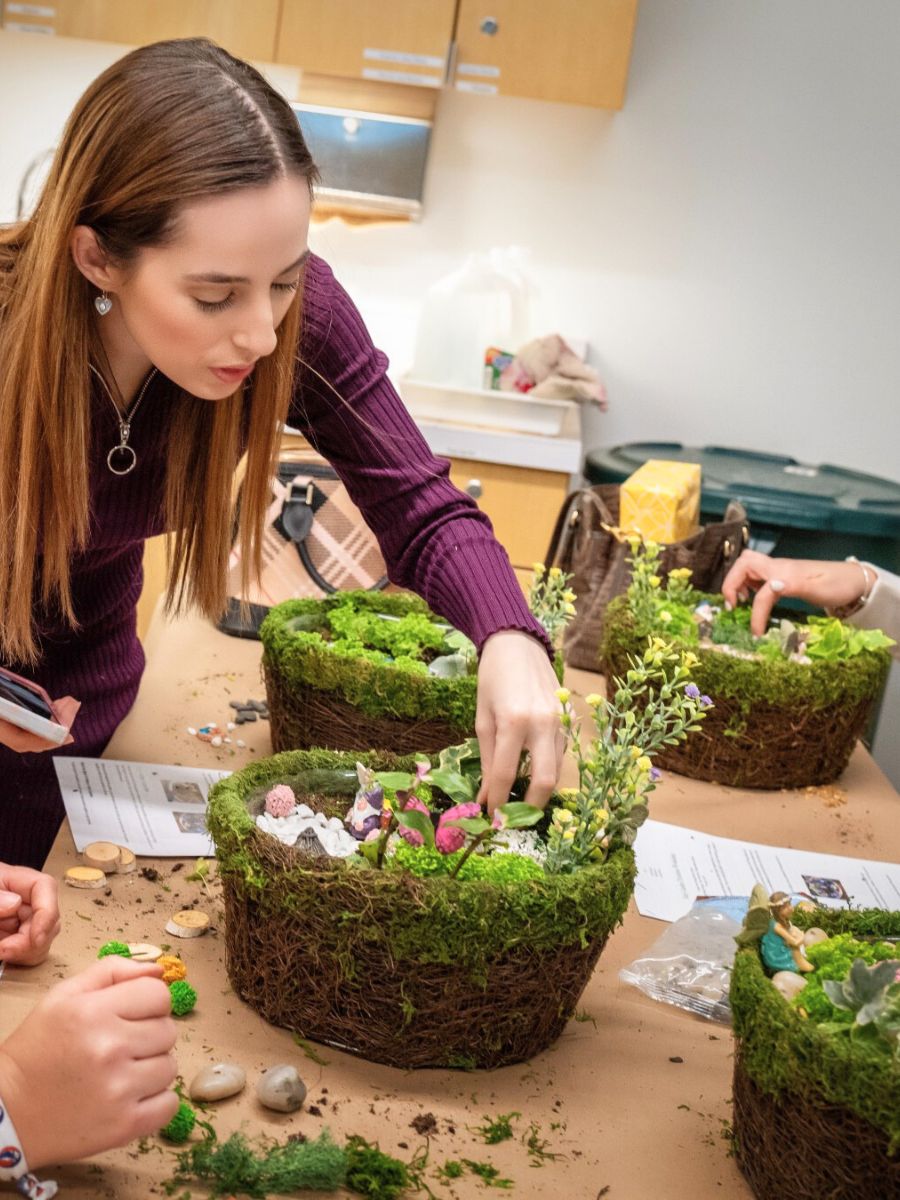
Short-format programs remain highly influential within the industry. These may focus on wedding bouquets, installation frameworks, or contemporary design trends. Workshops are valuable because they offer concentrated learning. They allow professionals to refine specific skills without committing to long-term study.
However, workshops are rarely foundational. They tend to build upon existing understanding.
Online Floral Design Schools
Online education has expanded access to floristry training. For individuals outside major metropolitan areas, this format provides opportunity. Strong online programs focus on theory, design principles, business fundamentals, and structured critique. The responsibility shifts to the student to practice mechanics independently. Online training can be effective when paired with consistent hands-on repetition. It requires discipline and self-direction.
Rittners School of Floral Design
Founded in 1950 and based in Boston, Rittners is one of the long-standing private floral design schools in the US. It offers structured programs in introductory floral design, advanced techniques, and sustainable approaches. Courses are available both online and on campus, and are typically completed within six months. The curriculum prepares students directly for work in retail floristry and event design.

Texas Tech University School of Floral Design
Located in Lubbock, Texas, Texas Tech offers a certificate in the Principles of Floral Design under its Department of Plant and Soil Science. The program combines academic knowledge of plant science with applied design training. Students benefit from a university setting that integrates horticulture, research, and structured coursework.
Golden West College
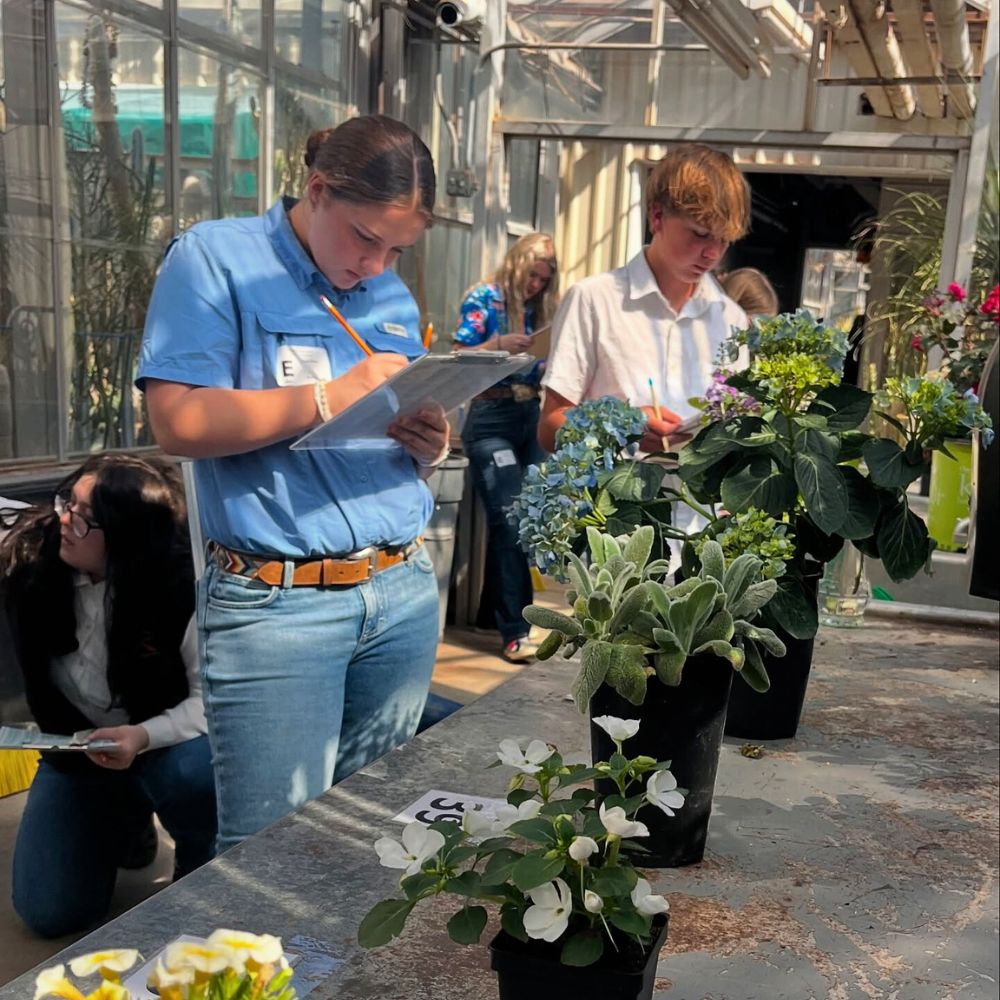
Based in California, Golden West College provides both degree and certificate options in floral design and shop management. The curriculum includes floral design technique, entrepreneurship, and small business management. Its integration of marketing and business principles makes it appealing to students interested in ownership or retail management.
Anne Arundel Community College
This Maryland institution offers a comprehensive floral design program covering principles of design, critique, styles, and advanced mechanics. Students are prepared for professional certification pathways. The program emphasizes both technical skill and analytical understanding of design structure.

Floral Design Institute
Located in Portland, Oregon, the Floral Design Institute offers in-person and online certification programs. Training includes foundational and advanced floral design, with structured hours and formal testing. The school focuses heavily on mechanics, repetition, and professional-level skill development.
New York Institute of Art & Design
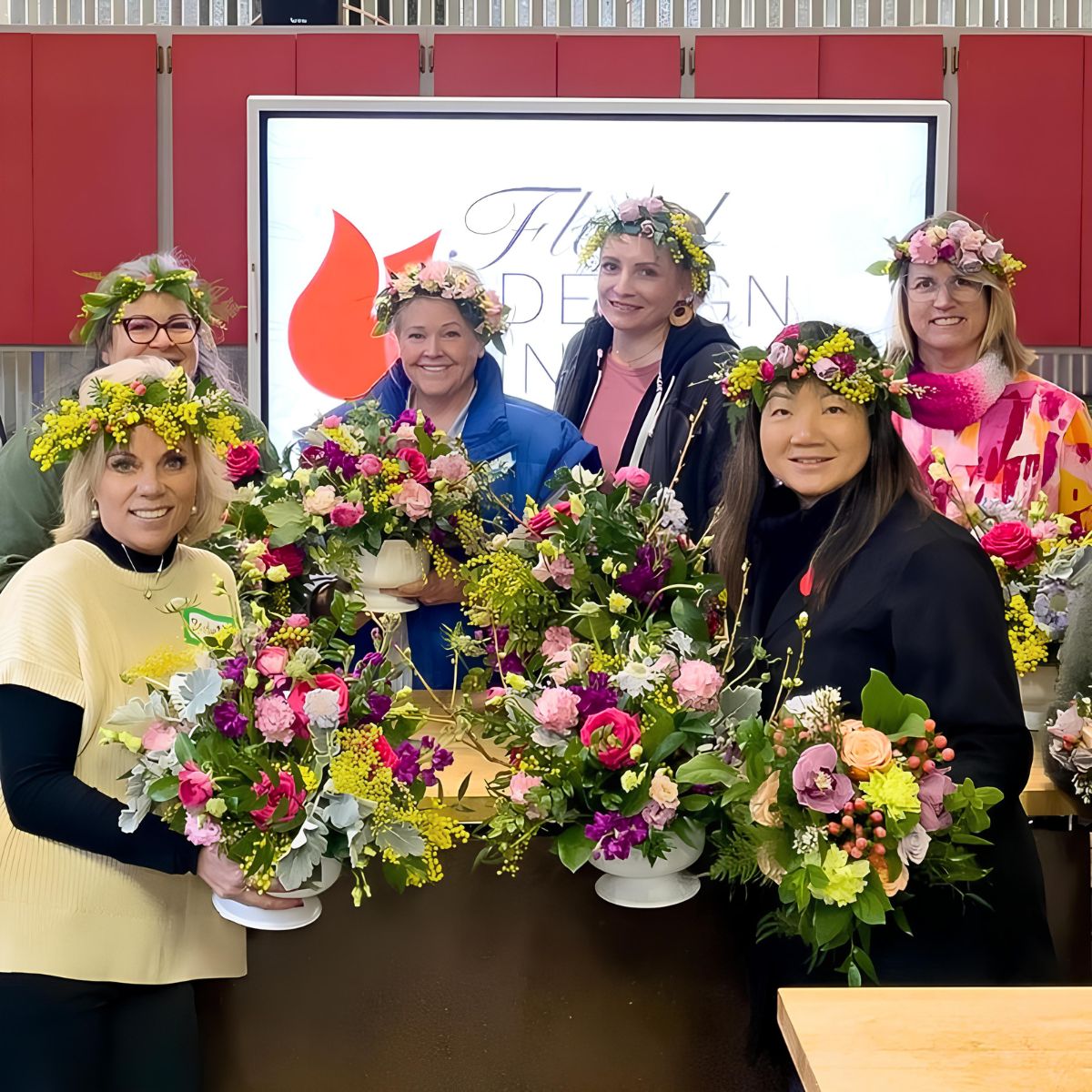
NYIAD provides flexible online and on-campus certificate programs in floral design. Coursework covers design history, modern techniques, and business management for florists. The online model includes video instruction from working professionals, allowing students to study at their own pace.
American Institute of Floral Designers
AIFD is a national professional association that provides advanced education and accreditation. While not a traditional college, it plays a significant role in professional development and certification within the floral industry. It also accredits select floral design programs across the country.
California Polytechnic State University
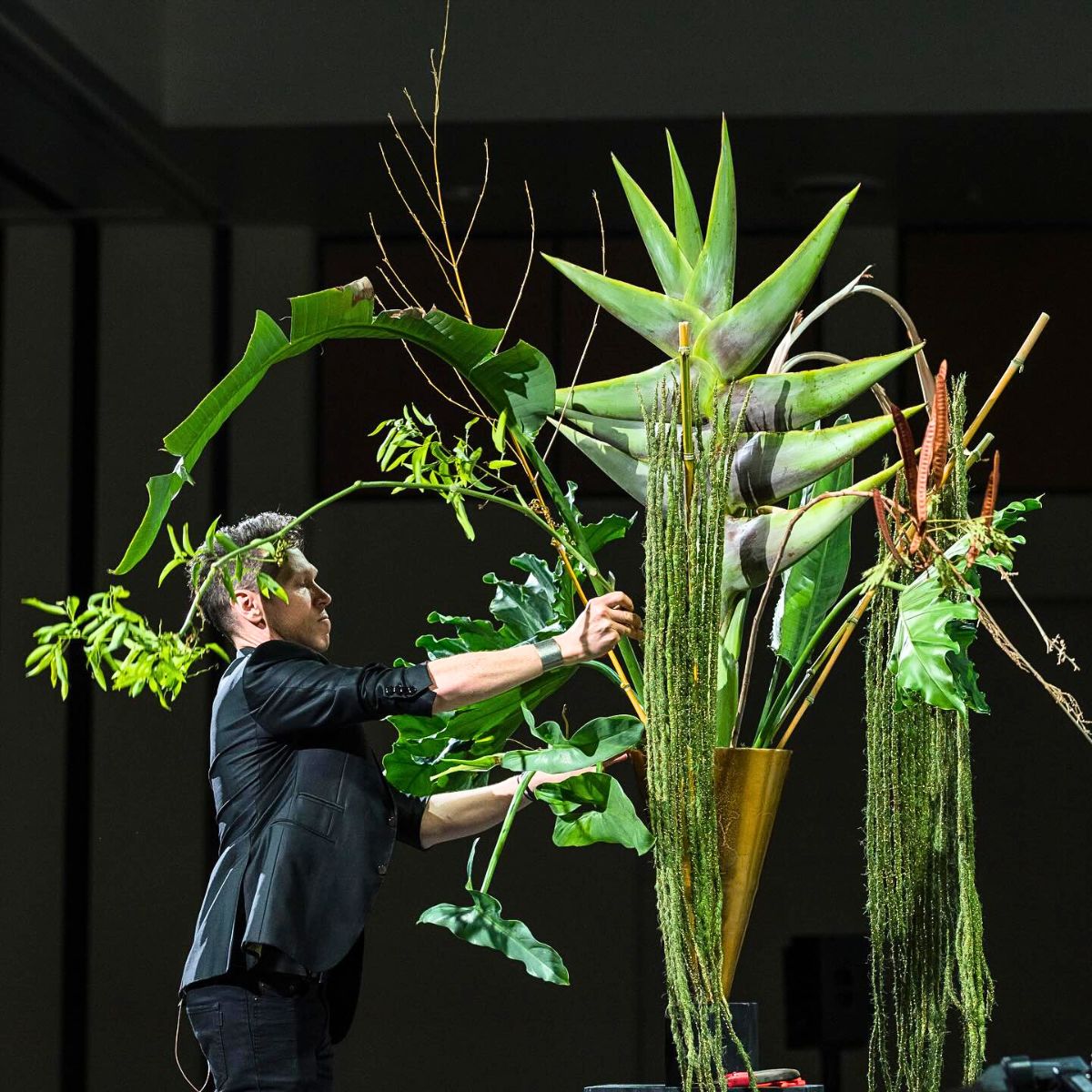
Cal Poly offers floral design education within a broader horticulture and plant production framework. Students learn not only arrangement techniques but also cultivation, post-harvest handling, and business management. The campus farm environment gives practical exposure to flower production systems.
Mississippi State University
Mississippi State University provides multi-level floral design education, from certificates to advanced programs. Courses include design principles, mechanics, wedding and sympathy work, and floral business management. Higher levels emphasize entrepreneurship and operational strategy.
Longwood Gardens
FlowerSchool New York
Chicago Botanic Garden
Houston Community College
University of Florida
European Master Certification(EMC)
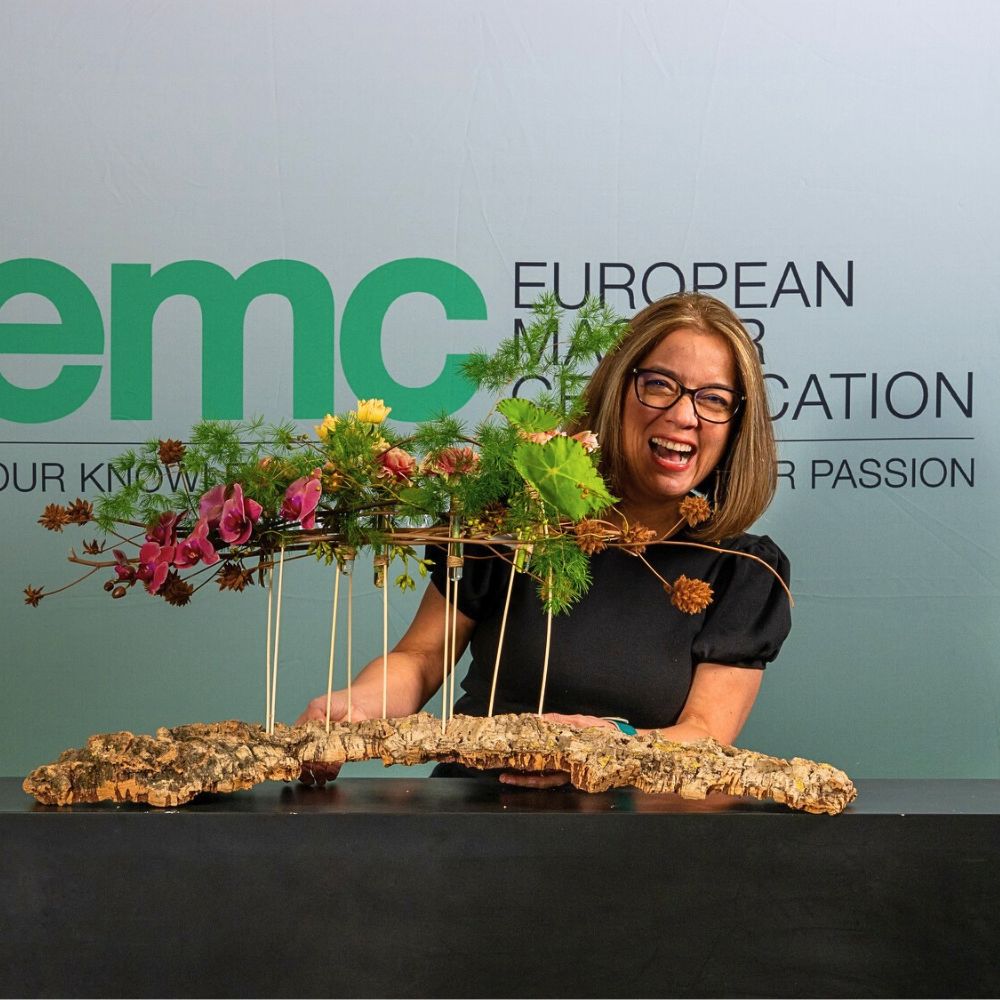
European Master Certification, often referred to as EMC, operates in the United States and was founded through collaboration between an American and a Belgian floral professional. The program follows structured European design standards and emphasizes technical precision, design discipline, and critique. EMC offers a high-level certification pathway for experienced designers seeking international recognition and advanced mastery.
What Does Floral Design School Actually Teach?
Prospective students often ask what they will truly gain from formal education. Beyond bouquet construction, programs typically address:
- Design theory and composition
- Color relationships and seasonal application
- Structural mechanics and installation support
- Pricing logic and cost calculation
- Customer psychology and service communication
- Inventory management
- Event workflow
- Vendor collaboration
The strongest programs do not isolate creativity. They connect design decisions to profitability and execution.
Duration and Commitment
Floral education ranges widely in duration. Some professionals gain foundational skills in a matter of weeks. Others commit to multi year study. What matters is not only length, but intensity and repetition. Mastery in floristry develops through practice. Education should accelerate that process by providing structured critique and technical correction.
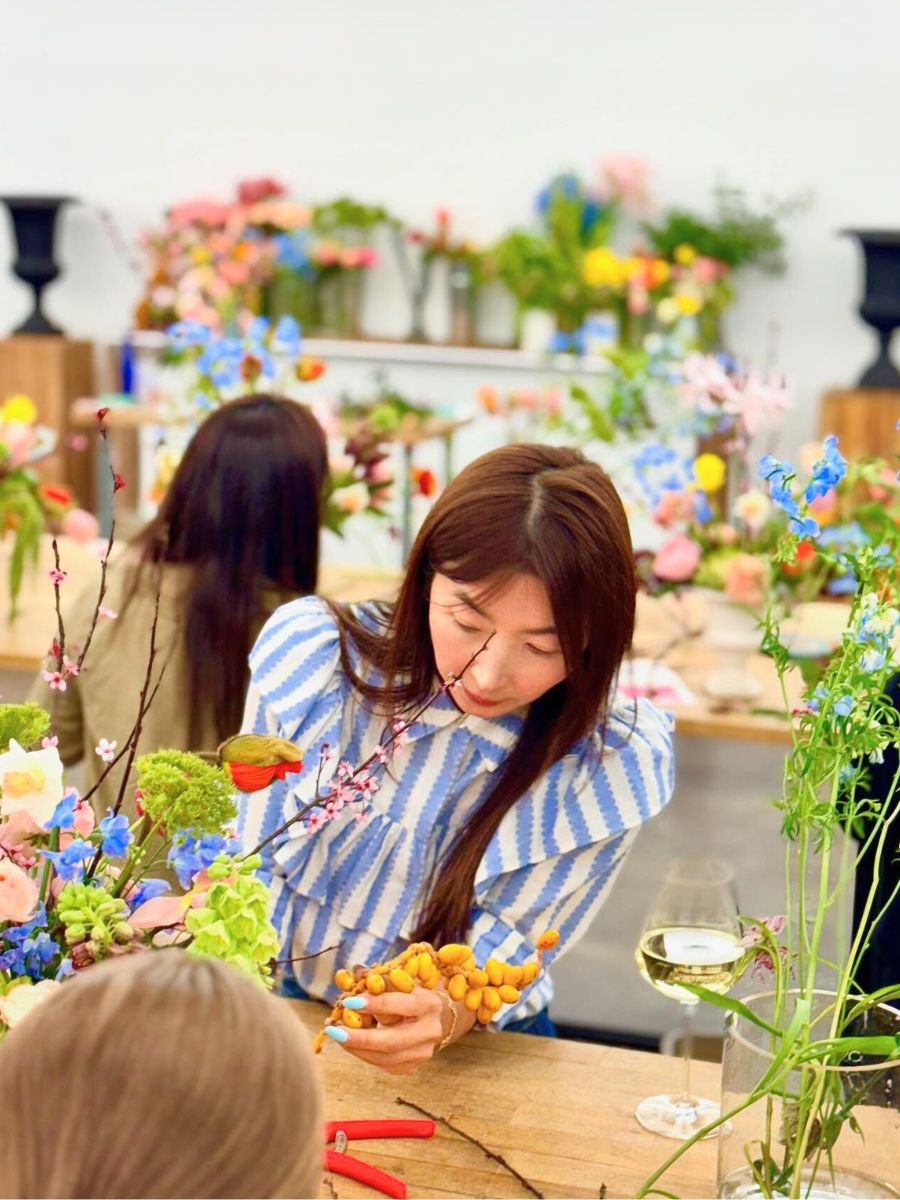
A short program can be impactful if it includes strong mentorship and hands-on volume. A longer program can lose effectiveness if practice hours are limited. Time investment should reflect long-term ambition.
Cost Considerations Beyond Tuition
When evaluating floral design schools, tuition is only part of the equation. Students must also consider tools, materials, travel, and practice inventory. Floristry requires repetition, and flowers are perishable. Learning involves material cost.
It is also important to evaluate what support exists after graduation. Does the school provide industry connections? Does it assist with certification pathways? Does it offer portfolio guidance? Education should ideally extend beyond the classroom.
Certification and Industry Recognition
While formal degrees are not mandatory to work as a florist, professional recognition can strengthen positioning.
Industry certifications communicate commitment and technical proficiency. They can support credibility when pursuing high-value event clients or leadership roles within established companies.
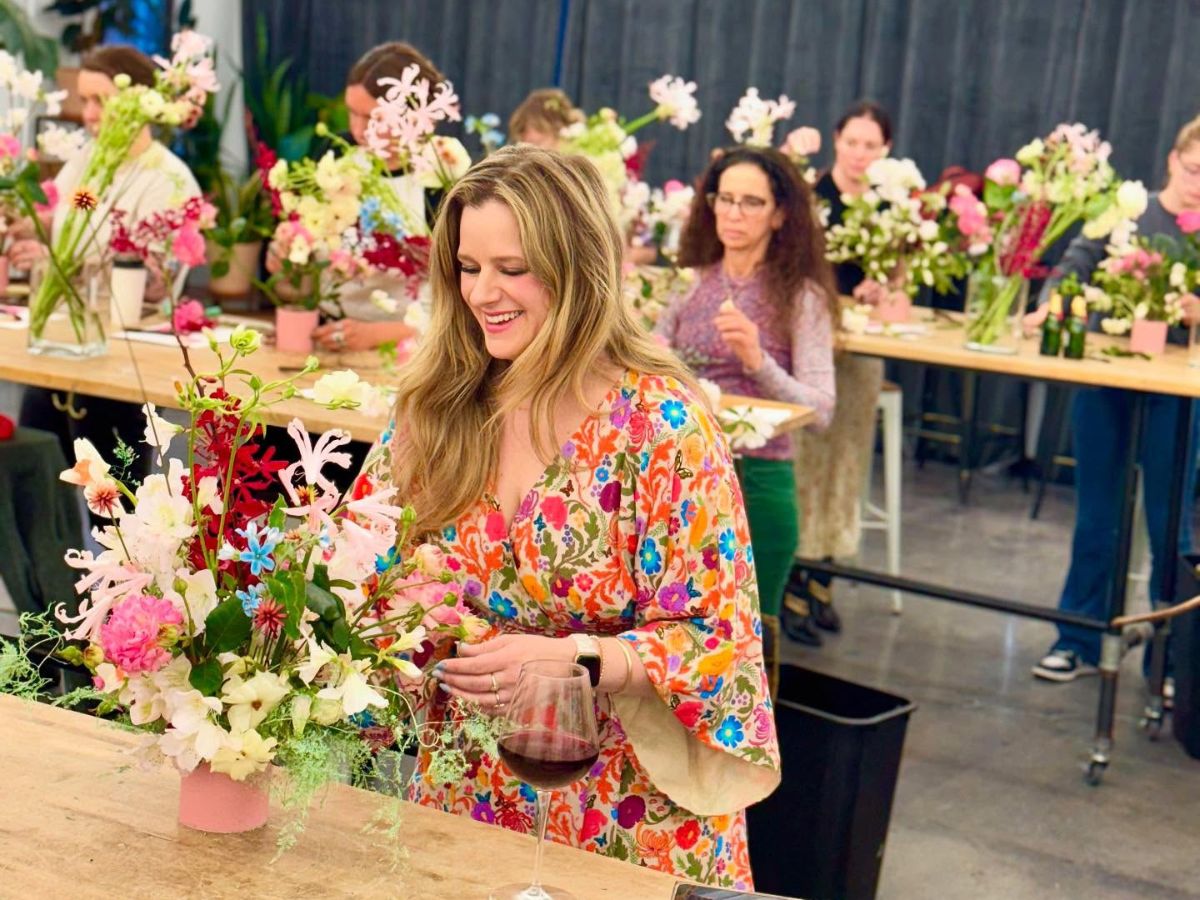
That said, certification alone does not replace real-world experience. The most respected designers combine education, experience, and consistent performance.
Career Pathways After Floral Design School
Floral design education opens multiple directions rather than one defined job. Some graduates enter retail flower shops. Others move into wedding and event production. Some focus on corporate installations or luxury hospitality. A number eventually open their own businesses.
Education provides structure and accelerates early career growth. It reduces the trial and error that can otherwise take years to navigate. Importantly, formal training also builds professional language. Designers learn to articulate their decisions. This strengthens client communication and team leadership.
Choosing the Right School for Your Goals
The decision should begin with clarity about the outcome. If your goal is to work in a retail environment quickly, prioritize hands-on programs that emphasize production speed and pricing logic. If your goal is event scale design, seek programs that teach installation mechanics and project management.
If your goal is ownership, look for education that integrates operations, sourcing, and financial awareness. If your goal is creative refinement, consider institutions that emphasize critique, plant knowledge, and contemporary application. The right school aligns with your intended future, not with marketing claims.
Floral Education Within a Global Industry
Today’s floral industry operates across borders. Flowers may be grown in one country, distributed in another, and designed in a third. Designers are increasingly connected to breeders, growers, and digital platforms.
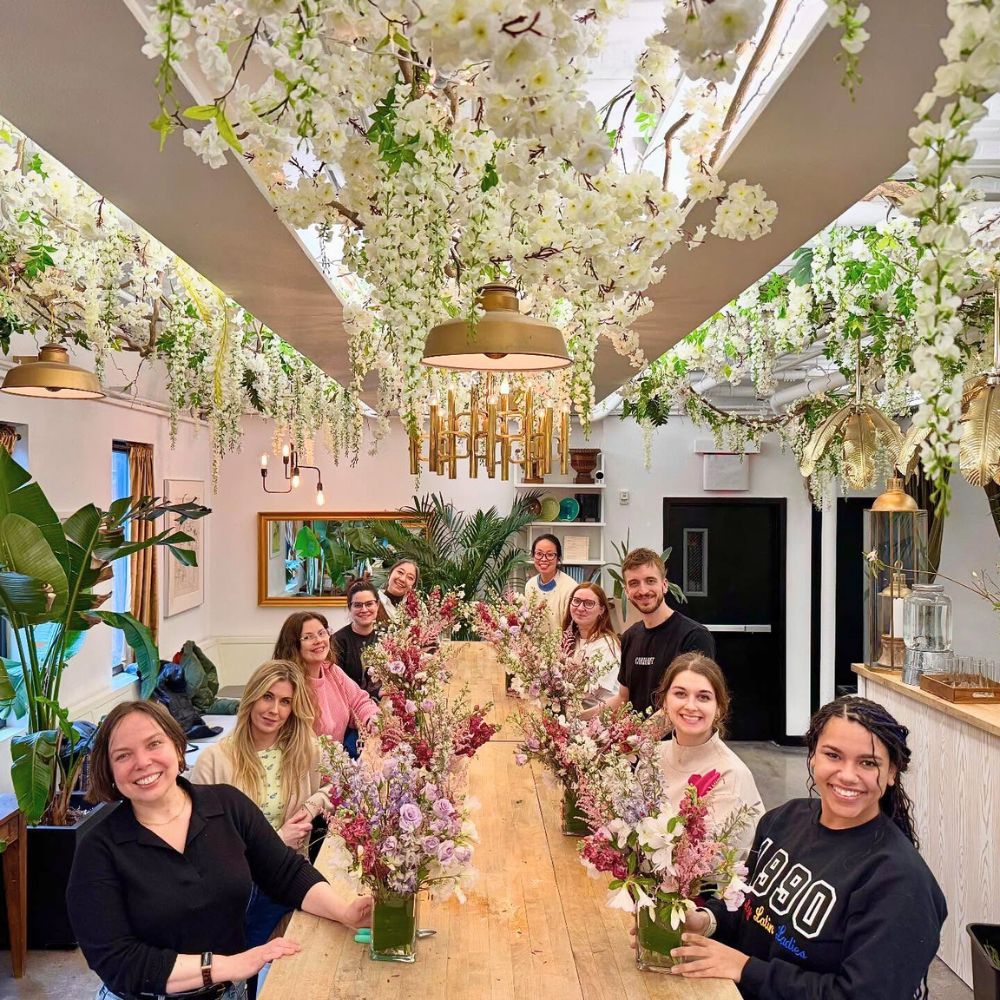
Education that acknowledges this interconnected system positions professionals more effectively. Understanding seasonality, sourcing, and sustainability adds depth to design decisions. Floristry is no longer an isolated craft. It is part of a global ecosystem. Understanding how to build an arrangement is one skill. Understanding how to price it sustainably is another.
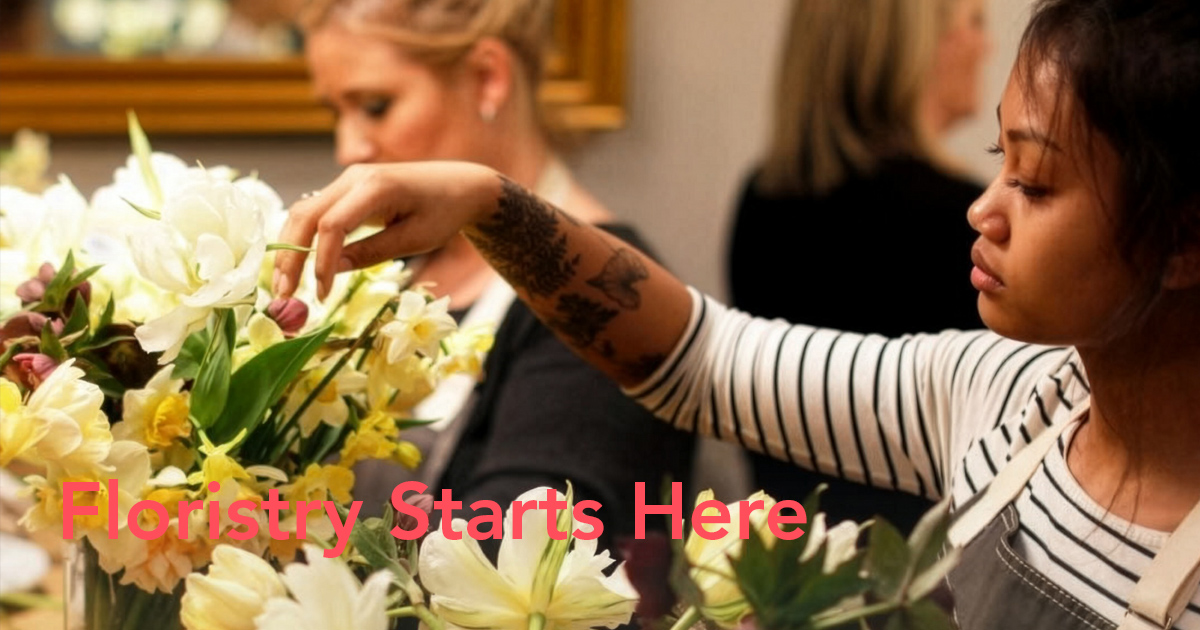
Header image by @emcprogram.