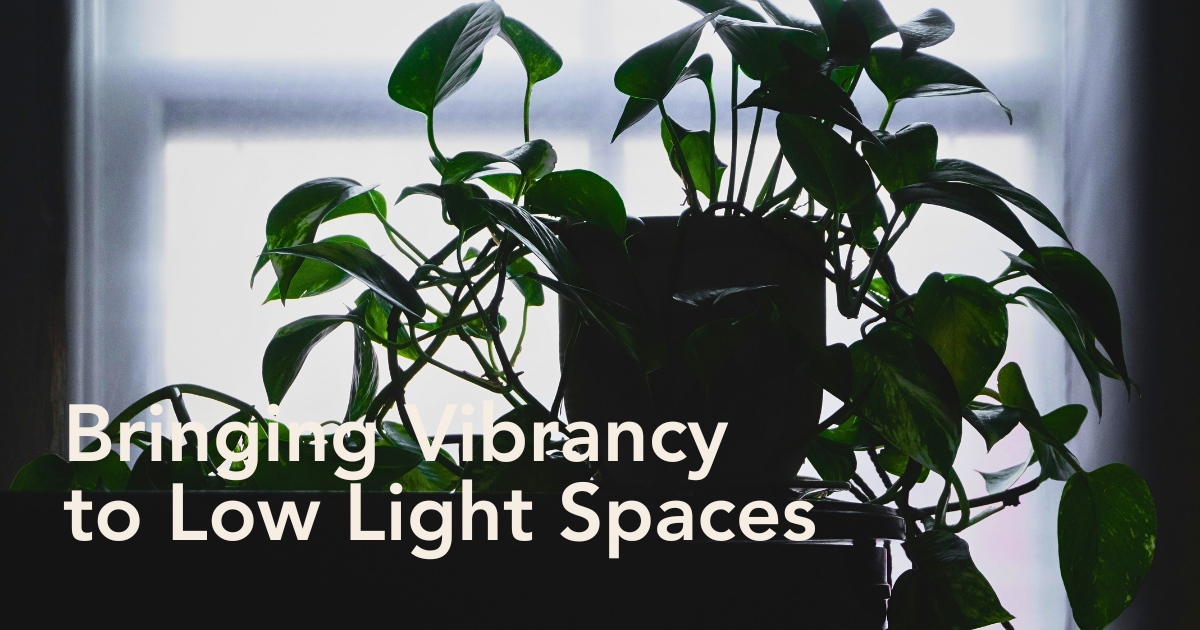
Dim rooms often feel lifeless and dull, lacking the energy that natural light brings to a space. But darkness doesn't mean your interior has to remain bare and uninviting. The right houseplants can transform shadowy corners, north-facing rooms, and windowless spaces into lively, green retreats that feel fresh and alive.
The secret lies in choosing plants that don't just survive in low light but also add visual interest and energy to these challenging spaces. When searching for the best houseplants for low light that truly bring vibrancy, you need those with bold foliage, interesting textures, or striking growth patterns that catch the eye even when sunlight is scarce. These plants not only make a statement, but are also survivors.
How to Identify Truly Low Light Areas
Test your space before selecting plants. Hold your hand about 20 centimeters above a white paper in the location you're considering. If the shadow appears very faint or barely visible, you are in low-light conditions. These typically occur in north-facing rooms, in spaces more than 2 meters from windows, or in areas with heavy curtains.
Understanding your light conditions helps you choose plants that thrive and add life to your space rather than slowly decline. With that in mind, here are seven such plants that will do well in those low-light conditions and still enliven the room.
1. ZZ Plant
The Zamioculcas zamiifolia brings an almost artificial shine to dim rooms. Its waxy, emerald leaves have a reflective quality that catches and bounces whatever light is available, creating visual interest even in the darkest corners. This reflective surface is what makes the ZZ plant so effective at adding brightness to spaces where other plants would look dull and lifeless.
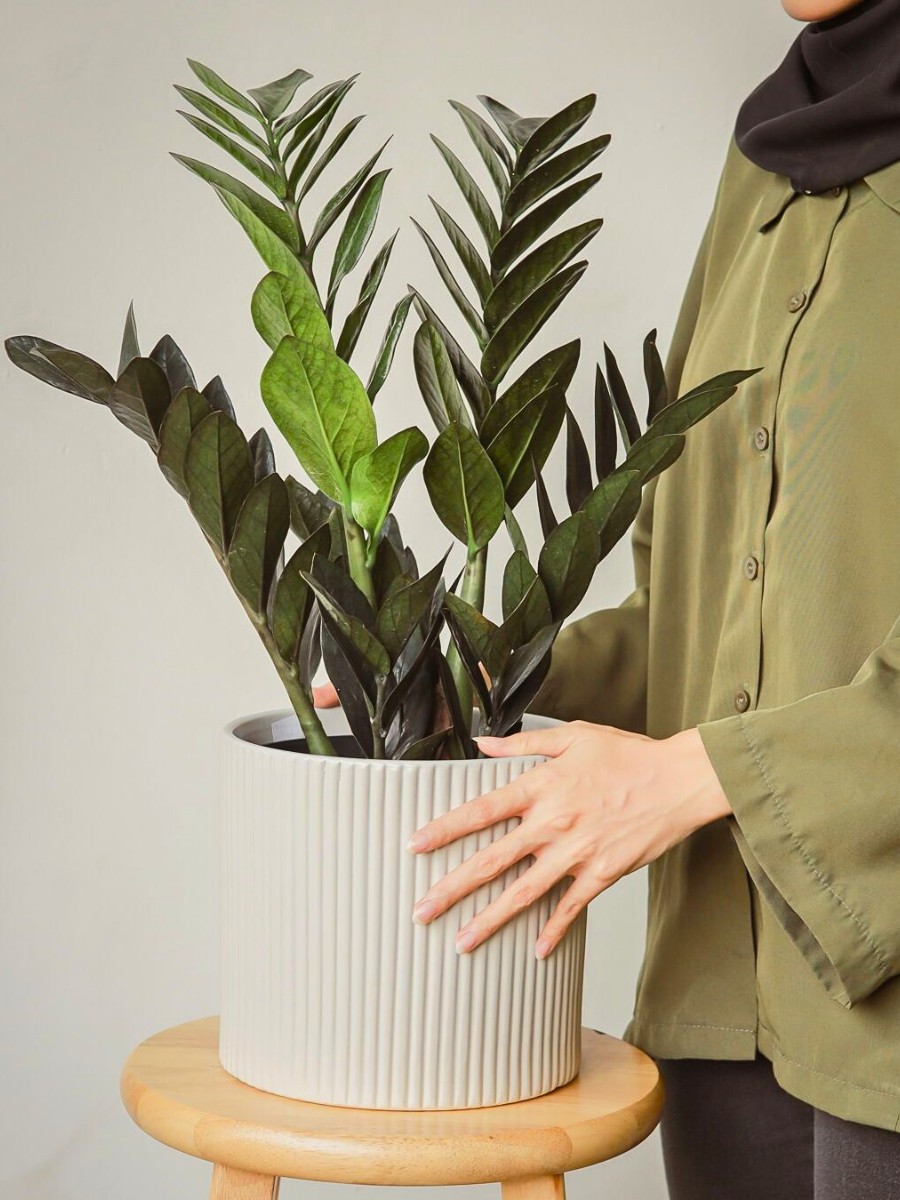
Growing 60 to 120 cm (2 to 4 feet) tall with gracefully arching stems, the ZZ plant creates a substantial presence without requiring much horizontal space. The thick, fleshy stems and plump leaves add texture and dimension that photographs struggle to capture but transform a room in person.
Water sparingly, only when the soil dries completely. This typically means every two to three weeks in low light conditions. The plant stores water in underground rhizomes, so err on the side of too dry rather than too wet. Overwatering dulls the leaves and can kill the plant.
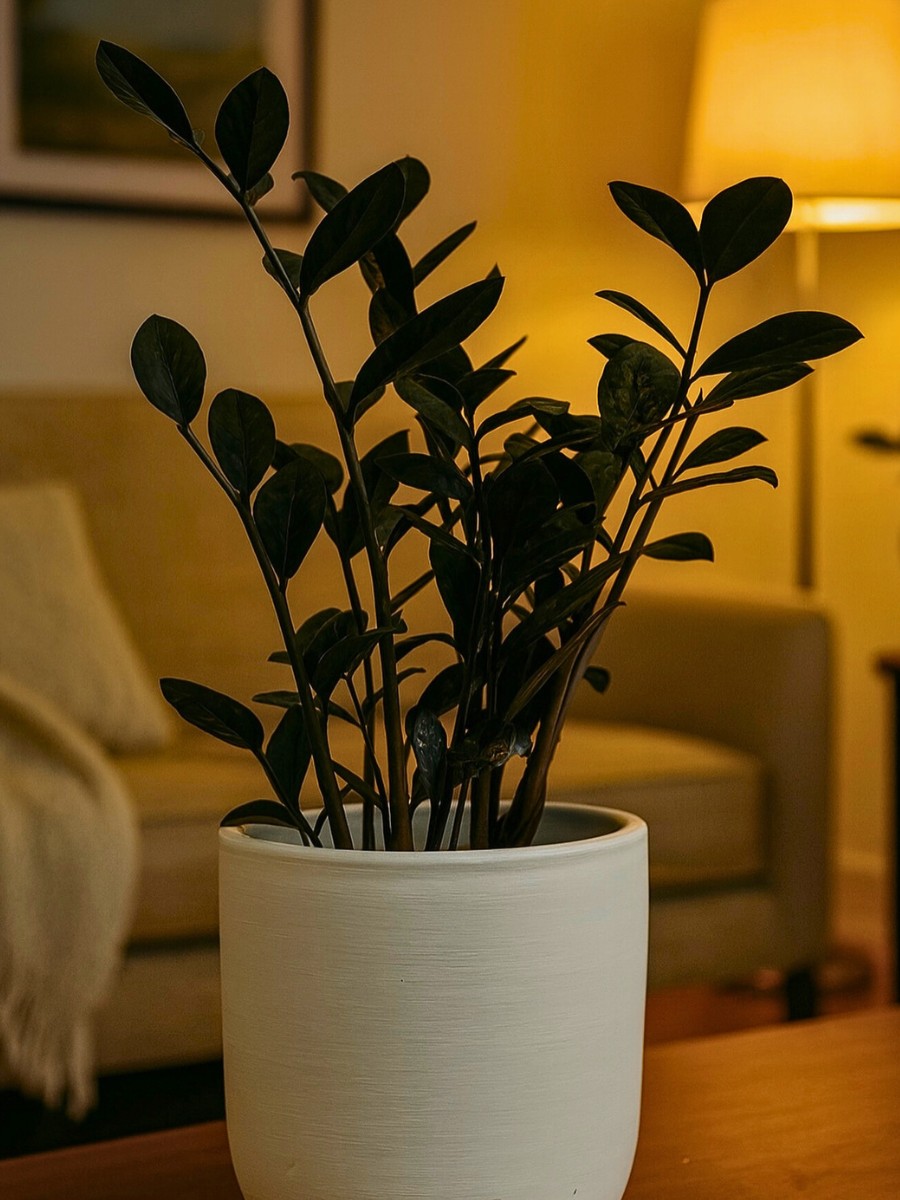
The 'Raven' cultivar offers deep purple-black foliage that adds moody drama to dim spaces. As one of the best large houseplants for low light, the ZZ plant works particularly well in apartments where floor space is limited, but you want substantial greenery.
2. Snake Plant
Also called Sansevieria, this plant brings architectural interest to lifeless corners through bold, upright growth. The stiff, sword-shaped leaves grow vertically, creating strong visual lines that add structure to a room. The variegated patterns, whether classic horizontal banding, yellow edges, or mottled designs, provide visual complexity that prevents the plant from blending into the background.
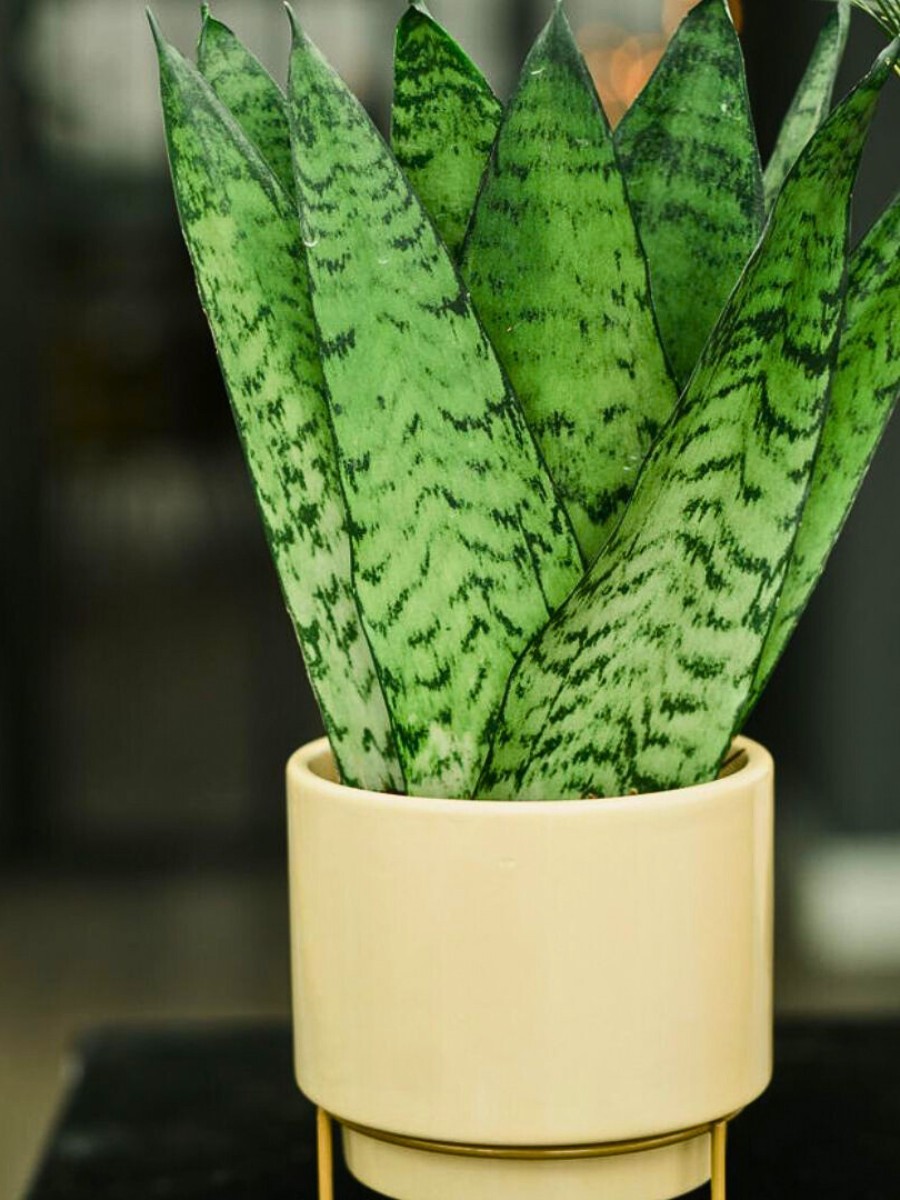
This vertical growth makes snake plants some of the best tall houseplants for low light environments. They occupy minimal floor space while adding height and presence, making them perfect for narrow corners or areas beside furniture.
Snake plants also actively clean the air. They remove formaldehyde, benzene, and other pollutants while releasing oxygen at night, making them particularly ideal in bedrooms. This combination of air purification and striking appearance explains why they rank among the best air purifying houseplants for low light apartments.
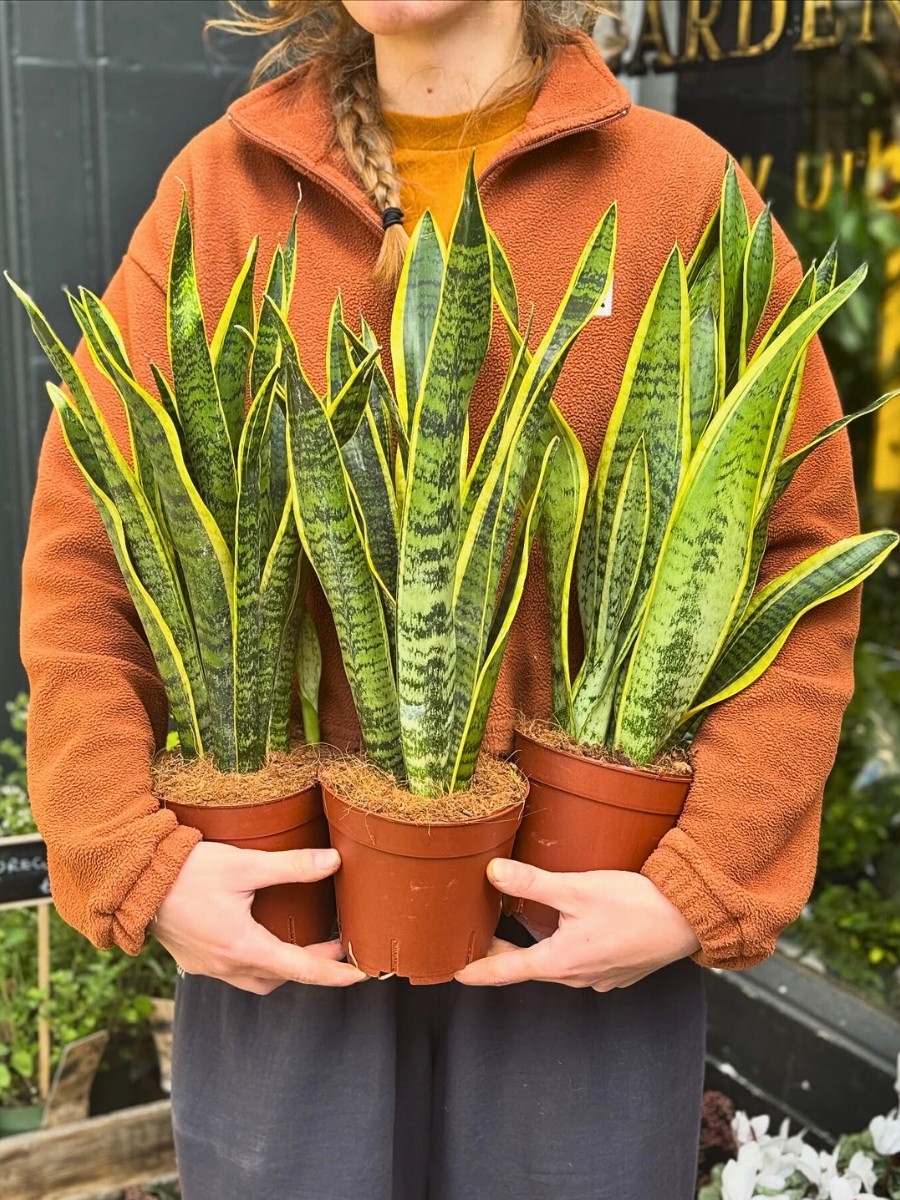
Water the plants two to three weeks, letting the soil dry completely between waterings. The plants tolerate neglect far better than excessive attention. Dust the leaves occasionally to maintain their visual impact and improve their ability to absorb available light.
3. Peace Lily
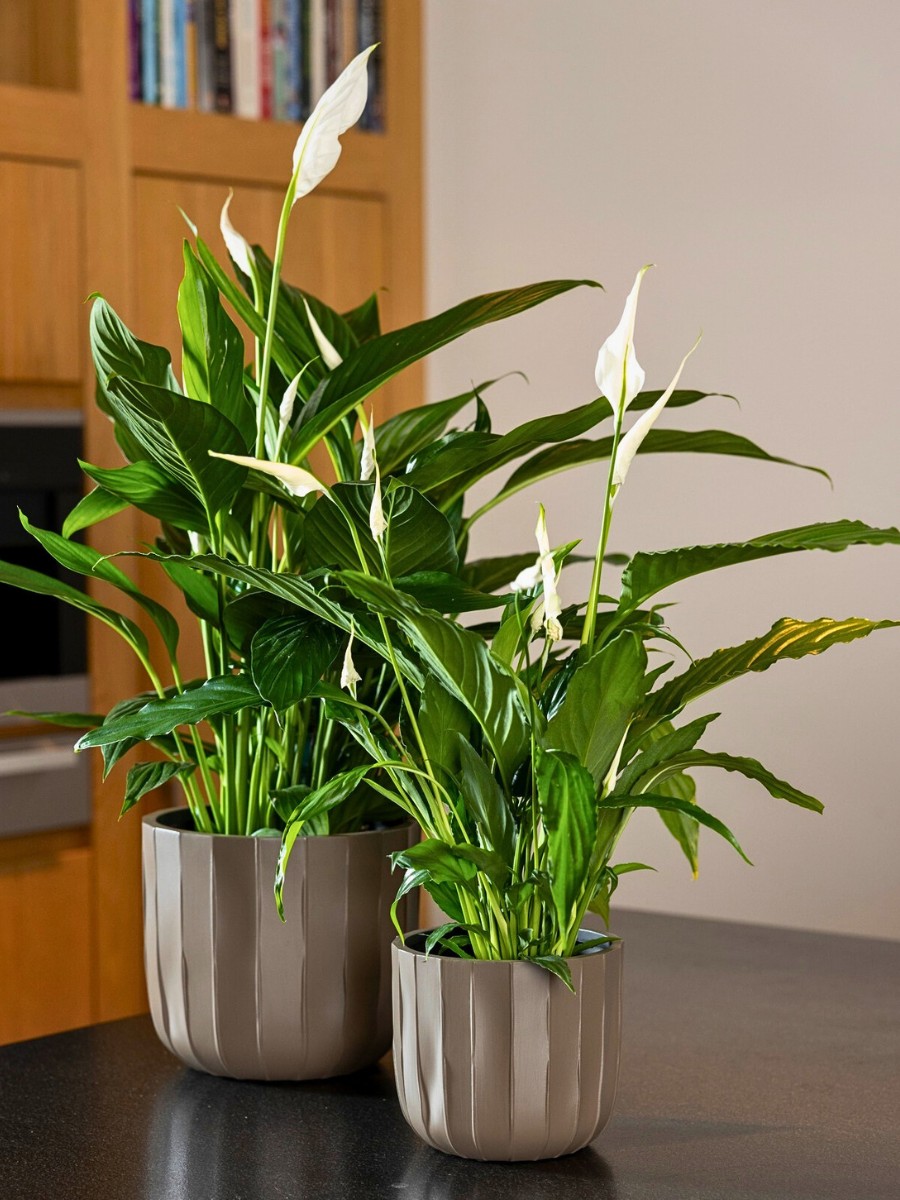
Few plants bloom reliably in low light, making peace lilies, also called Spathiphyllum, remarkable. The white spathes (often mistaken for flowers) emerge several times yearly, creating bright focal points against the dark green foliage. This combination of glossy leaves and pure white blooms brings liveliness to spaces that typically can't support flowering plants.
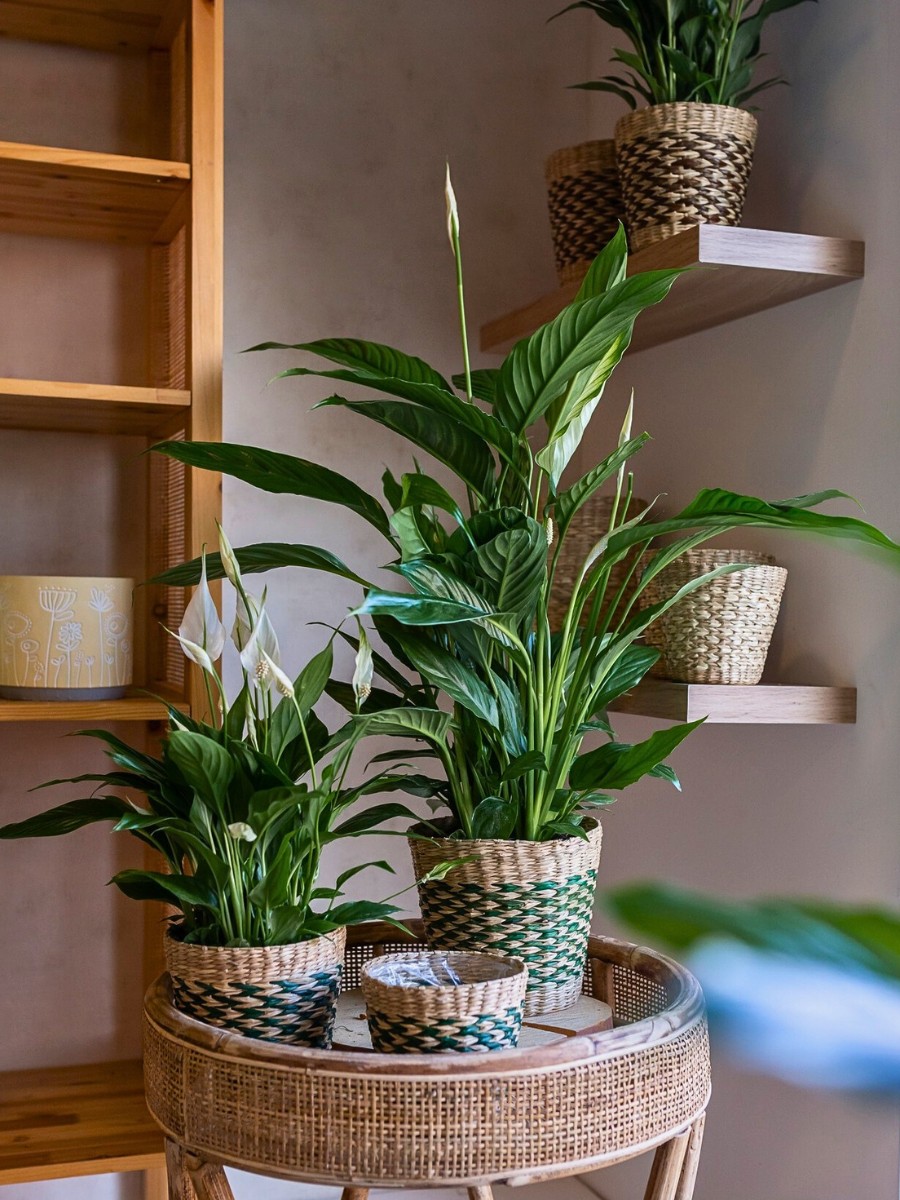
The deep green, slightly rippled leaves create a lush, tropical feeling even in mundane spaces like bathrooms or offices. The leaves arch gracefully, adding movement and softness to angular rooms. Peace lilies clearly signal their watering needs. Leaves droop when thirsty, then recover within hours of watering. This communication makes care easy. Keep the soil moist but never soggy, watering when the top inch feels dry.
NASA research confirmed peace lilies as exceptional air purifiers, removing ammonia, formaldehyde, and benzene. They perform this function while adding the visual interest that makes them true room brighteners rather than just green background elements. Note that its parts are toxic to pets and children.
4. Pothos
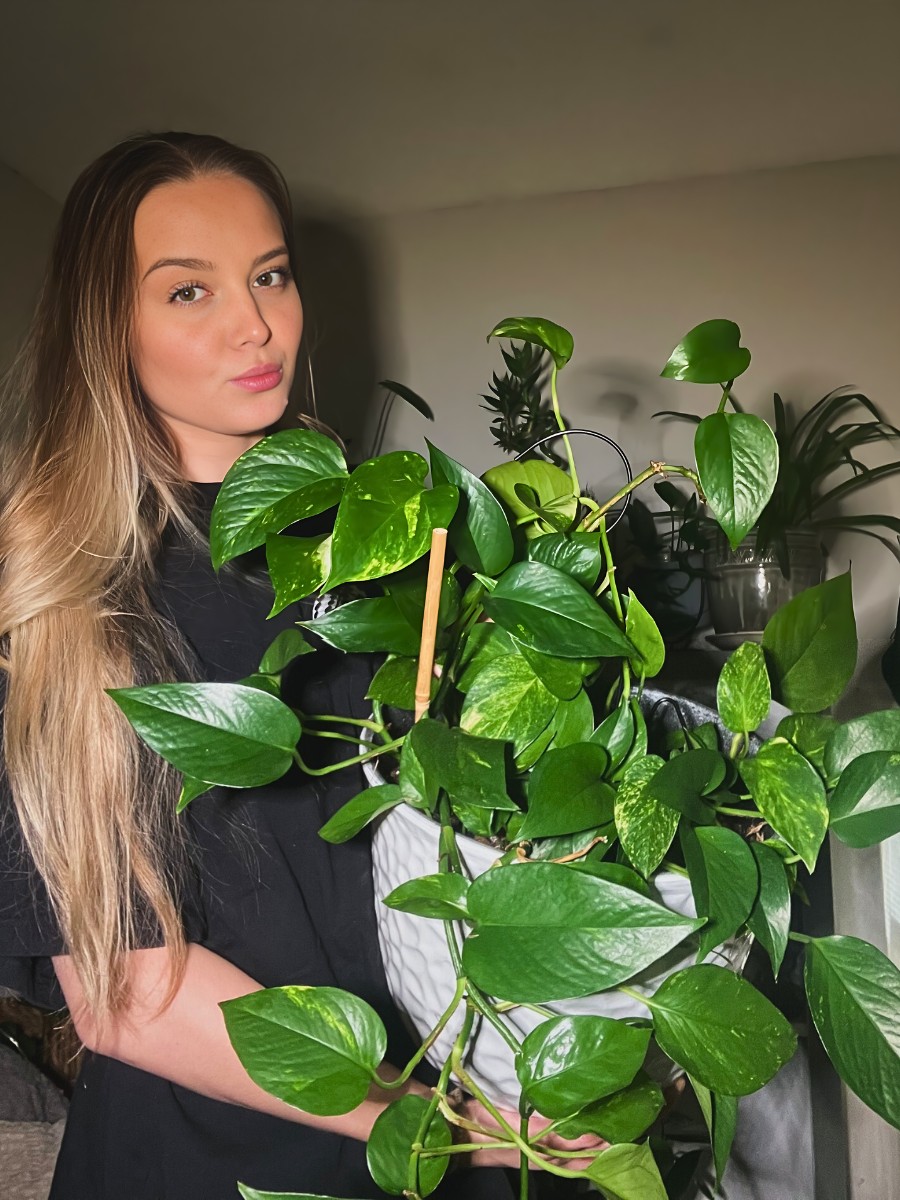
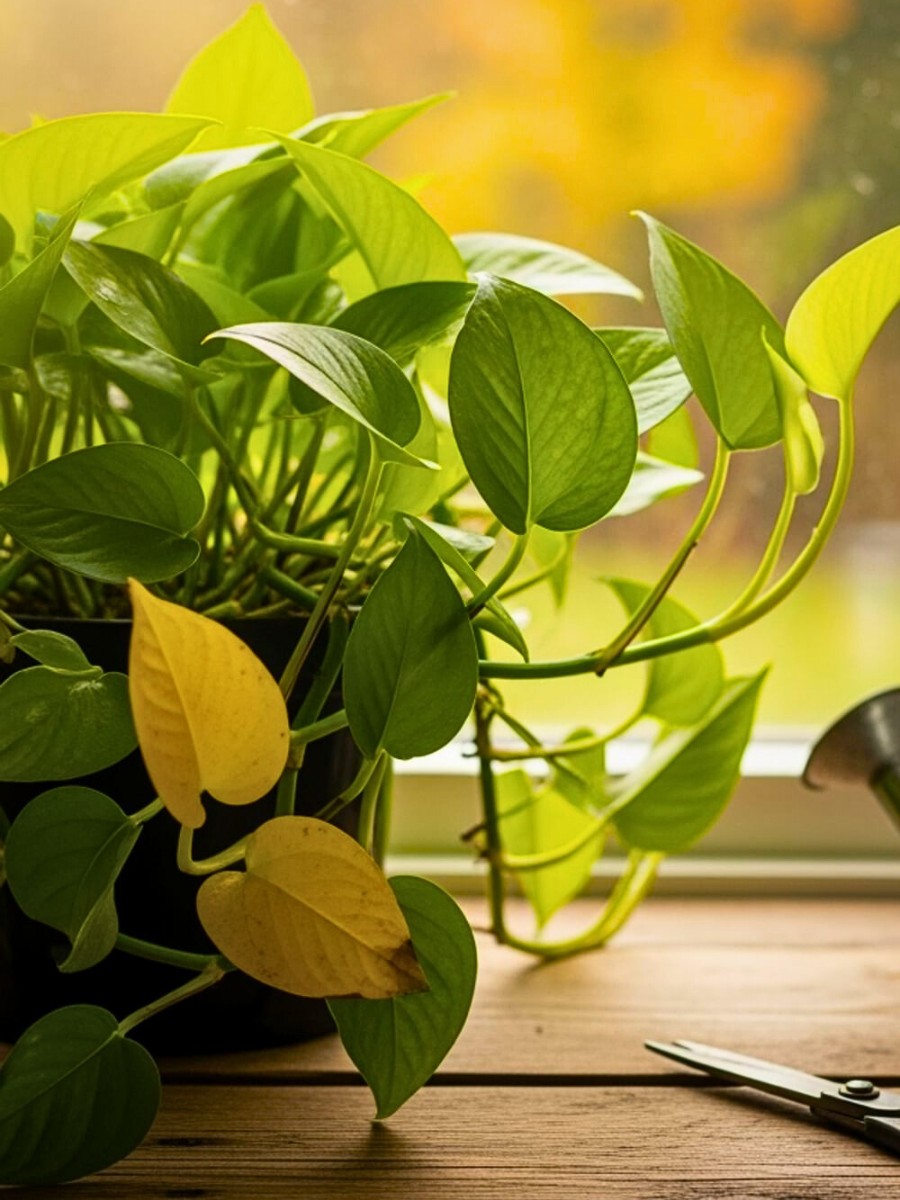
Pothos vines bring movement and energy to static spaces. The trailing stems, covered in heart-shaped leaves, create waterfalls of green (or variegated yellow and green, or white and green) that add life to shelves, cabinets, and hanging baskets. This cascading growth naturally draws the eye and breaks up the visual monotony of dim, flat walls.
Golden Pothos features cheerful yellow variegation that brightens shadowy spots. The marble queen shows white and green patterns that reflect light. Even in low light, these plants grow steadily, producing new leaves that unfurl in shades of lighter green before darkening, creating subtle color variation throughout the plant.
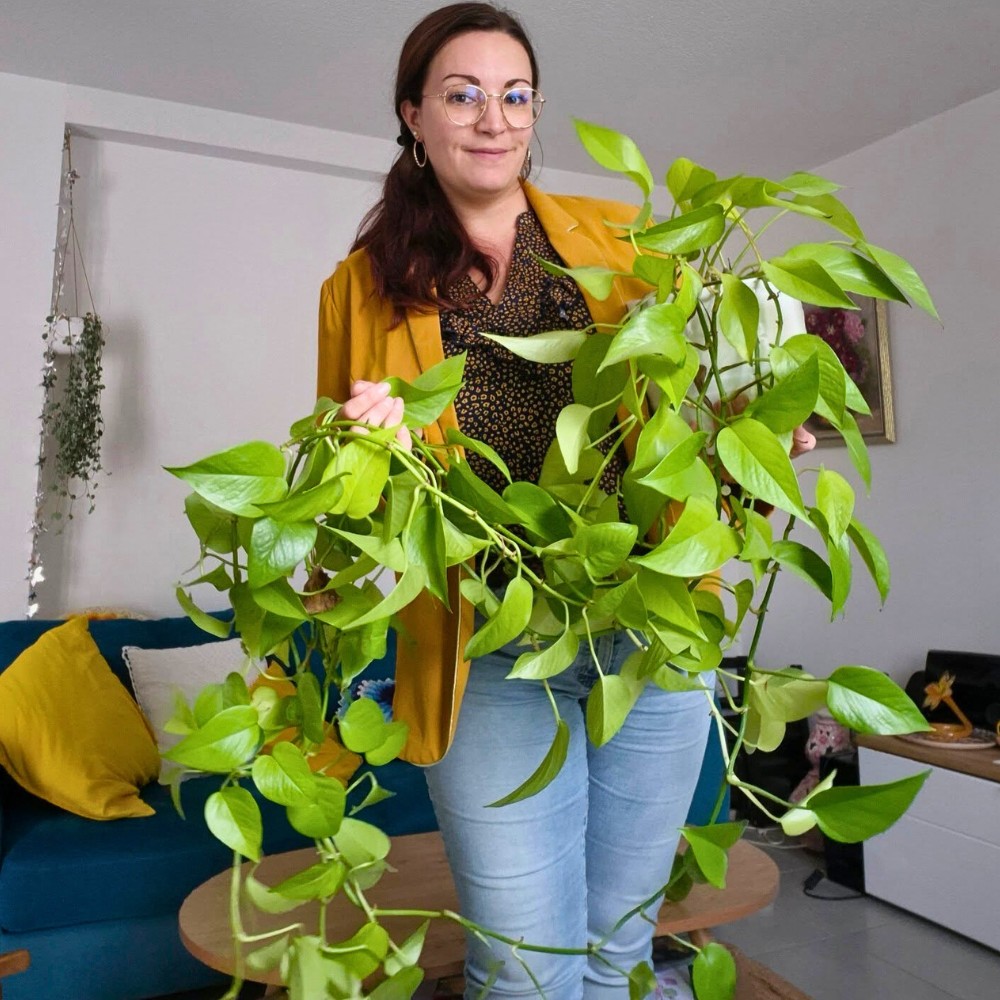
You can drape the vines across shelves, letting them trail down from high spaces, or train them along walls. This versatility lets you customize how the plant adds vibrancy to your specific space.
Pothos tolerates occasional drought well. Water when the top half of the soil dries out. The plant also filters formaldehyde and xylene from the air, combining practical benefits with visual appeal. Its easy care and reliable growth make it one of the best indoor houseplants for low light beginners seeking immediate impact.
5. Philodendron
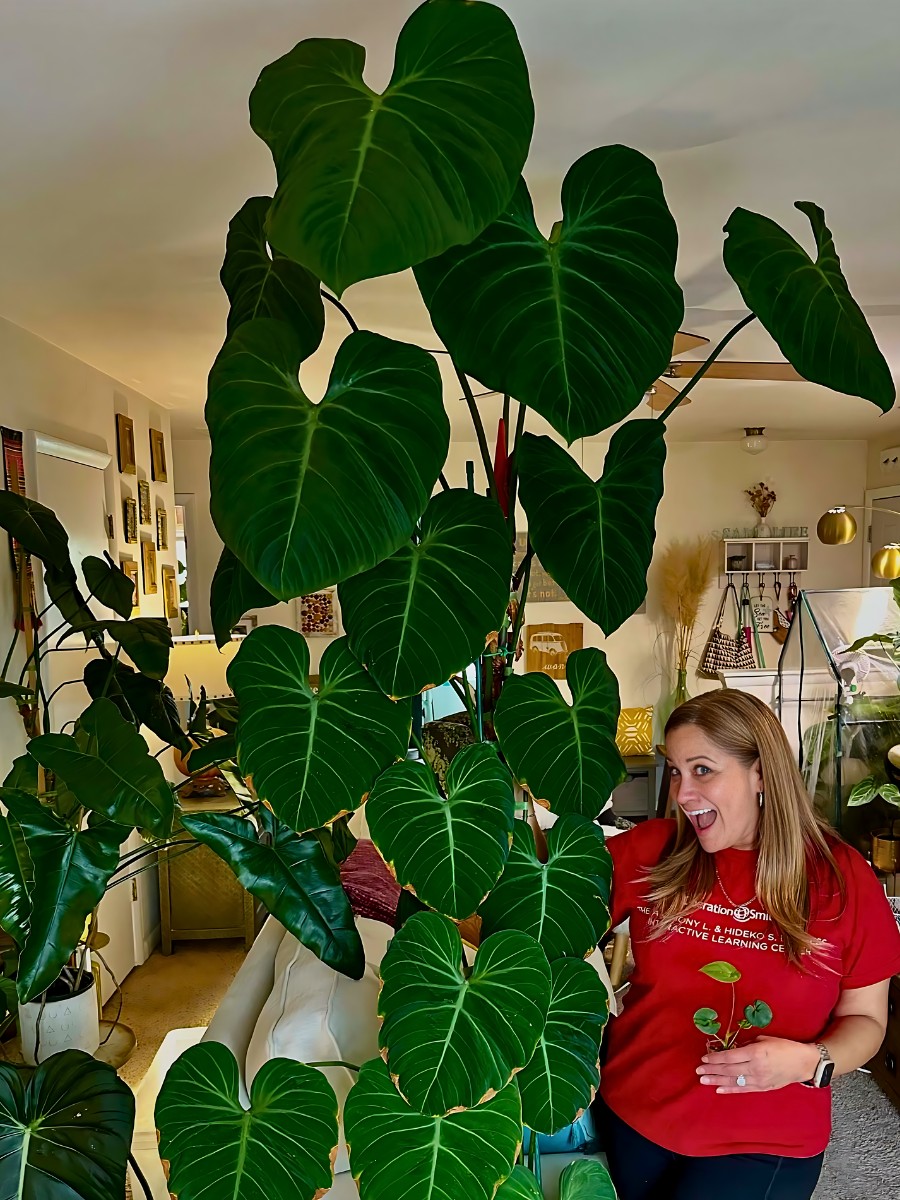
Heartleaf philodendrons create instant jungle vibes with their abundant, glossy foliage. The heart-shaped leaves emerge in lighter shades, gradually darkening as they mature, providing constant color variation. This growth pattern means the plant always shows both fresh, bright green and deeper, richer tones simultaneously.
The trailing or climbing growth adds dimension to flat spaces. Train the vines up a moss pole for vertical interest, or let them cascade from hanging planters for softer, flowing lines. Either approach brings life and visual texture to areas that feel static and dull.
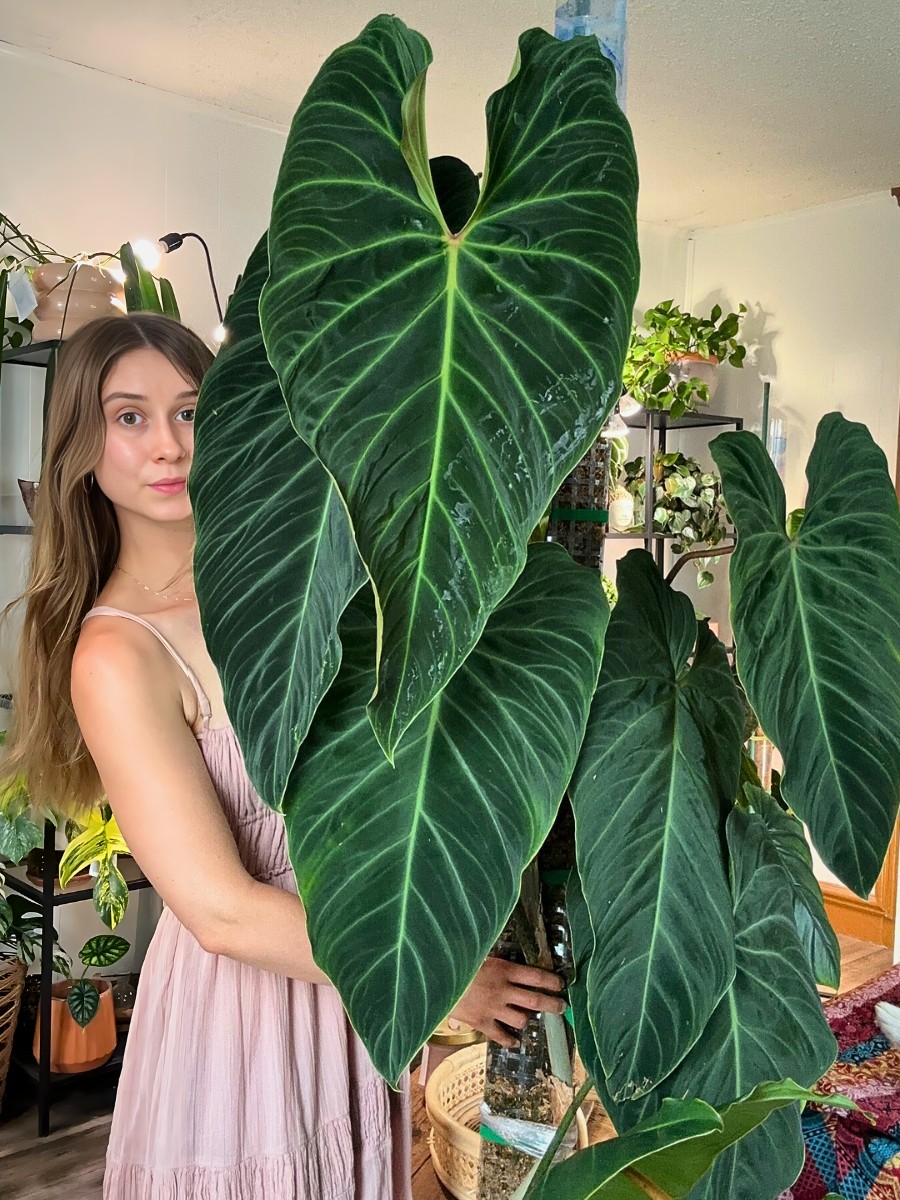
Philodendrons grow vigorously even in subdued lighting, producing new leaves regularly. This active growth creates a sense of life and change in spaces that might otherwise feel stagnant. Pinch back leggy growth to encourage fuller, bushier development.
Water when the top few inches of soil dry, typically weekly. The plant's forgiving nature and reliable growth explain why it's consistently listed among the best houseplants for low light. The leaves stay glossy and vibrant with minimal care, maintaining their room-brightening effect year-round.
6. Dracaena
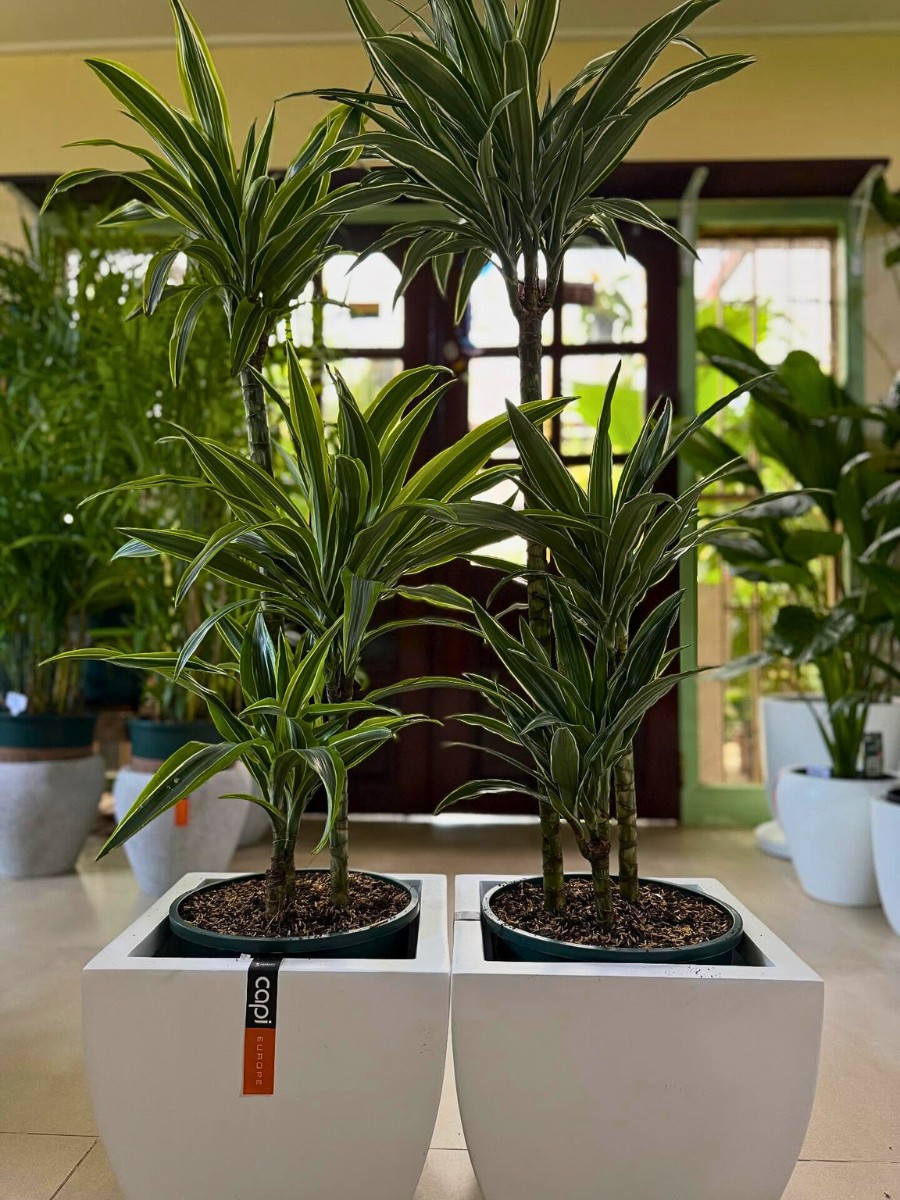
Dracaena species bring dramatic, spiky foliage that adds instant visual interest to bland corners. The long, narrow leaves radiate from central stems, creating bold textural statements that contrast beautifully with softer furnishings and smooth walls. Varieties range from compact to striking taller specimens.
Dracaena marginata produces thin, red-edged leaves on slender trunks, creating an almost sculptural quality. Dracaena fragrans 'Massangeana' features broader leaves with bright yellow striping down the center, adding color to dim spaces. Both maintain their visual impact in low light.
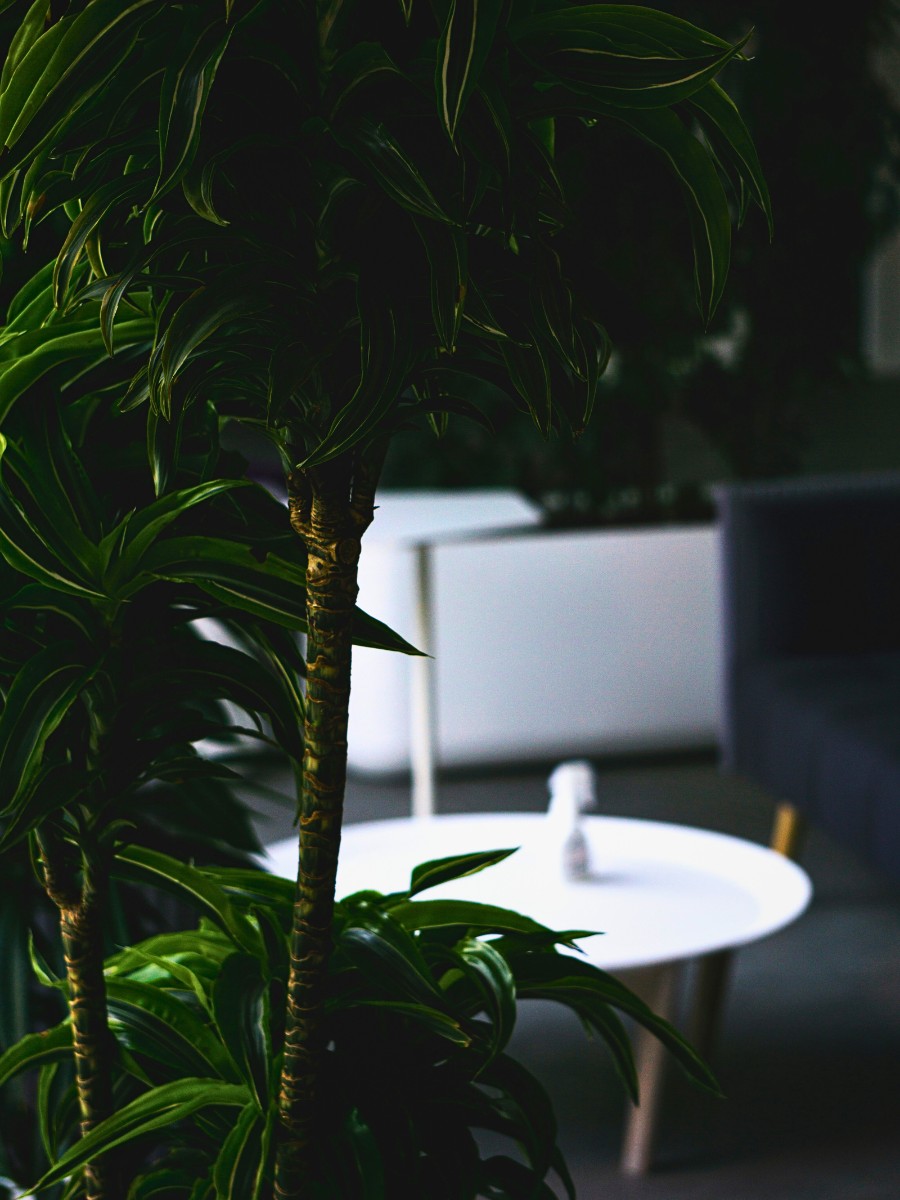
The plants develop interesting, gnarled trunks over time as lower leaves naturally drop. This reveals more stem structure, adding to the architectural quality. Far from looking bare, mature Dracaenas develop character that makes them conversation pieces.
Water when the top few inches of soil dry. Dracaenas filter formaldehyde, benzene, and trichloroethylene from indoor air while providing the height and presence that transforms empty corners. Their combination of air cleaning and visual drama makes them valuable additions to apartments and offices.
7. Cast Iron Plant
Aspidistra elatior takes a different approach to vibrancy. Instead of flashy variegation or dramatic growth, cast iron plants offer deep green, broad leaves that create rich, saturated color even in near darkness. The leaves emerge individually from the soil on separate stems, forming graceful clumps that add fullness to sparse areas.
The plant's slow growth means it maintains its shape and size for years, providing consistent visual interest without constant pruning or repotting. New variegated varieties feature cream or yellow spotting and striping, though solid green types often show stronger color in very low light.
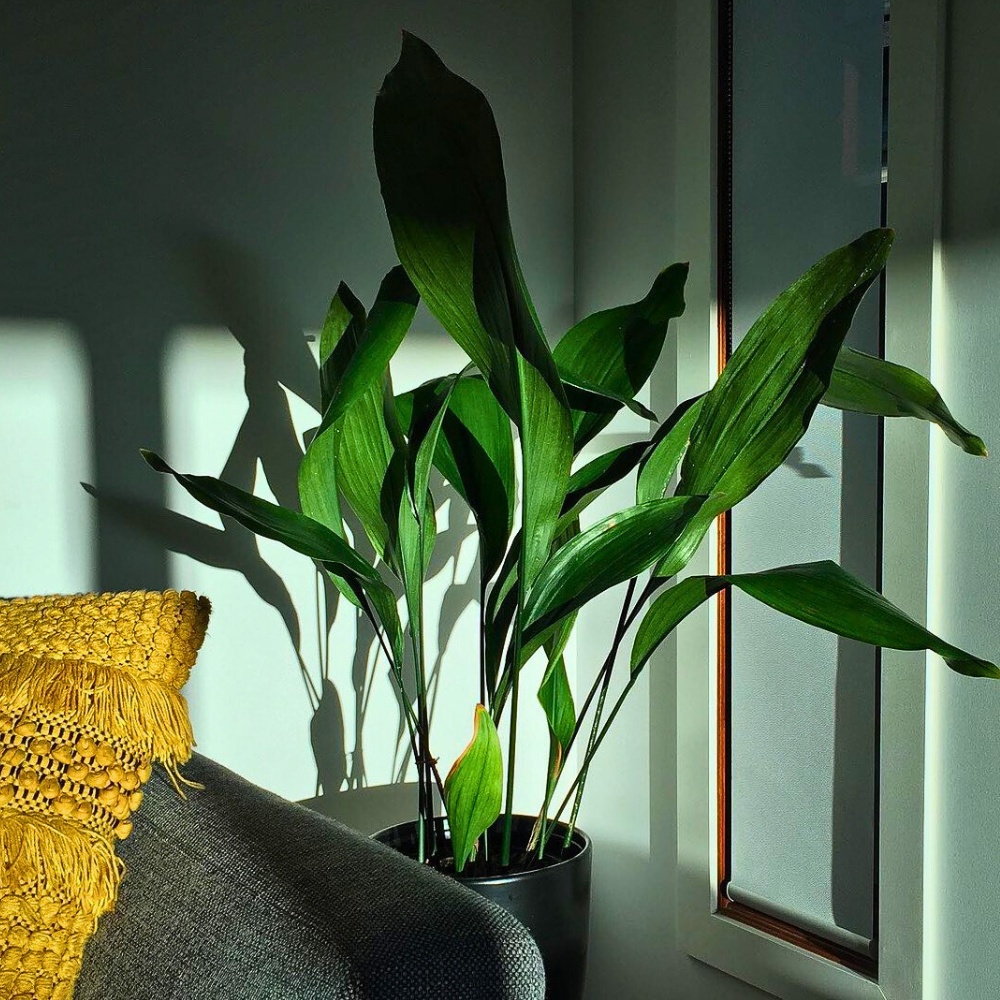
Cast iron plants possess absolute reliability. They maintain their deep, healthy color regardless of neglect, temperature swings, or poor conditions. This consistency means your dim room always looks intentionally decorated rather than accidentally neglected.
Water the plant every two to three weeks, allowing the soil to dry thoroughly. The plant's only weakness is overwatering. Aside from that, it tolerates nearly anything, making it perfect for frequently forgotten corners that still deserve visual interest.
Letting the Plants Bring Perfect Vibrancy to Your Low Light Spaces
Adding vibrancy to dim rooms requires more than just placing any plant in the space. Choose species with qualities that actively brighten the area: glossy leaves that reflect light, variegated foliage that adds color, interesting textures that create visual complexity, or growth habits that add movement and dimension.
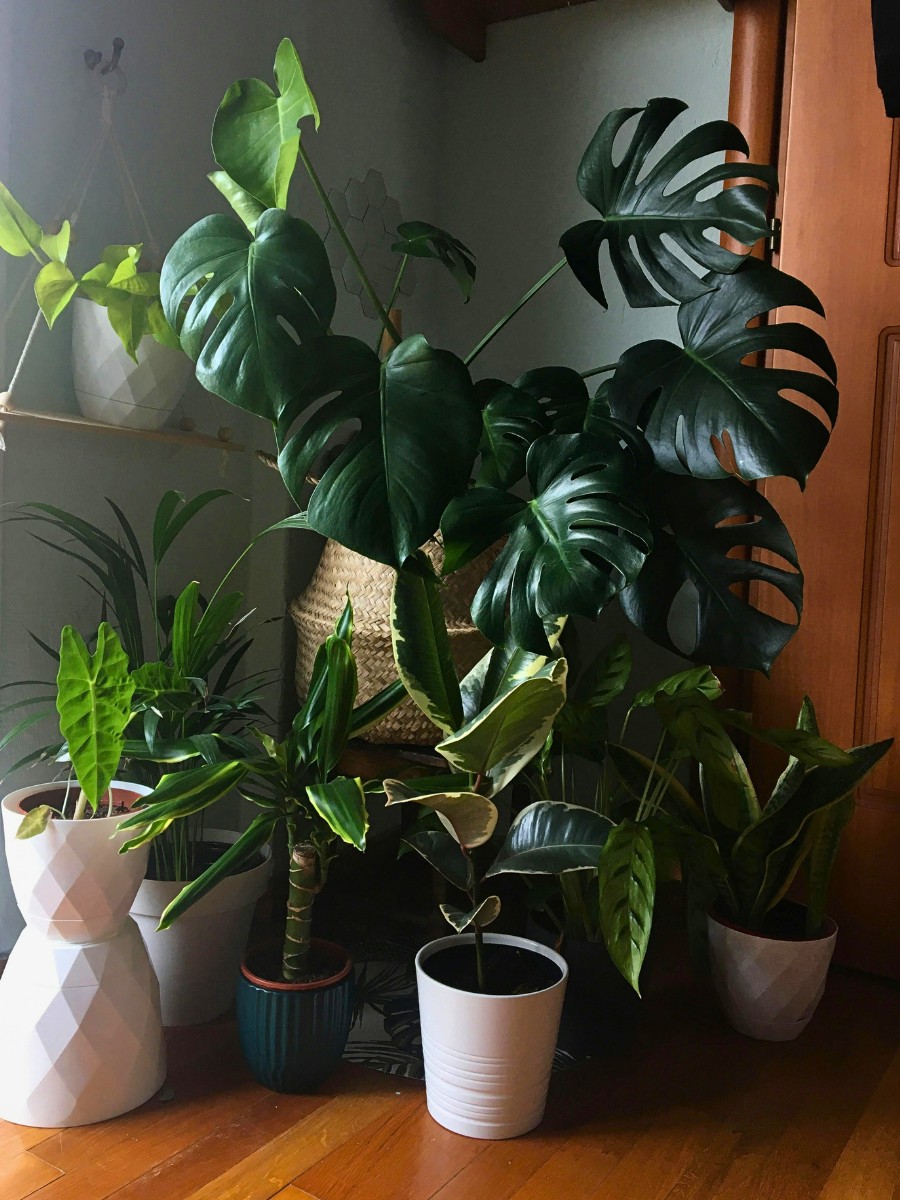
Consider layering different types. For instance, pair tall snake plants or Dracaenas with cascading pothos for varying heights. Combine the glossy shine of ZZ plants with the soft, arching leaves of peace lilies for textural contrast. Group three to five plants of different varieties to create a living display that truly transforms the space rather than just occupying it.
Maintenance in low light differs from brighter conditions. Water the plants less frequently, as plants use less water when photosynthesis slows. Wipe leaves now and then to remove dust that blocks light absorption. Rotate plants quarterly so all sides receive equal light exposure.
Watch for signs that plants need adjustment. Leaves turning toward light sources or stems stretching indicate the plant wants more brightness. Moving it slightly closer to a window often solves this without requiring a completely different location.
Feeling inspired? Embrace these houseplants and illuminate your dim spaces with their vitality. With them, even the most shadow-filled rooms can be full of lush, green life. And you'll definitely have your dull room easily brought to life, and the air therein made even fresher.
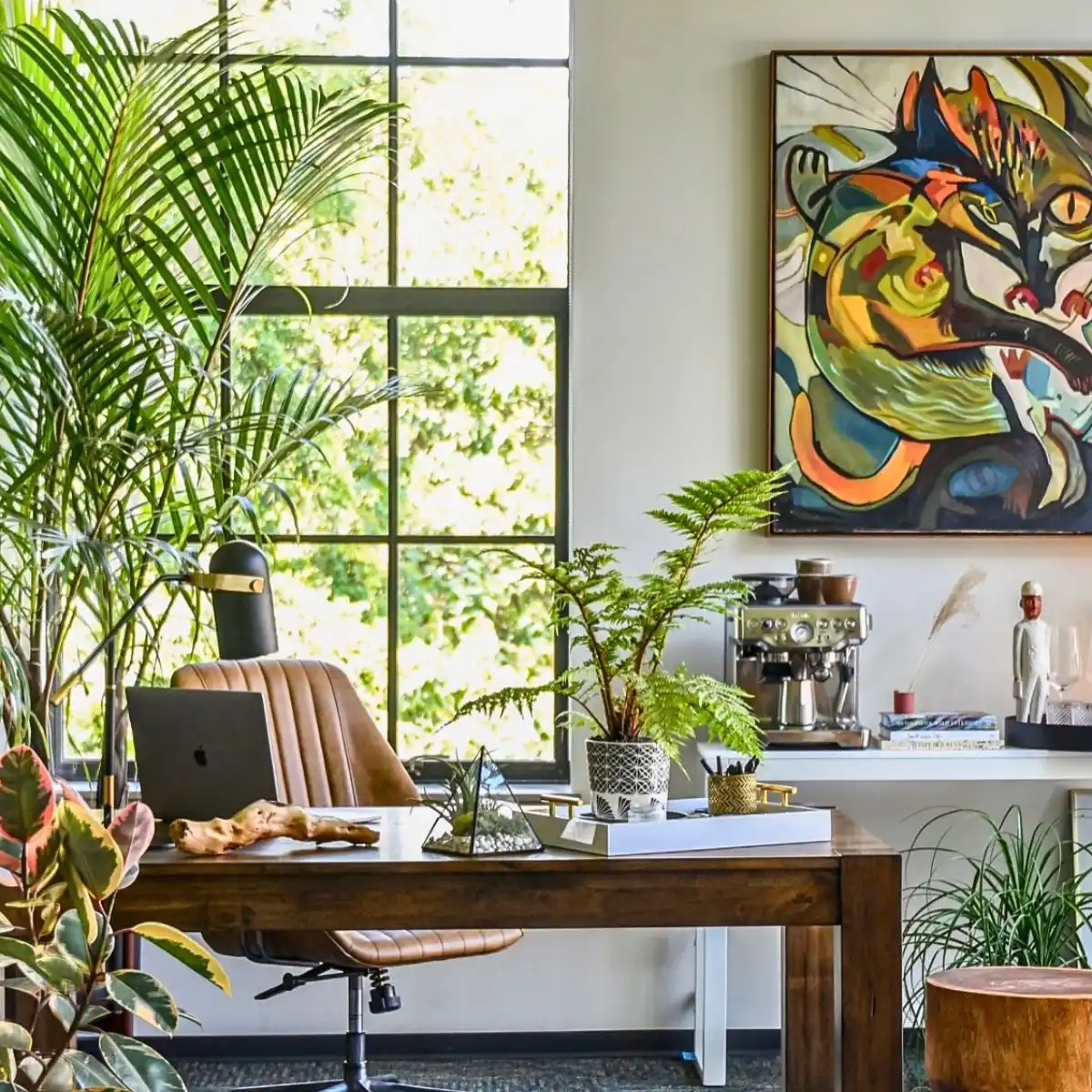
Feature image by @plantingwithz. Header image by Douglas Fehr.