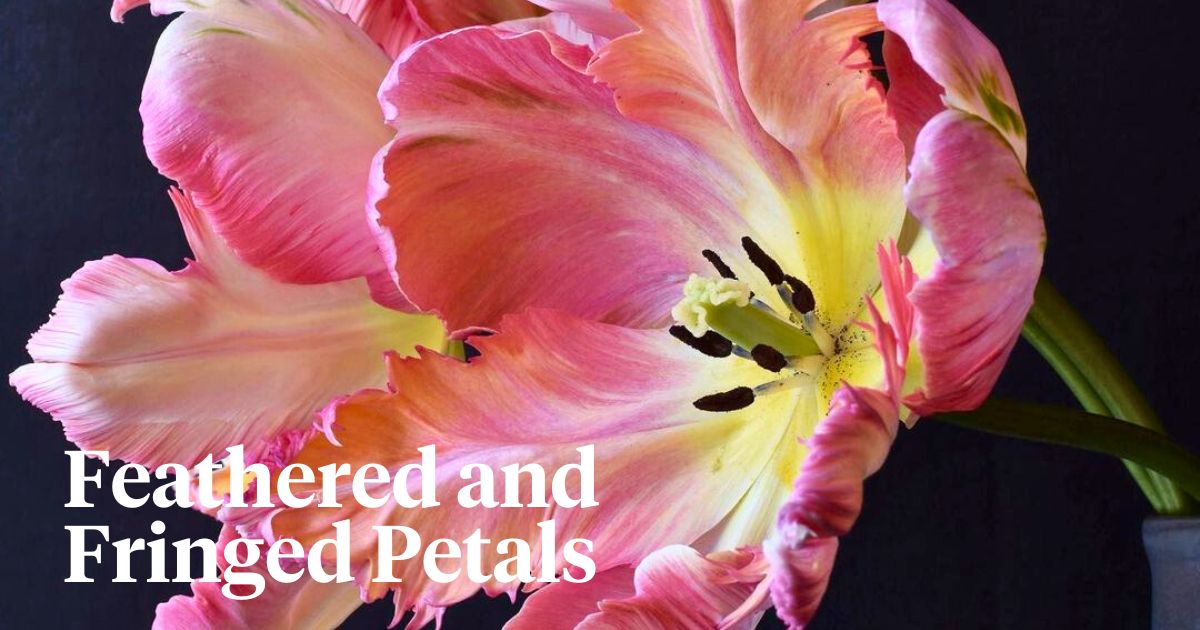
The parrot tulip is revered as one of the most beautiful types of tulips due to its distinct characteristics and luminous appearance, featuring fringed and feathered petals, hence why they are referred to as 'parrots' because they resemble these birds. They bloom in late spring, typically around May, and can be easily used as cut flowers for arrangements or as the perfect flower to beautify your garden. Stay in this article to learn everything about these beauties.
What Are Parrot Tulips and What Are Their Origins?
Tulips, with their stupendous colors and graceful form, have enamored gardeners and florists alike for centuries. Among the range of tulip varieties, the parrot tulip stands out as a distinctive choice. You can already imagine why. With its special features and appearance, this type of tulip adds exoticism to gardens and floral arrangements, or anywhere they're placed, basically. Exploring its origins, characteristics, care requirements, and how to best utilize it in arrangements are all key features you must know about.
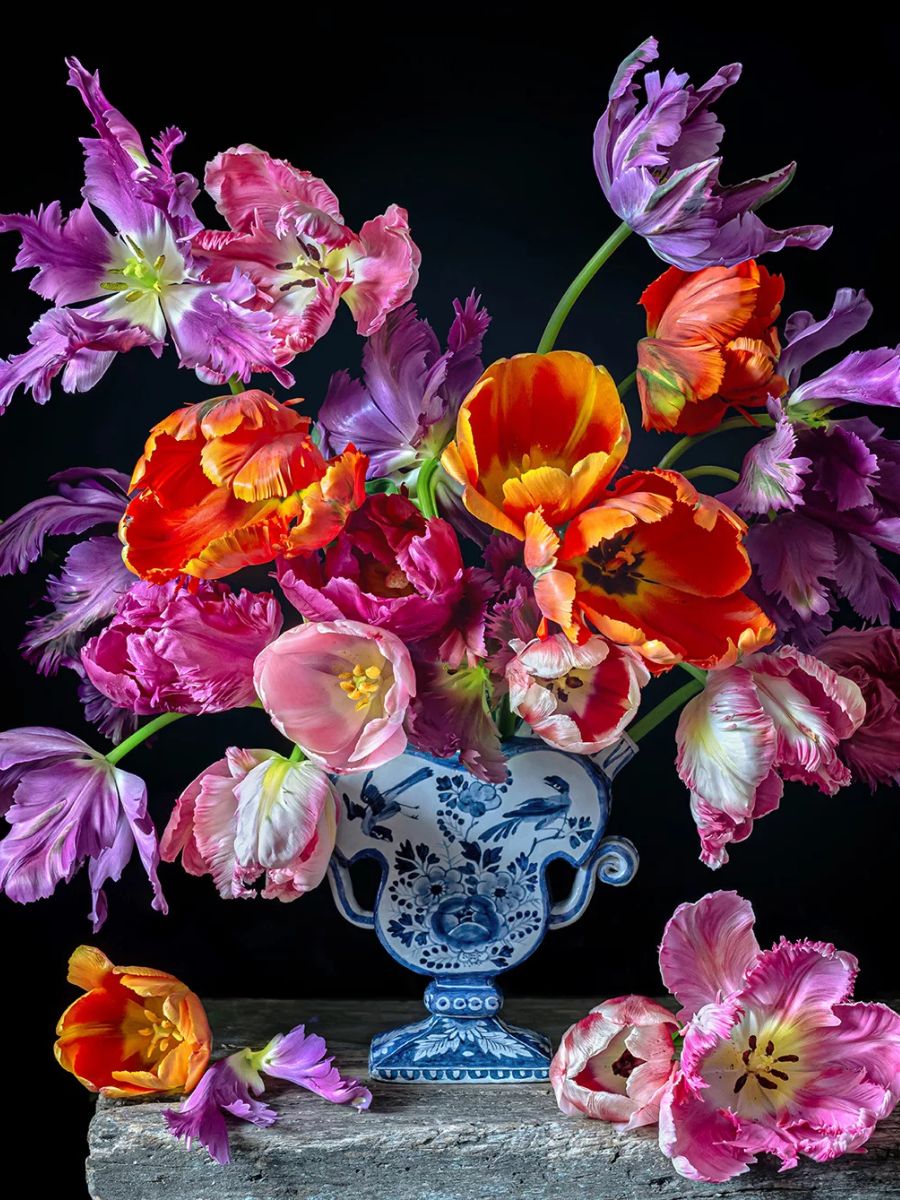
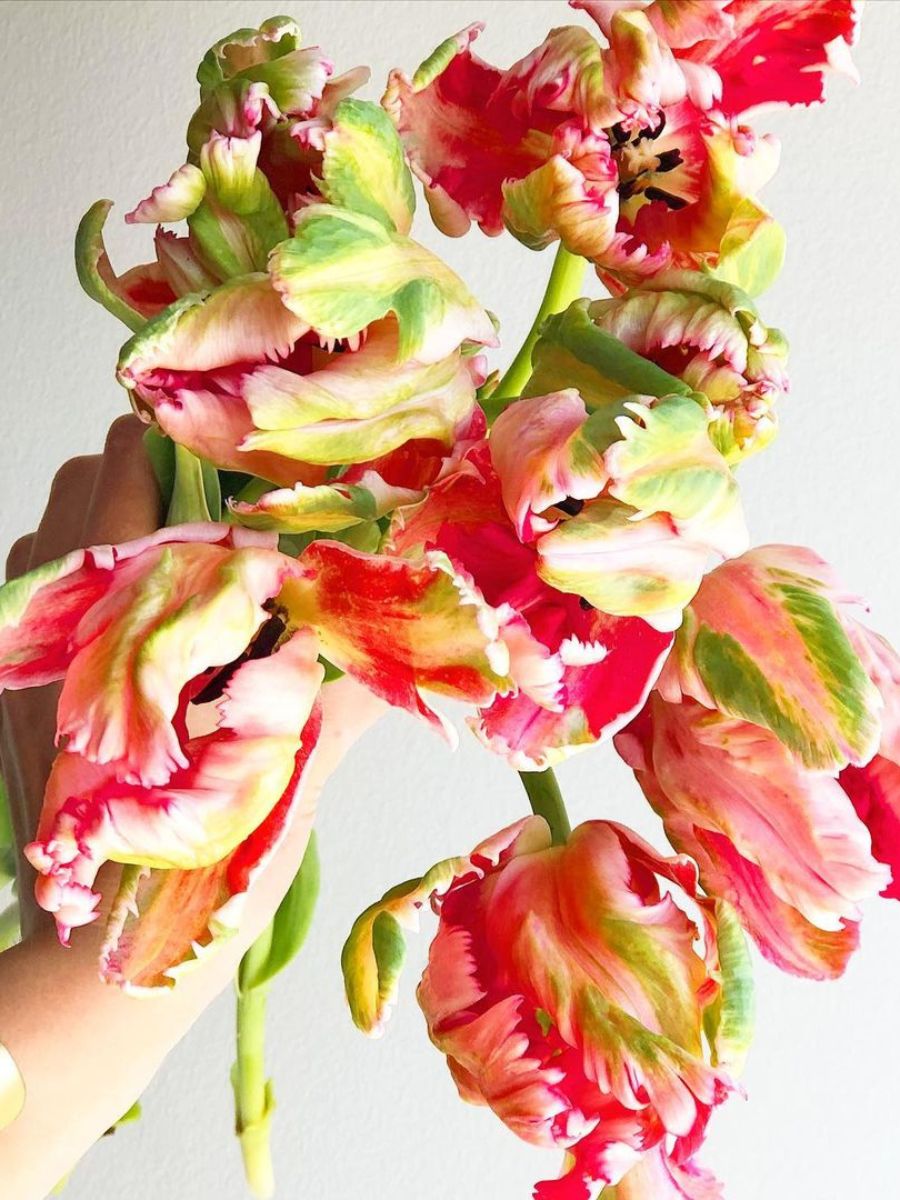
Photo: @flower_lover_art
The parrot tulip, scientifically known as 'Tulipa gesneriana', belongs to the Liliaceae family. Originating from the mountainous regions of central Asia, these tulips were first cultivated in the Ottoman Empire during the 18th century. They were very popular during the Dutch Golden Age, when they were prized for their exotic beauty. Today, they remain one of the most popular types of tulips and are grown all over the world. Its name derives from its lively, ruffled petals that resemble the feathers of a parrot.
Standout Characteristics of the Parrot Tulip
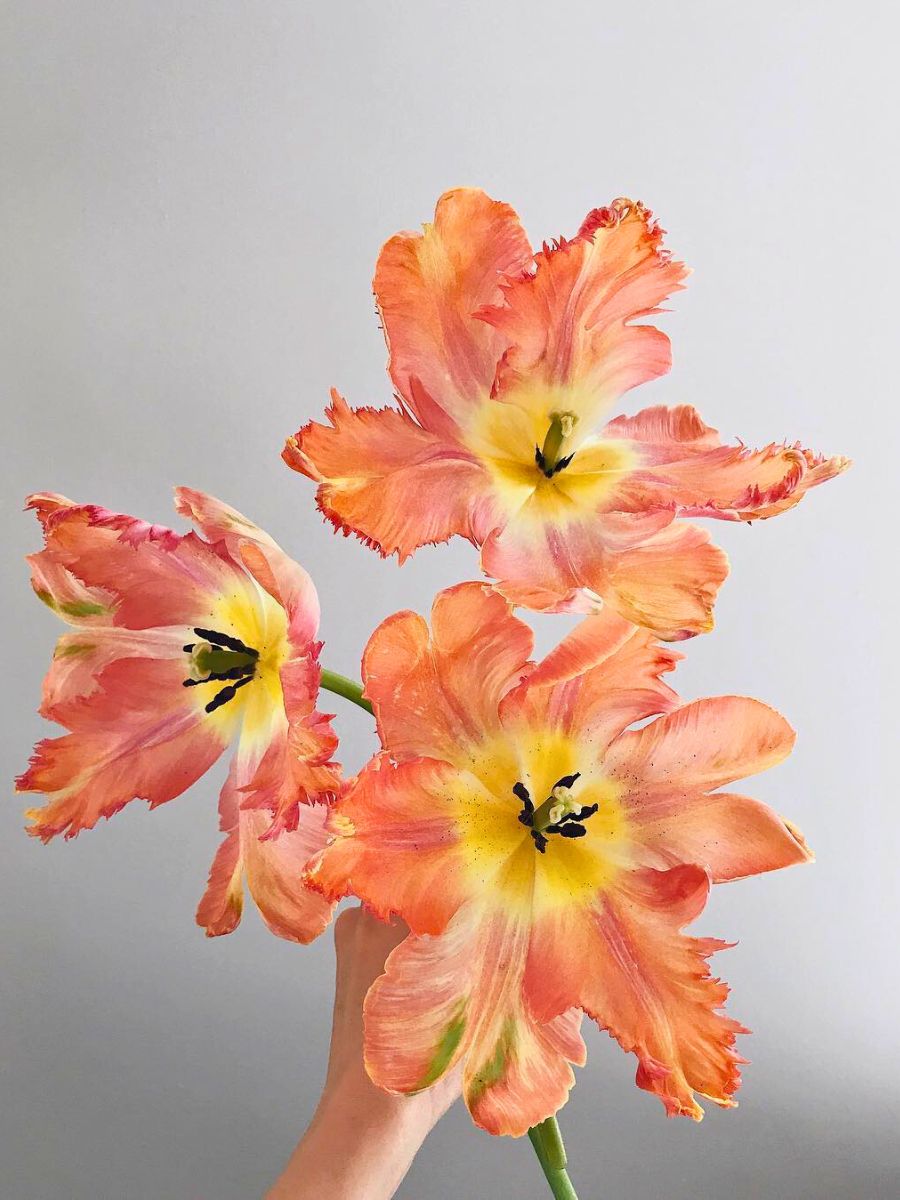
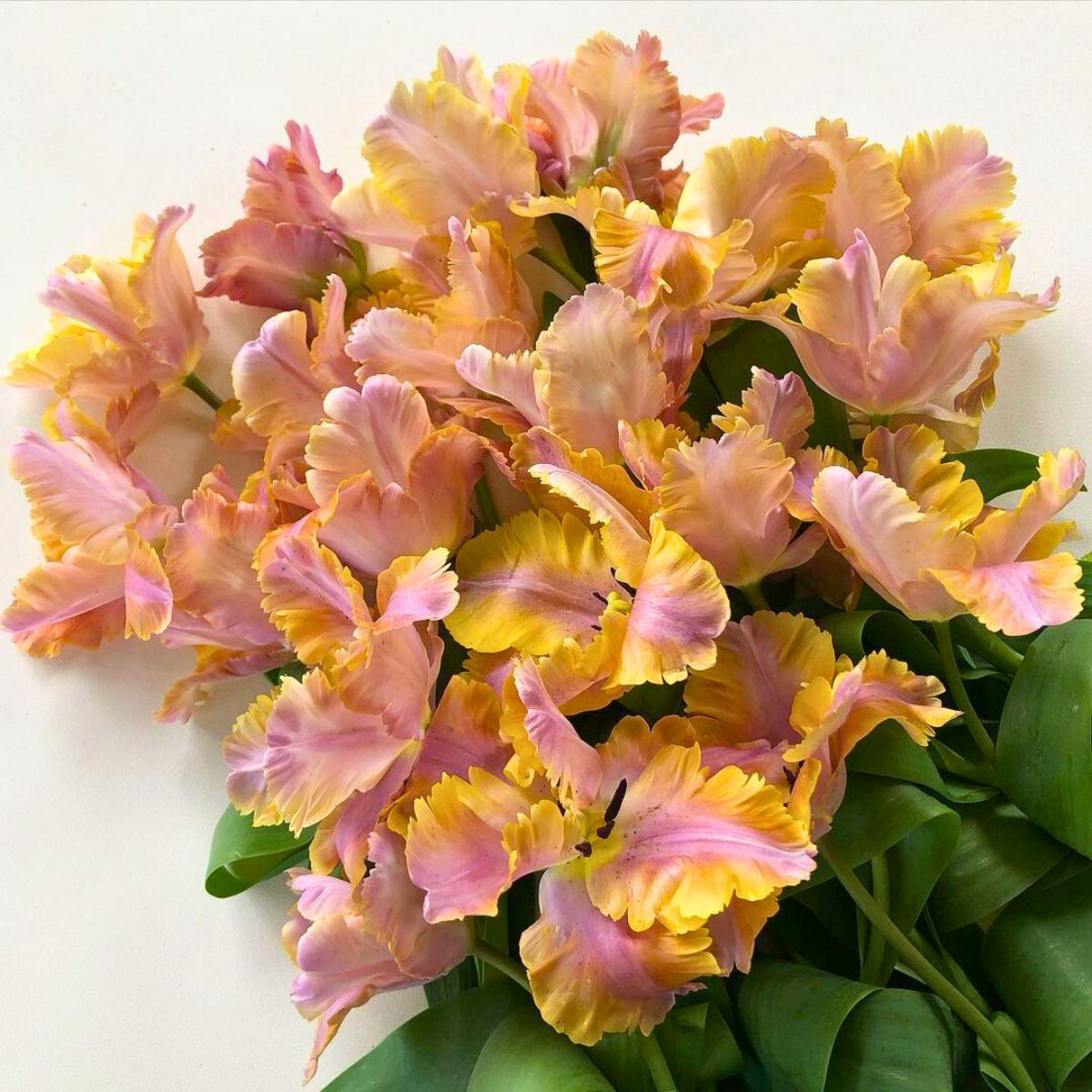
One of the most attention-catching features of this type of tulip is its distinctive structure. The petals exhibit vivid colors ranging from intense reds and oranges to strong yellows and soft pastels, often adorned with streaks, fringes, or curls. Nonetheless, the irregular edges of the petals contribute to their look, adding a fancy element to any garden or floral arrangement.
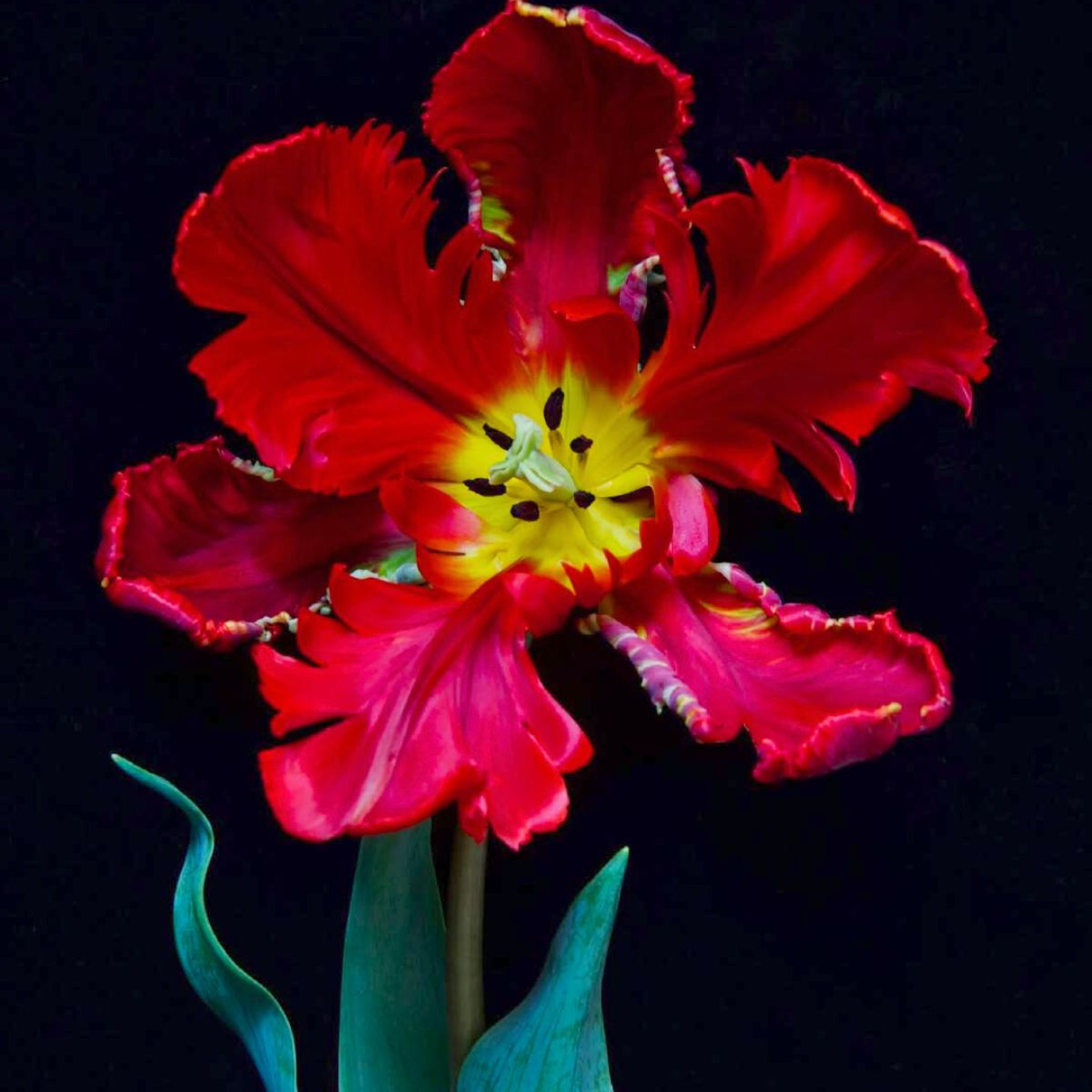
Photo: @sarahmanciniphotographer
In terms of size, they can vary widely, with some cultivars boasting large, showy blooms while others exhibit smaller flowers. The height of the plant typically ranges from 30 to 71 cm (12 to 28 inches), making it a versatile choice for various garden settings. Best of both worlds, many would call it.
Why Is the Parrot Tulip Revered as One of the Most Beautiful Types of Tulips in the World?
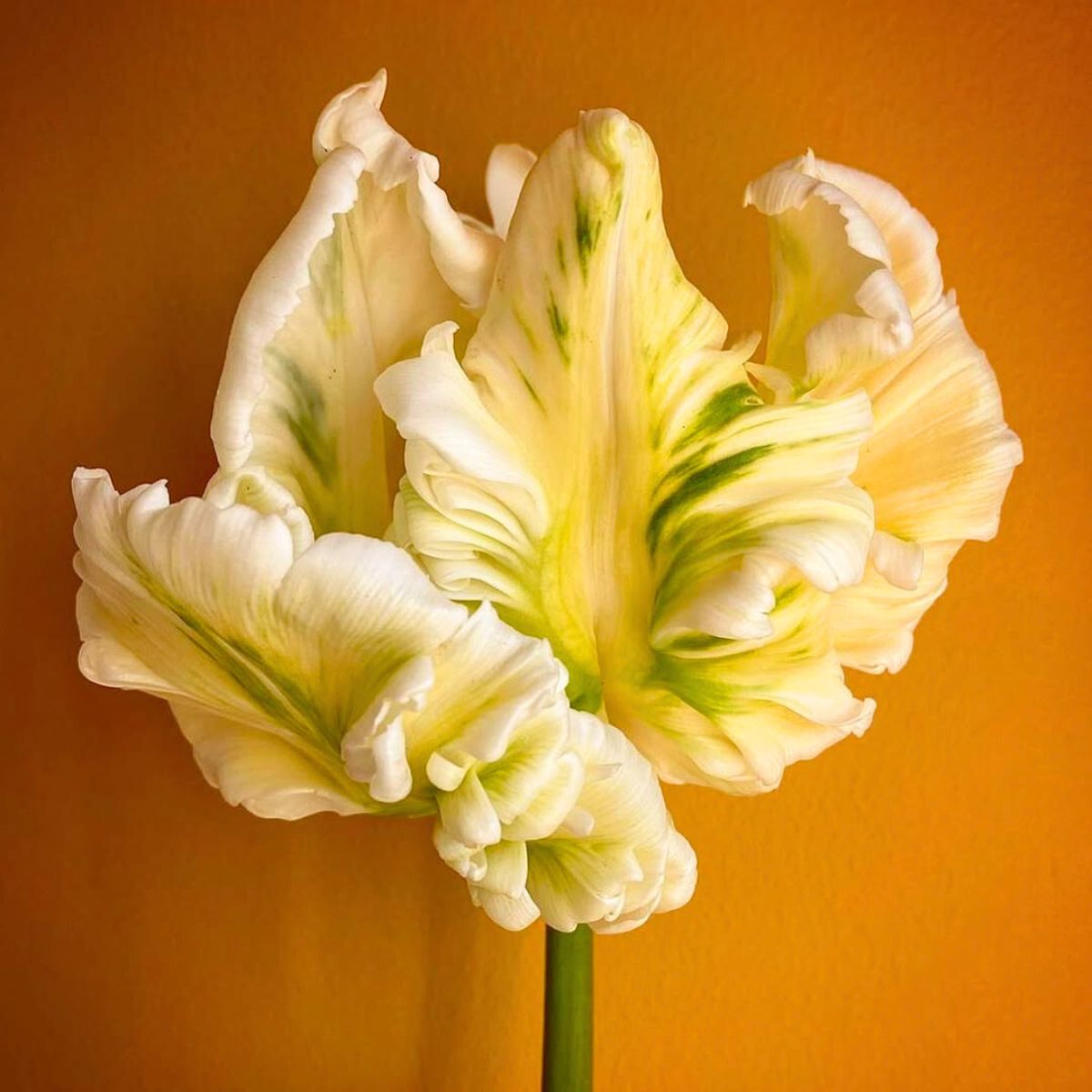
The parrot tulip's exoticism lies in its unique structure, which sets it apart from other tulip varieties, but clearly, this is not the only reason why it's considered one of the most beautiful and dramatic-looking types of flowers in the world.

Parrot tulips display an unpredictable mix of colors, from deep reds and fiery oranges to muted pastels and bold two-toned patterns. Their unusual petals and unexpected colors make them stand out in both floral arrangements and garden landscapes. Like all tulips, they hold symbolic meanings that shift across cultures and history, often representing love, beauty, or good fortune. However, with their dramatic, almost rebellious look, parrot tulips can also be seen as a symbol of individuality, boldness, and a refusal to blend in.
Using Parrot Tulips in Arrangements
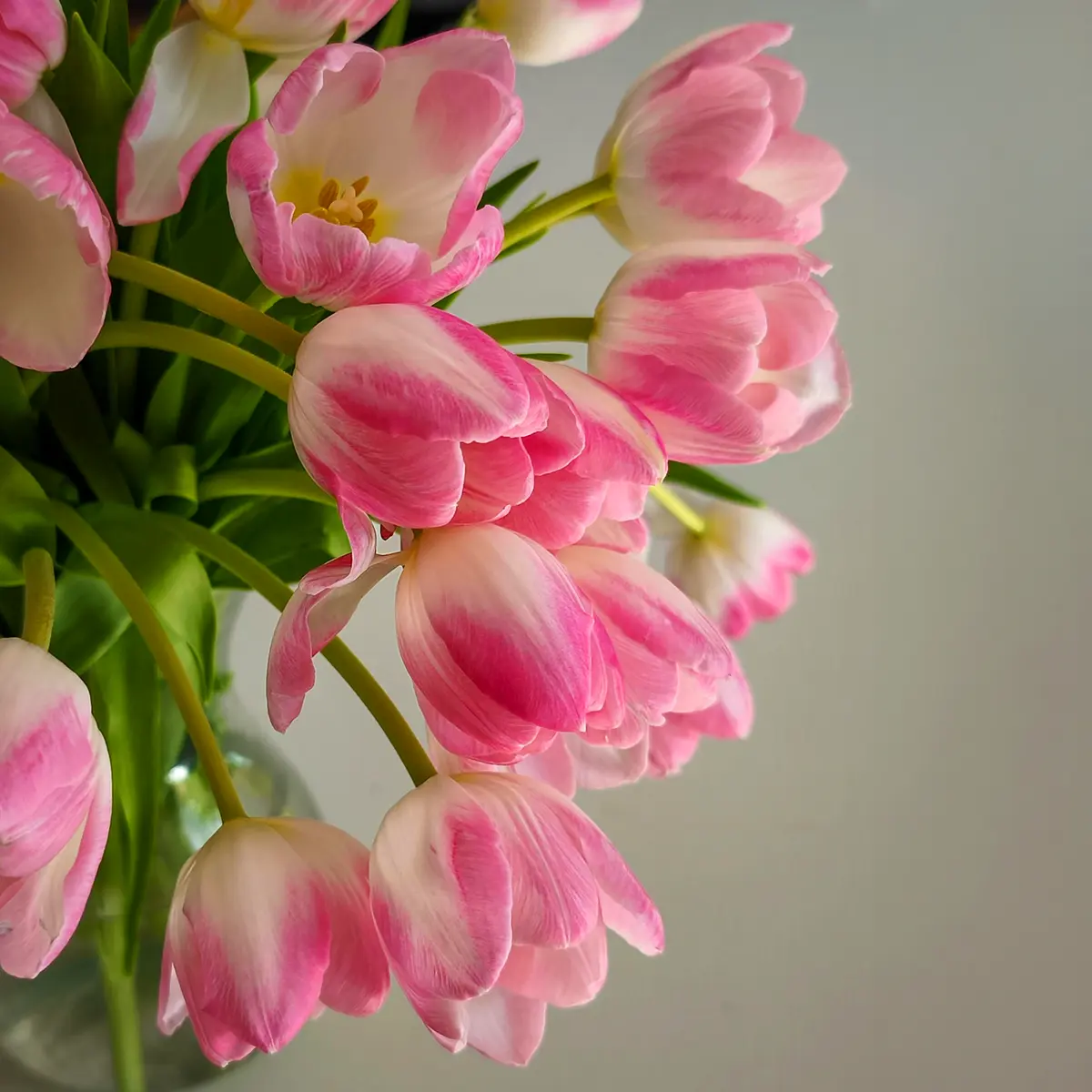
These types of tulips lend themselves beautifully to floral arrangements, adding drama and flair to bouquets, centerpieces, and other displays. Some creative ways to incorporate them into arrangements include:
Allowing the appealing shape and colors of parrot tulips to take center stage by showcasing them on their own in a simple, elegant vase. The different tones and textures can make a floral creation that captures attention effortlessly. On the other hand, you can opt to combine them with complementary flowers, foliage, and accents to create dynamic mixed bouquets that showcase their unique characteristics. Pairing them with blooms such as roses, ranunculus, and anemones adds depth and visual interest to the arrangement.
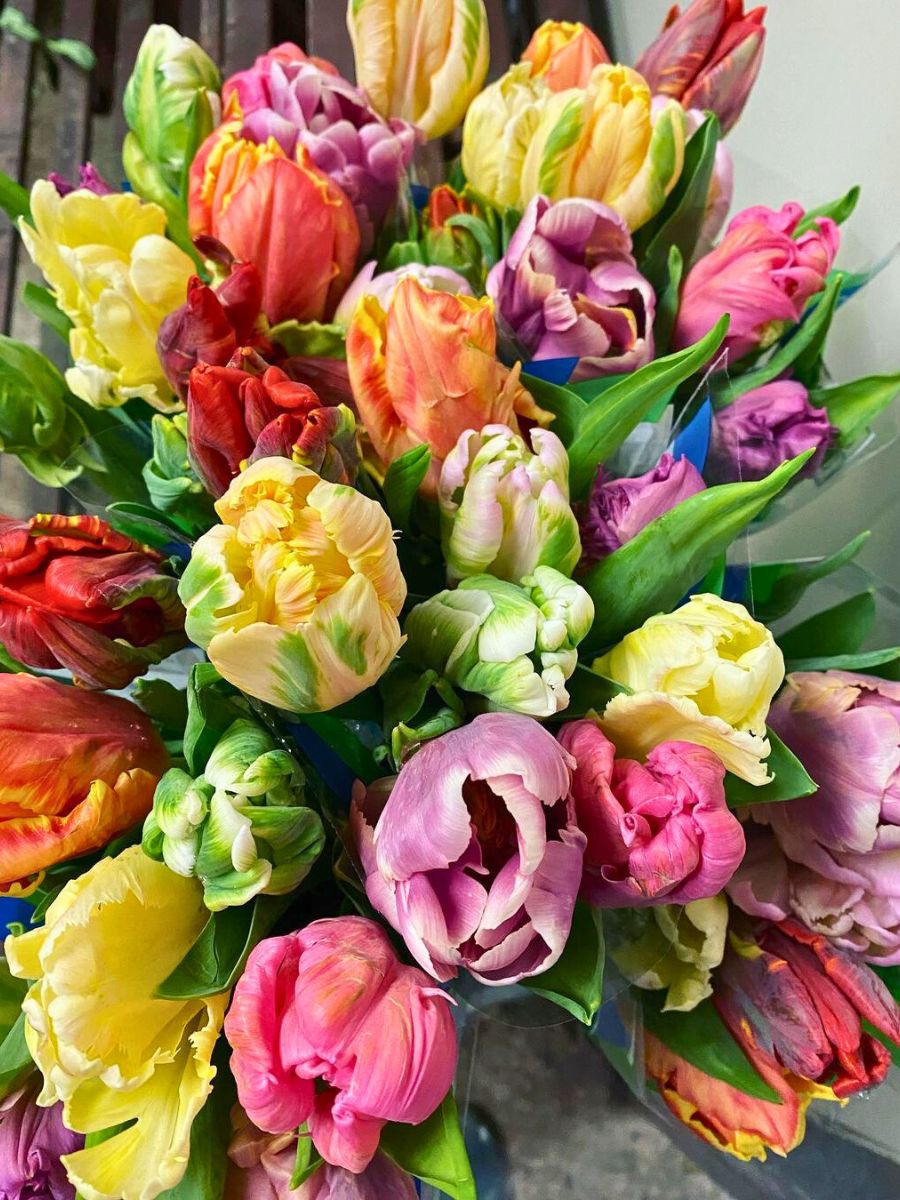
You can also use these tulips to add textural contrast to arrangements by pairing them with flowers and foliage of different shapes, sizes, and textures. Parrot tulips' ruffled petals make an intriguing contrast when combined with smoother, more streamlined blooms.
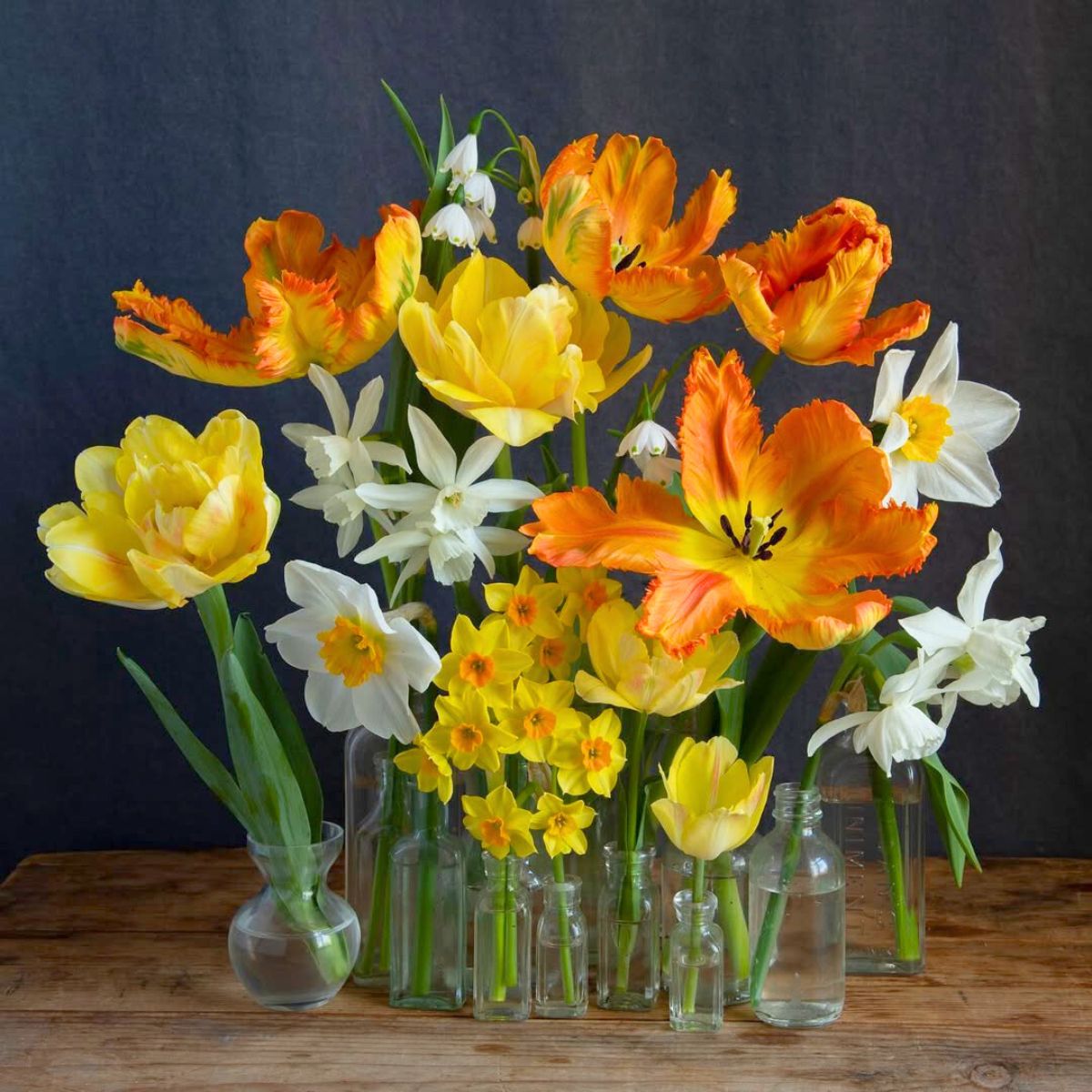
Photo: @bottlebranch
Lastly, these flowers allow you to explore different color combinations to create harmonious arrangements that evoke a sense of balance and cohesion. Whether you opt for a monochromatic scheme or a mix of colors, parrot tulips can serve as the focal point that ties the arrangement together. Their versatility allows them to complement a wide range of other flowers and foliage, offering diverse creative possibilities for florists and enthusiasts. When properly cared for, they have a relatively long vase life, allowing recipients to enjoy their beauty for several days.
Caring for Parrot Tulips as a Garden Flower
While they possess an incomparable beauty, they also require proper care to thrive and reach their full potential in gardens. Here are some essential care tips:
Planting
Choose a location with well-draining soil and ample sunlight for your parrot tulips. Plant bulbs in the fall, about 15-20 cm (6-8 inches) deep and spaced 10-15 cm (4-6 inches) apart. Ensure proper air circulation to prevent fungal diseases.
Watering
Water newly planted bulbs thoroughly to settle the soil around them. During the growing season, provide consistent moisture, ensuring the soil remains evenly moist but not waterlogged. Water deeply when the top inch of soil feels dry, especially during dry spells.
Fertilization
As new growth emerges in early spring, apply a balanced fertilizer formulated specifically for flowering bulbs. Application rates should be calculated according to the manufacturer's instructions. Avoid over-fertilization, which can result in excessive foliage growth at the expense of blooms.
Mulching
Apply a layer of organic mulch, such as shredded bark or compost, around the base of the plants to conserve moisture, suppress weeds, and regulate soil temperature. Mulching also helps maintain soil moisture levels and reduces the need for frequent watering.
Deadheading
Remove spent blooms promptly to encourage continuous flowering and prevent the plant from directing energy into seed production. Snip off the faded flowers at the base of the stem using clean, sharp pruners. This practice promotes tidiness and prolongs the blooming period.
Leaves and Stem Care
After flowering, let the foliage stay in place until it naturally withers and turns yellow. Through this process, the plant is able to store more energy for its blooms the following year. Prematurely trimming off the foliage can weaken the bulbs over time, so avoid doing so.
Pest and Disease Control
Monitor your parrot tulips for signs of pest infestation or disease, such as aphids, slugs, or fungal infections. Use organic or chemical control methods as needed, following the recommended guidelines for specific pests and diseases.
Video by @mimosaboston
This product continues to inspire awe and admiration wherever it blooms. If you have not tried creating floral designs with this booming beauty, are you going to wait any longer?