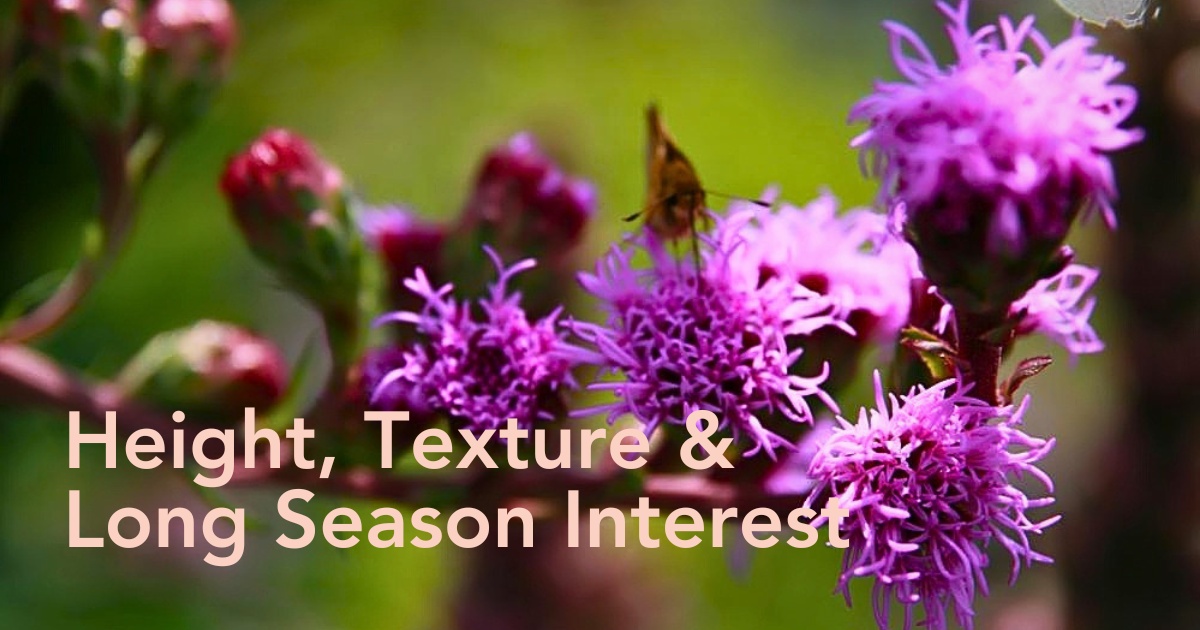
Gayfeather is one of those plants that looks refined, yet isn't as fussy as such to demand much in return. Its botanical name is Liatris spicata, but it's also commonly known as blazing star. This upright perennial brings height, texture, and a long season of interest to sunny borders, meadows, and cutting gardens.
This perennial grows from the ground up with grass-like foliage, sends up rigid flower stalks that can reach around 120 cm, and blooms top-down in a way that is unlike almost anything else in the garden. It welcomes bees, butterflies, and hummingbirds, while its seed heads can feed birds later in the season. For anyone who likes clean lines, easy care, and a plant with a presence, this perennial easily gives you all that.
What Is Gayfeather?
Gayfeather is an herbaceous perennial wildflower native to the Eastern and Central United States. It belongs to the Asteraceae family and grows from a corm-like base, producing clumps of narrow, grass-textured foliage before sending up its signature tall flower spikes every season.
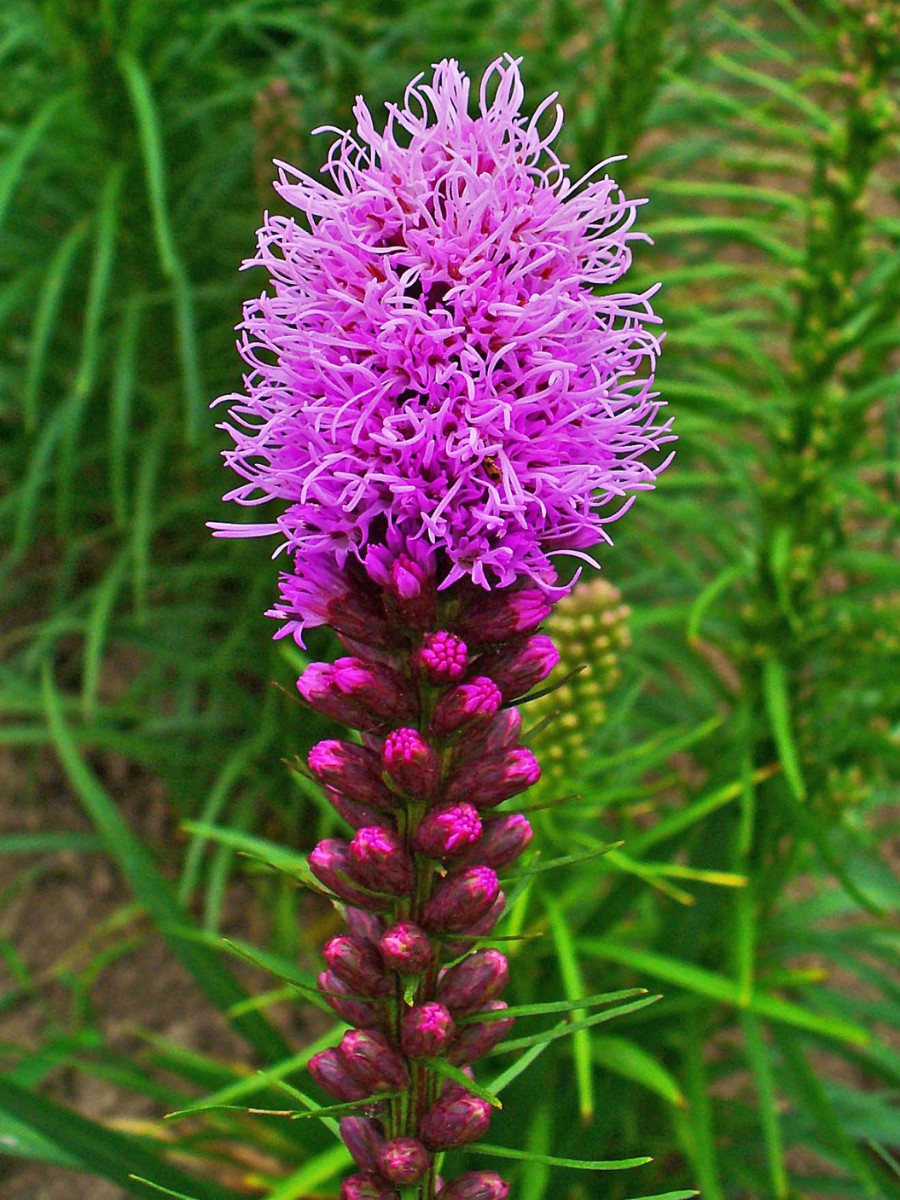
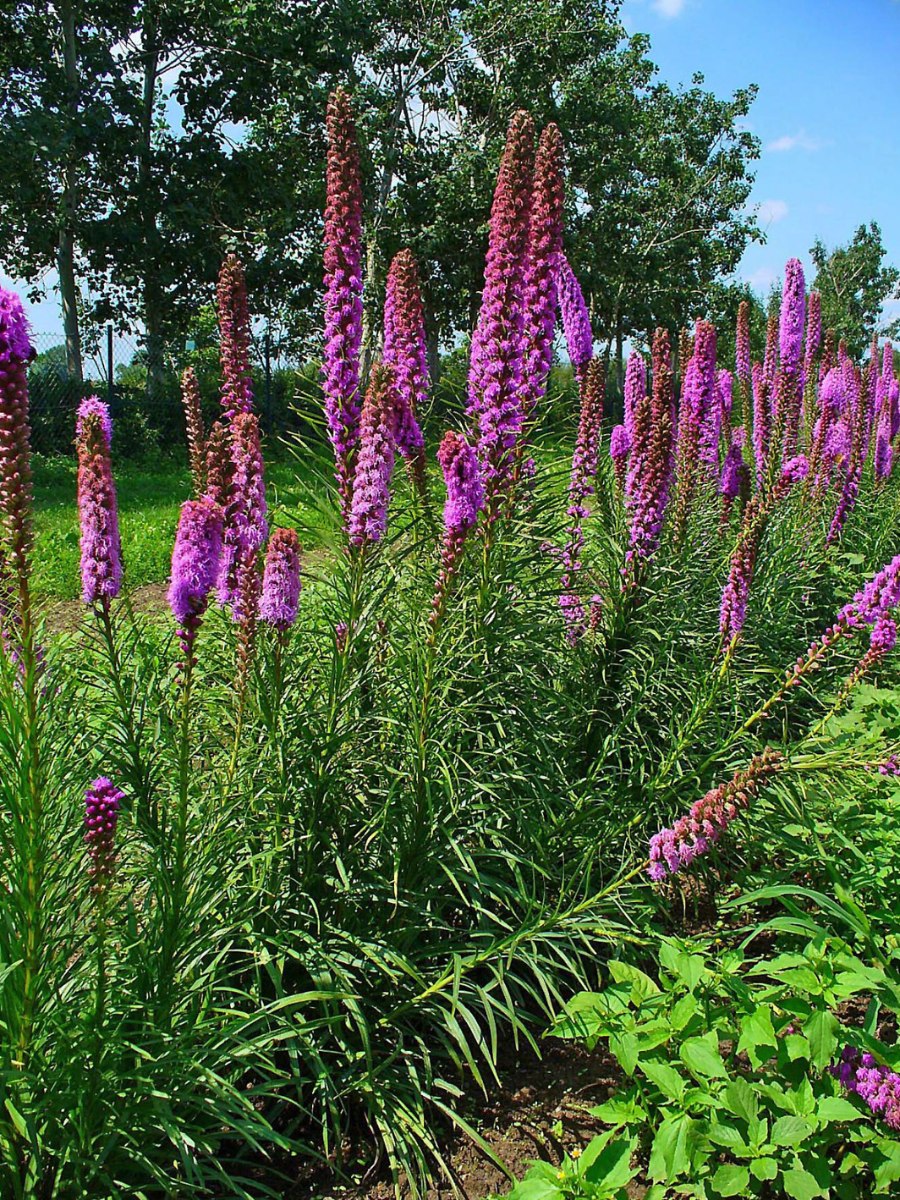
The plant is sometimes called the gayfeather blazing star or the dense blazing star, both of which suit it well. Those upright, densely packed lavender-purple or white bottlebrush-like flower spikes create a visual effect that is hard to match, especially in borders. Unlike most flowering plants, gayfeather opens its flowers from the top of the spike downward, which gives it a distinctive, slightly wild character.
During growth, it requires full sun for at least six hours per day and does best in well-draining soil, whether clay, loam, or sandy. Its watering needs are moderate once the plant is established, and standing water should always be avoided. Gayfeather is reliably cold-hardy across USDA zones 3 to 9. And in terms of wildlife value, it attracts butterflies, bees, and hummingbirds during the growing season, and its seed heads feed birds through the winter months.
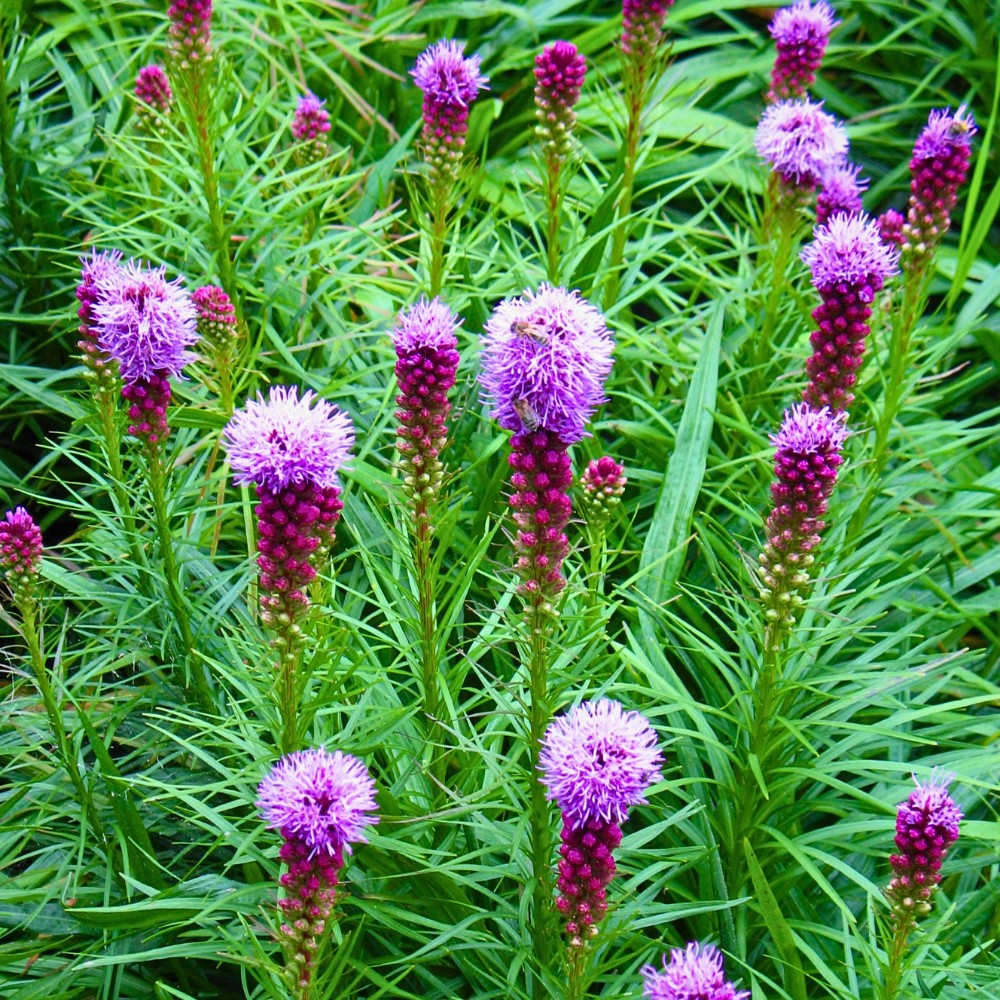
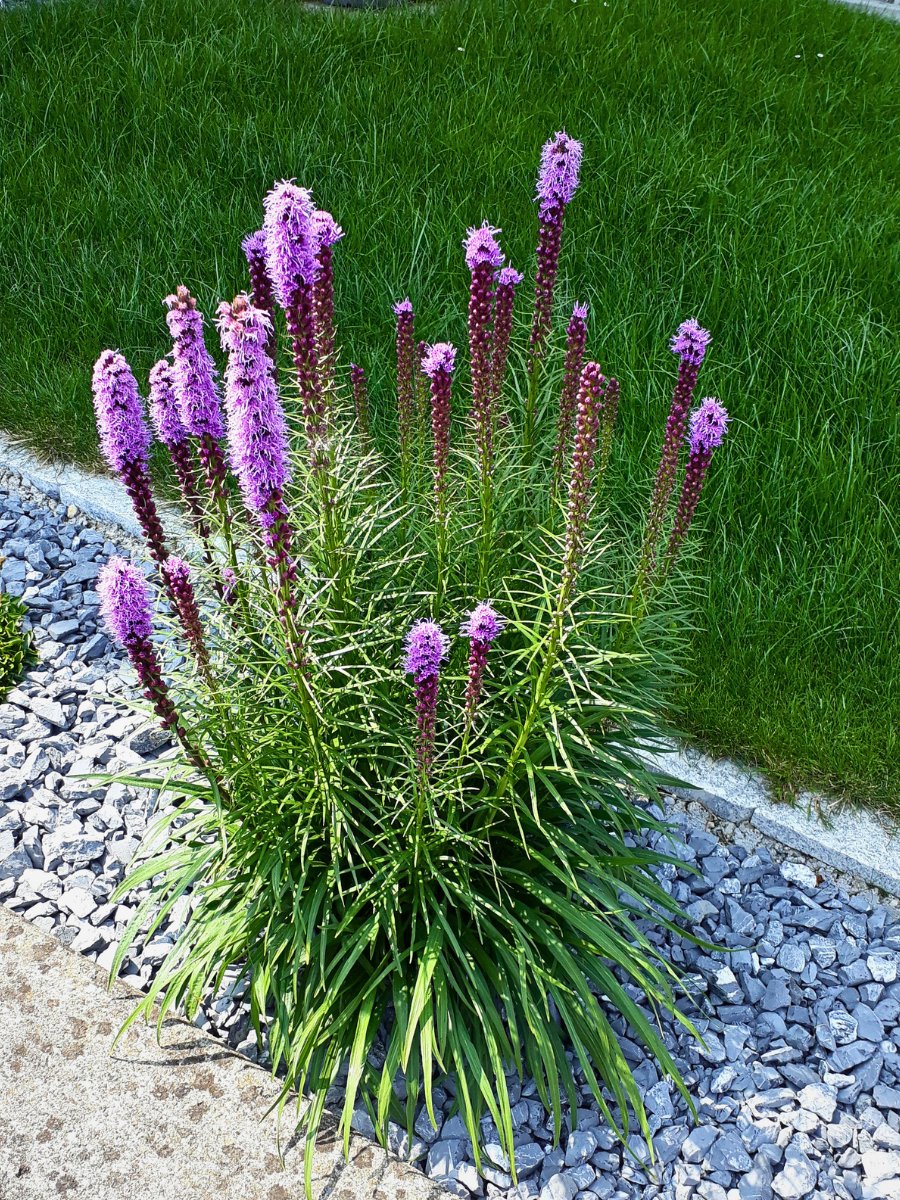
At maturity, this plant, as noted, reaches 60 to 120 cm in height and spreads 30 to 60 cm wide, with a strong, upright form that suits it well to both naturalistic and more structured garden settings. The flower color runs from lavender-purple to pink-purple, and the bloom season stretches from late July through October, making it one of the longer-performing perennials in that window of the growing year.
What Makes the Gayfeather Flower Distinctive?
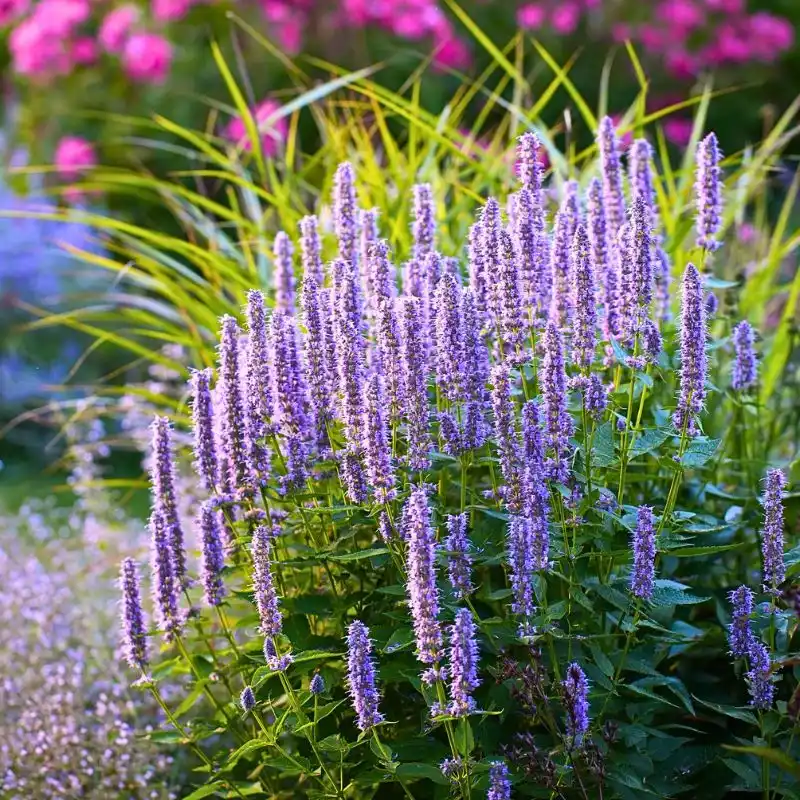
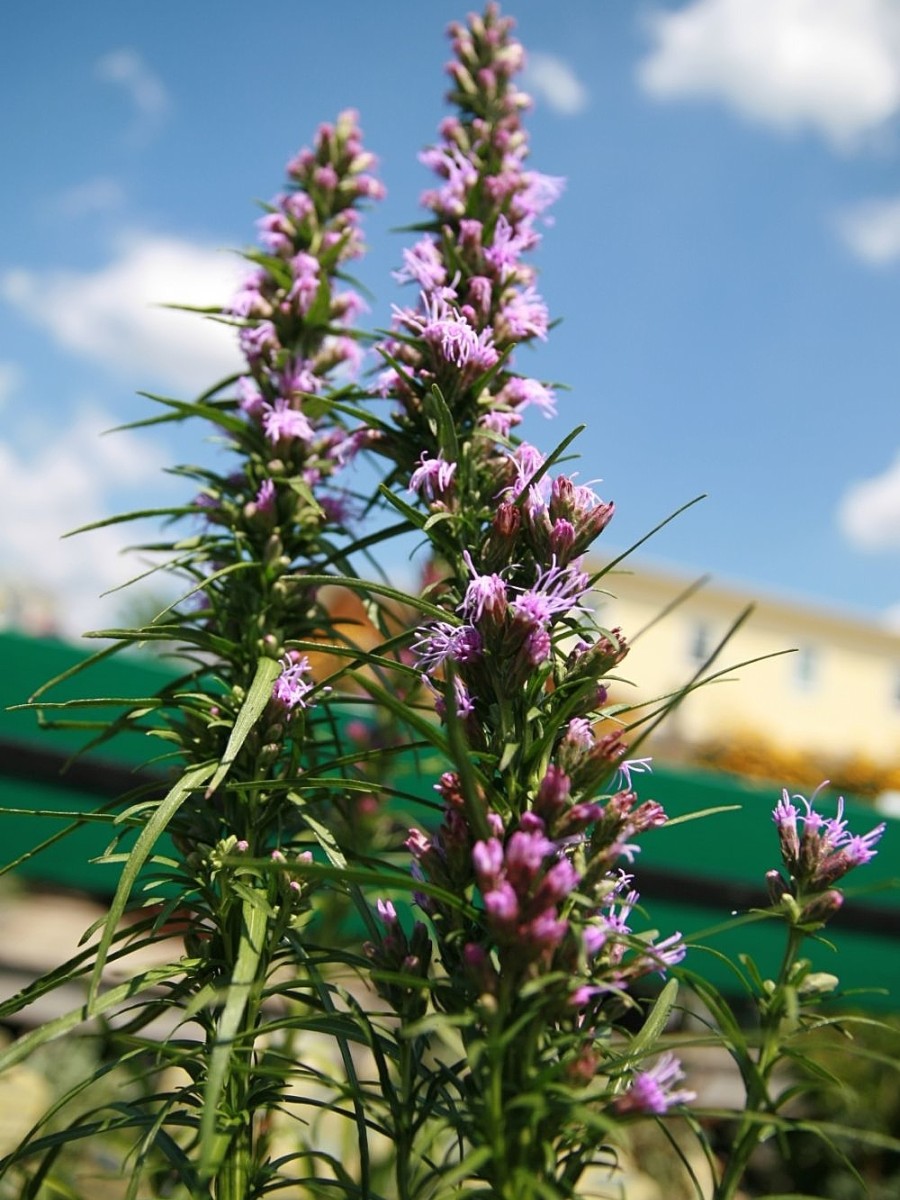
The gayfeather flower is certainly one of the more unusual-looking perennials you can grow. The flowers appear as tight, feathery tufts of purple packed along a tall, rigid stem, and they open progressively from the tip down. This unusual top-to-bottom bloom sequence means the plant is visually interesting for a longer stretch of time than many summer perennials.

The color typically falls somewhere between lavender and violet-purple, though cultivated varieties include soft pink and near-white selections. The texture is soft and feathery up close, making it wonderful as a cut flower that pairs well with daisy-shaped companions like black-eyed Susans and coneflowers.
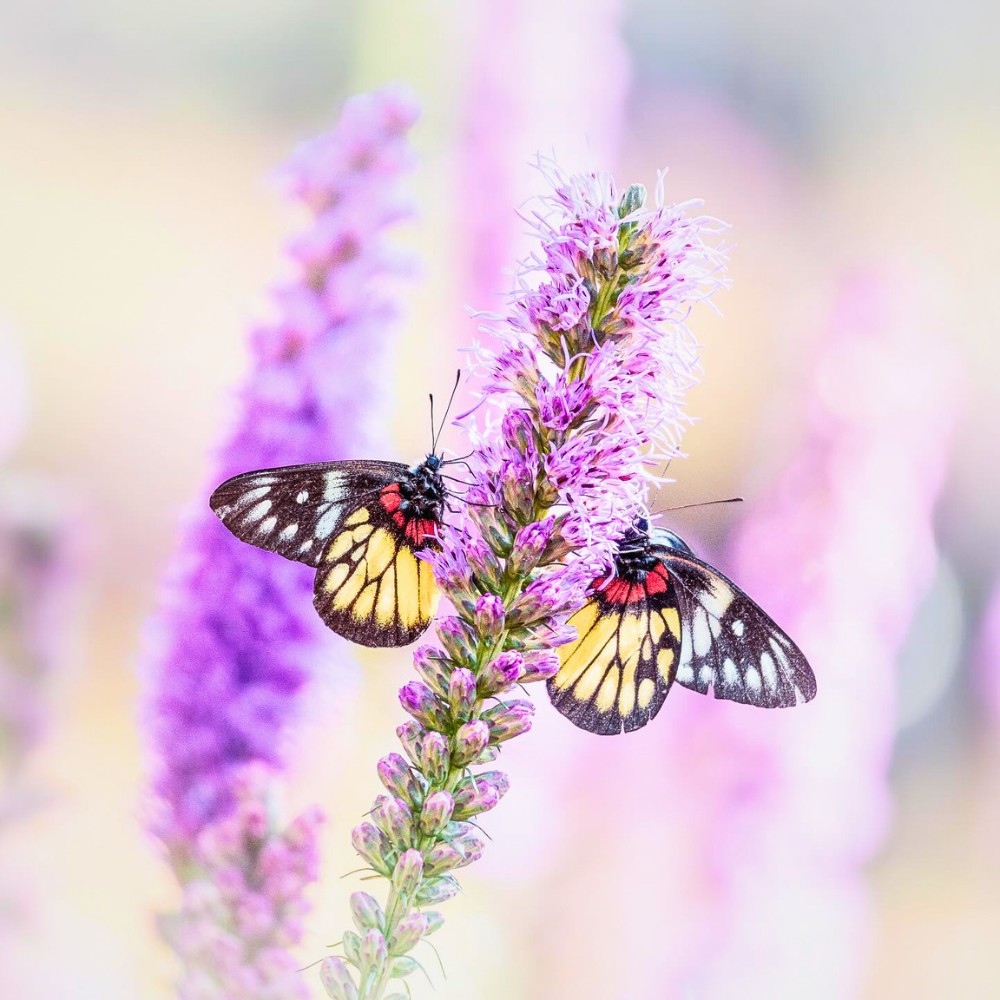
One of the more notable qualities of the gayfeather flower is its timing. It hits peak bloom right when the fall migration of Monarch butterflies is underway, making it a useful plant for anyone interested in supporting pollinators during that critical period.
How to Grow Liatris Successfully
How to grow gayfeather is not complicated, and that is a large part of its appeal. The plant is well-suited to gardens across a wide range of climates and soils, provided a few basic conditions are met.
Sun and Soil
Gayfeather needs full sun, meaning at least six hours of direct sunlight per day. It tolerates heat and humidity reasonably well, which makes it a solid choice for gardens in the South and Midwest. For soil, it prefers a well-draining mix that leans slightly acidic to neutral in pH.
Average garden soil enriched with some organic material works well. The key point is drainage, as gayfeather will struggle and potentially rot if it sits in waterlogged or consistently soggy soil. Sandy loam is ideal, but it also performs in clay-based soils as long as water does not pool.
Watering and Feeding
Once established, gayfeather is notably drought-tolerant. Water it regularly during the first growing season to help the plant settle in, then scale back. In most climates, rainfall is sufficient after the first year.
Avoid over-watering, as this is one of the more common causes of failure with this plant. Light feeding once in spring with a balanced, slow-release fertilizer is generally all that is needed. Over-fertilizing can produce lush foliage at the expense of flower production.
What to Expect in the First Few Years
It is worth knowing that the gayfeather plant behaves as a long-term investment. Because it is both a perennial and a wildflower, full bloom production typically develops over two to three years. In the first growing season, you may see a few flower spikes.
The second year brings noticeably more, and by year three, a well-established plant produces a generous flush of tall spikes. The wait is absolutely worthwhile for gardeners with patience and an eye toward a naturalistic, wildlife-friendly garden.
How to Plant Gayfeather Seeds
Growing gayfeather from seed is one of the more economical ways to add this plant to your garden in quantity. Here is how to plant gayfeather seeds for the best results.
Starting Indoors
Gayfeather seeds profit from a cold stratification period of 4 to 6 weeks before planting. Place the seeds in a slightly moist growing medium inside a sealed plastic bag and refrigerate them for this period. This mimics the natural winter dormancy the seeds would experience outdoors and significantly improves germination rates.
After stratification, sow seeds indoors 6 to 8 weeks before the last expected frost. Press them lightly into a seed-starting mix and keep them moist. Germination typically occurs within 20 to 45 days at a temperature of around 21°C. Move seedlings outdoors gradually once nighttime temperatures remain above 10°C.
Direct Seeding Outdoors
For a more hands-off approach, direct seeding in the fall is an effective method. Scatter seeds over prepared, weed-free soil in a sunny location and press them into contact with the soil surface. The seeds will naturally stratify over winter and germinate in spring when conditions are right. Space the plants or thin seedlings to 30 to 45 cm apart to allow for adequate air circulation and root development.
Planting Depth and Spacing
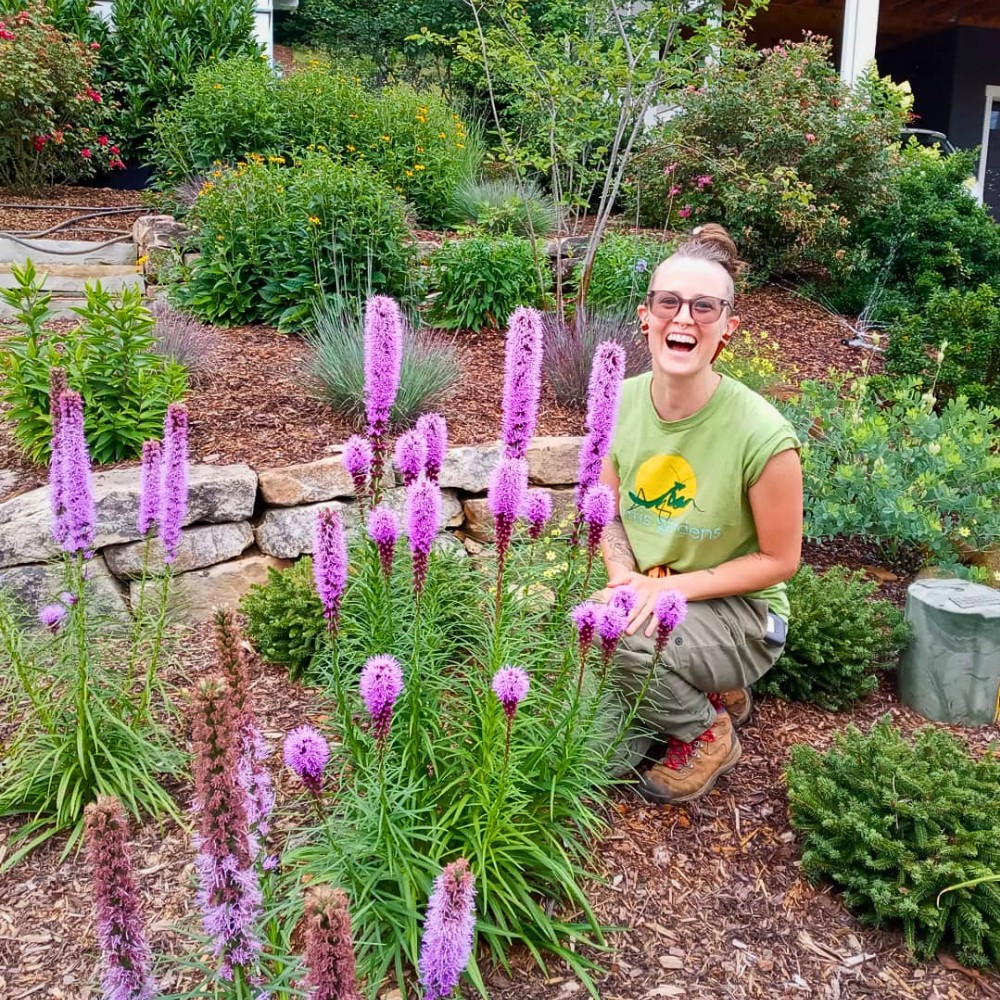
Whether starting from seed, divisions, or corms, gayfeather plants should be spaced roughly 30 to 45 cm apart. Plant the corms 5 to 10 cm deep with the flat side facing down. Notably, gayfeather plants look their best when planted in groups or drifts of five or more, creating a massed purple statement in late summer borders.
Does Gayfeather Spread?
Often, a common question from gardeners is, "Does gayfeather spread”? The short answer is yes, in a manageable and generally welcome way. Gayfeather spreads through two mechanisms. It produces shallow corms that multiply slowly over the years, and it self-seeds if the spent flower heads are left in place after blooming.
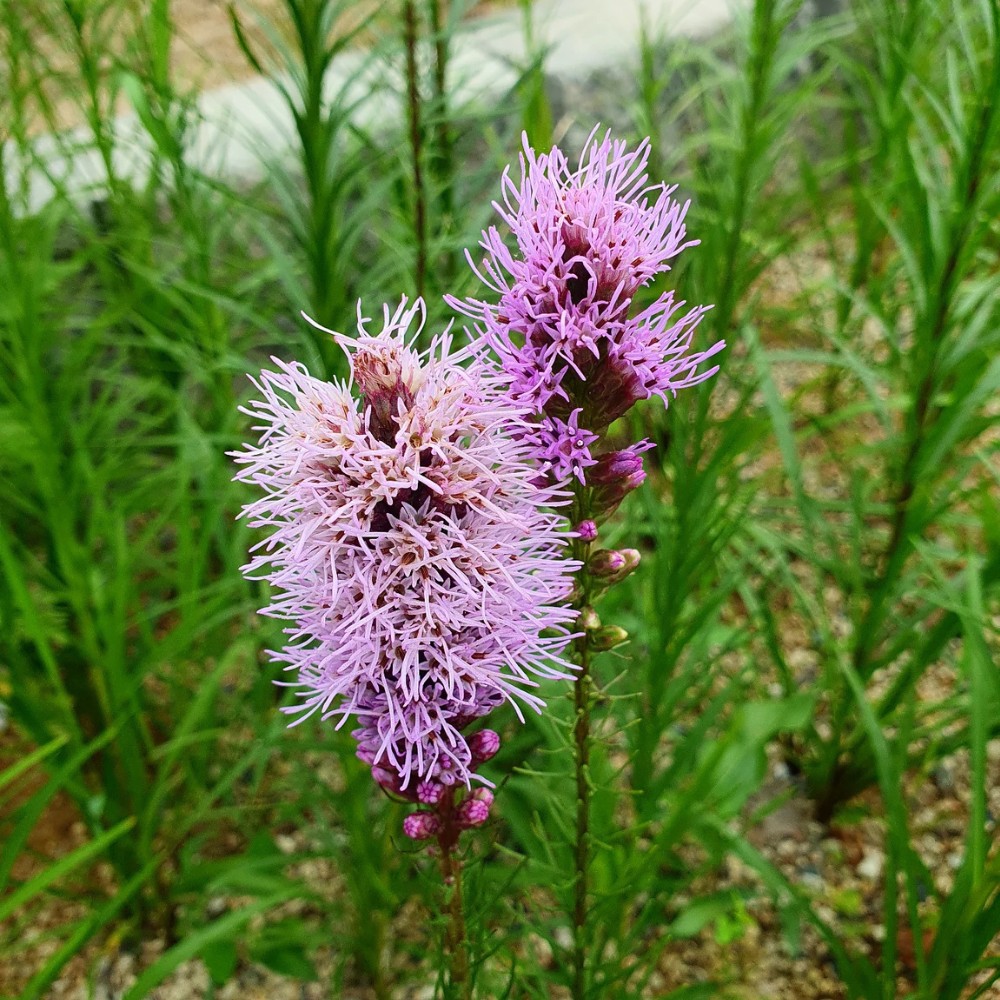
The spreading habit is not aggressive in the way of invasive plants. It does not send out runners or spread rapidly. Over time, a single plant will gradually form a larger clump, and self-seeded seedlings may appear nearby. For gardeners who want to maintain a controlled planting, removing spent flower heads before the seeds fully ripen is the direct solution.
For those who want more of the plant, simply leaving the heads in place allows natural propagation. Clump division every three to four years keeps established plants vigorous and is a good way to multiply them without any cost.
How to Deadhead Gayfeathers
Understanding how to deadhead gayfeathers properly helps you manage the plant's spread and encourages a tidy appearance through the season. Deadheading the plant is a simple process, though the decision of whether to deadhead at all depends partly on your goals.
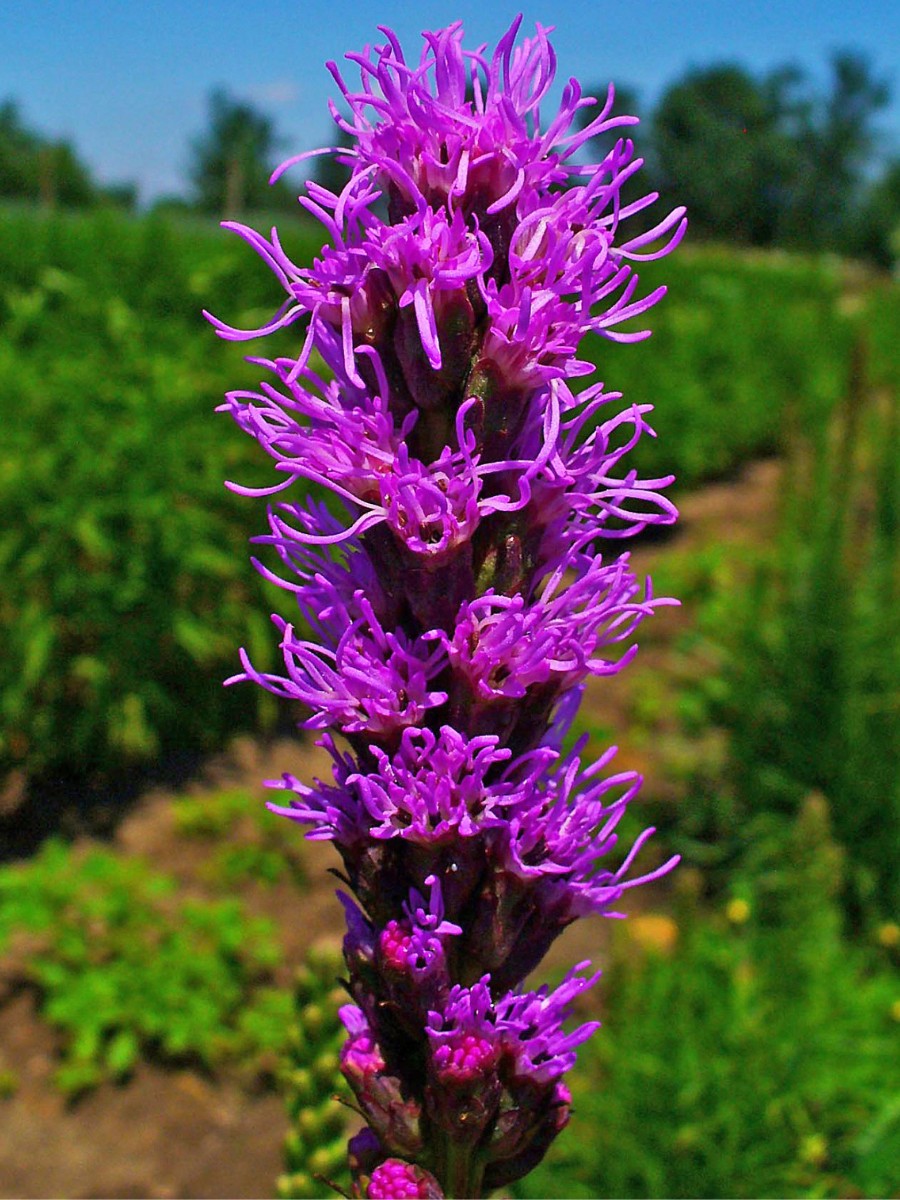
For starters, wait until the flowers on a spike have finished opening and are beginning to fade and turn brown. Using clean, sharp garden shears or pruners, cut the flower spike back to just above the foliage at the base. This prevents self-seeding and keeps the plant looking neat. It will not typically produce a second flush of flowers, but the foliage remains attractive through fall.
If you choose not to deadhead, the seed heads that develop on your gayfeathers provide a valuable food source for goldfinches and other seed-eating birds during the winter months. This is one reason many wildlife gardeners deliberately leave the stalks standing until late winter or early spring before cutting them back.

Do Deer Eat Gayfeathers?
For gardeners in deer country, this is a real question worth addressing. So, do deer eat gayfeathers? Generally, the answer is no. Gayfeather is considered deer-resistant by most horticultural sources. Deer tend to avoid it, likely due to the texture and scent of its foliage.
That said, no plant is completely deer-proof, particularly when their populations are high and other food sources are limited. Young seedlings may be more vulnerable than established plants. Most gardeners, nonetheless, report that gayfeather is left alone by deer in their gardens, making it a sensible choice for rural or suburban properties where deer pressure is a factor.
Where Gayfeather Fits Best
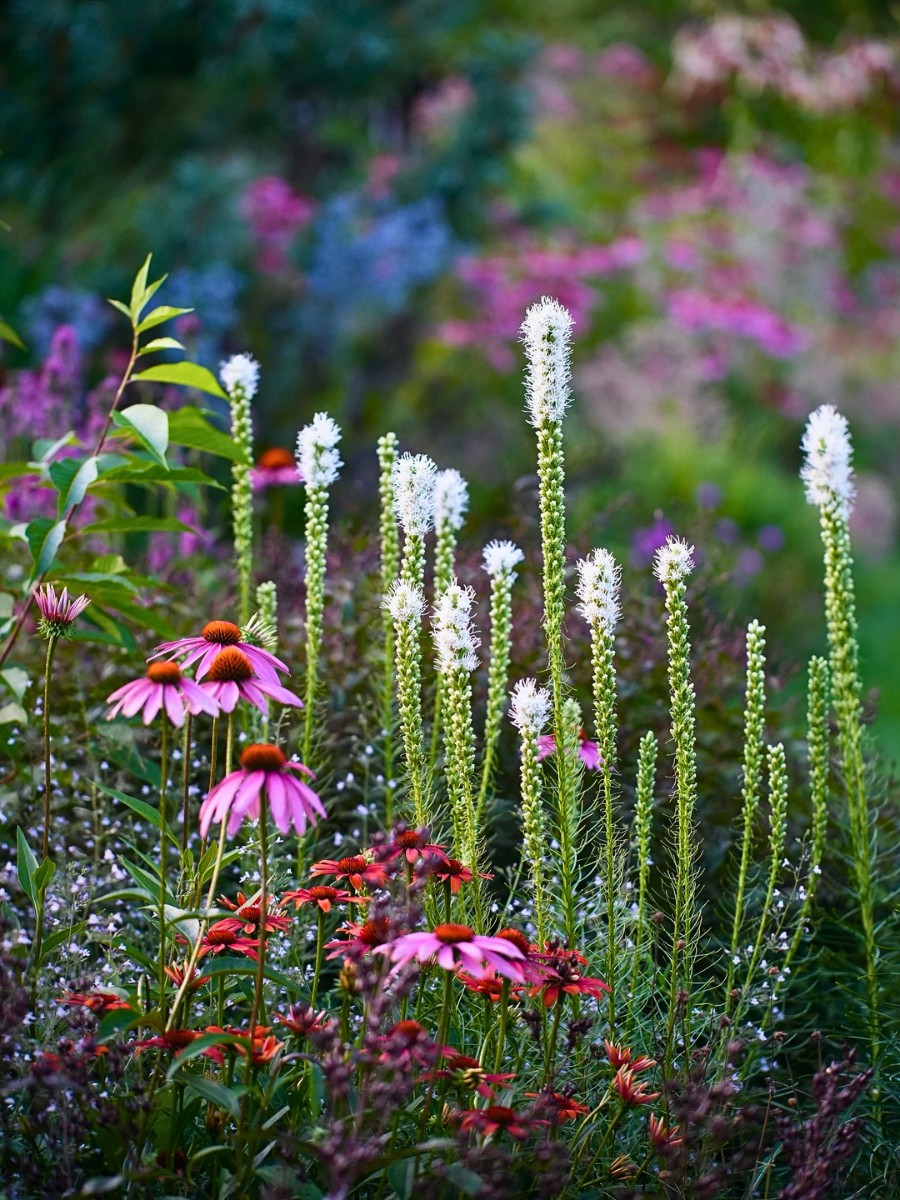
These perennials work best where sun, space, and movement are part of the design. It suits prairie plantings, cottage borders, pollinator beds, and cut flower gardens, especially when paired with grasses or other upright perennials. Since the plant is narrow and airy, it also adds structure without making the planting feel dense.
Gayfeathers in the Garden as Part of Design and Companion Planting
Liatris works well in a variety of garden settings. Their upright, vertical form provides excellent contrast to the rounded shapes of coneflowers (Echinacea), black-eyed Susans (Rudbeckia), and ornamental grasses. They are a natural fit for prairie-style and wildflower gardens, cottage borders, and pollinator gardens. For a successive bloom effect, combine them with early-summer perennials like salvia and catmint, followed by mid-summer Echinacea, and then let them carry the display into the next season.
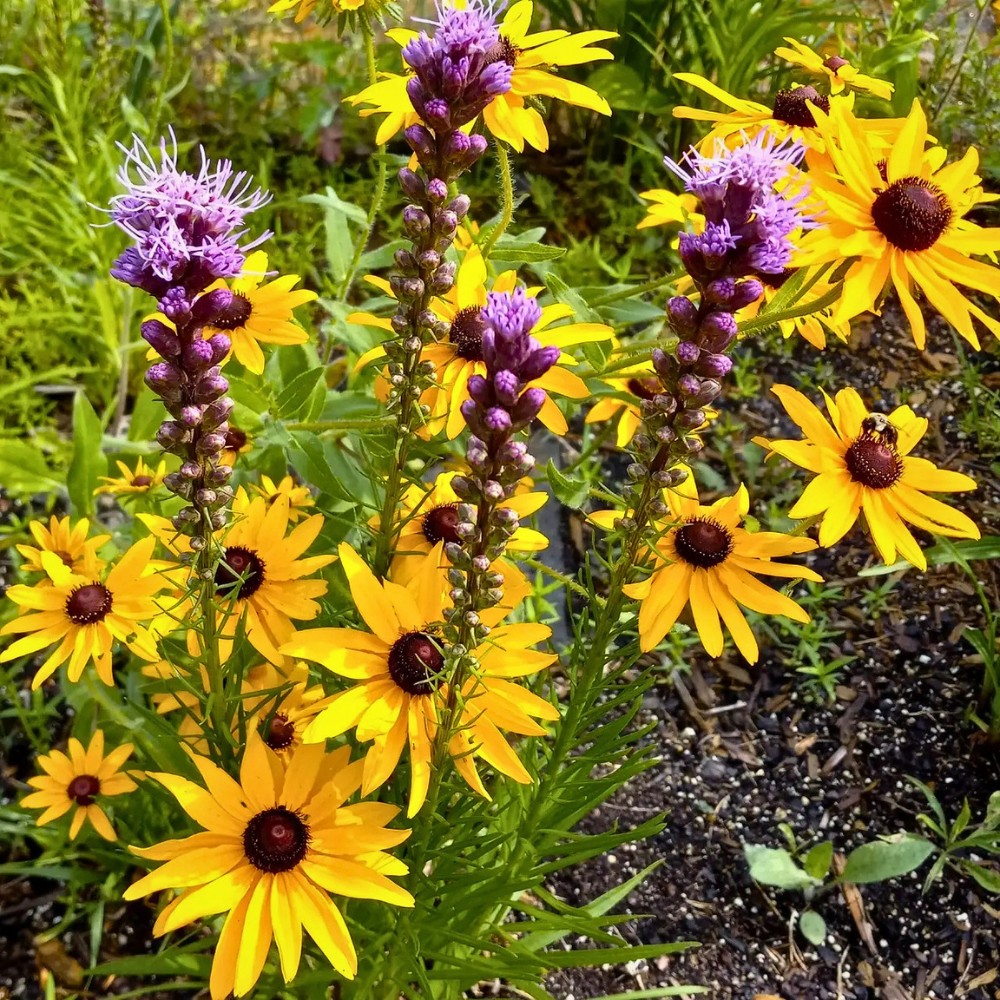
Also, in mass plantings, its spikes create a rhythmic pattern that reads well from a distance. In smaller gardens, even a few plants can provide a strong visual anchor. Furthermore, because they dry beautifully on the stalk and still hold their color reasonably well, gayfeather stems are also popular as cut flowers and dried arrangements. Often, cutting them when about one-third of the spike has opened gives the longest vase life.
Featured image by @renibible._. Header image by David J. Stang.