
Staghorn sumac (Rhus typhina) is known for its adaptability, long-term reliability, and its capacity to fit into various growing conditions. Native to eastern North America, this species occurs naturally along forest edges, in fields, and on open slopes, often appearing as a small tree or multi-stemmed shrub. When properly planted, it can tolerate full sun and part shade, as well as a variety of soils, including well-drained soils and, to a lesser extent, certain poorly drained areas.
The plant spreads over time through root suckers, gradually forming thickets that help stabilize ground surfaces and reduce erosion. Gardeners often appreciate its ability to provide interest without demanding constant upkeep. A simple pruning session every few years can help maintain shape, while its hardy nature allows it to handle summer heat, winter cold, and changes in soil moisture. Grown as an accent specimen or grouped with other plants, this plant can be a key element that elevates outdoor spaces.
What Is Staghorn Sumac (Rhus Typhina)?
Staghorn sumac belongs to a group of woody plants often referred to collectively as sumac. This particular species, Rhus typhina, stands out for its soft, velvet-like texture on young stems and branches. This covering resembles the antlers of a male deer when they are still covered in soft velvet, and that resemblance explains its common name.
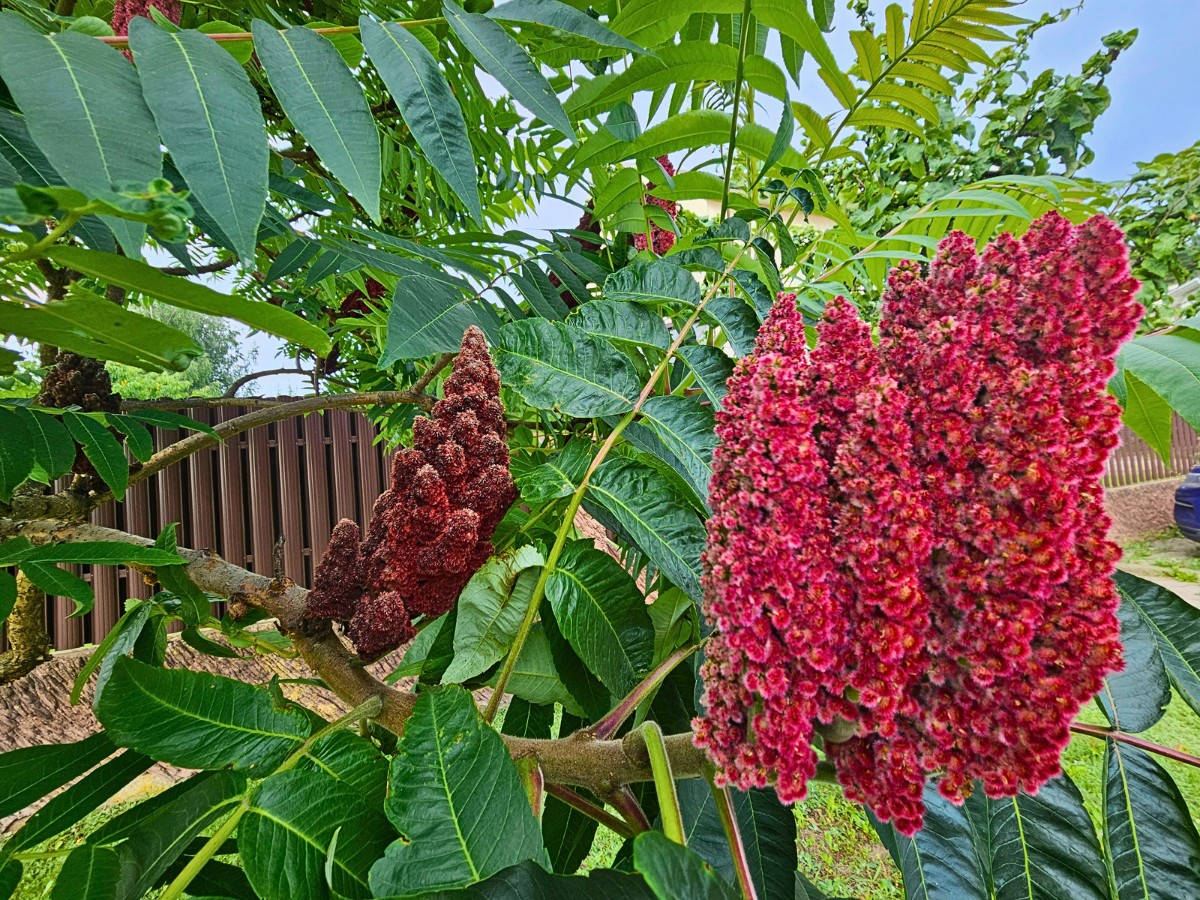
Though not towering in height, the staghorn sumac tree can reach a respectable size, earning it the title of a small tree in some settings. Its pinnately compound leaves line up along slender leaf petioles, creating a graceful pattern that can filter sunlight beneath its canopy. Native communities have long valued the plant for its fruits, which, when steeped in cold water, yield a tangy beverage often called 'Indian lemonade'.
This tree's presence in gardens and landscapes not only serves decorative purposes but also continues cultural traditions that highlight the staghorn sumac's importance throughout history. As a hardy species, it adapts well to direct sun and can handle some shade, making it suitable for a range of planting sites.
Recognizing the Unique Features of Staghorn Sumac
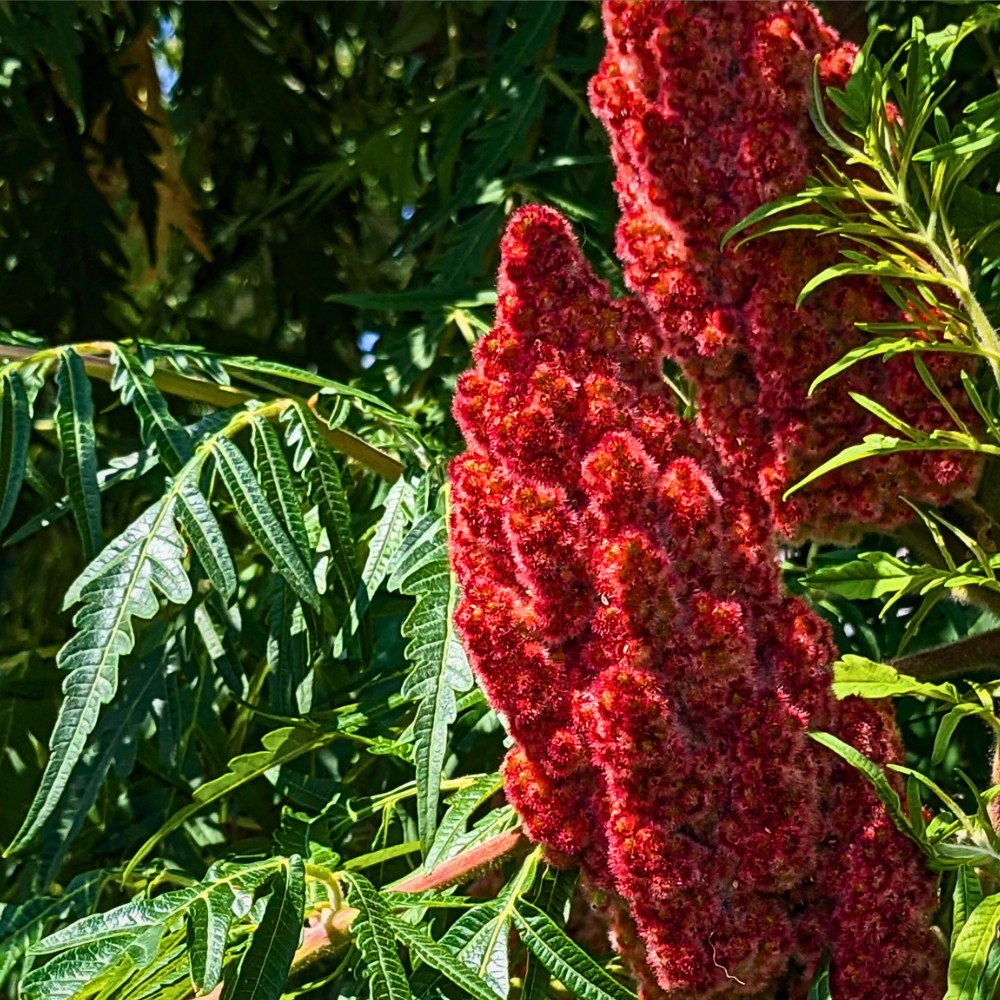
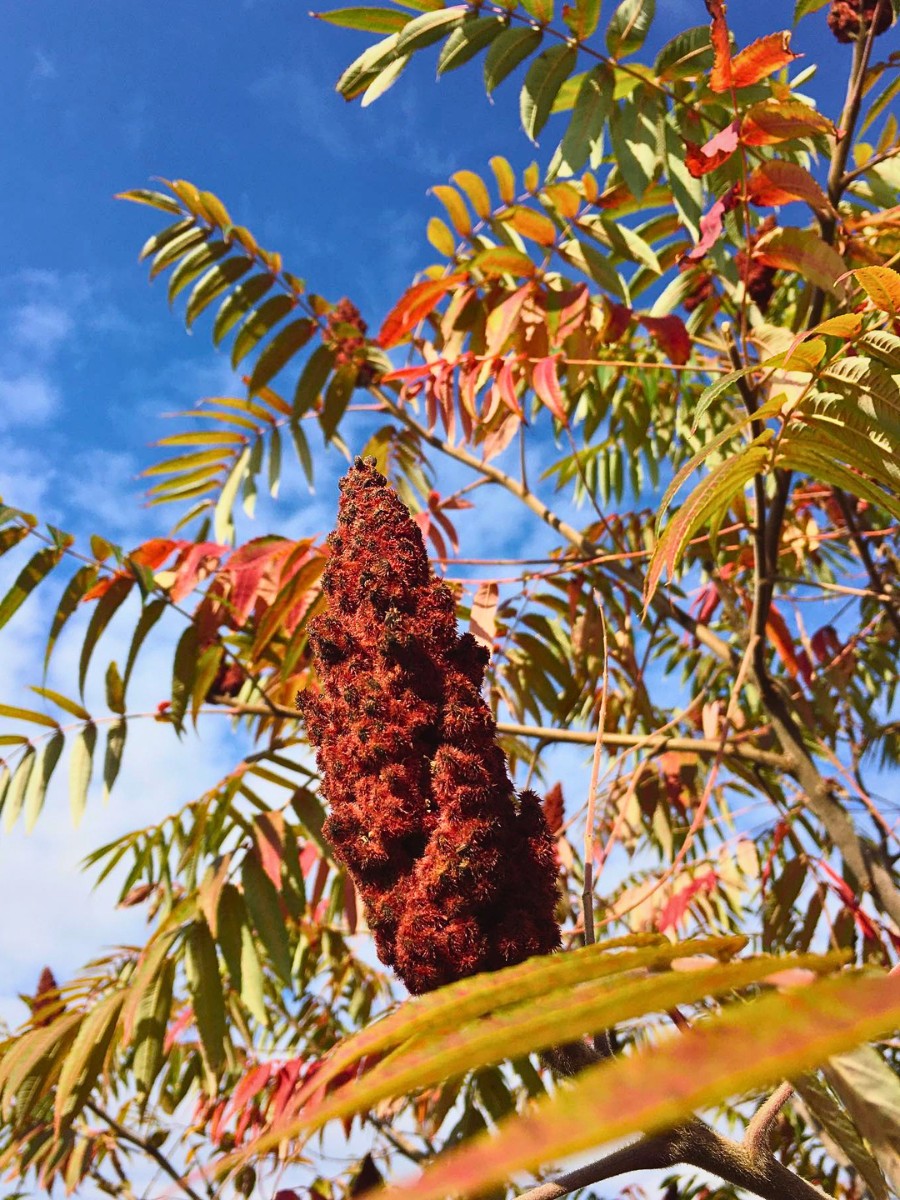
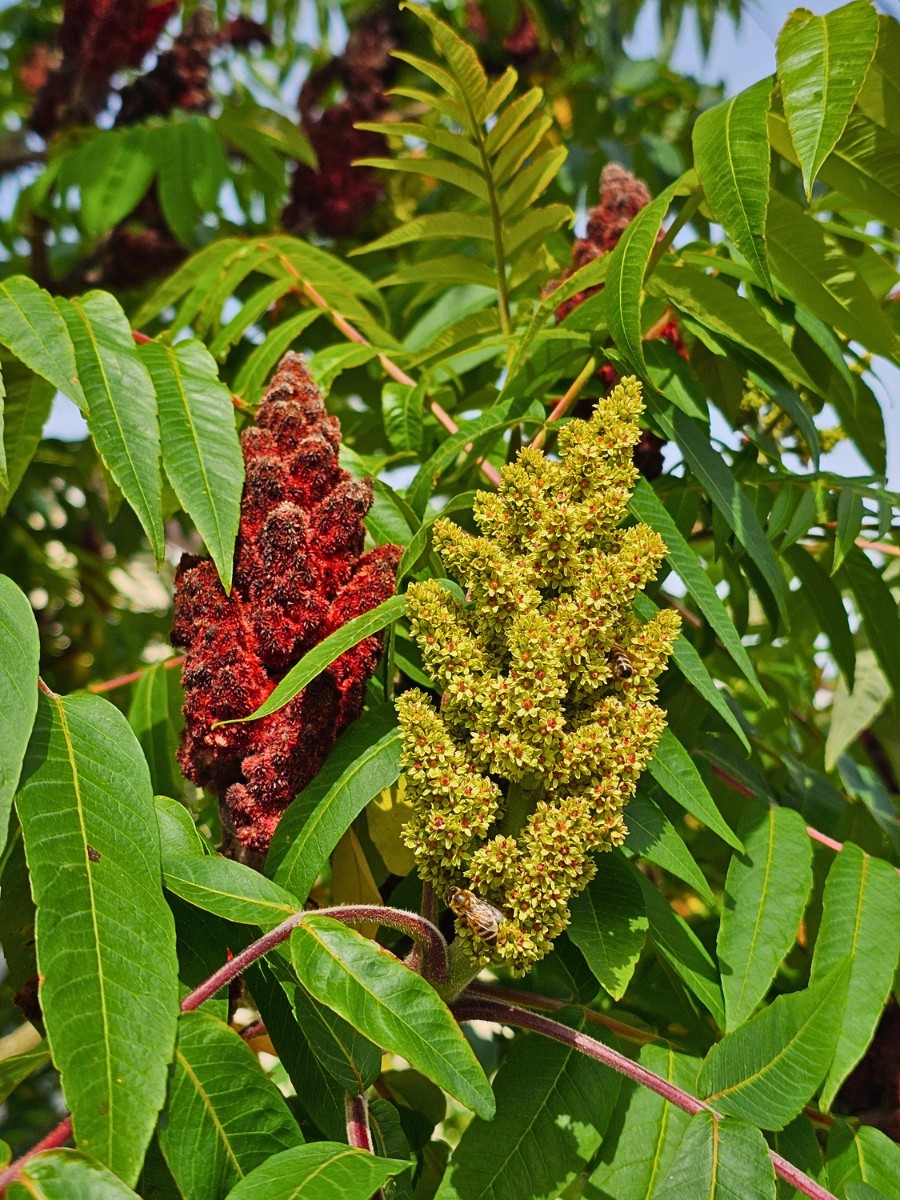
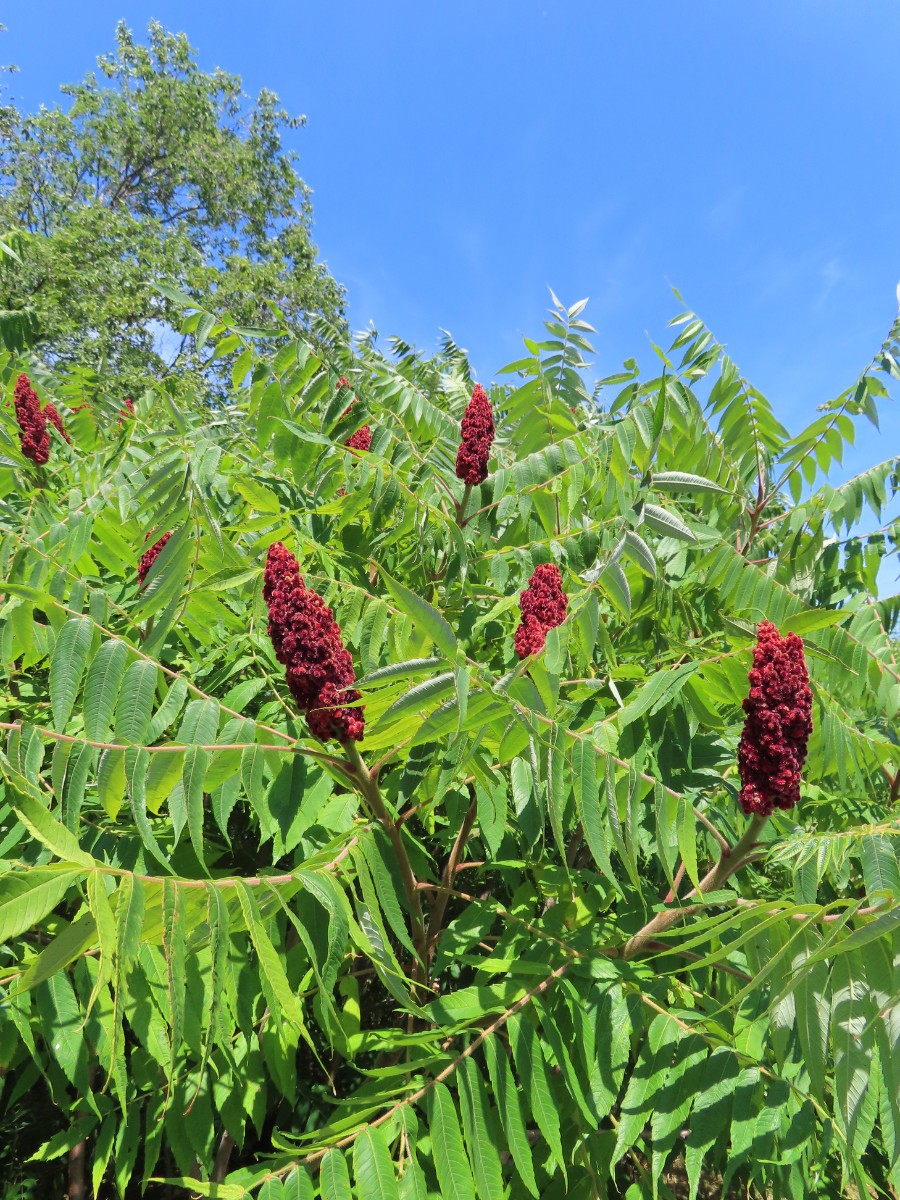
Identifying staghorn sumac involves looking for several key traits. During spring, small greenish-yellow flowers appear, soon replaced by clusters of fruit on female plants. Each female plant produces cone-shaped seed heads covered in reddish-brown hairs, giving the fruits a fuzzy texture and a bright red tone that stands out against summer greenery. These seed clusters persist into winter, feeding birds and supporting other wildlife.
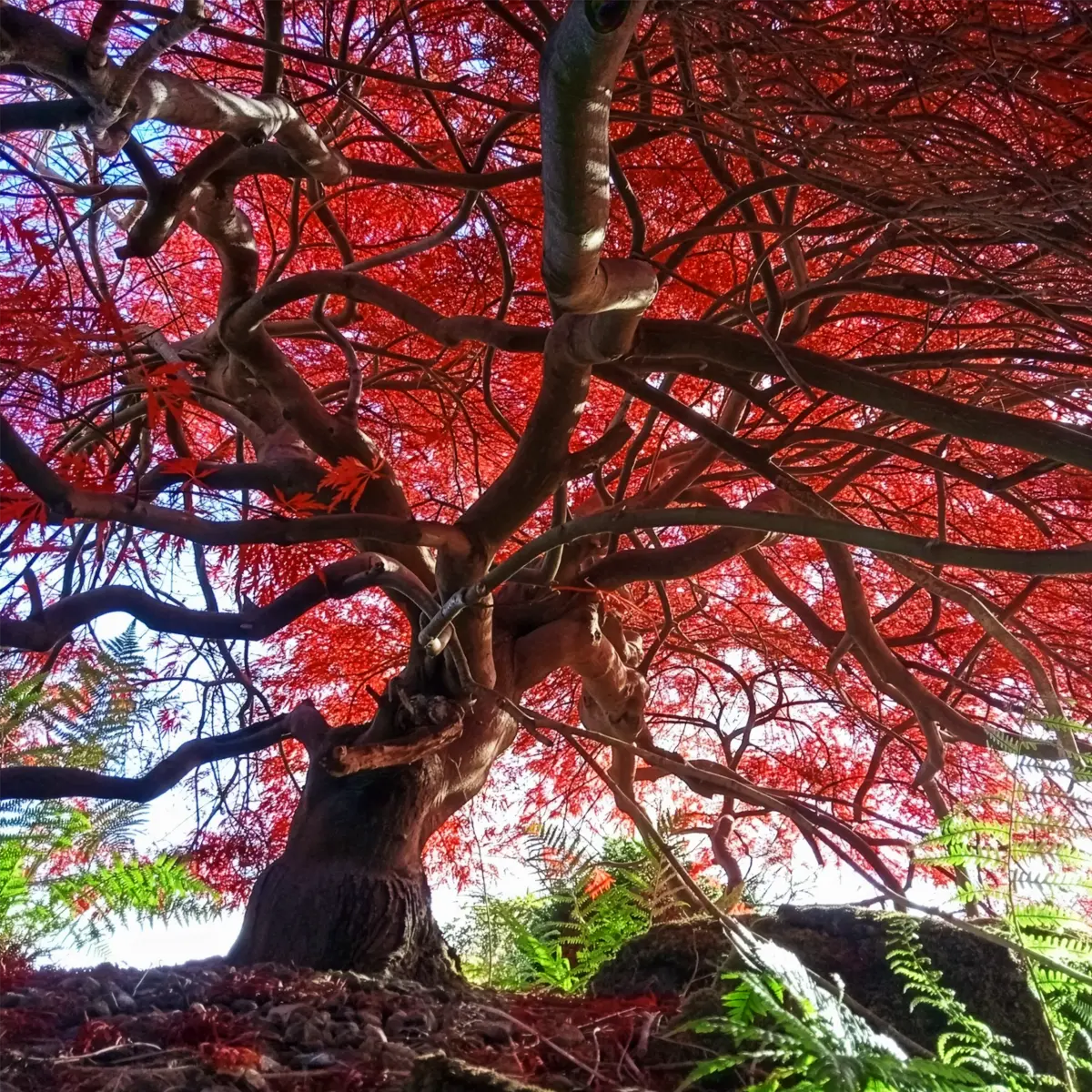
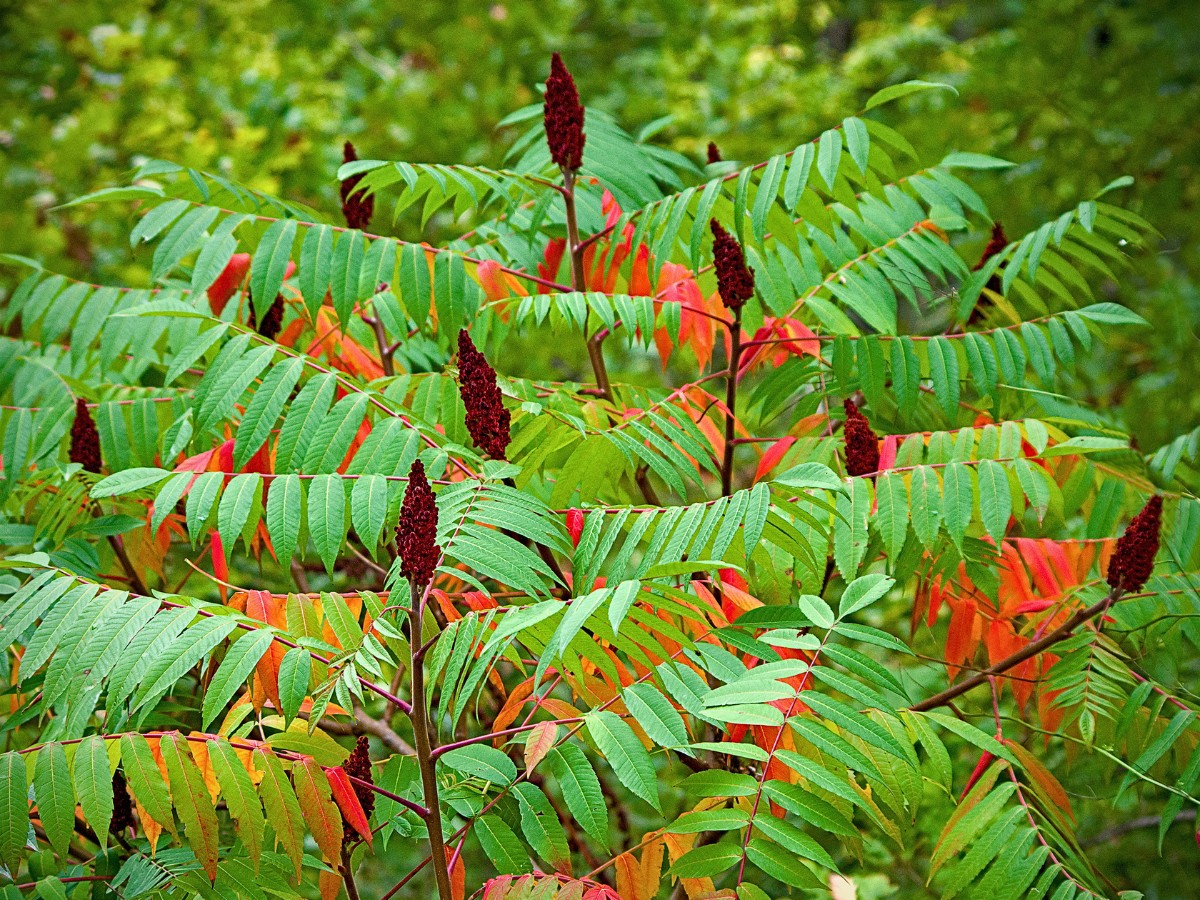
The leaves, composed of multiple leaflets arranged along the leaf petioles, change color dramatically in fall, shifting through yellow, orange, and bright red. In winter, after the leaves drop, the forking pattern of the branches is easy to observe, along with the enduring fruits at the tips of the stems.
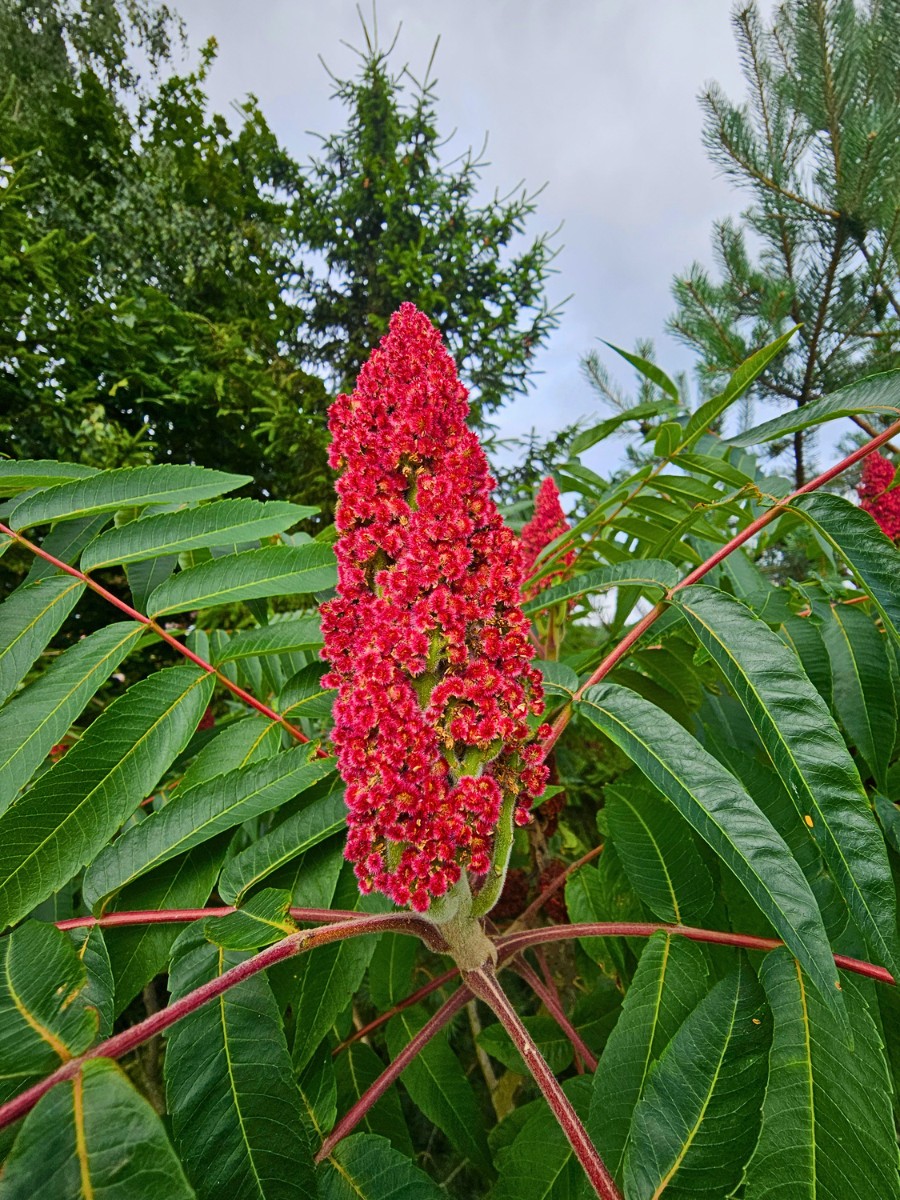
Staghorn sumac's bark and buds have a subtle texture, and its ability to send up new growth from root suckers allows it to form groups of plants that can act as windbreaks or habitat islands for various creatures. Though not poisonous, proper identification is advised before using its fruits. The presence of both male and female plants is necessary for successful pollination and fruit production, ensuring that those signature seed clusters grace your landscape for multiple seasons.
Culinary and Medicinal Uses of Staghorn Sumac
Many gardeners appreciate the fruit of staghorn sumac for its tart, lemon-like flavor. Steeping the ripe red berries in cold water creates a refreshing beverage - a drink that is popular in some regions and has a long tradition of use by local communities.
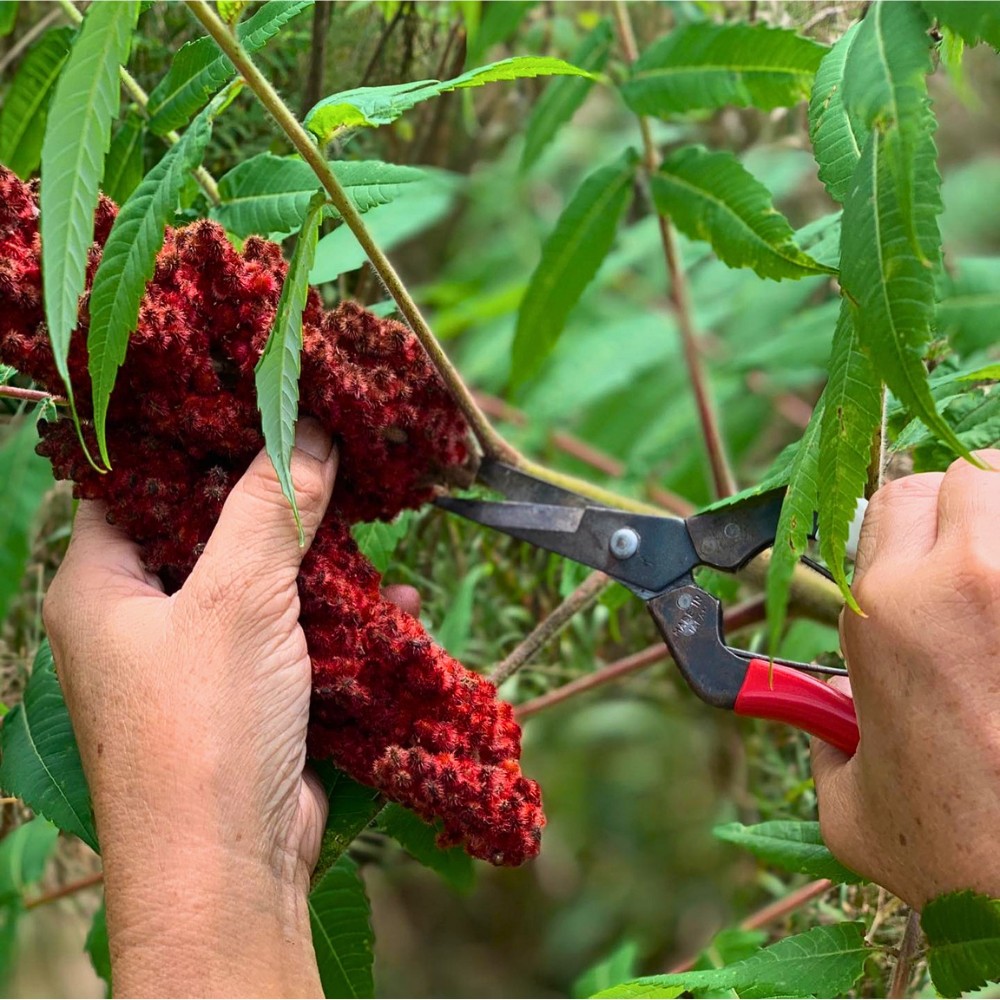
The dried fruit can be ground into a seasoning powder that adds a bright, sour note to meats, vegetables, and salads. Beyond culinary purposes, some cultures have valued the sumac tree for its potential medicinal properties. Although modern research is limited, interest remains in its historical applications.
Historical Remedies and Contemporary Herbal Uses of Staghorn Sumac Rhus Typhina
Historically, various indigenous people in eastern North America are documented to have used staghorn sumac, Rhus typhina, as part of their medicinal practices. Ethnobotanical records indicate that the plant's fruit, bark, and leaves were employed as astringents and antiseptics. For example, teas made from dried fruits were sometimes used to address mild throat discomfort or help reduce fever.

Some communities used the bark or leaves in preparations aimed at managing digestive issues or minor skin irritations. While these practices varied among different groups and were based on traditional knowledge, they highlight the longstanding importance of the plant in regional health-related uses.
In contemporary herbal contexts, staghorn sumac fruit is often recognized for its citrus-like flavor and its content of vitamin C and other antioxidants. Modern herbalists may incorporate sumac-based infusions as supportive supplements within a balanced diet. Ground fruit is sometimes used as a seasoning, adding a tangy quality to dishes and beverages.

Although current scientific research on the plant's medicinal properties is limited, ongoing interest encourages further study. As with any traditional remedy, it is wise to consult a qualified healthcare provider before using staghorn sumac for health purposes.
Ecological and Aesthetic Value of the Staghorn Sumac Plant
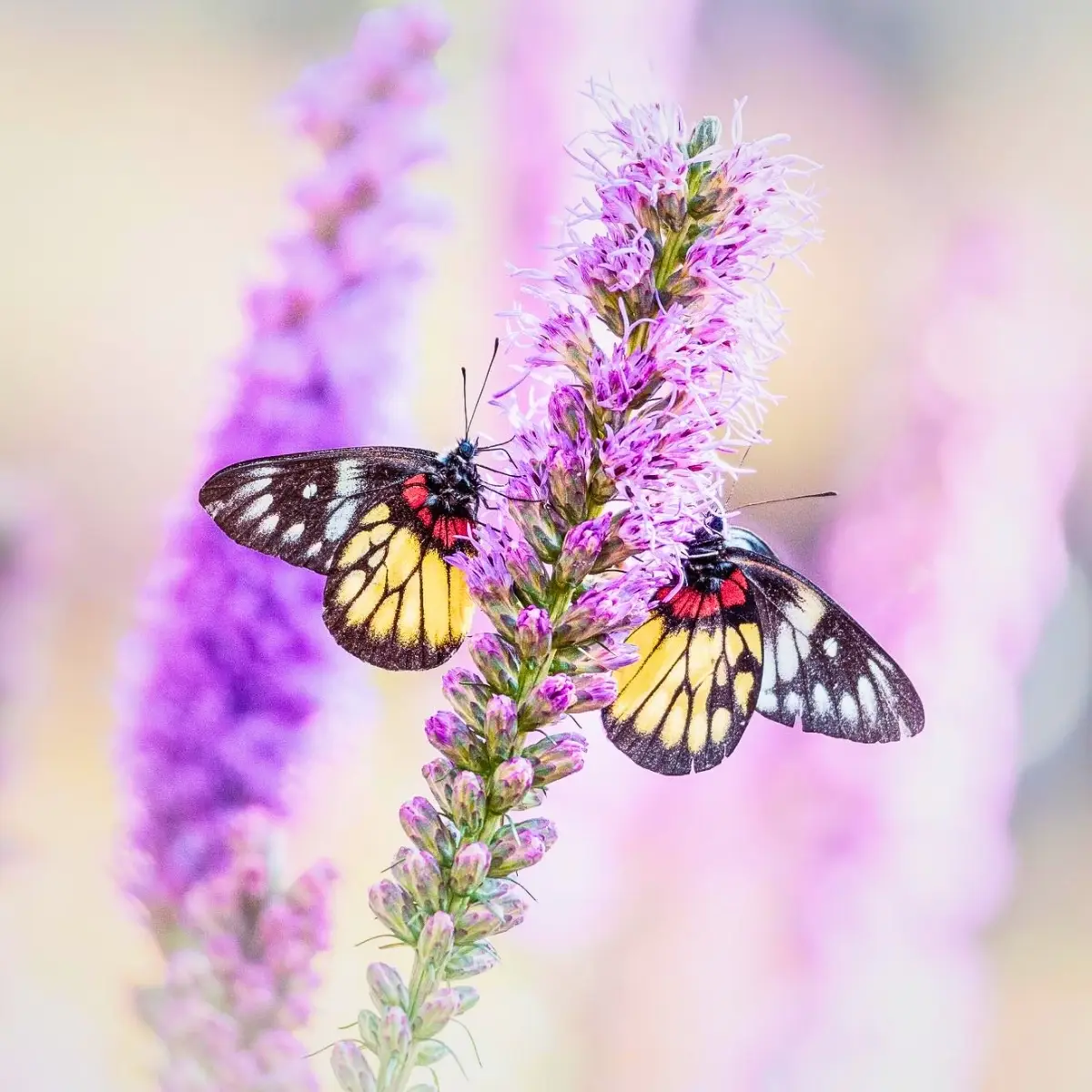
The staghorn sumac plant contributes to the health and diversity of its surroundings in meaningful ways. Birds rely on their fruits, consuming them during winter when other food sources are scarce. This feeding activity helps disperse the seeds across the ground, encouraging more plants to grow. Butterflies and other pollinators benefit from the small, nectar-rich flowers in spring, ensuring the continuation of this species across various habitats.
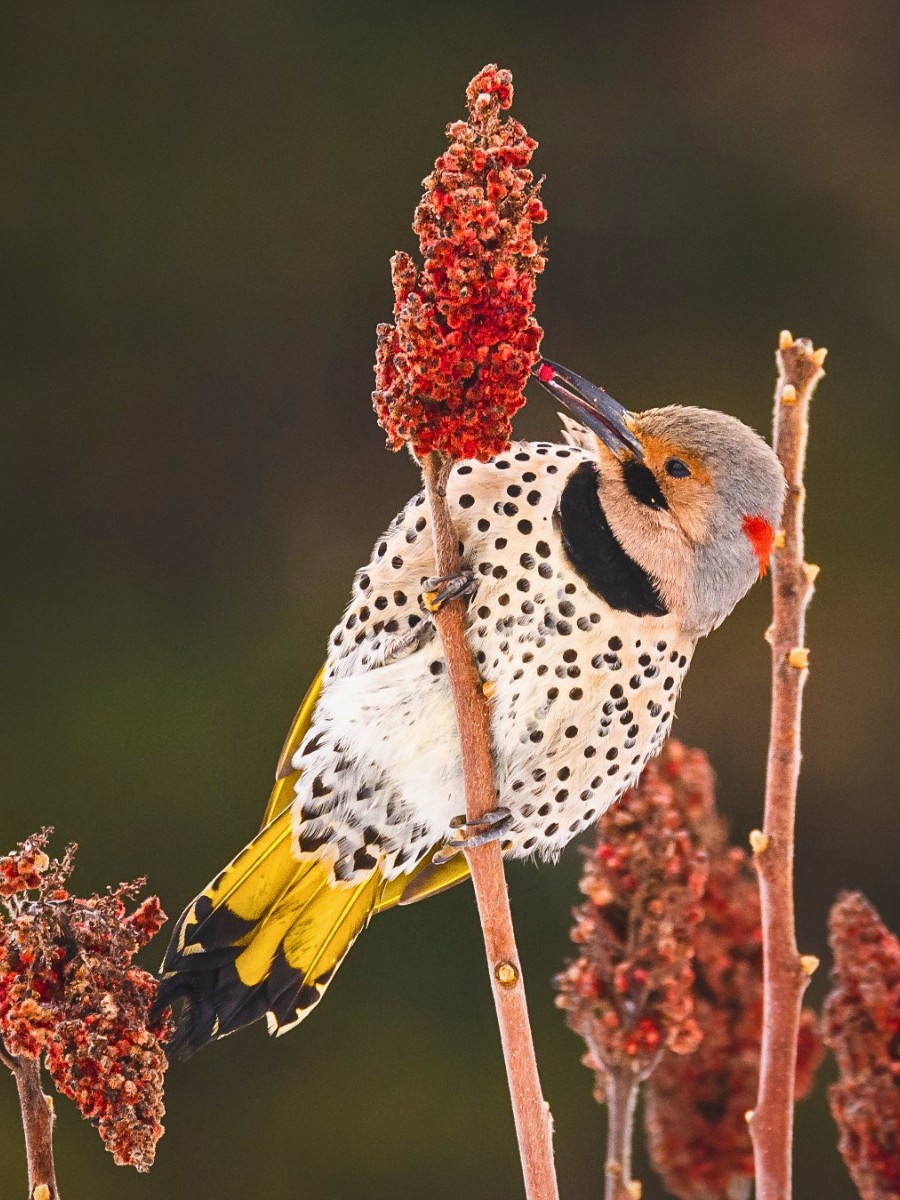
By stabilizing soils with its root suckers and forming thickets, the staghorn sumac tree reduces erosion and provides shelter for small wildlife. Its seasonal transformations are equally noteworthy: in summer, the leaves present a rich green canopy that filters sun and shade; as the weather cools, fall color emerges, with foliage turning orange, yellow, and bright red. Even after the leaves drop, the reddish brown hairs on the fruits and the tree's branching structure add interest to winter scenes.
The presence of staghorn sumac in different soils and light conditions makes it a valuable option for gardeners seeking low-maintenance plants that still offer continuous points of interest. It stands as a hardy, easy-to-care-for choice that contributes to local ecosystems and can adapt to changes in the environment without demanding excessive intervention or resources.
Incorporating Staghorn Sumac Into Naturalistic and Formal Garden Designs
When working with Rhus typhina (staghorn sumac) in naturalistic garden arrangements, consider placing it near other native trees and shrubs that share similar growth requirements. Since it handles full sun or partial shade, it can coexist with a range of plant communities. In informal settings, let this tree form loose groups or stands that support local birds and butterflies.
For instance, when planted at the edge of wooded areas, its branches and fruit provide forage and cover for wildlife. The soft texture of its young stems, which once resembled the antlers of a male deer, can contrast effectively with the sturdier frames of evergreen shrubs nearby.

In more formal settings, use staghorn sumac to highlight elevation changes, to mark proper boundaries, or to frame outdoor living areas. Its predictable growth habit and ability to adapt to different soil types help ensure that it maintains a consistent appearance. As it matures, its branching patterns and fall foliage gain prominence, making it useful as a seasonal focal point.
Carefully selected companions, such as ornamental grasses or other native species with bright flowers, can create a structured appearance without constant pruning or intervention. By integrating sumac into both relaxed and structured designs, gardeners can support pollinators and birds while achieving long-lasting visual interest.
Pairing Staghorn Sumac Plants with Companion Plants for Contrast and Texture
When selecting companion plants for staghorn sumac plants, focus on contrasting leaf shapes, seasonal colors, and bloom times. For example, the broad leaflets of Rhus typhina can be offset by fine-textured grasses, groundcovers, or perennials that remain low to the ground. This approach keeps the sumac's branching structure in clear view, especially as the fall color develops. Since the plant's berries attract birds and butterflies, consider adding early-blooming flowers nearby that provide nectar for pollinators in spring.
Later in the year, as the sumac's fruit ripens, these companion plants help maintain visual interest. Additionally, choose species that thrive in conditions similar to those of sumac, such as those that tolerate full sun, occasional dry spells, and varying soil types. Placing drought-tolerant plants, wildflowers, or herbaceous perennials beneath the sumac's branches can create a multi-layered environment. This approach not only enriches the garden's variety but also supports a broad range of wildlife.
Growing and Caring for the Staghorn Sumac Tree
The staghorn sumac tree (Rhus typhina) is a plant that adapts well to changing conditions. For best results, ensure that it receives at least several hours of full sun each day. Although it can handle some shade, more sun encourages stronger branching, better fall foliage, and improved fruit production on female plants. It grows well in many soil types, including those that are not highly fertile.
It can tolerate rocky or sandy ground, and once established, it requires minimal watering. Regular rainfall usually provides enough moisture, but occasional watering during dry periods will help it maintain healthy branches and leaves. This tree is generally cold-hardy, allowing it to withstand harsh winters once it has settled in. After it has been planted, light pruning in late fall or early spring keeps it from becoming too dense. Removing damaged branches or those that crowd the center of the plant helps sunlight reach all parts of the canopy.
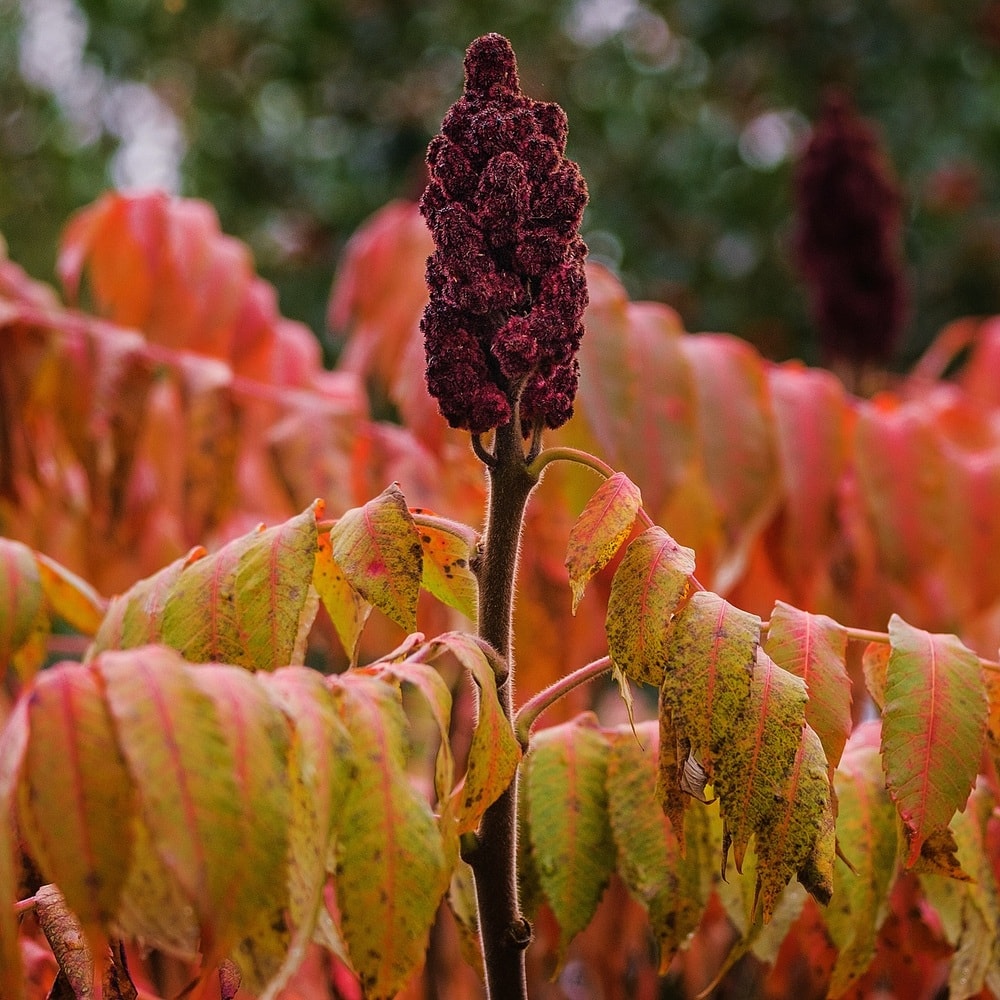
While deer may browse young shoots, mature specimens often hold their own in gardens with moderate wildlife activity. Wildlife, including birds, benefit from the presence of staghorn sumac as well, feeding on its berries and finding shelter among its branches. By paying attention to sun exposure, soil quality, and occasional maintenance, gardeners can count on reliable growth, strong seasonal interest, and support for local wildlife.
Step-by-Step Planting and Propagation Guide: Pruning, Maintenance, and Controlling Spread
- Site selection: Choose a spot that receives full sun for most of the day. While partial sun is acceptable, stronger light improves fruiting, fall color, and overall vigor.
- Soil preparation: Dig a hole slightly wider and deeper than the root ball. Staghorn sumac is flexible with soil quality, but well-drained ground helps it establish more quickly.
- Planting: Place the root ball so that the plant sits at the same depth it was grown before. Fill in the hole, pat the soil gently, and water thoroughly to help it settle.
- Mulching and watering: Add a layer of organic mulch around the base to retain moisture and reduce weed competition. Water it regularly during the first growing season to encourage a strong root system.
- Ongoing care: Once established, staghorn sumac requires limited maintenance. Occasional pruning to remove weak or dead branches encourages healthy growth. Clearing away root suckers that appear where not wanted helps control the spread. This approach keeps the plant in good shape year after year.
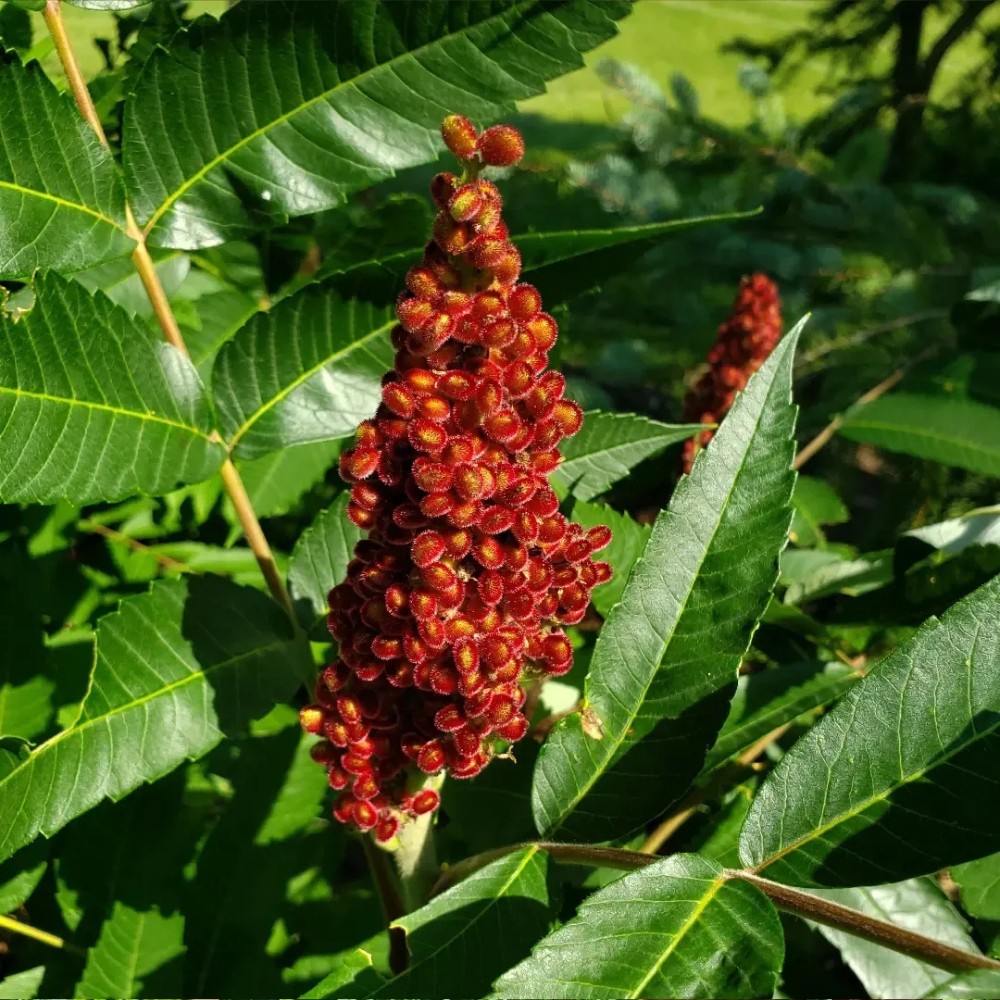
Propagation Techniques for Expanding Your Sumac Grove
To propagate staghorn sumac, consider sowing seeds collected from ripe fruit in the fall. These seeds, after exposure to cold and moist conditions, can germinate and produce seedlings. Another method involves transplanting suckers that form around a mature tree. Gently dig around a suitable sucker to expose its roots, and then replant it in a prepared spot with similar sun and soil conditions.
Root cuttings are also an option, where a section of healthy root is placed in well-drained soil and allowed to develop shoots. Over time, these methods help expand a small grouping into a broader stand of sumac, increasing fall foliage impact and providing more habitat for local birds and butterflies.
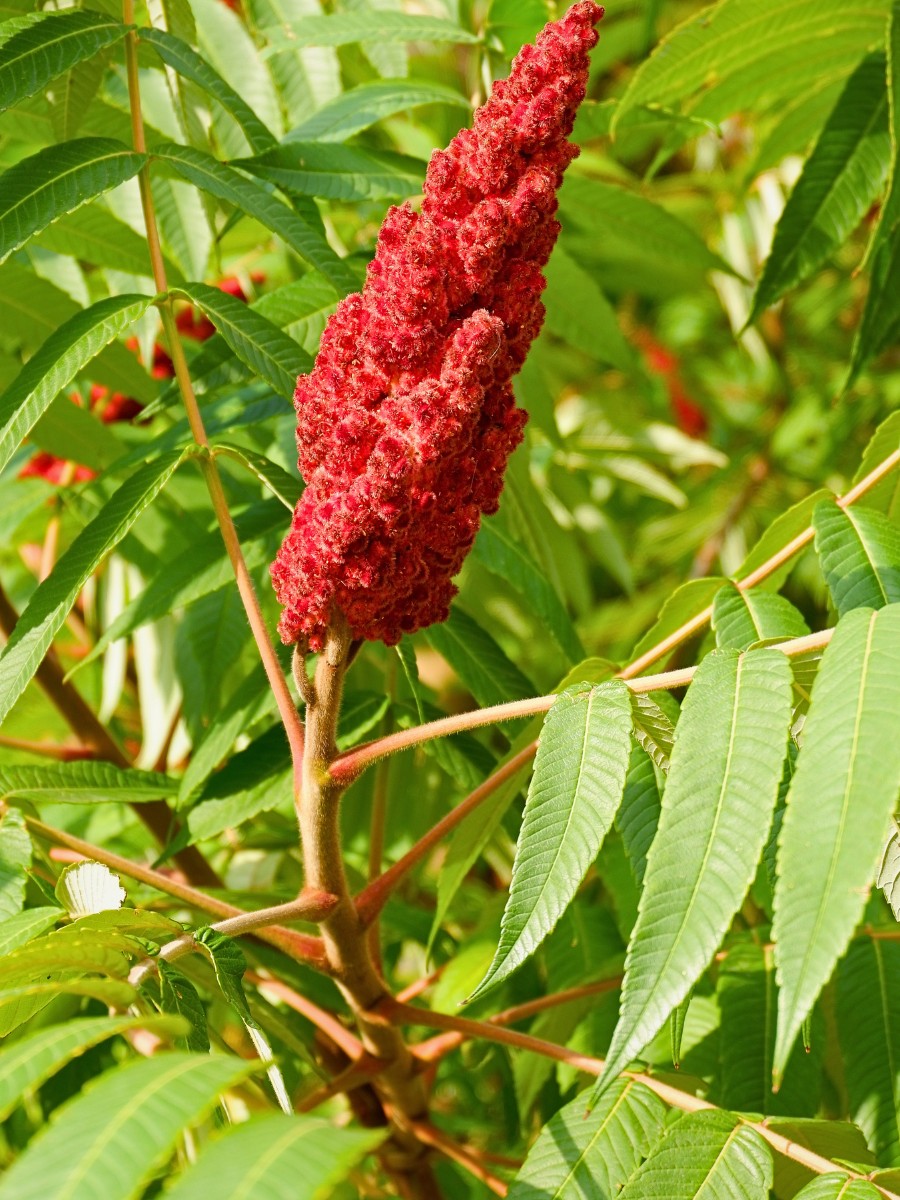
Dealing with Common Challenges When Growing Staghorn Sumac
Staghorn sumac is generally a trouble-free plant, but certain challenges can arise. Leaf spots or minor fungal infections may appear during wet periods. To reduce these issues, ensure good airflow by pruning branches that are too crowded. Insect pests, while not usually severe, may occasionally feed on leaves.
Encouraging natural predators such as birds and beneficial insects helps maintain a balanced ecosystem. If fertility issues arise, adding a small amount of compost or well-rotted organic matter around the root zone in spring can improve soil structure without resorting to synthetic fertilizers. By monitoring the plant regularly, problems can be addressed early, ensuring that the tree continues to provide benefits for years to come.
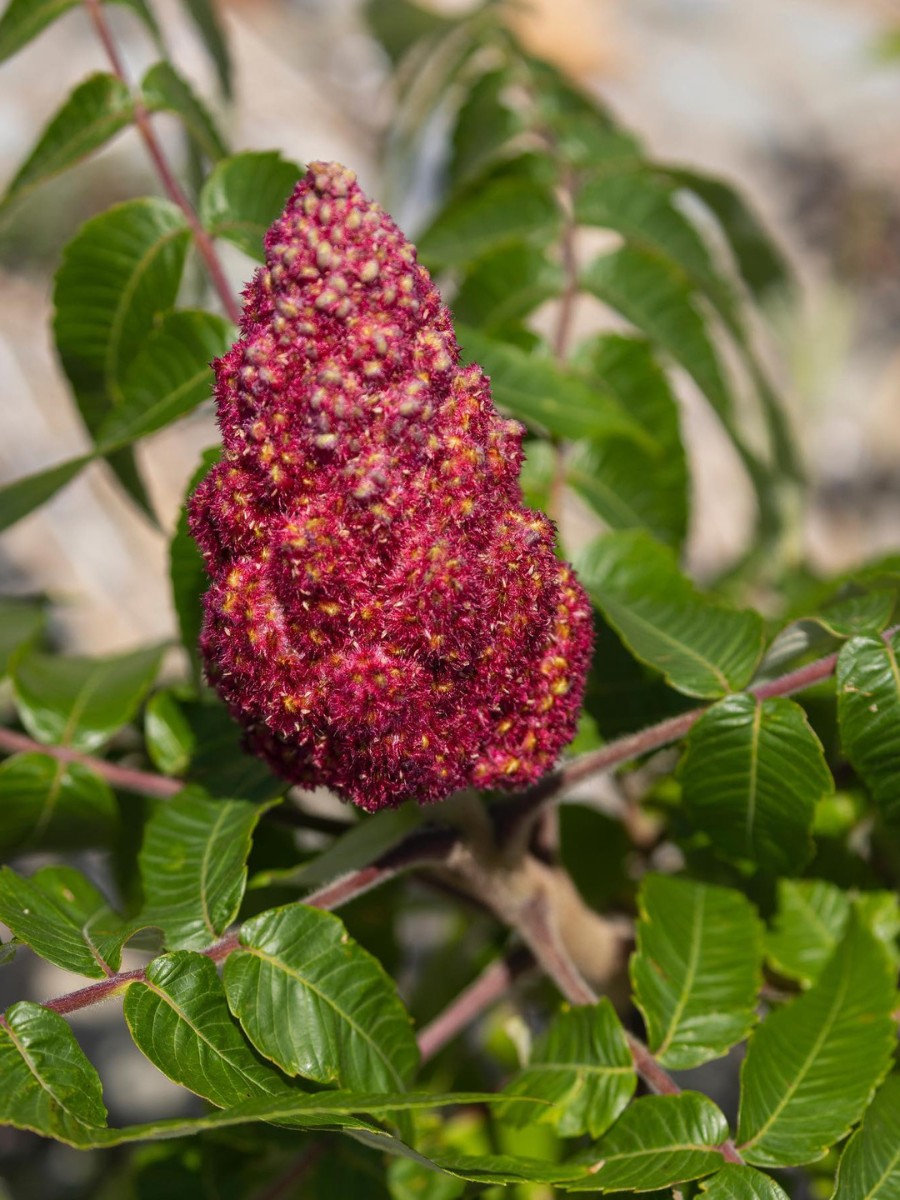
Dynamic, Resilient, and Eco-Friendly Landscaping With Staghorn Sumac
By introducing staghorn sumac into outdoor spaces, gardeners can support local wildlife, reduce erosion, and create interest without frequent maintenance. Its adaptability to varying soils and exposure, as well as its ability to form stable groups through natural suckering, helps maintain structure.
Over time, this plant's presence encourages more birds to visit, while butterflies seek its springtime flowers. With consistent pruning and minimal watering, staghorn sumac holds its place as a dependable option for those looking to keep gardens functional, visually appealing, and beneficial to the surrounding environment.
Featured image by Tess Matthew. Header image by Cephas.