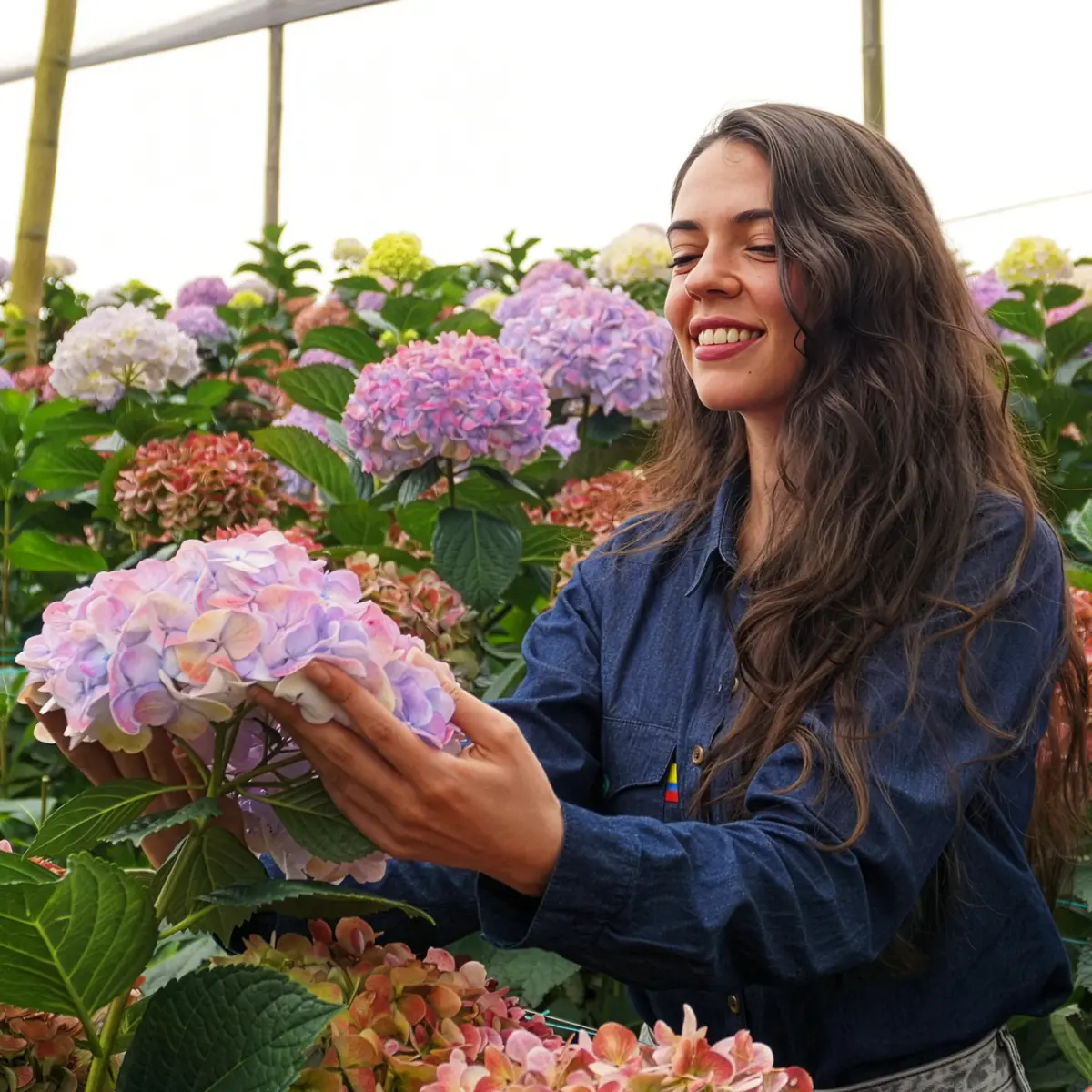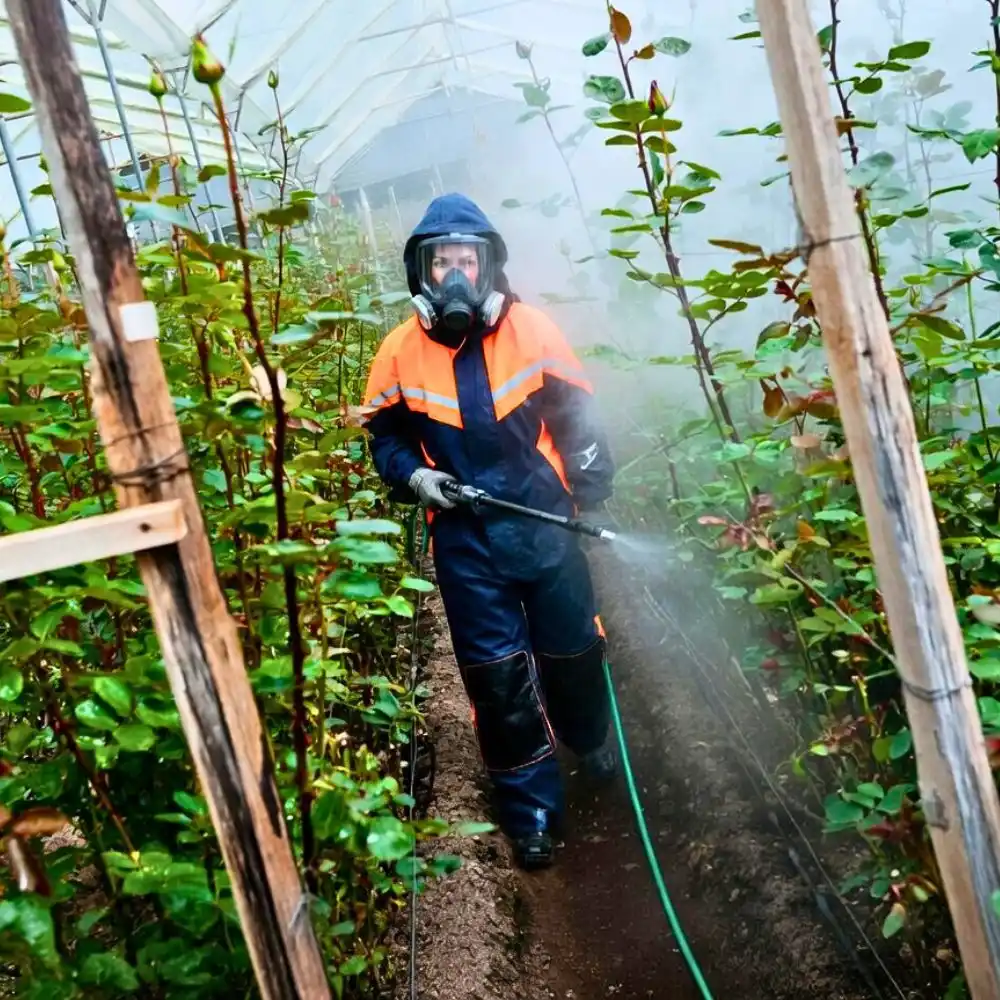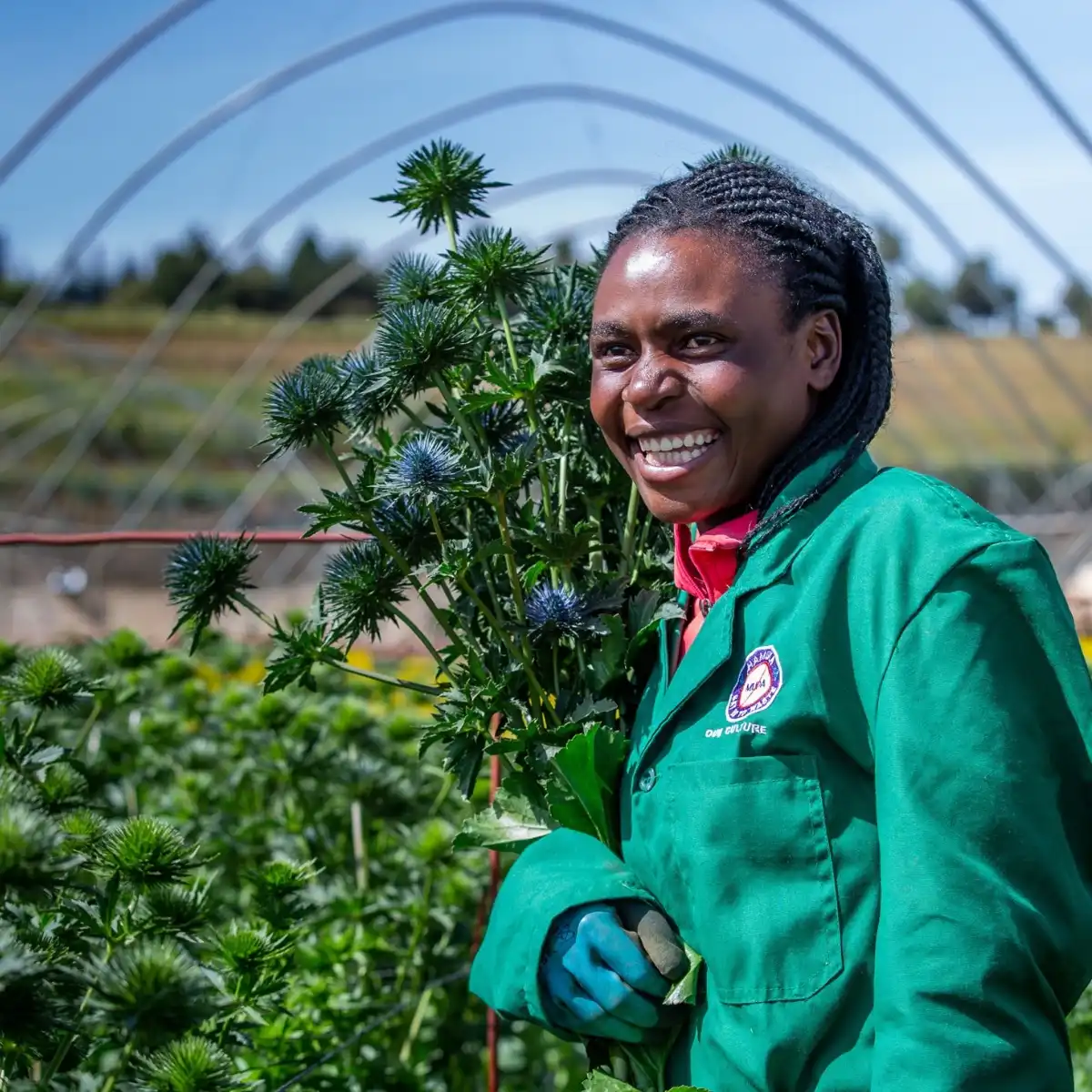

As sustainability becomes a baseline expectation across the floral industry, Rosaprima reflects its continued and long-term dedication through a focused approach to resource protection and care, emphasizing consistent execution, measurable impact, and verified standards.
Sustainable Floriculture on Earth Day by Rosaprima
At Rosaprima, sustainability is embedded in how resources are managed across water, land, and production systems, ensuring both product quality and operational continuity. This approach is supported by a comprehensive certification framework, including Florverde® Sustainable Flowers (2026), alongside Rainforest Alliance (since 2013), SMETA (since 2019), Flor Ecuador, and BASC. These certifications provide transparency and assurance, particularly for European buyers, who prioritize compliance and traceability in supplier selection.
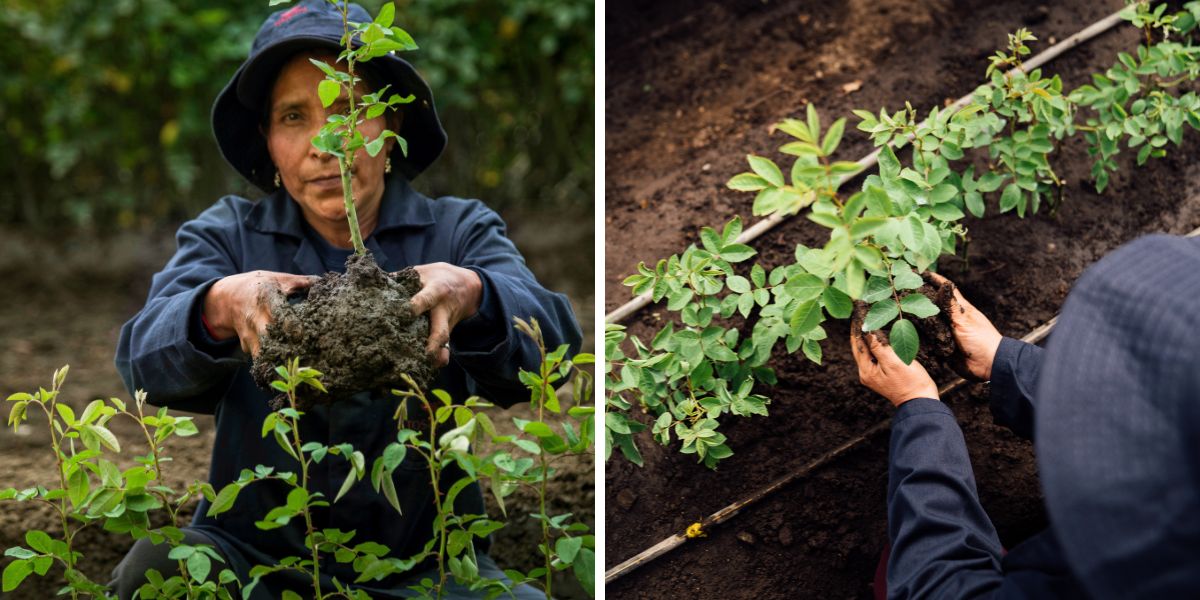
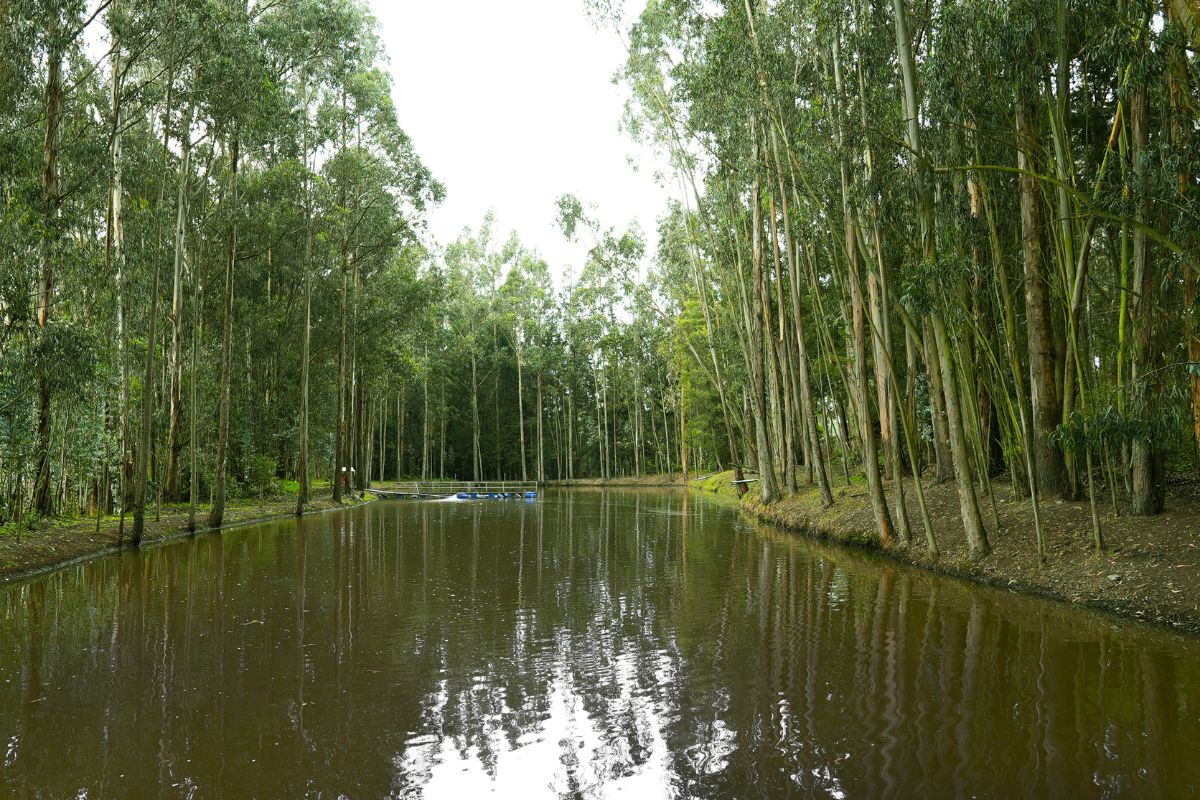
The company’s stewardship model translates into tangible outcomes across its operations. Advanced irrigation systems contribute to significant annual water savings, while long-term environmental initiatives have led to the planting of over 100,000 trees. Additionally, the Ecuadorian brand maintains 150 acres of protected forest and 50 hectares under active reforestation, reinforcing its dedication to preserving natural ecosystems alongside production.
Beyond Initiatives – A Model Built for the Long Term
These efforts are part of an integrated production model centered on efficiency, monitoring, and long-term responsibility. They are not isolated initiatives, but reflect a system designed to support consistent performance over time. For wholesalers and distributors, this level of operational discipline reduces supply uncertainty and strengthens sourcing confidence. For florists and event planners, it provides a clear path around both quality and origin, an increasingly relevant consideration in client-facing work.
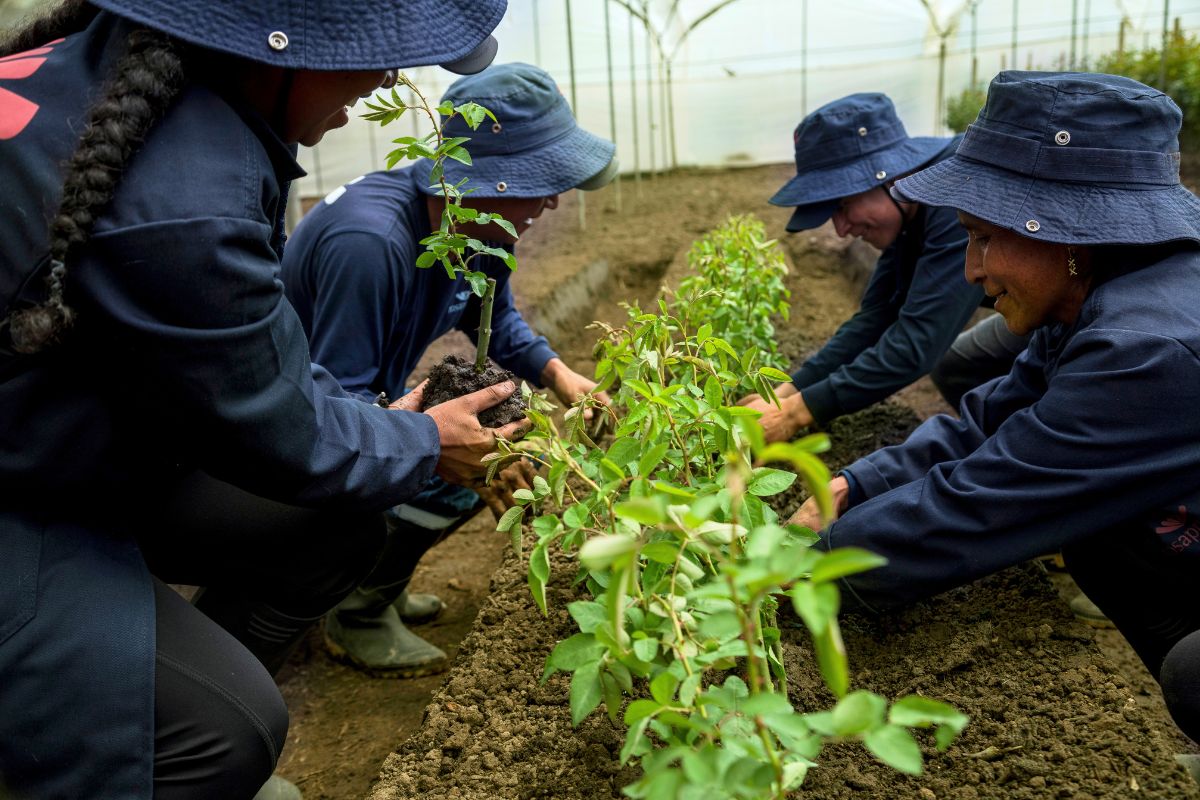
This connection is reflected in customer feedback, where approximately 88-92% of customers rate Rosaprima’s quality as good or best-in-class, a result closely tied to its production practices and resource management systems. On Earth Day, they emphasize that sustainability is not defined by individual actions, but by the systems that enable consistent, high-quality production over time.
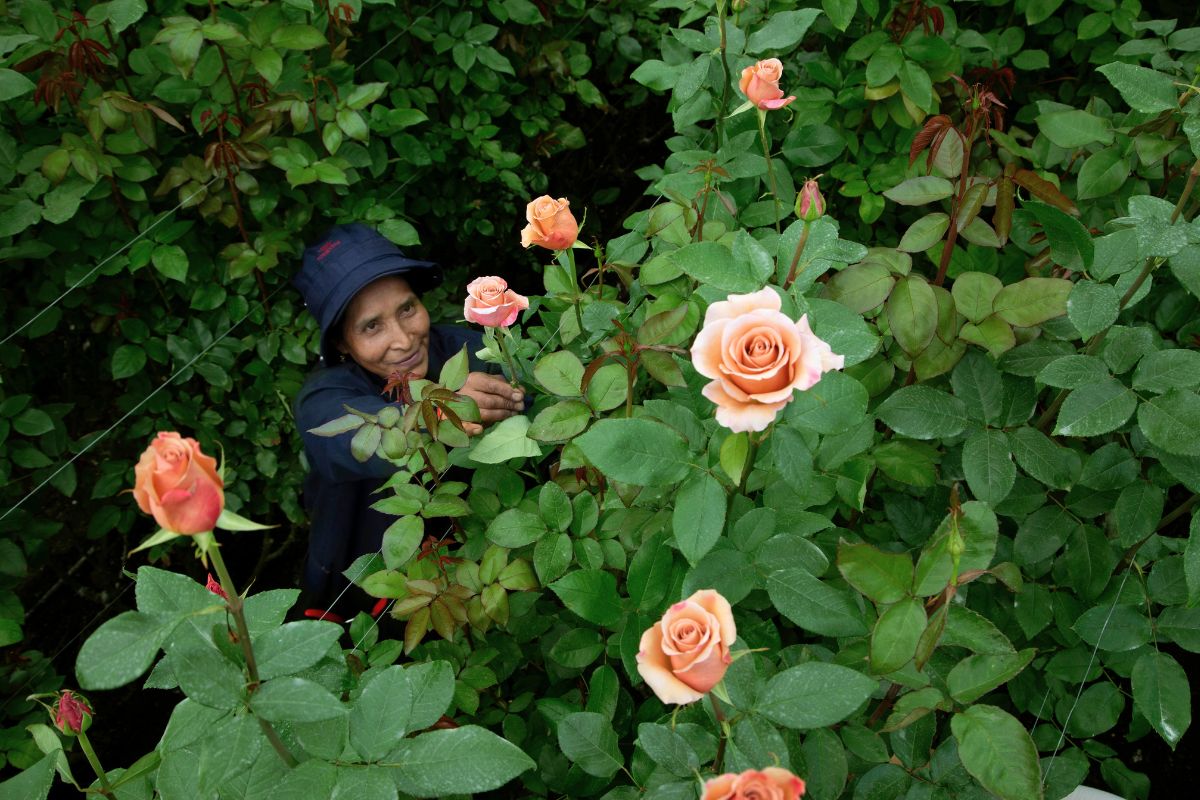
Earth Day 2026 is a global moment to reflect on the relationship with the planet and the systems that sustain it. Marked every year on April 22, it brings together individuals, communities, and industries to raise awareness around environmental challenges and promote more responsible practices. Beyond symbolic actions, Earth Day increasingly highlights the importance of long-term solutions, those based in sustainable production, resource efficiency, and collective accountability, shaping how both businesses and individuals contribute to a more balanced and resilient future.
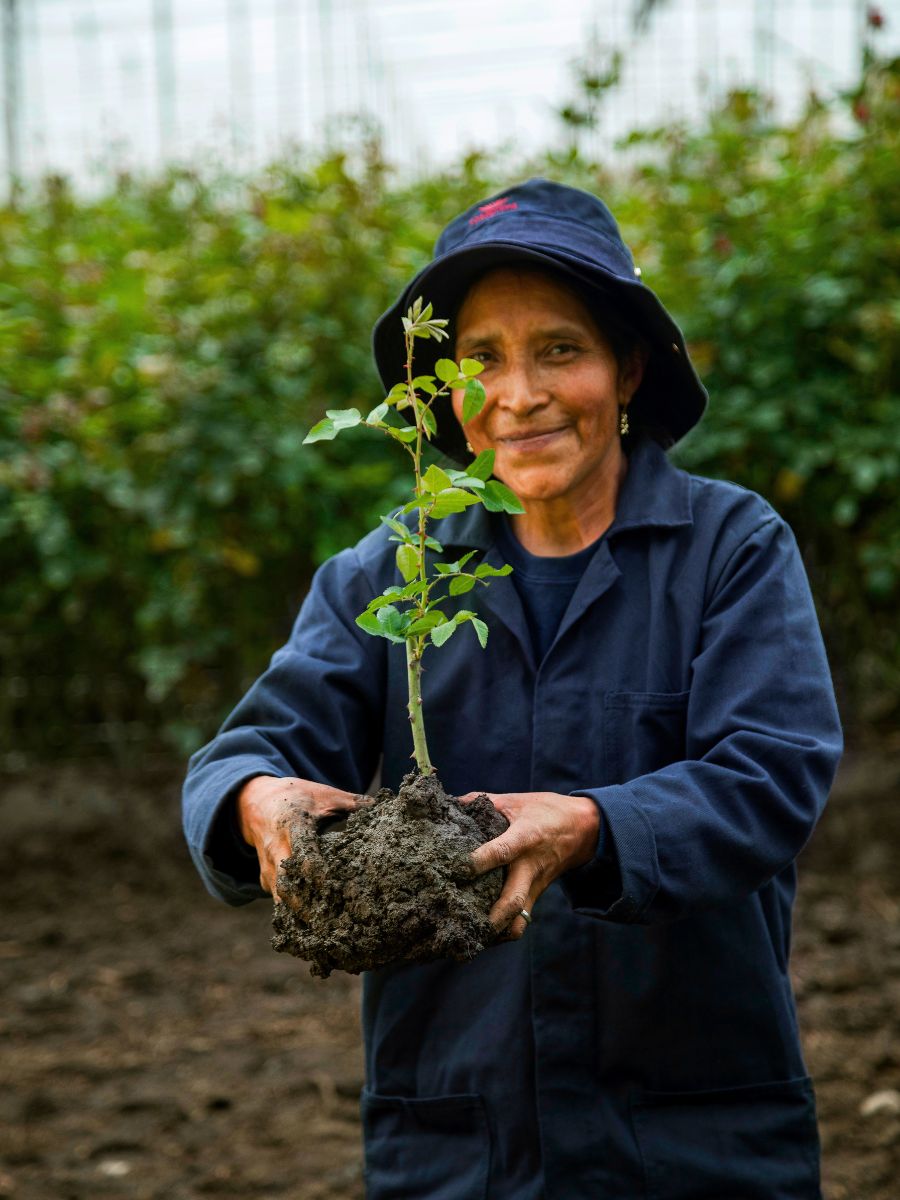
Photos courtesy of Rosaprima.