In 1996, amid rising global concern about environmental damage and labor rights, Colombia’s flower industry took a courageous, industry-led step toward change. At that time, the floriculture sector faced censure from both critics and consumers for its intensive farming methods, heavy use of agrochemicals, and tough working conditions.
In response, the Asociación Colombiana de Exportadores de Flores (Asocolflores) convened a group of progressive grower leaders to confront these issues head-on. Out of these conversations came an idea that would change how flowers are grown, certified, and marketed. Essentially, it was a formal code of conduct for flower growers embodying ecological responsibility and social accountability. This heralded the birth of Florverde Sustainable Flowers® (FSF).
Leading the Way in Sustainable Flower Production
For the past 30 years, Florverde has as a result led the way in the region’s sustainable flower production, ensuring that certified farms adhere to rigorous environmental, social, and ethical standards. Florverde works with the vast majority of flower farms in Colombia and Ecuador.
And as demand for responsibly grown flowers and ornamentals grows, according to María Daniela España Gutiérrez, FSF’s Director and also the Director of Sustainability at Asocolflores, they are working to expand sustainability initiatives across other key flower-producing regions, including Guatemala and Costa Rica.
Daniela:
“While Colombia and Ecuador have well-established sustainable floriculture industries, Guatemala and Costa Rica are emerging as key players in responsible flower and ornamental plant production. These countries are actively implementing water-efficient cultivation practices, biodiversity conservation projects, integrated pest management (IPM) strategies, and innovative low-carbon growing techniques.”
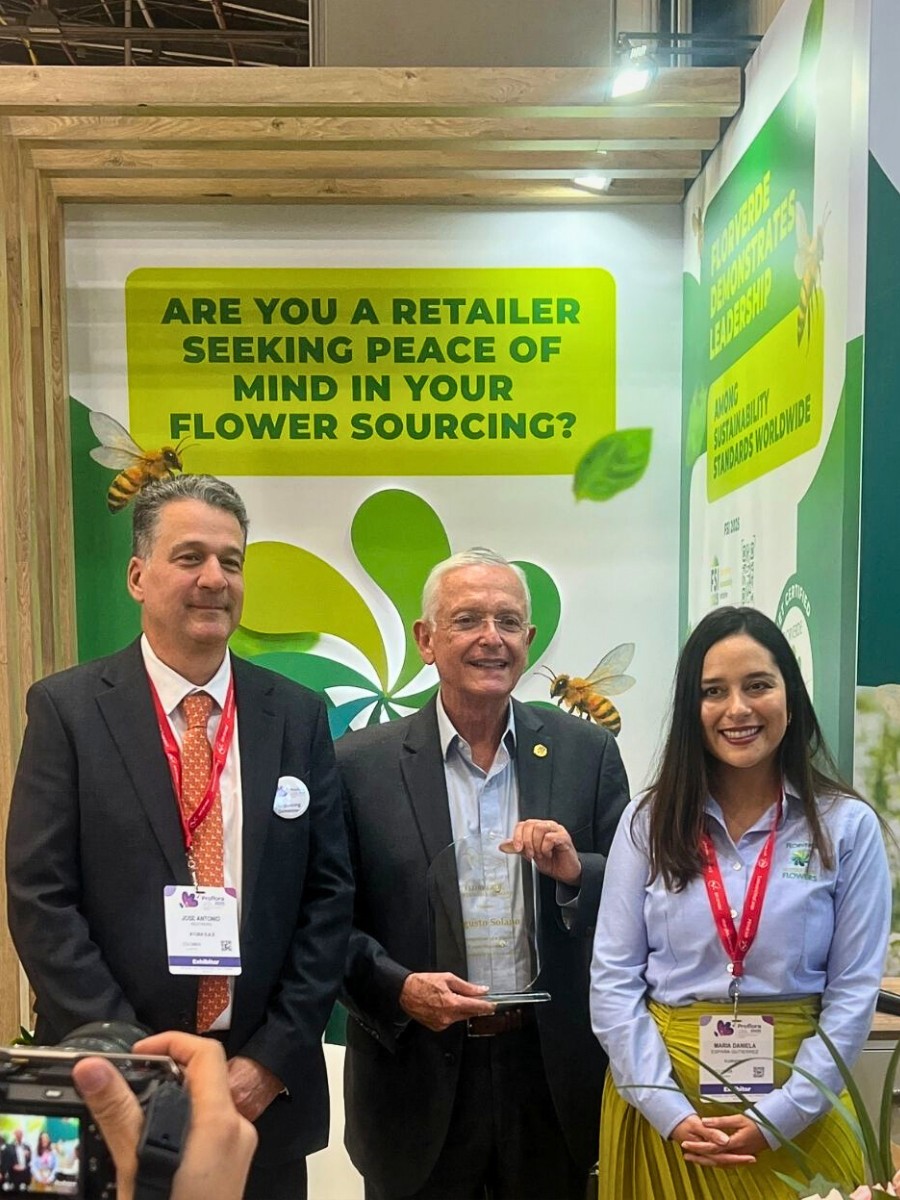
Daniela has been instrumental in guiding the program’s strategic expansion, strengthening its international positioning. Its wider governance structure includes a technical and advisory council composed of growers and experts, with long-time Asocolflores President Augusto Solano playing an influential role in advancing Colombia’s sustainability agenda within global floriculture.
The Progressive Growth of Florverde
When it was founded, Florverde was not a certification scheme, but rather a voluntary framework urging growers to rethink how flowers were produced. In the mid-1990s, ‘sustainability’ was hardly a mainstream term in agribusiness. Florverde’s early architects were already building performance indicators around soil health, water management, integrated pest management, and worker welfare. They were designing systems tailored to Colombia’s floricultural landscape.
But by 2002, the program had outgrown its initial informal phase and established formal standards. Three years later, in 2005, it gained traction as a recognized certification system with elements aligned with ISO 14000 environmental management guidelines. From that point onwards, independent auditors began verifying compliance on participating farms, thereby establishing Florverde’s credibility as a credible third-party certification.
Over the next decade and thereafter, Florverde, a central participant in the Floriculture Sustainability Initiative (FSI), progressively expanded its reach. International accreditation efforts strengthened its reputation, and in 2008, FSF standards were mutually recognized with GlobalGAP, one of the world’s most respected agricultural certification benchmarks. This validated Florverde’s program met globally accepted sustainability standards.
In 2011, the program underwent a strategic overhaul, rebranding as Florverde Sustainable Flowers®, which enhanced its commitment to both environmental practices and social responsibility. So it reflected a comprehensive certification scheme tailored specifically for the floriculture industry.
Florverde’s Growing Input and Impact
Three decades after its formation, Florverde is one of the most established social and environmental certification programs in the flower industry. Today, FSF certifies more than 12,355 acres in Colombia (50% of the country’s total flower-growing area) and more than 4,940 acres in Ecuador, also covering some 50% of Ecuador’s formal floriculture sector.
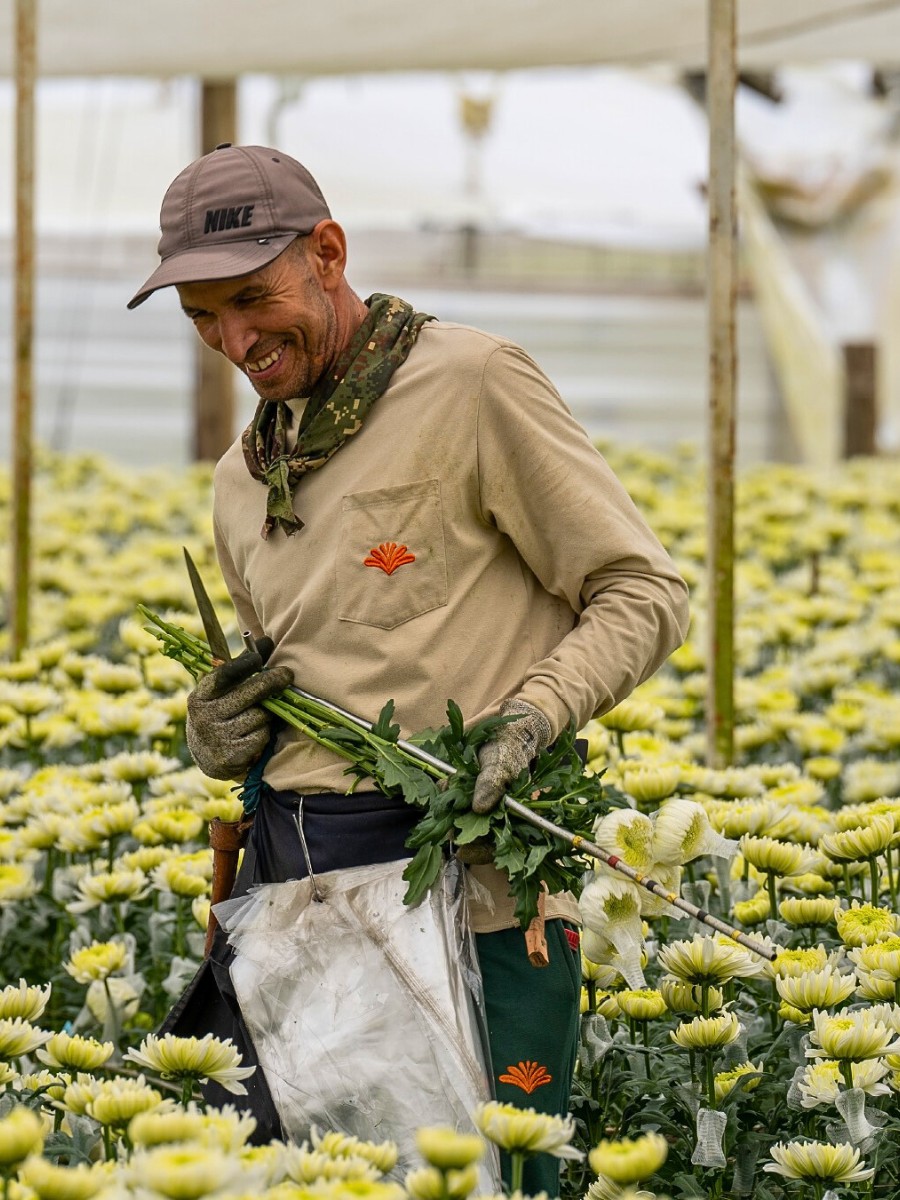
And, of course, its influence continues to extend into other Latin American (LATAM) production hubs, including (as noted) Guatemala and Costa Rica, where sustainable ornamental cultivation is expanding.
In Colombia, 100% of flower farms have implemented rainwater harvesting systems. Approximately 60% of irrigation water used in certified production comes from collected rainwater, significantly reducing pressure on groundwater and surface sources. About 95% of farms use drip irrigation, enhancing efficiency and minimizing waste. Closed water-cycle systems further reduce discharge and optimize resource reuse.
Energy transition has followed a similar course. At least 30 certified farms have installed solar panels to reduce reliance on fossil fuels. Many have transitioned to natural refrigerants such as R290 (propane) in cold storage facilities, eliminating high global warming potential gases. Greenhouse design improvements and cooling optimization have further lowered emissions intensity.
Critiques of the global flower trade often focus narrowly on air freight. Yet, Florverde’s approach encourages a wider lifecycle perspective. Flowers grown in naturally favorable climates such as Colombia and Ecuador require no artificial heating and limited supplementary lighting compared to production in colder regions. When energy inputs during cultivation are factored into carbon calculations, production geography becomes a crucial variable.
Logistics innovation is also underway. Airlines such as KLM have incorporated Sustainable Aviation Fuel (SAF) into their operations, while LATAM Cargo has conducted international SAF-powered cargo flights with comprehensive implementation targets set for 2030. Meanwhile, approximately 8% of Colombian flowers are now exported via maritime transport, a share expected to grow as cold chain technologies advance. Each development reduces overall emissions intensity.
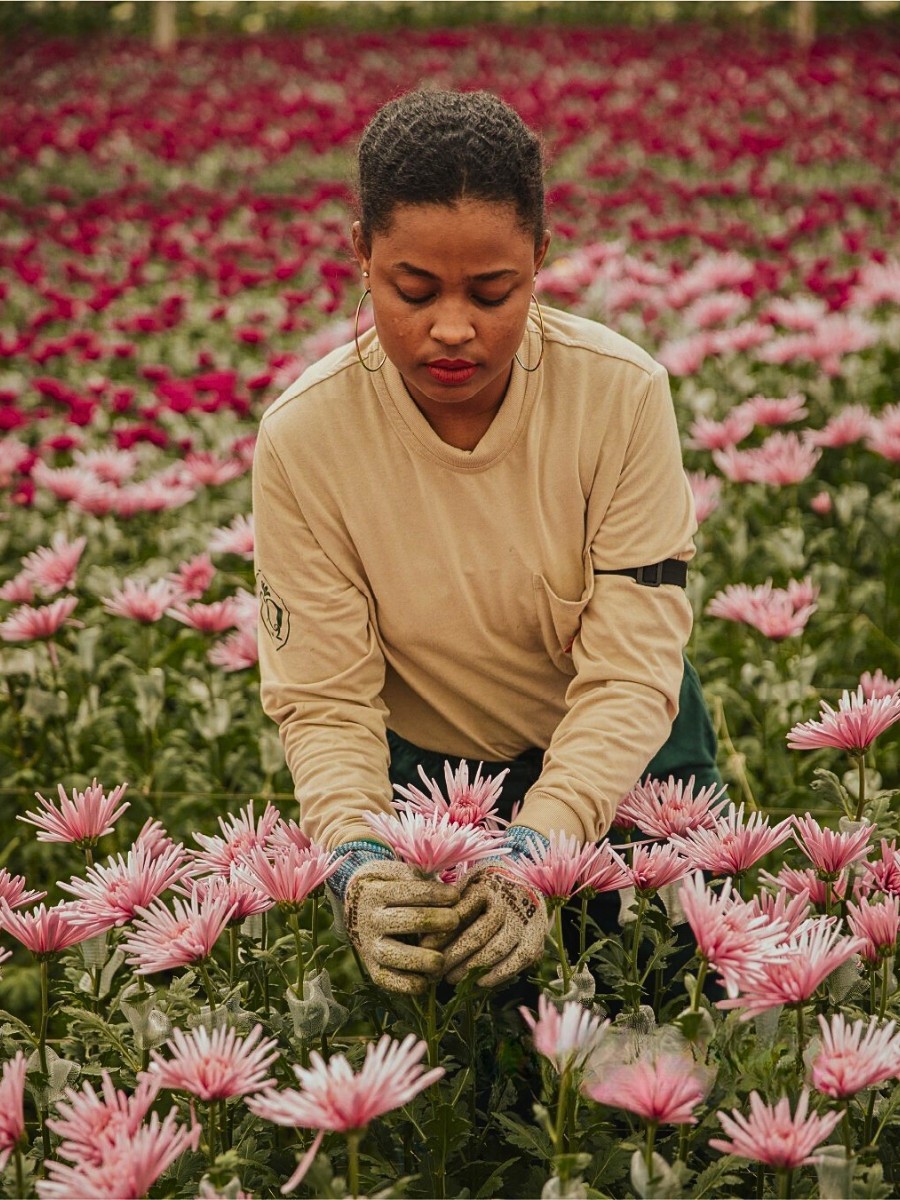
Aside from environmental performance, Florverde’s social aspect remains foundational. The Colombian floriculture sector generates more than 200,000 jobs, including at least 110,000 direct and 90,000 indirect positions. Women comprise around 60% of the workforce, and 55% of employees are heads of household. In a country where rural employment can be uncertain, formal flower production offers one of the most structured and regulated sources of employment.
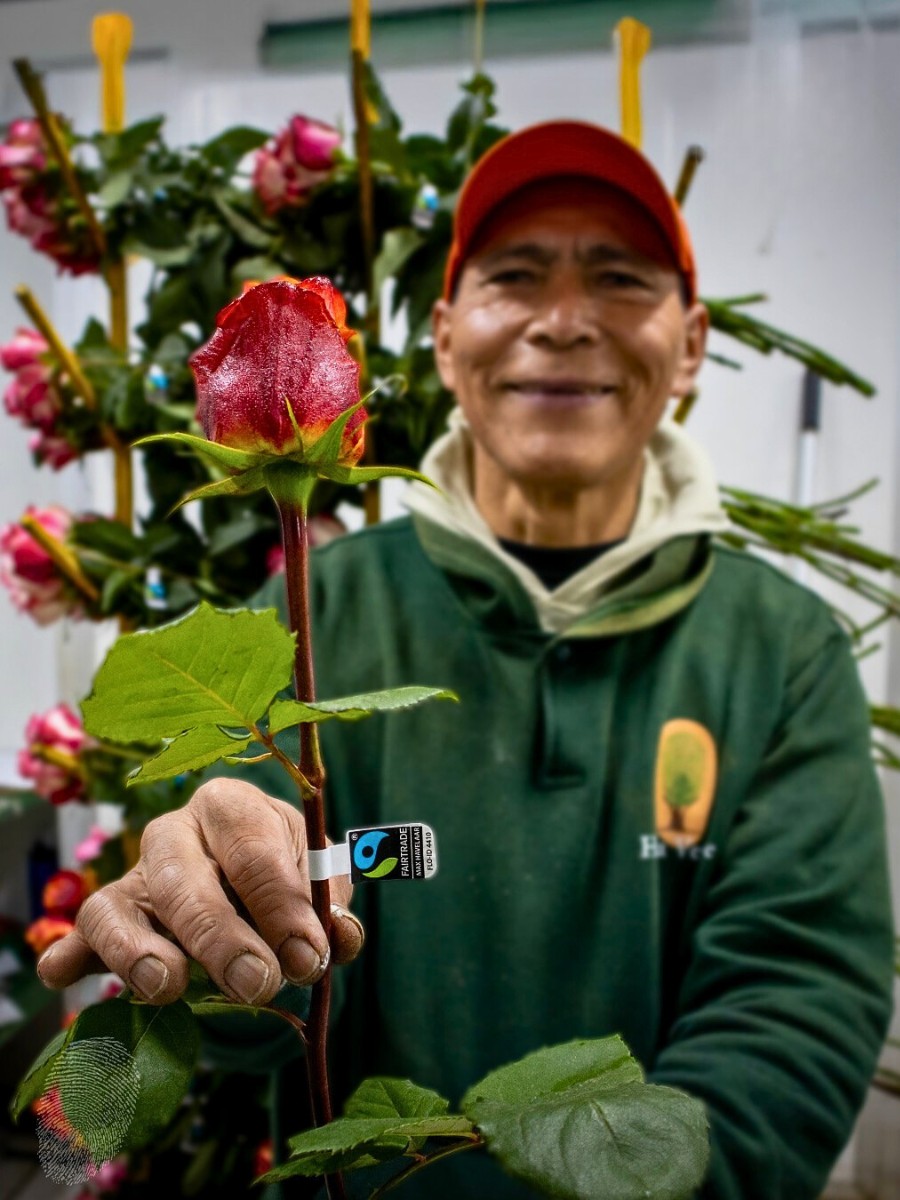
Florverde certification, further, mandates fair wages, safe working conditions, gender equity policies, worker committees, grievance mechanisms, and ongoing training programs. International credibility has strengthened further through recognition by the Sustainable Supply Chain Initiative (SSCI) under The Consumer Goods Forum. SSCI benchmarking affirms that Florverde’s criteria align with internationally accepted principles for responsible supply chains, reinforcing trust among retailers and global buyers.
Doing Quite a Lot to Enhance Floriculture Sustainability
30 years after its founding, Florverde’s course exemplifies how industry-led reform could progress into global headship. Beginning as a voluntary code of conduct, it has matured into a refined certification system recognized across international supply chains.
In addition to certification work, Florverde champions innovation in environmental measurement tools. For example, the recent introduction of the Florverde Environmental Footprint Tool provides certified growers with precise metrics on a flower’s environmental impact throughout its lifecycle. This means a step forward in transparency and traceability that responds to investor, regulator, and buyer demands for data-driven sustainability.
The global floriculture industry enters an era defined by regulatory tightening, carbon scrutiny, supply chain digitization, and increasingly sophisticated consumer expectations. European due diligence laws, pesticide residue thresholds, water-use restrictions, and living wage debates are becoming operational realities that shape how farms are financed, audited, and contracted. Certification is, therefore, becoming way more than just market access, but also long-term viability.
There is also a wider geopolitical dimension. Colombia remains one of the world’s largest exporters of cut flowers, competing with production from East Africa and other regions. Sustainability benchmarks are, therefore, shaping competitive positioning. Such a program as Florverde Sustainable Flowers® allows Colombian growers to guard their place in premium markets through verified production standards in line with international frameworks.
The future of floriculture sustainability, as Daniela puts it, depends on global collaboration, continuous innovation, and industry-wide accountability. And as more countries adopt sustainability measures, FSF is dedicated to expanding the certification efforts and sharing best practices to promote sustainability standards across all flower-producing regions.
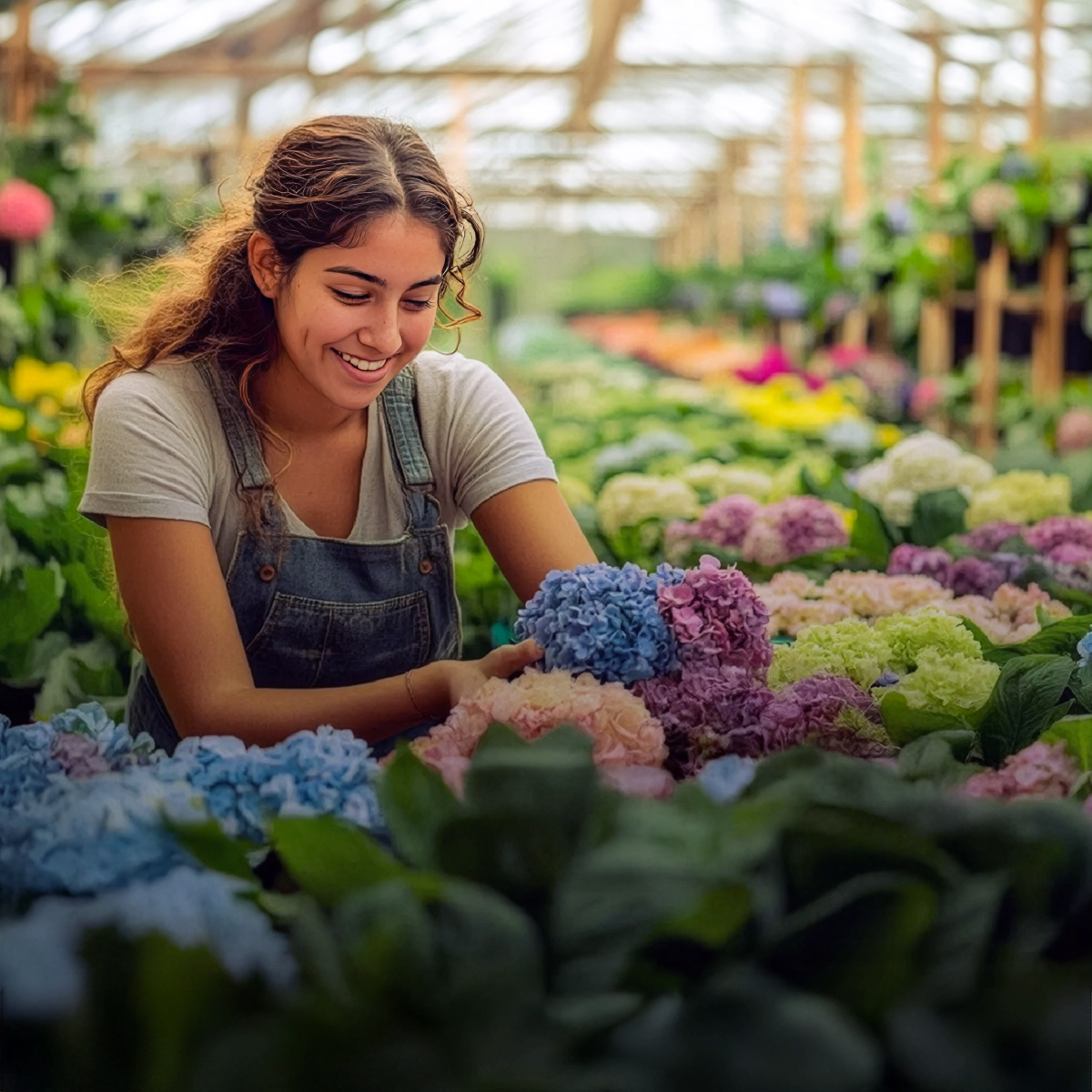
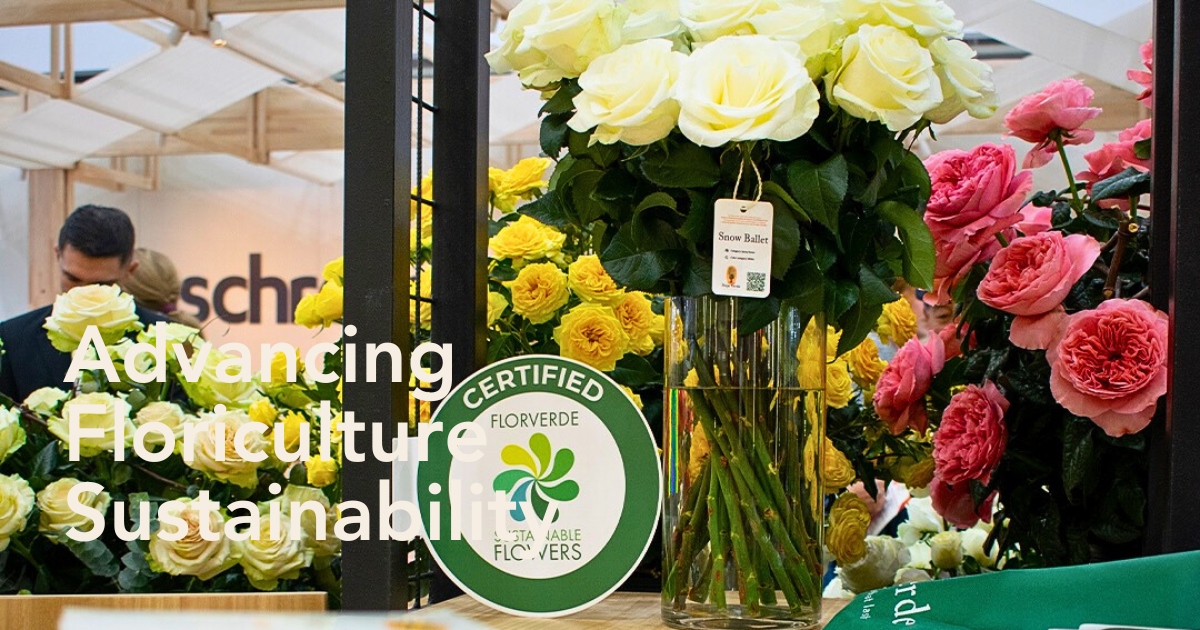
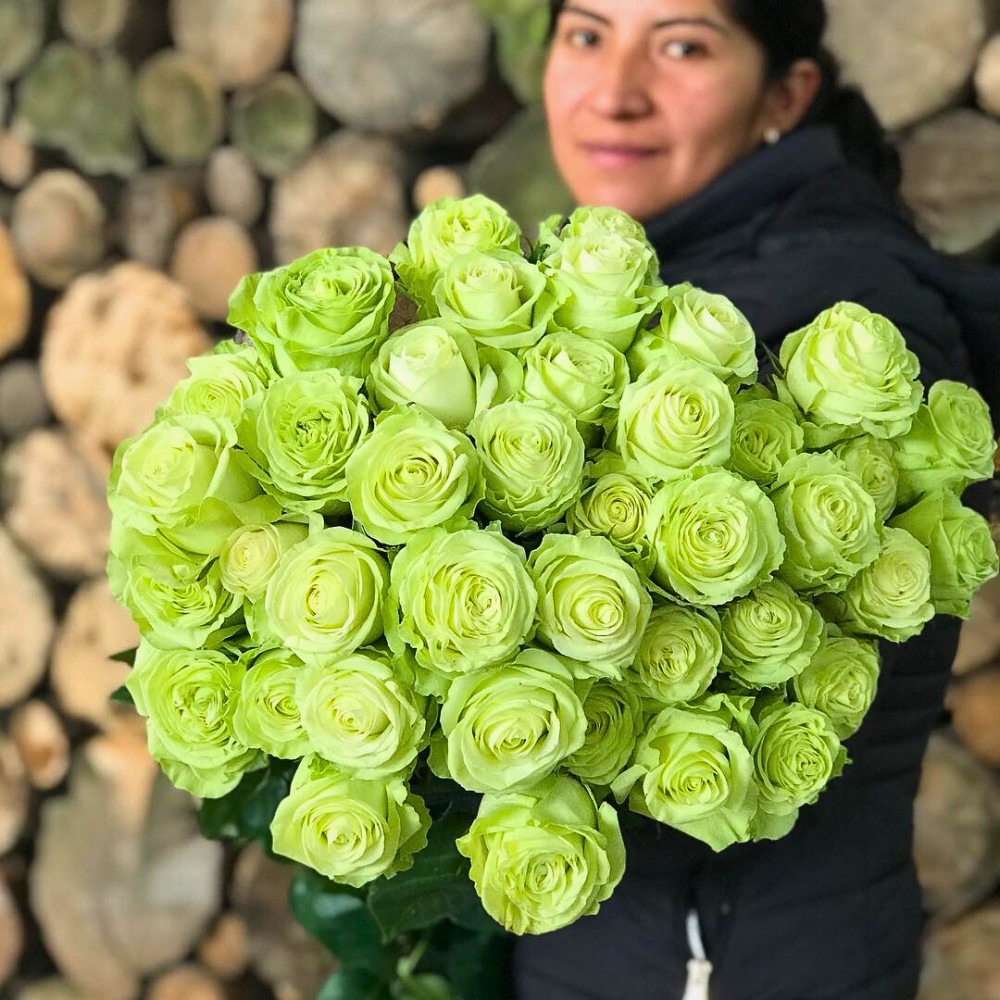
Header image by @hojaverderoses. Feature image by @florverdesf