Not literally, of course. I've never stood up in a room and said sorry for what we do. But there's a version of that apology happening everywhere in this industry, quietly, constantly. In the way we preface things. In the way we add disclaimers before we talk about what we've built. In the way we let the loudest, most uninformed voices shape the conversation while the rest of us just keep working.
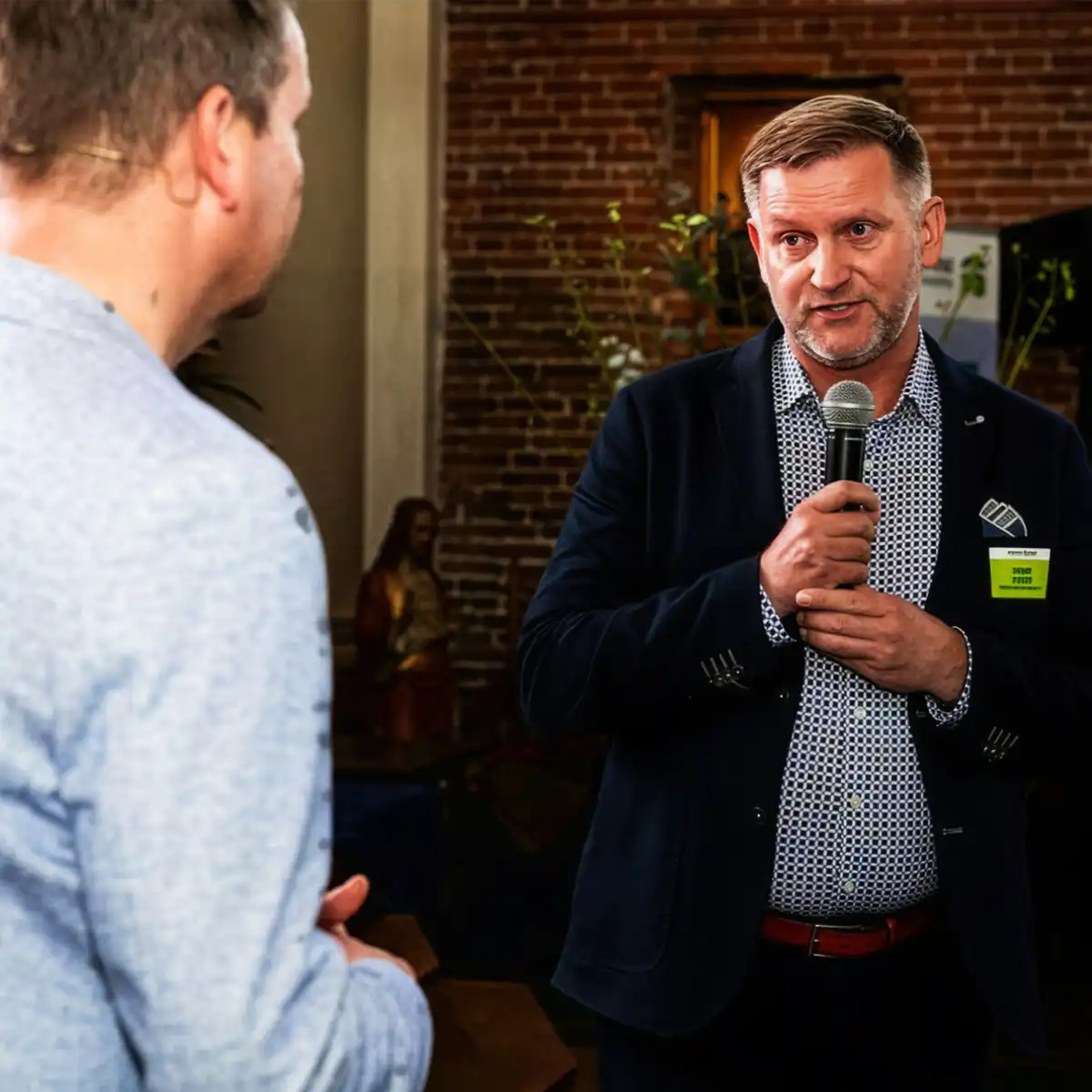
I recently sat down with Simon Rozendaal for my podcast. He's a scientist, a journalist, and the author of 'Paniek om Niets' ('Panic over Nothing'). His core argument is one I'd been feeling for years without the vocabulary to say it this clearly: the world is measurably, factually, demonstrably cleaner than it has ever been. But because our measurement technology has become so incredibly precise, we can now detect traces of substances in concentrations so small they are toxicologically irrelevant. And we panic anyway.
That hit something in me. Because it's exactly what I see in floriculture.
We Have Spent Decades Becoming Better
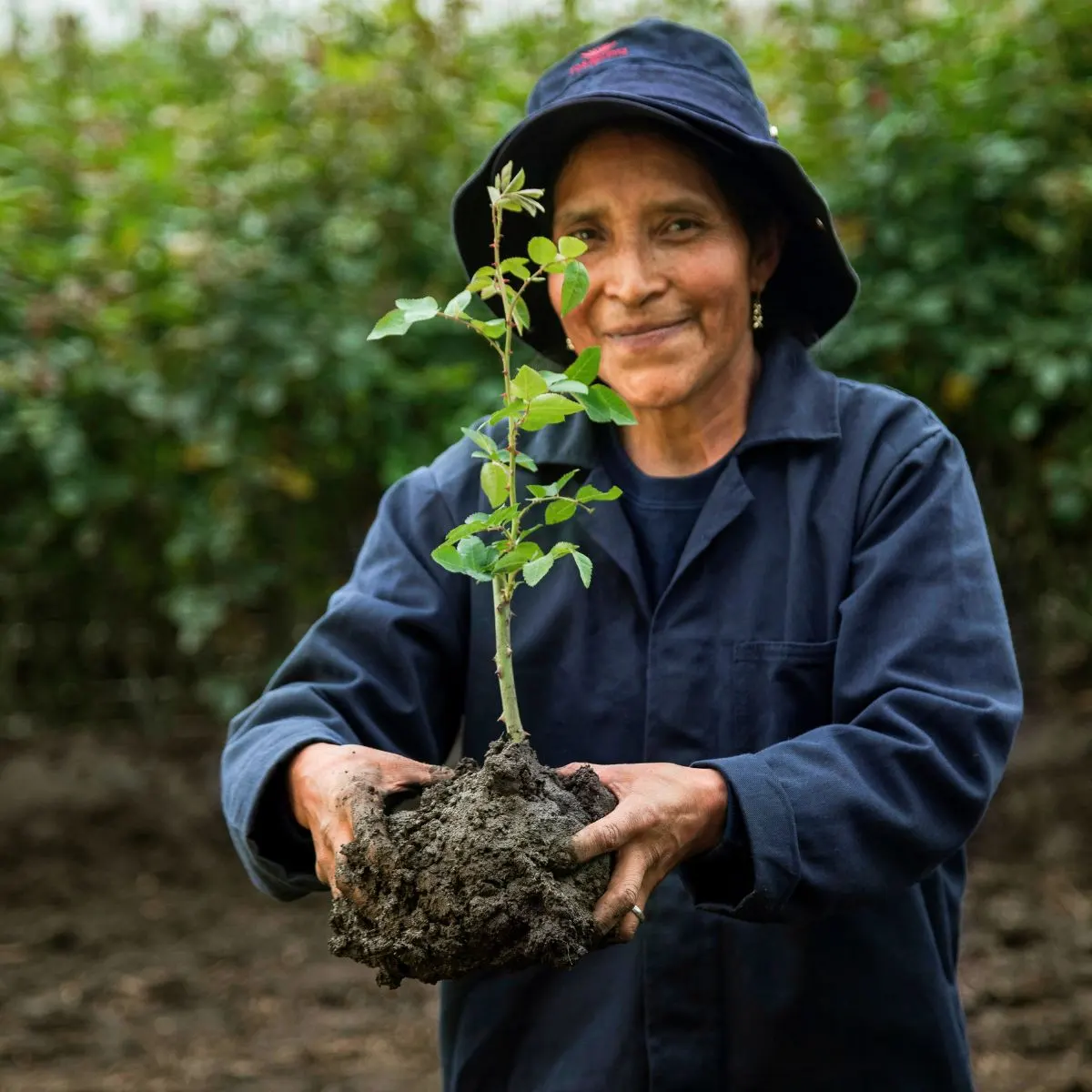
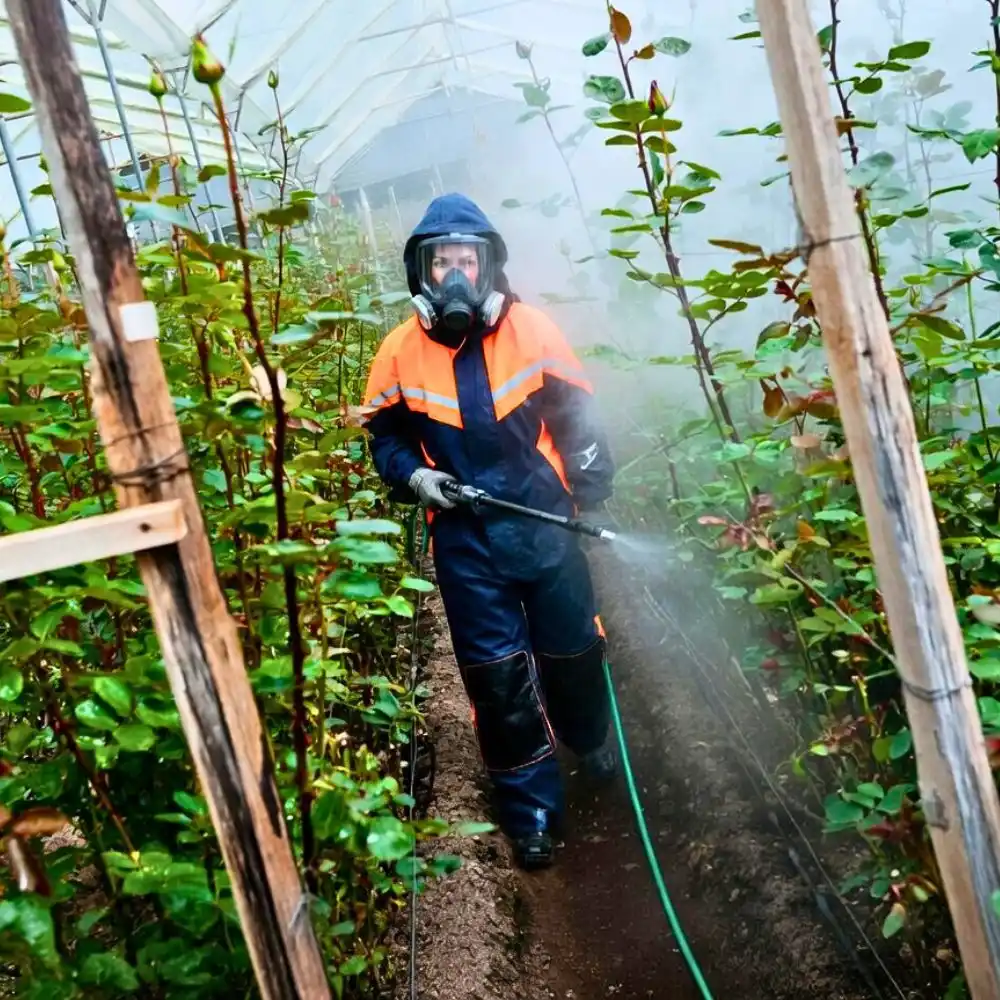
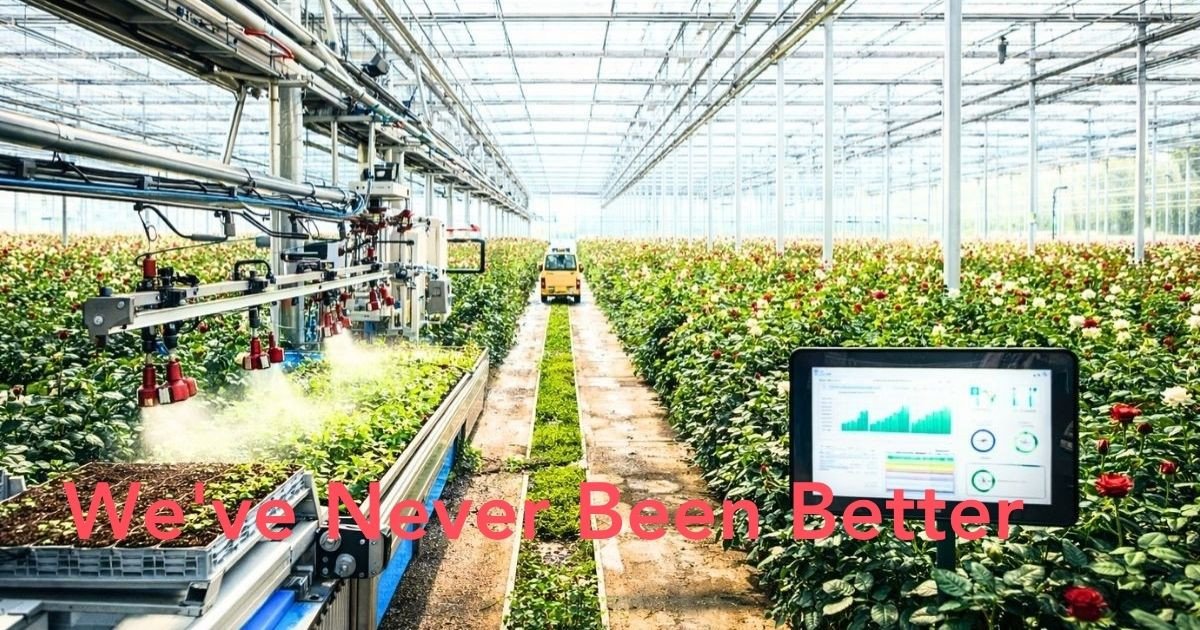
Better growers, better breeders, better logistics, better stewardship of water, soil, and input. The greenhouses I've walked through in the Netherlands, in Ecuador, in Kenya — they are not the greenhouses of thirty years ago. The science behind them is different. The people running them are different. The standards they hold themselves to are different.
And yet the story that floats around about this industry often sounds like none of that happened.
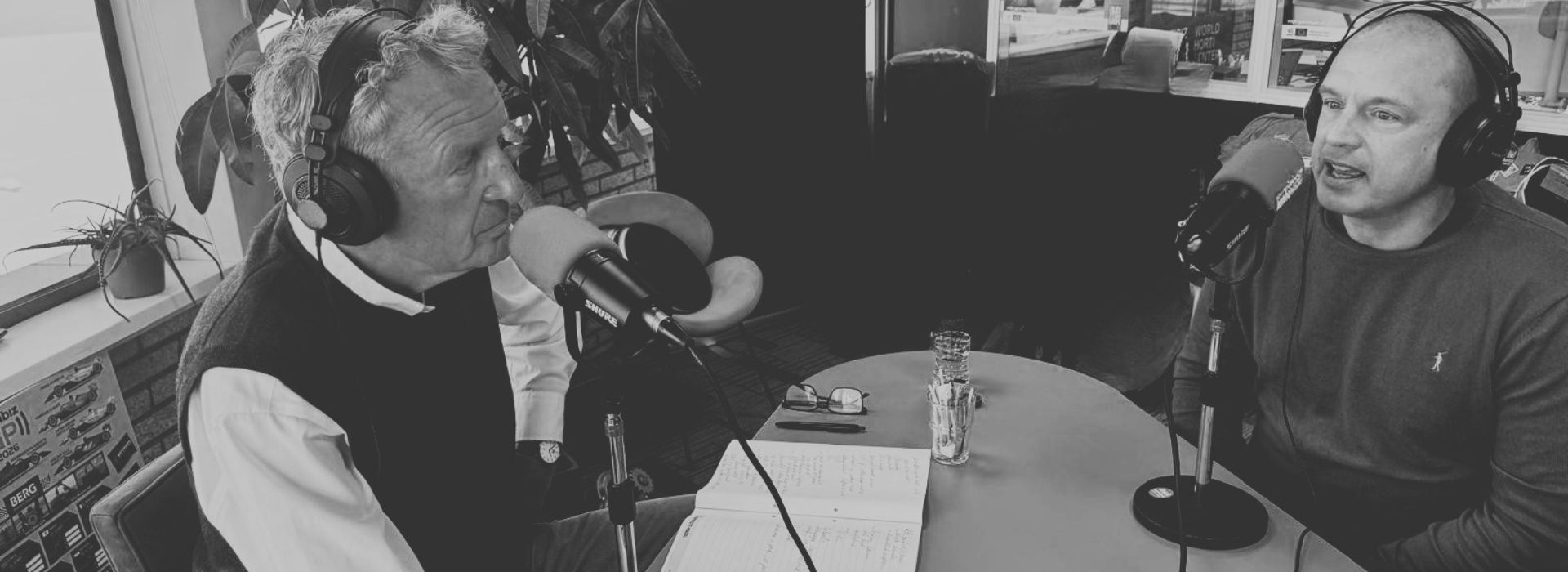
Simon made a comparison during our conversation that I haven't been able to shake. He called the Dutch agricultural sector the ASML of the Netherlands. Technological, innovative, world-class, and deeply underappreciated in the public narrative. I think that's right. And I think it applies specifically to the floral world. We grow beauty at an industrial scale, we ship it with precision across the entire planet, we do it faster and cleaner than ever before, and somehow we spend half our time on the defensive.
Be Good and Tell It
That was another thing Simon said. Simple advice. Obvious advice. And still, somehow, the hardest thing for this sector to actually do consistently. We are good. That's the part I want to say out loud. Not as a marketing claim. Not as a counter-attack against critics. Just as a statement of fact from someone who has spent years paying close attention.
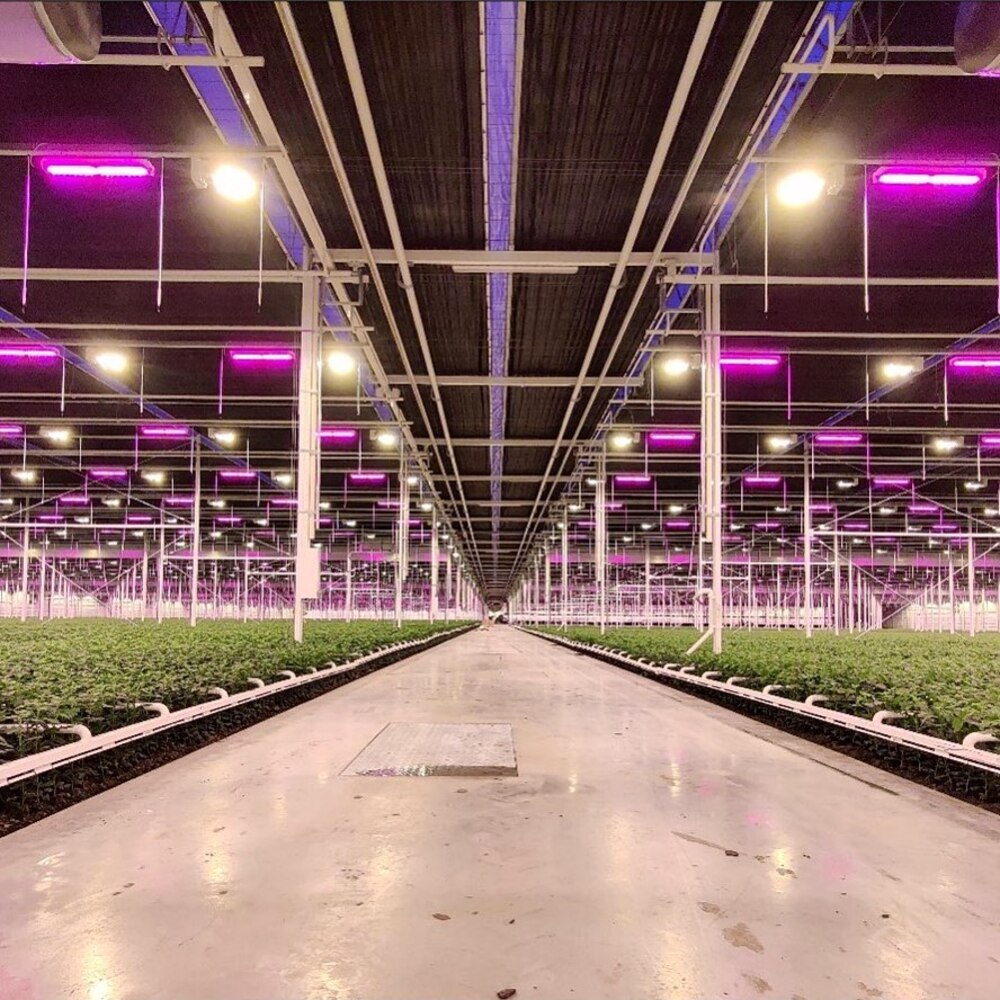
The flowers on your table this week came from people who take their work seriously. Who wake up early, who invest in knowledge, who navigate impossible logistics, who care about quality in a way that most industries don't even understand. The chain behind those flowers is long, complicated, and full of human beings doing genuinely difficult things well.
That story deserves to be told without apology.
Progress Is Not Complacency
I'm not saying there's nothing left to improve. There always is. Simon himself pointed out that CO2 is the next major dossier coming for agriculture – and he's right to flag it. Being proud of what we've built doesn't mean we stop building. But pride is not arrogance. Confidence is not denial. Knowing that we've come a long way – knowing the actual data, knowing the actual people, knowing the actual greenhouses – that's not spin. That's reality.
So I'm done with the quiet apologetic tone. I'm done with the assumption that criticism is automatically correct and defense is automatically suspicious. I'm done letting a measurement revolution get mistaken for a contamination crisis.
We've never been this good. The flowers are real. The progress is real. The people behind it are real.
Tell the story like it is.