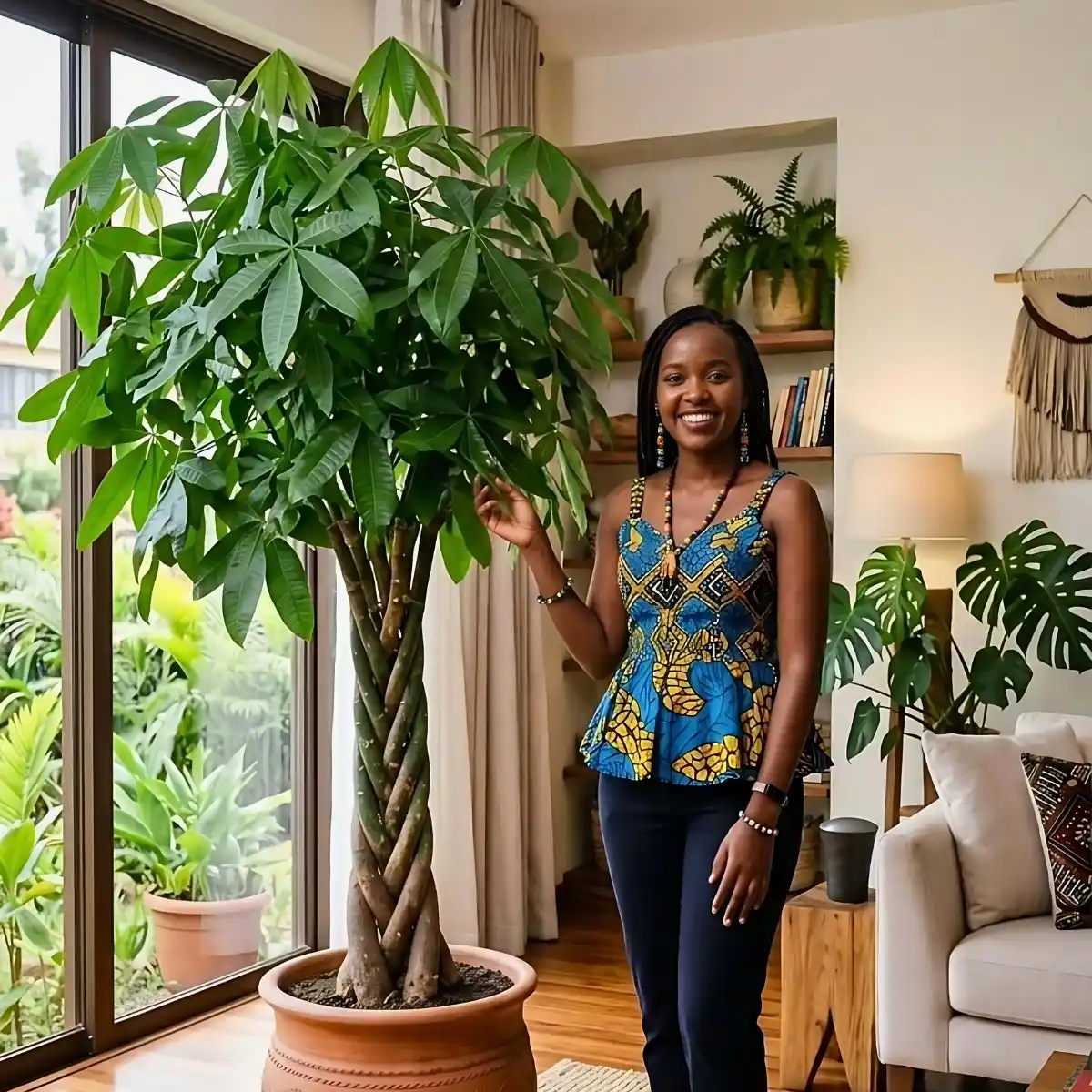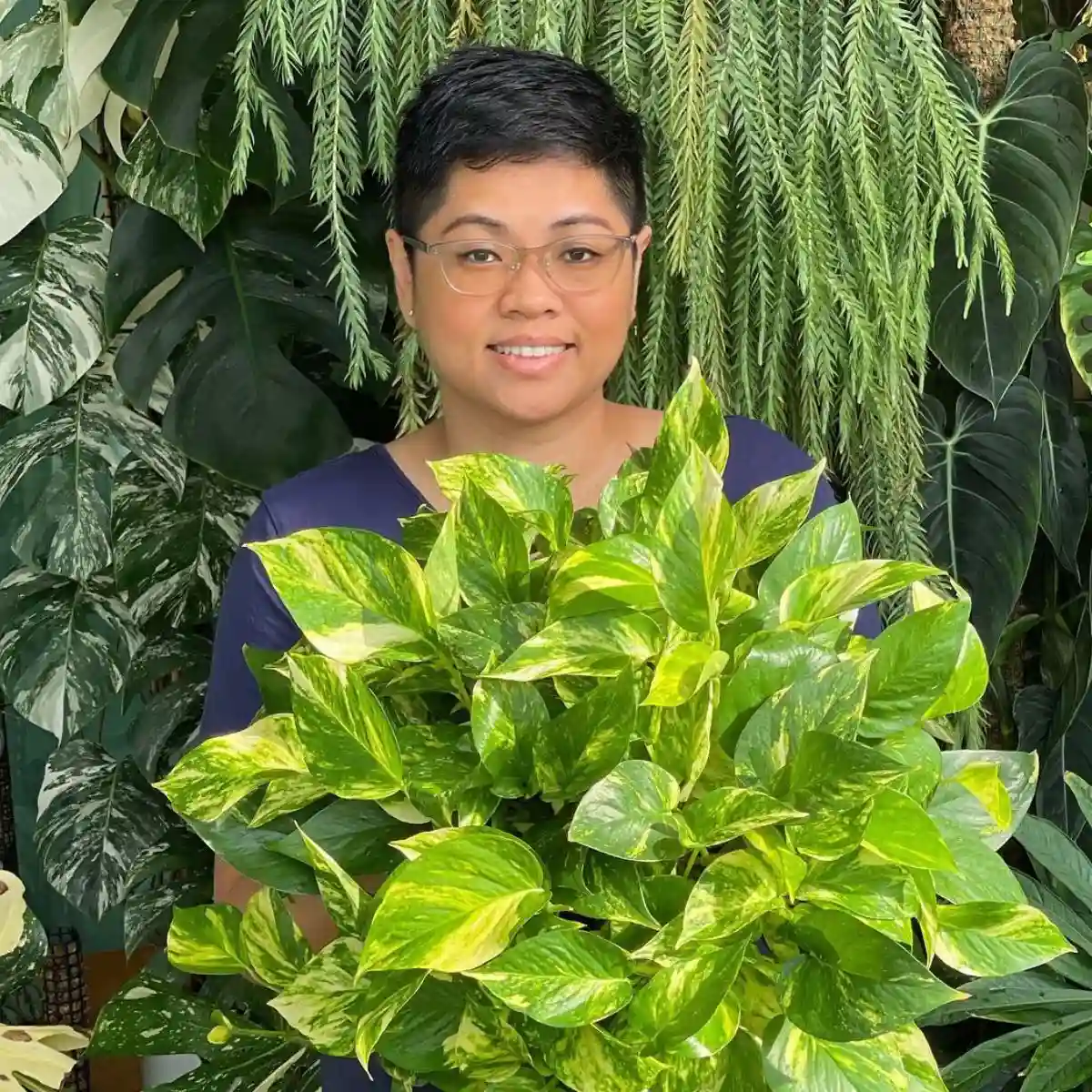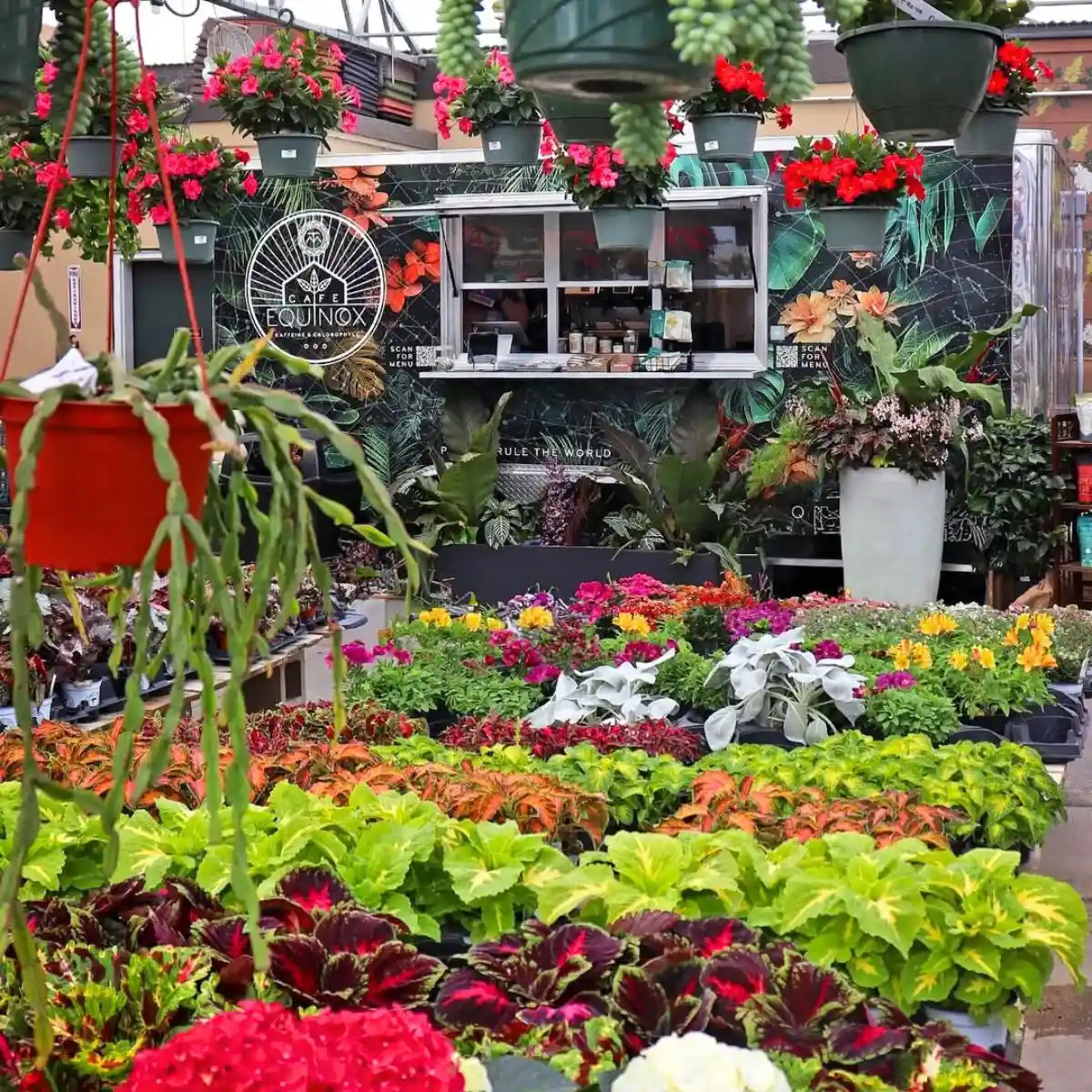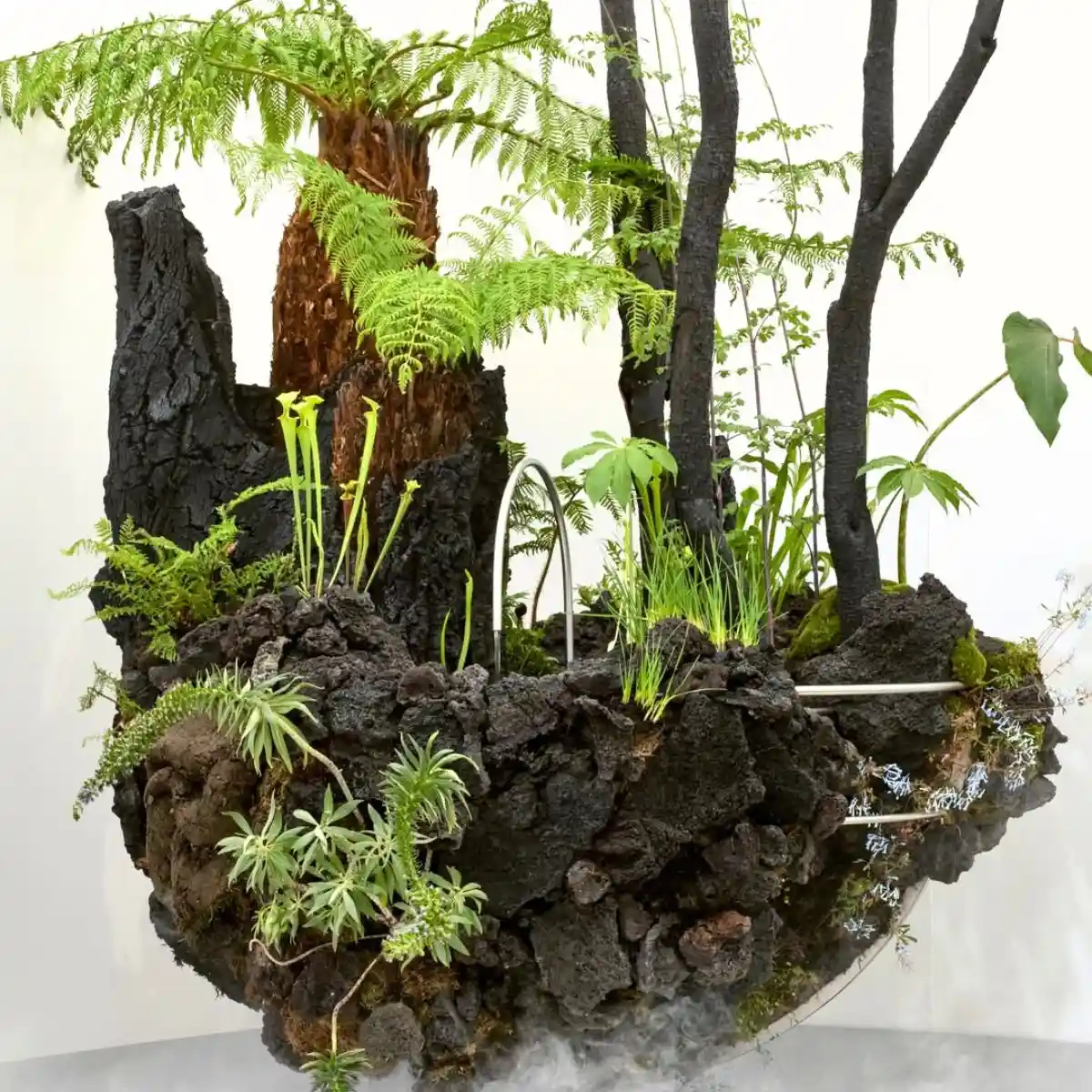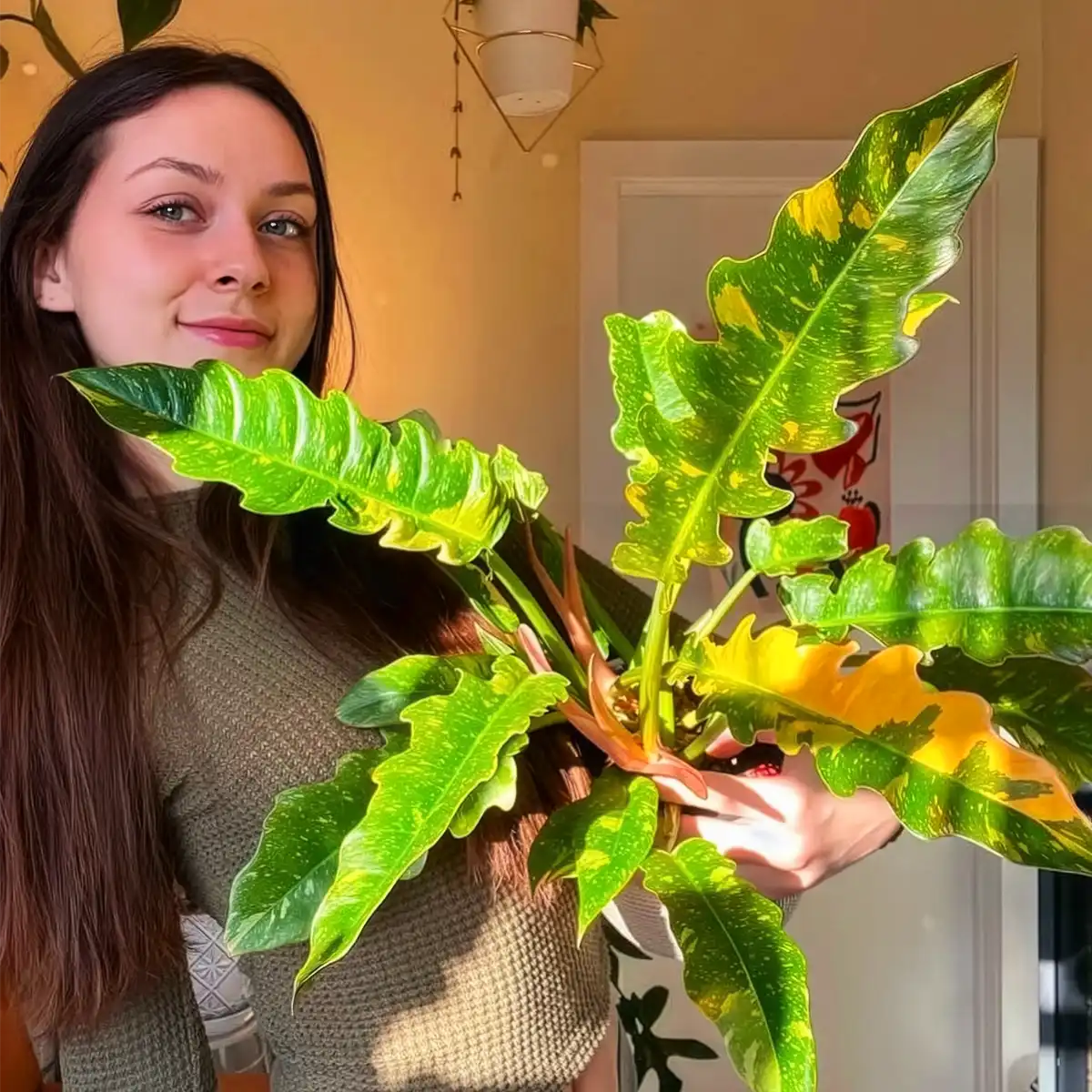
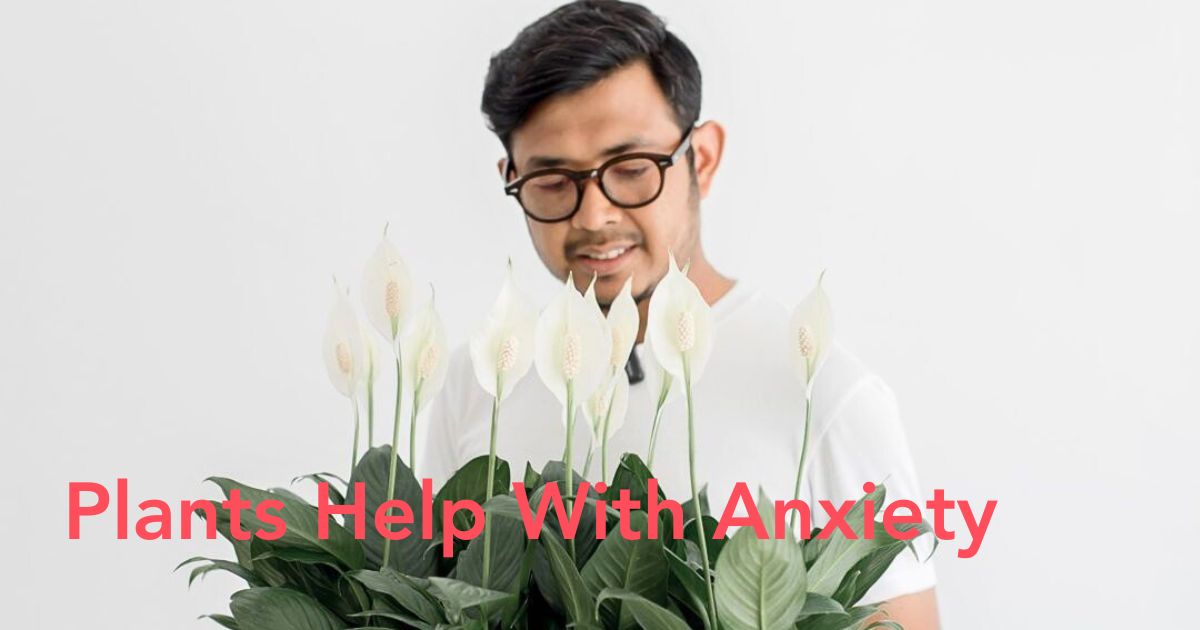
Plenty of us keep plants at home for décor, but their role goes beyond looks. Adding indoor plants to a living space can create a quieter "baseline" for the day, especially when you're dealing with anxiety, insomnia, or constant worry. Part of the benefit is psychological: greenery signals safety and comfort. Part is behavioral: caring for a small plant gives you a repeatable ritual that can interrupt spiraling thoughts and help you reduce anxiety over time.
What follows is a practical explanation of how plants help with anxiety, what scientific evidence suggests about physiological stress, and which of the best indoor plants are easiest to start with.
Indoor Plants and Mental Health
The strongest research pattern is not that houseplants "cure" anything, but that indoor plants can measurably support mental health by lowering perceived stress, improving emotional tone, and making focus feel easier in demanding weeks. A large systematic review and meta-analysis found that exposure to indoor plants across studies is associated with benefits to several human functions (including emotional states and task-related outcomes), although study designs and settings vary widely.
Another controlled experiment found that active interaction with indoor plants (simple potting tasks) reduced both psychological and physiological markers of stress, including measures linked to the autonomic nervous system and blood pressure.
The Nervous System and Why Nature Feels Calming
When you're stressed, your nervous system tends to stay "upshifted." You may notice shallow breathing, tight shoulders, racing thoughts, and trouble sleeping - classic signs your body is stuck in a stress-response loop involving the central nervous system and stress-processing circuits.
Nature exposure is consistently linked with calmer recovery. In a neuroimaging intervention study, participants who took a one-hour walk in a natural setting showed reduced amygdala activation (a key region for threat processing) compared with an urban walk. That matters because anxiety often involves heightened threat sensitivity, even when nothing is "wrong."
Even visual exposure helps. Classic stress-re"covery research shows that unthreatening natural scenes can support faster emotional and physiological recovery compared with many urban environments. A later randomized crossover study also found that nature scenes can improve autonomic recovery after a stressor compared with built scenes.
Best Indoor Plants for Stress Relief
Not every plant is equally helpful in real life. For stress relief, the "best" choices are the ones that thrive indoors with manageable care, because complicated care can create more stress.
Here are the best indoor plants that fit most homes and work schedules:
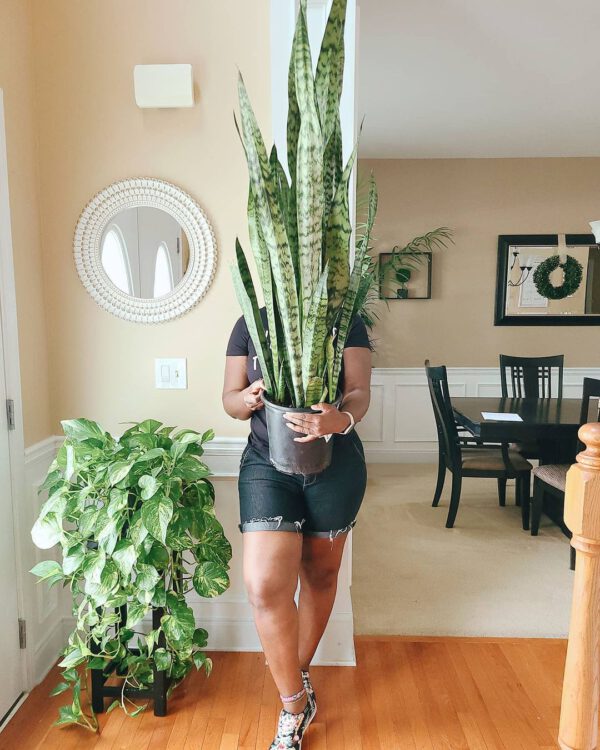
- Snake plant: A famously low-effort option for beginners. A snake plant tolerates low light, irregular watering, and still looks strong. If you want one plant that doesn't punish inconsistency, start with a snake plant.
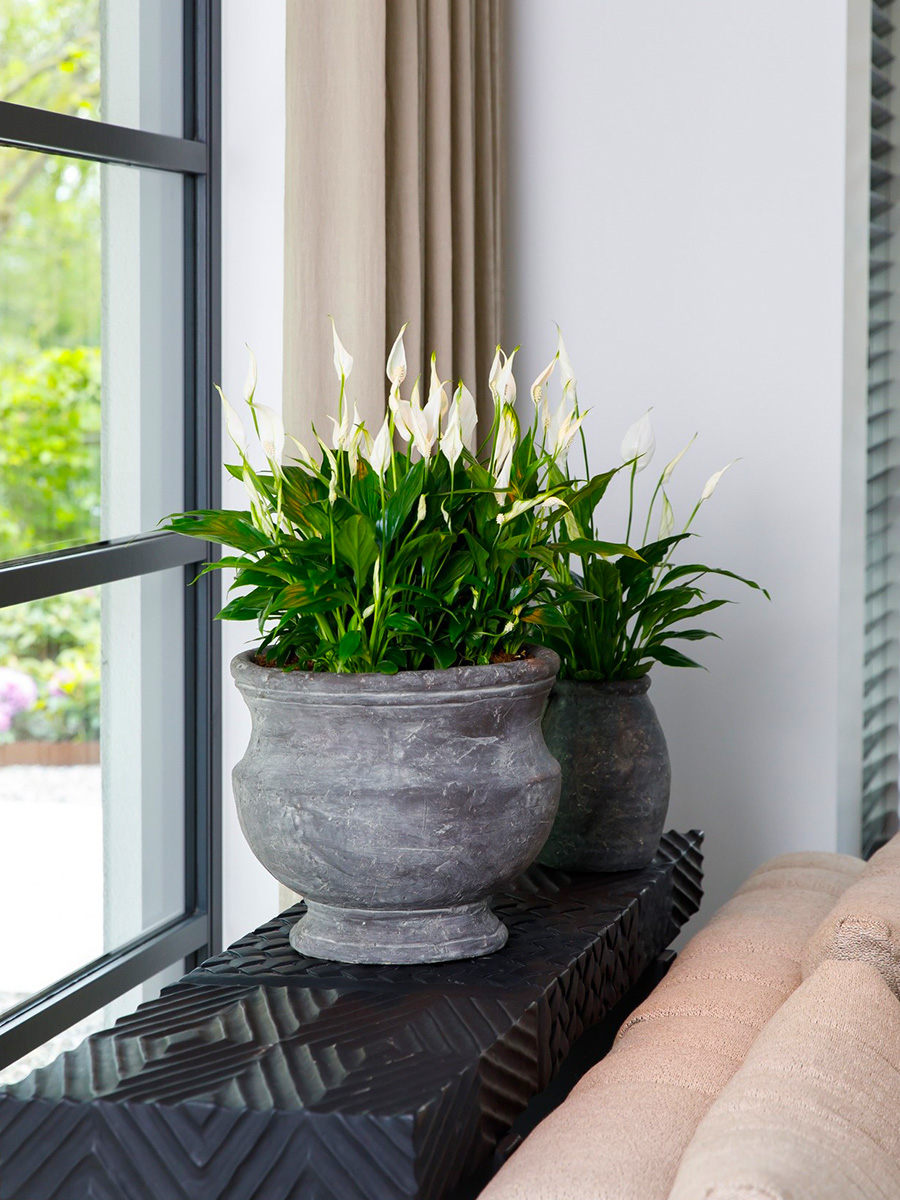
- Peace lily: A peace lily is a strong mood plant because it's expressive - drooping slightly when thirsty, then recovering fast. Many people find that a clear feedback loop soothing.
- Spider plant: A spider plant grows quickly and visually "softens" sharp corners in a room. It's also easy to propagate, which can build a sense of progress on hard weeks.
- Jade plant: The jade plant is a classic low-water succulent. If you like symbolism, it's sometimes associated with good fortune, but its real value is how forgiving it is.
- Crassula ovata: If you see this label at the nursery, it's the botanical name for the jade plant, with the same comforting, low-fuss growth habit.
- Lavender: If fragrance is calming for you, lavender can add a relaxing sensory layer. You can grow lavender in bright light, and many people pair it with a sleep routine. For outdoor relaxation, consider aquatic plants perfect for your small outdoor water feature to enhance your environment.
A quick light rule: most indoor plants do best in bright indirect light, while a few (including many succulents) prefer some direct sunlight. If you place a peace lily in harsh sun, it can scorch; if you keep lavender in deep shade, it may struggle to thrive.
Healthy Air Quality With Natural Air Purifiers
You'll often hear that certain houseplants are natural air purifiers for your home. The nuance is important.
Lab studies show plants can remove some VOCs under sealed-chamber conditions, but a major review argues that those results don't translate neatly to real buildings where ventilation and air exchange dominate. In other words, plants can contribute to removing toxins in controlled setups, but in a normal home, the biggest drivers of clean air are ventilation, filtration, and reducing sources of toxins.
So why keep them? Because the mental and behavioral effects can still be meaningful: greenery changes how a room feels, encourages calmer routines, and can create a restorative "pause" in your day.
Fragrant Flowers and Popular Essential Oils
Scent is one of the fastest pathways to mood shifts. Flowers with a refreshing scent - and popular essential oils derived from them - are often used to support relaxation habits.
The strongest clinical evidence in aromatherapy-style products is around oral lavender preparations and some inhalation/massage contexts. A systematic review concluded that oral lavender essential oil shows effectiveness for anxiety, while inhalation evidence is more mixed due to study differences. A broader essential oils review also summarizes potential anxiety-related effects and physiological parameters, while noting variability across studies. If you like fragrance, lavender (plant or essential oil) can be a useful add-on to a wind-down routine, but it’s not a standalone treatment.
Lemon Balm and German Chamomile in Traditional Medicine
If your calming ritual includes herbal teas, two options show up repeatedly in traditional medicine discussions: lemon balm and German chamomile.
A review of clinical evidence suggests lemon balm (Melissa officinalis) may improve anxiety and depressive symptoms in some settings, but results vary, and study quality is mixed. For German chamomile, controlled trials in generalized anxiety disorder suggest modest anxiolytic effects and good tolerability, with ongoing research into long-term outcomes.
If you use herbal teas regularly and you’re on medication or have a health condition, it’s sensible to check interactions with a clinician.
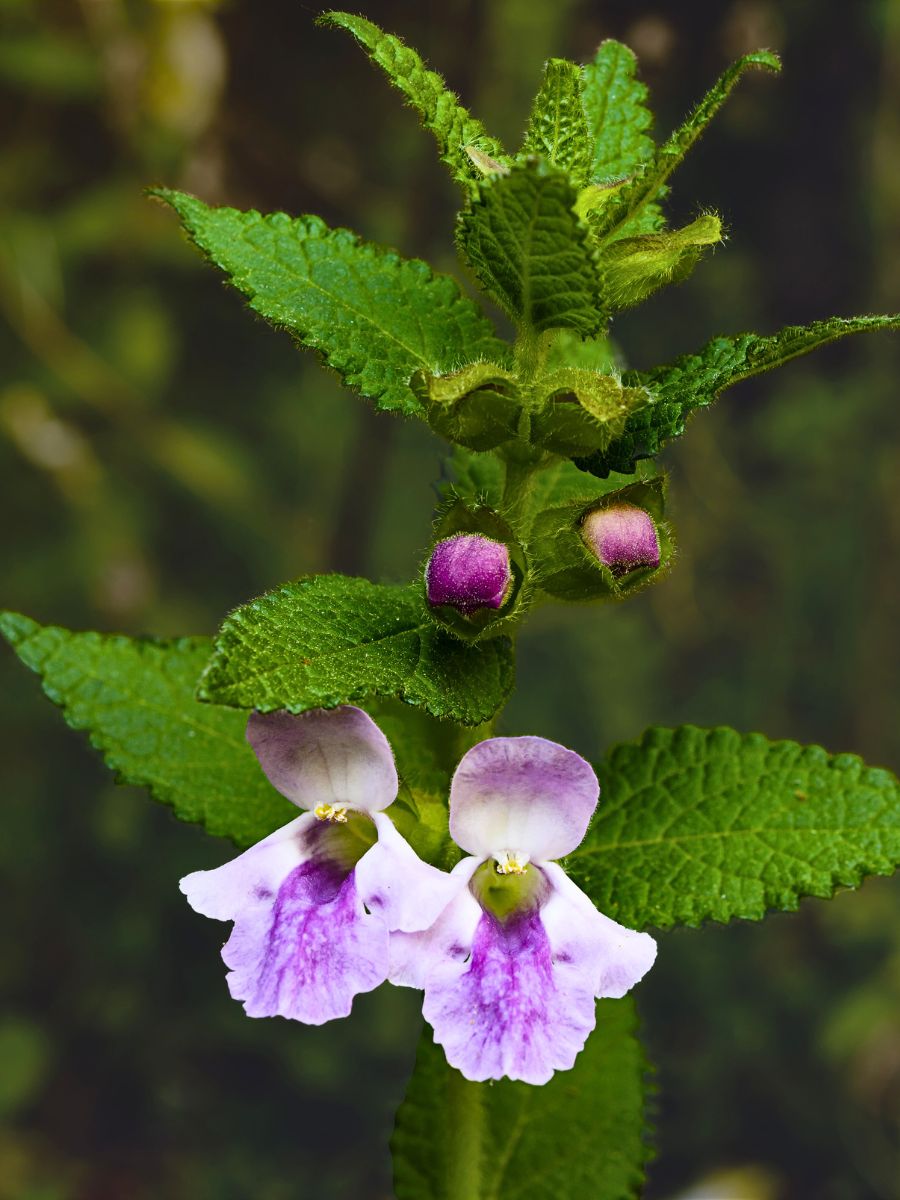
Photo by @siala
Creating a Calming Living Space With Plants
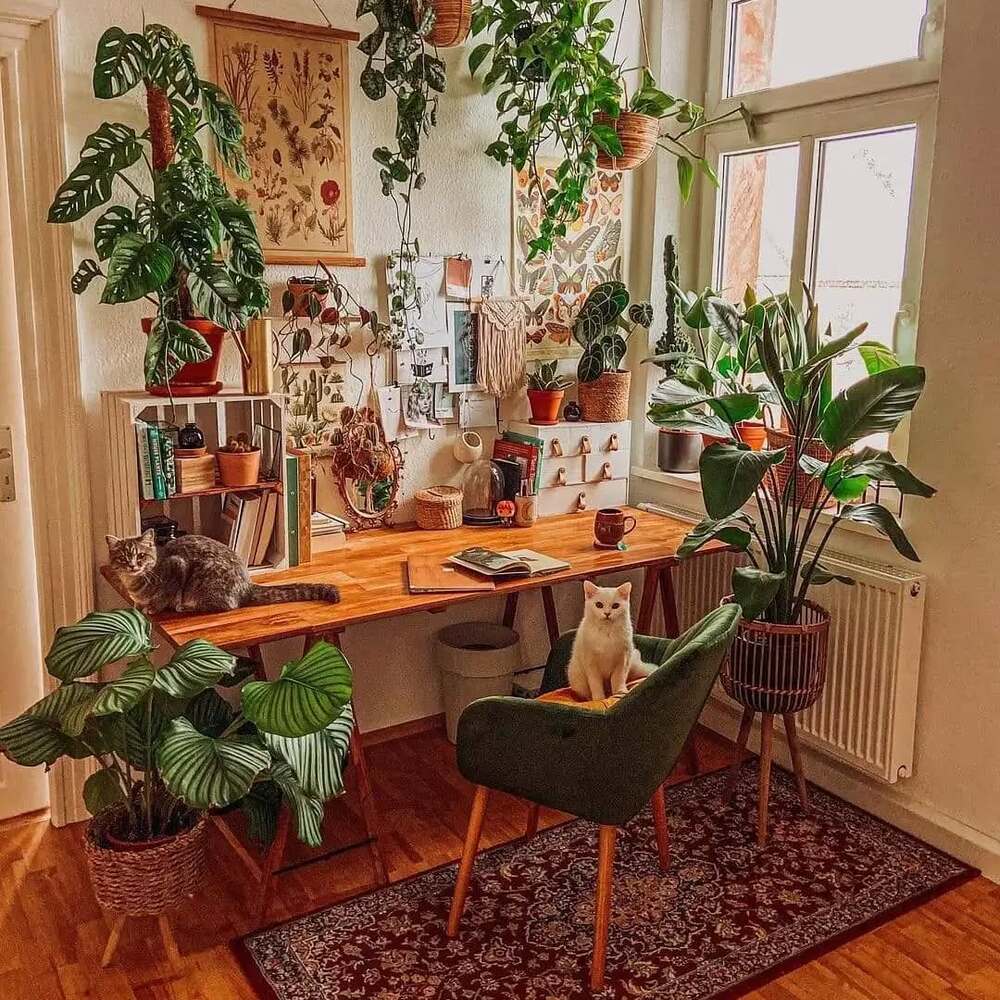
The environment you create matters as much as the plant choice. You want a setup that supports calm without becoming a chore.
- Put indoor plants where you'll actually see them during high-stress moments, like beside the sofa, near your bed, or on an office desk.
- Group two or three plants together for visual harmony instead of scattering many pots across the room.
- Match the plant to the spot: low-light corners suit snake plant and some houseplants, while brighter windows are better for lavender and many succulents.
- Use plants to adjust comfort: a cluster can add extra humidity in dry rooms, which some people find helps overall comfort during winter heating.
This approach builds a "soft" indoor environment that supports improved mood and makes it easier to return to baseline after spikes of stress.
Low Maintenance Options for Busy Weeks
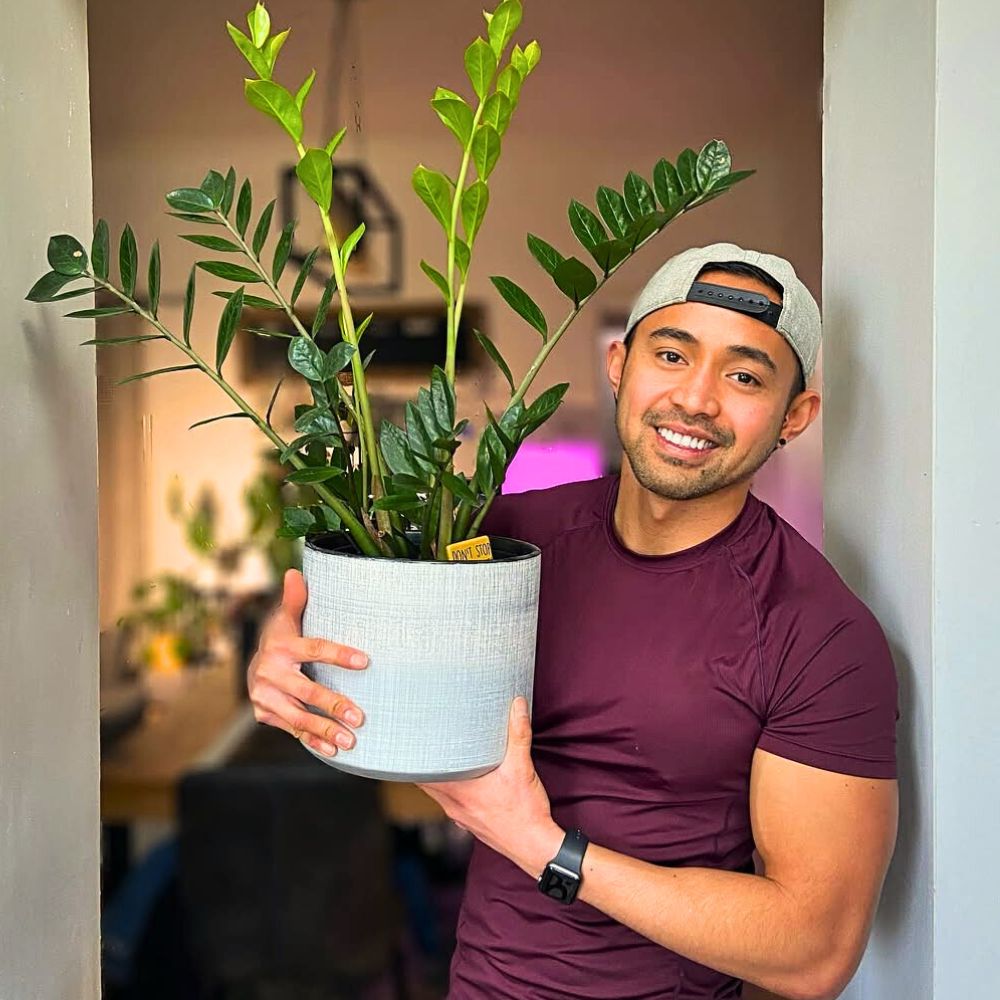
If your schedule is intense, lean into low-maintenance winners: a snake plant, jade plant, ZZ plant, or a peace lily if you like clear watering signals. The goal is consistency without pressure. When plant care stays simple, the plants stay a supportive grounding presence instead of another task.
Bringing Stress Relief Into Daily Life
Plants won't replace therapy, medication, sleep hygiene, or exercise - but they can help you shape a calmer default setting. The combination of greenery, manageable routines, and sensory cues (like flowers or lavender) can support steadier mental health by reducing daily stress friction. If your anxiety feels persistent, severe, or is affecting functioning, it's worth seeking professional support alongside these lifestyle tools.