ARTICLES

Six Plants That Will Enhance Your Interior Design Projects

These houseplants can actually make an immense impact on not just the style and design of your home but also boost the mood and overall air quality.

By: THURSD. | 30-03-2026 | 6 min read
Indoor Plants Floral Education
6 Plants That Will Enhance Your Interior Design Projects - Thursd Article

Are you looking to lighten up your magical interior design projects with a selection of the best indoor plants? There are a few bold plants that are always ready to make a statement in any of the corners of your projects. When choosing the right indoor plants to enhance your interior design projects, houseplants can make an immense impact not just on the style and specific design of your home, but also on your mood and overall air quality.

6 Plants That Will Enhance Your Interior Design Projects

Choosing the right plant for your space is easier said than done, but according to interior designers, these are six of the best houseplants that will make an impact on any indoor design project. Ready to amplify and upgrade your spaces at home? These gorgeous plants are definitely a must when it comes to interior decoration choices for your present design aesthetics or future projects.
 

Plants That Will Enhance Your Interior Design Projects
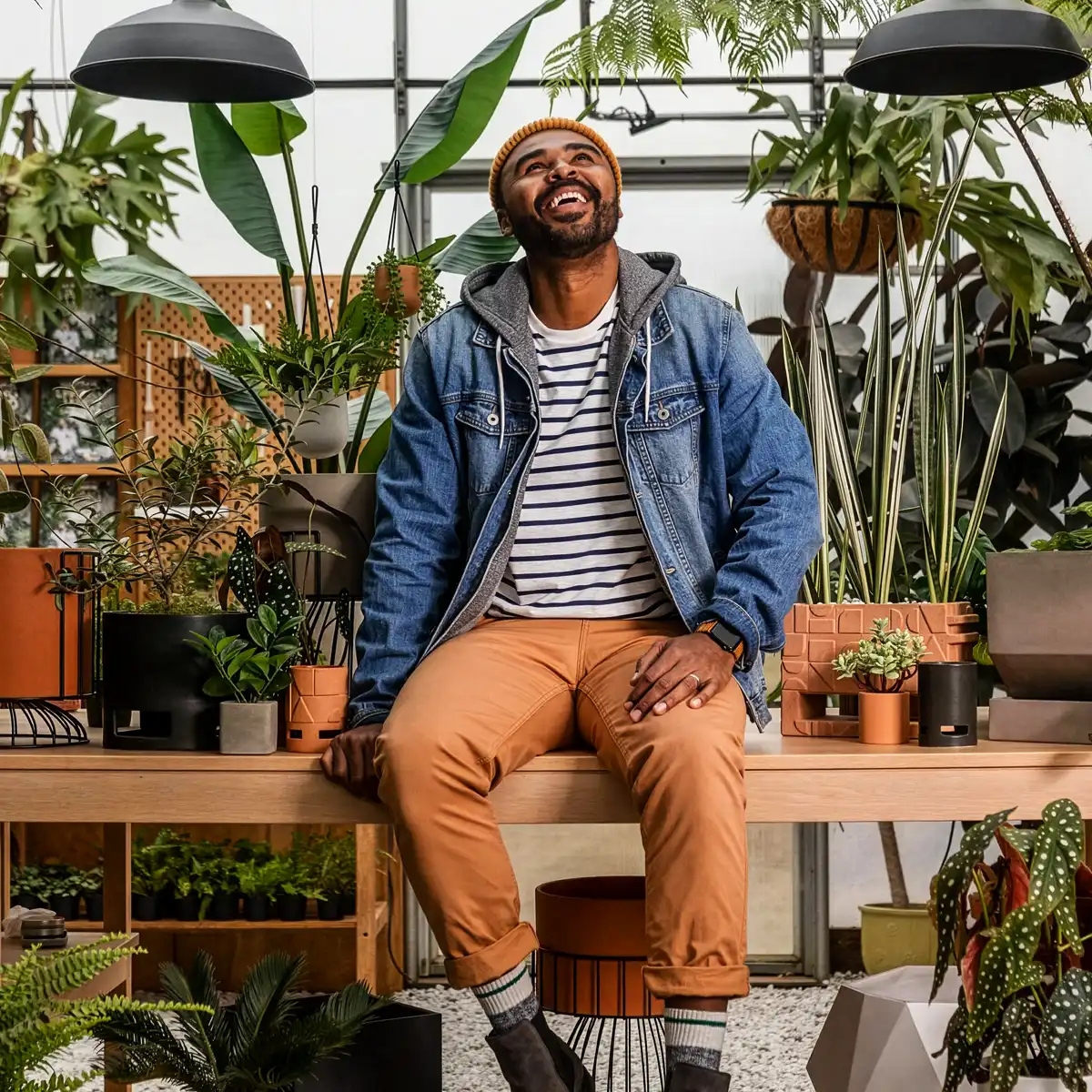
Houseplants can make an immense impact not just on the style and specific design of your home, but also on your mood and overall air quality. Photo by @thelecaqueen


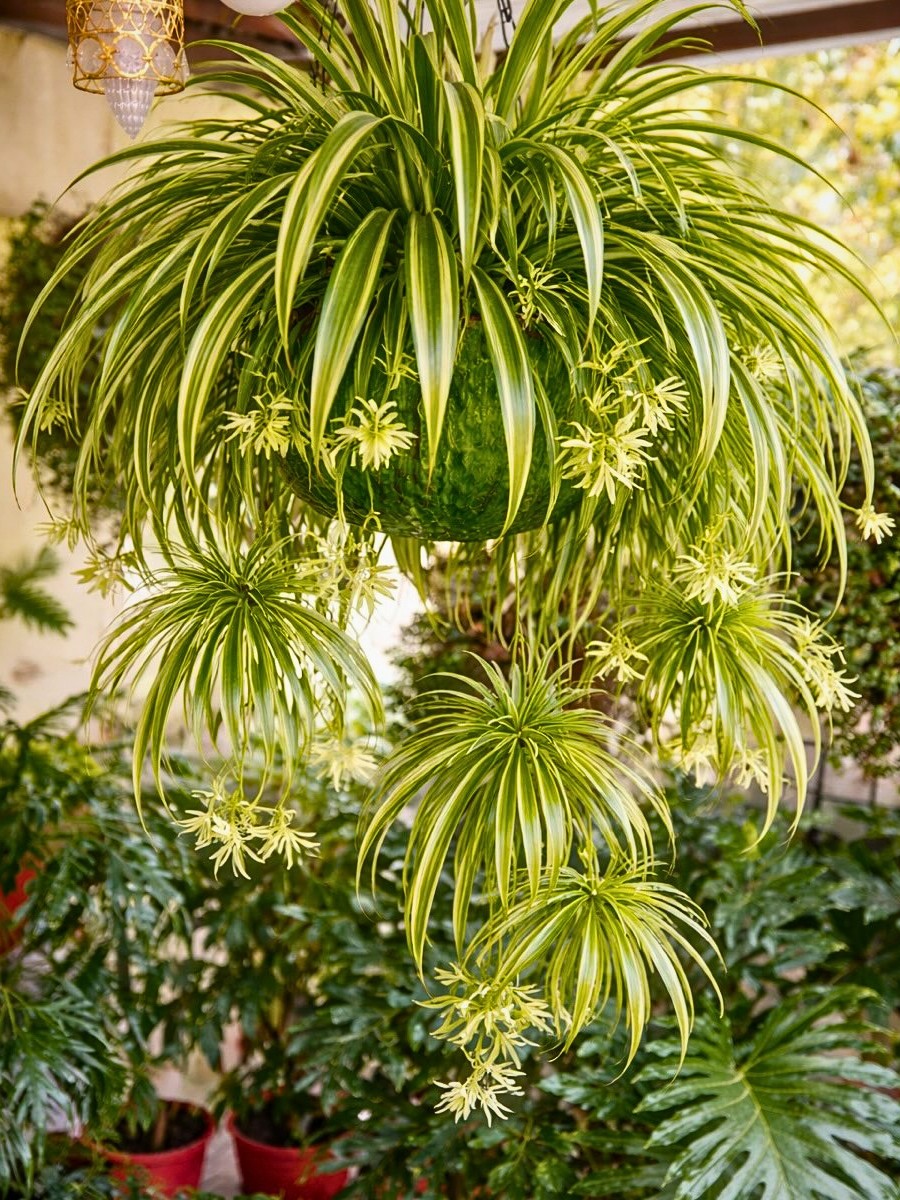
1. Spider Plant (Chlorophytum Comosum)

Just as its name states, long green leaves are featured slouching in every direction from the center of this plant. It is a very unique, yet peculiar plant given its name and shape. However, it is considered by interior and floral designers as one of the most beautiful and rare additions to any interior design project. Spider plants like lots of moisture and moderate amounts of sunshine.
 

6 Plants That Will Enhance Your Interior Design Projects
Spider plants. Photo by @tall_gardeners


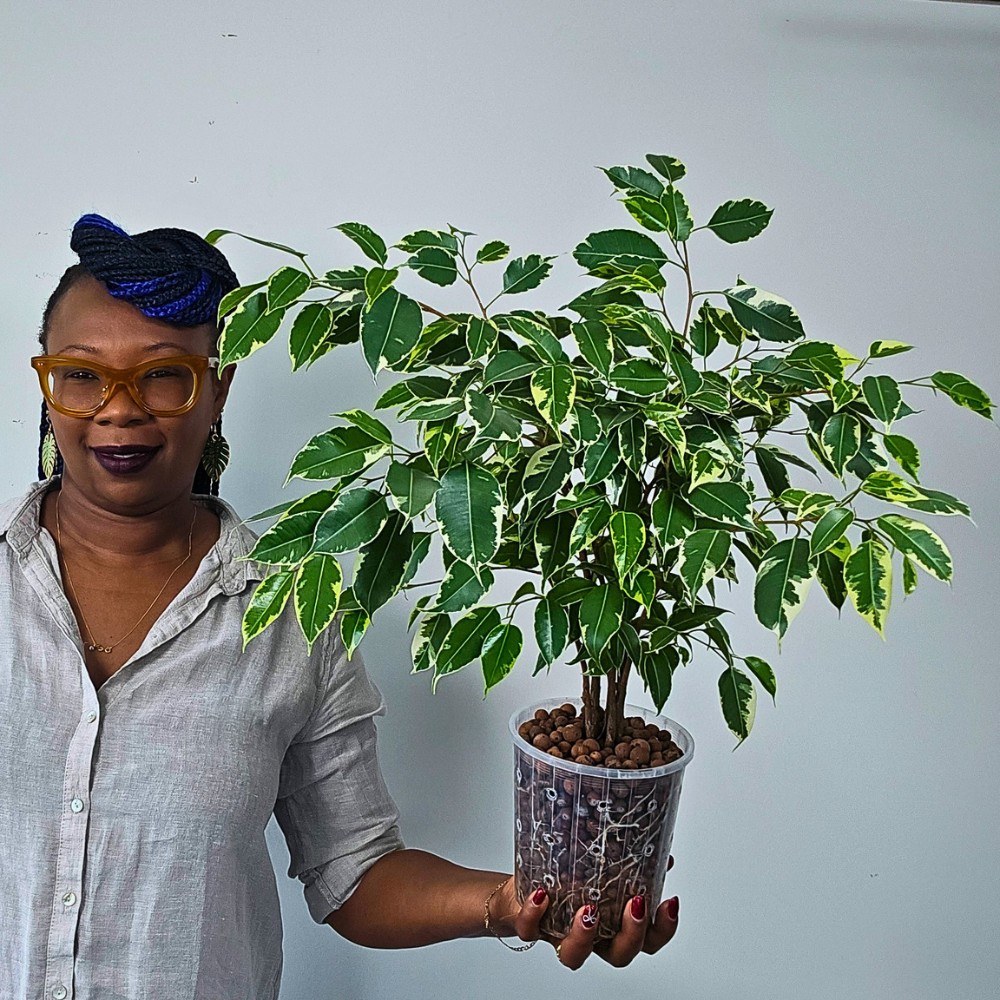
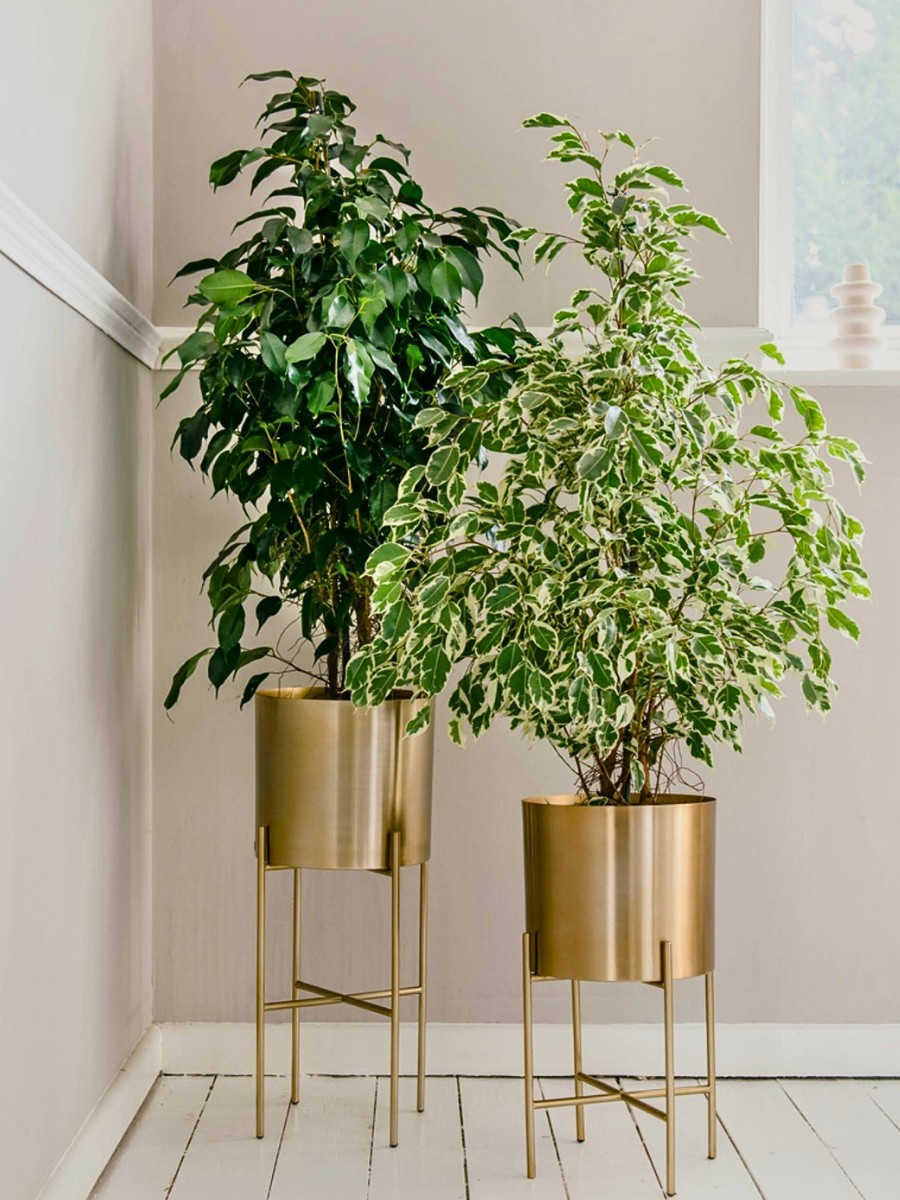
2. Ficus Plant (Ficus Benjamina)

Next on the compilation of 6 plants that will enhance your interior design projects is the lovely ficus plant. Also known as one of the most popular office plants, this vigorous, gorgeous, medium-sized plant is perfect for any indoor environment, as said by interior designers.

To achieve the best results when enhancing your interior design projects, it is recommended to expose the plant to bright, indirect sunlight; however, never exceed the number of hours exposed to the sun. Did you know this plant offers immense air-purifying benefits? 
 

Plants That Enhance Your Interior Design Projects
Ficus benjamina. Photo by @beardsanddaisies


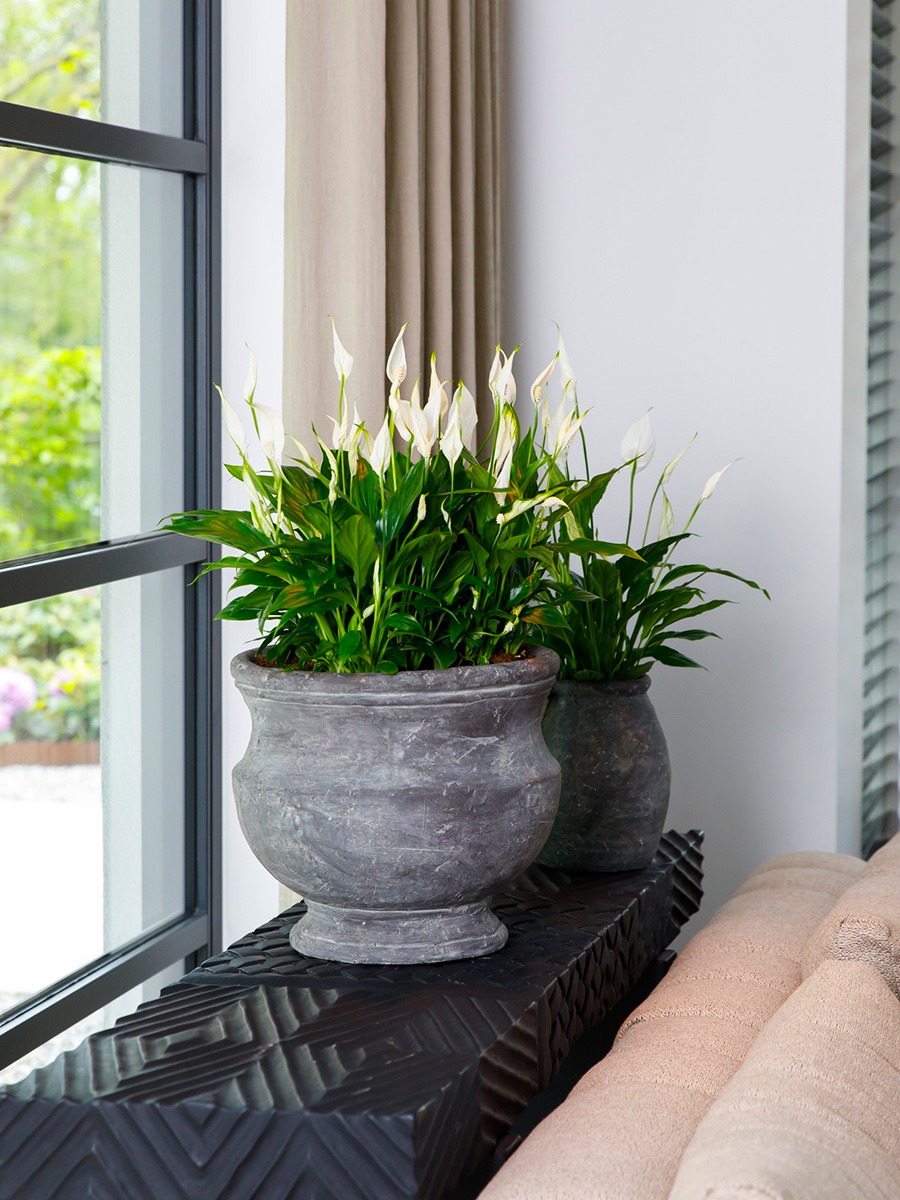
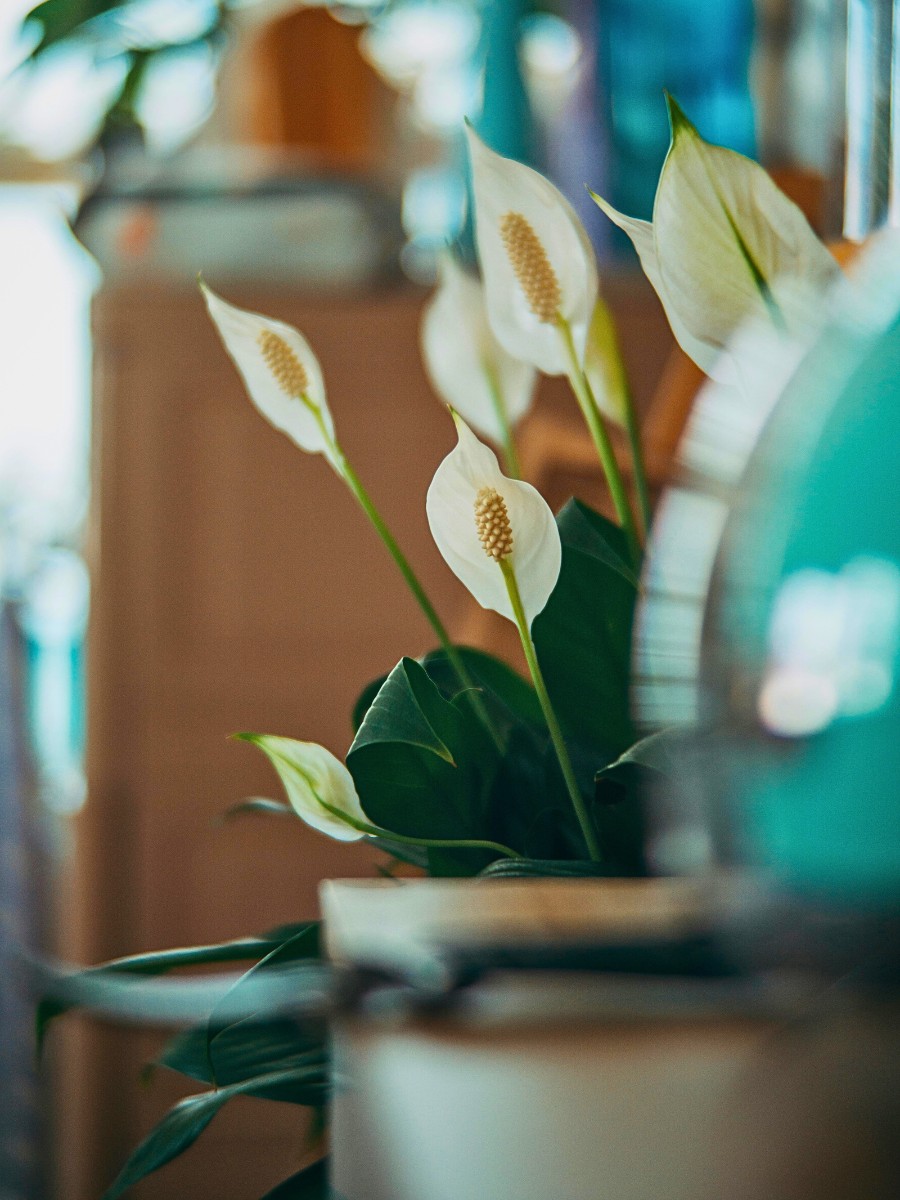
3. Peace Lily (Spathiphyllum)

Spathiphyllum is an elegant, yet neutral plant that will add just the perfect amount of sophistication and delicacy to any corner of your home. The best part? Peace lilies will not disturb any of your current color palettes, as they will really serve as one of the six plants that will enhance your interior design projects with their simplicity and sleek white flowers without disturbing their current color palette.
 

6 Plants That Enhance Your Interior Design Projects
Spathiphyllums by grower Van der Voort Potplanten


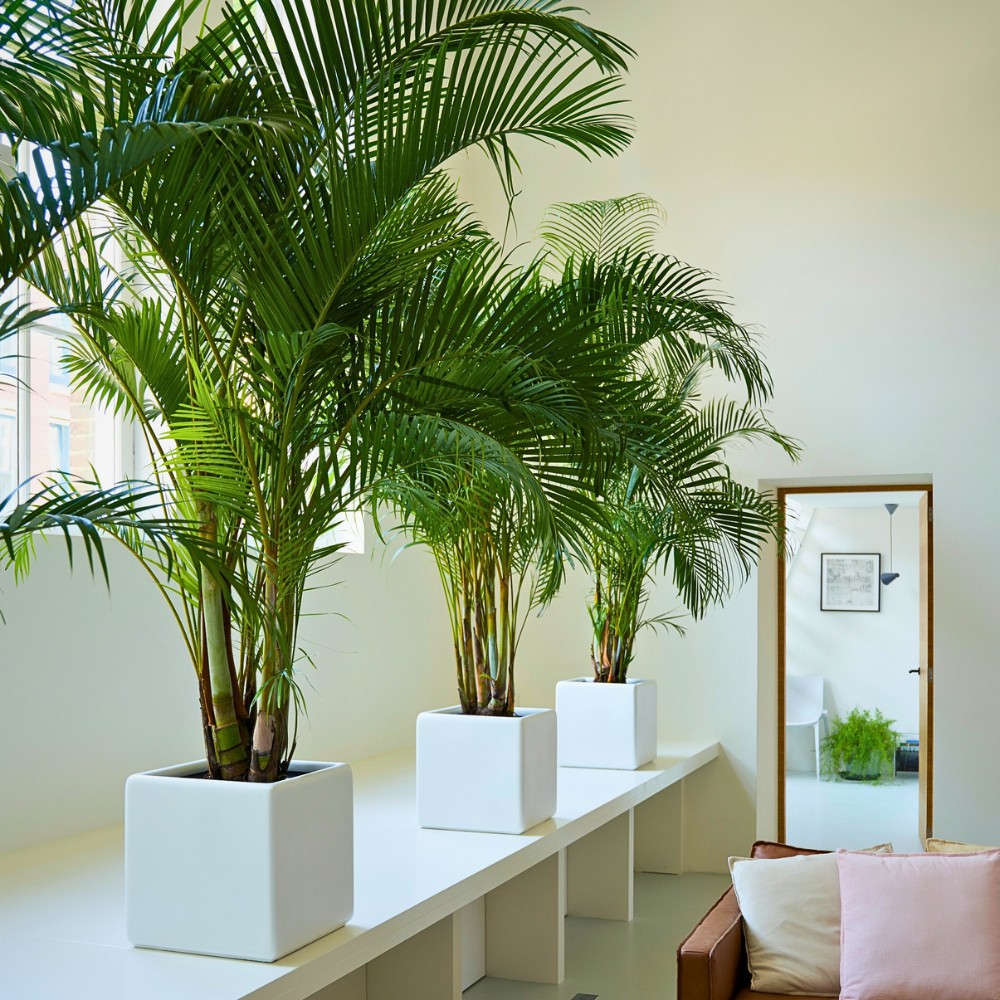
4. Bamboo Palm (Dypsis Lutescens)

Next on the list of 6 plants that will enhance interior design projects is the bamboo palm. This incredible plant will definitely give you the tropical vibes you're looking for, plus it is one of the easiest and lowest-maintenance plants out there. This bamboo palm, often also known as the Areca palm, will certainly make the air conditions of your home better while removing toxins, as well as the benefit of being non-toxic to pets.
 

6 Plants That Enhance Your Interior Design Projects
Bamboo palm. Photo by @lvgplants


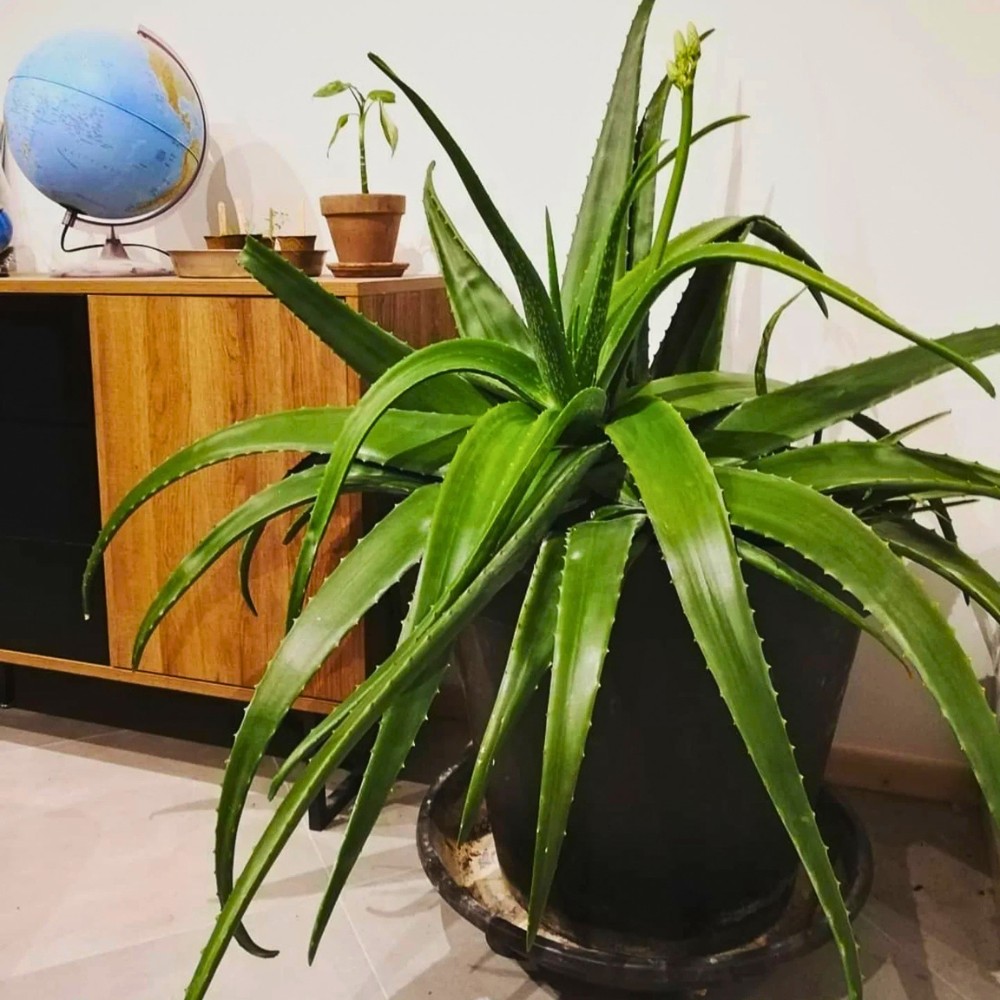
5. Aloe Vera

One of the best indoor plants that has the ability to enhance your interior design projects is Aloe vera. Although small in size, the plant has plentiful positive qualities, like its unique green, spiky appearance, ready to make any space of your house extra unique. It is considered one of the best plants that will enhance your interior design projects while also aiding in filtering carbon dioxide out of the air and releasing large amounts of oxygen into the air during the night.
 

Plants That Enhance Your Interior Design Projects
Aloe vera. Photo by @emy.plants


6. Chrysanthemum

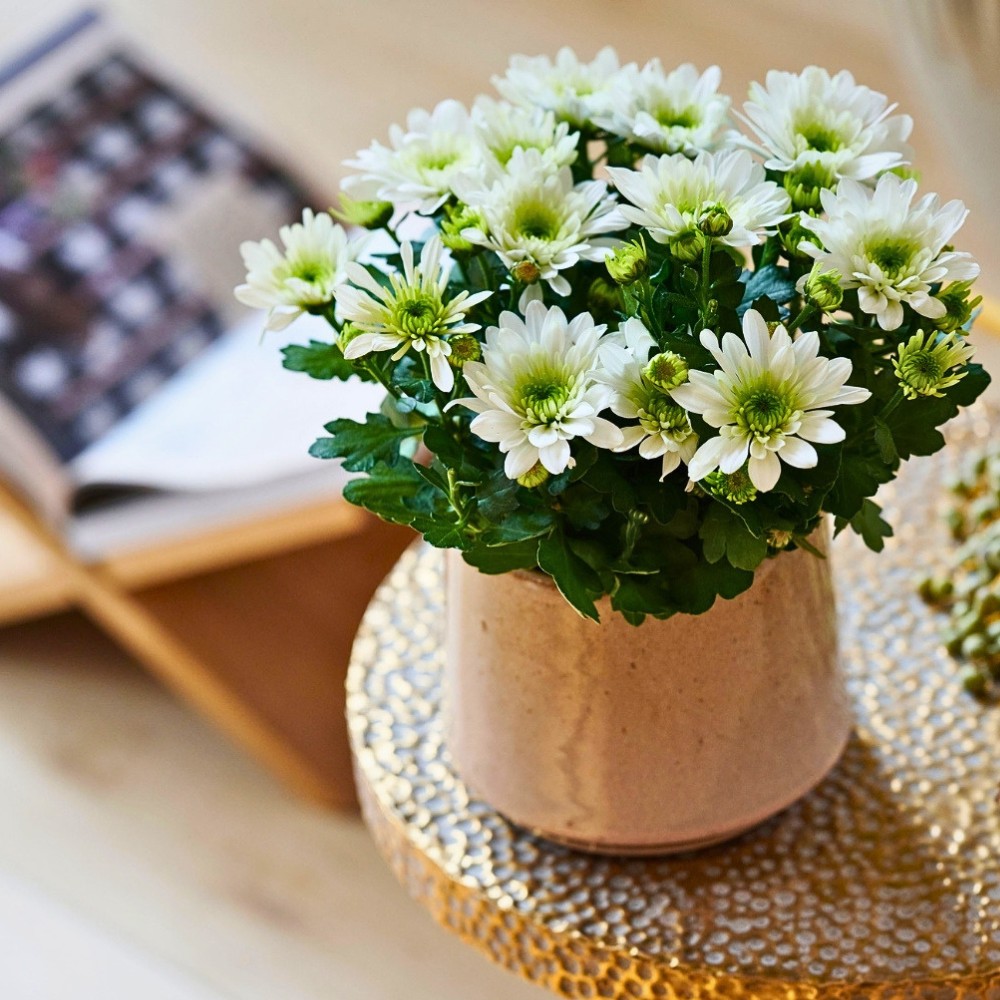
Pot Chrysanthemums are considered by interior designers to be an ideal plant that can enhance your design projects. They offer a wide variety of colors to choose from, which makes them exceptionally unique in their own way. Their bright, cheerful blooms make them the perfect addition of color for any home. As long as they have plenty of water and are in a bright area of your home, they are easy to take care of and will last for an extended period of time.
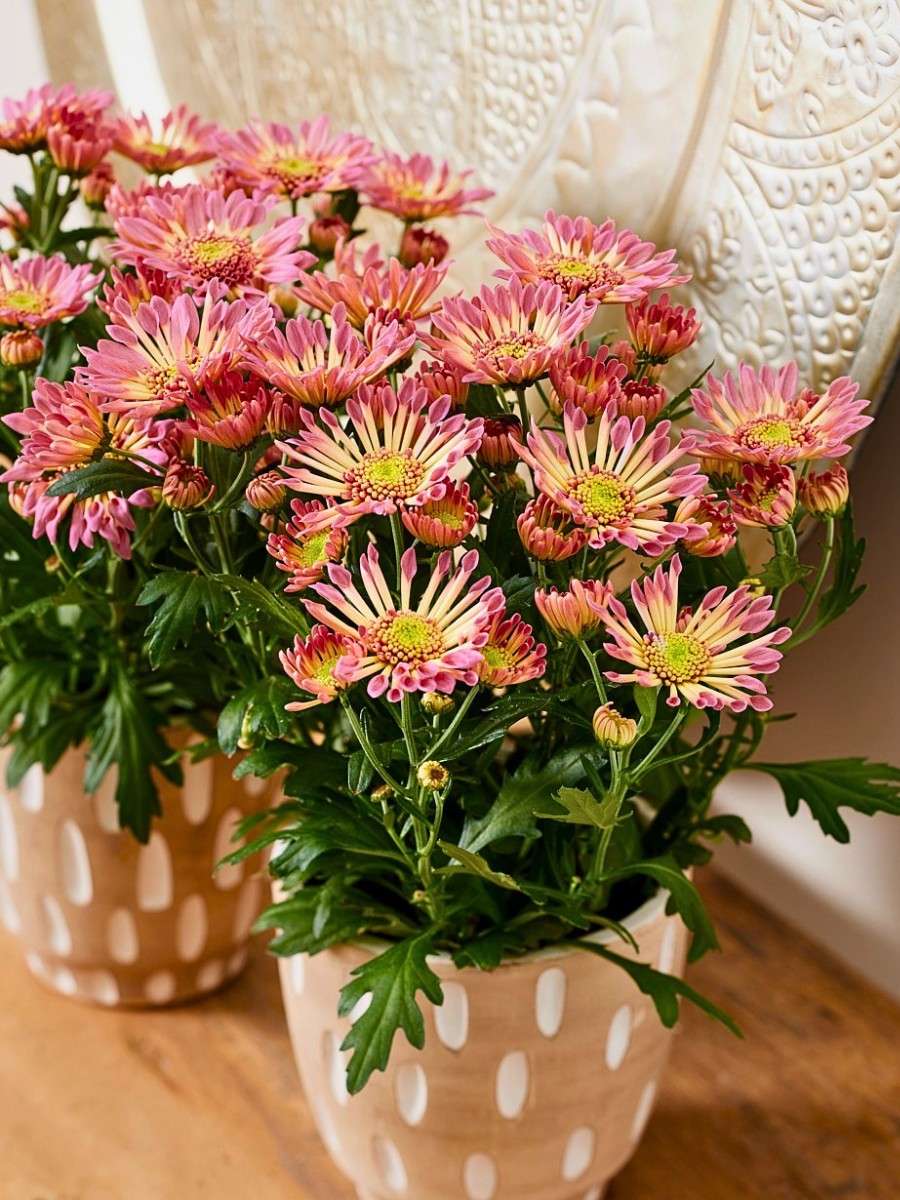
 

6 Plants That Will Enhance Your Interior Design Projects
Sollinea® pot Chrysanthemums from @royalvanzanten


Where to Place These Plants for Maximum Impact

Knowing which plants to bring home is only half the equation. Where you put them determines whether they elevate a space or simply occupy it. The spider plant is at its most dramatic when suspended from the ceiling or on a high shelf, where its arching leaves and dangling spiderettes spill freely downward; a bright bathroom or kitchen is ideal, as it thrives on humidity and indirect light. Ficus benjamina works best as an architectural anchor in a living room or entrance hall corner, its tree-like canopy filling vertical space, and doubling as a natural room divider in open-plan layouts.
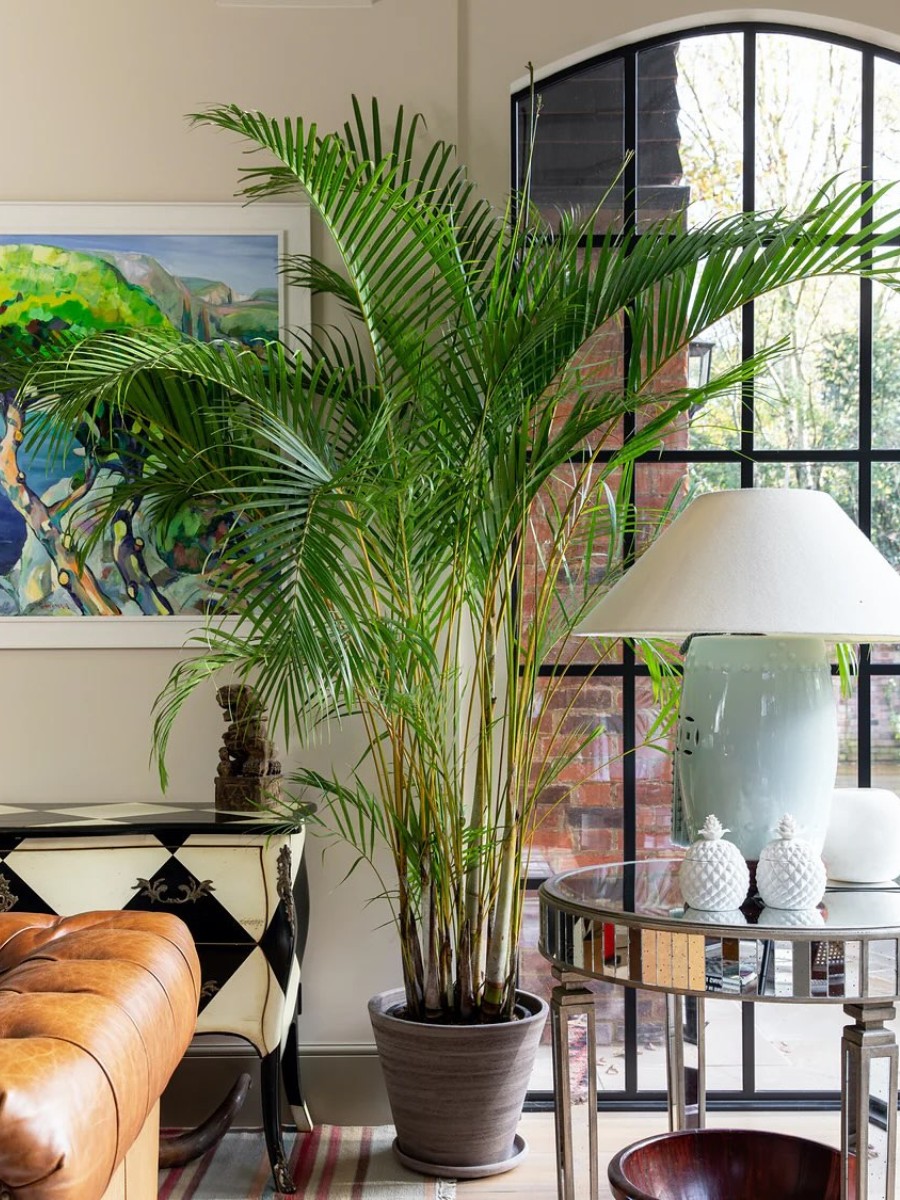
 

Plants That Enhance Your Interior Design Projects
Photo by @plantdroplondon


The peace lily is one of the rare flowering plants that flourish in low light, making it the go-to for hallways, north-facing rooms, or bathrooms where other plants would struggle. Place it low to ground the design. Bamboo palms come into their own when used in multiples: a row of three in graduated pot sizes along a wall or window creates a lush, resort-like atmosphere and works equally well as a natural privacy screen on enclosed balconies.
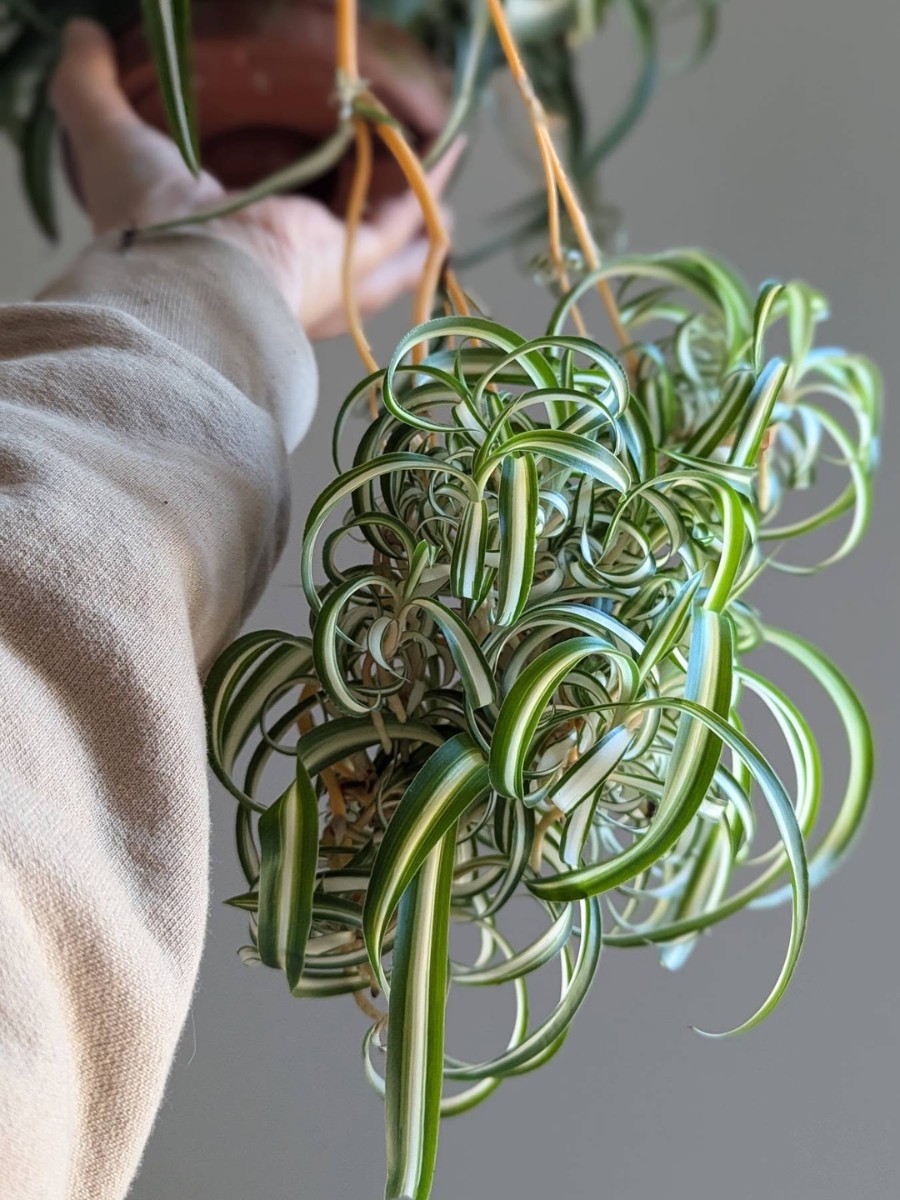
 

Plants That Enhance Your Interior Design Projects
Photo by @thepowerplant.seattle


Aloe vera's compact, sculptural form suits a windowsill or kitchen counter perfectly, and keeping it in the kitchen doubles as practical wisdom since the gel is a well-known remedy for minor burns. Chrysanthemums are best treated as bold seasonal statements: a potted mum on a dining table or entry console makes an immediate impression, and rotating colors with the seasons keeps interiors feeling intentional without requiring a full redesign.
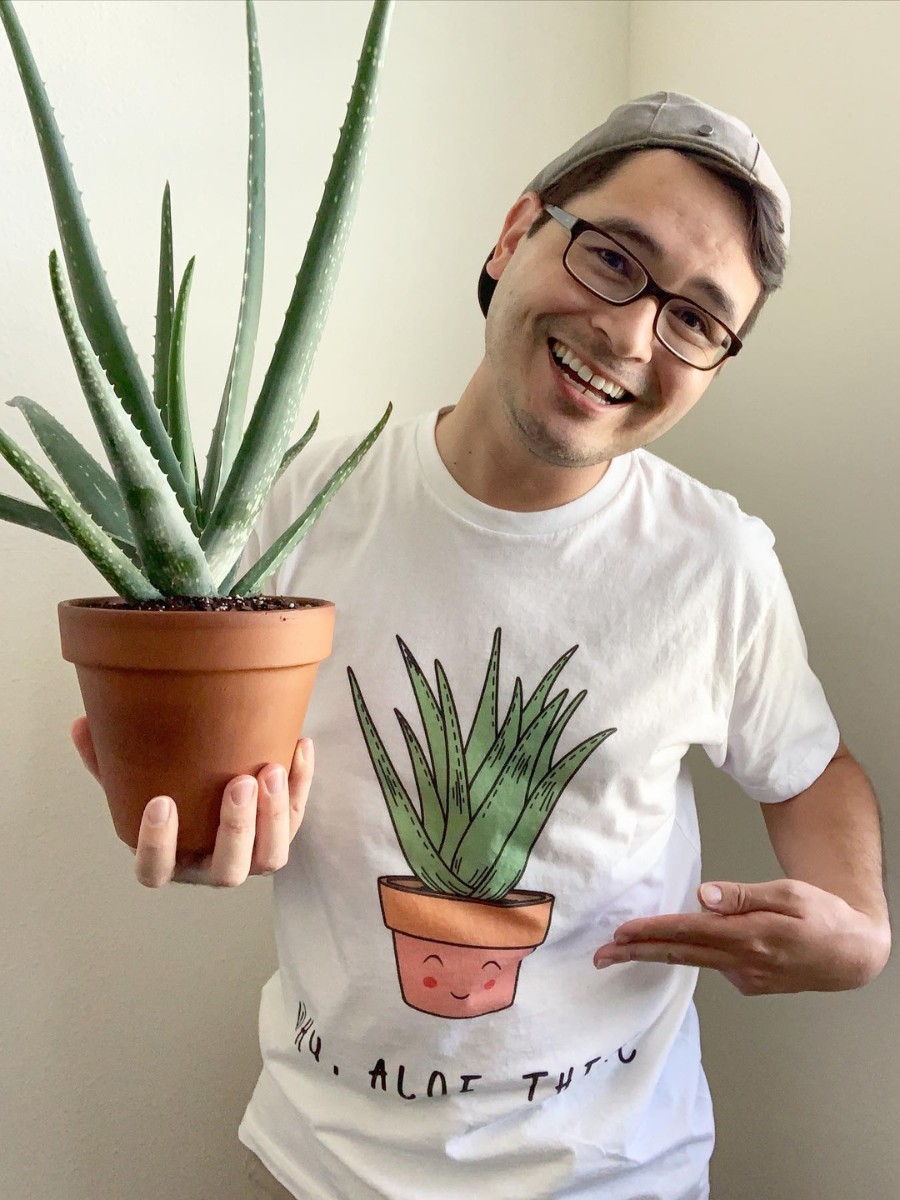
 

Plants That Enhance Your Interior Design Projects
Aloe vera. Photo by @ihugplants


What These Plants Do for You Beyond the Aesthetics

Several of these plants, including the spider plant, Ficus, peace lily, bamboo palm, and Chrysanthemum, were studied and found to absorb volatile organic compounds such as formaldehyde, benzene, and ammonia: chemicals routinely off-gassed by furniture, flooring, paints, and cleaning products.

While you would need a significant number of plants to replicate laboratory-level filtration, real-world research confirms that even modest plant collections can measurably reduce VOC concentrations and raise indoor oxygen levels, producing a sense of fresher air, particularly in smaller or poorly ventilated rooms.
 

6 Plants That Enhance Your Interior Design Projects
Spathiphyllum. Photo by Fox ^.ᆽ.^= ∫


The bamboo palm specimen can release up to one liter of water vapor per day, acting as a natural humidifier during dry winter months and helping to ease dry skin, irritated sinuses, and static buildup. Aloe vera, uniquely among this group, continues releasing oxygen through the night instead of switching to carbon dioxide absorption like most plants, which is an advantage for bedroom air quality and sleep. The peace lily, meanwhile, is recognized for filtering airborne mold spores, making it especially useful in bathrooms or basements where moisture accumulates.
 

6 Plants That Enhance Your Interior Design Projects
Chrysanthemum Belmond by @royalvanzanten


Perhaps most importantly, the psychological benefits of living with plants are now well supported by peer-reviewed science. Research links indoor greenery to lower cortisol levels, reduced heart rate, improved concentration, and faster recovery from mental fatigue. In other words, these six plants do not just make your home look better. They make you feel better, too.


Featured image by @thelecaqueen. Header image by cottonbro studio.
FAQ

Which indoor plants are best for interior design projects in low-light homes?

If your home receives limited natural light, the peace lily (Spathiphyllum) is the standout choice among the six plants featured here. It is one of the very few flowering houseplants that genuinely thrives in low-light and north-facing rooms, maintaining its elegant, dark green foliage and white blooms without direct sun exposure. Spider plants are another excellent low-light option, tolerating shade while still producing their signature trailing foliage.

Both plants are also recognized for their air-purifying properties, meaning they contribute to a healthier indoor environment even in darker rooms. When designing with low-light plants, lean into darker, richer pot colors, like charcoal, terracotta, or matte black, to prevent the overall composition from feeling visually flat.

How do indoor plants actually improve air quality, and is the effect noticeable?

Several of these plants, such as the spider plant, ficus, peace lily, bamboo palm, and Chrysanthemum, were studied by NASA researchers in the 1980s and found to absorb volatile organic compounds (VOCs) such as formaldehyde, benzene, ammonia, and xylene. These compounds are commonly released by furniture, flooring, paints, and cleaning products, and can accumulate to unhealthy levels in poorly ventilated spaces.

While the NASA research was conducted under controlled laboratory conditions (meaning you would need a significant number of plants to replicate those results in a typical home), studies in real-world settings have shown that even a modest number of houseplants can measurably reduce certain VOC concentrations, increase oxygen levels, and raise indoor humidity. The cumulative effect is generally a feeling of fresher, cleaner air, something that many plant owners report noticing particularly in smaller, enclosed rooms.

Are any of these six plants safe for homes with cats, dogs, or young children?

Pet and child safety is a critical consideration when selecting houseplants, and the toxicity profiles of these six plants vary considerably. The spider plant and bamboo palm (Areca palm) are both considered non-toxic to cats and dogs according to the American Society for the Prevention of Cruelty to Animals (ASPCA), making them the safest choices for pet-friendly homes. Aloe vera, while broadly beneficial to humans, is mildly toxic to cats and dogs if ingested and should be kept out of reach.

The peace lily contains calcium oxalate crystals and is toxic to both pets and small children if consumed, causing oral irritation and gastrointestinal discomfort. It should be placed on high shelves or in rooms inaccessible to animals and young children. The ficus can also cause irritation to pets, and chrysanthemums are considered toxic to cats, dogs, and horses. Always verify toxicity information with your veterinarian or a trusted botanical database before introducing a new plant to a home shared with animals or children.

How do I choose the right plant for a specific room or design style?

Matching a plant to a room involves considering both practical conditions (light, humidity, temperature) and aesthetic context (color palette, furniture style, scale). For minimalist or Japandi-inspired interiors, the clean lines of an aloe vera or the delicate foliage of a ficus benjamina work beautifully without overwhelming the space.

For tropical or maximalist rooms, a bamboo palm's lush, layered fronds are a natural fit. The peace lily's muted tones and soft curves complement Scandinavian, coastal, and monochromatic designs, while chrysanthemums are ideal for eclectic or cottagecore spaces that welcome seasonal bursts of color.

On the practical side: always match the plant's light requirements to the actual light conditions of the room rather than the desired aesthetic. A sun-loving plant placed in a dark corner will decline quickly, undermining both its health and the design composition. When in doubt, start with a smaller specimen and observe how it responds to the space before committing to a larger, more prominent placement.

Can indoor plants genuinely affect mood and mental wellbeing, or is that just marketing?

The psychological benefits of indoor plants are well-supported by a growing body of peer-reviewed research and go well beyond marketing claims. Studies published in journals including the Journal of Physiological Anthropology have found that interacting with indoor plants, even simply being in their presence, can reduce physiological stress markers such as heart rate and blood pressure, and lower levels of cortisol, the body's primary stress hormone.

Separate research has linked plant-filled environments to improved concentration, faster recovery from mental fatigue, and greater reported feelings of calm and life satisfaction. The mechanisms behind these effects are thought to include the biophilia hypothesis, the innate human tendency to seek connection with nature, as well as the practical benefits of cleaner air and higher humidity on cognitive function.

In home office and study environments in particular, plants like the peace lily, aloe vera, and spider plant have been associated with measurable improvements in focus and productivity. In short, the science supports what plant lovers have long intuitively known: living with plants is genuinely good for you.

YOU MAY ALSO LIKE

Houseplant Lighting Guide: Your Low Light Care Guide for Houseplants and Air Purifying Houseplants Low Light Care Guide.
How Much Light Do Your Plants Need? Here’s a Detailed Houseplant Lighting Guide
Outside of Kew Gardens featured
Royal Botanic Gardens of Kew – A Bucket-List Garden to Add to Your Destinations
Hoya Archboldiana
Hoya Archboldiana – Growing the Papua Wax Plant at Home
Mint and lavender healing plants
These 8 Healing Plants Are Essential to Have on Hand According to Experts
Joey Palm Tree
The Ultimate Guide to Grow and Care for Joey Palm Tree a.k.a. Johannesteijsmannia Altifrons
The​se Are the Easiest Houseplants to Propagate
Here Are Seven Houseplants That Are Easiest to Propagate
Indoor Plants
Mar 17 | 7 min read
four phones with a thursd page open

Can't get enough?

Subscribe to the newsletter, and get bedazzled with awesome flower & plant updates

Sign up