If you have spent some time around houseplants (especially if you are still a novice), you have almost certainly wondered whether the plant you have in your home is a Philodendron or a Monstera because some look extraordinarily similar. Plus, they come from the same plant family, and people mix them up all the time, sometimes even seasoned growers.
But these two genera are really distinct, with different origins, leaf structures, growth habits, and oftentimes different care profiles. In that case, there are a few things you’d want to know, albeit to easily (or finally) tell them apart.
They Share a Family, but Not a Genus
Both Philodendron and Monstera belong to the family Araceae (Aroids), the same large botanical clan that also includes other plants like Pothos, Alocasia, and Anthuriums. That common lineage is a big part of why they look very similar and why so much confusion continues about them.
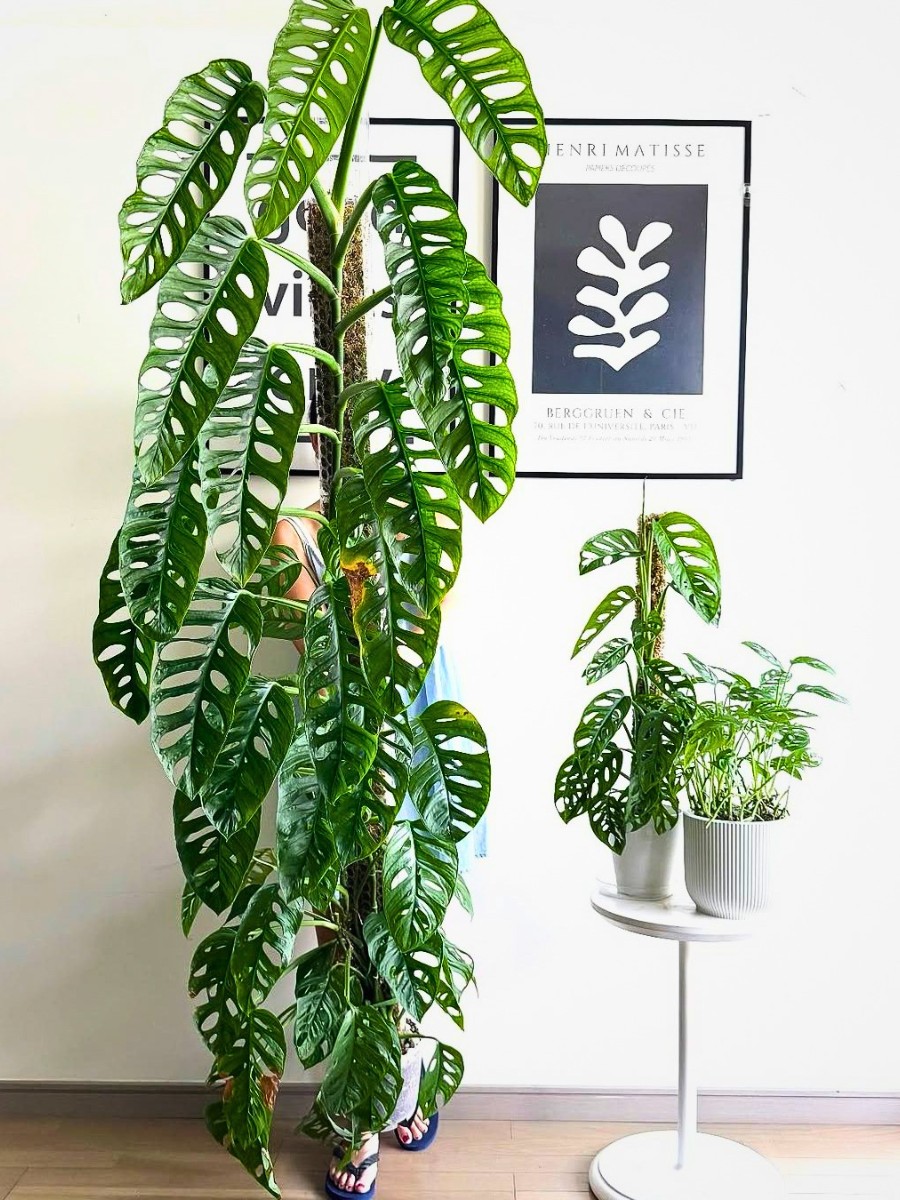
The key distinction is, however, at the genus level. Monstera is its own genus, comprising roughly 50 known species, all native to tropical regions of Central and South America. Philodendron, on the other hand, is one of the largest genera in the entire plant kingdom, with anywhere from 400 to 500 accepted species, and even some hybrids.
This great diversity within the Philodendrons is quite remarkable, ranging from compact, self-heading varieties to sprawling climbers with leaves that can reach the size of a dinner table. So when someone tells you their ‘Split Leaf Philodendron’ is a Monstera, they are nearly half-right about the mix-up.

Plants like Thaumatophyllum bipinnatifidum (tree Philodendron, previously classified as Philodendron bipinnatifidum, and still widely sold under that name) were once grouped with Philodendrons but are now placed in their own genus, which only heightens the tangle of common names.
The Leaf Is Your Best Cue and Clue
A useful way to separate these houseplants is by the leaves. So, if you want a reliable way to tell a Philodendron from a Monstera in everyday settings, start with the foliage because this is where the differences are most visible.
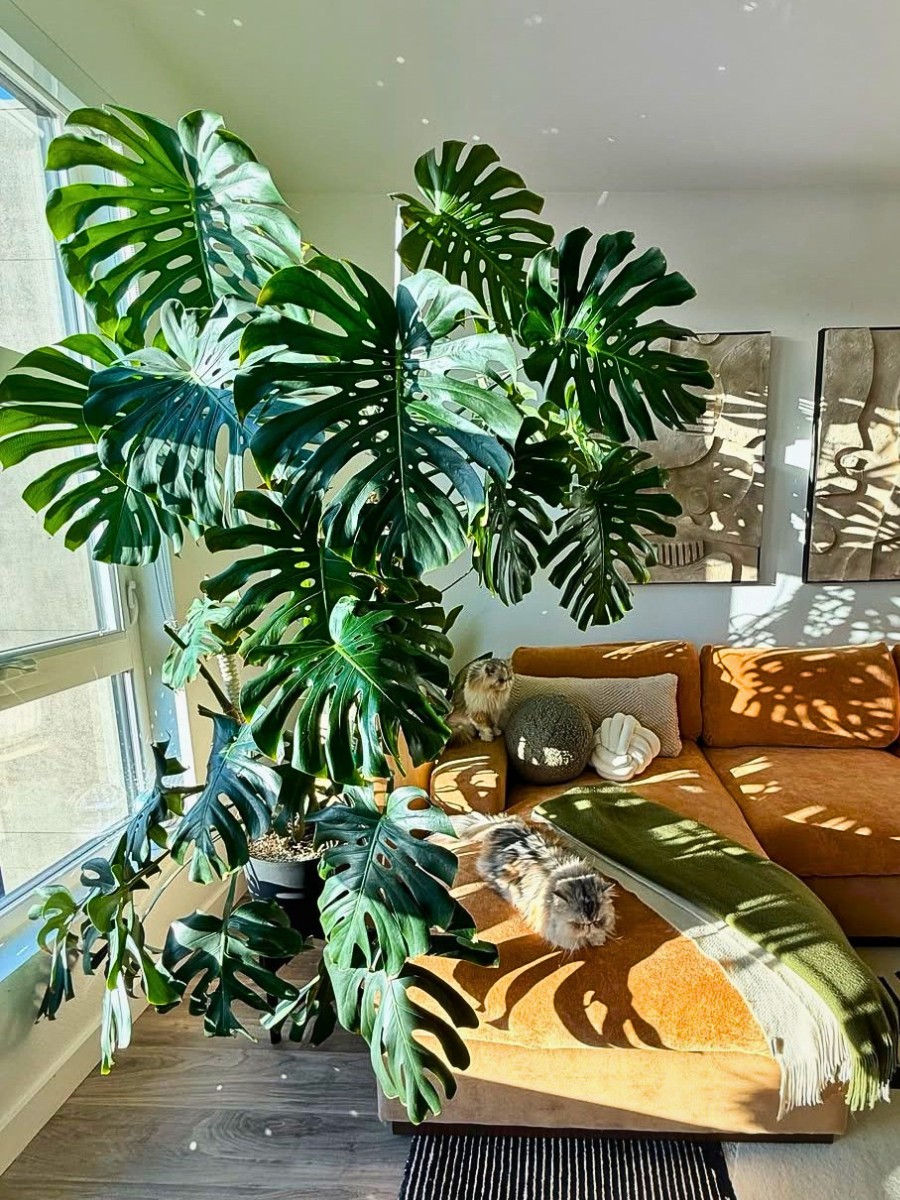
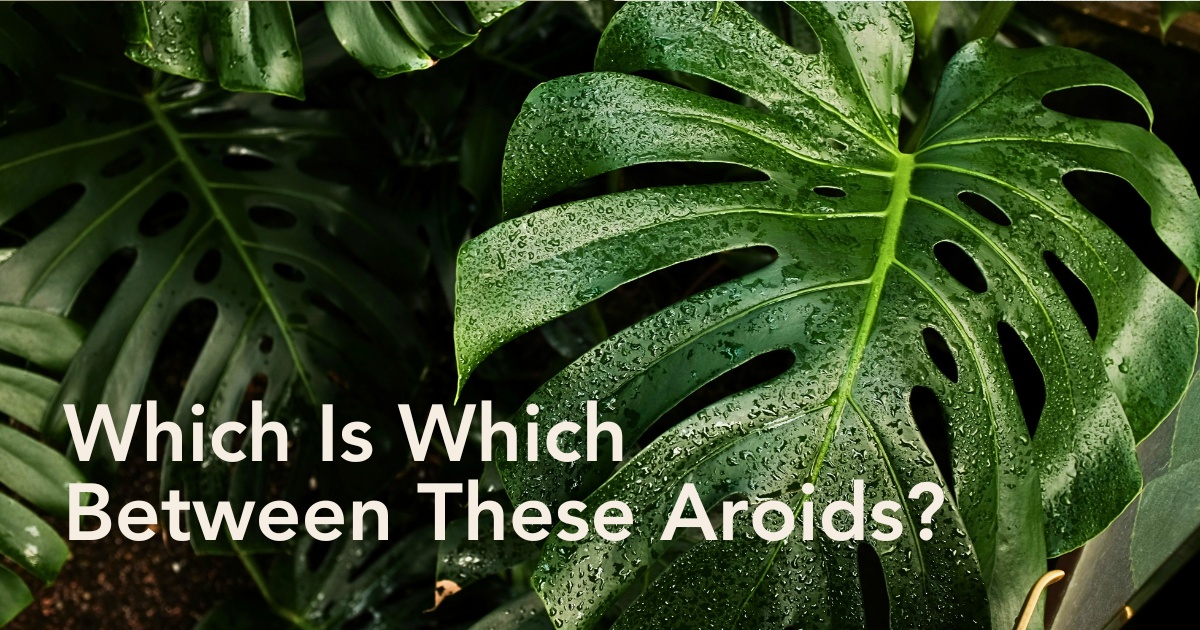
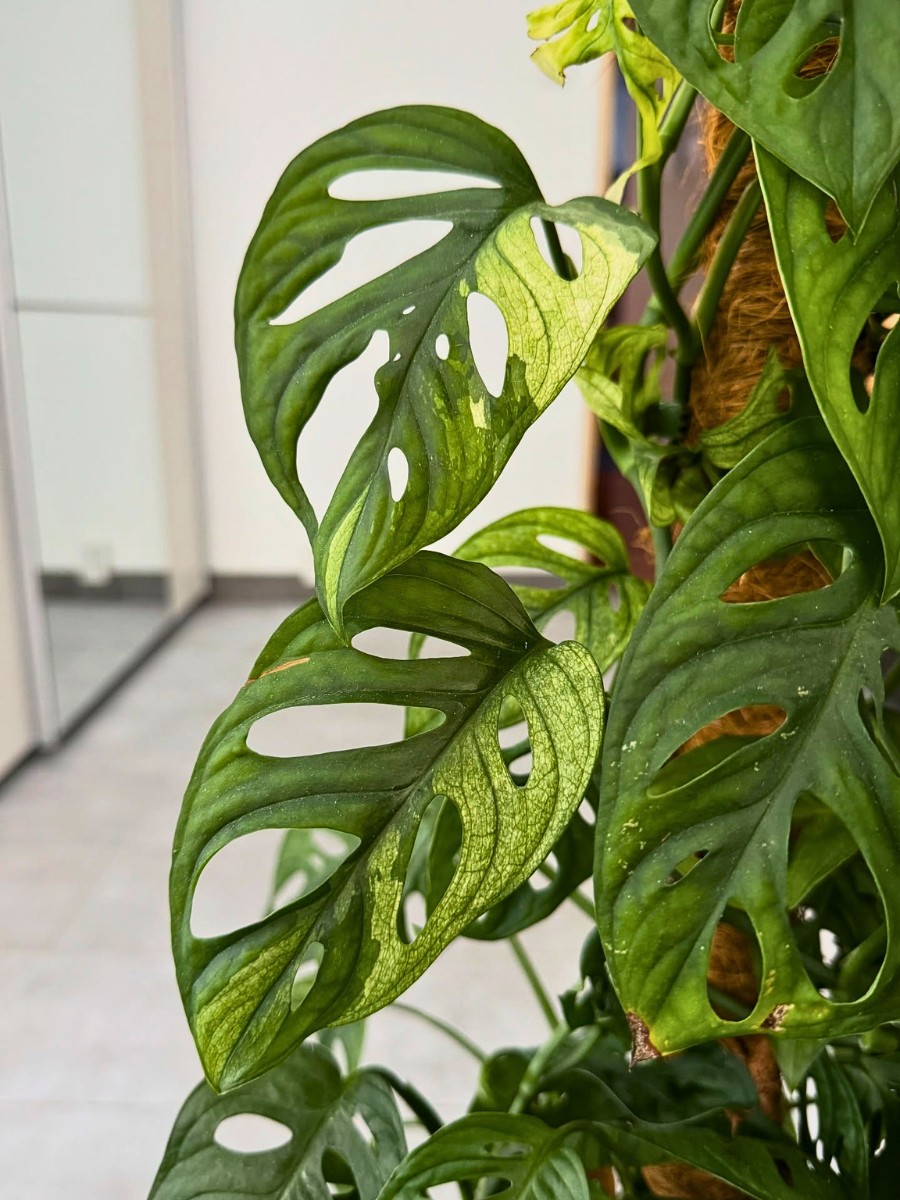
Monstera leaves are famous for their fenestrations, those distinctive holes and deep splits that run through the blade of the leaf. These fenestrations are not only decorative quirks, but in the wild, they are thought to help Monstera leaves withstand heavy rainfall and allow light to filter through to the lower parts of the plant.
The Monstera deliciosa, perhaps the most recognized houseplant in the world, develops these perforations as it matures. Young plants tend to produce solid, heart-shaped leaves, and the characteristic splits and holes only develop as the plant matures and ages.
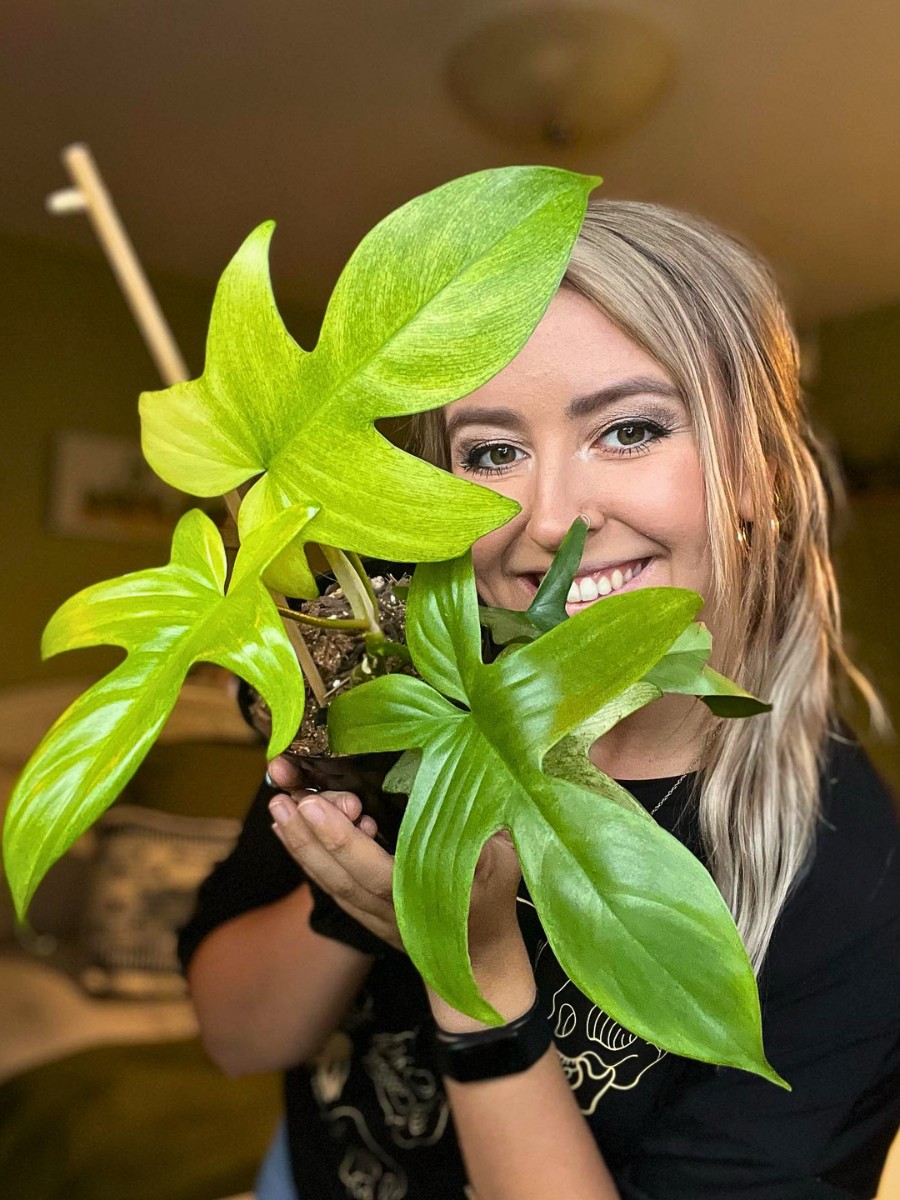
Philodendron leaves, by contrast, are typically whole and unperforated. Most species produce smooth, glossy foliage without fenestrations. There are exceptions, of course. Some Philodendrons may have split or lobed leaves, but they usually do not form the same hole pattern.
These Philodendrons develop lobed or deeply divided leaves as they mature, which is precisely what causes so much confusion. But as a general rule, if you see holes punched through the leaf blade (not just cuts from the margin inward), you are almost certainly looking at a Monstera.
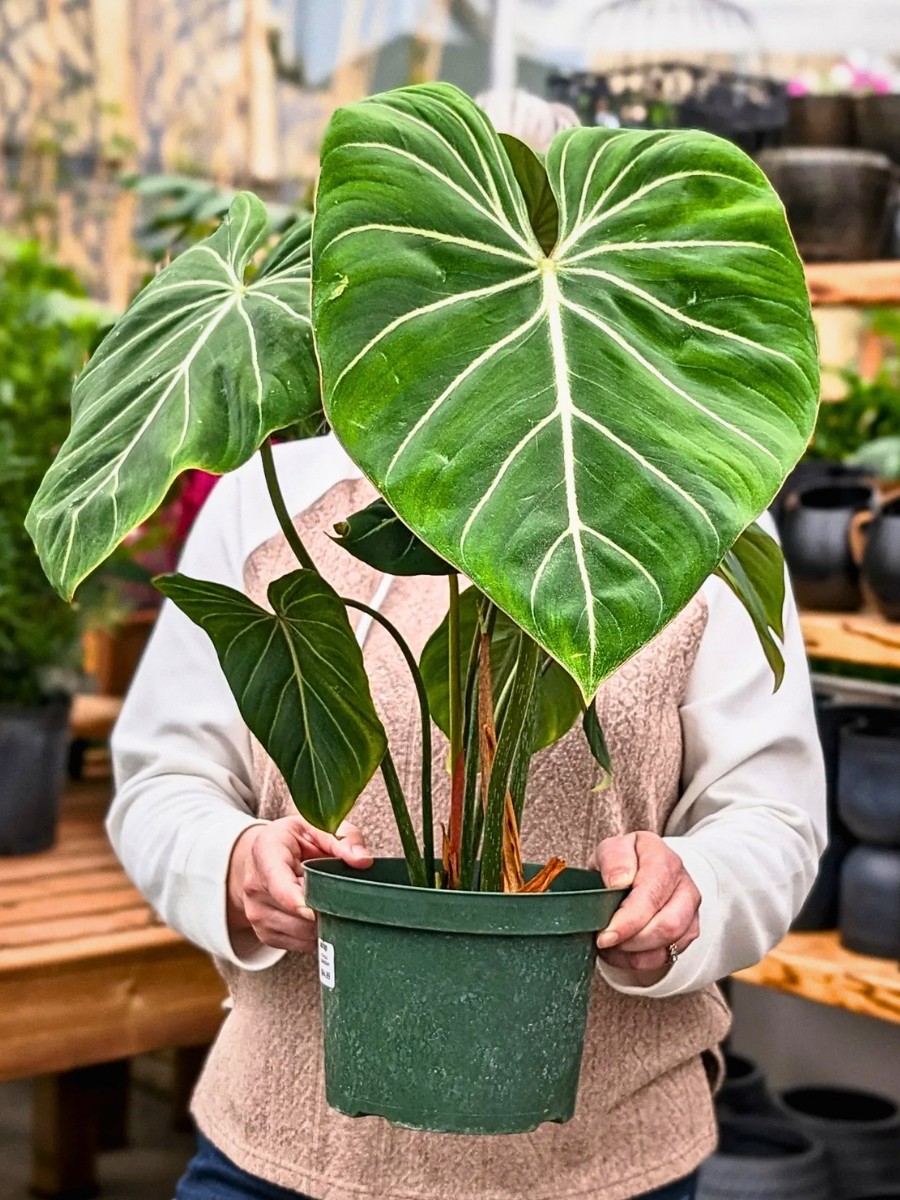
Leaf texture and sheen also differ. Philodendron leaves often have a slightly velvety or matte surface, particularly in species such as Philodendron gloriosum and Philodendron melanochrysum. But Monstera leaves tend toward a waxier, leathery finish.
Their Climbing vs. Spreading Growth Habits
Both genera include climbing species, but they tend to climb differently and for different reasons. Monsteras are hemi-epiphytes. They begin life on the forest floor, and then climb toward light using aerial roots that grip bark and absorb moisture from the air. The climbing behavior in the Monstera adansonii (the Swiss Cheese Vine) and the Monstera deliciosa is quite purposeful and vigorous. If you give a Monstera a moss pole, it will naturally take to it enthusiastically.
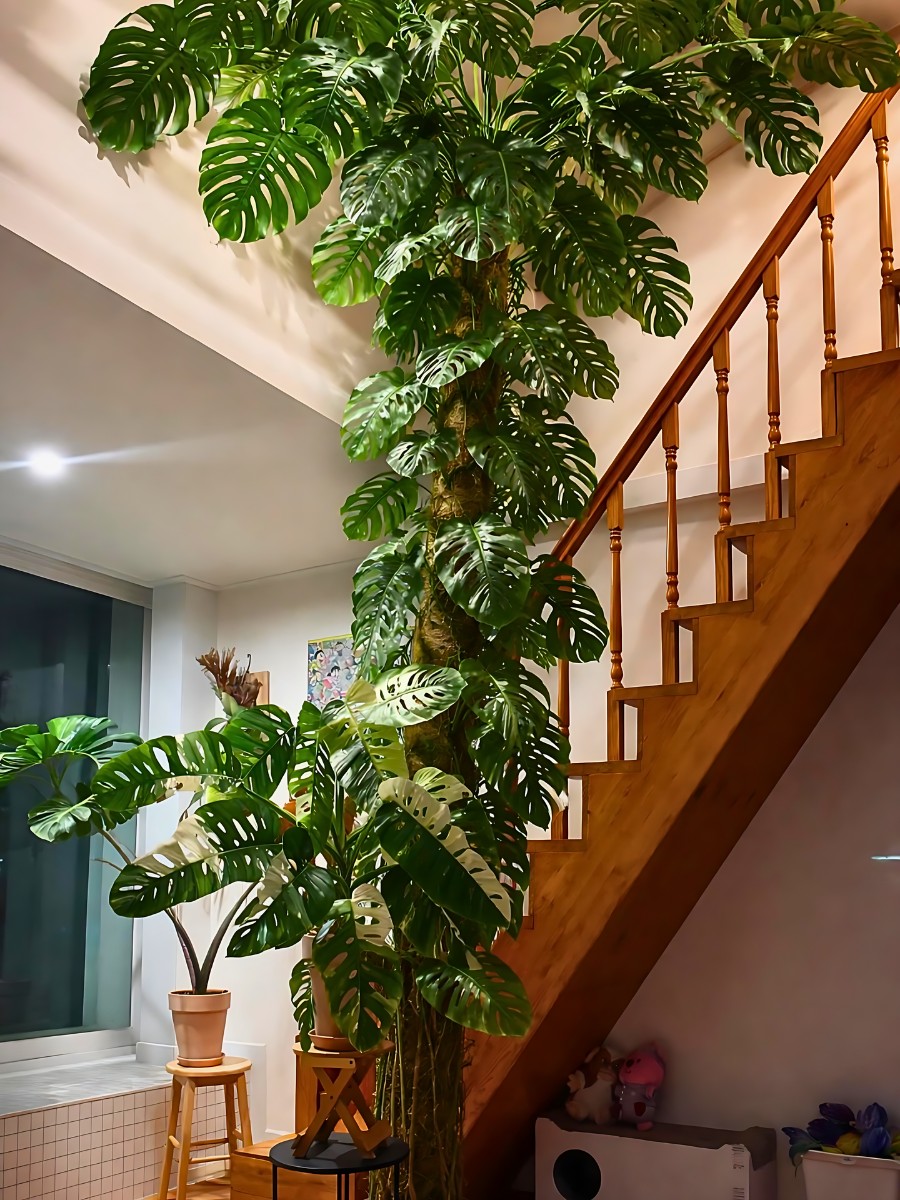
While Philodendrons also climb, the genus includes a much wider range of growth forms. You have vining species like the Philodendron hederaceum (the classic Heartleaf Philodendron), self-heading upright varieties like the Philodendron Prince of Orange, and tree-like spreading forms. This diversity means that trying to identify a plant as a Philodendron based on growth habit alone is unreliable because the genus contains too much variety.
Care Regimen Is More Similar Than Different
The good news for anyone growing both is that their care requirements overlap considerably. Both Philodendrons and Monsteras prefer bright, indirect light, well-draining and airy soil mixes, reliable moisture without waterlogging, and warm temperatures that stay well above 10°C (50°F). Both perform well with moderate to high humidity, which is mostly due to their tropical origins.
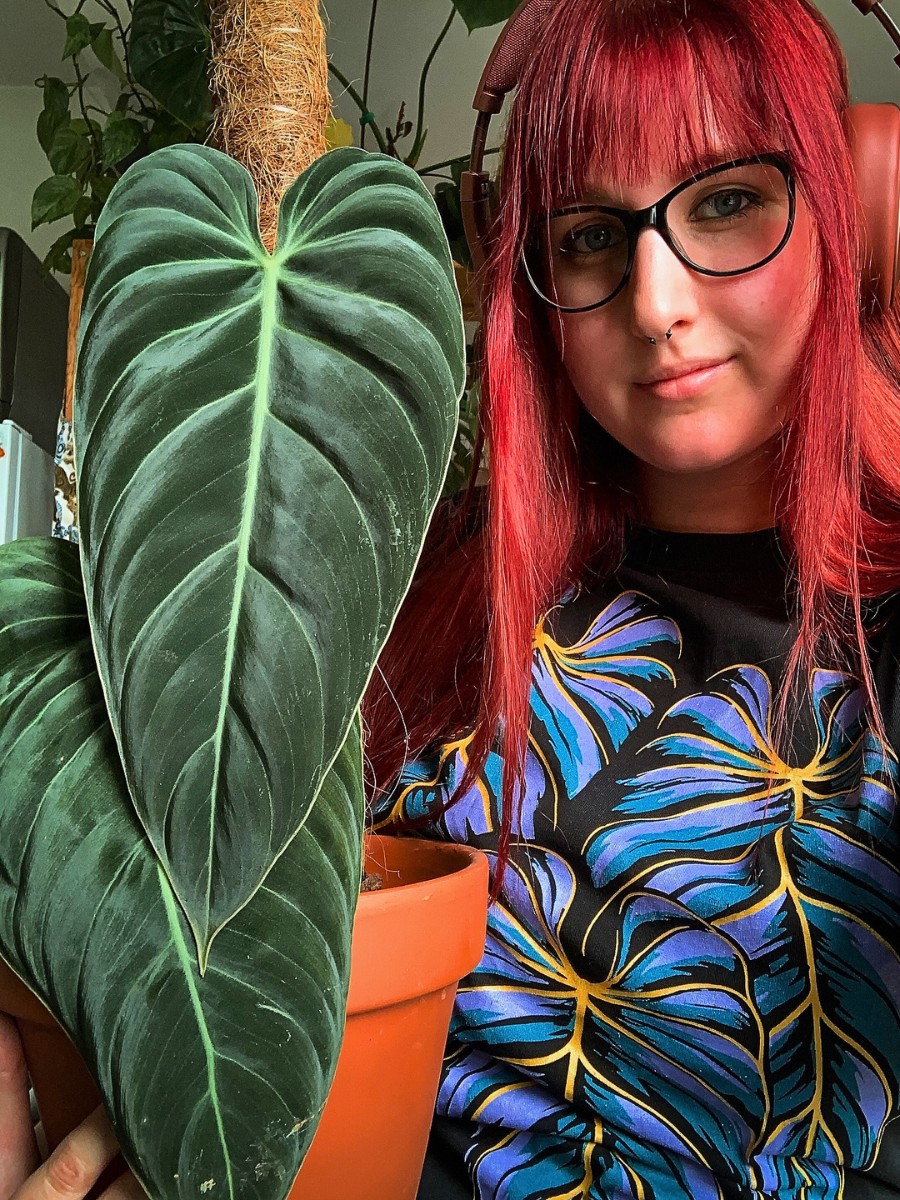
Where they diverge slightly is in their tolerance for neglect. Philodendrons, especially the more common varieties like the Heartleaf, are famously forgiving. They tolerate lower light and irregular watering better than most Monsterras. Monstera, particularly the rarer or variegated types, tend to be more sensitive to suboptimal conditions and slower to recover when stressed.
But fertilizing both during the growing season with a balanced liquid fertilizer results in faster growth and healthier foliage. Both plants also do well with being repotted every year or two as they mature.
Why the Confusion Often Carries On
The common name problem might perhaps not go away anytime soon. For instance, ‘Split Leaf Philodendron’ is used to describe plants in at least three different genera. ‘Swiss Cheese Plant’ refers primarily to Monstera deliciosa but gets applied to the Monstera adansonii and even to Rhaphidophora tetrasperma, which is neither a Monstera nor a Philodendron but looks like both. Sometimes, when you buy plants at a general retail nursery and not a specialist grower, the labels are often wrong, mixed, or imprecise.
The most reliable solution is to learn to identify by botanical name, leaf characteristics, maturity pattern, and climbing habit instead of their common names. Once you have seen a true Monstera fenestration up close and compared it to the solid, glossy surface of a Philodendron hederaceum leaf, the distinction would be relatively intuitive and much quicker.

Notable Varieties Worth Knowing
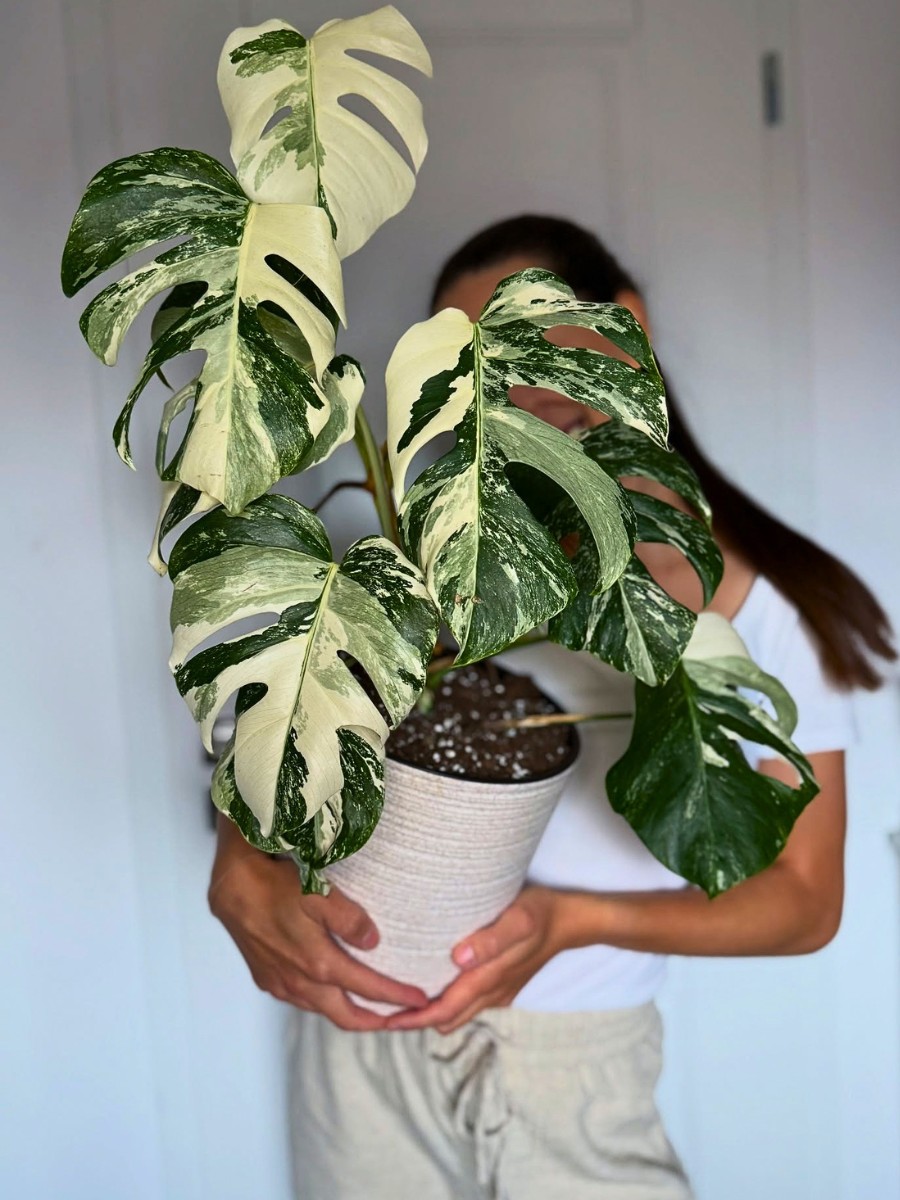
On the Monstera side, the Monstera deliciosa is the definite household name. Its variegated counterpart, the Monstera deliciosa Albo Variegata, is one of the most sought-after and expensive houseplants in circulation; single cuttings have sold at auction for thousands of dollars.
The Monstera adansonii, sometimes called the Swiss Cheese Vine, is a more compact climber with smaller, heavily perforated leaves that suit smaller spaces well. For collectors with serious enthusiasm, the Monstera obliqua Peru is widely considered one of the rarest and most demanding Monsteras of all. It is notable for its foliage that seems to have ‘more holes than leaves.’
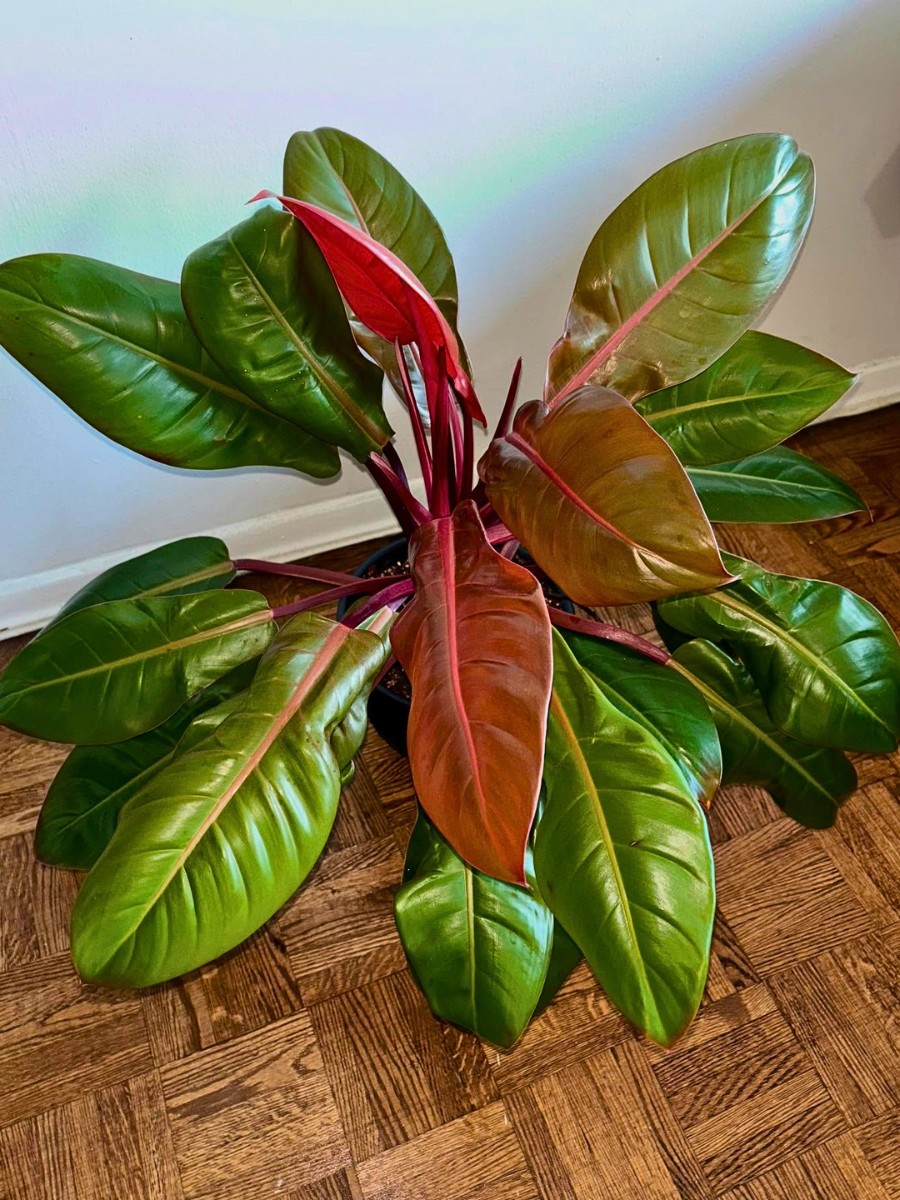
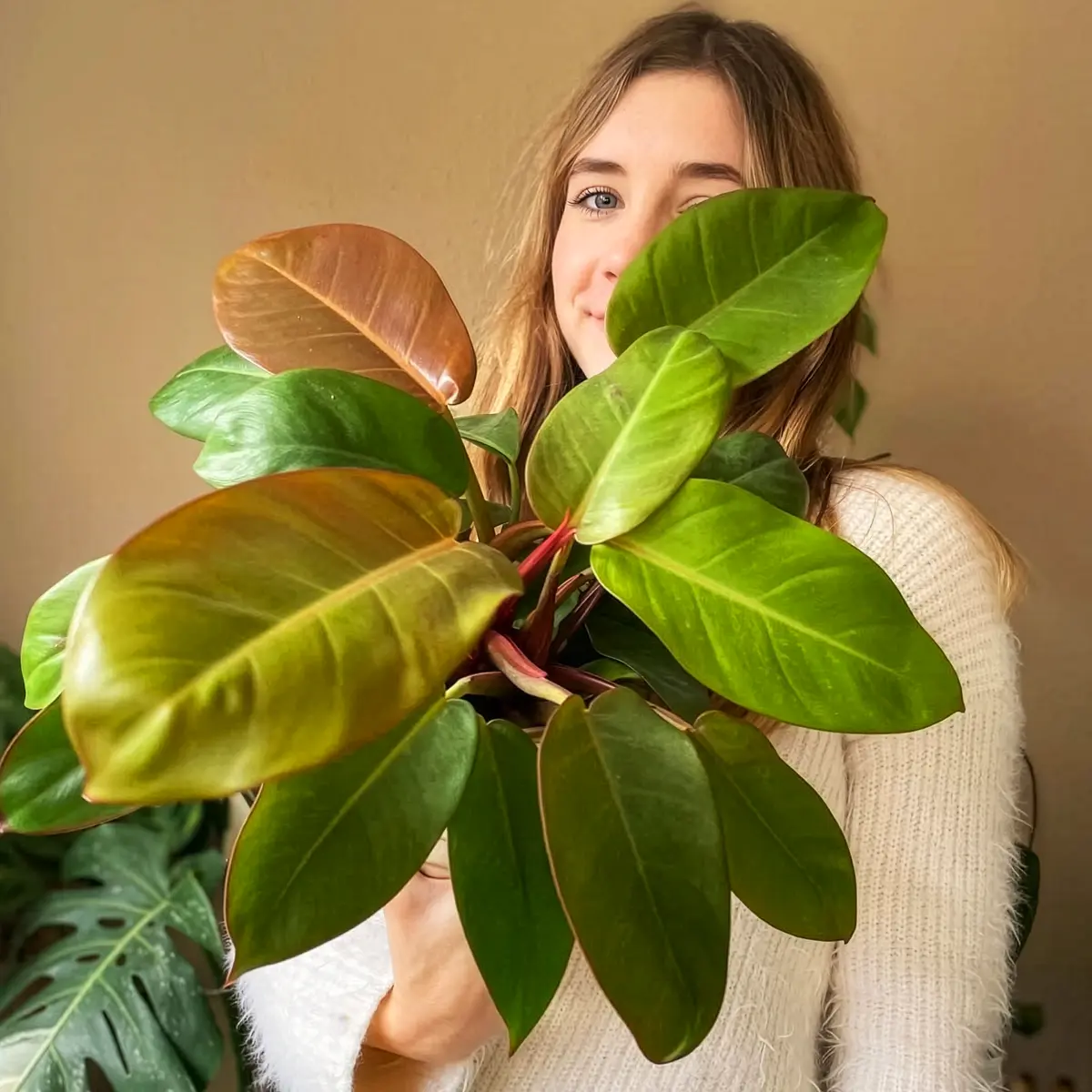
On the Philodendron side, the Philodendron Pink Princess has charmed collectors with its dramatic, dark green, and bubblegum-pink variegated leaves. The Philodendron Prince of Orange gets its name from leaves that emerge bright orange and gradually deepen to green as they mature. This color profile develops continuously throughout the growing season.
The Philodendron Ring of Fire is also a striking cultivar, believed to be a hybrid of Philodendron wendlandii and Philodendron tortum. It has serrated, multi-colored foliage in shades of green, orange, red, and yellow.
Choosing Between the Two
If you are deciding which one to bring into your home, the choice really comes down to what you are looking for aesthetically and how much attention you want to give your plants. Monstera make a bold, architectural statement. The large, perforated leaves of a mature Monstera deliciosa or the delicate, hole-filled fronds of a Monstera adansonii are really spectacular and tend to be focal points in a room. If you, therefore, want drama and have good light, a Monstera is hard to argue against.
Philodendrons, on the other hand, offer more variety. You can find a Philodendron for almost any space, light level, or aesthetic preference. They are also, as a rule, easier to keep happy and contented. For newer plant parents or anyone who wants lush foliage without a steep learning curve, a Philodendron is an excellent place to start.
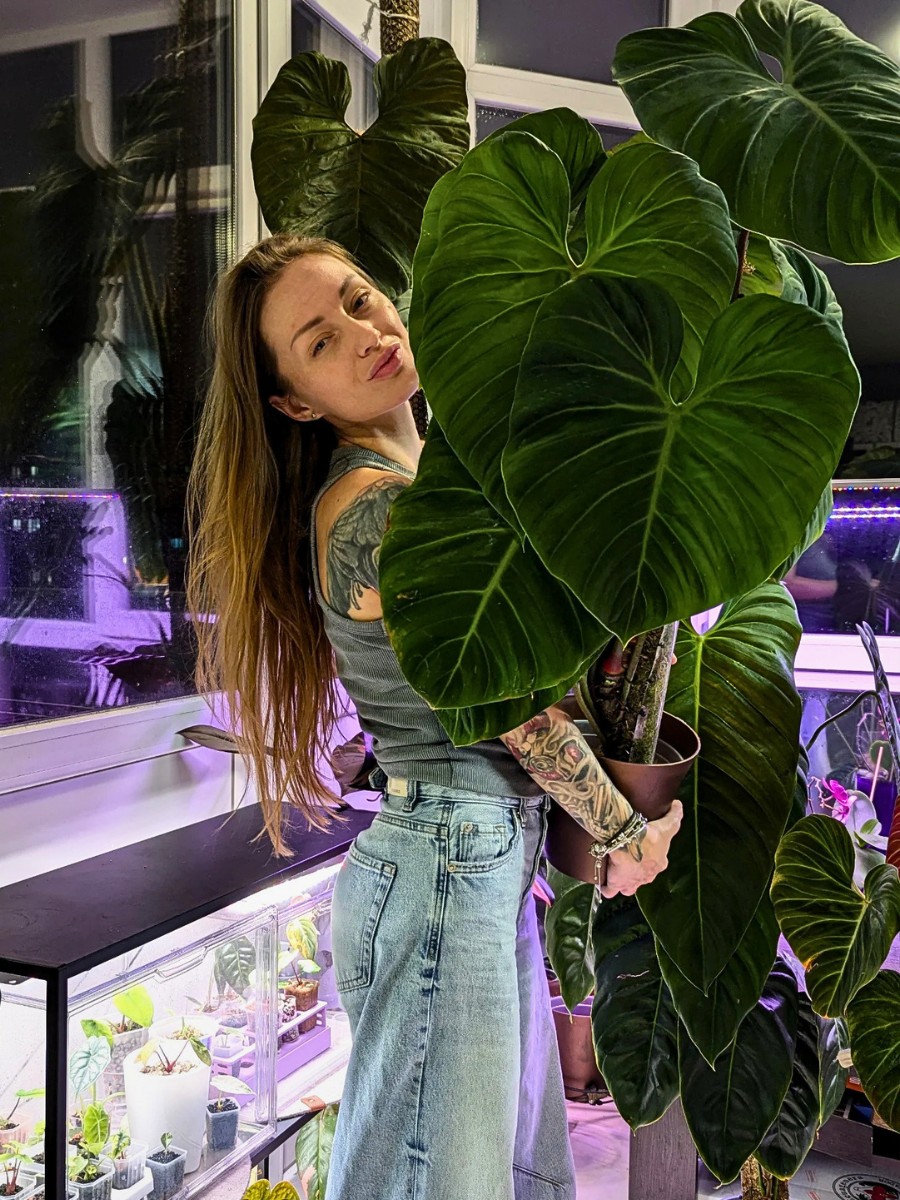
In practice, Monstera usually means larger leaves with fenestrations and a stronger climbing habit, while Philodendron encompasses a wider range of leaf forms, many of which are split but not necessarily hole-filled. Both aroids are excellent foliage plants, but they serve slightly different design needs. Monstera gives a room a fuller, more dramatic structure, while Philodendron often brings softer movement and easier placement. Both are, nonetheless, worth growing as houseplants.
Featured image by @plants_in_love_k. Header image by Lukas Juhas.