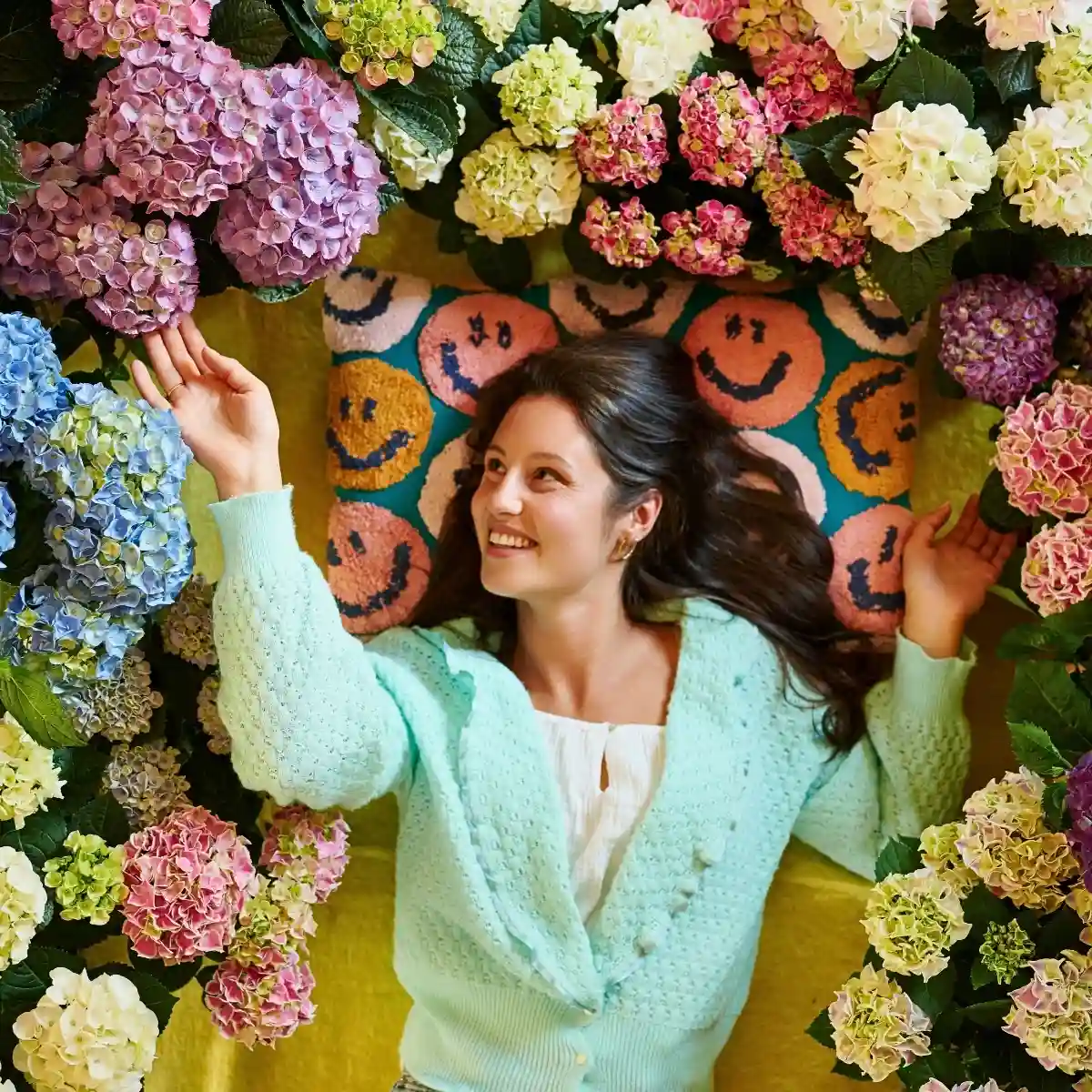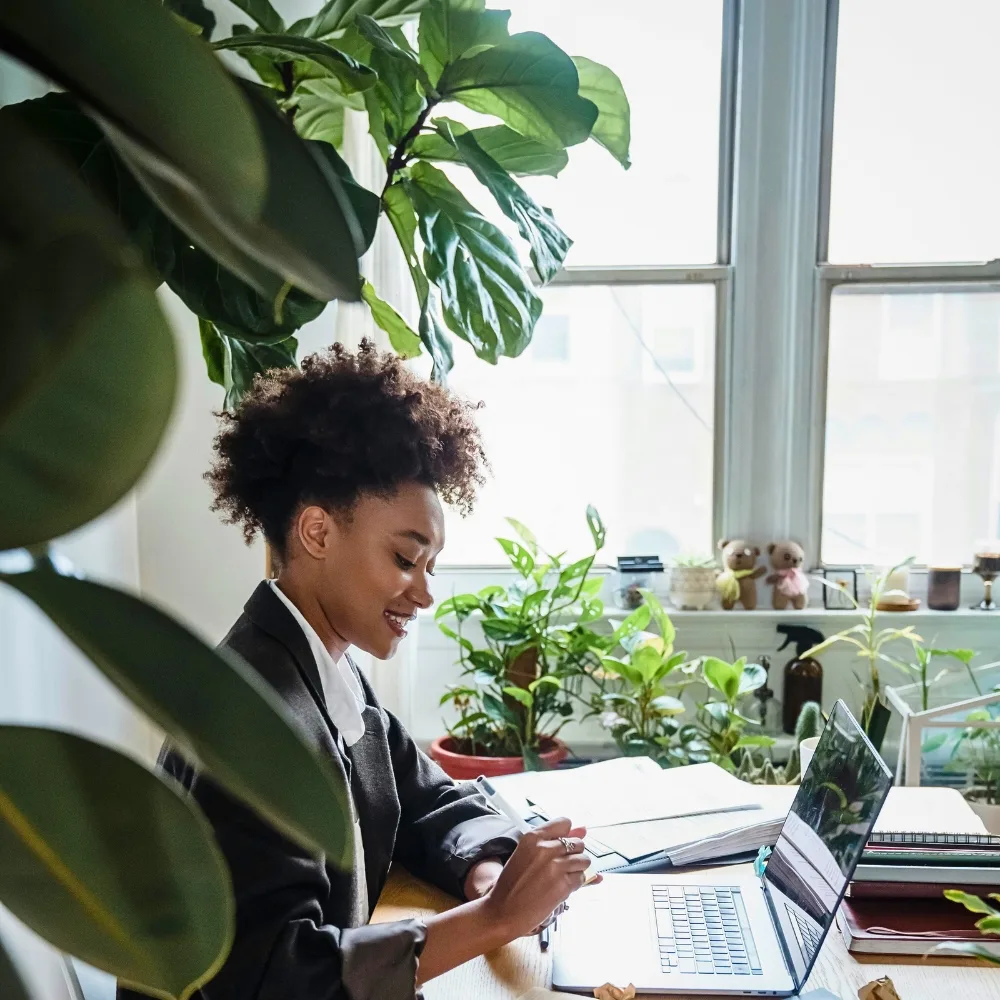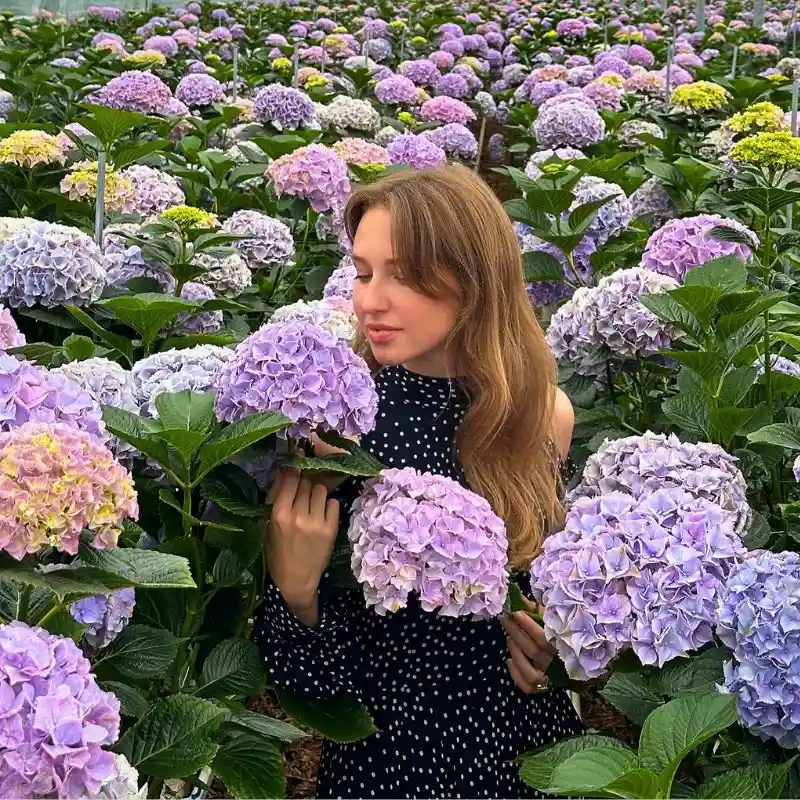
Flowers are often brought into a space for visual appeal, but their impact goes further than what is seen at first glance. The presence of flowers in everyday environments influences how people think, feel, and respond to their surroundings. Whether placed on a work desk, a bedside table, or in shared living spaces, flowers quietly shape the emotional tone of a room.
Floral therapy builds on this idea by focusing on the intentional use of flowers to support mental and emotional well-being. It is not about decoration alone. It is about how people interact with flowers daily and how those interactions can improve mood, reduce stress, and create a more balanced state of mind. Continue reading to understand how floral therapy works and why it holds real value today.
What Is Floral Therapy and Why Does It Matter Today?
Floral therapy refers to the use of fresh flowers and plants to influence emotional and psychological well-being. It is grounded in the connection between humans and nature, where even small, consistent exposure to natural elements can improve how people feel and function. In modern life, where most time is spent indoors and often in high-pressure environments, this connection becomes even more important. Bringing flowers into these spaces is a simple but effective way to reintroduce a sense of calm and presence.
Floral therapy does not require large gestures. A single arrangement or a few stems can shift the atmosphere of a room and create a more supportive environment for focus and relaxation. This is why flowers are increasingly used not only in homes but also in offices, hospitality spaces, and wellness settings. Their role has moved beyond aesthetics into something more functional and intentional.
The Science Behind Floral Therapy and Emotional Well-Being
Research in environmental psychology shows that exposure to natural elements, including flowers, has a measurable effect on the brain. When people interact with flowers, the brain releases dopamine and serotonin, which are associated with improved mood and emotional stability. This is one of the reasons flowers and mental health are often linked. Visual exposure to natural colors, combined with scent, activates areas of the brain connected to memory and emotion.
This creates a sense of familiarity and calm that helps reduce stress levels. Flowers also help regulate attention. In spaces where concentration is required, such as work environments, the presence of flowers has been associated with improved focus and mental clarity. This supports the idea that floral therapy is not only about relaxation but also about improving day-to-day performance.
How Flowers Affect Mood and Daily Energy Levels
Different flowers influence mood in different ways. This is shaped by a combination of color, scent, and personal association. Yellow flowers are often linked to increased energy and positivity. They are commonly used in workspaces where a more active and focused mindset is needed. Softer tones such as pink tend to support emotional balance and create a sense of ease, making them suitable for personal spaces. Scent also plays a direct role.
Flowers like lavender are known for their calming effect and are often used in spaces designed for rest. On the other hand, lightly scented flowers such as roses can create a sense of comfort without overwhelming the senses. Understanding how flowers affect mood allows for more intentional choices when selecting arrangements. This is where floral therapy becomes practical rather than theoretical.
The Therapeutic Effects of Flowers on Physical Health
The benefits of flowers are not limited to emotional well-being. There is also a connection between flowers and physical health. Being around flowers has been associated with reduced stress markers such as cortisol. Lower stress levels contribute to better heart rate regulation and overall physical balance. In indoor environments, flowers and plants also contribute to improved air quality, which supports general health over time.
Another important aspect is fatigue. Spaces that include natural elements tend to feel less mentally draining. This can lead to improved energy levels and a more consistent sense of focus throughout the day. These effects show that floral therapy works on multiple levels. It supports both how people feel emotionally and how their bodies respond to daily demands.
Floral Therapy in Everyday Life and Interior Spaces
Floral therapy is most effective when it becomes part of daily life rather than an occasional addition. This is already visible in how flowers are used in different environments. In homes, flowers are placed in areas where people spend the most time, such as living rooms and kitchens. This allows for consistent interaction throughout the day. In workspaces, flowers are used to reduce tension and improve concentration, especially in high-pressure settings. Florists also play a role in this process.
The way flowers are arranged, the choice of varieties, and the balance of color all influence how the final piece is experienced. This makes floral design an important part of how floral therapy is applied in real settings. Even simple actions such as refreshing water, trimming stems, or rearranging flowers create moments of pause. These small interactions contribute to a more mindful routine.
The Role of Color and Scent in Floral Therapy
Color and scent are central to how floral therapy works. They influence perception in immediate and often subconscious ways. Brighter colors tend to stimulate and energize, making them suitable for spaces where activity and engagement are needed. Softer and more neutral tones support calm and are often used in areas meant for rest. Scent connects directly to memory and emotional response.
This is why certain flowers can trigger specific feelings or associations. Jasmine, for example, is often linked to relaxation, while citrus-based floral notes can create a sense of freshness and alertness. When combined, color and scent create a layered experience that shapes how a space feels. This is one of the reasons floral therapy remains effective even in simple forms.
Simple Ways to Practice Floral Therapy at Home
Floral therapy does not require complex setups. It is built on consistency and intentional placement. Placing fresh flowers in areas with regular movement, such as entryways or dining tables, allows them to become part of daily routines. Potted plants provide a longer-lasting option and are especially useful in work or reading spaces. Dried or pressed flowers can also serve a purpose by maintaining a visual connection to nature over time.
Even small additions, such as keeping a single stem in a personal space, can have an effect. The goal is not quantity but presence. When flowers are integrated naturally into a space, their impact becomes more noticeable and sustained.
Cultural Perspectives on Floral Therapy
The use of flowers for emotional and physical support is not new. Different cultures have long recognized the value of flowers beyond decoration. In ancient Egypt, lotus flowers were associated with clarity and renewal. In Chinese traditions, flowers such as chrysanthemum have been used in teas believed to support relaxation and overall health.
In parts of Europe, certain flowers were included in herbal practices aimed at calming the body and mind. These examples show that floral therapy is rooted in long-standing practices. What is changing today is how these ideas are being applied in modern environments.
Choosing the Right Flowers for Your Space
Selecting flowers for floral therapy involves more than visual preference. It requires thinking about the purpose of the space and the desired effect. For more active environments, brighter colors can help maintain energy levels. For quieter areas, softer tones and lightly scented flowers are more suitable. It is also important to consider maintenance. Flowers that are easier to care for are more likely to remain part of daily routines.
Seasonality also plays a role. Fresh, locally available flowers tend to last longer and maintain better quality, which supports a more consistent experience. Making intentional choices ensures that floral therapy remains practical and sustainable rather than occasional.
Why Floral Therapy Continues to Matter
Floral therapy brings attention back to simple, consistent interactions with nature. In a time where many environments are structured around speed and efficiency, flowers introduce a different pace. They create moments of stillness without requiring significant effort. Their impact is not immediate in a dramatic way, but it builds over time.
Through daily exposure, small interactions, and intentional placement, flowers support a more balanced emotional and physical state. Floral therapy is not a trend. It is a practical approach to improving well-being through something already familiar and widely accessible. Continue reading and start paying closer attention to how flowers shape your space and your state of mind.