Weddings celebrate love, but they can leave a surprisingly large environmental footprint. From mass-produced flowers to single-use decor, traditional choices often generate unnecessary waste. The good news is that choosing sustainable wedding flowers doesn't mean compromising on style or beauty. Quite the opposite, couples who go the eco-conscious route often end up with displays that feel more personal, more seasonal, and more alive than anything a conventional catalog could offer.
Thoughtful decisions around flowers, materials, and sourcing can shape what your big day stands for. If you're looking for ways to design a floral-themed wedding that respects the planet, here are some practical ideas to get you started. You can also read more about The Best Way to Incorporate Florals Into Your Wedding Invitation Design.
Choose Seasonal and Locally Grown Sustainable Wedding Flowers
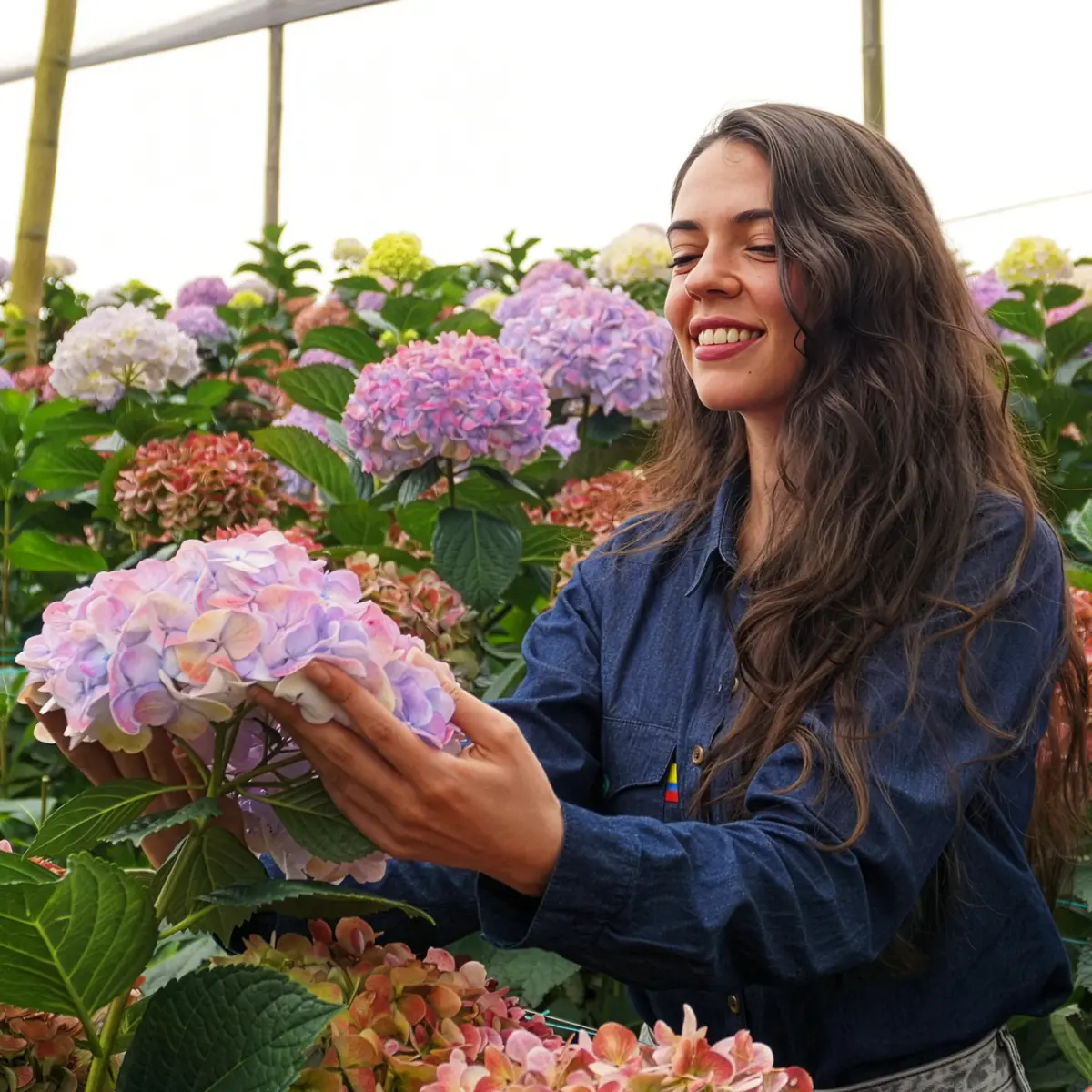
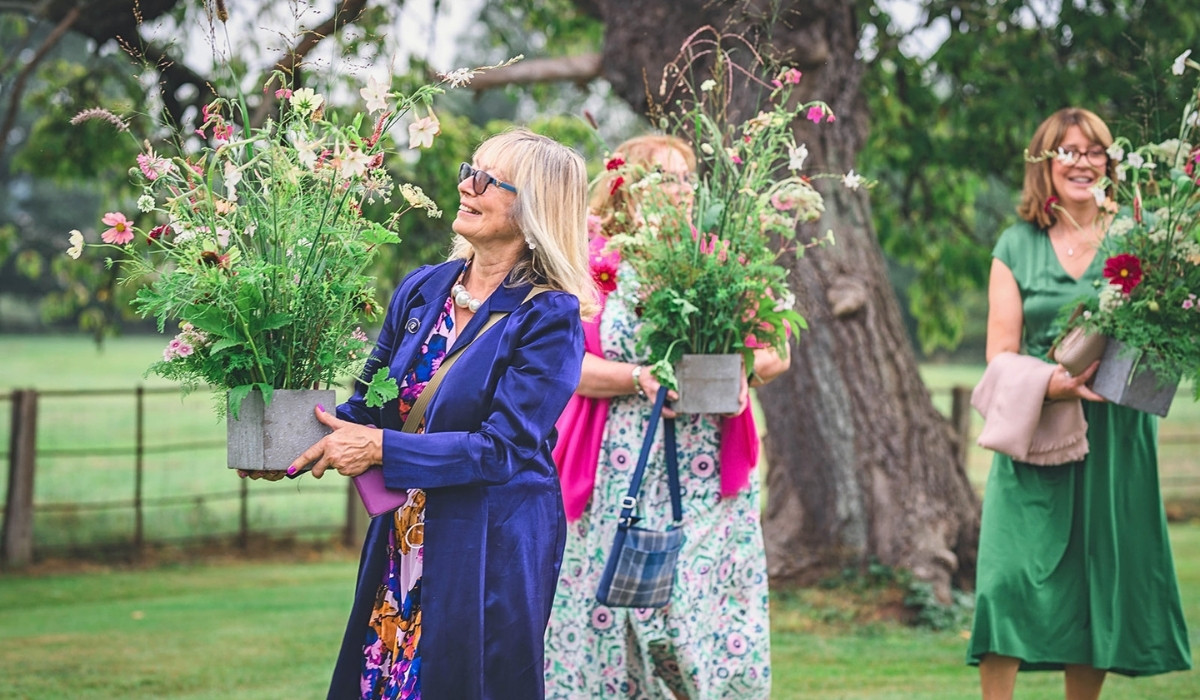
Most imported flowers travel thousands of miles before reaching your venue, adding to carbon emissions. Sourcing sustainable flowers for weddings from local growers is one of the most impactful choices you can make, and one that pays off in the vase, too.
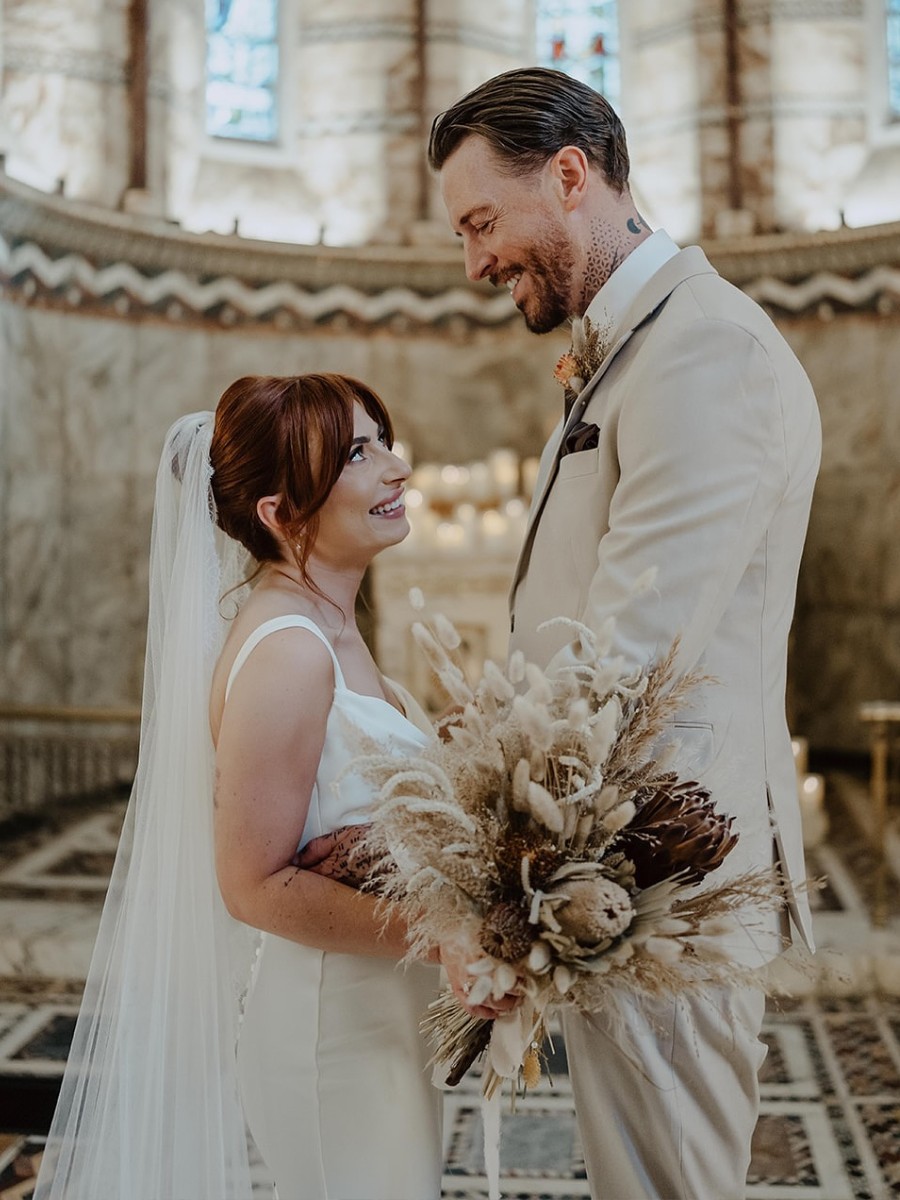
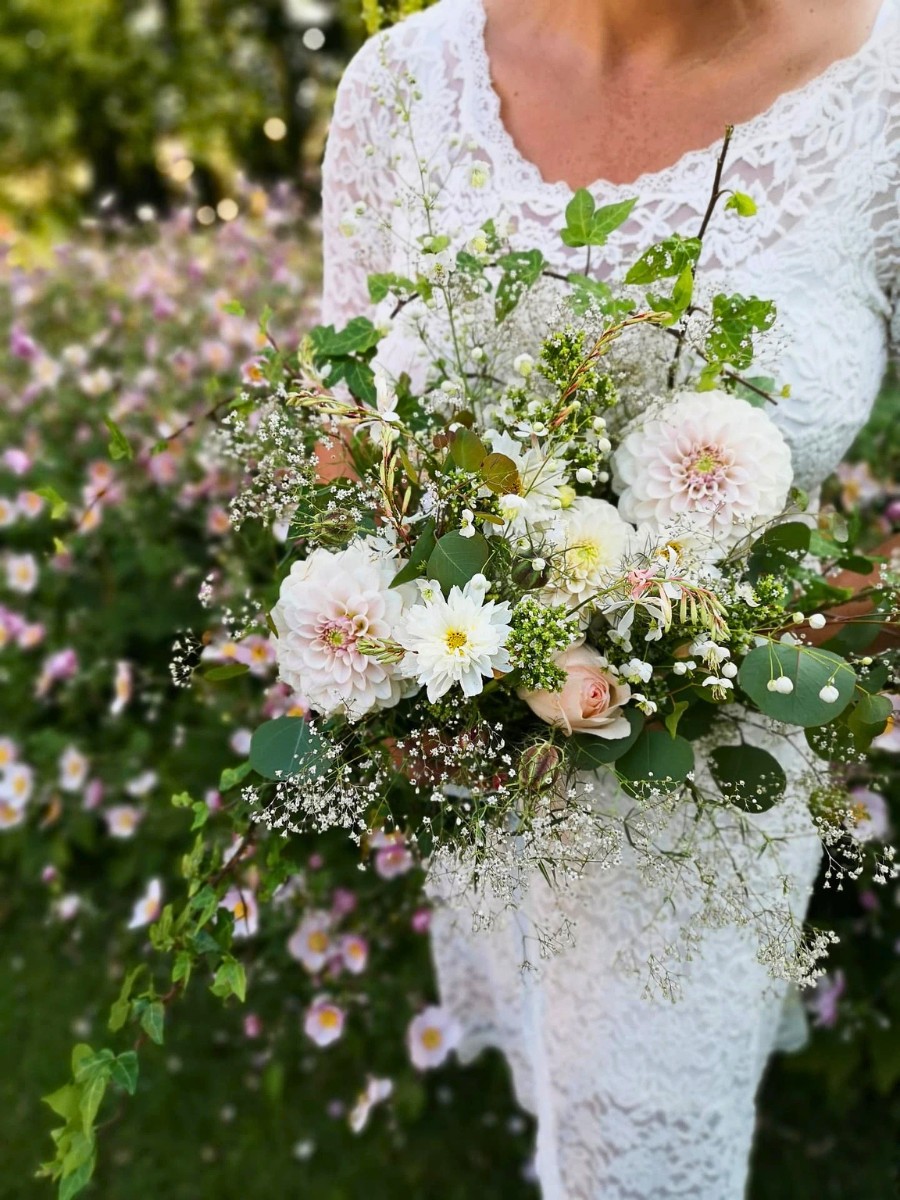
Seasonal flowers tend to be fresher, more fragrant, and more expressive than their long-haul counterparts. Farmers' markets and local flower farms often showcase unique varieties you simply won't find through traditional wholesale suppliers. Ask your florist what's at its peak on your wedding date, and you might discover something far more interesting than what you had in mind.
Locally grown flowers also eliminate heavy packaging and refrigeration during transit, cutting down on waste significantly. And supporting growers near you strengthens your community while helping small businesses thrive. It is a choice that ripples outward in the best possible way.
Use Potted Plants or Living Centerpieces
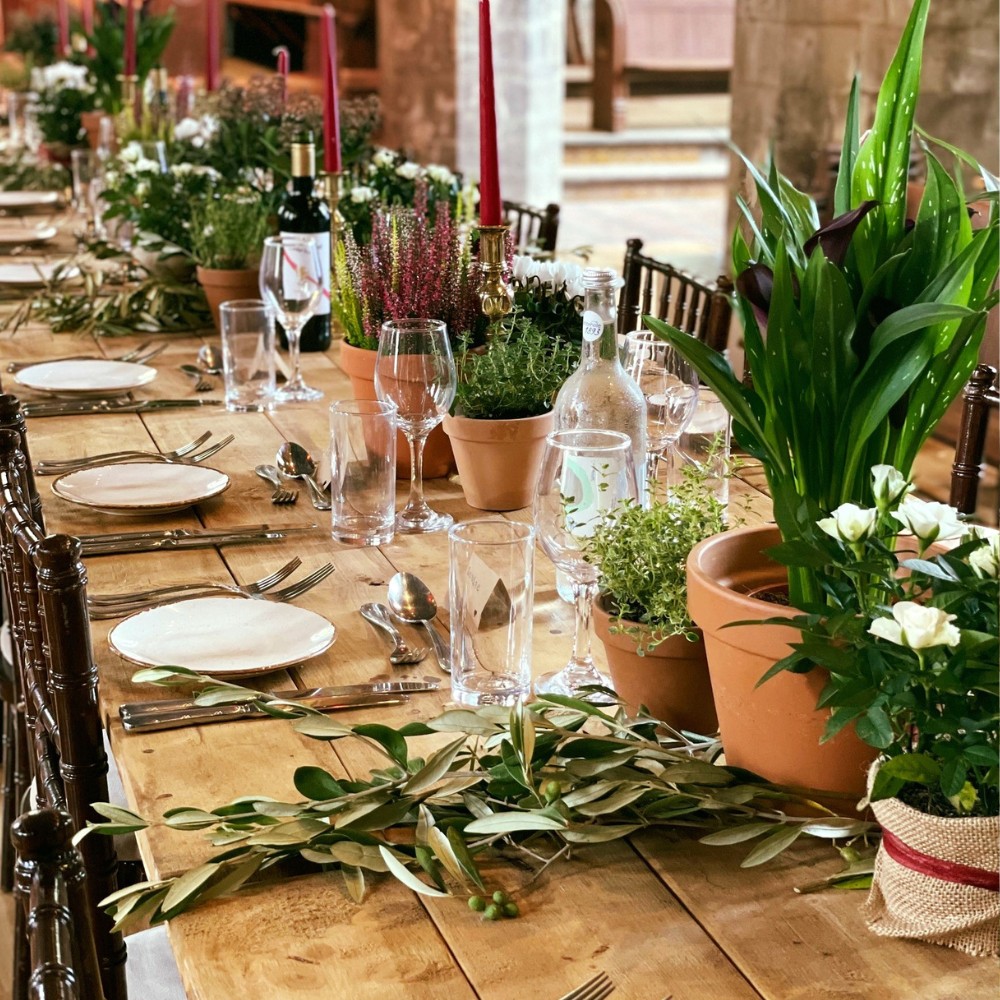
Another way to make your wedding more sustainable is by incorporating potted plants or living centerpieces into your decor. Unlike cut flowers, these can be replanted, reused, or gifted to guests after the celebration, which makes them as generous as they are green.
Plants like succulents, herbs, or ferns create striking tablescapes while staying really eco-friendly. They often last far longer than traditional floral arrangements and require minimal upkeep before and after the event. Partnering with local nurseries helps you source a wide variety of options suited to your theme. After the wedding, potted plants can be perfect keepsakes that continue to grow.
Repurpose Ceremony Arrangements for the Reception Space
Instead of letting your sustainable wedding flowers go to waste after the ceremony, extend their life by moving them into your reception decor. Ceremony arches, aisle markers, and altarpieces transition beautifully into dinner table focal points or entryway features. A good florist will design adaptable arrangements with this in mind from the start.
A floral arch could double as a photo booth backdrop or frame the cake table later in the evening. The same flowers will be doing two jobs, which is sustainability in practice. Logistically, assign someone from your wedding team to oversee the transfer between spaces. This approach not only reduces waste but also keeps your flower budget leaner without anyone noticing the difference.
Avoid Floral Foam in Your Sustainable Wedding Flower Designs
Floral foam may be a familiar tool, but it's one of the floristry industry's dirtiest secrets. Made from plastic and containing toxic chemicals, it doesn't break down naturally and contributes quietly to pollution every time it ends up in a bin.
The good news is that eco-friendly alternatives work just as well. Chicken wire, reusable vases, compostable floral grids, and pin frogs all provide excellent structural support without the environmental cost. Florists experienced in sustainable practices can help you achieve complex, layered designs while staying completely foam-free.
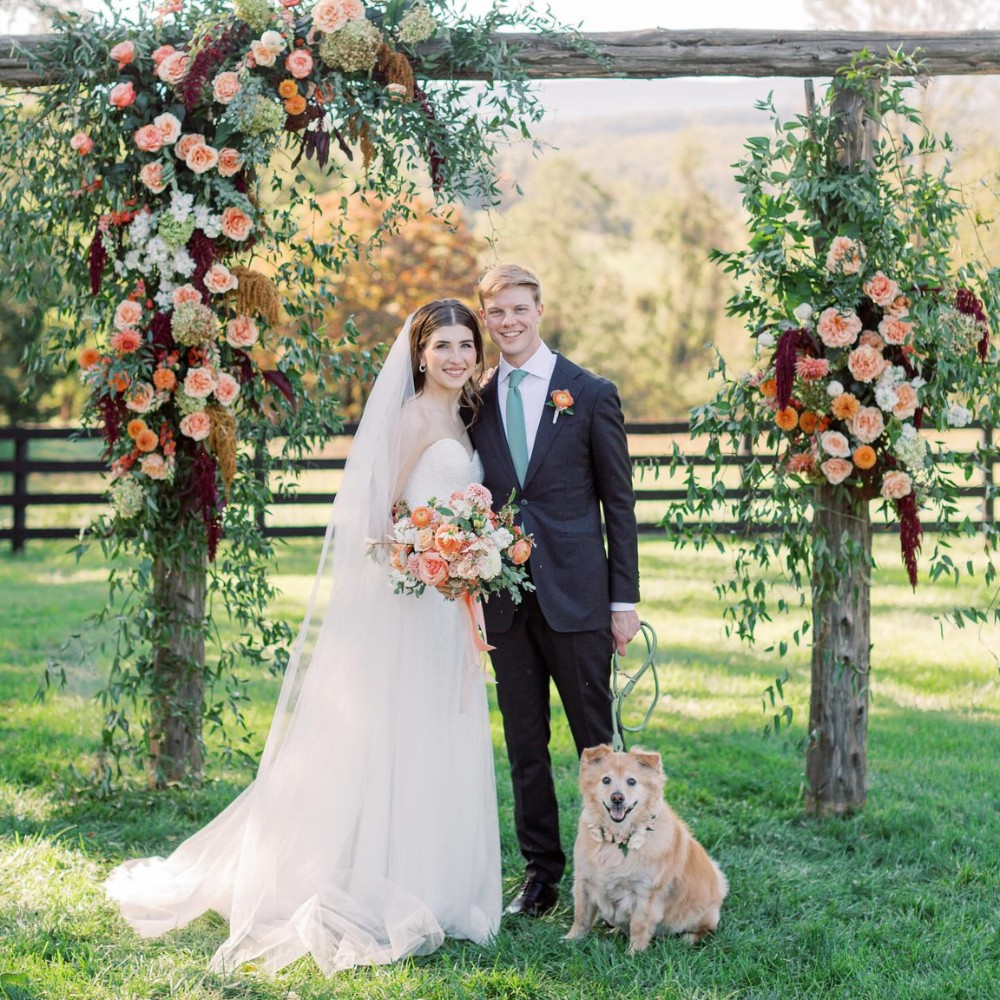
Once arrangements are dismantled after the wedding, materials like wire and grids can often be reused for future events. Going foam-free is one of the cleaner signals that your sustainable floral wedding means business.
Rent Vases, Arches, and Decor Items
Purchasing new decor tends to result in single-use waste and unnecessary expense. Renting items, like vases, arches, and table decorations, from event rental companies is a smarter, greener alternative that doesn't ask you to compromise on style. Rental options cover an impressively wide range of aesthetics, from wildly rustic to polished and minimal.
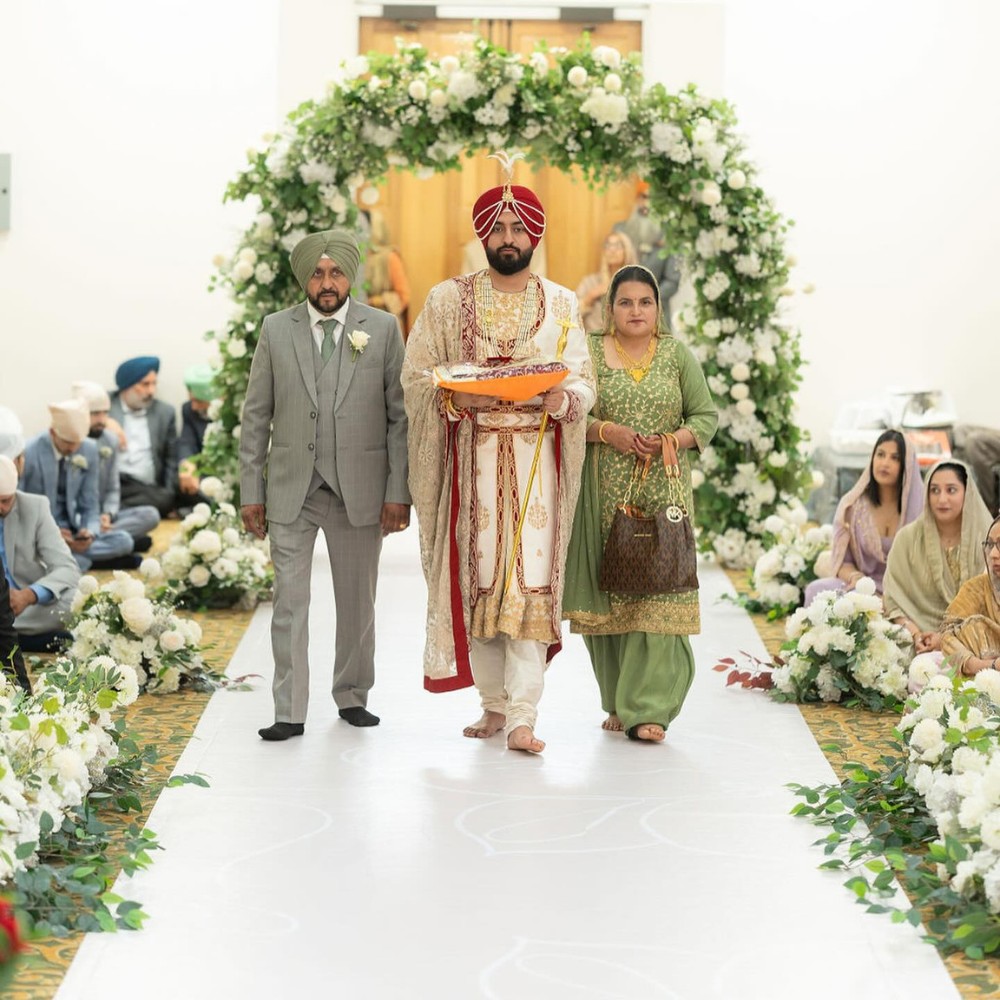
Many companies handle delivery and pickup, saving you time and logistics headaches. And rented pieces reduce demand for new manufacturing, which is a part of keeping your event's footprint small. Trusted rental providers maintain high-quality items used across many events, which means you get a beautiful result without anything ending up in a skip the morning after.
Opt for Dried Flowers or Upcycled Materials Where Possible
Fresh flowers aren't the only path to beautiful, sustainable flowers for weddings. Dried options offer a warm, textured aesthetic that photographs beautifully and lasts well beyond the event, making them perfect for guests who want a piece to take home.
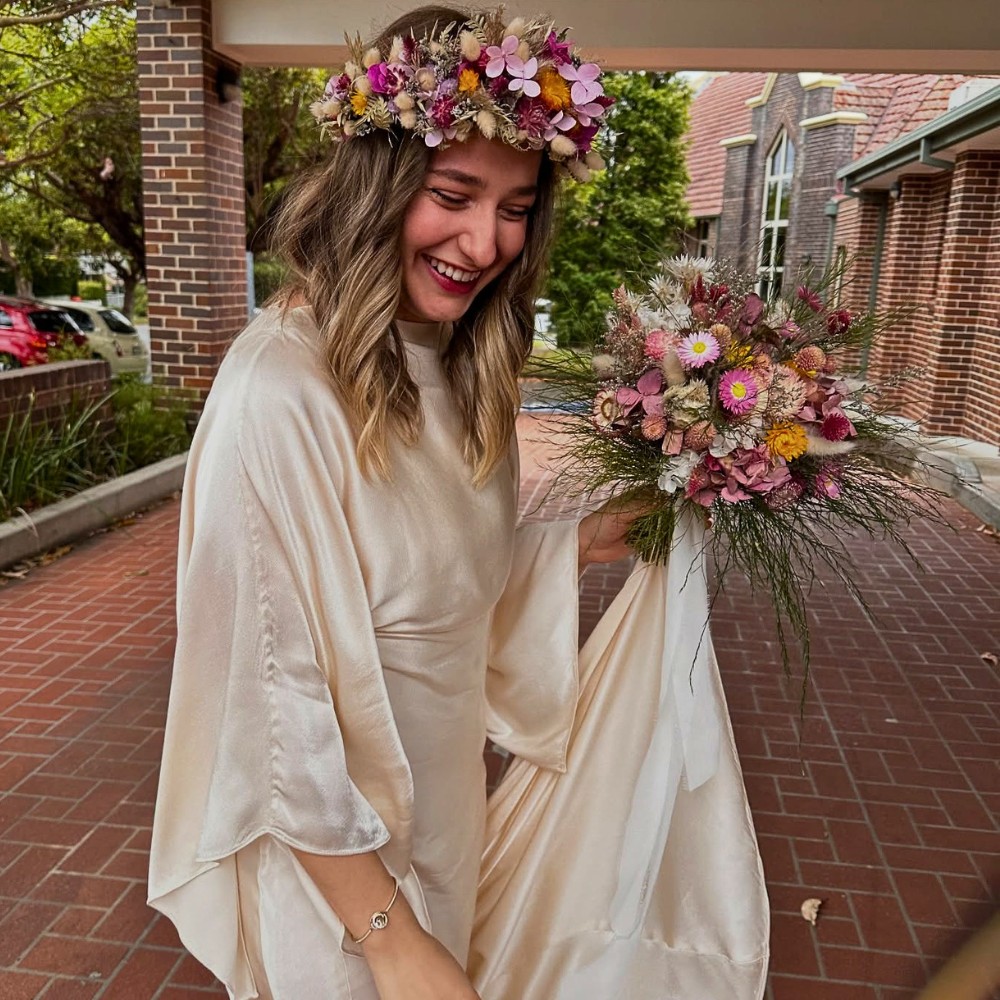
Pampas grass, eucalyptus, and naturally dried roses are particularly popular for modern weddings. They reduce waste since they don't wilt or need refrigeration, and they work across a wide range of visual styles, from boho to contemporary minimal.
Upcycled materials round out the picture beautifully: recycled fabric ribbons, thrifted vases, or reclaimed wood signage add a personal and sustainable touch. Many of these can be sourced locally through antique shops or online marketplaces, and the hunt itself can be half the fun.
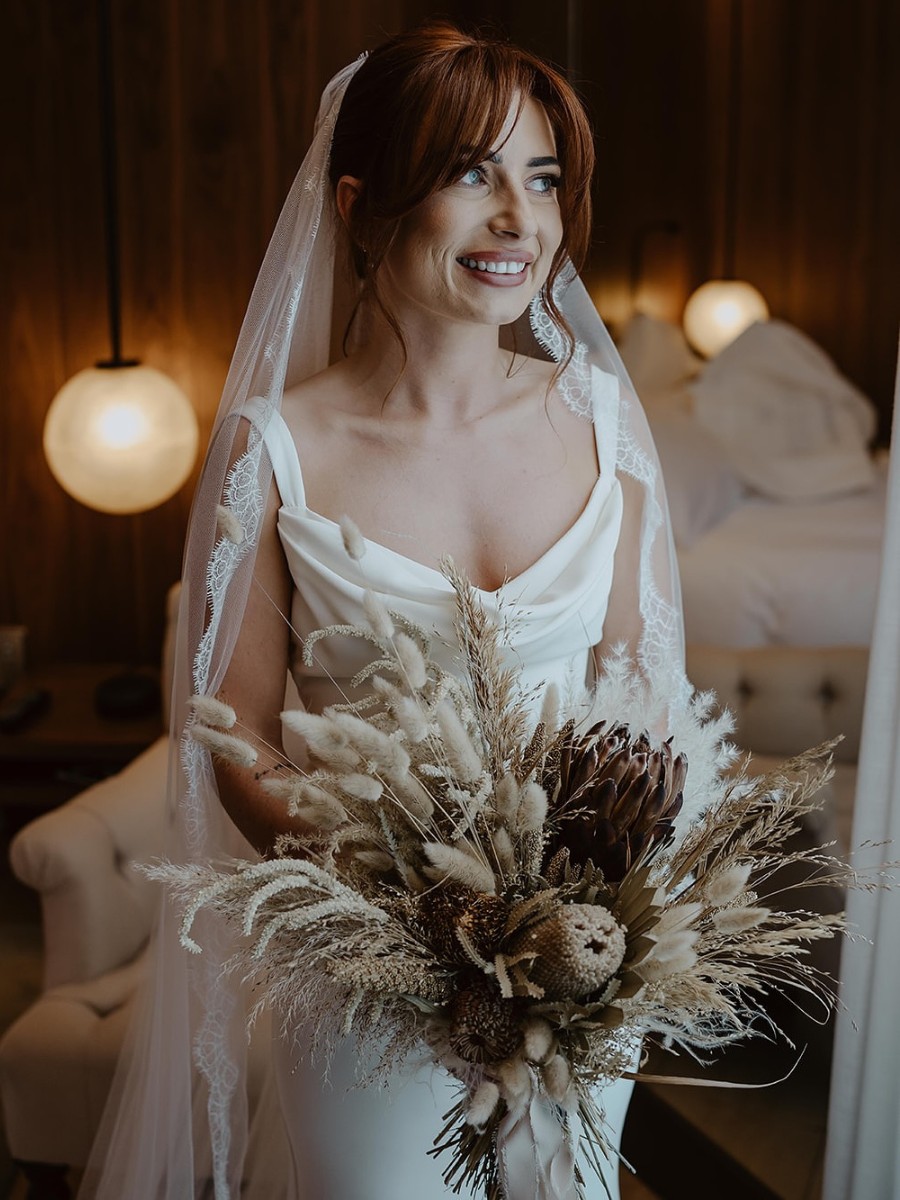
A quick note on preserved flowers: chemically preserved flowers are not the same as naturally dried ones. Many preservation processes add dyes and plastics that make the end product unsuitable for composting. So if staying truly eco-friendly matters to you, look for naturally dried over chemically treated.
Be Flexible With Your Color Palette
It's tempting to build your entire wedding aesthetic around a specific color palette. But certain shades and combinations aren't locally available all year round. The most sustainable wedding flowers are the ones that are actually in season when you need them.
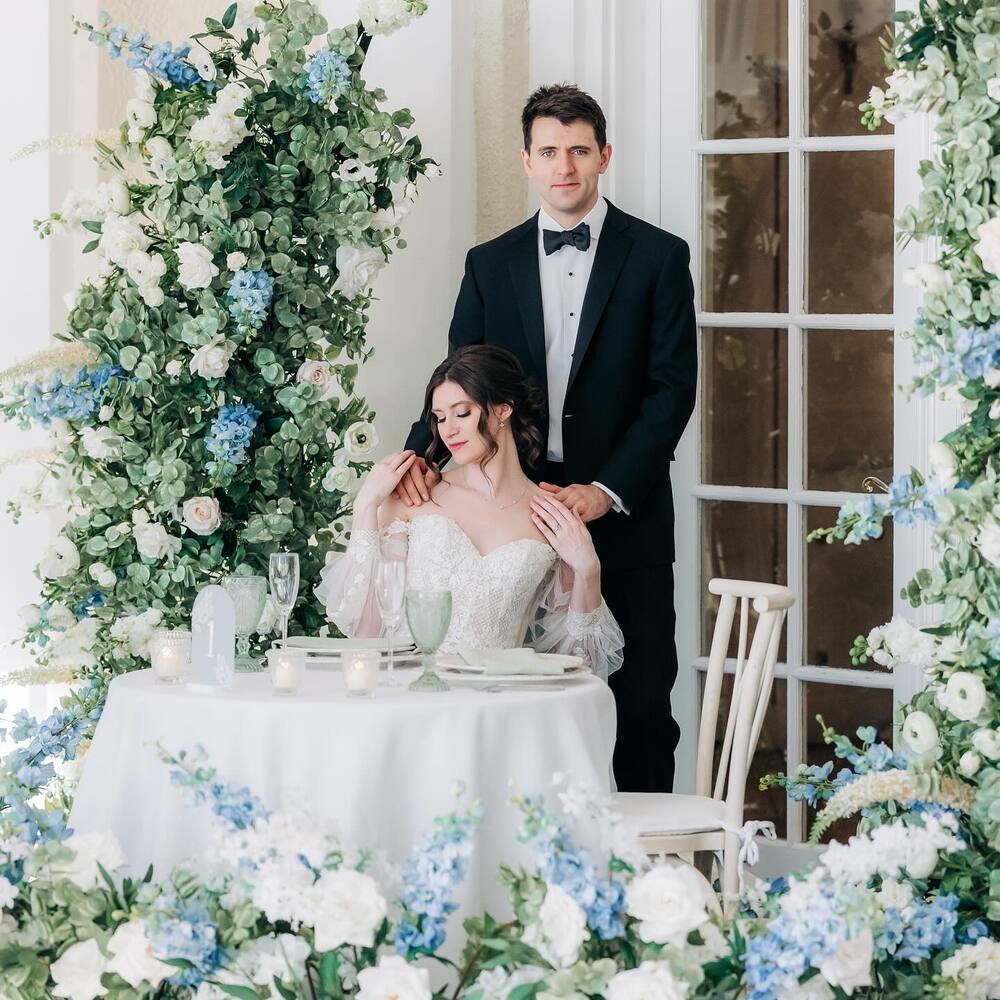
Work with your florist to find out what local varieties will be at their best on your date. The more open you are, the more your florist can work with you, and often the more creative the results. Some of the most beautiful eco-wedding flower displays come from designers working with what the season offers rather than chasing a mood board.
If you have your heart set on a specific variety, say, peonies or ranunculus, plan your wedding date around when they're naturally in season. A few weeks' flexibility in scheduling can make the difference between importing flowers from the other side of the world and picking them up from the next town over.
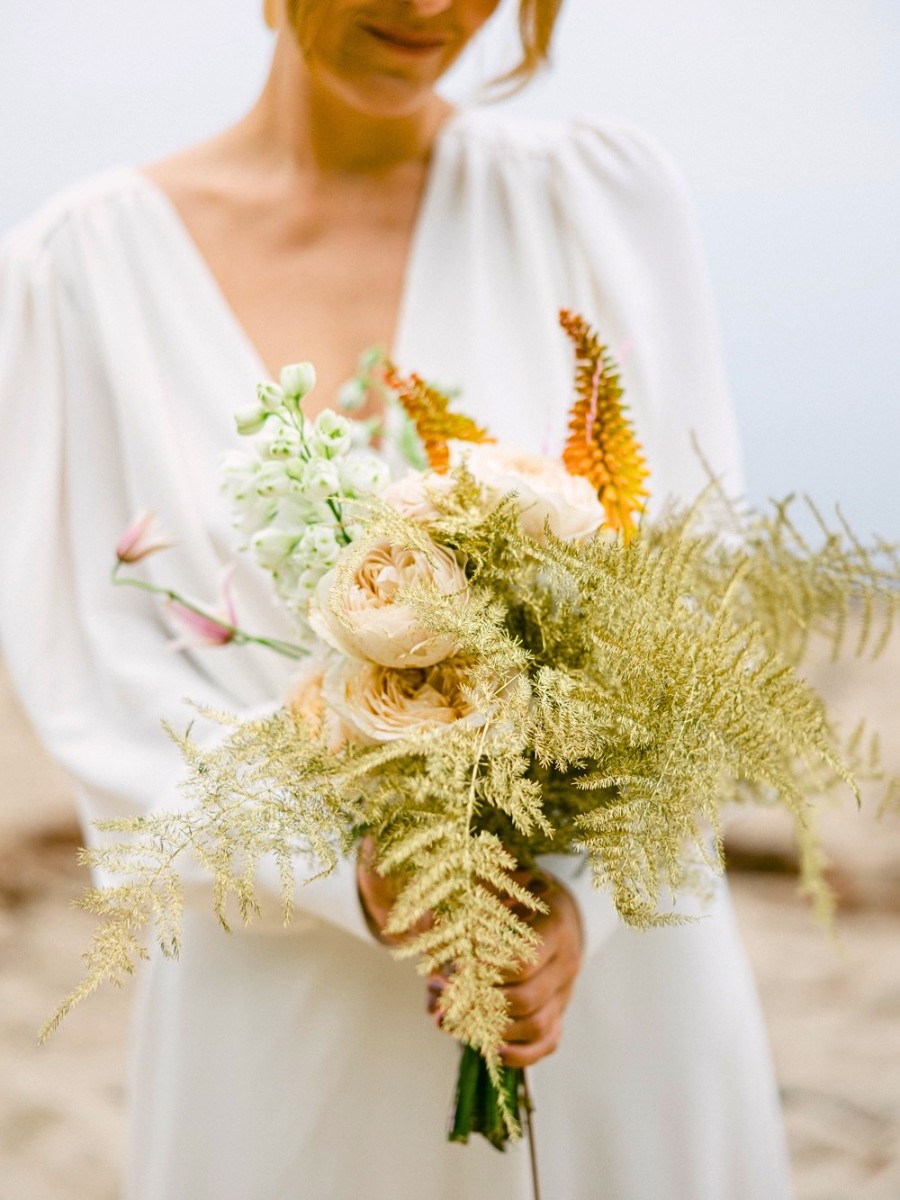
Donate Leftover Flowers to Hospitals or Care Homes Afterward
Once your wedding is over, leftover sustainable wedding flowers don't have to go to waste. Many organizations specialize in redistributing event flowers to hospitals, care homes, and community centers, and the impact on people receiving them is moving. Good-condition arrangements are particularly welcomed by care facilities, where fresh flowers can uplift patients and staff alike.
You can coordinate with local nonprofits or florists who partner with donation services. Many will handle transportation and reassembly on your behalf. Some couples even build this into their wedding program, so guests understand where the flowers are going. It extends the warmth of the day into the day after.
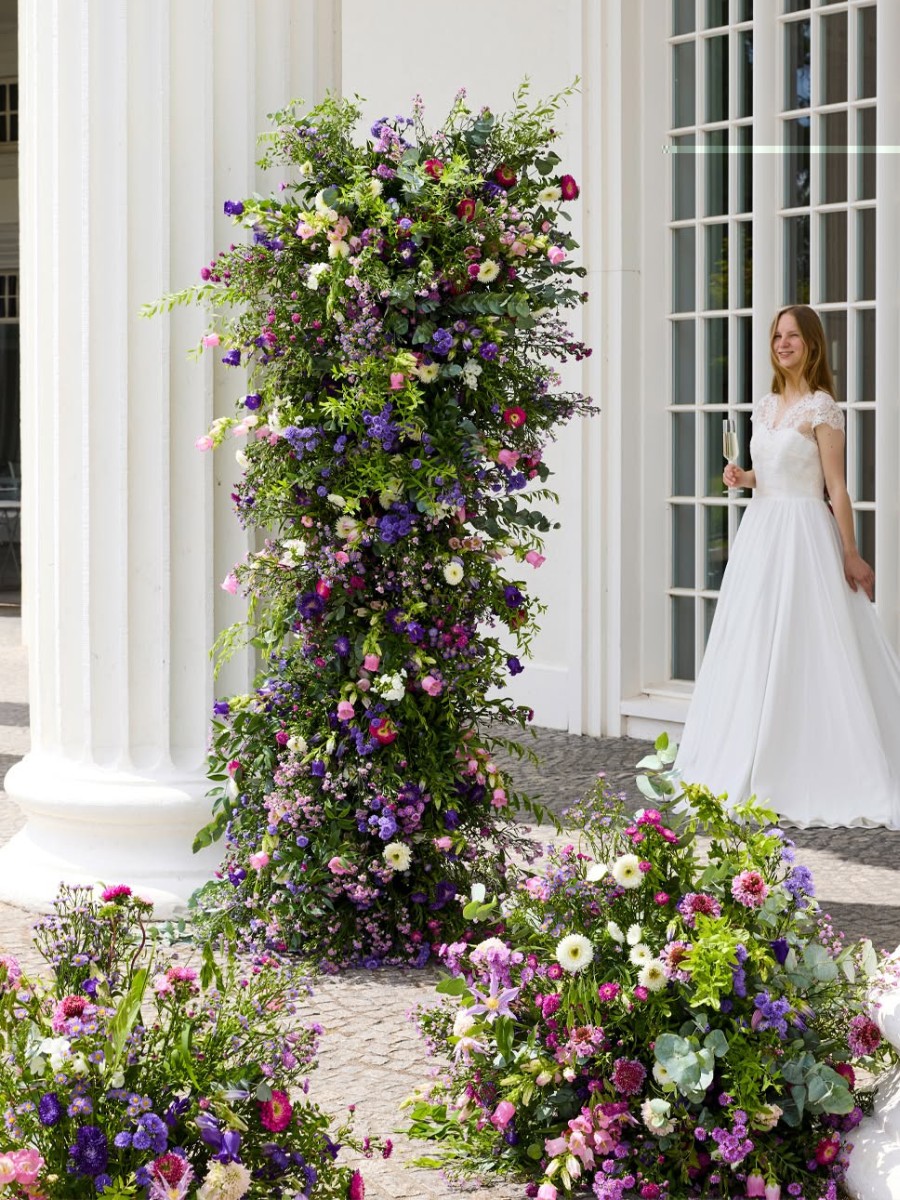
Provide Composting Options for Green Waste After the Event
When wedding flowers and greenery reach the end of their lifecycle, most end up in landfill, where they produce methane as they break down. Offering composting options for all green waste is a low-effort step with a real environmental payoff. Your florist can help you separate compostable plant materials from non-organic items like wire or ribbon.
Many cities now offer commercial composting services that handle large volumes of plant waste efficiently. For smaller weddings, home composting bins or partnerships with local farms are excellent alternatives. Either way, composting ensures that sustainable flowers for weddings return to the earth as nutrient-rich soil instead of contributing to pollution. It's a neat, quiet way to close the loop.
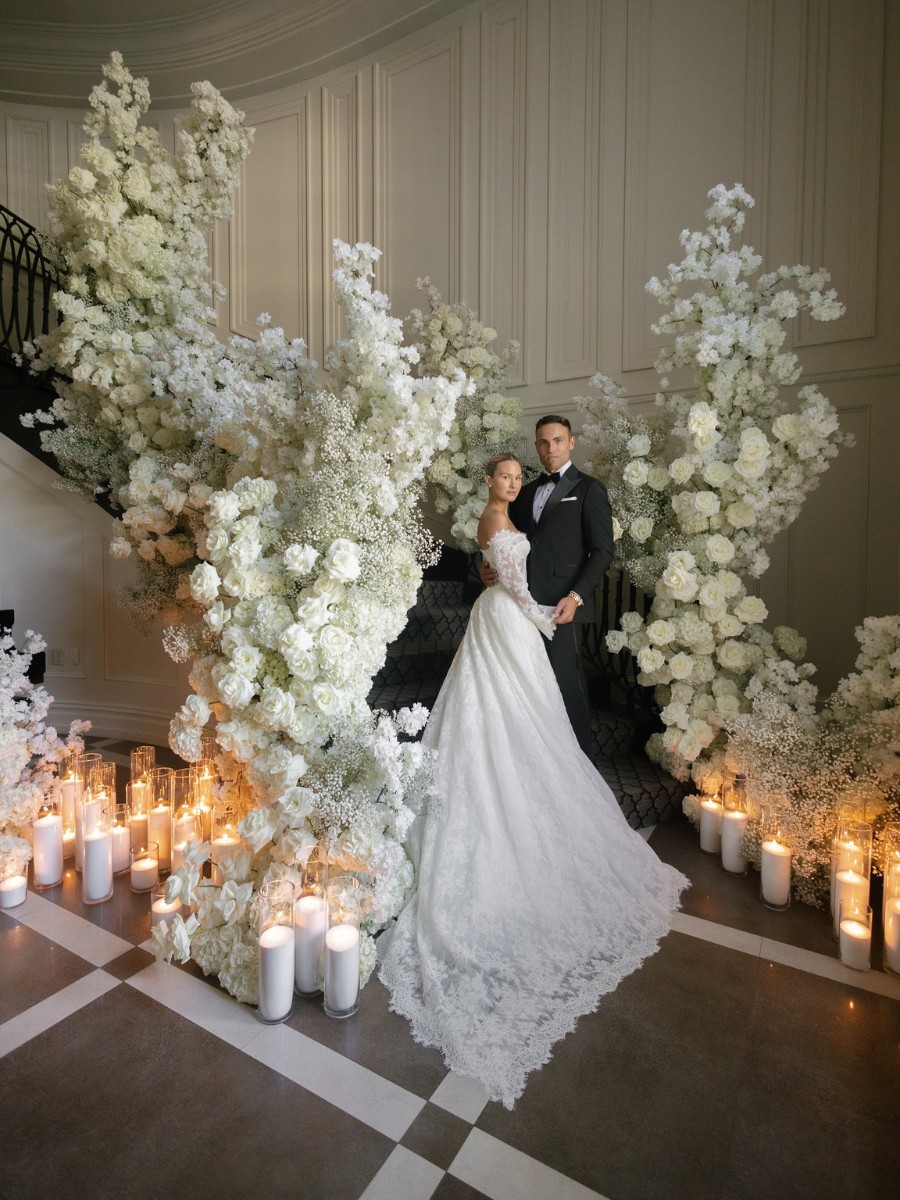
Support the Slow Flowers Movement
You may have heard of Slow Food. Well, there's a Slow Flowers equivalent in floristry, and it's worth knowing about when planning a sustainable wedding flower design. The Slow Flowers movement supports smaller-scale farms, minimal chemical intervention, seasonal growing, and bee-friendly crops.
Tell your florist explicitly that you want to source from local farmers supporting sustainable-growing practices wherever possible. A florist aligned with these values will know exactly where to look, and will often bring you varieties you hadn't considered that fit your aesthetic even better than what you'd originally planned.
It's also worth asking your florist to avoid Sphagnum moss unless they can verify it's been responsibly harvested. Moss is not yet commercially grown and is always taken from the landscape, where over-harvesting can cause real environmental damage.
Share Your Sustainability Efforts to Inspire Others
Your eco-conscious wedding choices can motivate others to plan more sustainably. Documenting and sharing the details: your local florist, how you repurposed ceremony arrangements, and the composting plan, shows how impactful small decisions can be when they are made with intention.
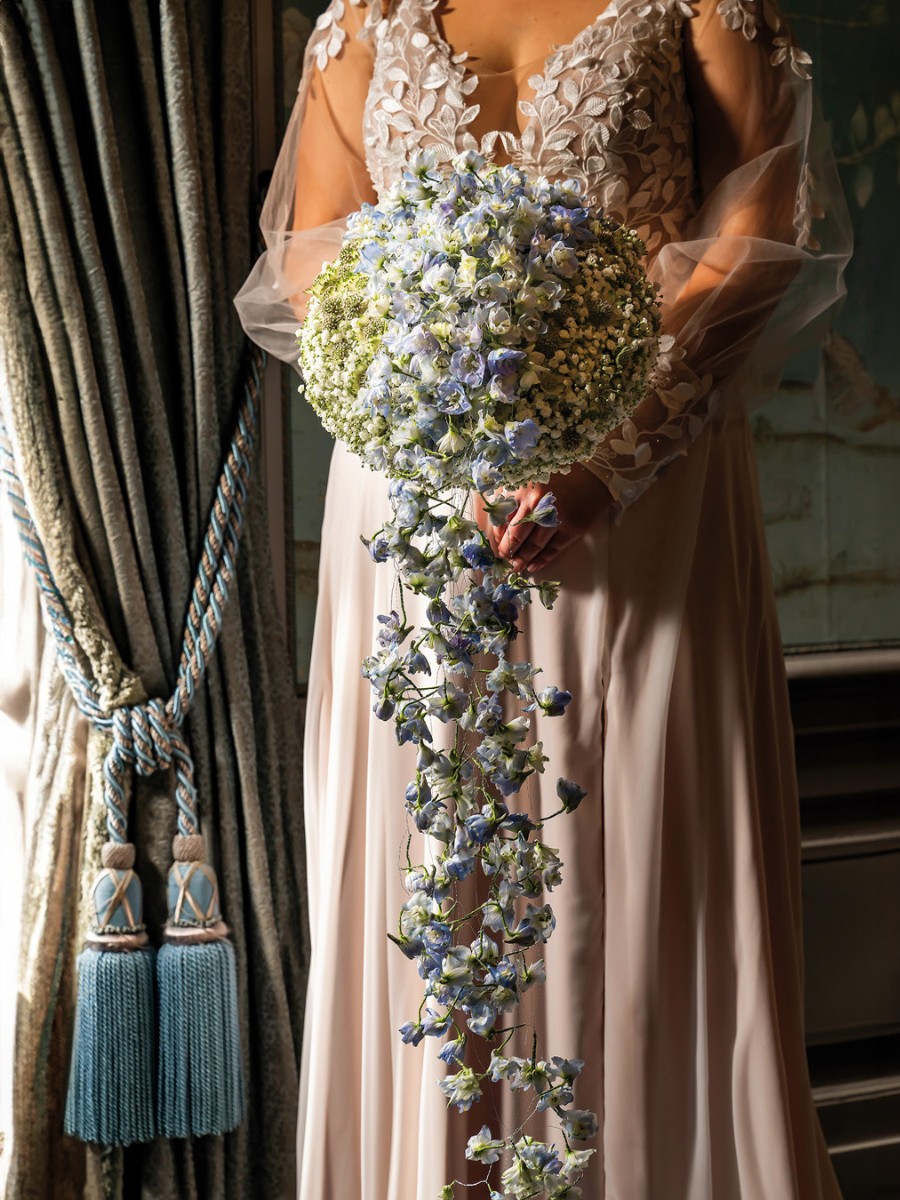
Social media is a natural place for this. Behind-the-scenes moments, vendor recommendations, and tips for sourcing eco-friendly materials all make compelling content. Be transparent about what worked and what didn't. That kind of honesty is what makes the process relatable and actually useful for other couples.
Guests may also appreciate learning about your sustainable choices through thoughtful signage or a short note in your program. It changes the narrative from 'nice flowers' to 'this couple means something’, and that's a very different kind of memory to leave people with.
A Meaningful Celebration With Sustainable Wedding Flowers
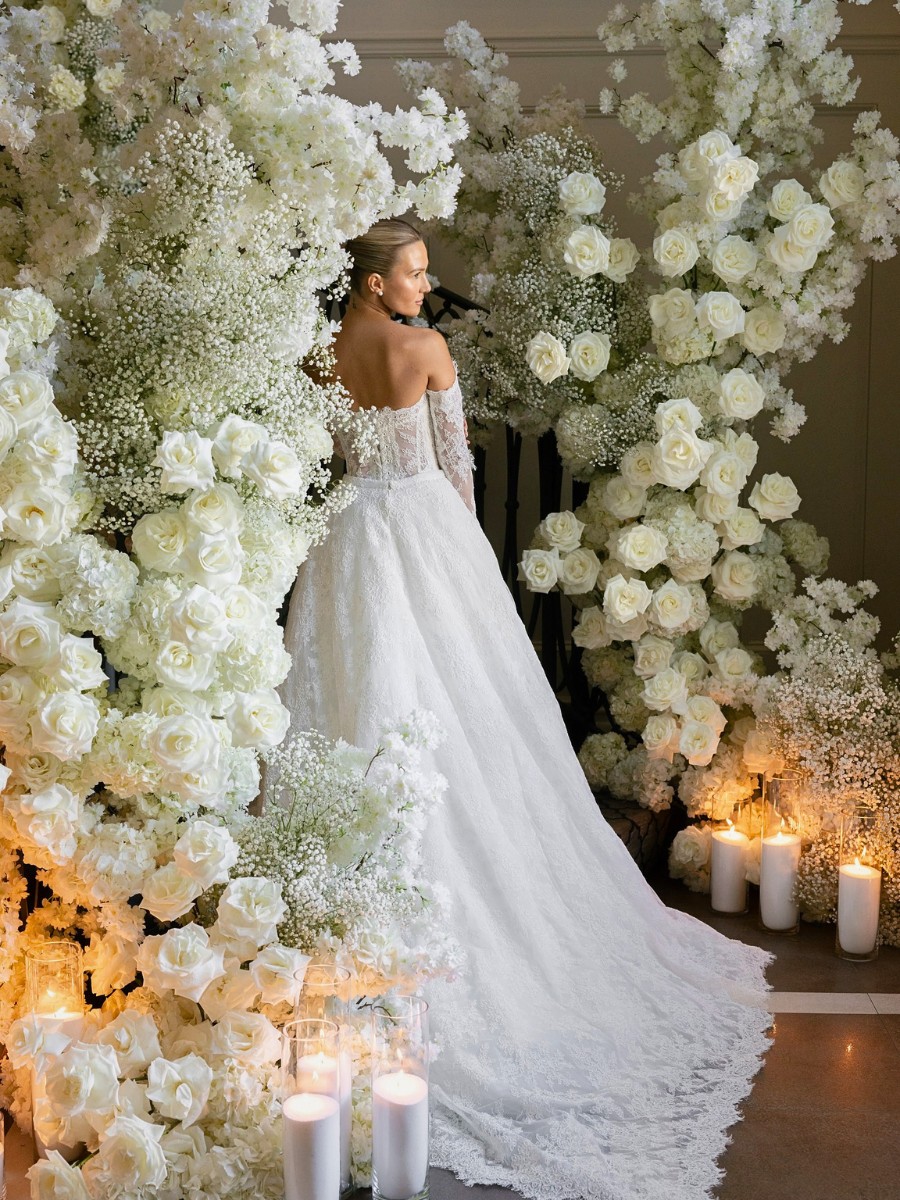
Your wedding reflects not only your love story but the values you hold close. Choosing sustainable wedding flowers and eco-conscious decor adds more meaning to the celebration, which forms a legacy that extends well past one beautiful day.
From thoughtful, locally sourced flowers to waste-conscious planning, every decision creates a small ripple of change. The planet and future couples who follow your lead will be glad you made them.
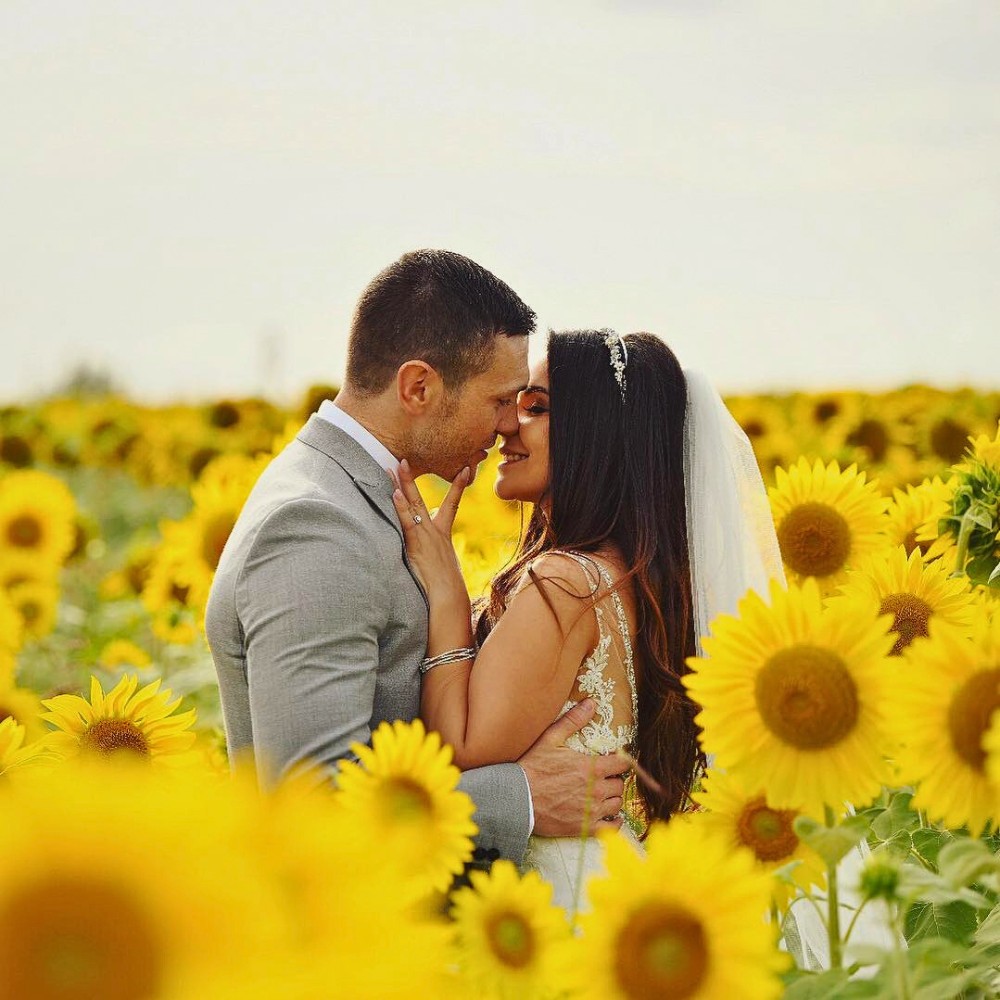
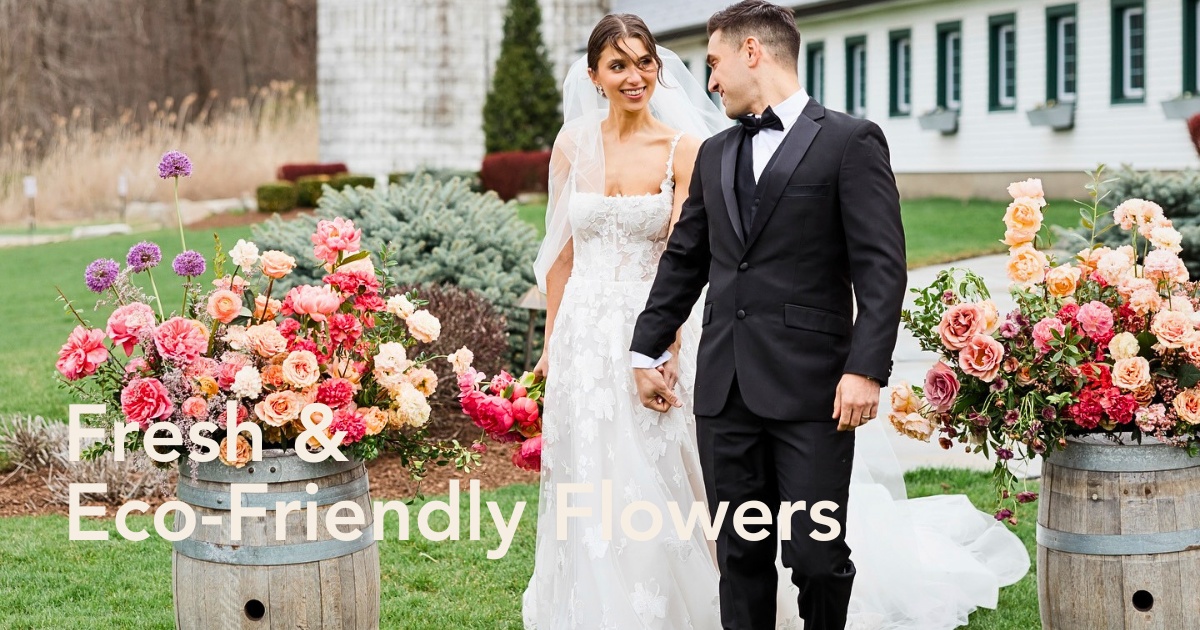
Featured and header image by @peronafarms.