A wedding should be one of the happiest days of a couple’s life. It brings friends and family together in a celebration of love. Drinks flow, there is enough, and, hopefully, everyone goes back home having had a great time. But amid all the gaiety and excitement, it’s easy to overlook the impact that such a wedding event can have on the environment.
Sustainability is being spoken about more now than ever. Knowing how to host a sustainable wedding is far easier than most couples assume. The good news is that there has never been more guidance, suppliers, or inspiration to draw on. Such insights help one make the right decisions, offering ideal eco-friendly wedding ideas for every part of your day.
Carbon Footprint of Celebrations and Why Sustainable Weddings Matter?
Before exploring how to plan a sustainable wedding, it helps to understand the scale of the problem. Rising levels of carbon dioxide (CO₂) in the atmosphere have directly led to warmer global temperatures, as warm air is trapped within the Earth’s atmosphere. As NASA highlights, this has directly led to shrinking ice sheets, warming oceans, and a general rise in global temperature.
Weddings are part of the culprits in this regard. Reports suggest 4,910 tons of unrecyclable plastic were left behind at British weddings in a single year, the equivalent of 47 blue whales. A typical wedding generates around 14.5 tons of CO₂, which exceeds the UK’s average per-capita annual carbon footprint of 9.1 tons. With roughly 250,000 UK weddings each year, the cumulative impact is considerable.
Food waste adds to the picture. Research from Sainsbury's found that, on average, $488 worth of food is wasted per wedding. Around 15% of guests eat only one or two of their three courses, 15% of newlyweds throw away the remains of their wedding cake, and 37% of guests never touch edible favors. The average family home throws away roughly $700 in food across a full year, meaning a single wedding reception can account for 65% of that total.
The Biggest Sustainability Offenders at Weddings
Some common wedding traditions carry a disproportionate environmental cost, and it is worth knowing which ones before you start planning.
Balloons and Synthetic Confetti
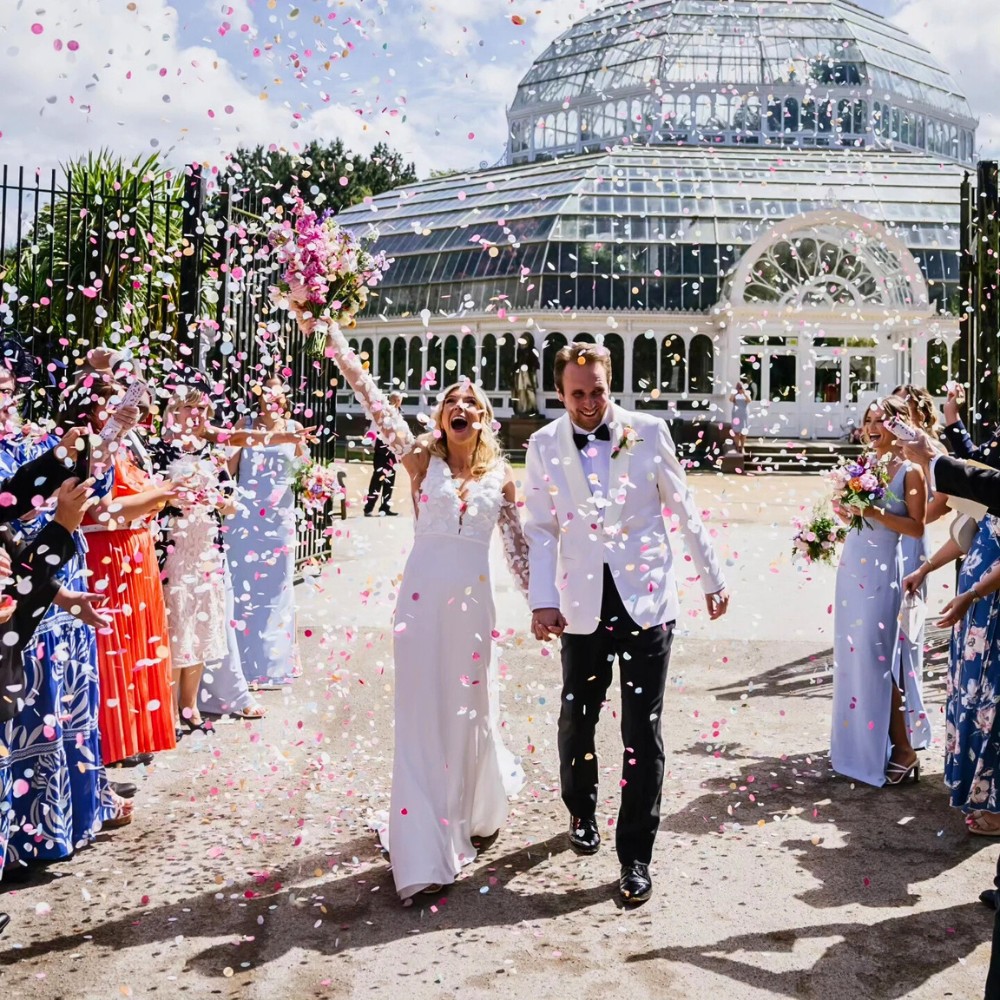
Balloons, often coated in chemical dyes, persist in soil and ocean environments for years and pose a serious hazard to birds and marine wildlife. Synthetic confetti follows the same pattern: it accumulates in waterways and is frequently ingested by animals. Biodegradable alternatives, including dried flower petals, herb leaves, and seed paper, are just as visually striking and leave no trace.
Injudiciously Sourced Flowers
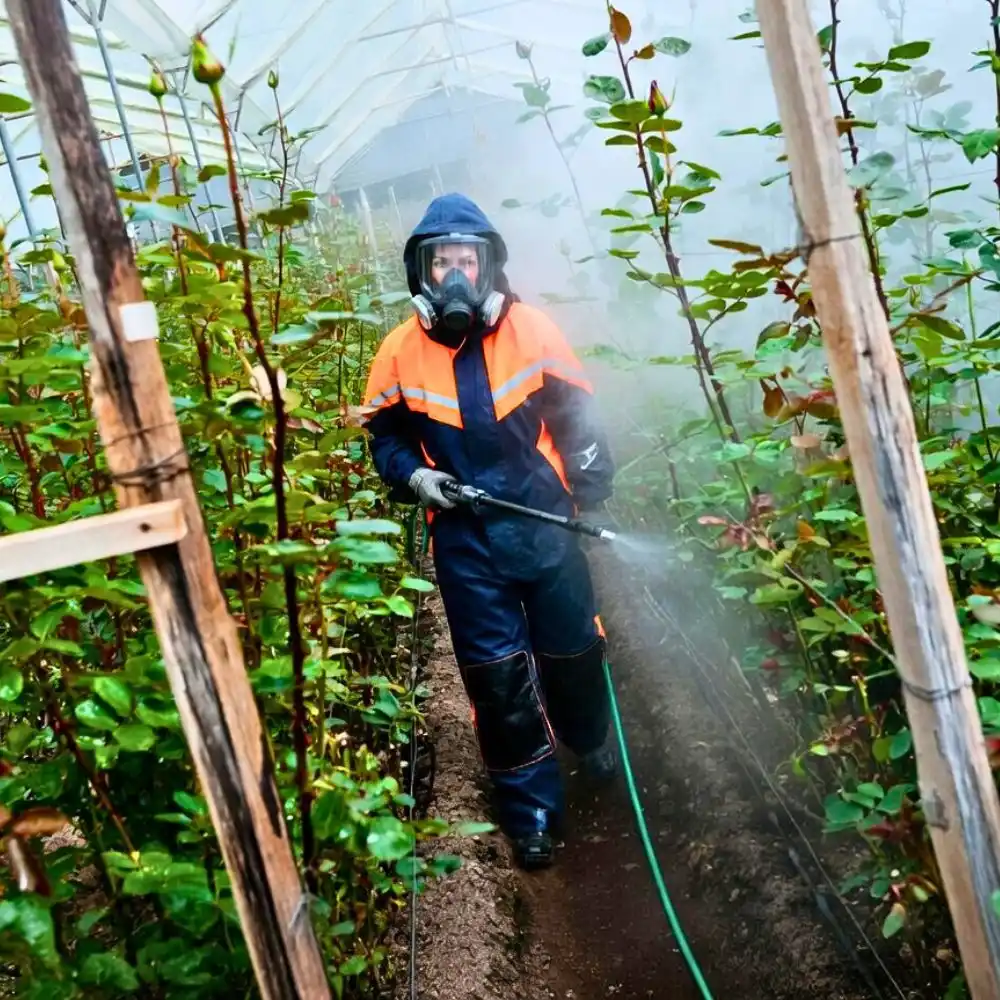
Most flowers used in weddings across the world are grown in countries like Ethiopia, Kenya, Colombia, Vietnam, or Ecuador, alongside several others. Sometimes, their inappropriate sourcing and transportation result in emissions. In some cases, there are supply chain concerns, as well. Proper sourcing and working with certified sustainable flower farms, complemented by local, seasonal flowers, addresses some of these issues.
Single-Use Items and Non-Renewable Venue Energy
Disposable tableware, single-use plastic decorations, non-recyclable packaging, and venues running on non-renewable energy can silently undo every greener choice made elsewhere. Each of these has a better, readily available alternative, which is what this guide, for the most part, covers.
Eco-Friendly Wedding Ideas for Flowers and Floristry
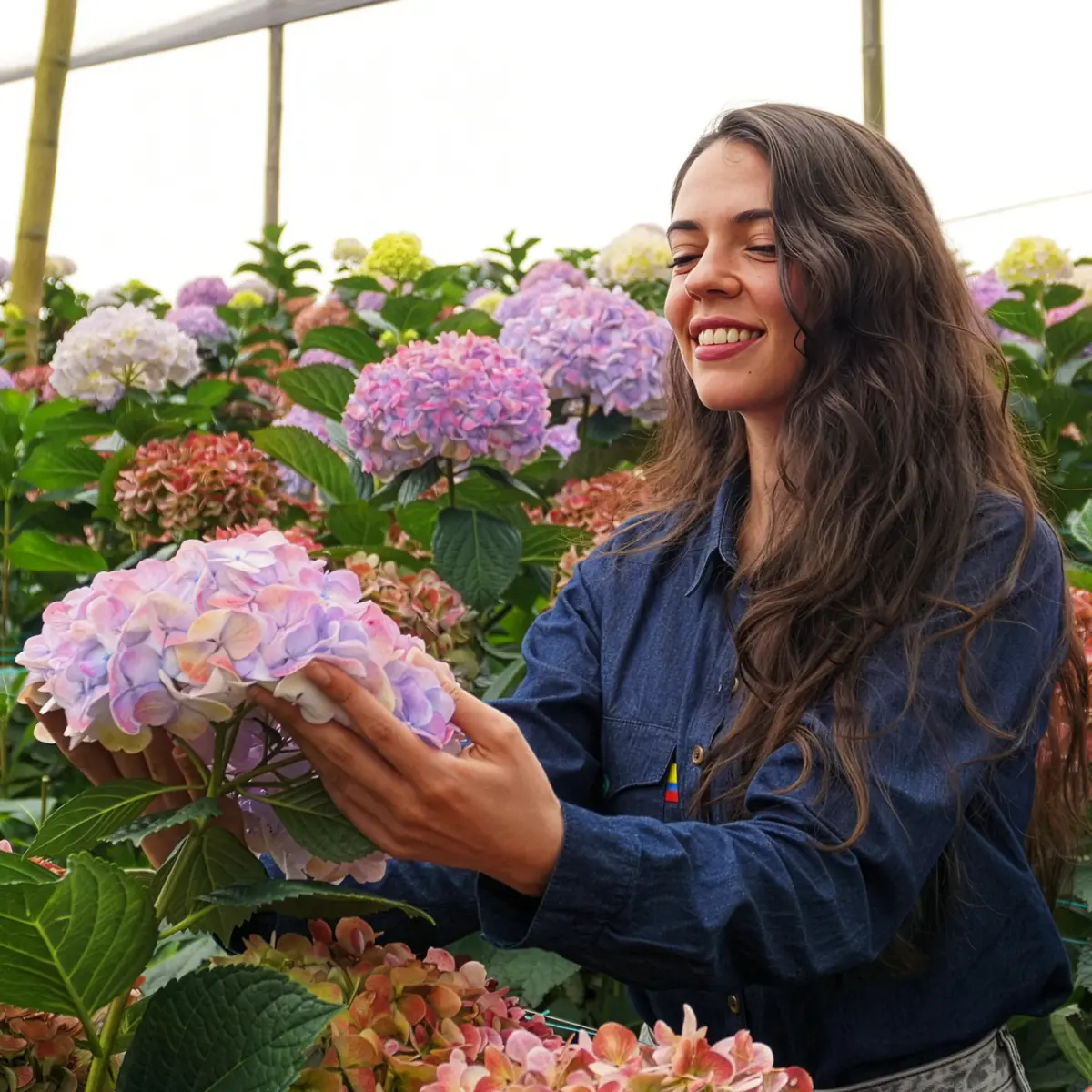
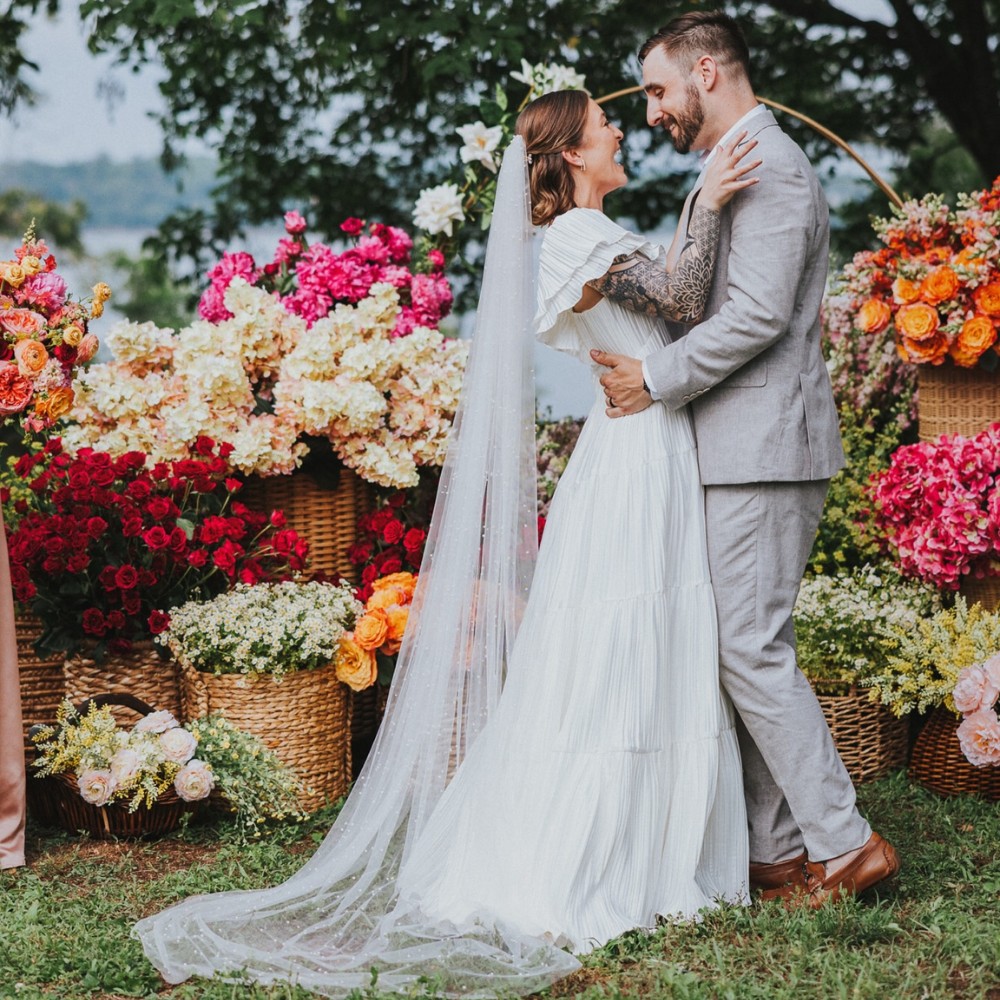
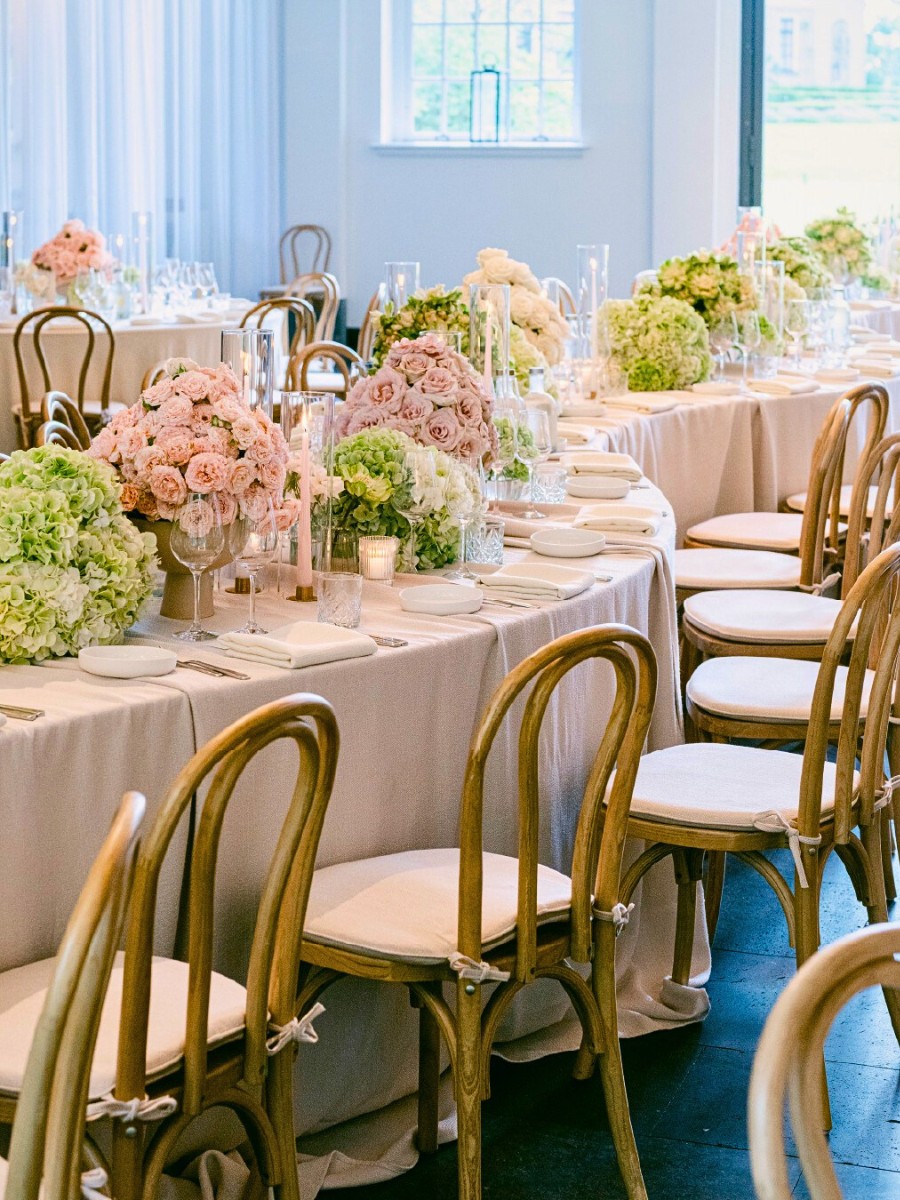
While naturally-grown flowers are, by their nature, organic, sustainability still plays a major role in an eco-conscious wedding. The simplest approach is to buy local, seasonal varieties. Platforms like Flowers from the Farm let you search by region, season, and pesticide use, giving you full visibility into where your flowers come from and how far they have traveled. Growing your own is another option entirely: the result carries a charm no imported bouquet can replicate, and it eliminates the supply chain problem.
For purchased flowers, look for certification from institutions such as LEAF, the Soil Association, or the Rainforest Alliance. A truly sustainable florist will avoid floral foam and plastic wrapping, source locally or from certified, ethical growers, be transparent about their supply chain, and, ideally, compost or rehome arrangements after the event.
Sustainable Wedding Decorations
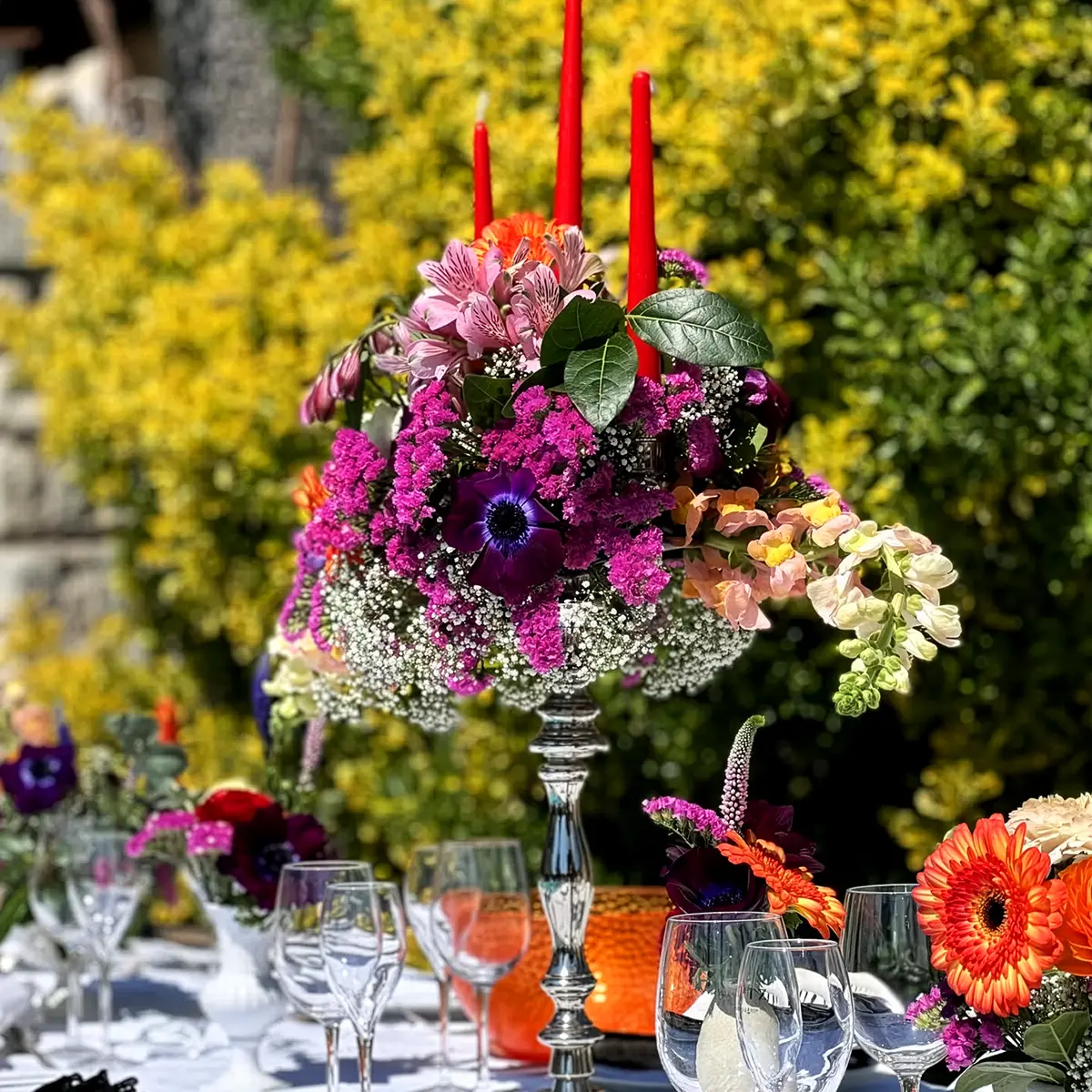
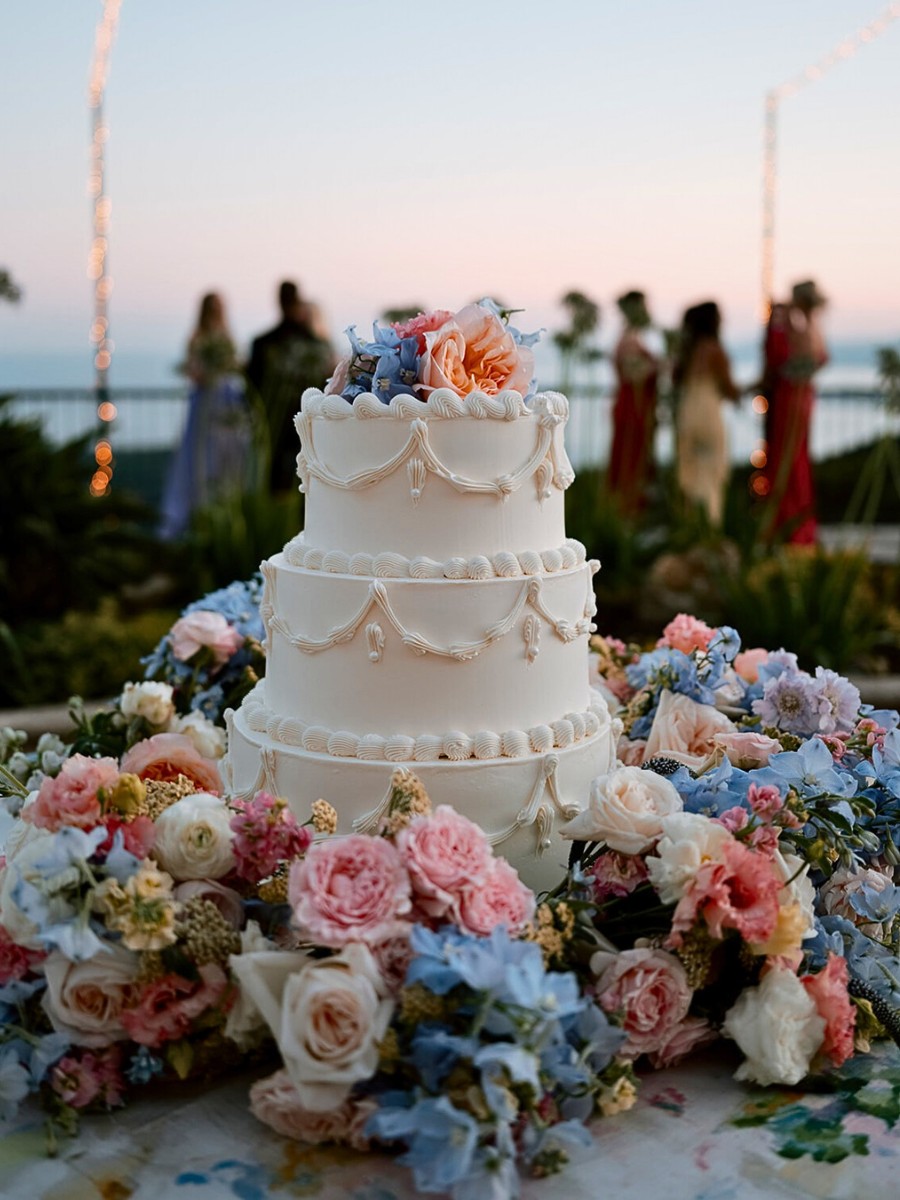
This is one of the areas where eco-conscious wedding ideas have advanced the most in recent years. The best sustainable wedding decorations are those that guests can keep, compost, or donate after the event, with nothing destined for the landfill. Potted plants and dried flowers double as table centerpieces and guest favors. Soy or beeswax candles, seasonal foliage, and rented glassware and linen create an elegant, low-impact aesthetic.
Seed paper menus and place cards can be planted by guests after the wedding, turning stationery into wildflower meadows. Avoid single-use plastic entirely: no balloon arches, no cellophane-wrapped favors, no disposable tableware, no synthetic confetti. Rent what you can instead of buying items that will be used once, and borrow or repurpose where possible. These choices often produce a more personal, distinctive look than anything purchased off a shelf.
An Eco-Conscious Wedding Venue
The venue is typically the single highest-leverage decision in the entire planning process, both in terms of energy use and the collective travel footprint of your guests. A strong eco-conscious wedding venue runs on renewable energy, maintains clear waste and recycling policies, sources food and drink locally, and is easily accessible by public transport.
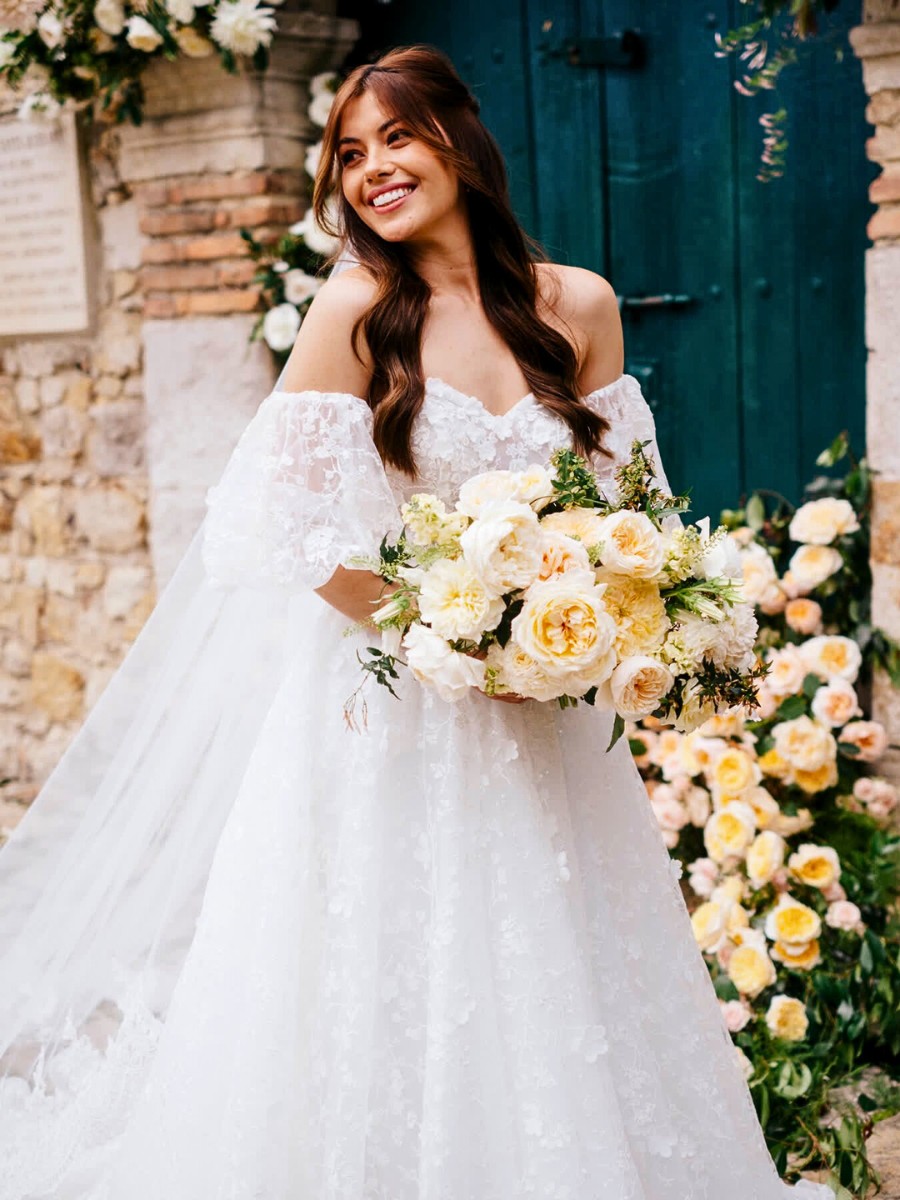
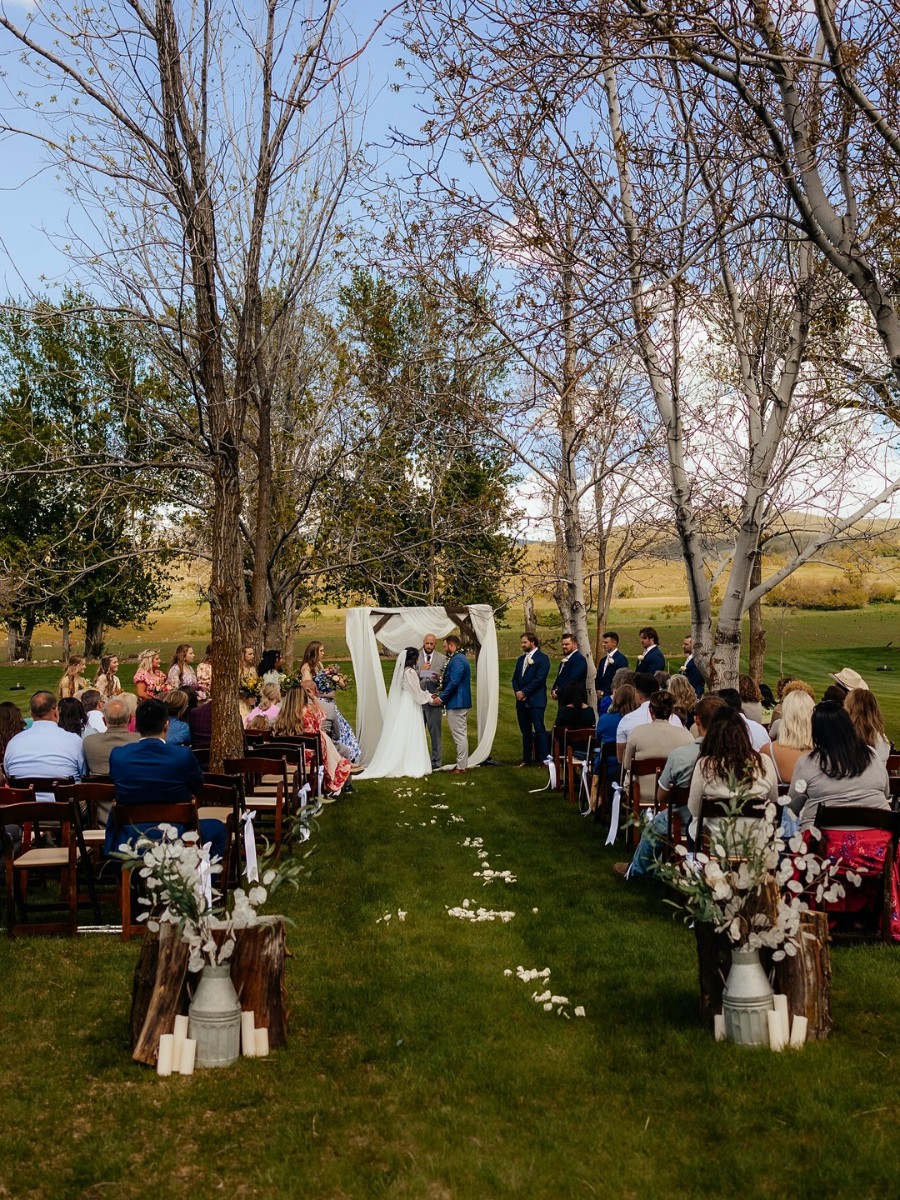
Barn conversions, certified organic farms, botanical gardens, and woodland settings are all popular choices for couples planning an eco-conscious wedding. Outdoor settings in particular require minimal energy use and reduce the need for elaborate decoration.
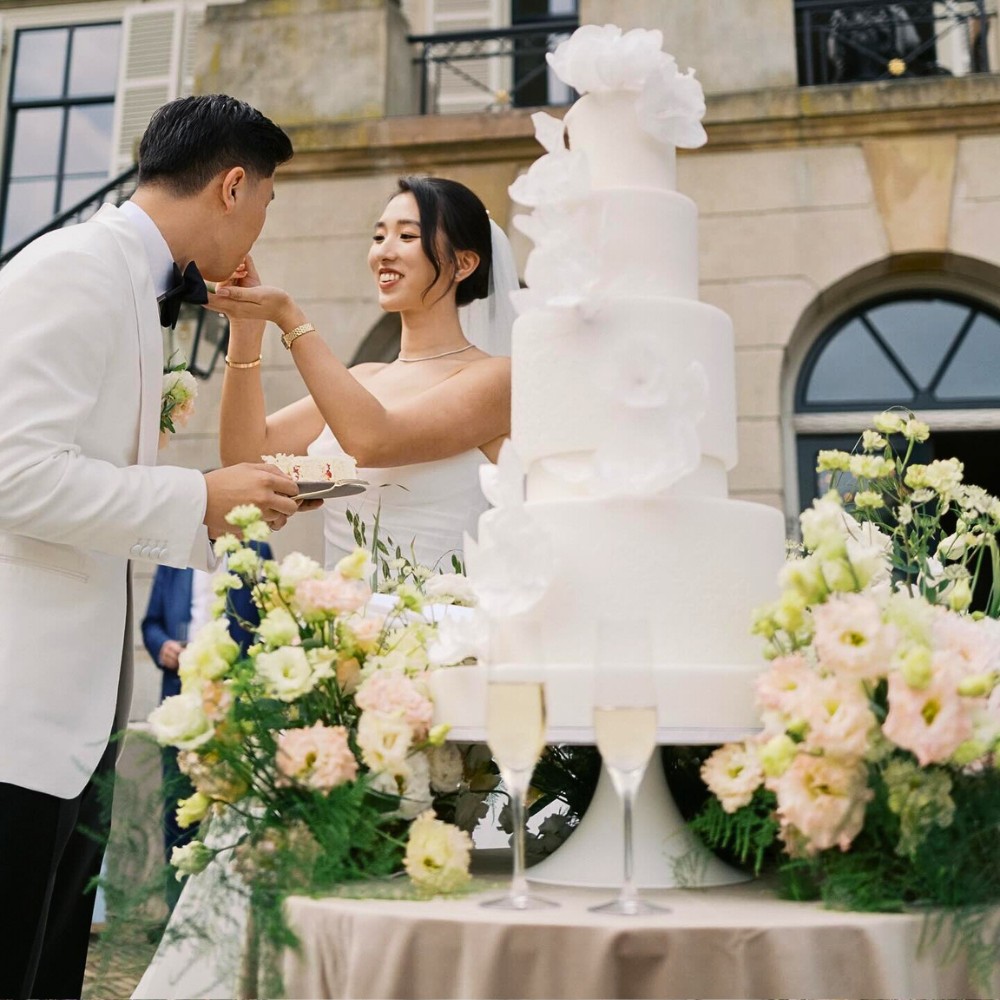
When evaluating venues, ask directly about their energy source, waste management approach, local sourcing policies, public transport connections, and any green certifications they hold. The closer the venue is to the majority of your guests, the lower the collective carbon footprint of your day, which is particularly significant for a sustainable wedding of 100 guests or more.
Sustainable Wedding Catering
Food choices have a direct and measurable impact on your wedding’s ecological footprint. Locally sourced, organic ingredients travel shorter distances, support regional producers, and minimize the use of synthetic pesticides and fertilizers. Seasonal plant-based menus carry a significantly lower carbon footprint than meat-heavy alternatives. Beef in particular is one of the highest-emission foods in any catering context, so even a partially plant-forward menu makes a real difference.
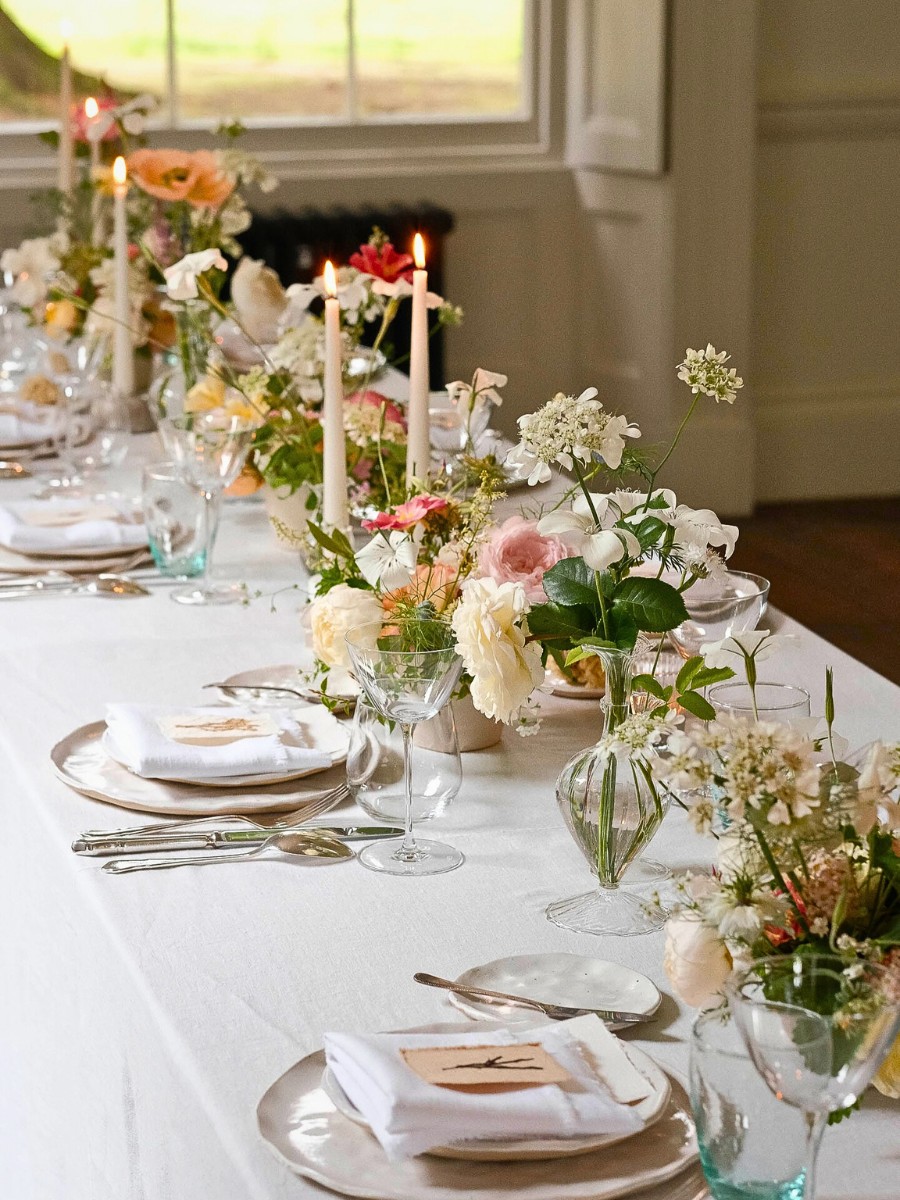
Work closely with your caterer on precise portion planning to minimize food waste, and pre-arrange donation of any surplus to a local food bank. Many will collect on the day with advance notice. Where disposables are unavoidable, choose certified compostable over conventional plastic. Set up clearly labeled recycling and composting stations so guests can participate in the zero-waste wedding effort without having to think too hard about it.
Reducing Wedding Travel Footprint
Guest travel is one of the largest contributors to a wedding’s total carbon footprint, and also one of the areas where thoughtful planning pays off most. The most effective single action is choosing a venue with good public transport links and featuring those options prominently in your invitations.
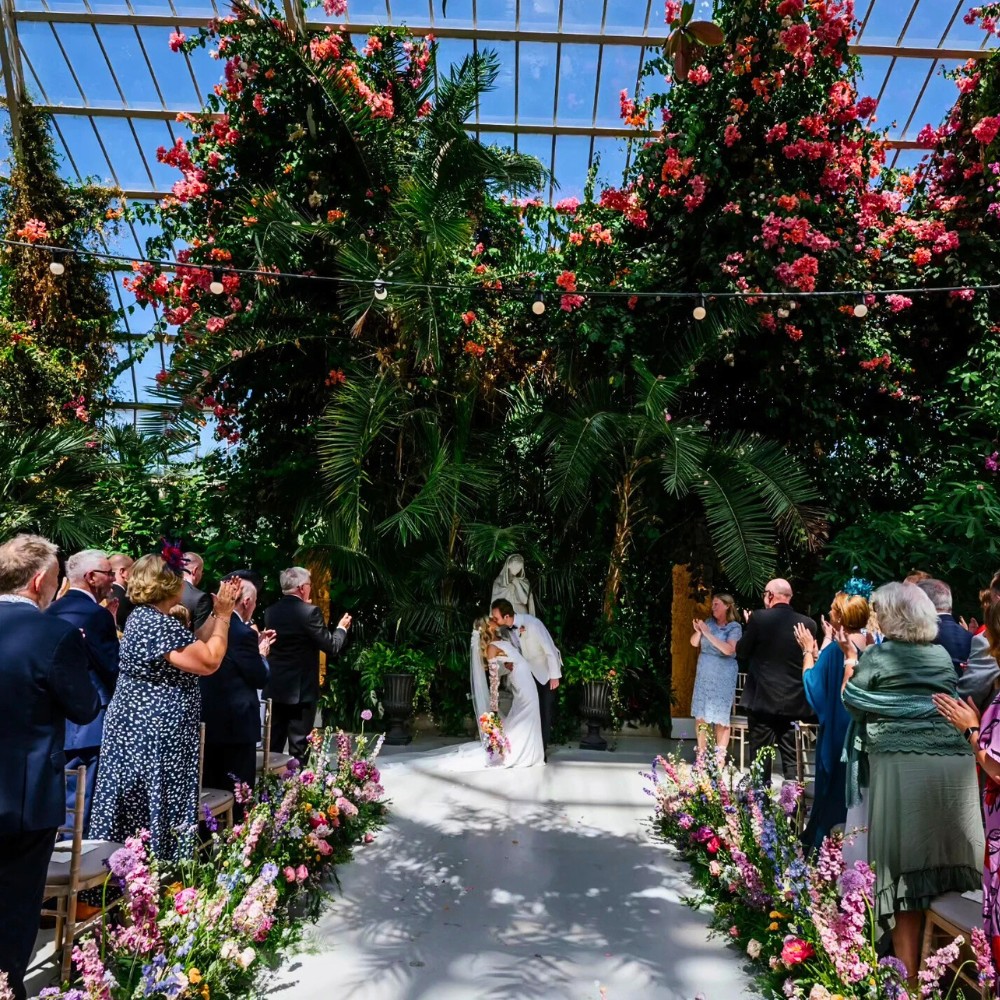
A shuttle service from the nearest train or bus station, running in two or three shifts, can eliminate dozens of individual car journeys. For guests traveling from the same area, a carpooling coordination page on your wedding website, or even a simple group message, can halve the number of vehicles on the road.
For unavoidable long-distance travel or flights, verified carbon offsetting programs such as Gold Standard or the Woodland Carbon Code provide a credible way to compensate for emissions. Offsetting is not a substitute for reducing travel in the first place, but as part of a broader sustainable wedding strategy, it is a suitable addition.
How Cost-Effective Are Sustainable Weddings?
One of the most common questions couples ask is how cost-effective a sustainable wedding really is compared to a conventional one. For most couples, the answer is that eco-conscious choices tend to reduce overall spending. Digital invitations eliminate printing and postage costs. Renting decorations costs less than purchasing items for a single occasion. Seasonal, local flowers are typically less expensive than imported out-of-season varieties. A smaller, more intentional guest list reduces catering costs proportionally.
Some specific choices, such as certified organic catering ingredients or ethically certified flowers, may carry a modest per-unit premium. But these are generally outweighed by savings made elsewhere. Less waste means less spend, and couples who fully commit to the zero-waste wedding model consistently report spending less than they would have at a comparable conventional wedding.
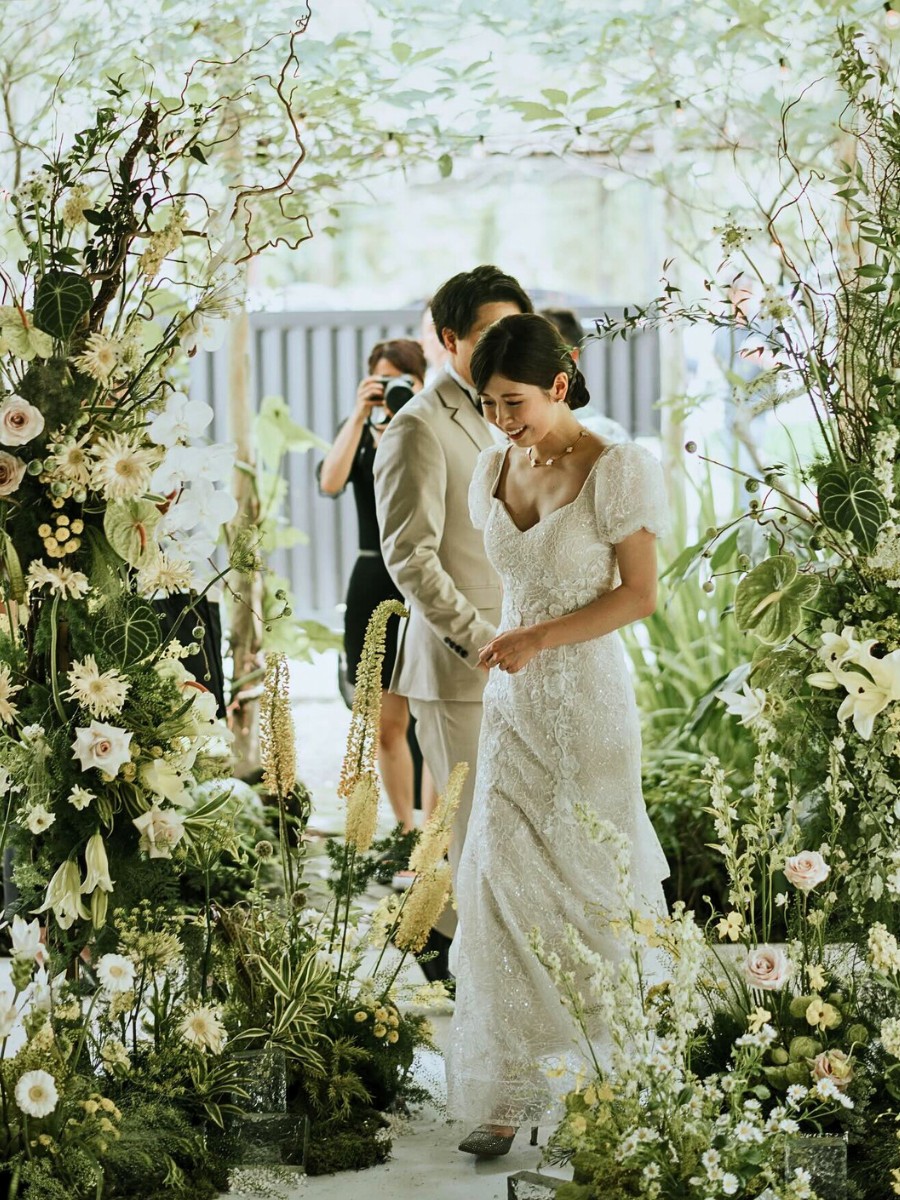
How to Have a Sustainable Wedding of 100 Guests
Scaling sustainability to a larger guest list is entirely achievable with the right preparation. The fundamentals remain the same, but logistics require more deliberate planning. Send digital invitations to eliminate paper waste at the first step. Choose a venue accessible by public transport and organize a shuttle from the nearest station.
Brief your caterer on precise portions and pre-arrange food donation partnerships. Set up labeled general waste, recycling, and composting stations throughout the venue, and brief the entire events team on the plan before the day.
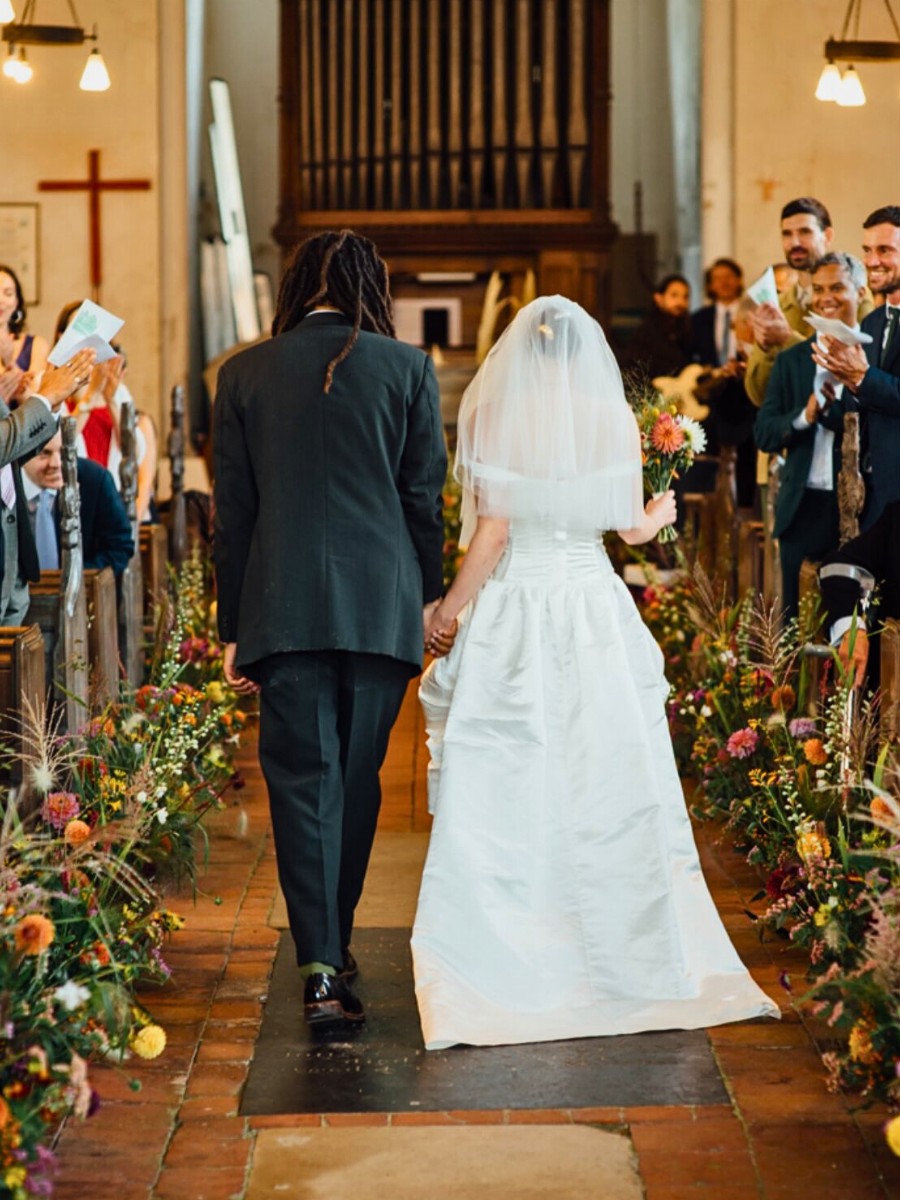
At the scale of 100 guests, every sustainable decision multiplies in impact. A well-planned, eco-conscious wedding of 100 can achieve a carbon footprint and waste output comparable to many smaller conventional celebrations, and the visible commitment to sustainability often inspires guests to carry these ideas home.
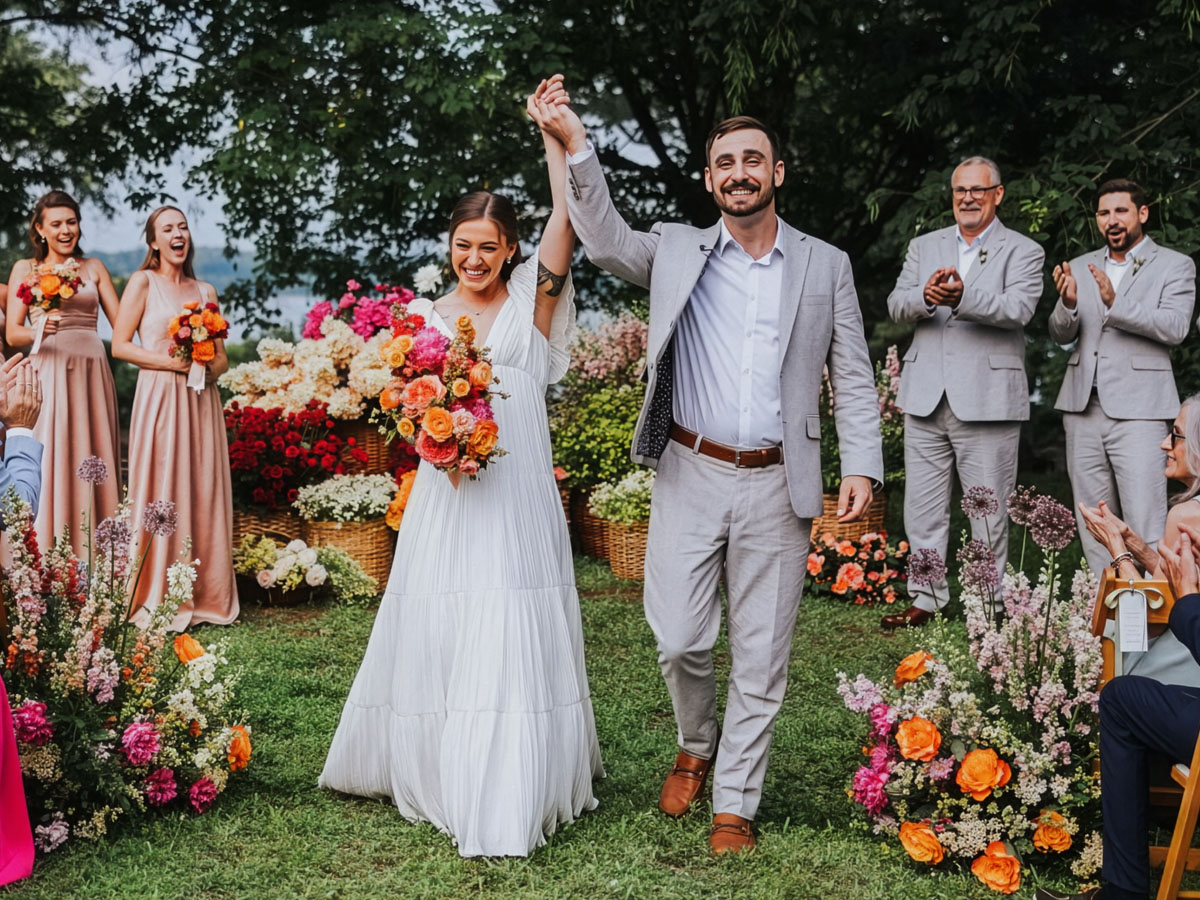
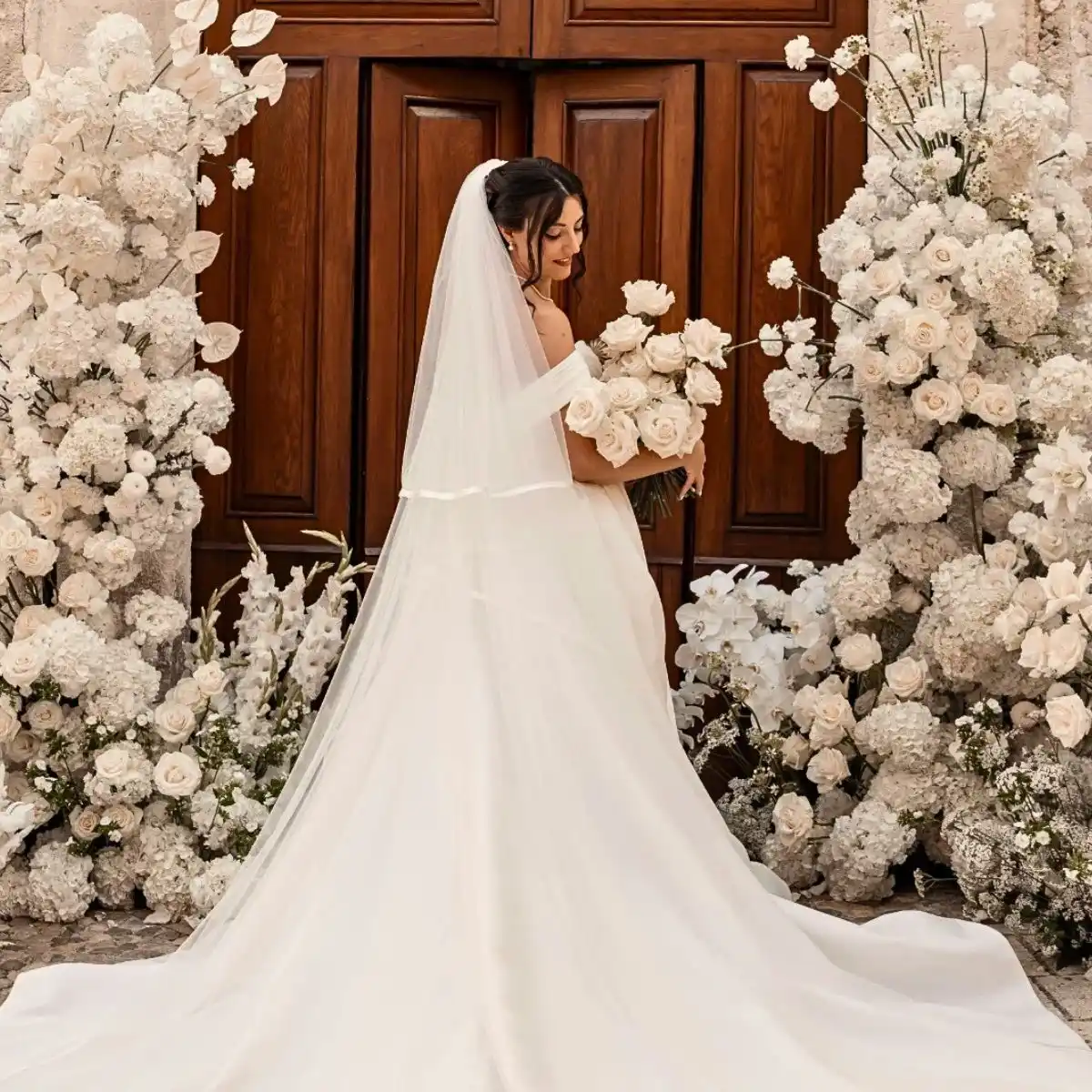
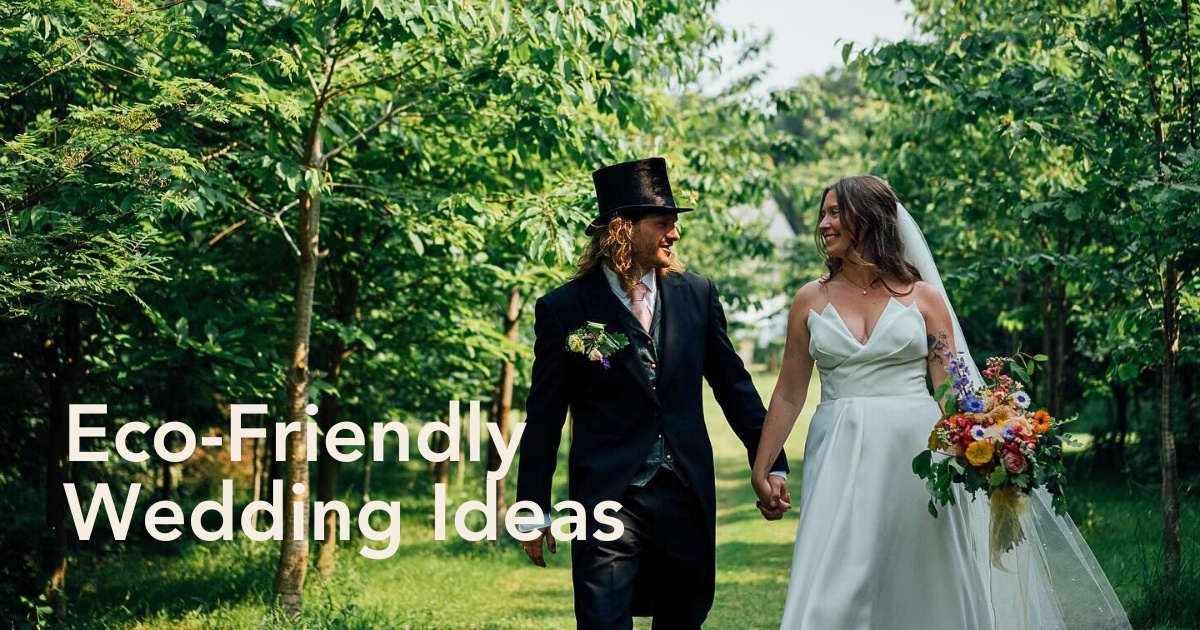
Featured image by @smackthatbird. Header image by @thenorthdevonflowerfarm.