Plant care looks simple until you start repeating the same issue: yellow leaves after feeding, soil that stays wet too long, or cut flowers that collapse early, even when you "followed the instructions." In many cases, the plant is not the problem. The numbers are.
A small error in dilution, a wrong assumption about pot volume, or a quick guess on how much water to add can compound over weeks. The result is inconsistent growth, root stress, and wasted supplies. This guide focuses on the basic calculations that help you stay consistent, without turning plant care into homework.
The Three Plant Numbers That Matter Most
You do not need to measure everything. You only need to be consistent with three things: container volume, water volume, and concentration.
Container volume matters because pots do not behave the same way. A 10 cm pot dries fast and forgives mistakes. A 30 cm pot holds moisture longer, so small overwatering habits become real root issues. Water volume matters because "a little water" is different for every pot size and soil mix. Concentration matters because fertilizer and vase solutions are chemistry; being slightly off is still off.
If you want a quick way to check ratios while you read labels, Free Math Solver for Chrome can help you calculate dilutions and conversions directly while you're shopping online or reading product instructions.
Fertilizer Dilution Without Guessing
Most feeding mistakes happen because people confuse "per liter," "per gallon," and "per watering can." Then they compensate by eyeballing. That's how plants get salt buildup, leaf burn, or soft growth that attracts pests.
A simple method is to standardize one mixing container and one measurement tool.
Let's say your fertilizer label says: 2 ml per 1 liter of water.
If your watering can is 3 liters, your mix is: 2 ml × 3 = 6 ml.
If the label says: 1 teaspoon per 1 gallon, and you mix in liters, do one conversion once and reuse it. One US gallon is about 3.8 liters. So if it's 1 teaspoon per gallon, it's roughly ¼ teaspoon per liter. You do not need perfect precision, but you do need the same method every time.
If you prefer to feed at "half strength," don't do mental math each time. Just mix full strength once, note the amount, and halve it consistently. Many indoor plant care guides on Thursd mention dilution as a safer approach for regular feeding, especially for sensitive plants and container-grown trees.
A useful reference on how potting media and nutrient availability work together is this internal read: Optimizing Plant Health Unveiling the Secrets of Potting Soil.
Watering Volume That Matches Pot Size
Overwatering is usually a frequency problem, but it can also be a volume problem. Some people water too often. Others water "lightly" and never reach the full root zone, which creates weak roots and dry pockets.
A practical rule for container plants is to water until you get drainage, then stop. But if you want a repeatable system, use a volume target.
A simple starting point is 10% of pot volume as a rough watering amount for a thorough watering session, then adjust based on your soil mix and season.
Example: if your pot holds about 5 liters of substrate, start with 500 ml and check how it drains. If the pot is very airy (lots of bark/perlite), it may need more. If the pot is dense and holds water, it may need less and less frequently.
You do not need to calculate pot volume perfectly. You can estimate by using the pot's diameter and height, or you can do a one-time test: fill an empty pot (same size) with water to measure its approximate volume, then translate that into your watering habits.
If you are working with container trees, the "pot dries faster than ground soil" principle becomes more important. This guide can complement your process: Beginner Guide to Growing Trees in Containers
Mixing Ratios for Cut Flowers and Vase Solutions
Florists and home designers face a different version of the same issue: inconsistent vase life because solutions are mixed inconsistently.
Most flower food is designed for a specific volume of water. If you "stretch" it across more vases than intended, you reduce its effectiveness. If you overdose, you can create bacterial growth or osmotic stress, depending on the product.
The fix is simple: standardize your vase sizes and pre-mix a larger batch.
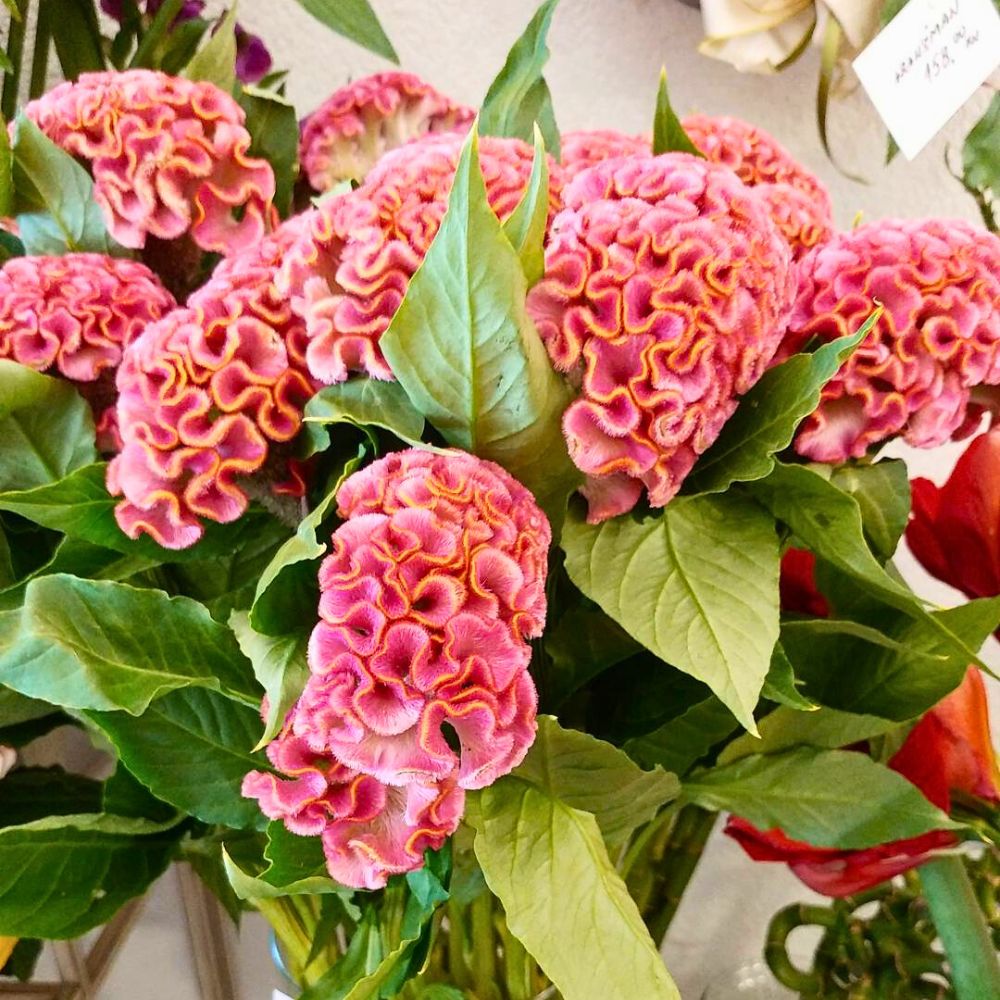
If your flower food packet is meant for 1 liter and your vase takes 2 liters, you need two packets, or you need a bulk concentrate where you measure accurately. If you are preparing multiple vases, mixing a 5-liter batch and pouring from that is usually more consistent than mixing each vase separately.
For a deeper look at why vase life performance depends on control and consistency, this is a relevant internal read: Vase Life Science as a Sustainability Tool in Floriculture.
The "Cost per Plant" Check That Stops Impulse Buys
Plant collectors often think the only risk is plant health. But budget mistakes also create stress, and stress creates rushed care decisions.
A quick cost check can be as simple as calculating what you are actually paying for the usable part of the plant.
If you buy a cutting with two nodes for $80, you are paying $40 per node. If a rooted plant is $120 but has six growth points and established roots, your risk is lower, and the value may be better even if the sticker price is higher.
This is not about being cheap. It is about being clear. When you know the cost per usable unit (node, rooted plant, stem count, or pot size), you make calmer decisions.
Timing Math for Feeding Schedules That Don't Overload Roots
Feeding is not just about concentration. It is also about frequency.
If your fertilizer recommends feeding every two weeks, and you also use a slow-release fertilizer in the soil, you may be stacking nutrients without realizing it. That is how salt buildup happens in containers.
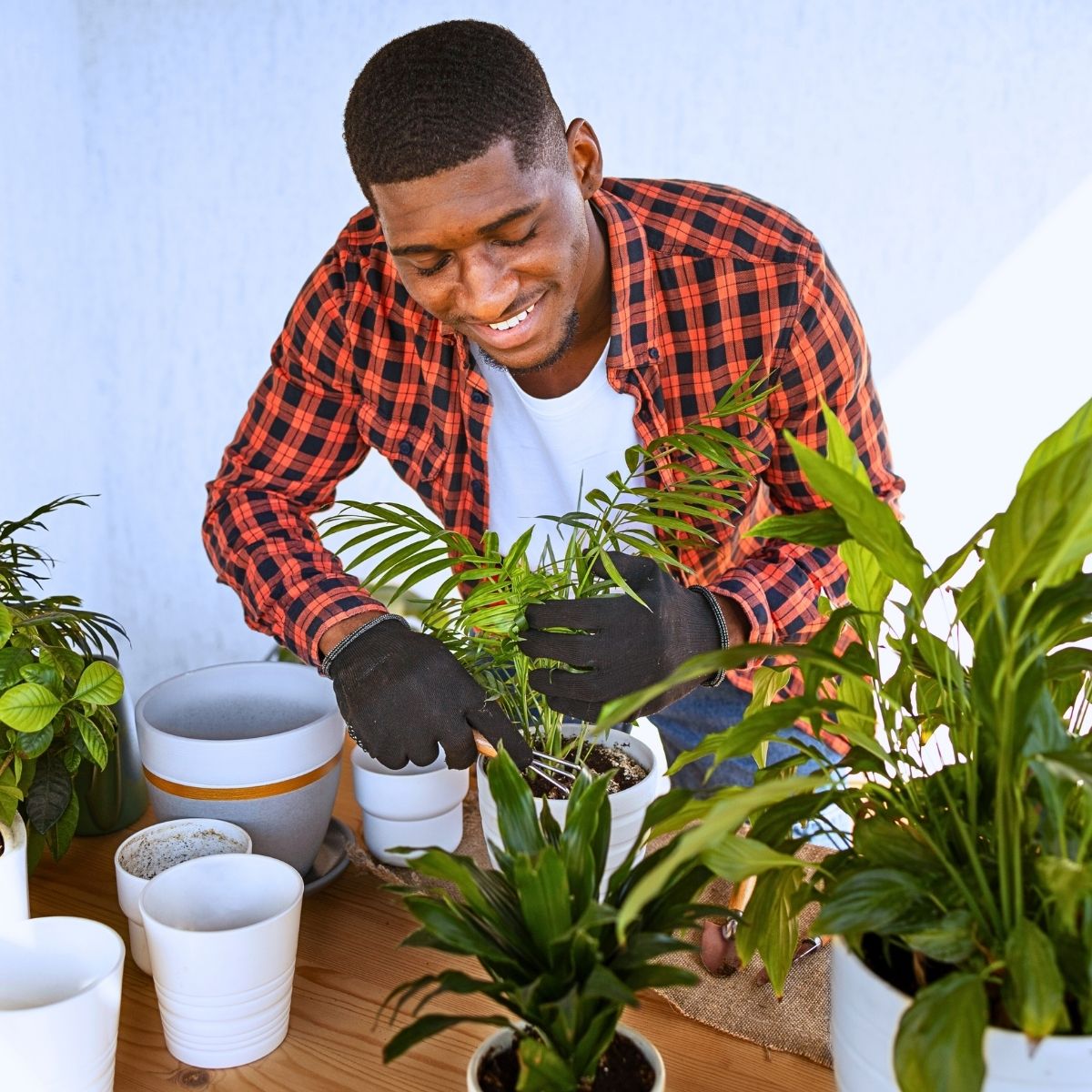
Photo by @freepik
A simple schedule approach is to feed "lightly but regularly" during active growth and reduce frequency during slower seasons. If you are unsure, track it like you track watering: write it down once. Even a note on your phone helps.
For plant types where feeding is mentioned as a light, diluted monthly routine (such as submersion watering methods), you'll see the "less but consistent" idea show up often. This kokedama guide is a good example of that style of feeding logic:Kokedama Japanese Moss Ball Plants.
A Simple System You Can Stick To
If you want this to feel manageable, pick one standard for each category:
Use one watering can size, one measuring spoon/syringe for fertilizer, and one note for your basic ratios. When you change brands, recalculate once and replace the note.
For cut flowers, standardize vase sizes and batch-mix solutions so you stop doing "small math" under time pressure.
For plants, aim for repeatable inputs: consistent light placement, consistent watering method, and consistent dilution habits. Plants respond well to predictable conditions, and your results will improve faster than you expect.
Plant Care
Plant care gets easier when you remove guesswork. You do not need complicated tools or strict spreadsheets. You need a few repeatable calculations that keep watering, feeding, and mixing consistently. Once the numbers are stable, you can focus on the part that actually matters, observing the plant and adjusting based on real signals, not assumptions.
If you want, paste the customer's preferred internal link(s) or any "must include" keywords, and I'll weave them in without changing the topic or making it look forced.