Vase life is often treated as a quality issue, but in reality, it is also a sustainability lever for the floriculture value chain. Every extra day that a flower remains beautiful in a vase means avoided waste, saved resources, and better margins for growers, wholesalers, florists, and retailers. This waste would otherwise have meant not just lost beauty but squandered water, energy, and labor. Vase life science changes this equation by treating flower longevity as both an environmental requirement and a business opportunity.
The Science Behind Vase Life
The longevity of cut flowers in a vase is shaped by several physiological processes. After harvest, stems can suffer from water stress as xylem vessels become blocked by air embolisms or microorganisms, reducing the ability of the flower to move water to petals and leaves. At the same time, respiration continues while carbohydrate reserves get depleted, and ethylene or other signals trigger senescence, wilting, and petal drop.
Vase life science, therefore, studies everything that happens to a cut flower from the moment it leaves the plant until it finally declines. This field examines the biological processes that determine how long flowers stay fresh, how they respond to different conditions, and what interventions keep them looking their best.
Think of a cut flower as a living organism still breathing, drinking, and aging, just without roots. Scientists in this field measure respiration rates, track water uptake, analyze ethylene production (the hormone that triggers aging), and test different variables that affect flower quality. Their findings translate directly into practical protocols that growers, wholesalers, florists, and consumers can use.
Clean stem cuts, immediate hydration, and solutions that balance pH, sugar, and antimicrobial action help keep water columns open, maintain osmotic balance, and delay the visible signs of aging. Genetics also play a role, with some varieties naturally showing more robust postharvest performance than others, which is increasingly considered in breeding and selection.
Why Vase Life Is a Sustainability Issue
Behind every flower stem is a long chain of inputs: land, water, fertilizers, energy, transport, and human labor. Growing flowers requires water, nutrients, land, often heated greenhouses, and transportation that consumes fuel. When flowers are discarded prematurely at retail or in consumers' homes, all of those embedded resources are effectively wasted, and the environmental footprint per usable stem rises.
Shorter vase life, therefore, forces retailers to over-order, mark down stock more aggressively, and accept higher shrinkage, which compresses their margins and often pushes the system toward volume-driven, more than value-driven production. Extending vase life even by a few days increases the value of every resource used, allowing sellers to hold inventory longer, sell more stems at full price, and delight consumers with bouquets that last well beyond expectations.
The Practicality of Cold Chain Management and Smart Logistics
Temperature is one of the strongest drivers of vase life, and cold chain discipline is essential for both sustainability and profitability. Keeping flowers cool from harvest through grading, transport, auction, wholesale, and retail slows respiration, reduces water stress, and can extend vase life by a substantial margin. Breaks in the cold chain, including at loading docks, during airport handling, or in warm retail backrooms, act like age accelerators, quietly shortening the window during which the product can still command a premium.
Technology is helping close these gaps. Affordable data loggers and connected sensors can track temperature and sometimes humidity throughout the journey, creating a transparent picture of product handling. Monitoring systems placed in shipping containers track temperature fluctuations in real time, alerting handlers if conditions drift out of the optimal range. Some advanced systems even adjust cooling automatically based on the specific flowers being transported and their sensitivity levels.
When certain routes, partners, or points in the chain show recurring temperature spikes, one can intervene with better insulation, training, or revised logistics. Every improvement that prevents a batch from being prematurely aged in transit means less shrinkage and lower environmental cost per stem.
Smart Sensors, Data, and Assortment Planning
Cold chain, data, and sensing technology are also influencing how the industry thinks about vase life. Combining sensor data with in-store performance and simple vase life trials means consumers build a much clearer picture of how different varieties, grades, and supply routes perform under real conditions. This knowledge feeds into smarter assortment planning.
Retailers can match long-lasting varieties to slower locations, adjust order volumes around known weak points, and favor growers and logistics partners with reliably strong postharvest indices. The result is a system that produces and moves beautiful flowers, whose beauty lasts, reducing the structural over-ordering that often leads to waste.
On Preservatives
The flower preservative industry has advanced considerably. Today's formulas are refined chemistry designed to address different aging mechanisms simultaneously. They typically contain three key components. Sugars provide energy that flowers can no longer produce through photosynthesis. Biocides prevent bacteria from clogging stem ends and blocking water uptake (bacterial growth is actually one of the primary causes of premature wilting). Acidifiers lower the pH of the solution, which helps flowers absorb water more efficiently and keeps stems clearer.
Professional-grade preservatives go further. Some include ethylene inhibitors that slow the production or action of this aging hormone. Others contain compounds that strengthen cell walls or reduce transpiration (water loss through petals). Formulas are now variety-specific, understanding that flowers like roses need different support than others like lilies.
According to research, proper use of preservatives can extend flower vase life by 50% to 200%, depending on the flower type. This extension means fewer flowers are discarded unsold, fewer frequent deliveries, and better inventory management throughout the supply chain.
Conditioning Protocols That Make a Difference
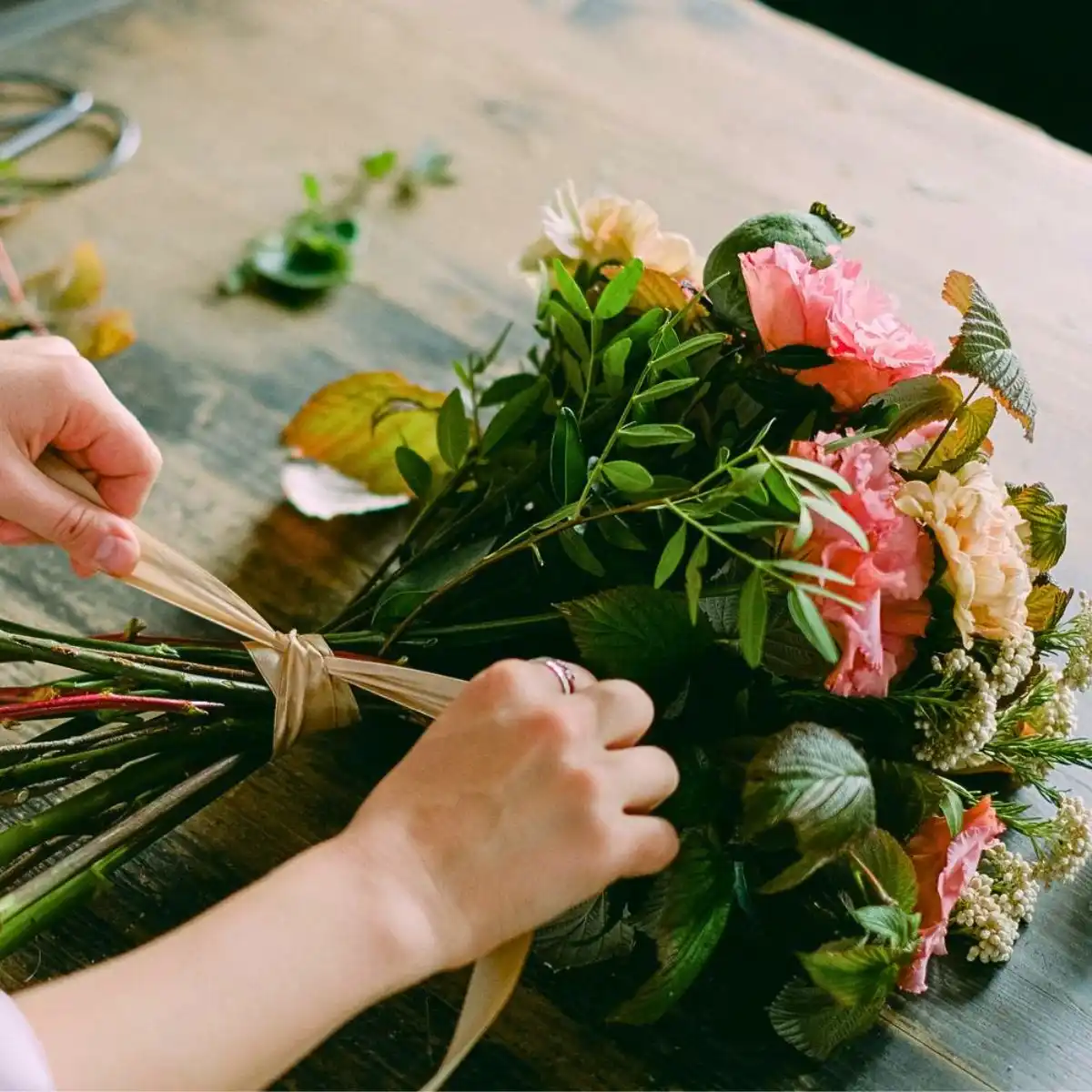
Conditioning refers to the initial treatment flowers receive after harvest or upon arrival at a new location. Done properly, conditioning prepares flower stems to maximize water uptake, setting them up for a long, healthy vase life. Professional conditioning involves several steps.
First, stems are recut at an angle under water to prevent air bubbles from entering the vascular system. The underwater cut is essential because air trapped in the stem tissue acts like a cork, blocking water flow. Next, stems are placed in a preservative solution at the proper concentration and temperature.
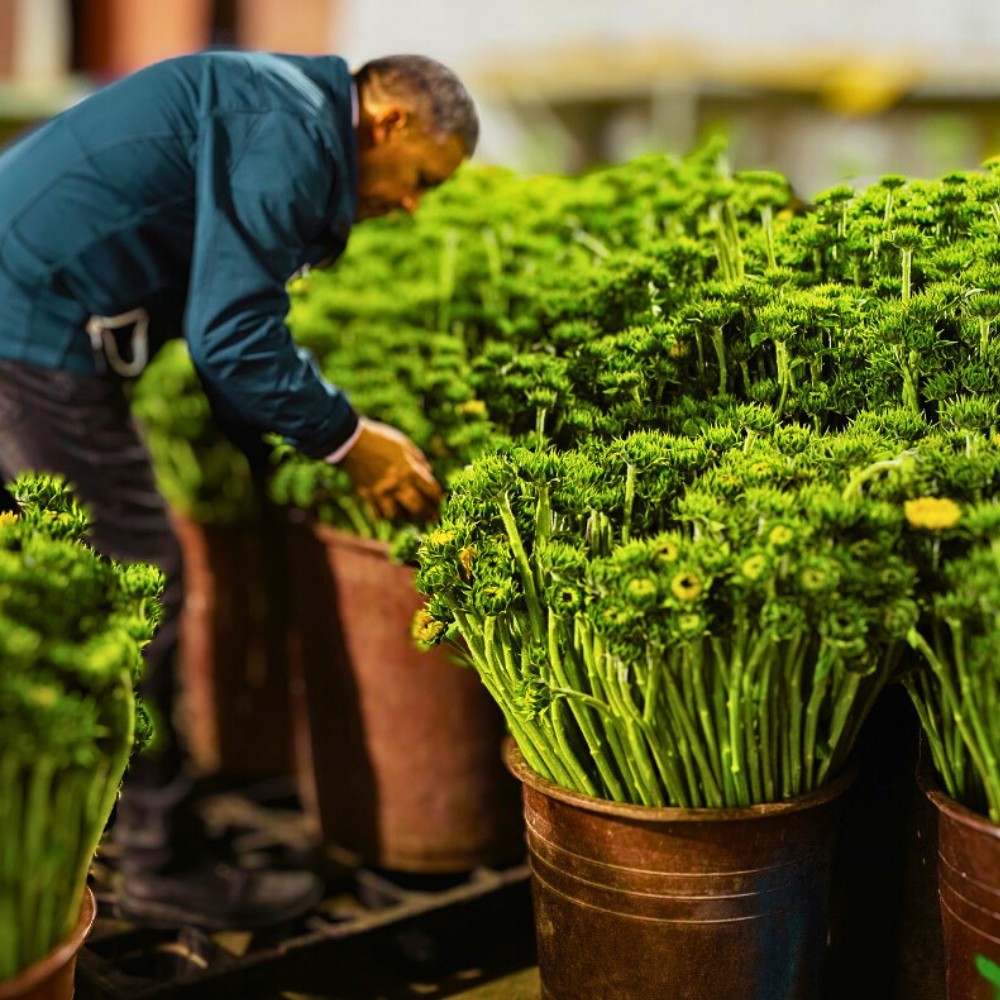
Some varieties perform well with additional treatments. Woody stems of lilac or viburnum respond well to splitting or crushing the bottom inch. Flowers with milky sap, like poppies, need their stems seared to seal the latex that would otherwise block water channels. Bulb flowers like tulips and daffodils prefer shallower water levels.
Timing also matters. Allowing flowers to hydrate sufficiently before arranging or selling them makes a great difference. This hardening period lets stems fully saturate with water and nutrients, building resilience for the next days. Using sanitized tools and buckets, pre-cooling immediately after harvest, storing in carefully formulated solutions, and maintaining good hygiene during handling all help reduce microbial growth and vascular blockage.
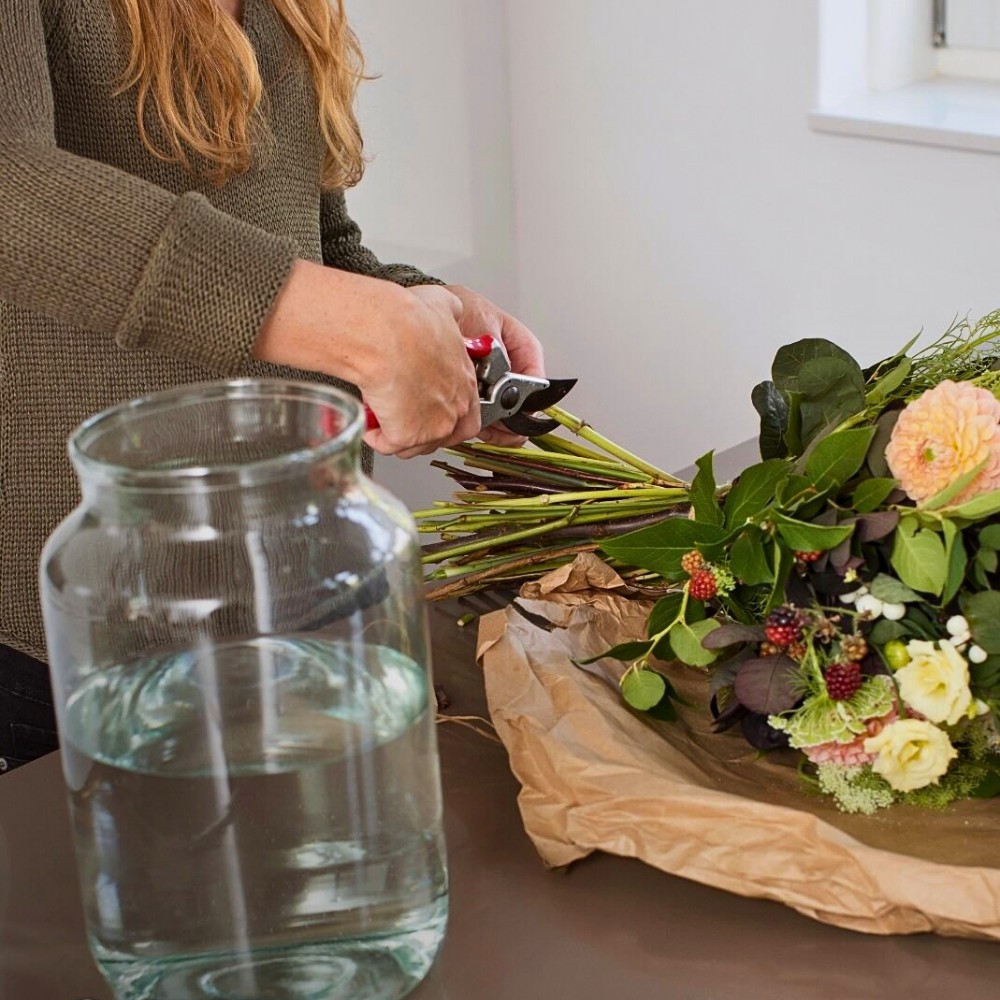
Those who implement reliable conditioning protocols report far lower waste rates, with flowers arriving at customer homes already strong and well-hydrated, meaning longer enjoyment and better reviews.
The Business Case for Better Vase Life
Sustainability efforts often get framed as costs that companies absorb for ethical reasons. This narrative is flipped by the science of vase life, showing how environmental benefits align with profit. Consider the math from a wholesaler's perspective. If better cold chain management extends salable life by just three days, inventory turns faster, and fewer products expire. The wholesaler can order more confidently, carry less safety stock, and respond more quickly to market demands. Lower waste means higher margins.
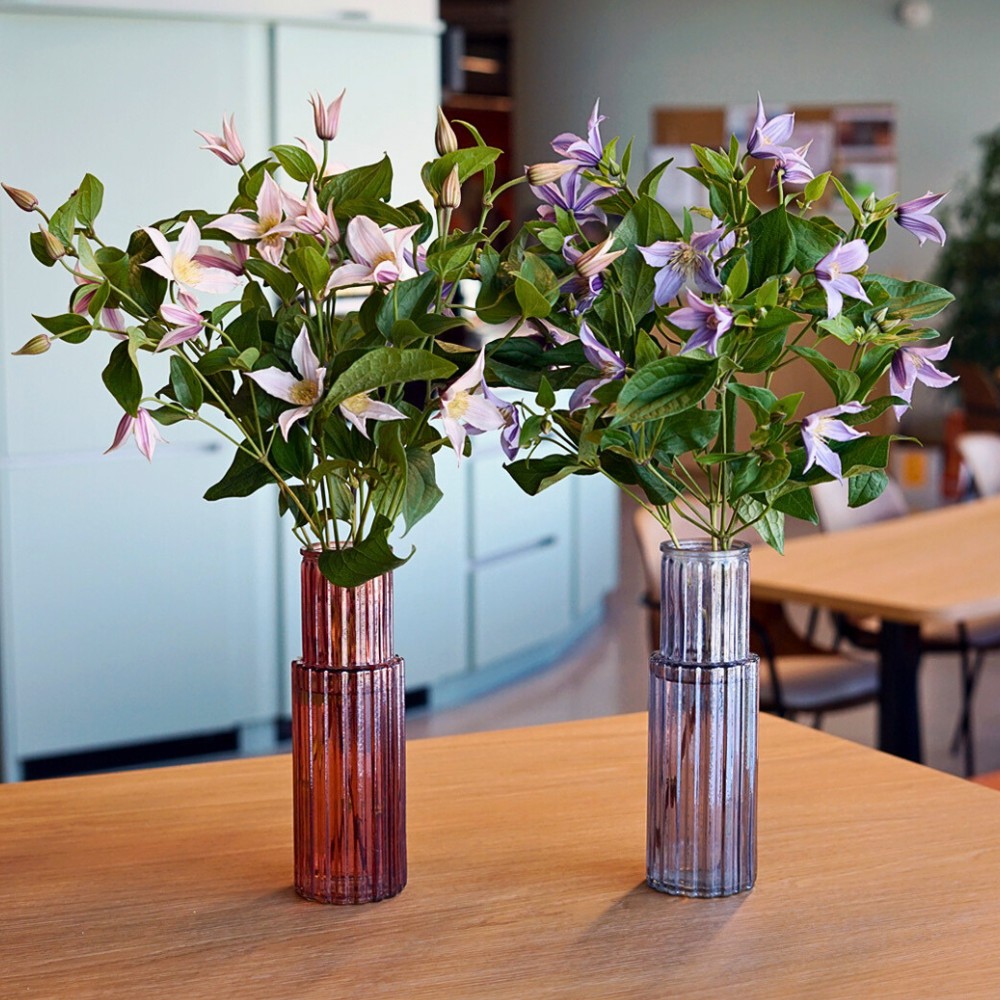
Florists see similar benefits. Flowers that last longer elicit fewer complaints and more word-of-mouth recommendations. Customers who enjoy week-long vase life become repeat buyers. The florist can also be more creative with inventory, knowing that proper care will keep less popular varieties fresh until the right customer comes along.
Even growers benefit from the focus on vase life downstream. As retailers experience less waste, they are willing to pay premium prices for varieties proven to last. This creates market incentives for breeding programs to prioritize vase life alongside color and form. Breeders nowadays include vase life testing as a standard part of evaluating new varieties.
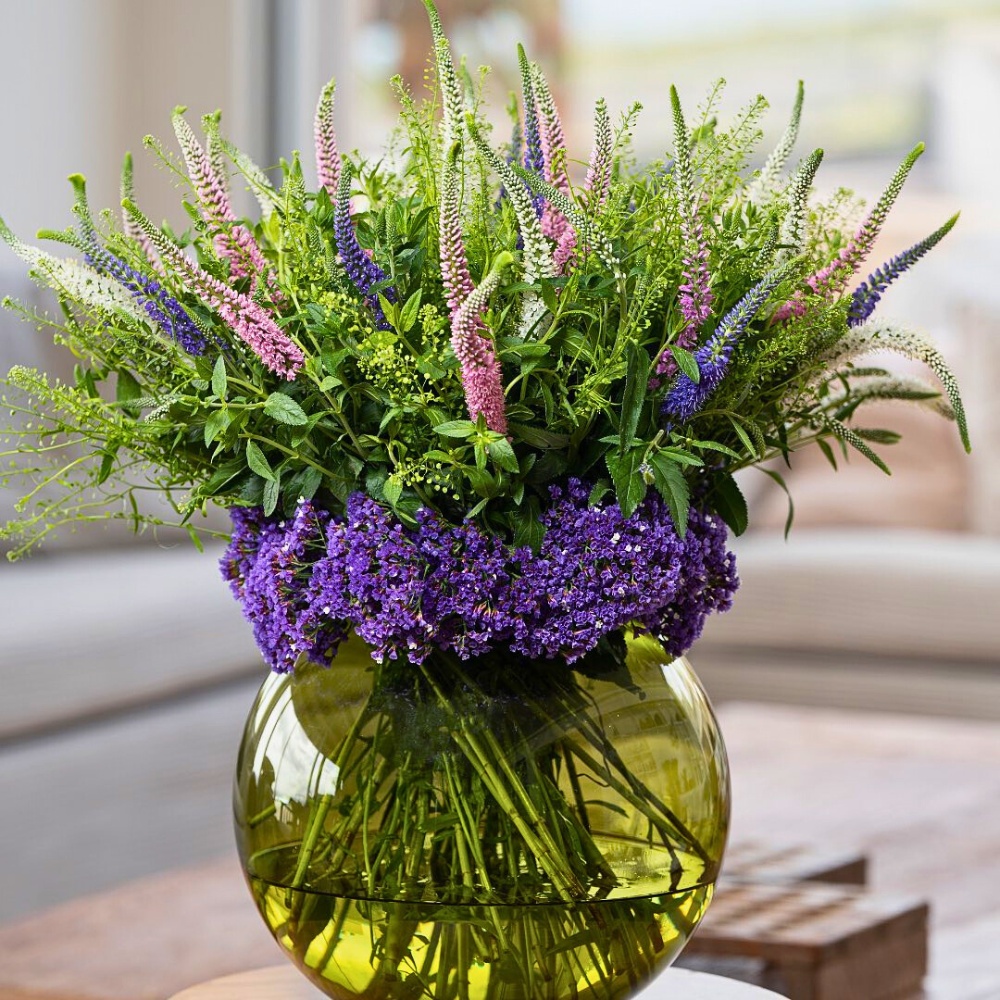
The entire supply chain becomes more efficient when everyone shares responsibility for flower longevity. Information flows backward, too, with retailers reporting which practices work best, allowing growers to refine their harvest and postharvest protocols.
Consumer Education
All the technology and protocols cannot overcome poor care in the final destination. This makes consumer education a challenge and an opportunity for the industry. Most people underestimate how much simple care extends flower life. Basic practices like recutting stems, using clean vases, changing water every few days, and keeping flowers away from fruit (which emits ethylene) significantly increase longevity. Yet surveys show that the majority of consumers do not often follow these practices.
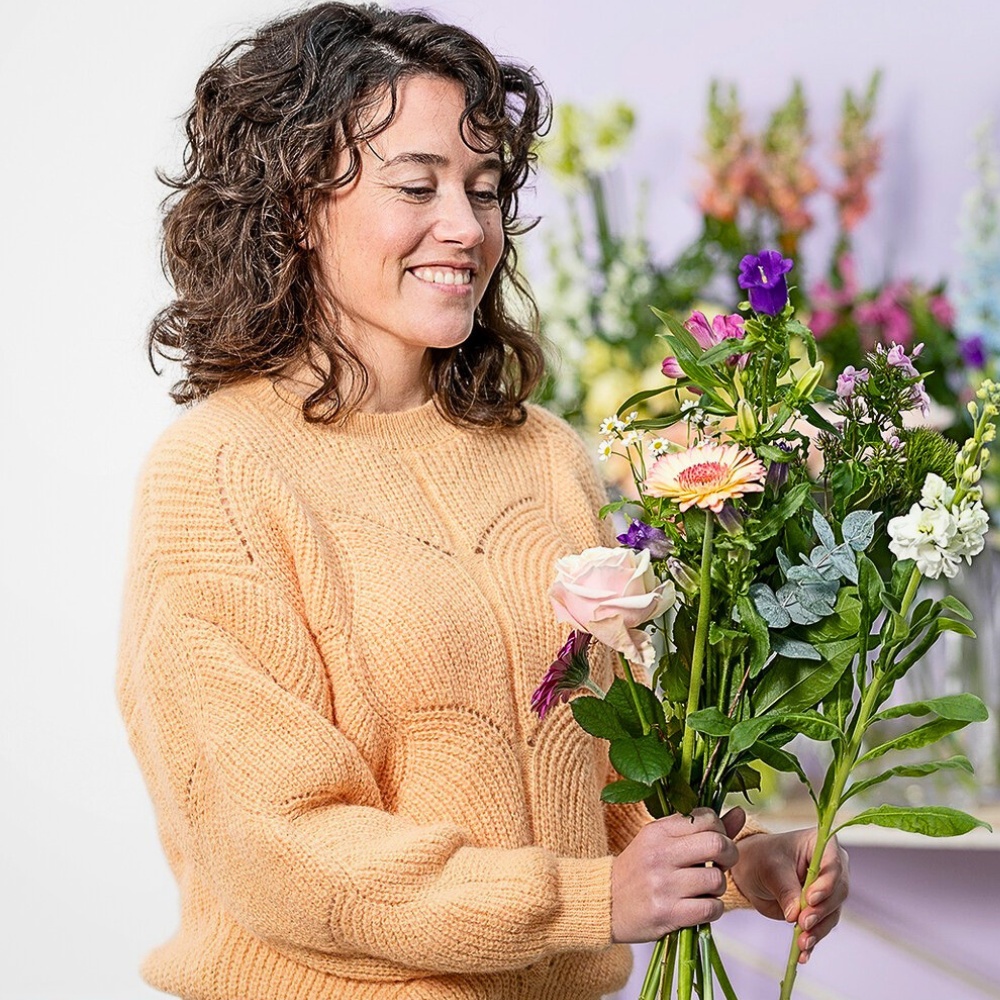
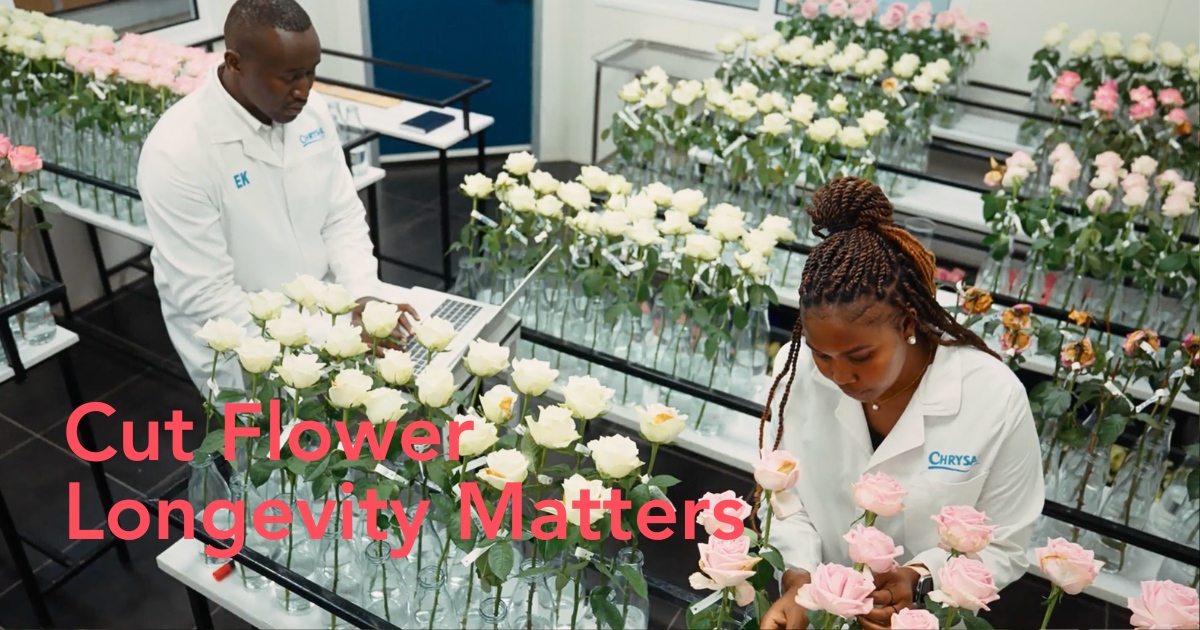
The education gap is an opportunity for floral waste reduction. Progressive floral companies like Chrysal are building education into their brand identity, creating content that positions their businesses as flower care experts, not just suppliers. The key is making instructions simple and positive, not overwhelming. This approach builds customer loyalty while reducing waste. They appreciate the support and become more confident buyers.
Notably, a big advantage of focusing on vase life as a sustainability metric is its measurability. Unlike abstract concepts, it can be tracked, compared, and improved through specific interventions. Vase life science, therefore, presents an opportunity to align environmental and economic goals.
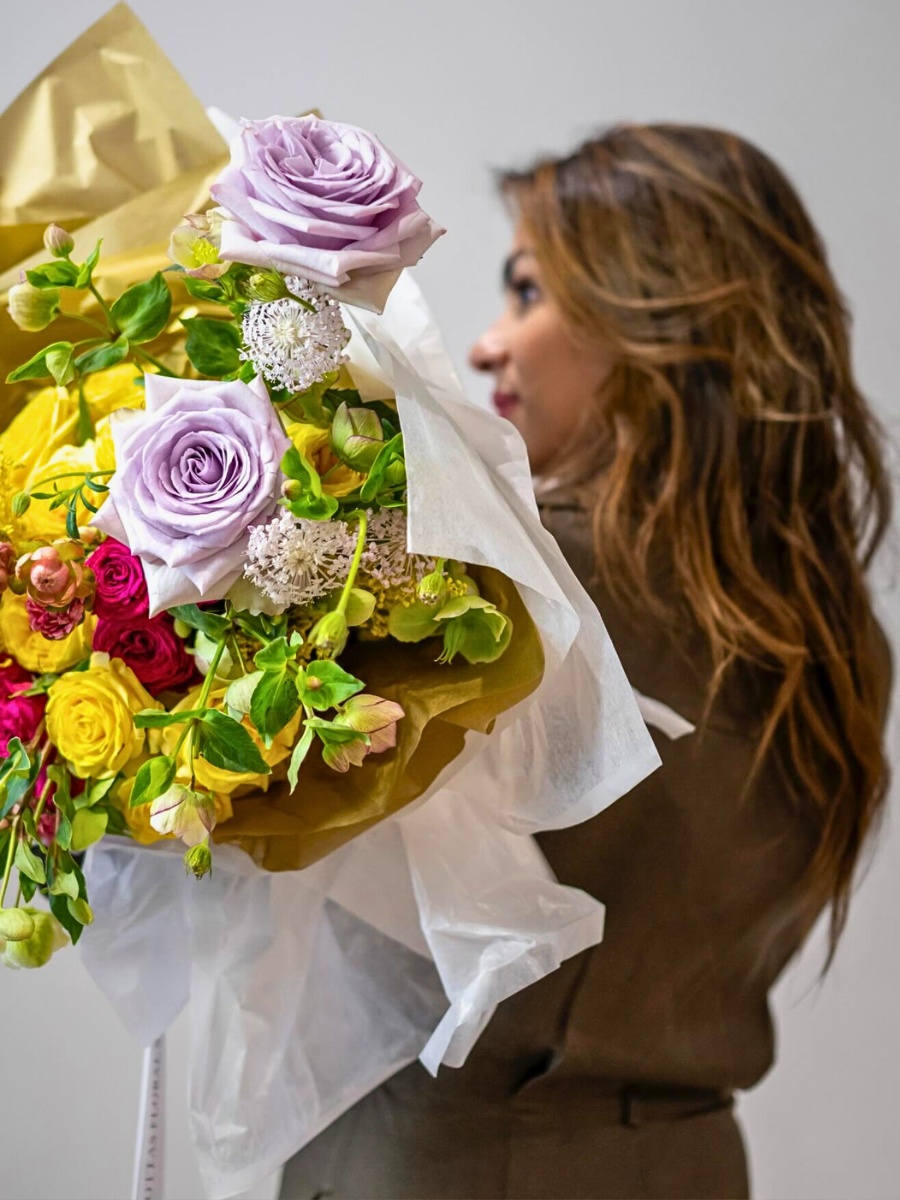
When flowers last longer, retailers buy more confidently ahead of peak days, keep displays full without excessive emergency shipments, and reduce last-day markdowns and write-offs.