The floral industry has, over the years, grown massively. And while this has made flowers widely available, there have also been some concerns as people ask for those grown organically and in harmony with nature. But such flowers involve different approaches. They demand different ways of growing, sourcing, and philosophy altogether. They are formed by natural conditions instead of artificial and chemical interventions.
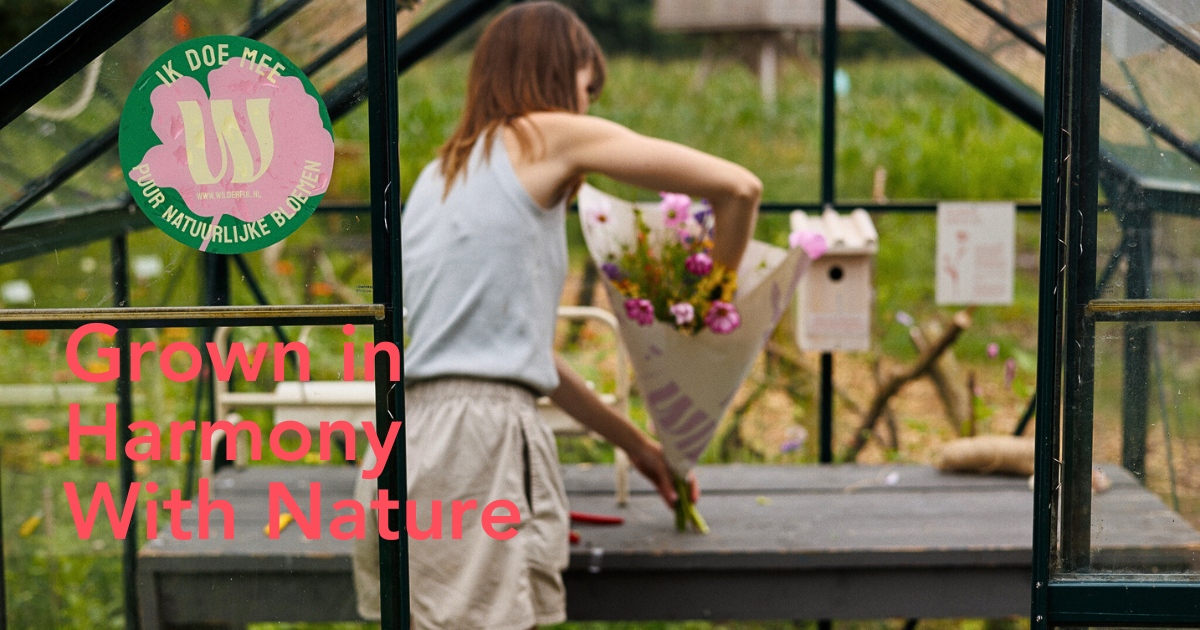
For a long time, these flowers existed mostly at the sidelines of the market, produced by dedicated growers, but a bit hard for florists and consumers to access. But Dutch platform, Wilderful, is changing this, linking Skal-certified organic growers directly with local florists and making organically grown, seasonal flowers part of the visible, working flower market in the Netherlands, and gradually, out there.
Reconnecting People With Floristry That Addresses Modern Concerns
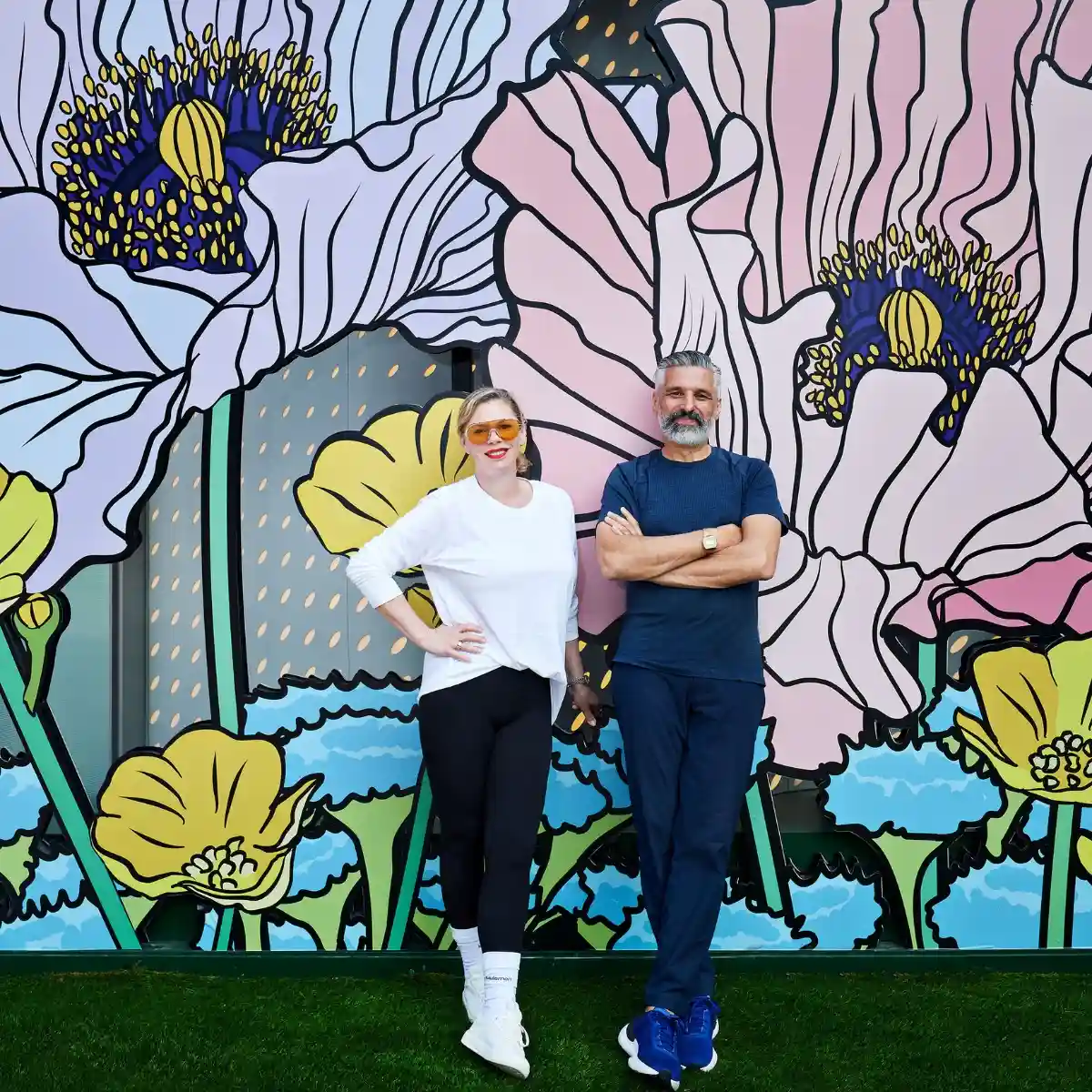
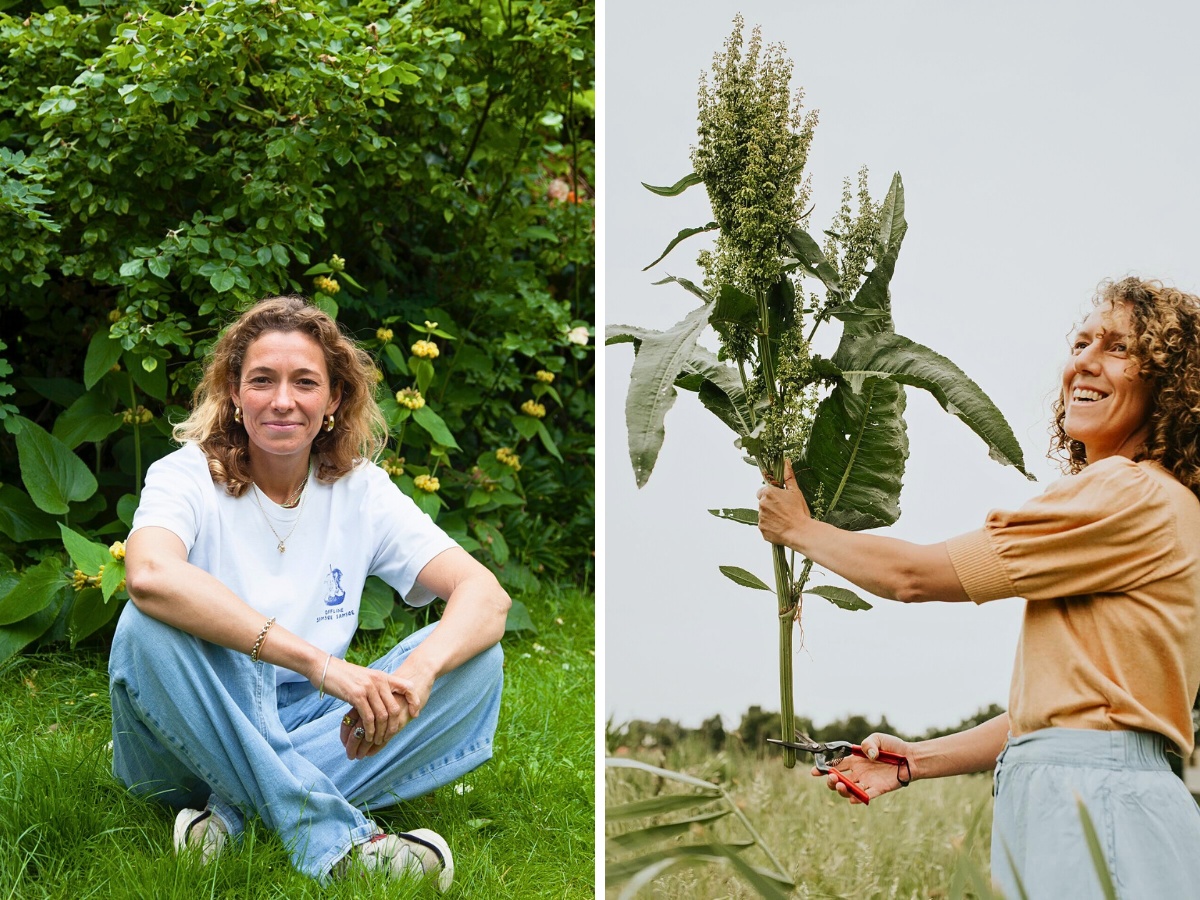
Founded by flower lovers and entrepreneurs Silke Tijkotte and Denise Collignon, this initiative spotlights organic flowers grown in harmony with the environment, challenging the dominance of conventionally produced flowers. Wilderful reconnects people with the timeless tradition of floristry while addressing modern sustainability concerns like biodiversity loss and soil degradation.
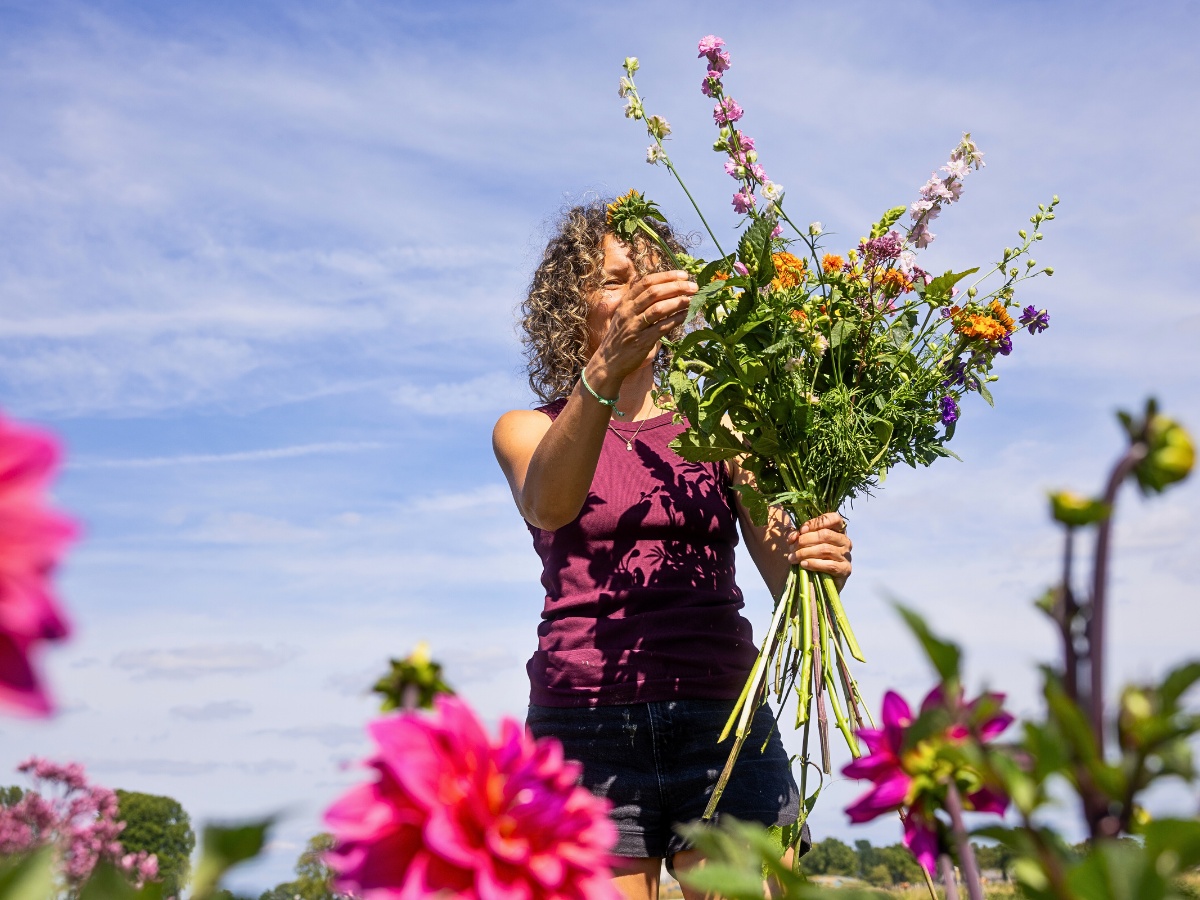
As Silke describes their outfit:
“Wilderful is all about reconnecting with nature and celebrating the beauty it offers, together. It is rooted in the craft of floristry and in the human tradition of marking life’s moments with flowers. For centuries, flowers have been part of our lives. We are naturally drawn to their beauty, and they remind us of the fleeting nature of life.”
Silke’s journey into the flower scene was shaped by understanding how the system works from the inside. Through her experience at the flower auction, she saw firsthand the environmental toll of industrial practices such as endless imports, pesticide use, and out-of-season-forced cultivation. This enhanced her involvement with the Slow Flowers movement in the Netherlands, which is a network of like-minded growers and artisans.
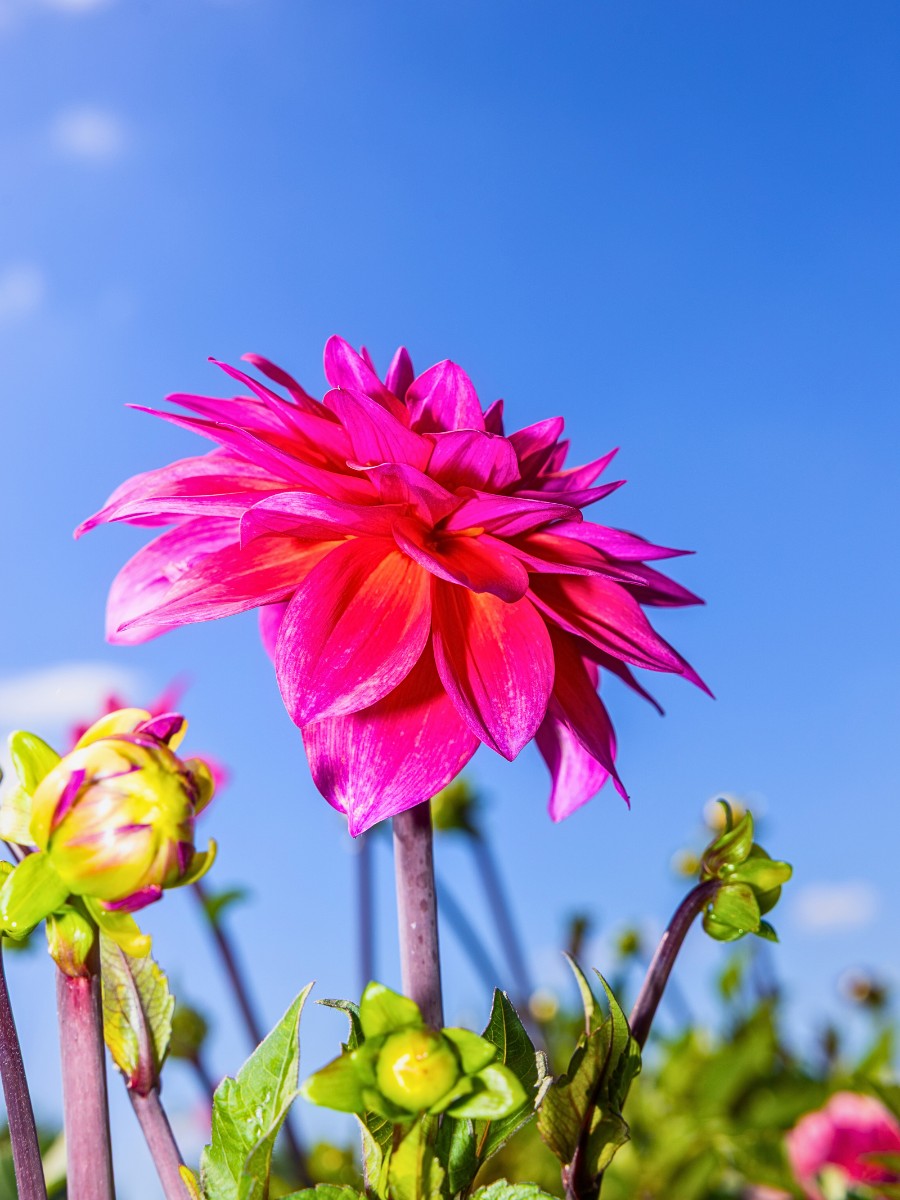
Denise, a floral artist and former organic grower, worked directly with soil, plants, and seasonal flowers. Where Silke understood systems, networks, and market structures, Denise understood flowers as living material. Together, the duo recognized that meaningful change would not just come from creating a new label or model, but from connecting it all with what was already there.
Silke points out:
“Over the past century, the flower sector has grown into a global industry. While this has made flowers widely available, it has also raised critical questions. More and more people are asking for flowers that are grown locally, in season, and in harmony with nature.
Those flowers already exist in abundance. Many growers and florists have been working this way for years, but their work was not always visible or easily accessible enough. Wilderful was founded to change that.”
In the Netherlands, Silke says, Wilderful focuses specifically on the organic segment and on helping it grow. Together with organic growers and local florists, they aim to make organic flowers more accessible to the market, without compromising on beauty, quality, or craftsmanship.
Why Organic Flowers Are a Game-Changer
Organic flowers differ greatly from conventional ones, which sometimes rely on elements like synthetic pesticides, chemical fertilizers, and energy-intensive greenhouses. These contributed to pollution, biodiversity decline, and a massive carbon footprint.
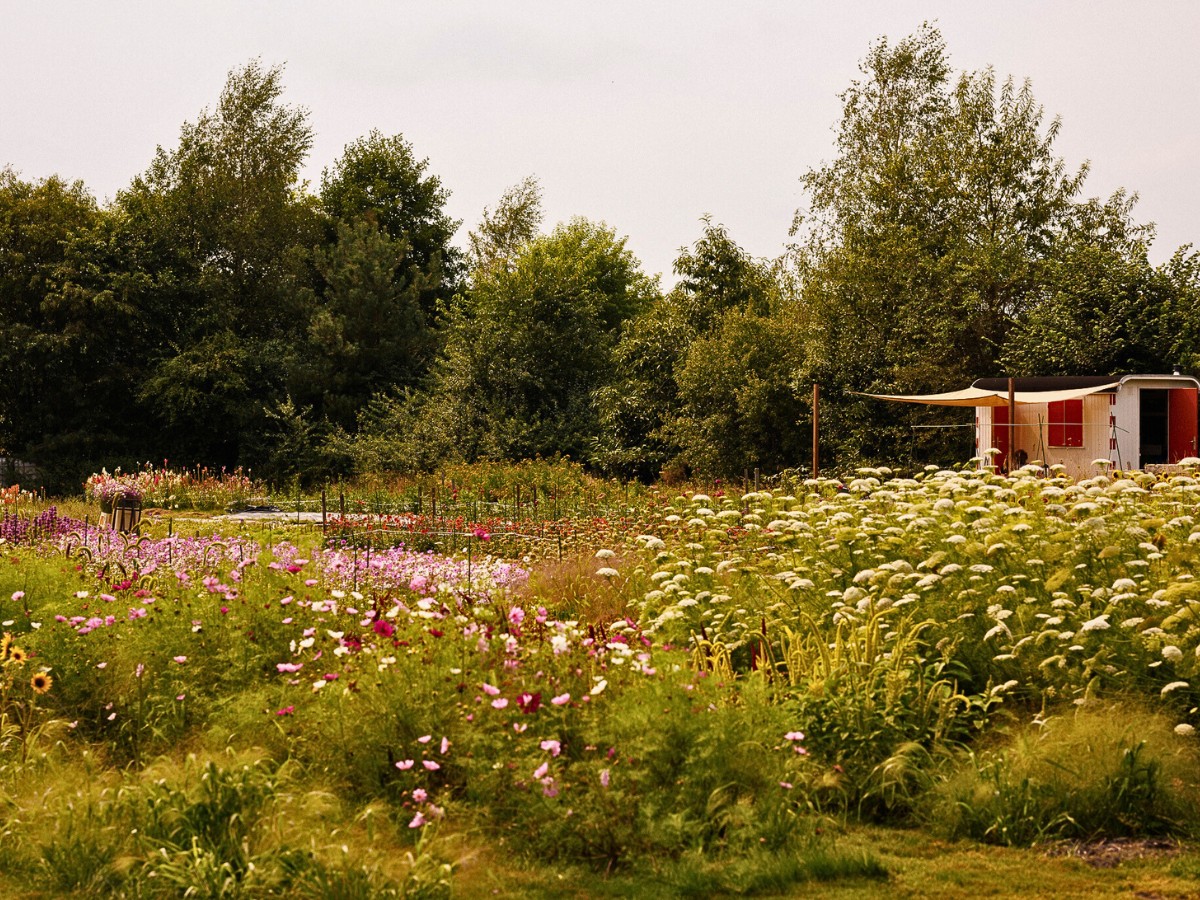
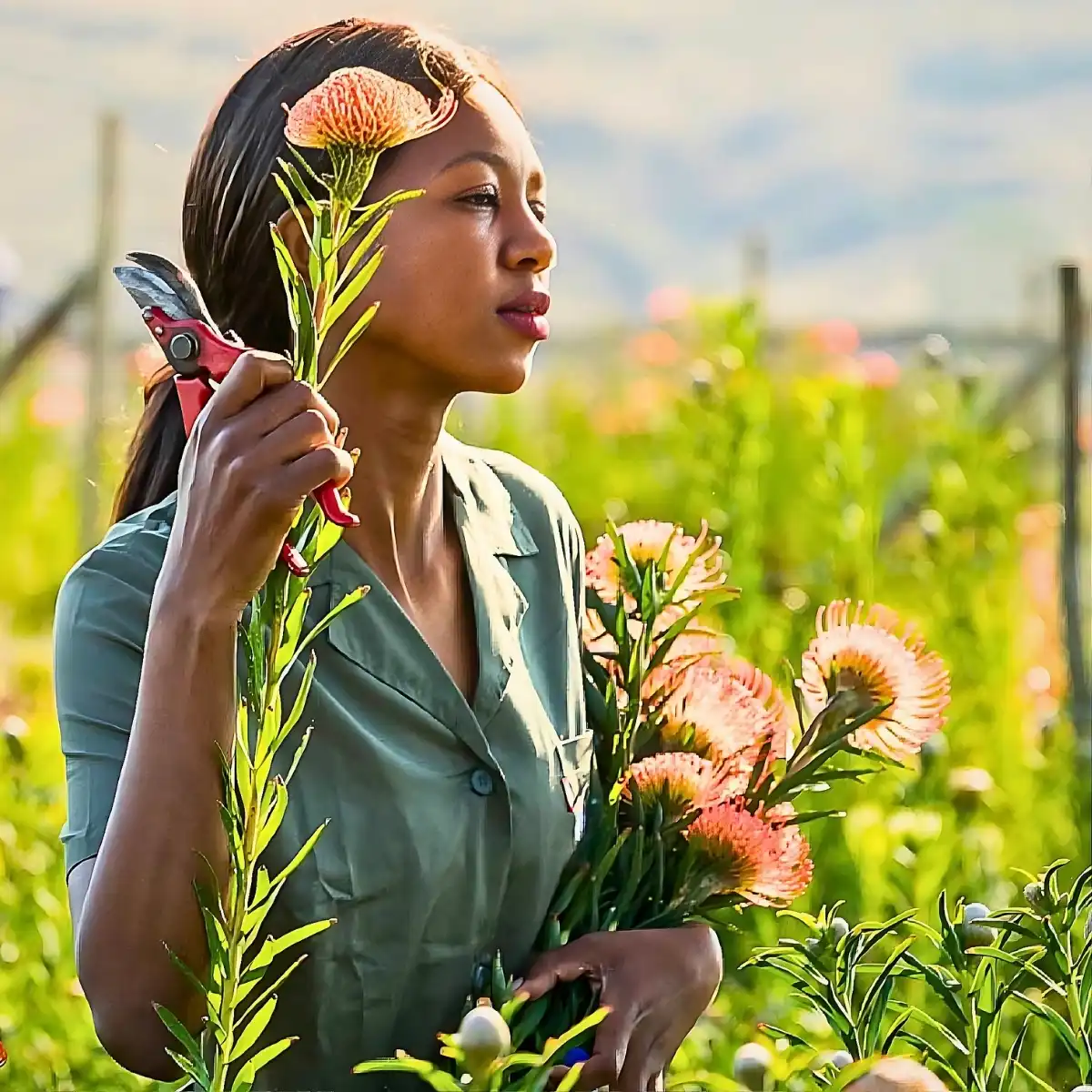
Wilderful's nature-friendly flowers are grown in open field soil, without these inputs. They contribute to nurturing healthy ecosystems (from seed to vase). Certified by Skal Biocontrole under the European Union (EU) regulations, growers go through independent inspections which ensure compliance in that no synthetic chemicals and monocultures are involved… just regenerative practices.
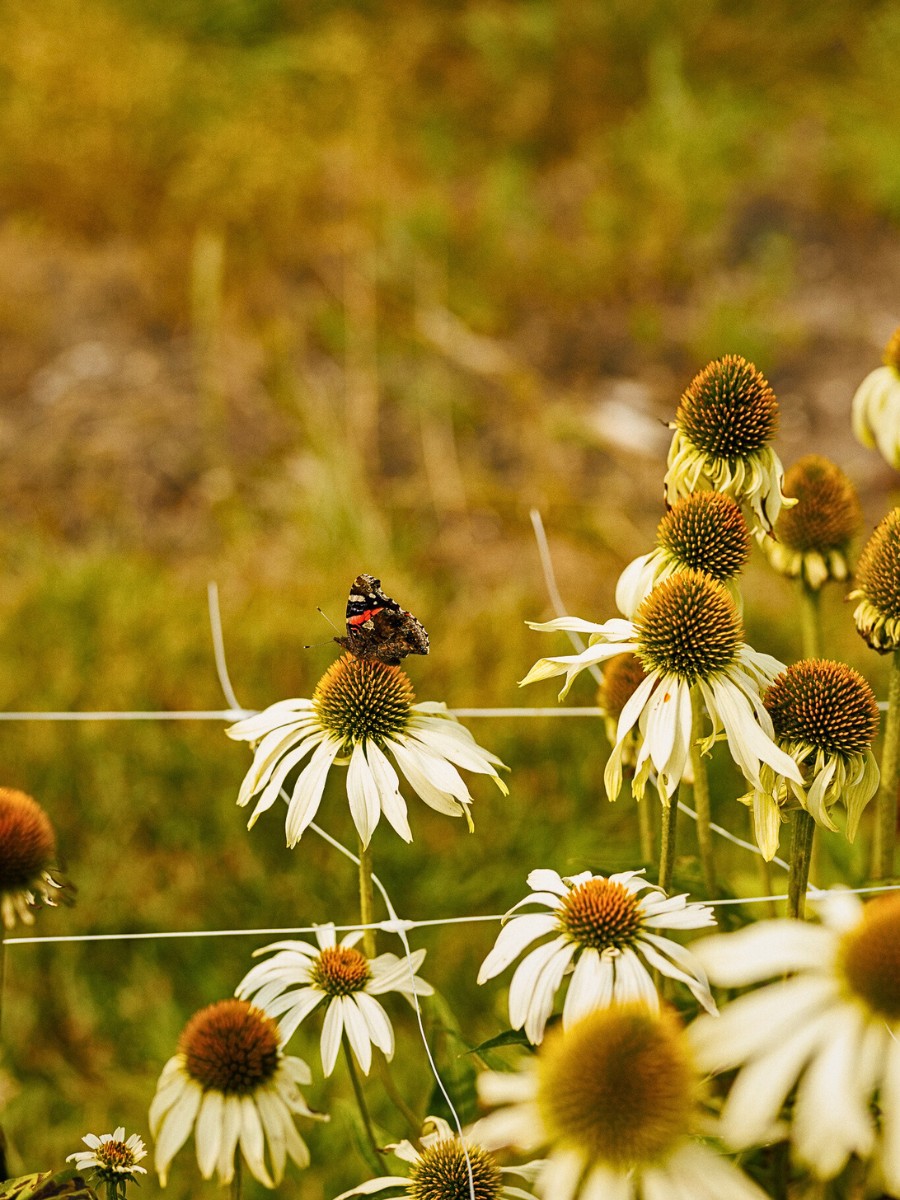
These flowers actively boost biodiversity. The fields harbor natural predators, beneficial insects, and microorganisms that enrich soil and curb pests naturally. Hedgerows, wild edges, and seasonal timing attract pollinators like bees, butterflies, and bumblebees, providing nectar and habitat. And healthier soils, generally, mean cleaner water and air, countering the runoff often seen in conventional growing.
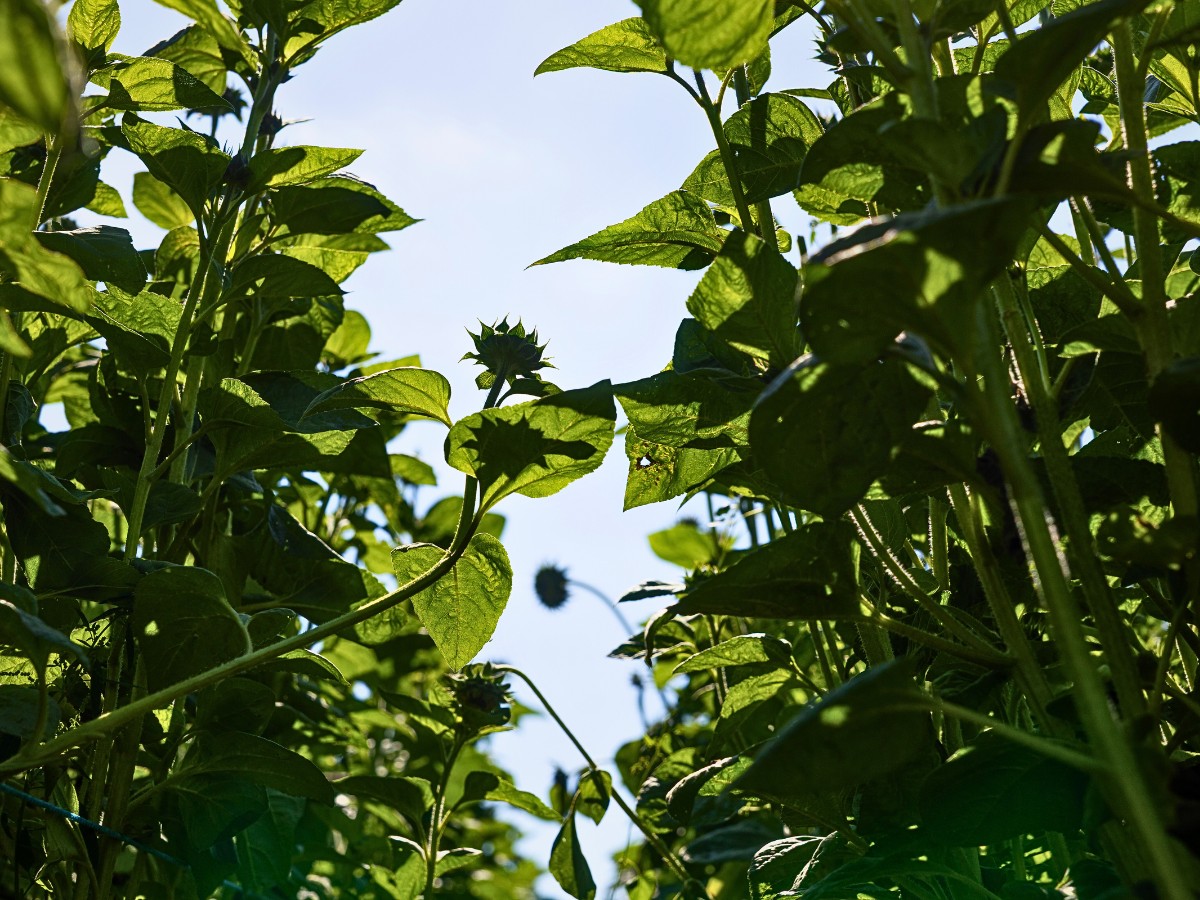
For consumers, this means local, seasonal bouquets and arrangements that are free of residues. Plus, there is the joy of supporting local Dutch horticultural practices. And while research shows that the majority of Dutch consumers would prefer to buy flowers grown without chemical pesticides, a bigger portion of them do not know where to find these flowers, so Wilderful helps fill this gap. Fundamentally, Wilderful tries to show that organic needs not compromise beauty or quality.
At Wilderful, they say:
“You can enjoy the flowers; they have already done something good for nature. Now it’s your turn to enjoy. For both internal credibility and external trust, we have deliberately chosen to work exclusively with the organic certification system. So for us, nature-friendly flowers are organic flowers.”
Why Seasonality Matters When It Comes to Flowers
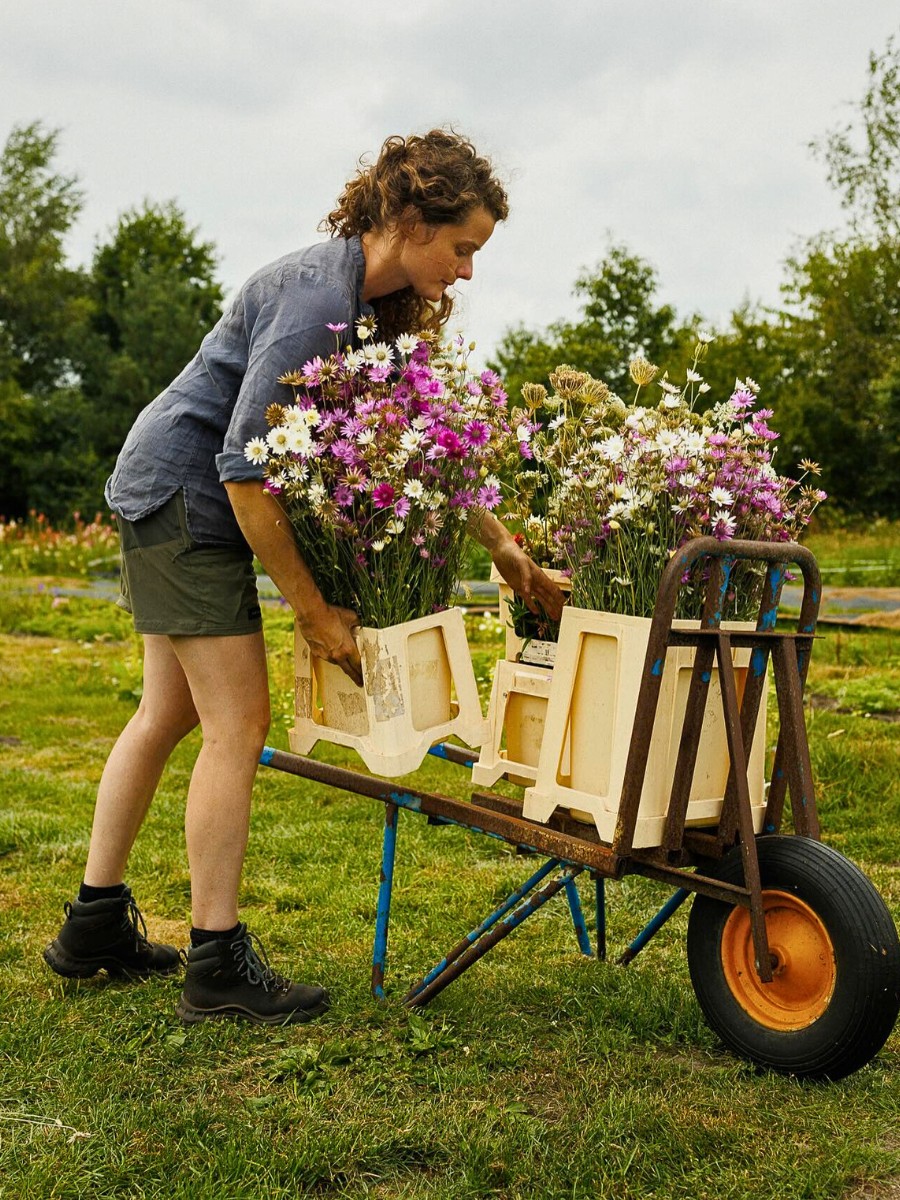
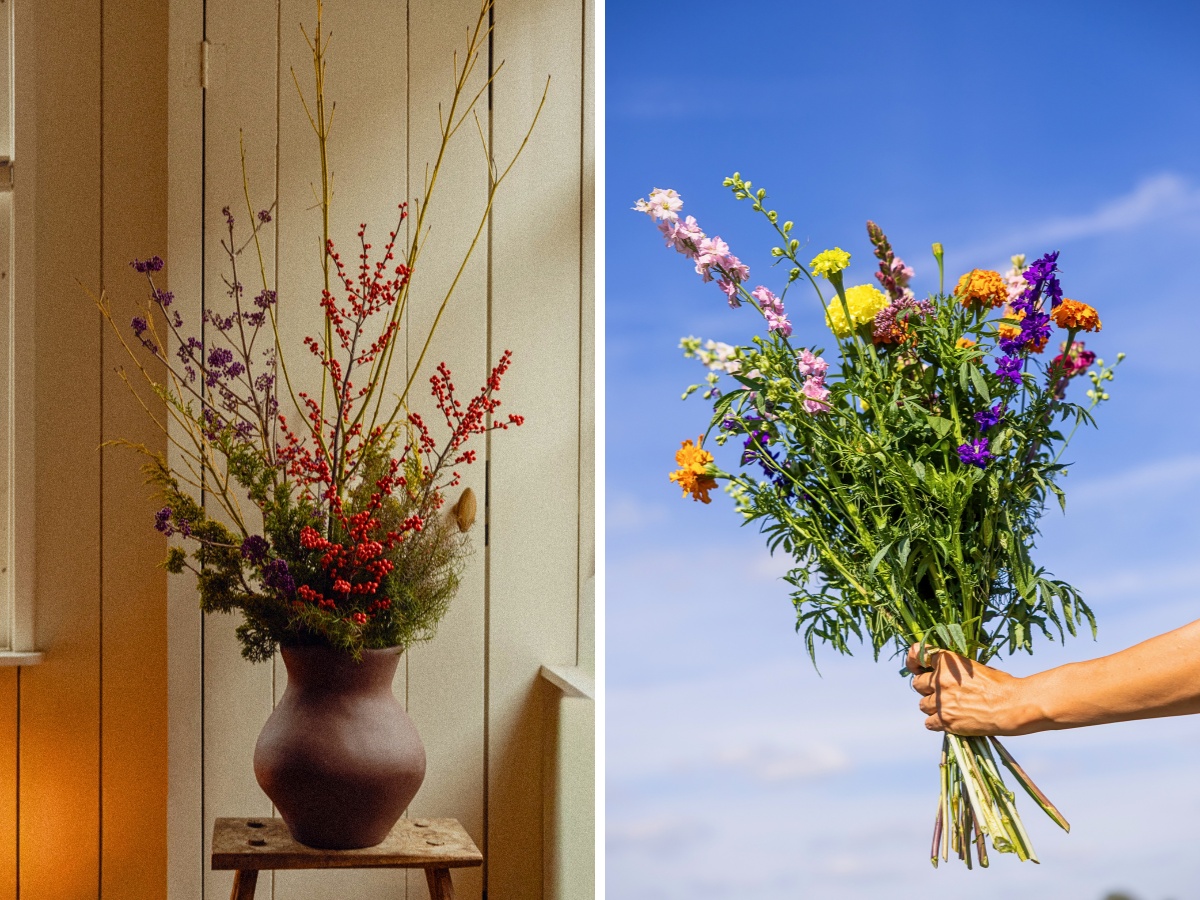
Wilderful's bouquets embrace the seasons. They mirror what is blooming right outside. Think of spring's early bulbs and blossoms, summer's Dahlias, cornflowers, cosmos, and sunflowers, autumn season’s warm hues, and winter's dried flowers, branches, berries, and evergreens. That’s what it all means.
Silke:
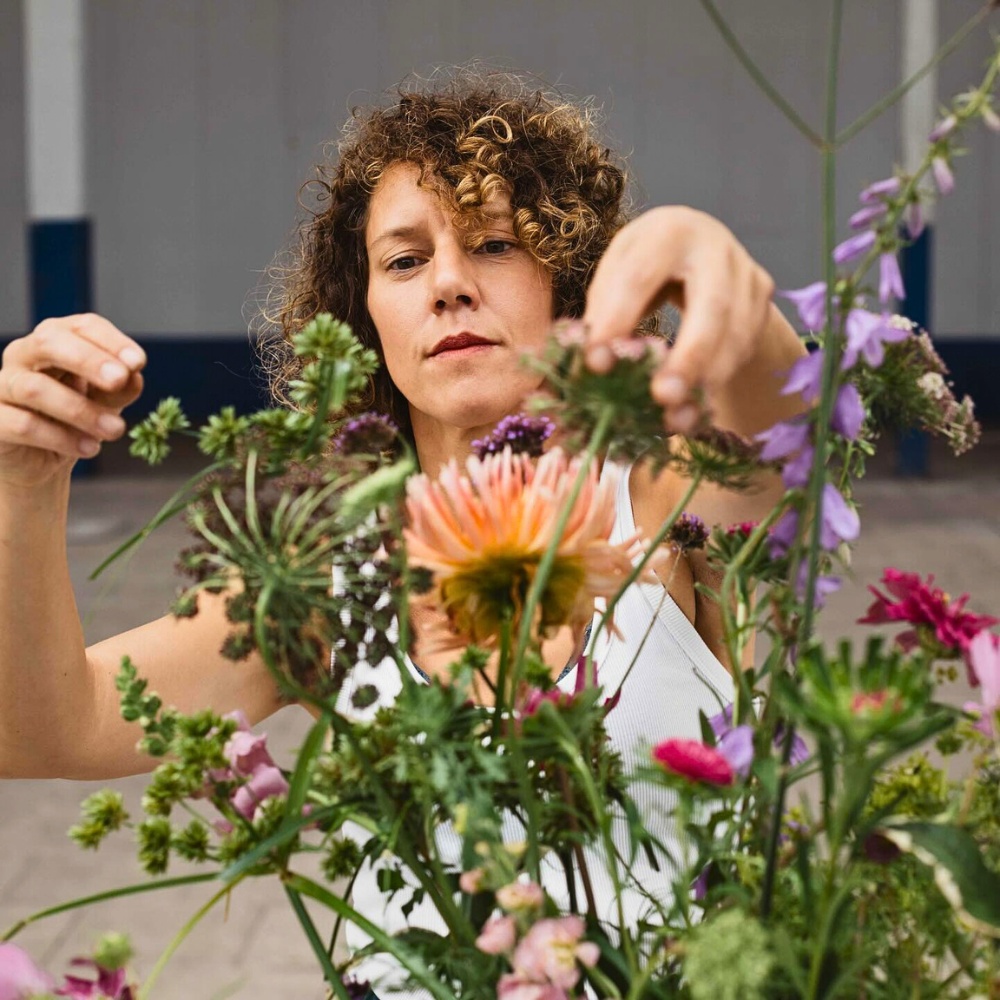
“In the Netherlands, this means that truly seasonal flowers are the foundation of our bouquets. We often say: simply look outside, whatever is flowering is also what you can expect to see reflected in our bouquets. And of course, we show it as well in our communication. As a result, a bouquet becomes more than just a decorative object.
It becomes a moment of reconnection with nature. In showing seasonally together with the growers and local florists, we invite people to be more aware of the beauty of each phase of the year. For customers, seasonality creates a richer and more meaningful experience.”
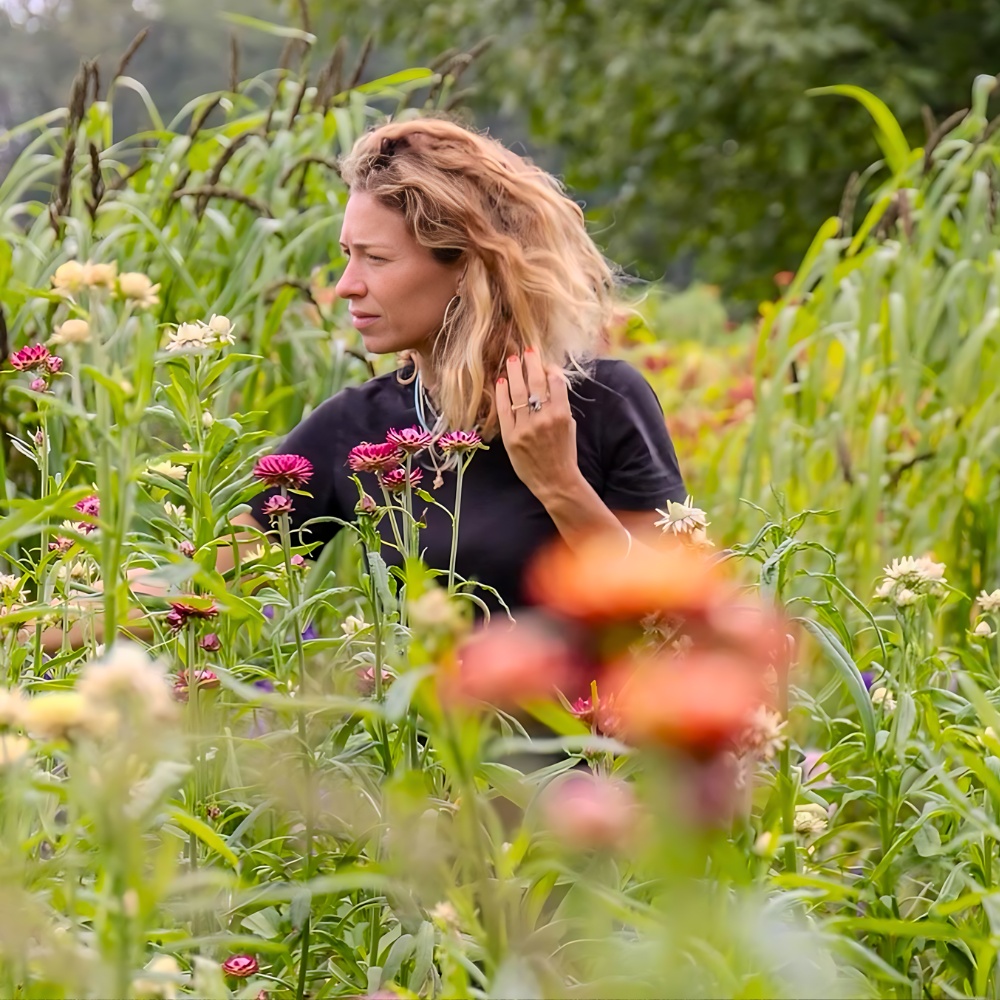
The flowers are available year-round. From February until the end of October, they offer fresh flowers. During the winter months, they provide bouquets with evergreens, branches, berries, and dried flowers from the summer season. But there is a lot more to that. Seasonal growing cuts emissions, minimizing transport and heating, while supporting pollinators peaking with natural flowers, and builds resilient soils through crop rotation and diversity.
While conventional floriculture pushes year-round uniformity through artificial lights and other interventions eroding Dutch landscapes, Wilderful's model restores them. Their approach kind of invites consumers to savor nature's phases like foodies embracing seasonal eats for deeper appreciation… and smaller footprints!
The Wonderful Wilderful Network
Already, there are several registered Wilderful suppliers and florists. Linda Wagner from Haarlem, Rotterdam’s Kore, De Aanzet (Amsterdam), De Iris (The Hague), Fiori Bloemen (Leiden), Hemelse Bloemen (Delft), and Bloembar (Alphen aan den Rijn), are just a few of those who all together form part of the first 25 florists in the Netherlands officially registered with Skal Biocontrole, the national regulator for organic floristry.
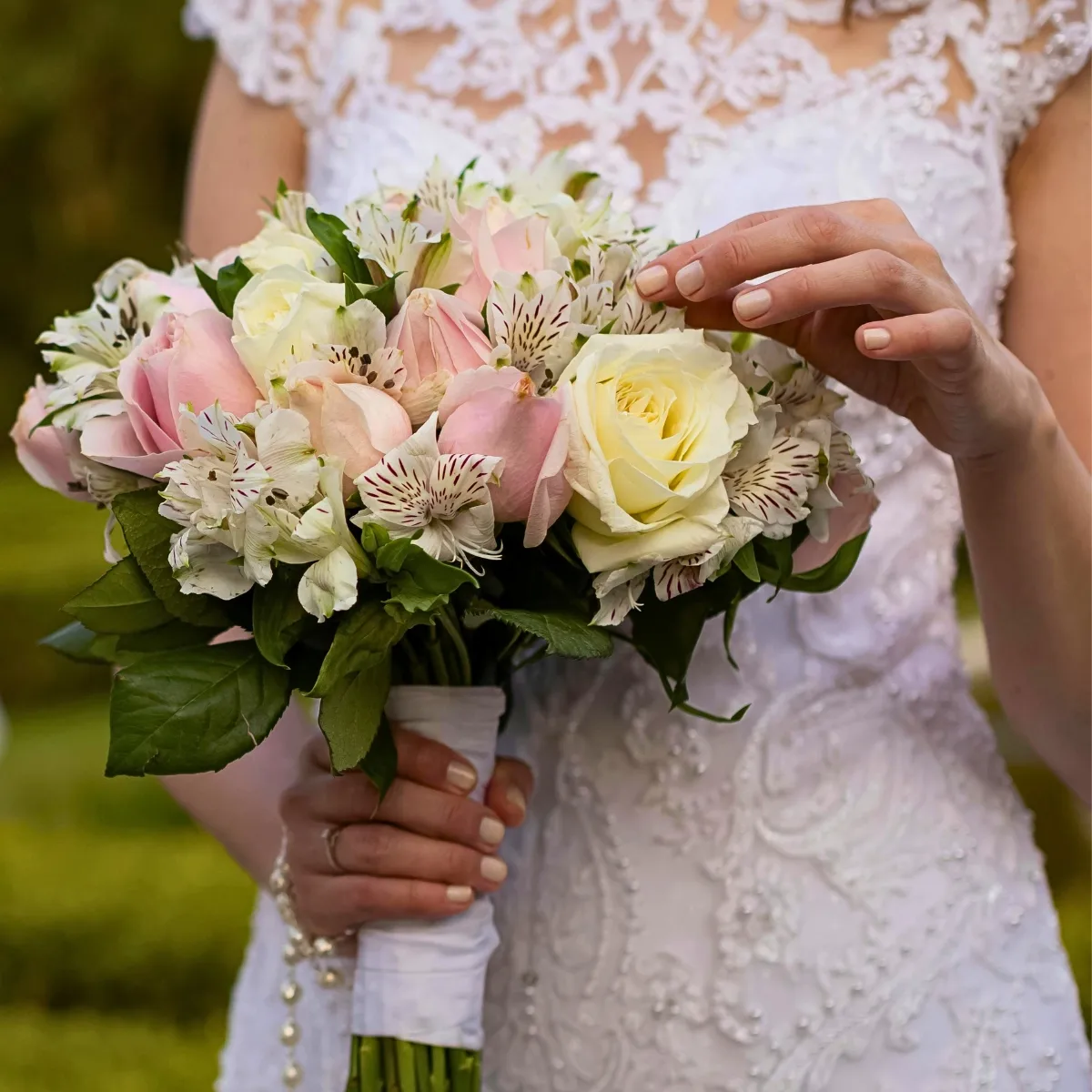
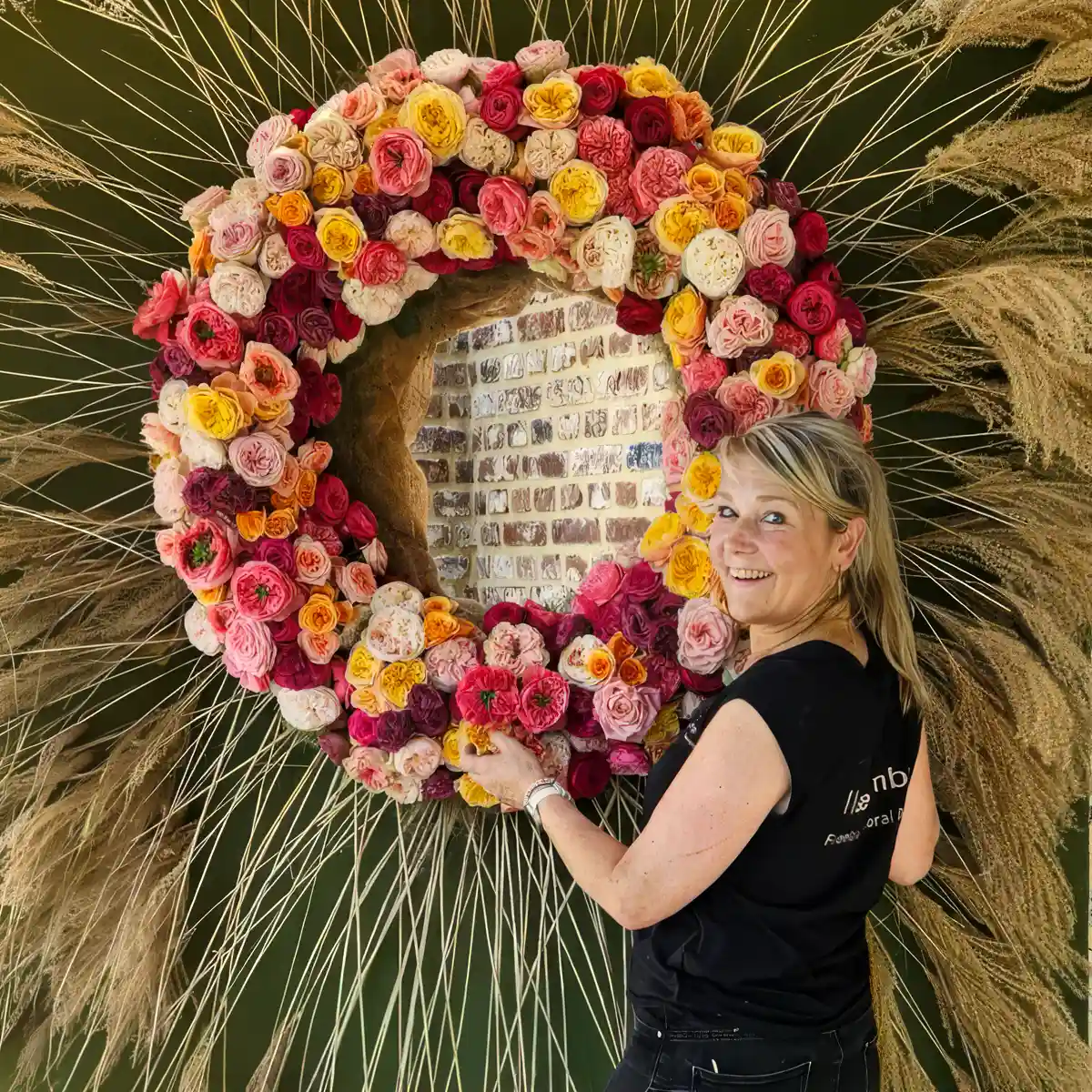
Skal-registered organic growers pluck flowers fresh from the fields, and these local florists compose their creations in their signature styles, guaranteeing that consumers receive fresh organically-grown floral beauty.
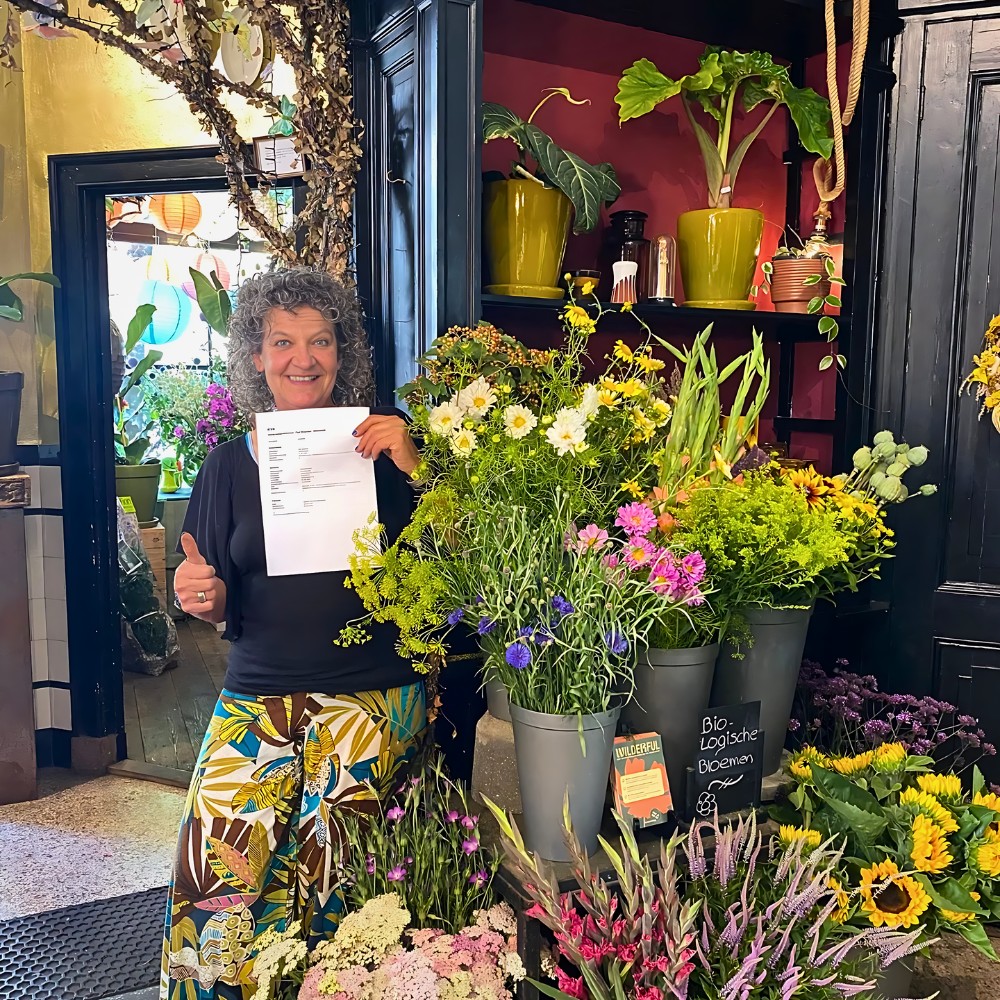
This year, Wilderful is growing to 75 local florists. These form stable sales channels for growers, enabling them to continue scaling their businesses and secure reliable outlets for their products. Also, Wilderful co-develops branding, shares stories, and connects supply to demand year-round.
Plus, they have built ‘Club Wilderful’ for fans, growers, and makers. Sustainable floral entrepreneurship here means transparency, collaboration, and growth, empowering small growers within the multi-billion-dollar flower industry.
There’s Greater Room for Growing the Organic Flower Sector
The organic floriculture sector is still small. At a European level, the ambition is to reach 25% organic agriculture by 2030. In the Netherlands, Wilderful’s target is 15%; therefore, they believe there is room to grow within the sector for this segment, as well as for consumers who are actively seeking it.
Silke:
“But growing this segment is not solely the responsibility of growers or entrepreneurs in the sector. Everyone can contribute: from local customers to large organizations, simply by asking for organic flowers.
This does, however, sometimes require a behavior change. Instead of being able to buy everything we want all year round, we will need to let ourselves be guided more by the beauty and rhythm of the seasons.”
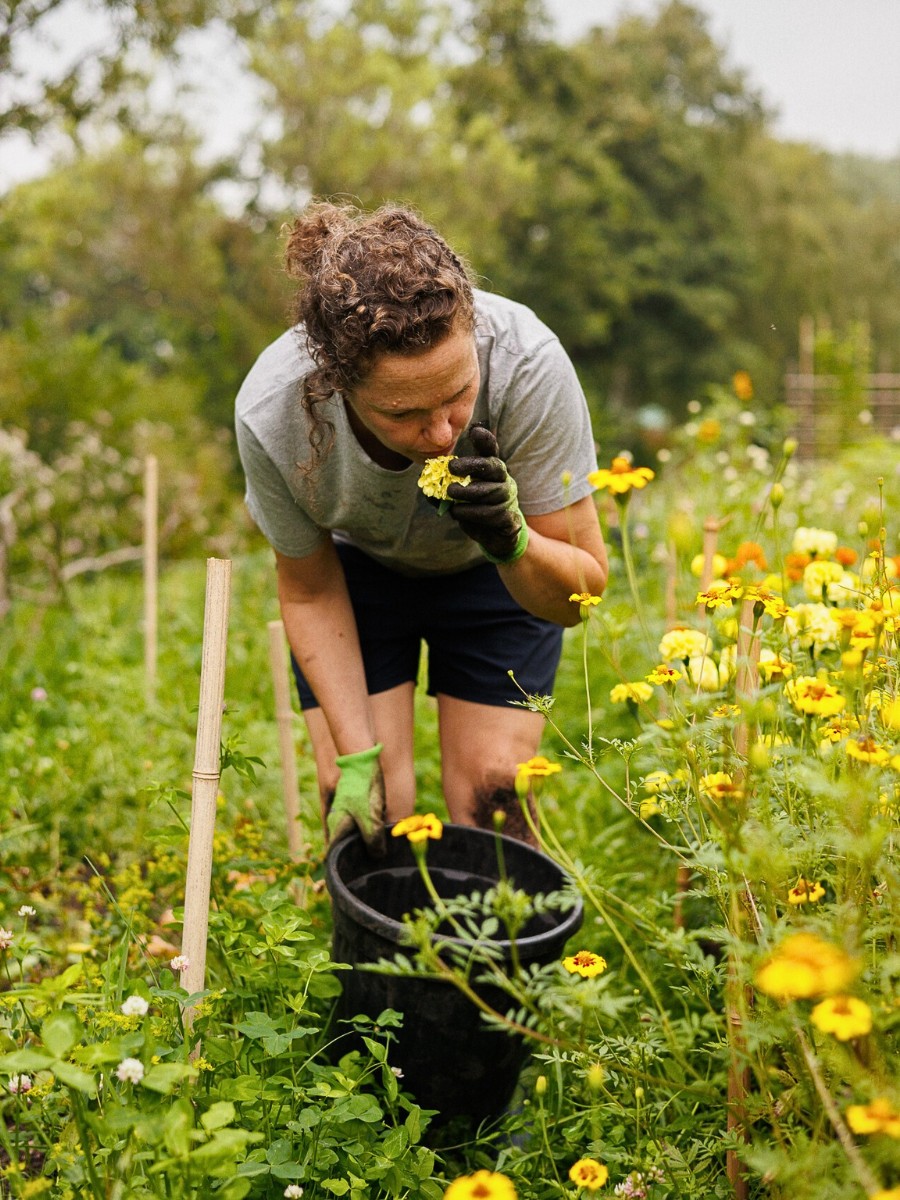
Influencing the Wider European Floriculture Industry
But even so, the organic flower sector is on the rise! Slow Flower movements are emerging there as well. And while Wilderful consciously focuses on the Netherlands, they pay close attention to other developments; always looking out for floral businesses seeking to join them, especially as local florists.
Silke:
“We hope growers who are considering switching to organic production (and of course have the opportunity to do so) will take that step, knowing that we are here to support or connect them with partners we already collaborate with.”
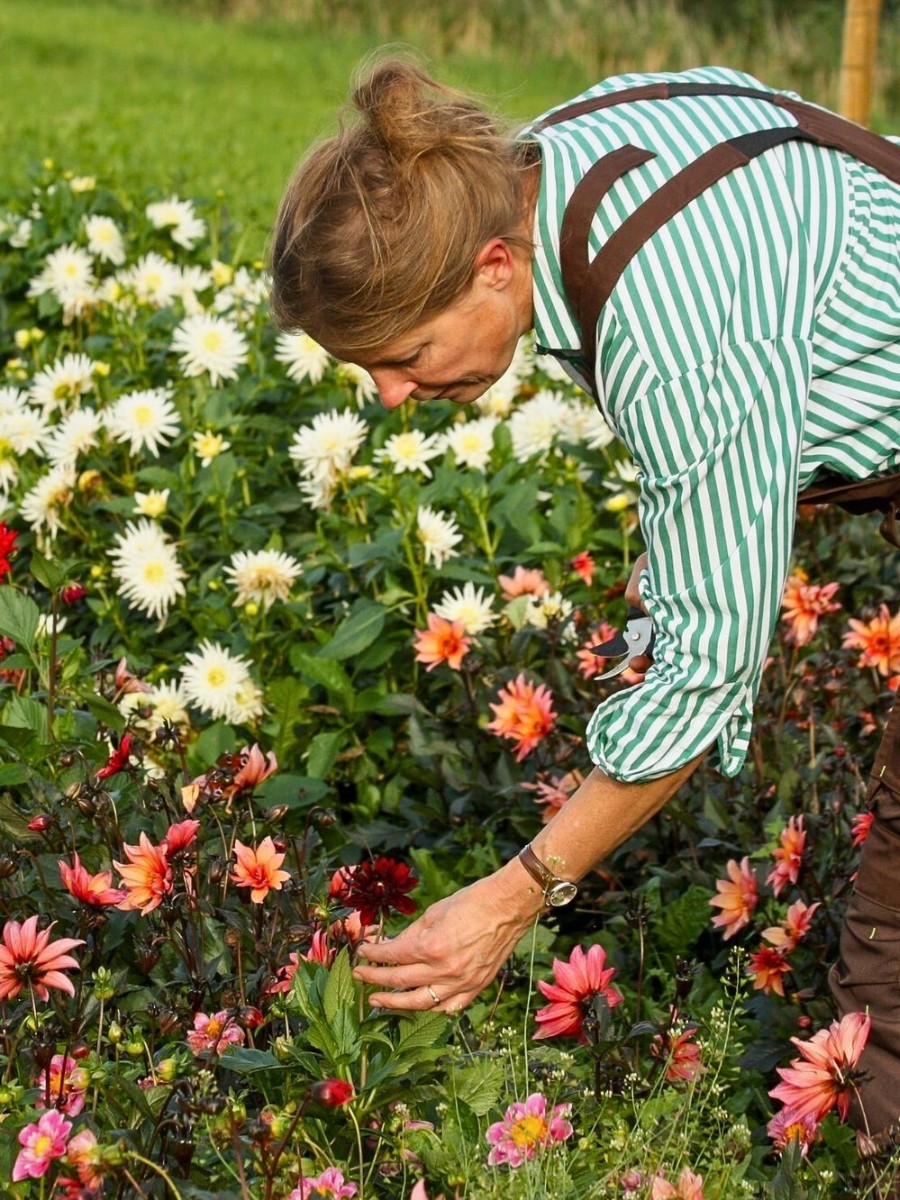
Silke, furthermore, reiterates that it is not only the responsibility of the sector itself to bring these flowers to markets, but also the choices of businesses and consumers who demonstrate their value for organic flowers.
Such consumers need to just seek out their local florists, ask for organic flowers, or simply reach out to Wilderful directly; the team is always happy to help and guide them to make it all possible.
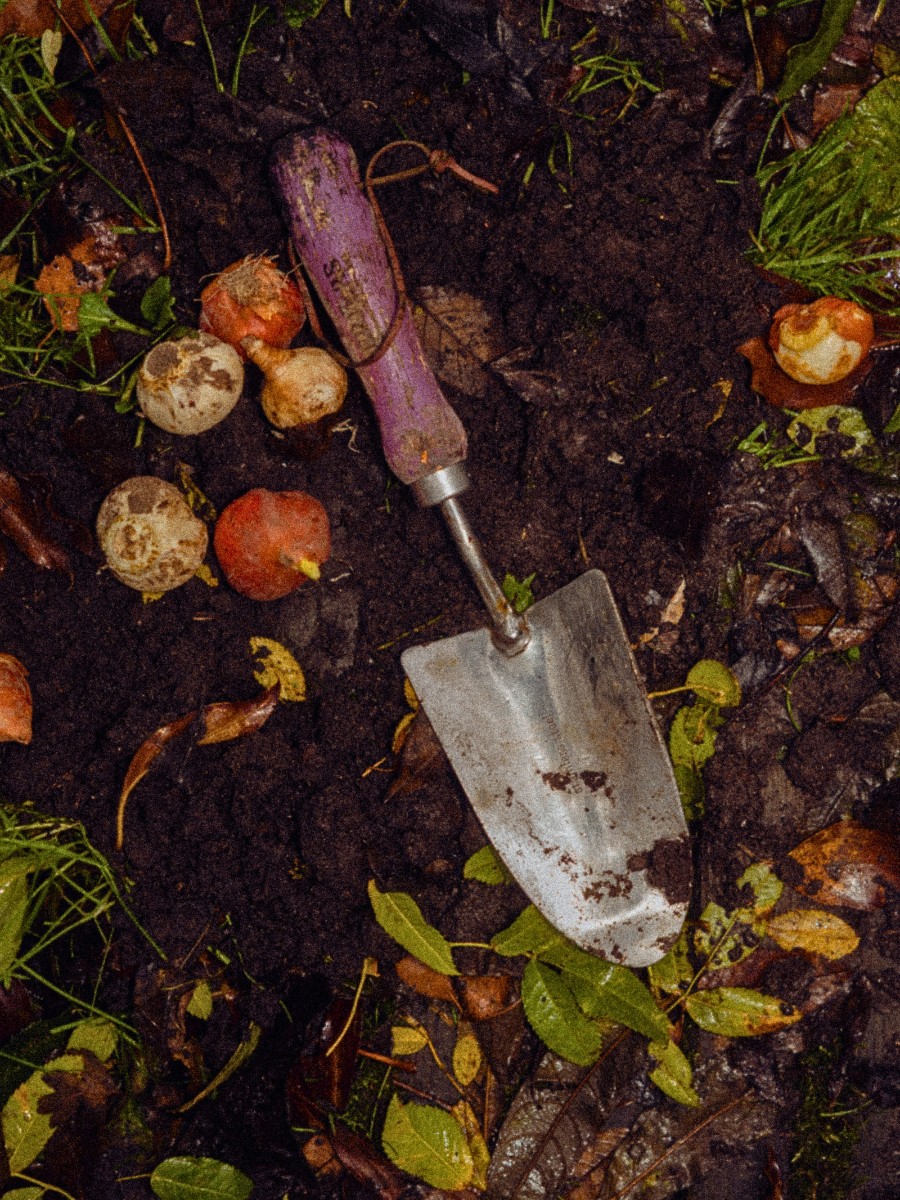
The European Green Deal targets 25% organic farmland EU-wide by 2030. Wilderful, for their part, shows just how they are growing the Dutch flower sector's organic share towards that goal.
All other photos used are by Dear Sophie Films.