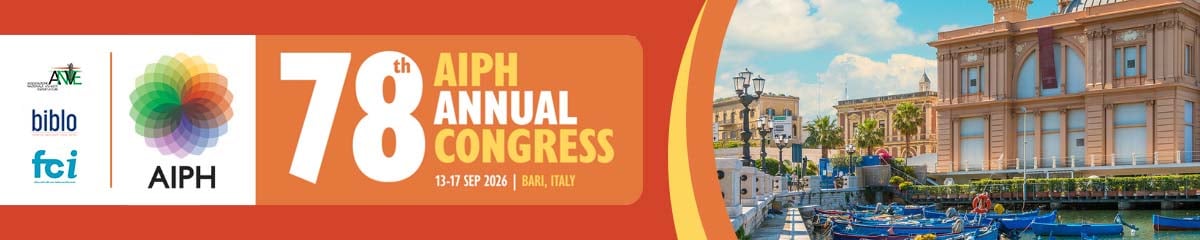
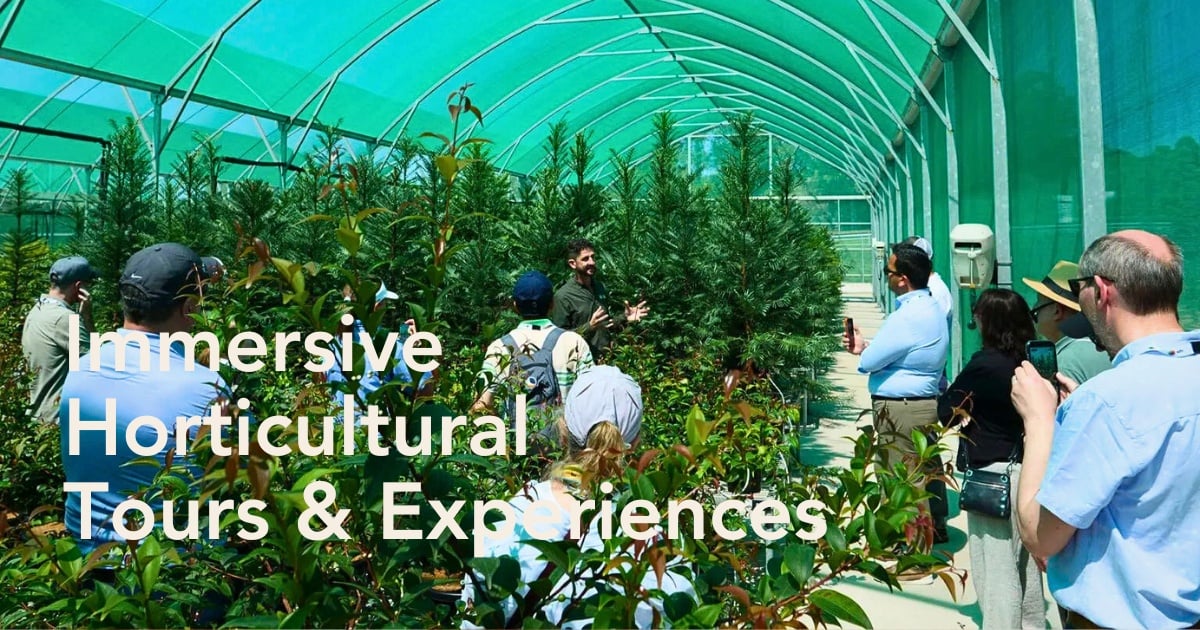
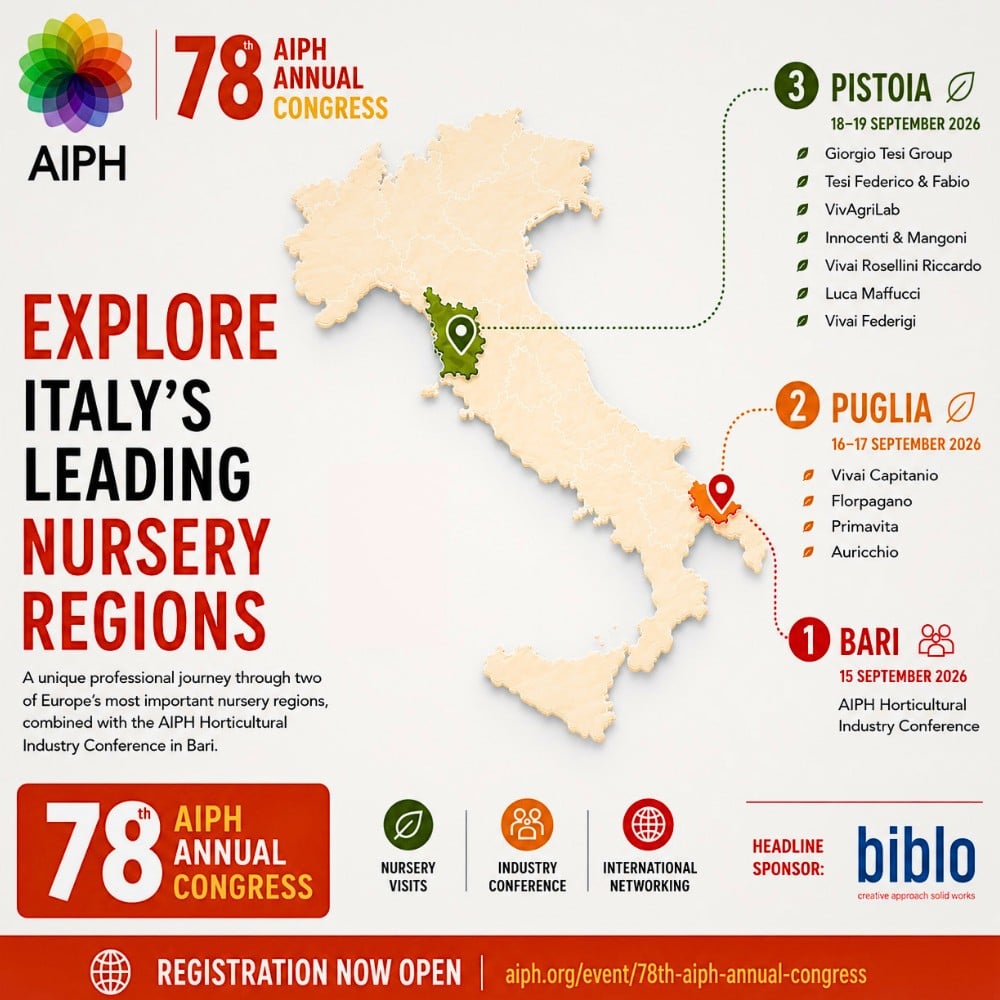
The 78th AIPH Annual Congress, which takes place from September 13 to 19, 2026, in Bari, Italy, is more than just a series of conference sessions. It also features a nursery visits program that takes delegates into two of Europe's most important ornamental plant production regions.
Covering 11 leading ornamental plants businesses across Puglia and Pistoia, the undisputed Italian horticulture capitals, these visits afford the delegates a front-row look at this country’s horticulture proficiency across different metrics, including scale, style, and specialization.
An All-Inclusive Journey Into Italian Horticulture
The delegates’ visit program runs in two legs. The first covers four nurseries in the Puglia region around Bari on September 16 and 17, as part of the main Congress program. The second leg, available as an optional extension on September 18 and 19, moves north to Pistoia in Tuscany, one of Europe's most established and internationally recognized centers of ornamental plant production.
Puglia, also known as Apulia, is the ‘heel’ of Italy's iconic boot-shaped peninsula. It is a stunning region famous for whitewashed hilltop towns, sun-drenched landscapes, ancient trulli, legendary olive groves, and crystalline waters of the Adriatic, Ionian, and Mediterranean sea coastlines, not forgetting its rich Italian culinary traditions.
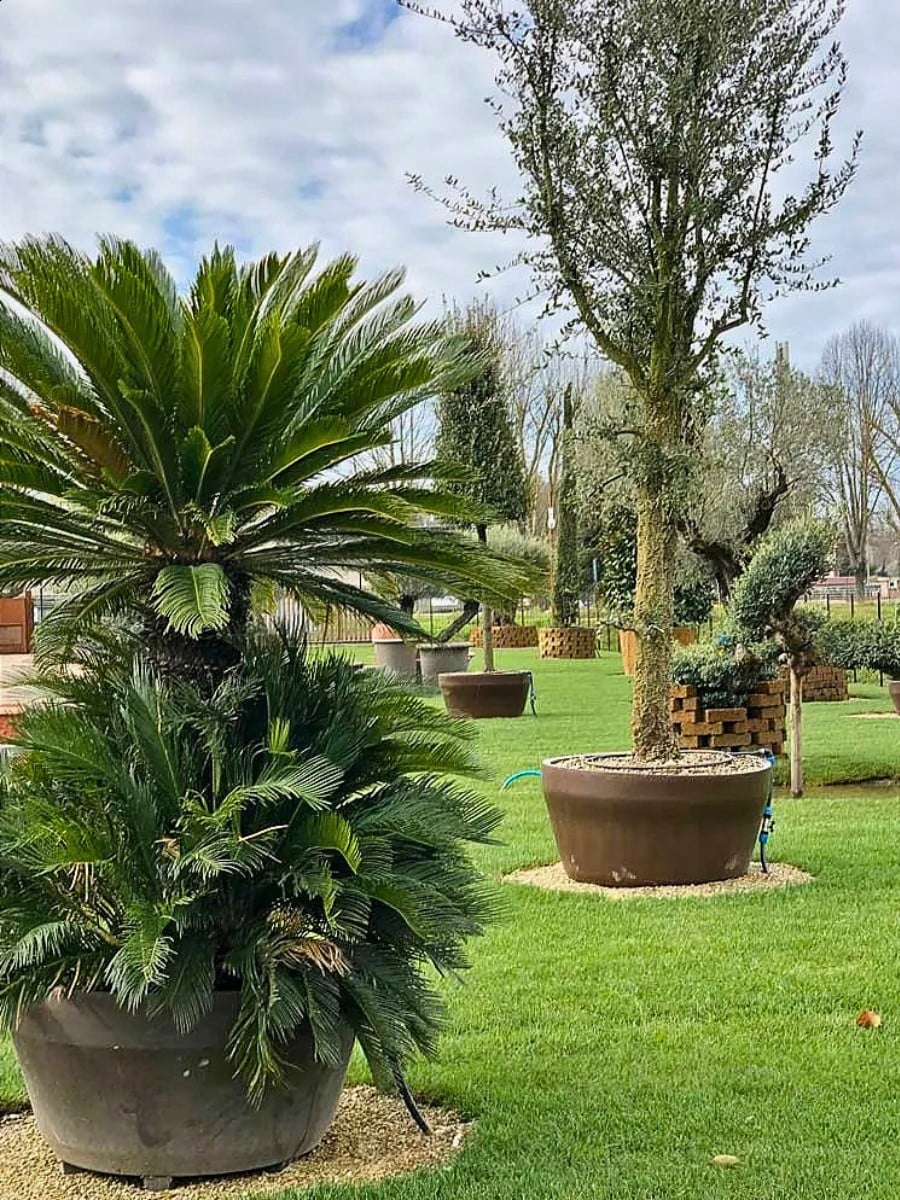
The visit here by delegates introduces them to Mediterranean plant production in a region with deep horticultural heritages, where the climate, landscape, and long tradition of ornamental growing have defined a distinctive style of nursery operation.
On the other hand, Pistoia, often called the beating heart of European ornamental horticulture, specializes heavily in outdoor ornamental plants. For delegates, this region presents a different model, built on high volume, commercial diversity, and decades of export-driven expertise.

For those completing both legs, the difference between the two regions is itself worth the visits. Plus, the combined experience provides a thorough survey of how Italian horticulture works at the top of its game.
The Puglia Nurseries
During the visit to the four nurseries in the Puglia leg, the delegates have the unique opportunity to experience something different every time, as each nursery brings a distinctive element to the program.
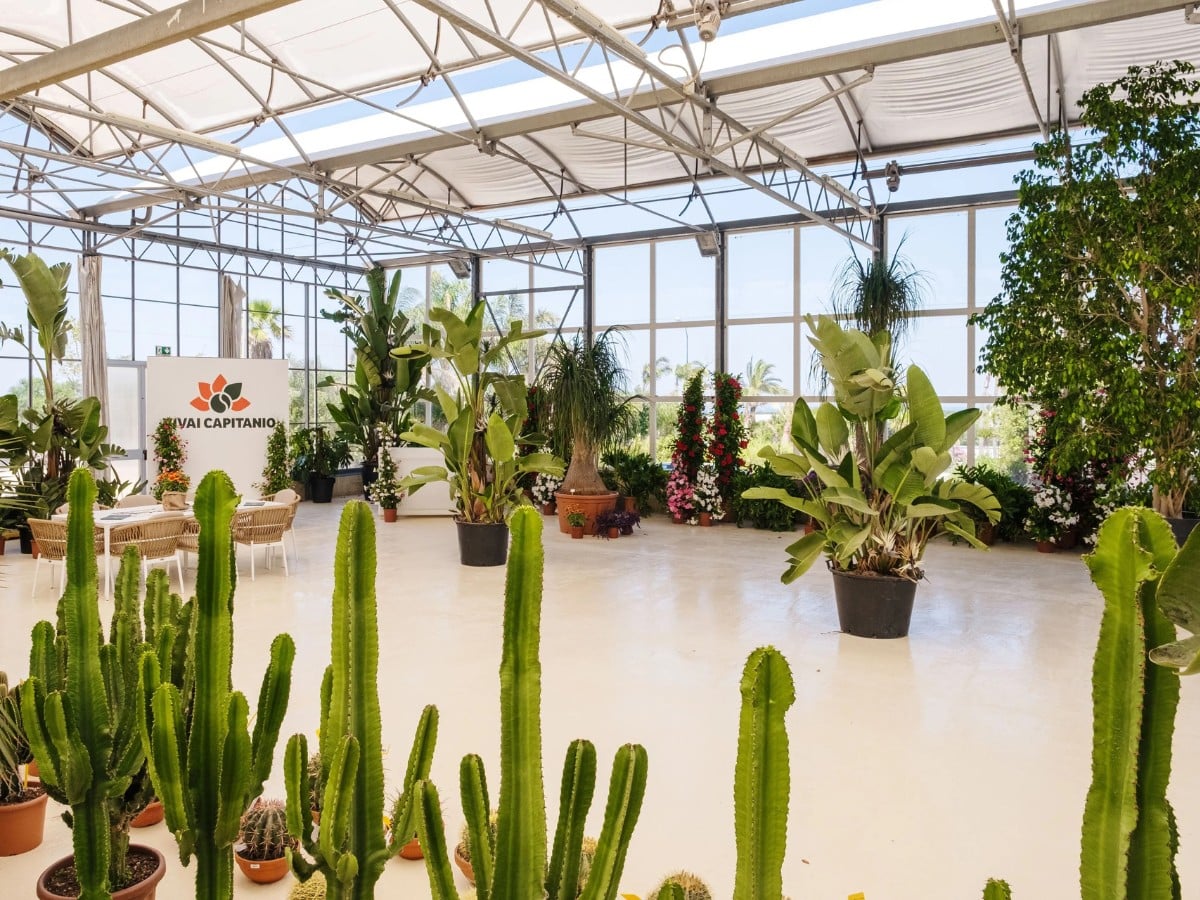
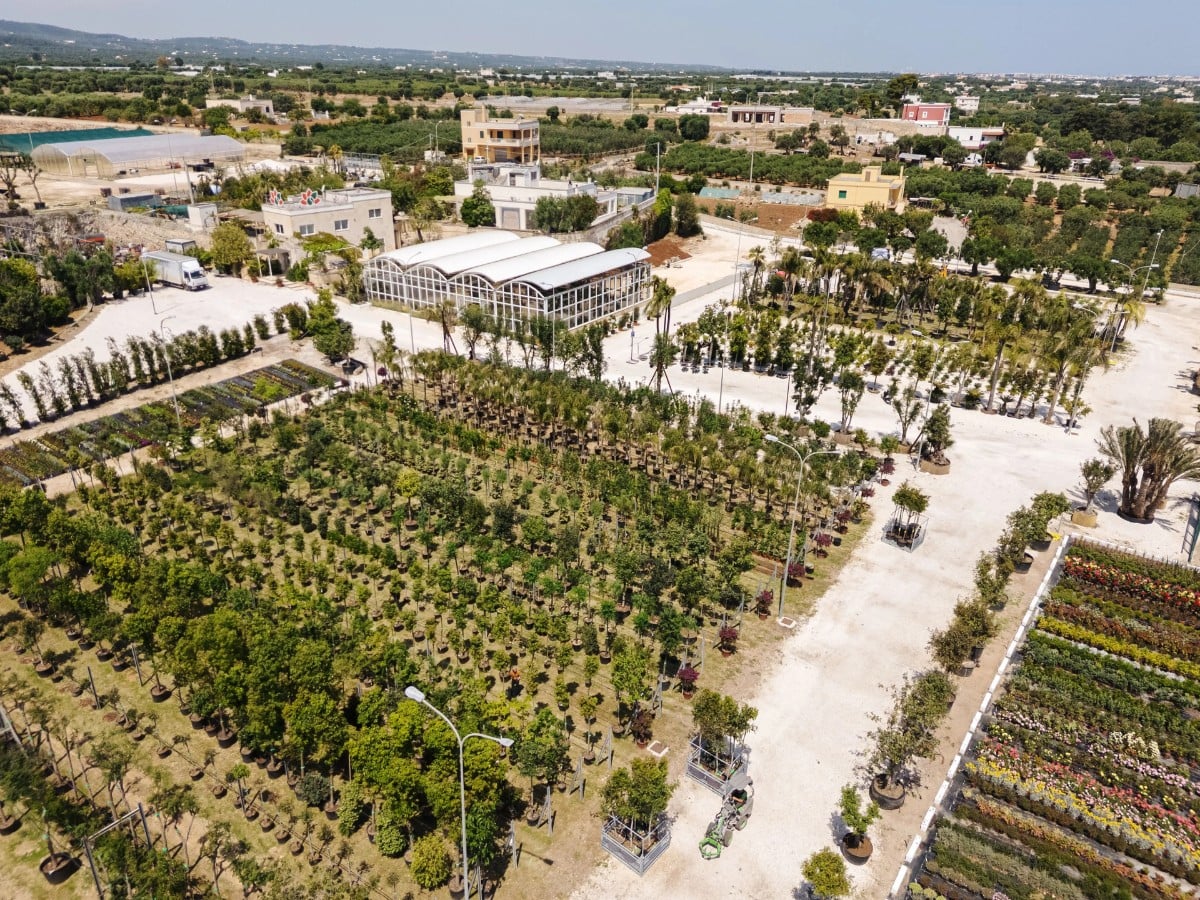
Vivai Capitanio is a specialist producer of outdoor ornamental plants, cultivating more than 500 varieties across 50 hectares of production. The production scale and variety here give delegates a perfect picture of what large-scale Mediterranean ornamental growing looks like.
Florpagano is a family-owned business producing and marketing more than 2 million potted plants annually, distributed across Italy and several neighboring European countries. A visit here discloses how a family-run operation can achieve significant commercial reach while maintaining product quality.
Primavita specializes in the production and propagation of more than 600 species of Mediterranean ornamental plants. For delegates interested in propagation techniques and plant diversity, this is one of the most detail-rich stops on the itinerary.
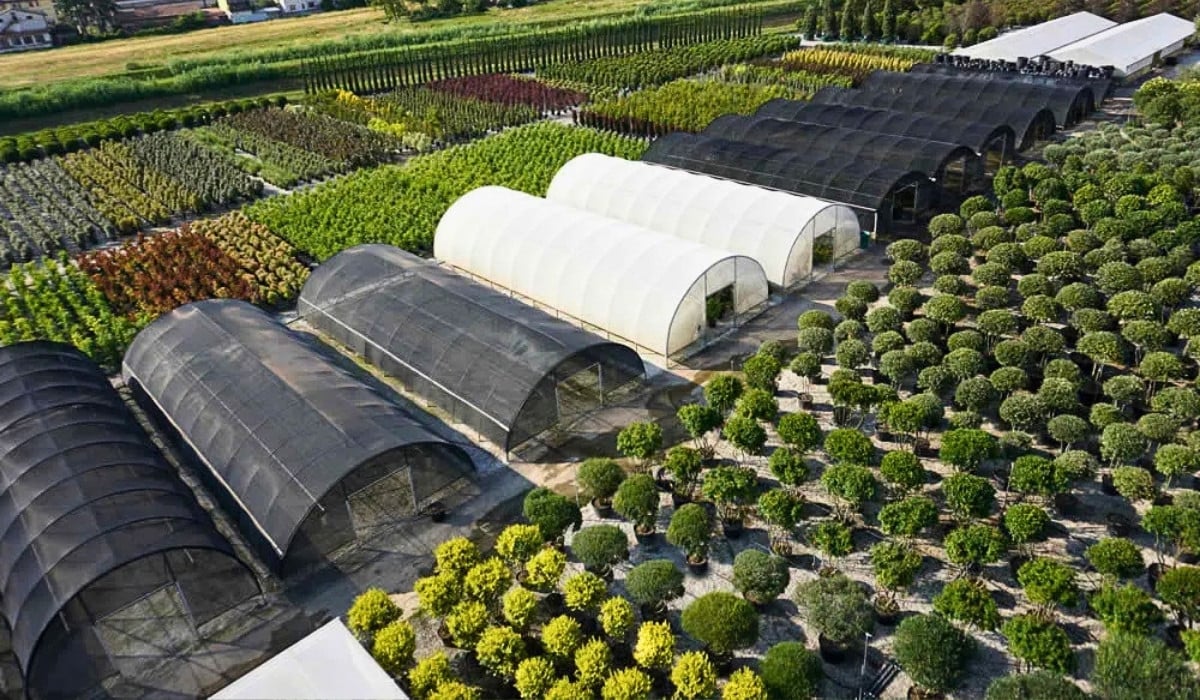
Auricchio & Sons is a Mediterranean plant specialist cultivating more than 150 species in modern greenhouse facilities built to support reliable growing conditions year-round. The emphasis on controlled environments and variety diversity makes this a useful stop for those tracking production technology and infrastructure trends.
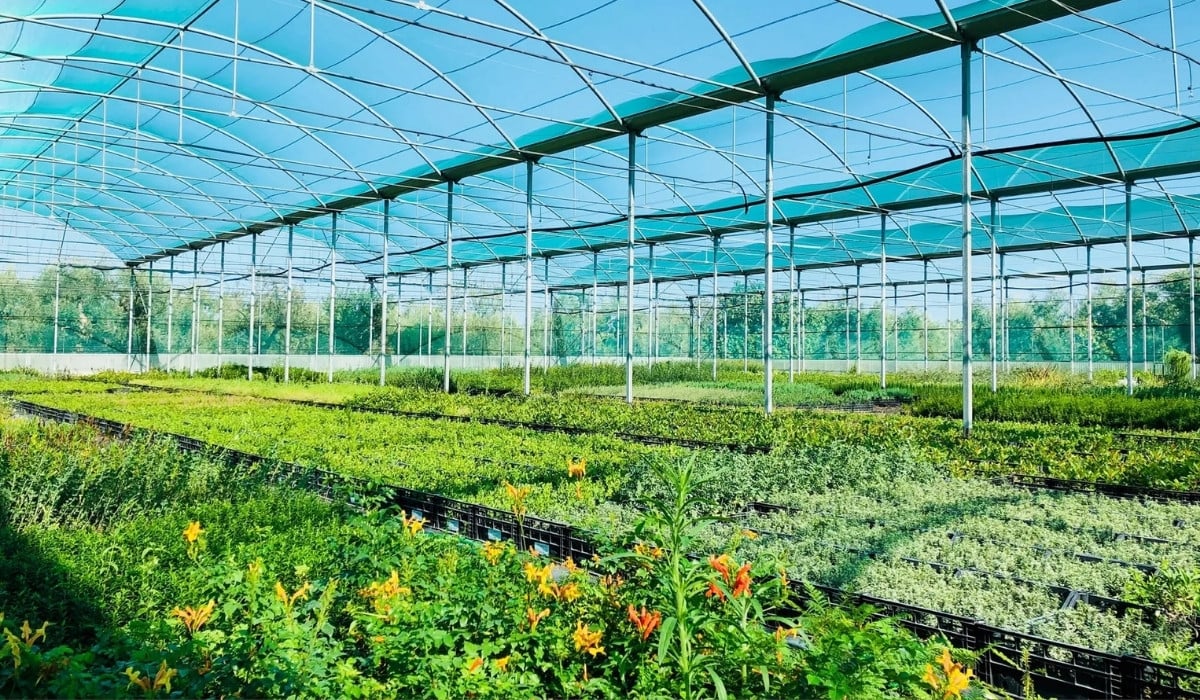
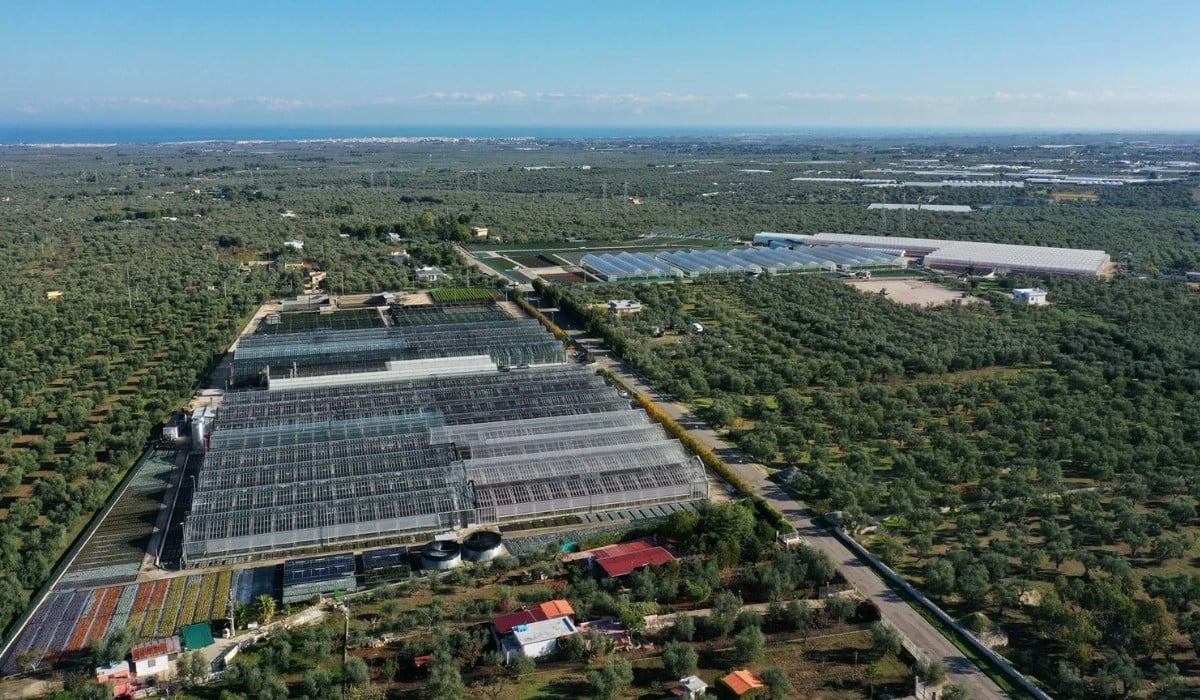
Across these four visits, delegates gain firsthand knowledge of Mediterranean production methods, propagation strategies, business development approaches, and the operative choices that help Italian growers stay competitive in international markets.
The Pistoia Extension
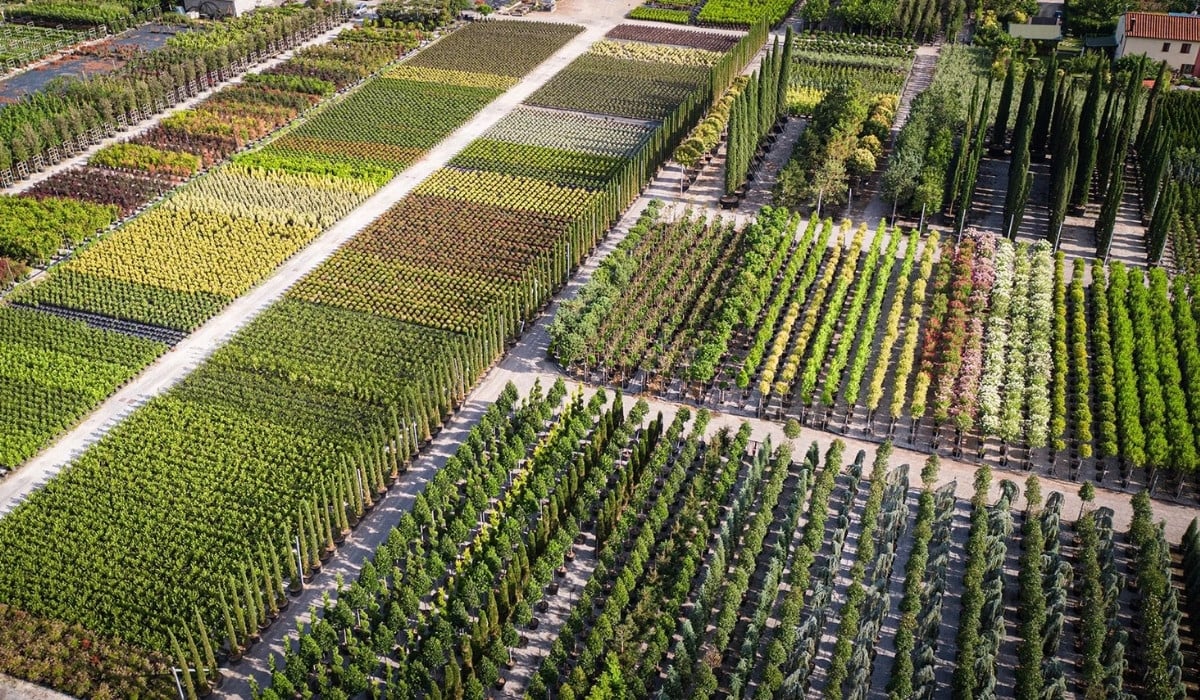
Pistoia has considerable influence in international horticulture. The area around this Tuscan city is one of the densest concentrations of nursery production in the world, with businesses ranging from multigenerational family operations to large-scale commercial producers with distribution networks throughout Europe and elsewhere.

The seven nurseries in the Pistoia extension of the delegates’ visit offer a cross-section of what makes this region so widely appreciated horticulturally. Tesi Federico & Fabio is a family-run nursery with a strong focus on quality, sustainability, and traditional nursery expertise. VivAgriLab is an innovative agricultural cooperative recognized for its commitment to circular agriculture, sustainability, and research-driven production.
Innocenti & Mangoni is a long-established nursery specializing in ornamental trees and shrubs, with a reputation built on quality and plant range diversity. Giorgio Tesi Group is one of Europe's leading producers of ornamental plants, with 500 hectares of cultivation. They cultivate trees, shrubs, roses, olives, citrus, and Mediterranean plants across a substantial production footprint and export to 60 countries.
Vivai Rosellini Riccardo is a third-generation family nursery specializing in Mediterranean plants, ornamentals, olive trees, and the distinctive Bougainvillea sanderiana. Luca Maffucci is one of Italy's leading producers of flowering potted plants, combining advanced growing technology with years of floricultural expertise.
Vivai Federigi rounds out the Pistoia program with expertise in ornamental plant production, garden design, landscaping, and green space management, which shows how nursery production connects to the wider plant landscaping industry.
Why You’d Want to Make (Both) These Visits
In the modern horticultural space, professional nursery tours at a Congress like this are not just a pleasant add-on. These visits provide a window into how the industry works at ground level, and in this case, they put delegates right inside some of the most accomplished and progressive ornamental plants businesses defining European horticulture.
The combination of technical observation and informal peer exchange that takes place during these visits can hardly be replicated in a conference room. The conversations between delegates from different countries, sparked by the shared experience of seeing production systems in person, tend to be among the most productive moments of the entire Congress week.
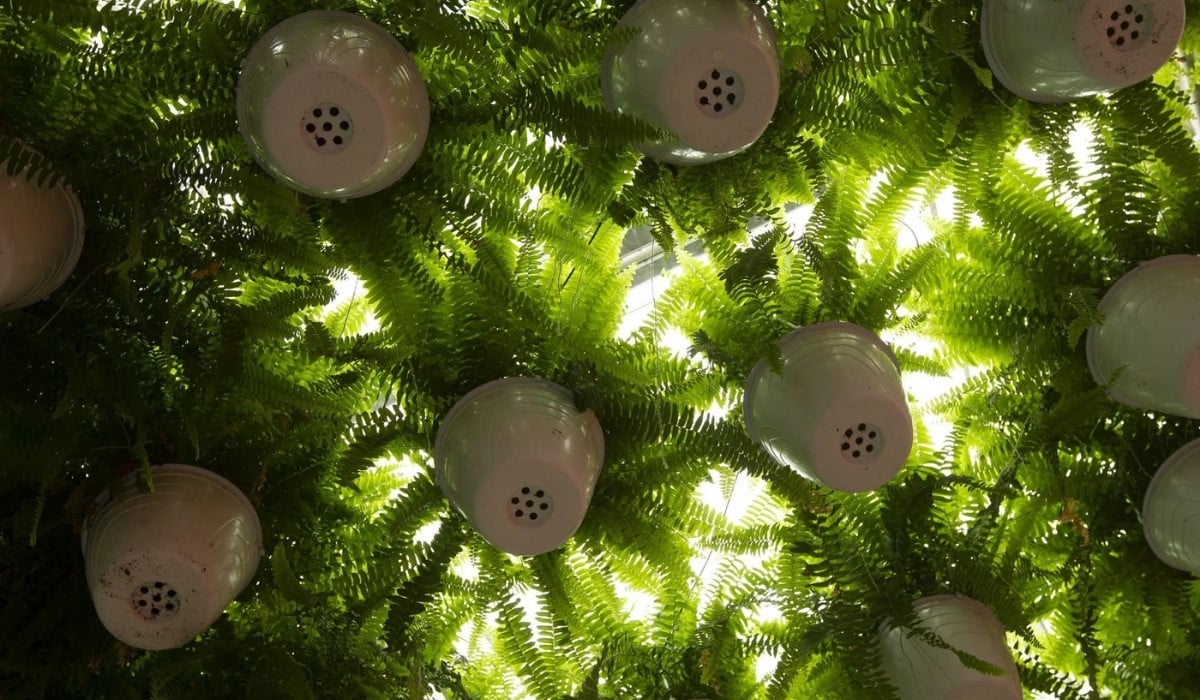
This holds whether a delegate is a grower benchmarking their own operation, a national association leader tracking where the sector is heading, a supplier assessing market opportunities, or an expo organizer seeking to understand the production side of the industry more closely. While delegates may choose to attend selected elements of the program, the full experience has been designed as a unique opportunity to exclusively explore the scope, innovation, and international influence of Italian horticulture.
This part of the program eventually gives context to the whole Congress. Seeing how leading Italian nurseries manage sustainability, adopt new technology, handle propagation, and position their businesses in international markets puts the general conference conversations into context, which gives the delegates a much greater foundation and understanding of the industry, even as they head back home.
Register and Plan Your Visit
The main 78th AIPH Annual Congress program, including the Puglia nursery visits, runs from September 13 to 17, 2026, in Bari, Italy. The Pistoia extension covers September 18 to 19, 2026. The event is organized in partnership with the host, Associazione Nazionale Vivaisti Esportatori (ANVE), the National Association of Nursery Exporters in Italy.
The Headline Sponsor is Biblo, the Gold Sponsor for the AIPH Horticultural Industry Conference is Richel Group in partnership with A&C, and the Silver Sponsor is Nuova Flesan. There are also several media partners.
The Congress' registration is open, and its full program details are available at: 78th AIPH Annual Congress, Bari, Italy. You can also follow the conversation at #AIPHCongress2026 and @AIPHGlobal.