
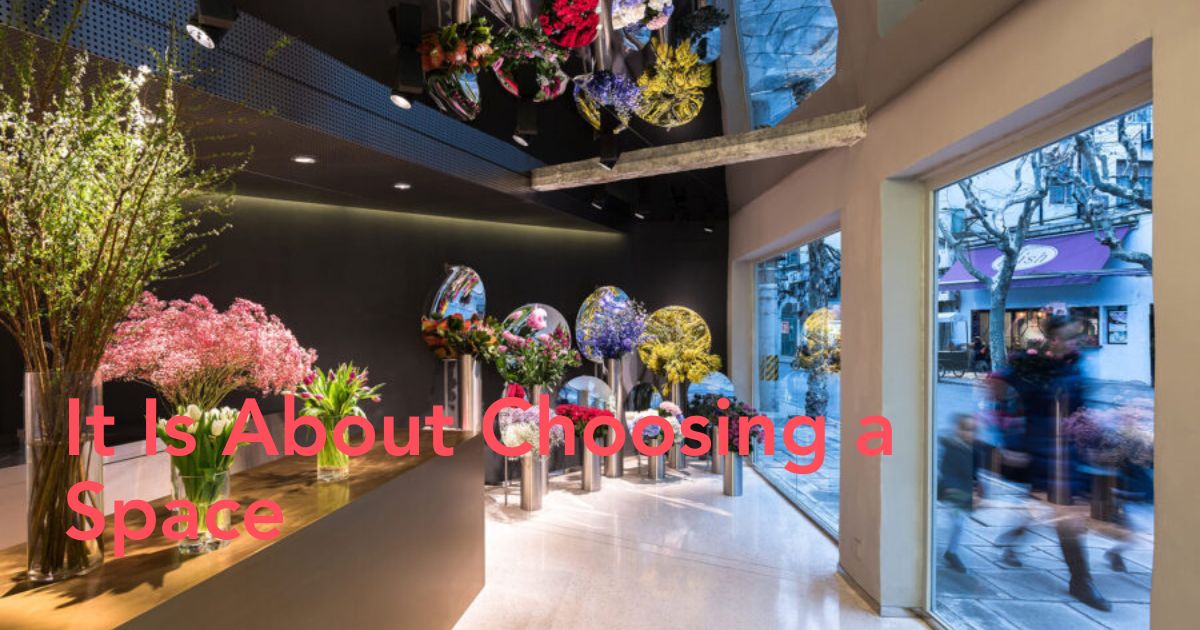
The right space can make or break a flower shop before the first bouquet is sold. Location, layout, and lease structure all shape your margins more than most new owners expect. If you get these pieces right early, everything else feels easier.
This is not about chasing the prettiest storefront. It is about choosing a space that supports how florists actually work day to day.
Start With Foot Traffic That Matches Your Buyer
A flower shop thrives on predictable need. Hospitals, funeral homes, wedding venues, and event spaces create built-in demand that online ads cannot replace.
According to a 2024 retail report by Placer.ai, overall U.S. retail foot traffic grew 0.4 percent year over year. That might sound small, but it signals that physical stores are holding steady. For a florist, that stability means being in the right micro-location matters more than chasing trends.
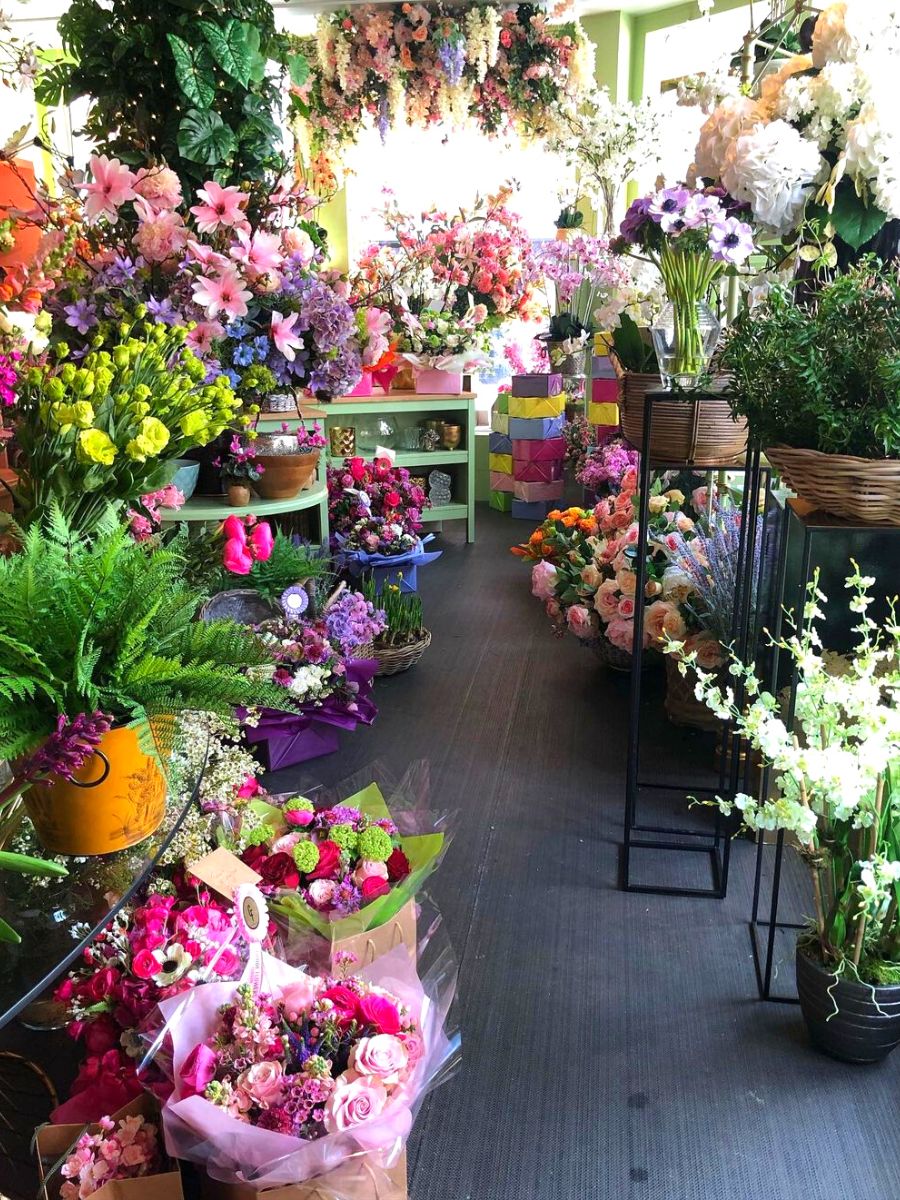
Look for patterns, not just volume. A busy coffee strip may not convert to bouquet sales, while a quieter block near a hospital entrance can outperform flashier retail.
Before signing anything, spend time on-site at different hours. Watch where people park, how they move, and what other tenants draw steady visitors.
Morning light matters more than you think. Natural light improves merchandising, but direct afternoon sun can shorten vase life and increase cooling costs.
Understand Lease Structure Before You Negotiate
The biggest surprise for new retail tenants is not rent. It is everything attached to it.
Many flower shop owners see an attractive base rate and overlook the structure behind it. A triple net lease shifts property taxes, insurance, and maintenance onto you. A gross lease bundles those costs into one payment.
A breakdown from Lornell Commercial Real Estate explains how NNN, modified gross, and full gross leases can create very different monthly totals even when base rent looks similar. If you are budgeting tightly for refrigeration equipment and initial inventory, that difference hits hard.
Here is a simple comparison to keep in mind:
- Gross lease means one predictable payment that includes most building expenses
- NNN lease means lower base rent but variable monthly charges on top
- Modified gross splits certain expenses between the landlord and the tenant
The structure affects your cash flow more than the sticker price. Florists operate on perishable inventory and event-driven revenue, so predictability often wins.
This is where preparation matters. Owners who have invested time in understanding commercial fundamentals tend to negotiate from a position of clarity. Many successful operators point to earning credits through NYREI as part of how they built that confidence before signing leases, especially through the Commercial Real Estate Certificate program. Structured education sharpens your questions and helps you spot red flags early.
Make Sure The Space Supports Flower Shop Operations
A flower shop is not just retail. It is light industrial disguised as retail.
You need:
- Dedicated electrical capacity for walk-in coolers
- Proper floor drainage for cleaning and bucket prep
- Rear or side loading access for early-morning deliveries

If the space cannot handle a cooler without a major electrical upgrade, your build-out costs will spike. According to the 2025 tenant improvement guidance from Cutler, electrical, plumbing, and HVAC modifications are among the most common budget overruns in retail projects. For a florist, those systems are not upgrades. They are essentials.
Measure ceiling height for storage racks. Confirm that water lines are positioned where prep tables will sit. Check whether delivery vans can access the rear without blocking traffic.
Small oversights become daily frustrations.
Always track the delivery truck clearance height before signing any commercial lease.
Plan For Signage And Visibility Early
Impulse purchases drive everyday flower sales. Visibility does the heavy lifting.
You want clear sightlines from the street and compliant signage that can be illuminated. Some municipalities restrict sign size, placement, and lighting types.
Before committing, ask for the building’s sign criteria and review local zoning. Do not assume you can hang a blade sign or install window vinyl without approval.
A beautiful interior means little if no one knows you are there.
Review The Permit And Tenant Improvement Checklist
Every city has its own process, but the framework is similar. You submit plans, pull permits, complete inspections, and receive a certificate of occupancy.
Many municipalities publish checklists similar to the commercial tenant improvement submittal requirements from the City of Santa Ana. These typically require:
- Architectural plans showing layout changes
- Electrical and plumbing drawings
- Contractor licensing and insurance documentation
Permits take time. Build that timeline into your lease negotiations. You may want a rent abatement during construction so you are not paying full rent while the space is unusable.
Also, confirm who owns improvements at lease end. Built-in coolers and plumbing upgrades can become landlord property unless negotiated otherwise.

Think About Loading, Storage, And Workflow
Flowers arrive early. Wedding installers leave late. Your space must handle that rhythm.
Rear access for wholesalers saves time and reduces disruption to front-of-house customers. Even a small loading zone can change how smoothly your team operates.
Inside, map the workflow. Delivery intake should move logically to prep, cooler storage, design table, and then front display. If your team has to cross paths constantly, efficiency drops.
When evaluating square footage, prioritize layout over raw size. A well-configured 900 square feet often outperforms a poorly designed 1,200.
Choosing The Right Flower Shop Space With Confidence
Renting the right space for a flower shop is less about emotion and more about alignment. Foot traffic must match your buyer. Lease structure must match your cash flow. The physical layout must match how florists actually work.
Take time to understand lease types, build-out costs, and permit requirements before you commit. Preparation reduces surprises and protects your margins.
If you are exploring your first commercial lease or planning a relocation, start by reviewing your numbers and speaking with experienced advisors. Then share your questions or experiences in the comments on Thursd, or connect with professionals who can guide you through the process. The right space sets the tone for every arrangement you create inside it.