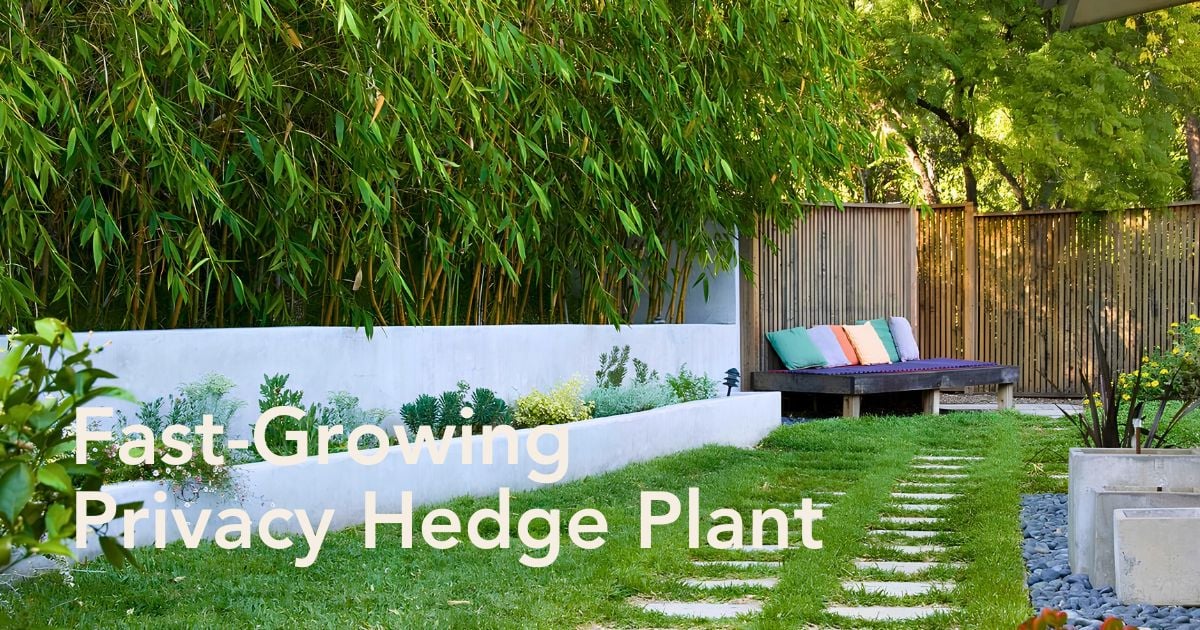
Bamboo is the fastest-growing plant, with some species growing up to a meter daily. Growing a bamboo plant garden in your yard to act as a privacy hedge is ideal if you are looking for a quick-growing evergreen perennial. Bamboo can easily grow to maturity within 1- 4 years depending on the species, and this kind of growth can even take place with minimal care for your bamboo garden.
Although the speedy growth of the bamboo garden can be good if you need a quick fix to your yard privacy, there are significant implications to managing it. Well-planned and consistent pruning or cutting is needed to keep your bamboo garden in check, especially if you grew it as a privacy screen.
Reasons for Pruning a Bamboo Garden
Bamboo hardiness and growing speed can ultimately be problematic and untenable, especially if you are not growing it commercially. For several reasons, it is crucial to proactively prune and manage the growth of your bamboo garden.
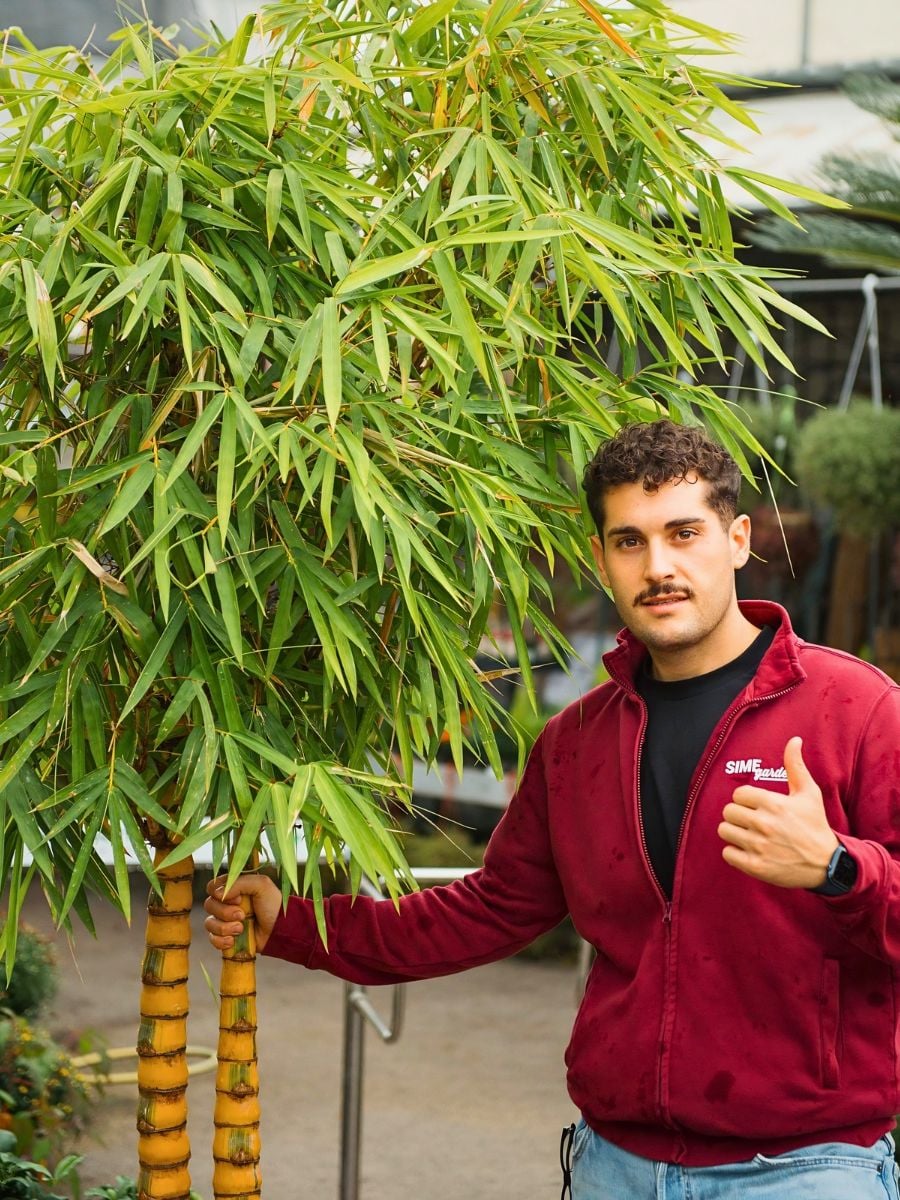
Bamboo Gardens Can Quickly Spread Into Neighboring Yards
Bamboo gardens are mainly grown to achieve some privacy for your yard, and if well-managed, they can be incredibly effective as a privacy screen. However, given that bamboo can easily grow to 1 meter daily, even fences or property lines cannot deter its growth. So, due to its growth, your bamboo garden can encroach on your neighbors' property and even cause disagreements among those surrounding you.
It is prudent to prune your bamboo, start early, and be consistent to tame its growth to desired and easy-to-manage levels. Pruning will significantly prevent your bamboo garden from being burdensome to your neighborhood, which might result in problems or eventual uprooting to avoid continued tussle with the neighbors.
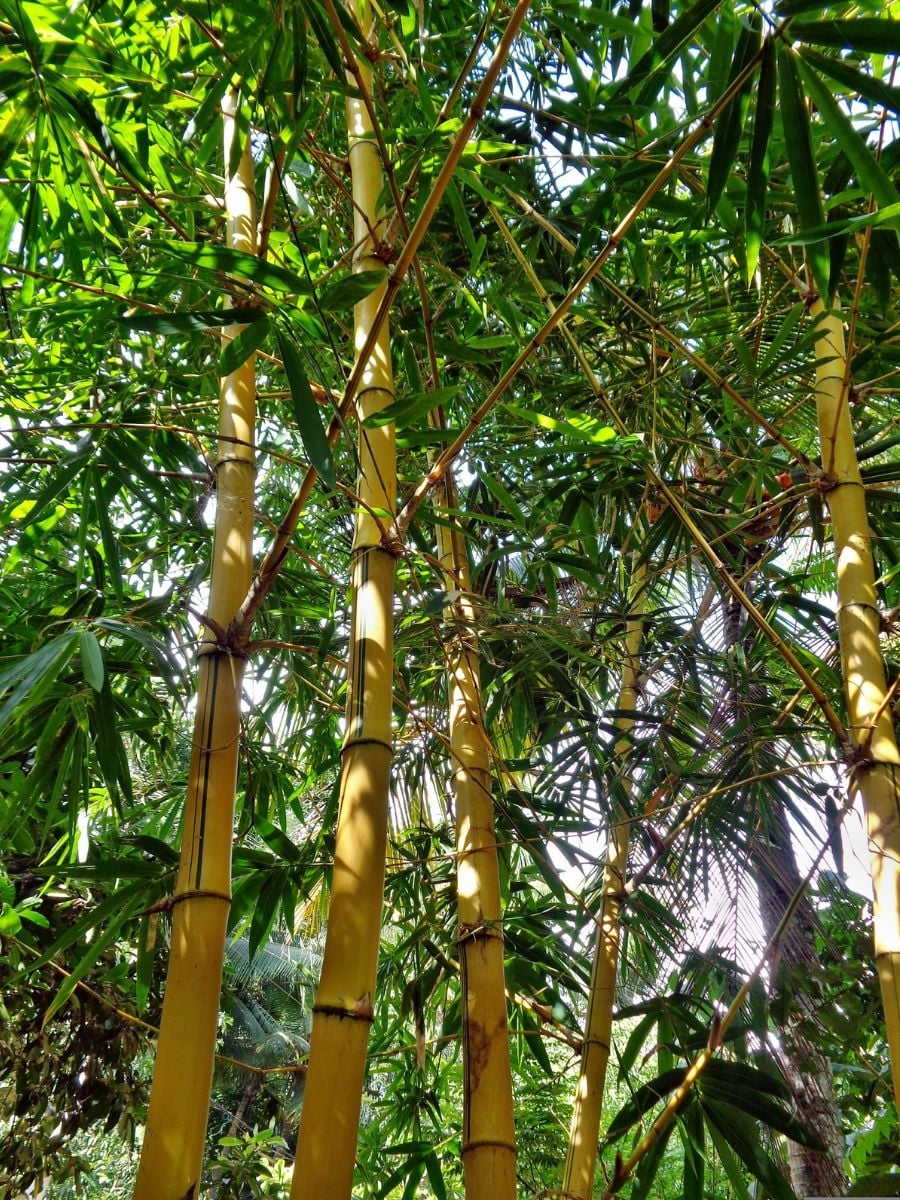
Bamboo Can Be Invasive to Surrounding Biodiversity
During summer, bamboo rhizomes can easily sprout in different directions, which, if not closely monitored, can spread out and eventually threaten the well-being of native plants. You may be wondering how will I get rid of bamboo in my garden in case it becomes detrimental to surrounding plants and biodiversity.
There is no quick-fix solution to this yet because of its rhizomes, which can still shoot during summer even after pruning or cutting back your bamboo garden. Being on the lookout for shoots coming up during summer is crucial to mitigating the invasiveness of your bamboo garden.
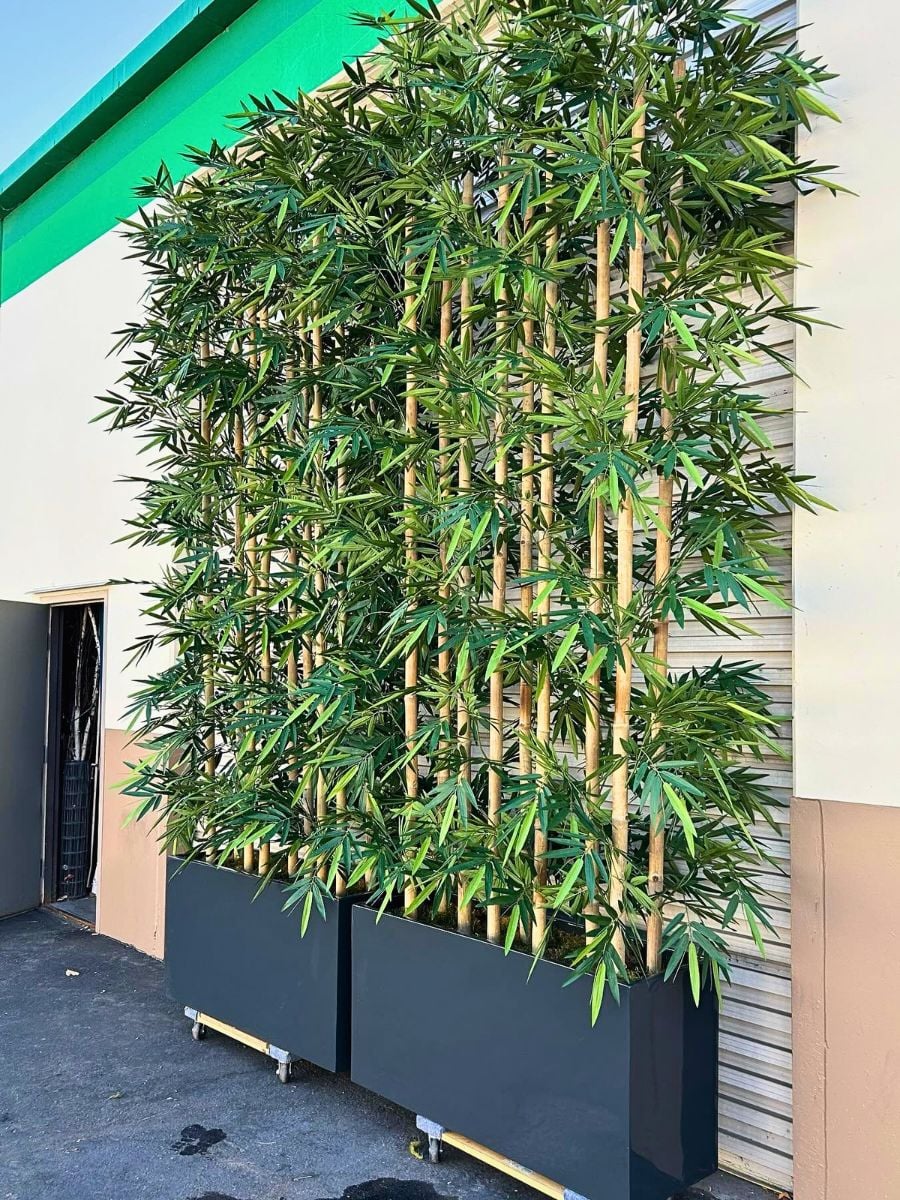
Getting Rid of Bamboo Can Be Difficult
In the event your bamboo garden becomes unmanageable, and you intend to get rid of your bamboo entirely, it is good to note this will not be a walk-in-the-park endeavor. Getting rid of bamboo might take years; regardless of how often you dig and destroy rhizomes, bamboo still finds a way somehow to shoot and grow in your garden.
It is relatively important to keep up with a pruning habit to ensure that your bamboo garden does not get out of hand at some point, because when it does, you will have no option but to get rid of it.
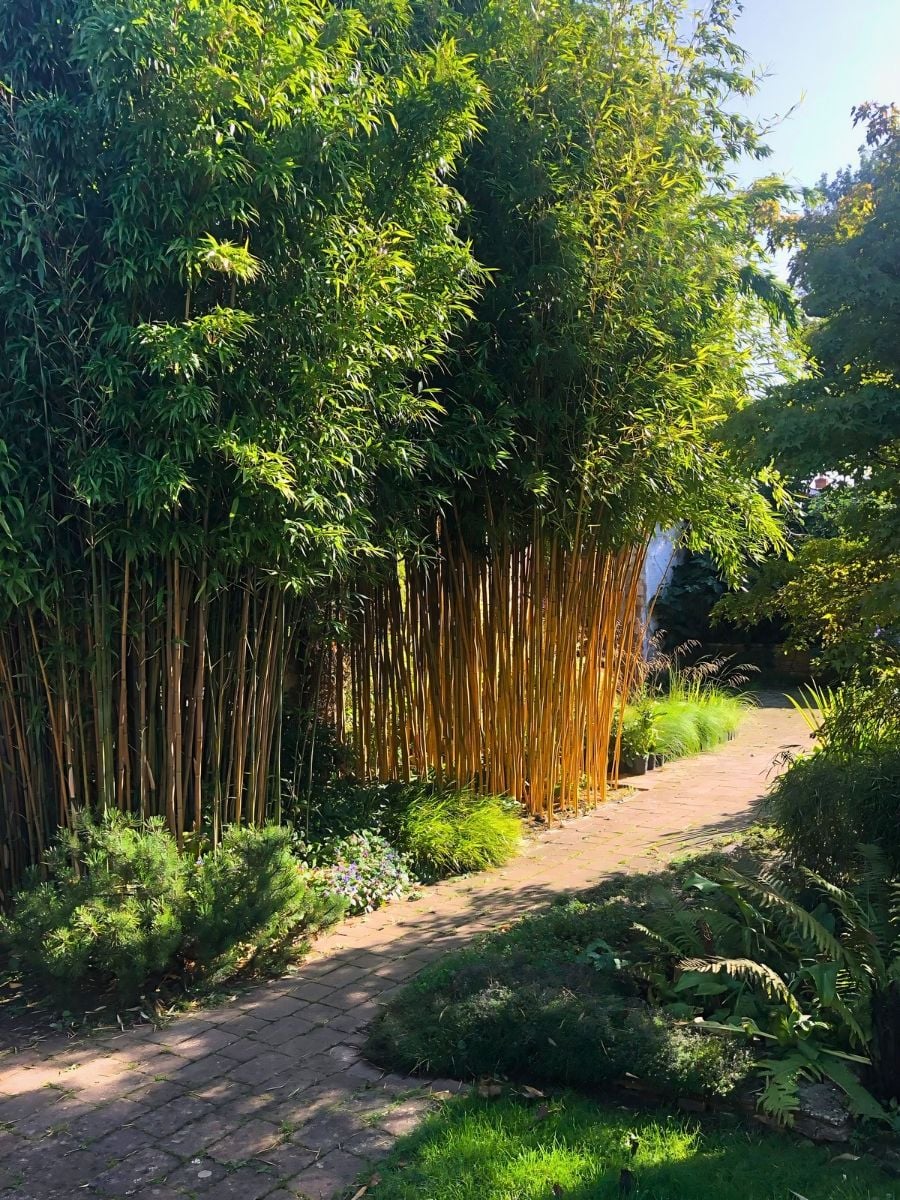
How to Prune a Bamboo Garden
Pruning your bamboo garden can be achieved effortlessly by pruning once annually. When you master the pruning of bamboo, you can achieve aesthetic appeal and a reliable privacy screen as a result. Pruning either to stimulate desired growth or for aesthetic value takes different approaches, which ought to be fully implemented to enhance the optimal growth of your bamboo garden.
Pruning Bamboo to Stimulate Desired Growth
Pruning to bolster the desired growth of your bamboo garden ought to be done in a timely and right to avoid any harm to your bamboo. Fully mature bamboo culms can be pruned any time of the year. However, if your pruning goal is to reduce the height of your bamboo garden, it is vital to prune in a timely way.
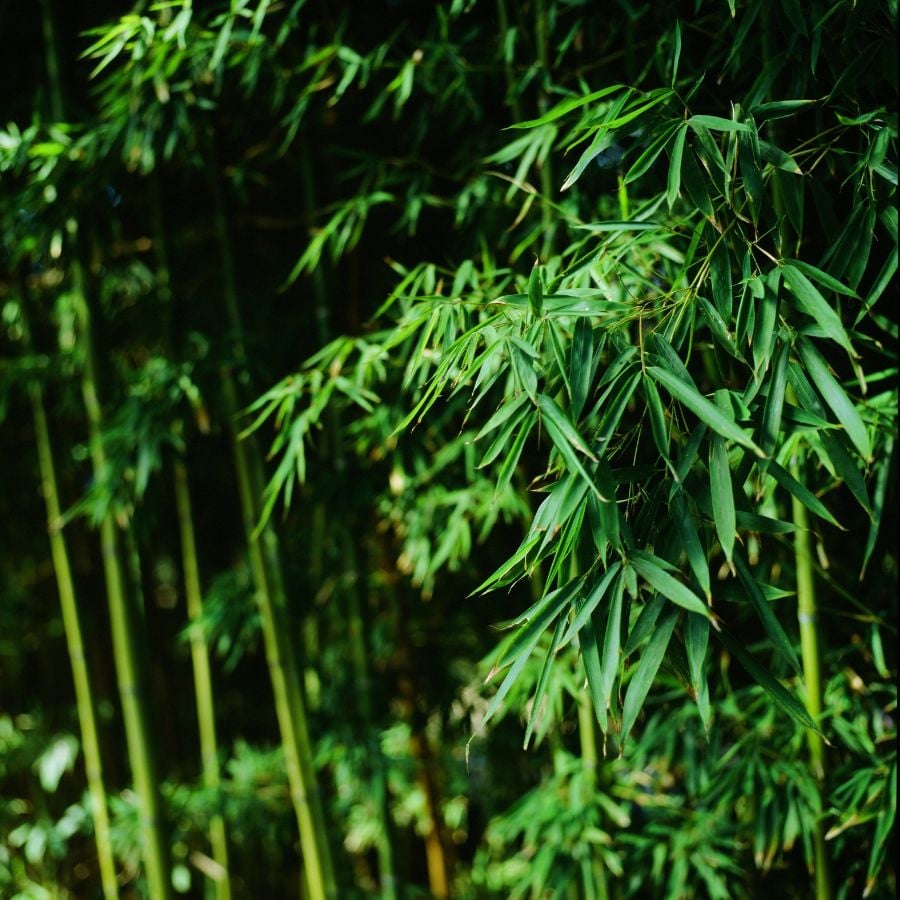
Pruning immediately after a shoot encourages the growth of strong foliage in the lower part of your bamboo plant. Cutting right after the node reduces the height of your bamboo garden. For great results, taking out old, dead, or leaning bamboo plants is recommended. Remove dead or leaning bamboo by cutting it to the ground; this stimulates new healthy shoots.
Notably, pruning for a desired growth should be done when the bamboo plant gets to a maximum height, using tools like sharp hand clippers, pruning hand saws, gloves, and eye protection gear, which comes in handy during the pruning process.
Pruning Bamboo for Aesthetic Appeal
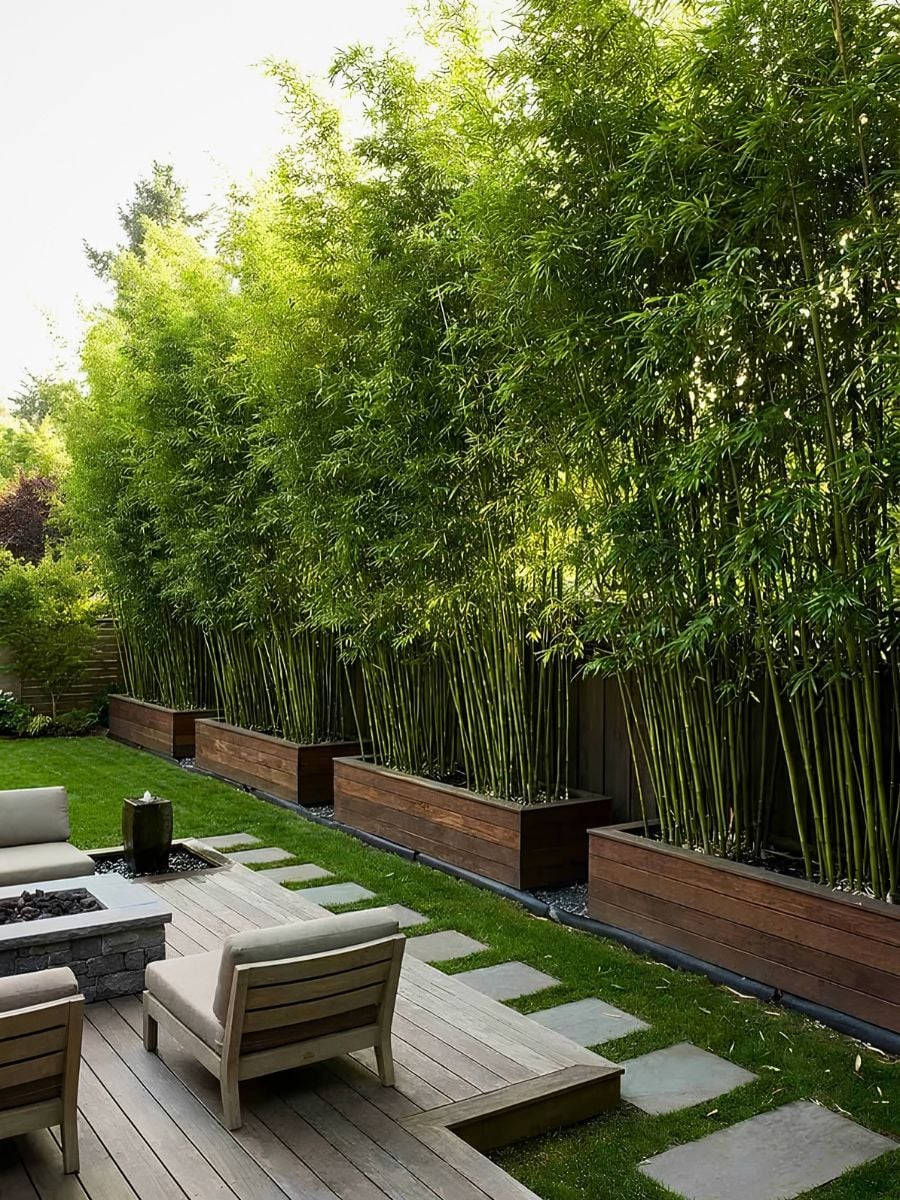
Pruning or thinning your bamboo garden to achieve an aesthetic appeal can transform your bamboo from being a regular plant to a striking elegance and a focal point of your garden. Upon establishment of your bamboo garden, identify leaning or crowded bamboo and remove it while trimming branches that are spread out to achieve a desired hedge.
For some bamboo lovers, they prefer exposure to the bamboo cane; pruning of lower branches is ideal for them to showcase the structural beauty of the bamboo plant from the ground up. To gain a dense privacy screen out of your bamboo garden, the growth of lower branches should be nurtured, and climbing up or exposure of the bamboo cane avoided in that regard. Upon the achievement of a dense screen, consistent pruning of branches growing sideways or above should be implemented to maintain the desired privacy hedge shape.
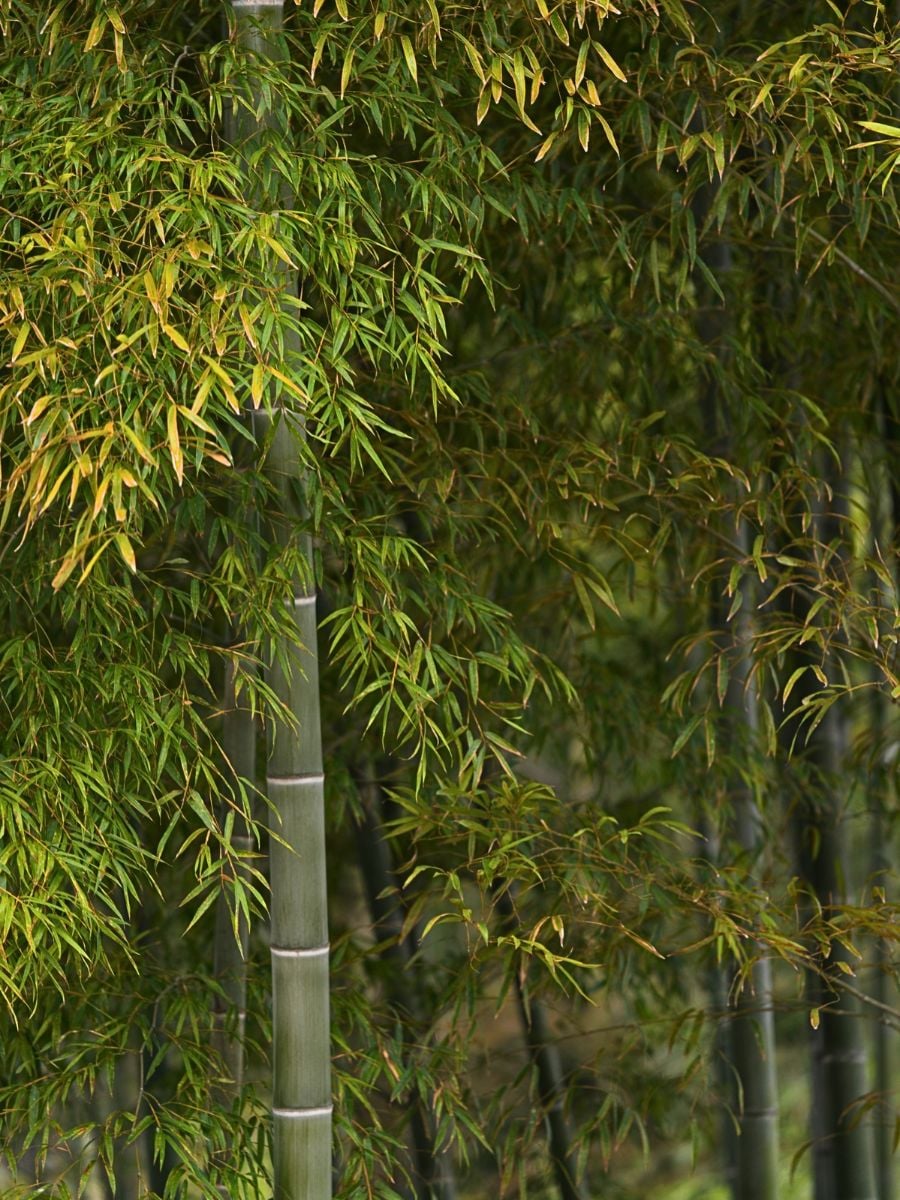
There are befitting bamboo species that can be grown as a privacy hedge and achieve a manageable or desirable height within your environs. It is good to seek out bamboo species that can fit your garden needs and growing conditions.
Some Uses of Bamboo
Bamboo uses can range from construction or architectural uses to flooring and roofing designs to scaffolding. Additional uses include the use in designs and production of furniture, biofuel, fabrics, and as an ornamental garden plant. Bamboo shoots and foliage add to Asian and Chinese cuisines.
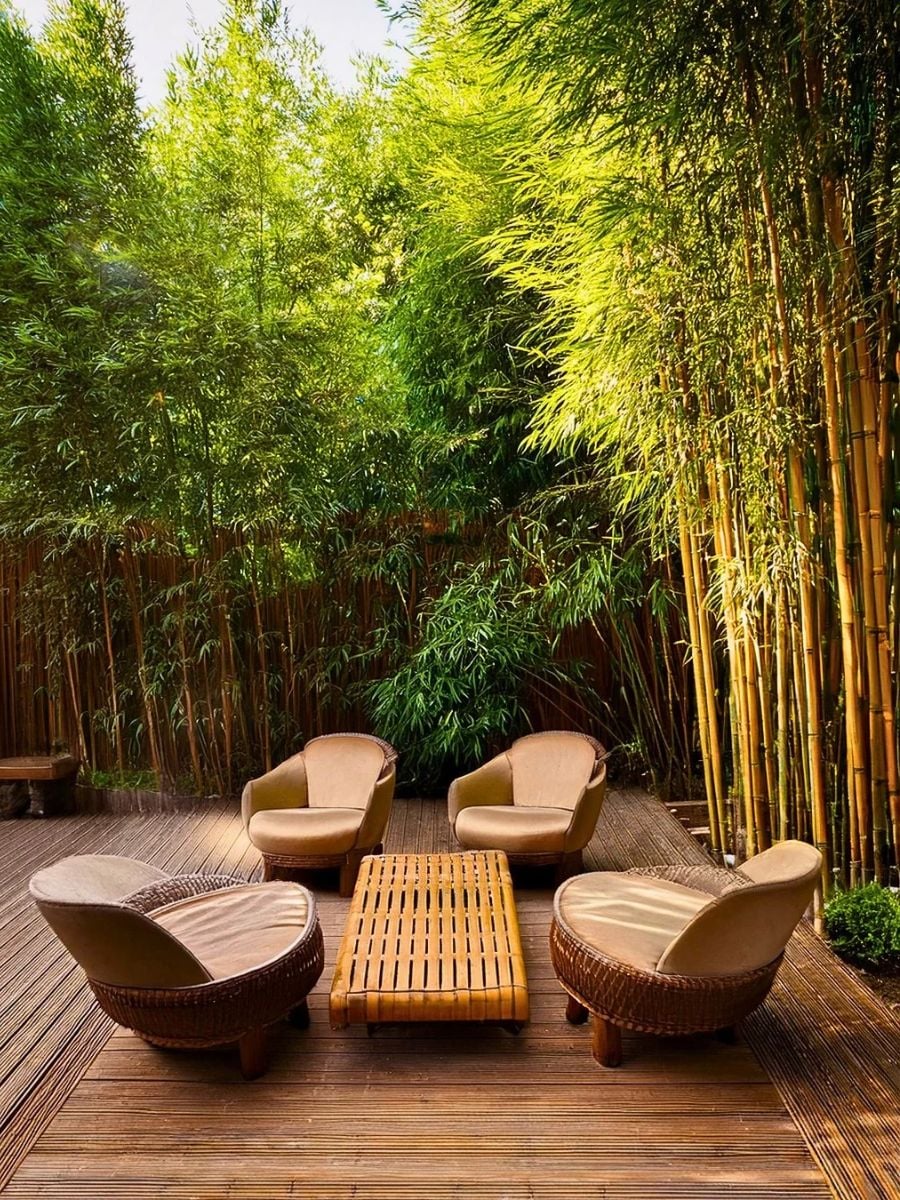
Mature bamboo culms have been used for decades as part of eco-friendly architectural and construction materials. From furniture to flooring and roofing designs, bamboo culms culminate in sustainable architectural and construction efforts.
For instance, in Vietnam, architects built an amazing bamboo dome over a lakeside, a well-known and sought-after restaurant in the region. There are immense commercial uses of bamboo, and therefore growing it in your garden can be the start of a fulfilling bamboo-growing and commercial experience.
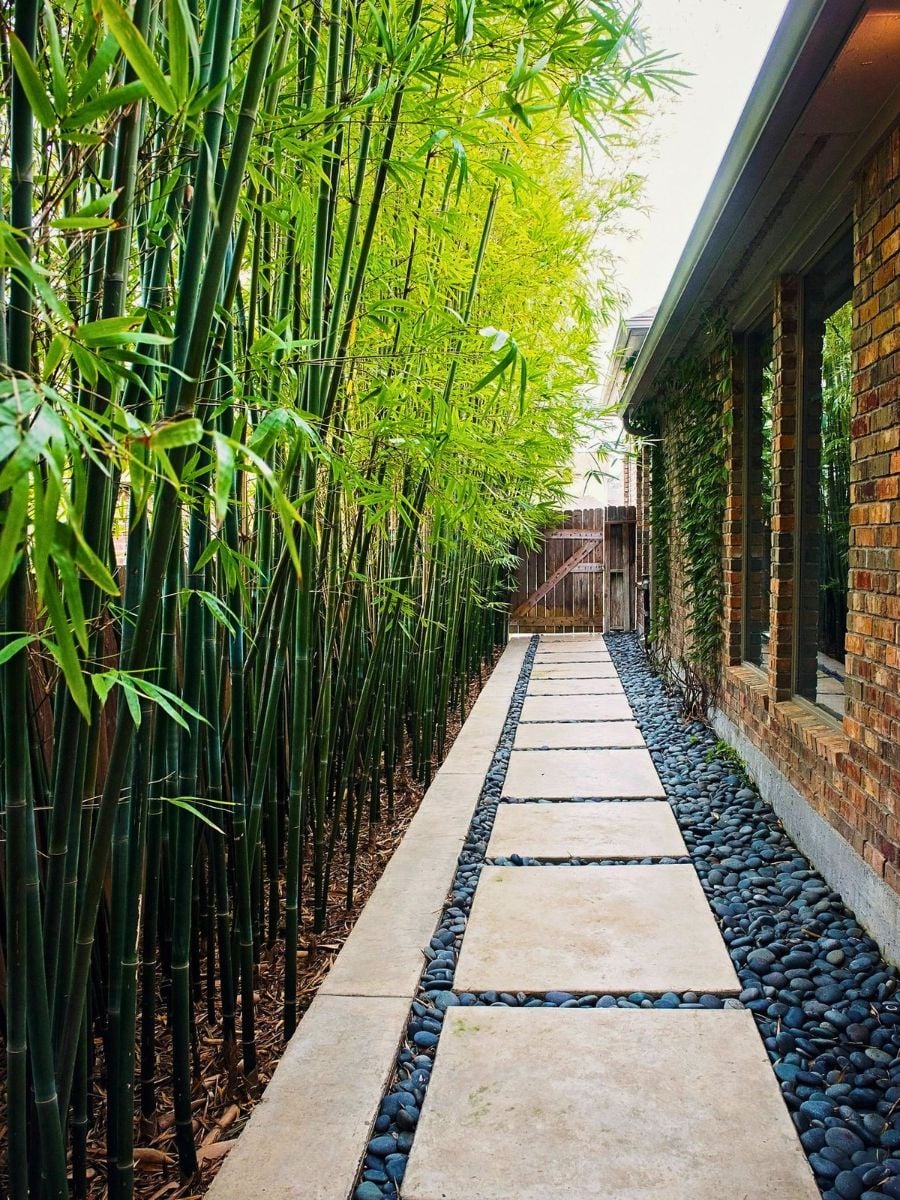
Being cognizant of the growing habits of bamboo should guide your decision to grow and nurture a bamboo garden in your yard. Should you decide to have a bamboo garden, the aforementioned pruning techniques should be sufficient guiding strategies on how to effectively manage your bamboo consistently.
Featured image by @simegarden. Header image by @bambouseraie_de_paris