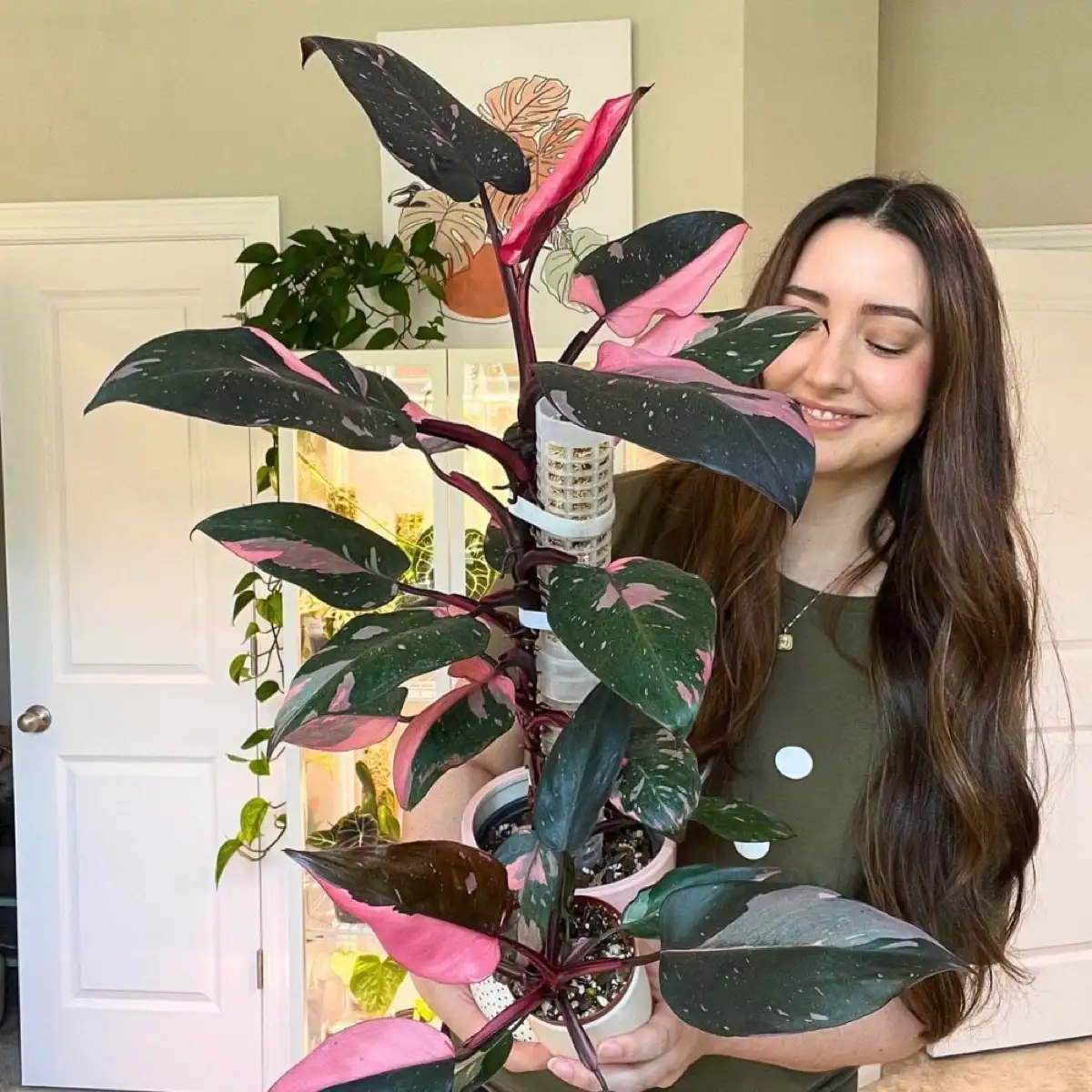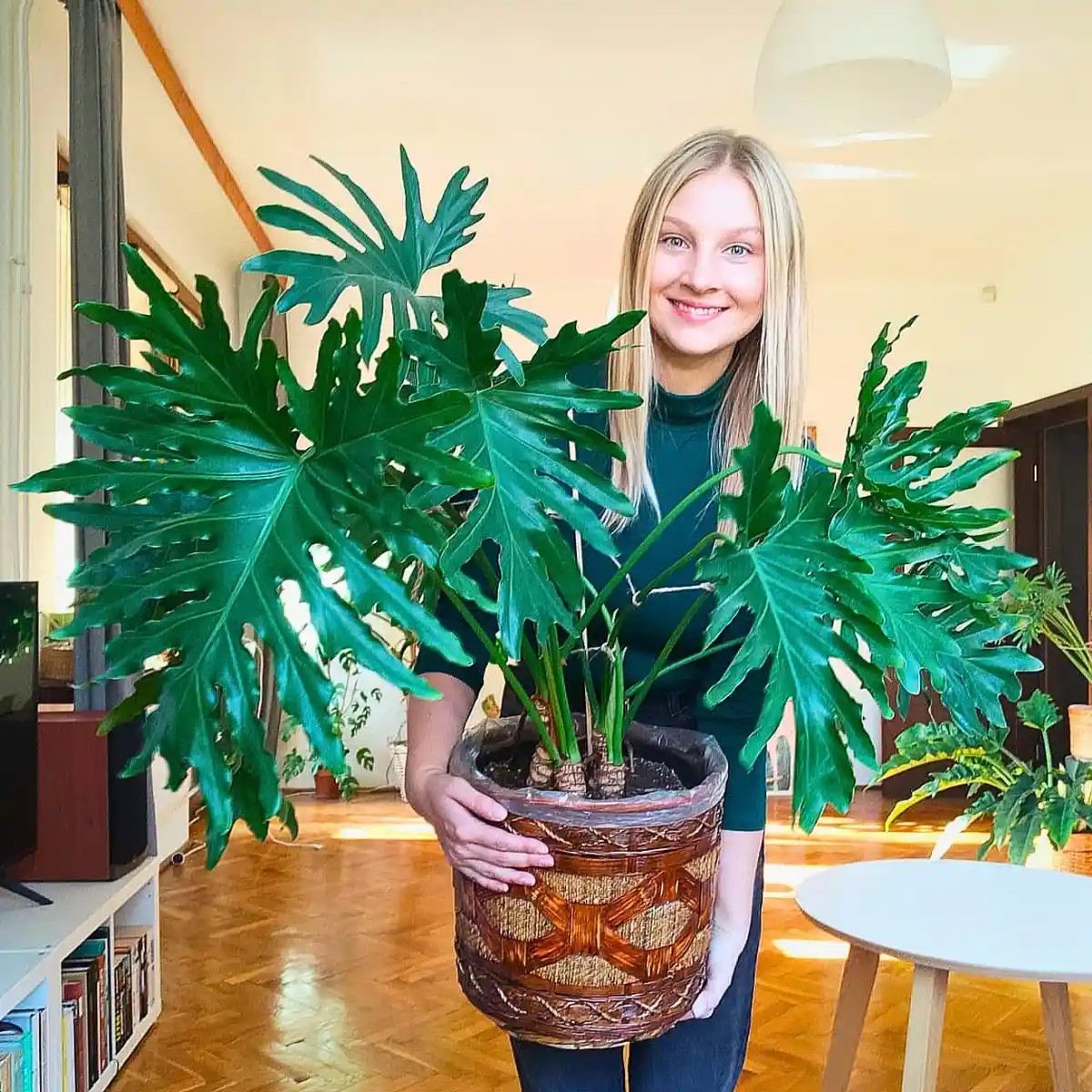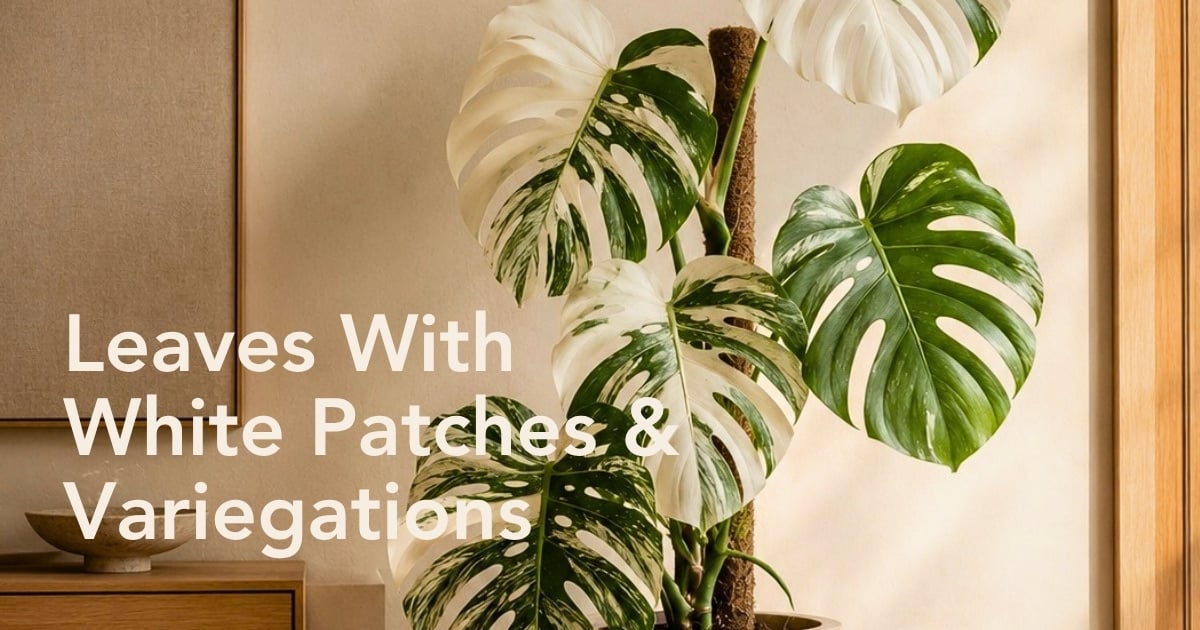
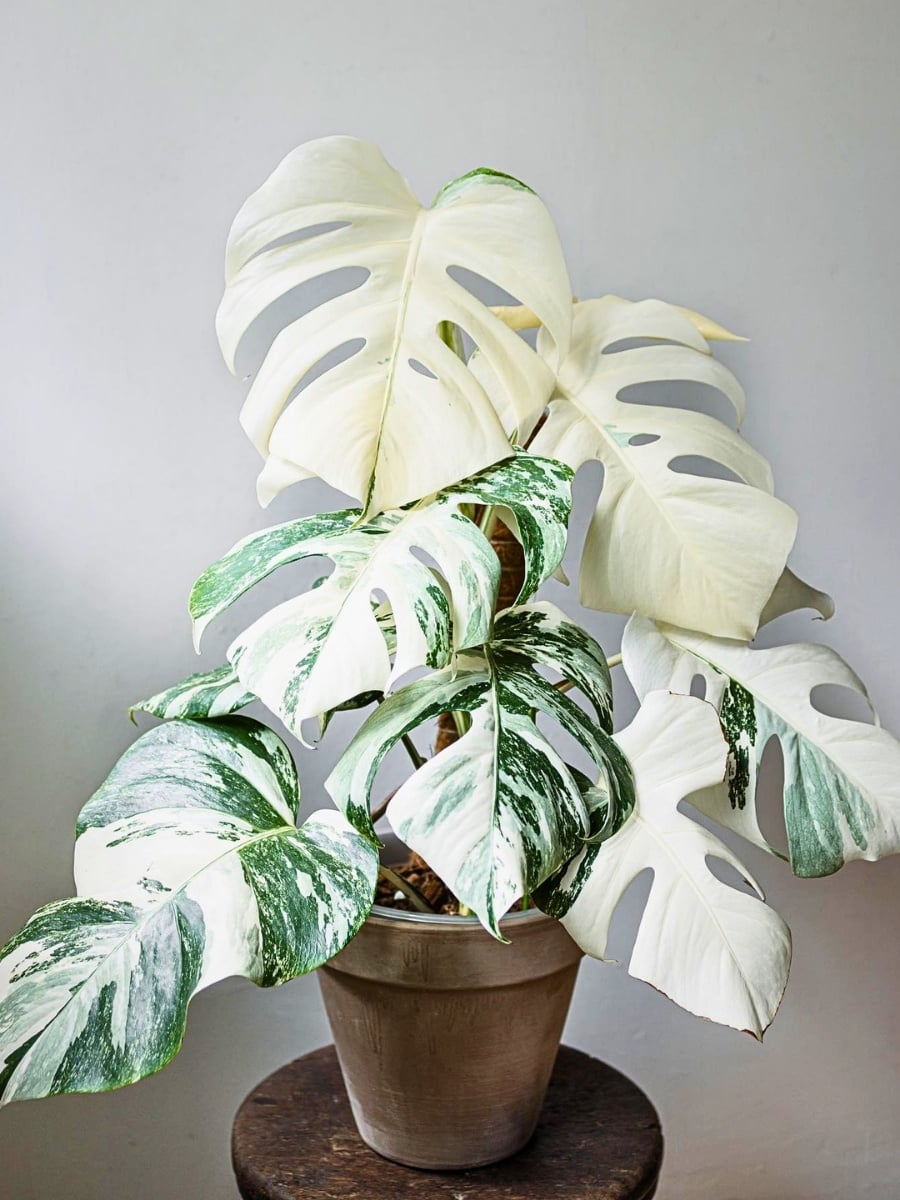
Monstera albo, scientifically known as Monstera deliciosa Albo Variegata, is one of those plants that have captured the attention of indoor gardeners and plant lovers everywhere. Do you know what sets these beautiful indoor plants apart from other such plants? Well, it is the white patches that appear on its leaves, which are quite in contrast to its peers.
The unique striations of Monstera albo have made it a highly sought-after plant. You may be wondering why Monstera Albo has these patches of white leaves. So here is why this plant has these striking white patches, plus a bit on its origins, cultivation techniques, and factors affecting the variegation.
Origins and Background of Monstera Albo
To understand why plants have white patches or variations of color, we first need to understand their origin. Monstera albo originated in tropical rainforests of Central and South America. The plant belongs to the Araceae family, which includes others like Philodendrons and Anthuriums.
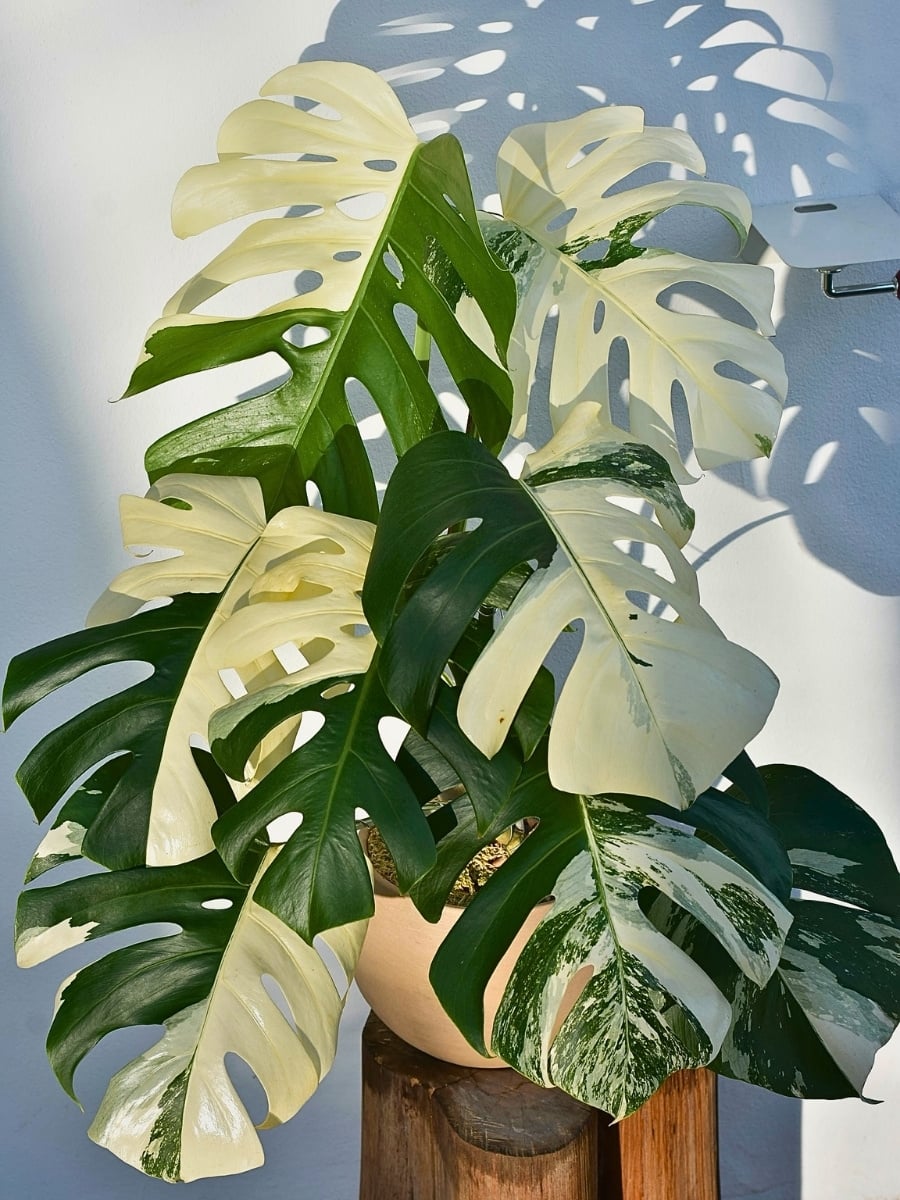
As the name implies, Monstera albo is a naturally occurring mutation of the delicious Monstera, commonly known as the Swiss Cheese Plant. This mutation results in unique white patches, or variegations, on the leaves.
Initially, Monstera albo was a rare find in the wild, and it is its distinct beauty that caught the attention of plant enthusiasts. Today, it has become a highly coveted plant in the horticultural world. Its popularity skyrocketed with the rise of social media platforms, where its striking appearance captured the hearts of plant lovers.

What Is the Reason for the Variegation and the Striking White Patches of Monstera Albo?
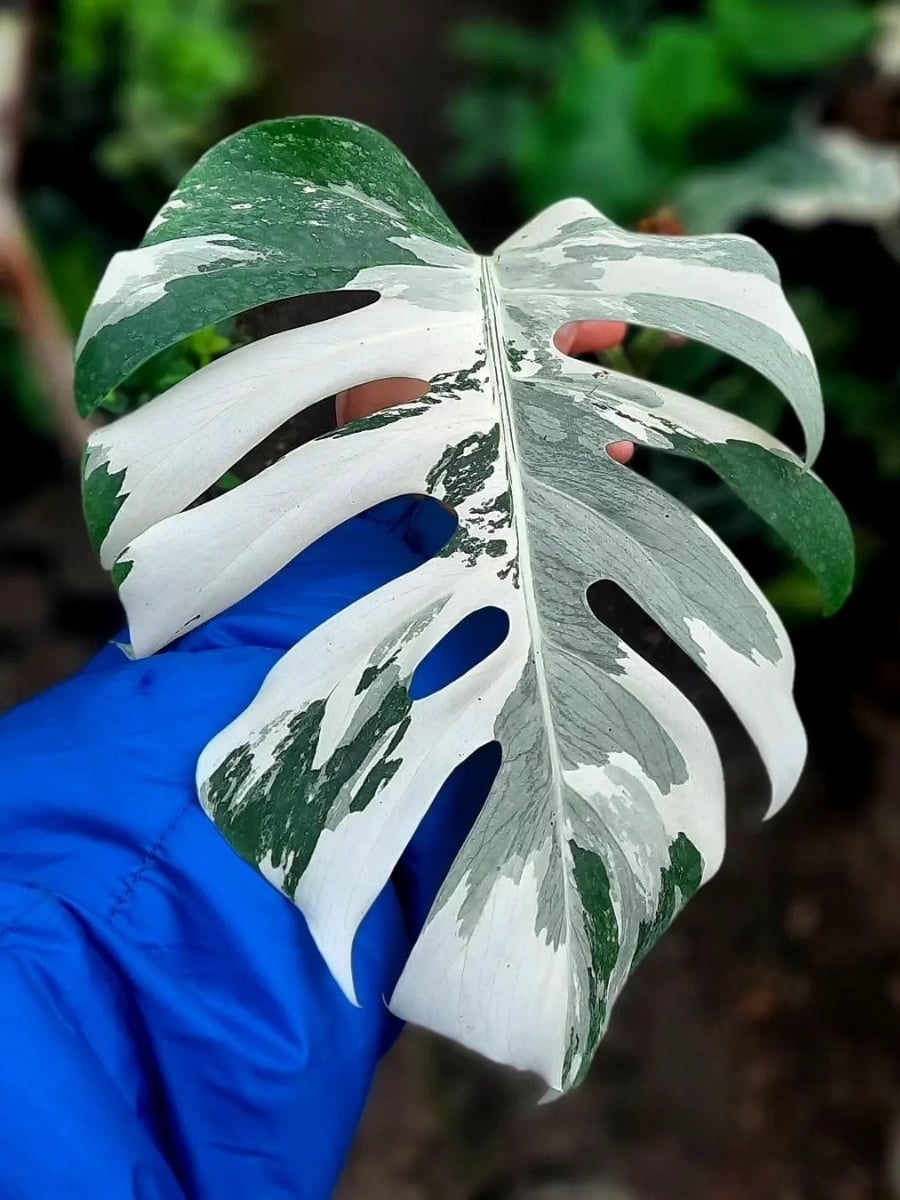
Variegation in plants refers to the presence of differently colored areas, usually white or yellow, on the leaves. This phenomenon occurs due to a lack of chlorophyll or altered chloroplast development in certain plant cells. In the case of Monstera deliciosa Albo Variegata, the white patches result from a genetic mutation that inhibits the production of chlorophyll in those specific areas of the leaves.
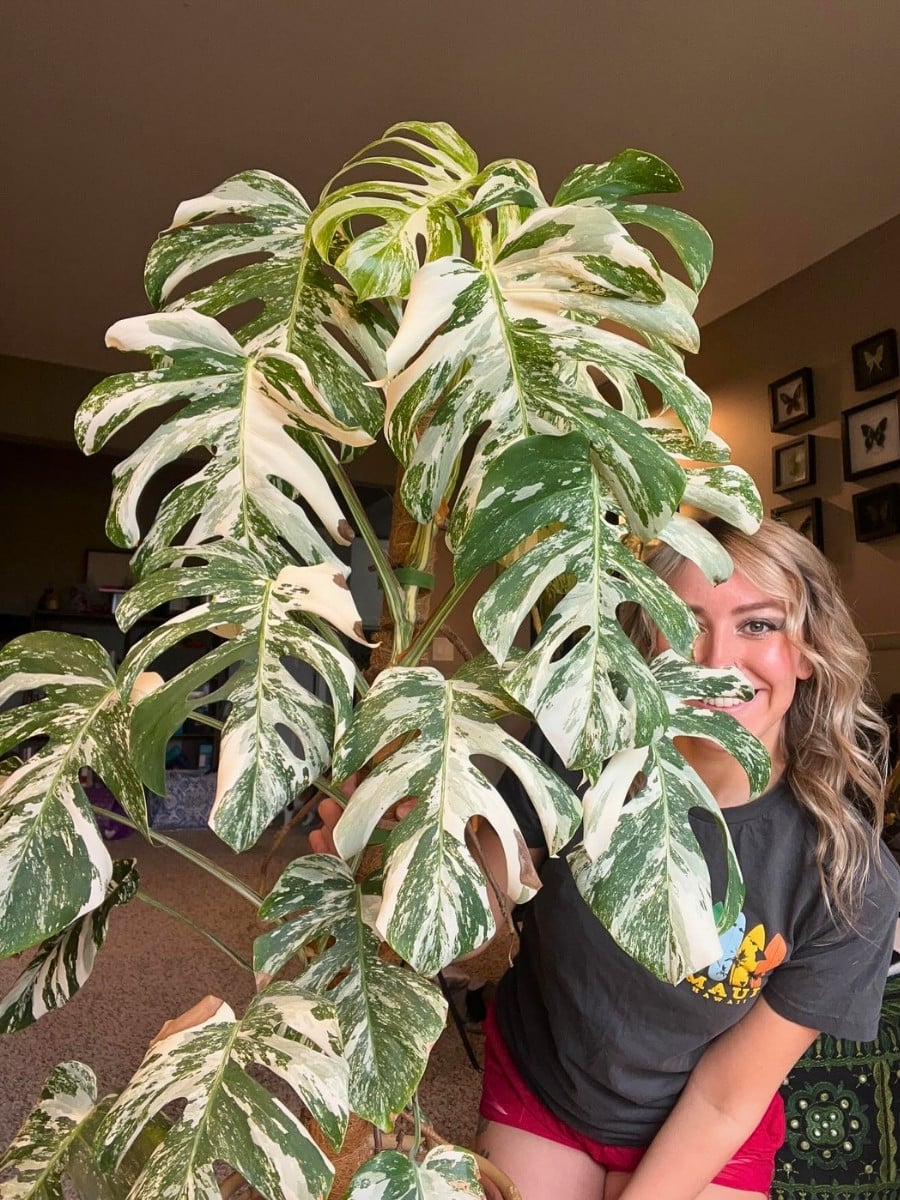
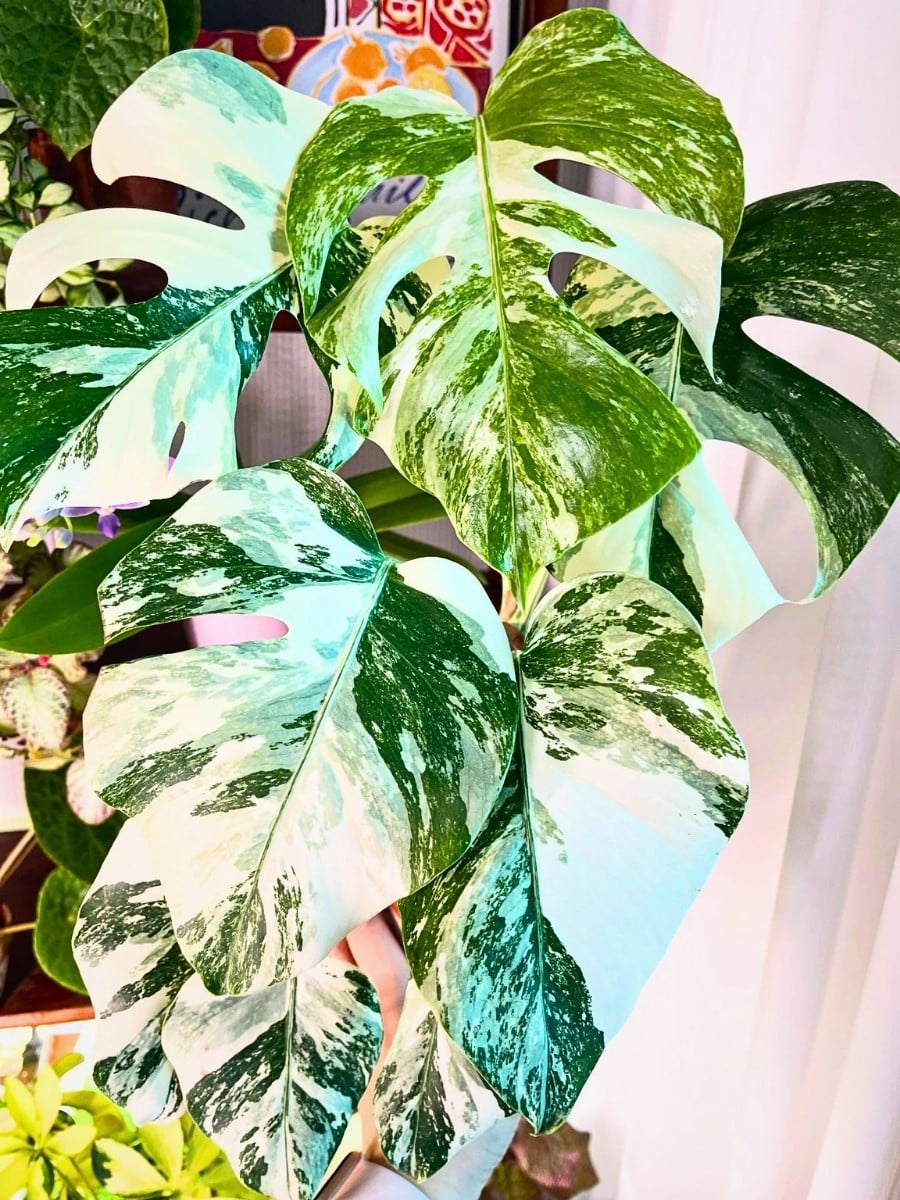
The variegation of Monstera albo is highly unpredictable. Some plants exhibit a predominantly white variegation, while others may have patches of white mixed with shades of green. It is this unpredictability that makes Monstera albo a unique and interesting specimen.
Factors that influence variegation in Monstera Albo
Do Monstera albo plants have a constant, unchanging color variation or white patches? No, that is not the case. The variegation patterns in Monstera albo can vary significantly from plant to plant. Various factors, including cultivation practices and environmental conditions, can influence the intensity and distribution of white patches or streaks. Variegation intensity and stability are affected by the following factors:
Genetics: The genetic makeup of each plant plays a crucial role in determining the variegation pattern. Some plants may exhibit more stable variegation, while others may have more unstable patterns that change over time.
Light Exposure: Insufficient light can result in reduced variegation, causing the white patches to turn green. On the other hand, excessive light can lead to sunburn and leaf damage. Finding the right balance is, therefore, key to maintaining optimal variegation and patterns.
Propagation Method: Propagating Monstera albo through stem cuttings can sometimes result in non-variegated offspring. It is best to propagate from stem tips that exhibit strong variegation for a higher chance of obtaining variegated plants.


Also, when selecting a Monstera albo plant with beautiful white patches to enhance the beauty of your home, look for one that is endowed with well-defined and visually appealing white patches. The variegation patterns can vary, so choose one that appeals to your aesthetic preferences.
Some people prefer more extensive variegation, while others may prefer a moderate amount. Consider the size and shape of the plant, too. Monstera albo can grow to be quite large, so if you have limited space, you may want to choose a smaller specimen. Essentially, choose the perfect variant of Monstera albo that enhances the beauty of your home to your liking.
Cultivation Techniques for Monstera Albo
Growing the Monstera albo plant can be a rewarding but also a challenging activity. Maintaining the proper color variation of this Monstera requires proper cultivation. Notably, as previously indicated, low chlorophyll levels are the main cause of white patches in the plant. Due to the reduced chlorophyll content in its leaves, these plants require special care to thrive. Here are some key tips for successful cultivation:
Lighting: First, let's talk about lighting, which is vital for each plant. Monstera albo thrives in bright, indirect light. So, avoid placing it in direct sunlight, as this can scorch the leaves. A north-facing window or a spot with filtered light is ideal.

Temperature and Humidity: Monstera albo prefers warm and humid conditions that mimic the original plant's habitat. Aim for a temperature range of 18-29°C (65-85°F) and provide regular misting or use a humidifier to maintain a humidity level of between 60% and 70%.
Soil and Watering: Well-draining soil is essential to prevent waterlogged roots. So, you have to use a mixture of peat moss, perlite, and orchid bark to ensure proper drainage. Water the plant when the top inch of soil feels dry, but avoid overwatering, as this can lead to root rot.
Fertilization: Feed Monstera albo houseplants with a balanced, water-soluble fertilizer during the growing season (spring and summer) to provide essential nutrients. Follow the instructions on the fertilizer package for proper dilution and application.
Monstera Albo Is a Sure Way to Add Some Elegance to Your Indoor Space
However you look at it, Monstera albo's striking white patches and variegations make it a truly mesmerizing houseplant. The allure lies not only in its unique appearance but also in the challenge it presents to growers. But understanding its origins, cultivation techniques, and the factors influencing variegation can help enthusiasts unlock the secrets behind this captivating plant.

Whichever the case, whether you are a seasoned plant lover or a beginner plant parent, this Monstera albo is sure to add some elegance to your indoor space. Plus, just the journey of cultivating this remarkable plant and watching it grow and turn out beautifully is a bonus worth all its while.
Featured image: @apedoaep.