There are many risky houseplants that can pose serious threats to cats and dogs. But what’s the wonderful news? You absolutely don't need to choose between your passion for greenery and the safety of your beloved pets. With the right selection of plants safe for pets, you can create a thriving indoor garden while keeping your furry family members totally protected.
Why Choosing Houseplants Safe for Pets Matters
Many popular houseplants contain calcium oxalate crystals, toxic sap, or other compounds that can cause symptoms ranging from mild stomach upset to severe poisoning in cats and dogs. However, the vast majority of toxic plants cause only temporary discomfort rather than life-threatening emergencies.
Still, why take the chance? Choosing verified dog- and cat-friendly houseplants helps create a worry-free environment where curious noses and playful paws can explore without risk. Even though most pets naturally ignore houseplants once they mature past their curious kitten and puppy stages, it's always better to be proactive.
Some pets are more sensitive than others, and what causes no reaction in one animal might send another to the vet. That's why choosing pet-friendly houseplants gives you peace of mind, whether you're home or away.
10 Stunning Pet-Friendly Houseplants for Your Home
1. Calathea Family
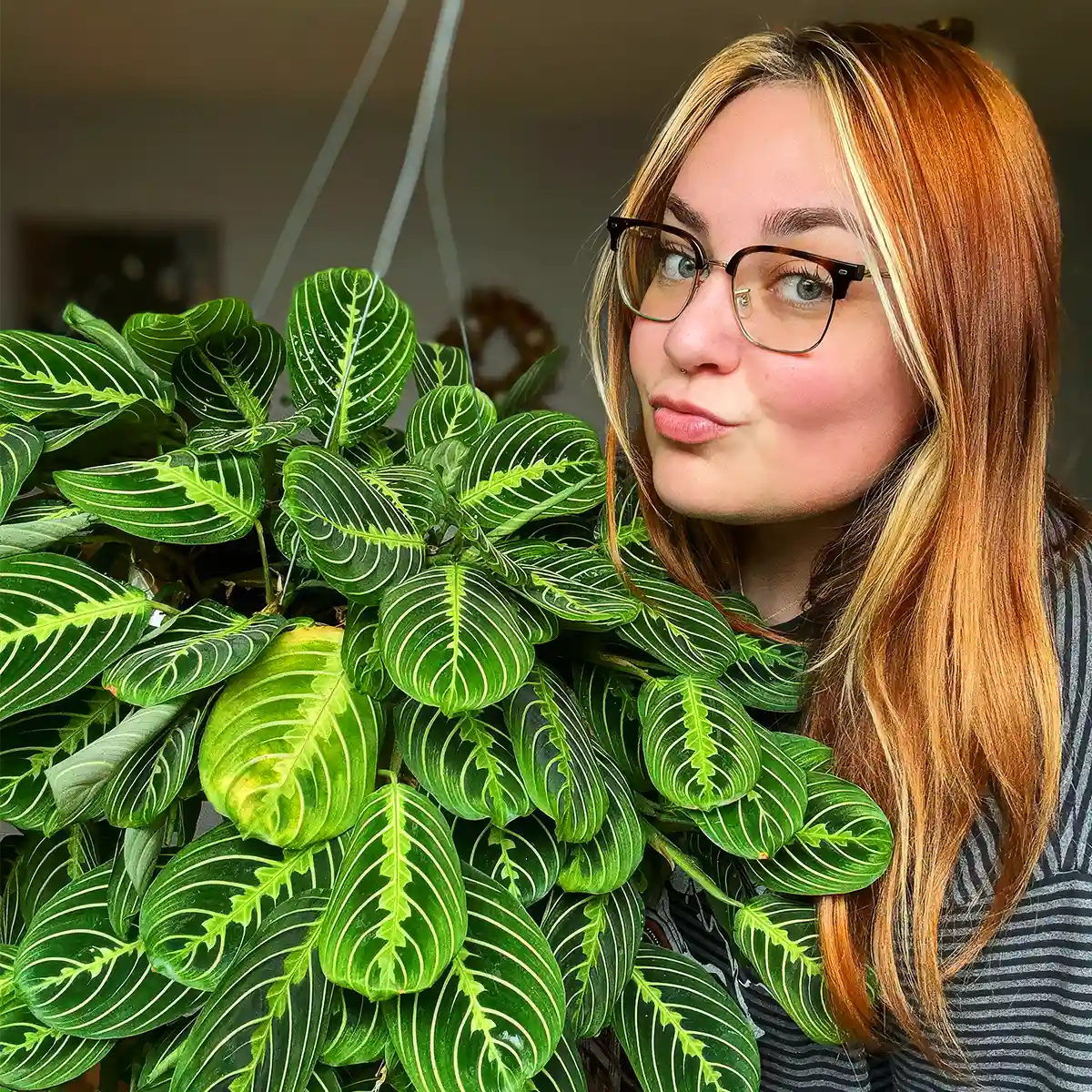
The Calathea is a true champion among pet-friendly houseplants, offering dramatic foliage patterns that rival any dangerous plant's visual appeal. This classic houseplant family has graced homes safely for decades, with varieties like Calathea Lancifolia, Calathea Rufibarba, Calathea Medallion, and Calathea Orbifolia all being completely safe for both cats and dogs. Calatheas feature stunning leaf patterns with intricate markings, bold stripes, and rich colors ranging from deep green to burgundy.
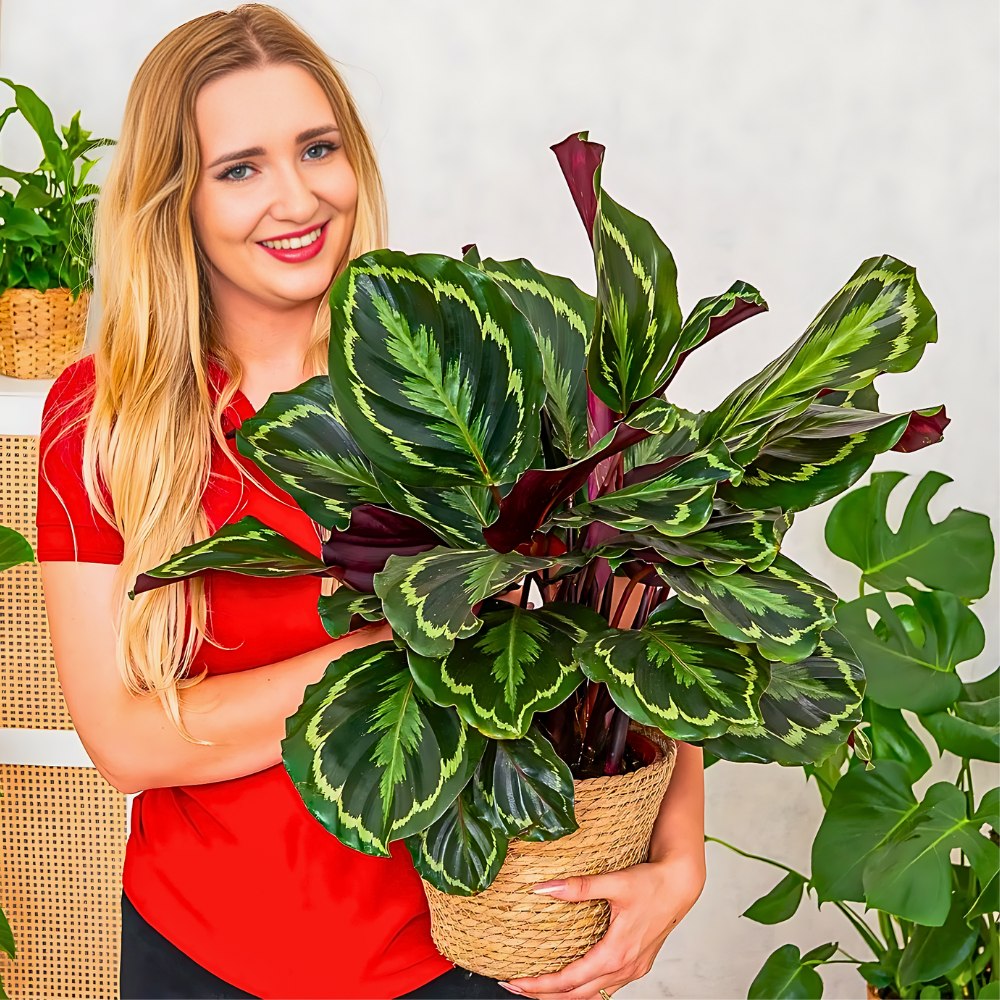
Their signature movement, leaves that fold up at night and unfold during the day, adds a living, dynamic quality to your space. While they require moderate care with consistent moisture and humidity, these plants are safe for pets and reward attentive owners with breathtaking foliage displays. For their care, keep soil consistently moist but not waterlogged, provide medium to bright indirect light, and maintain humidity levels above 50% for best results.
2. Palm Varieties
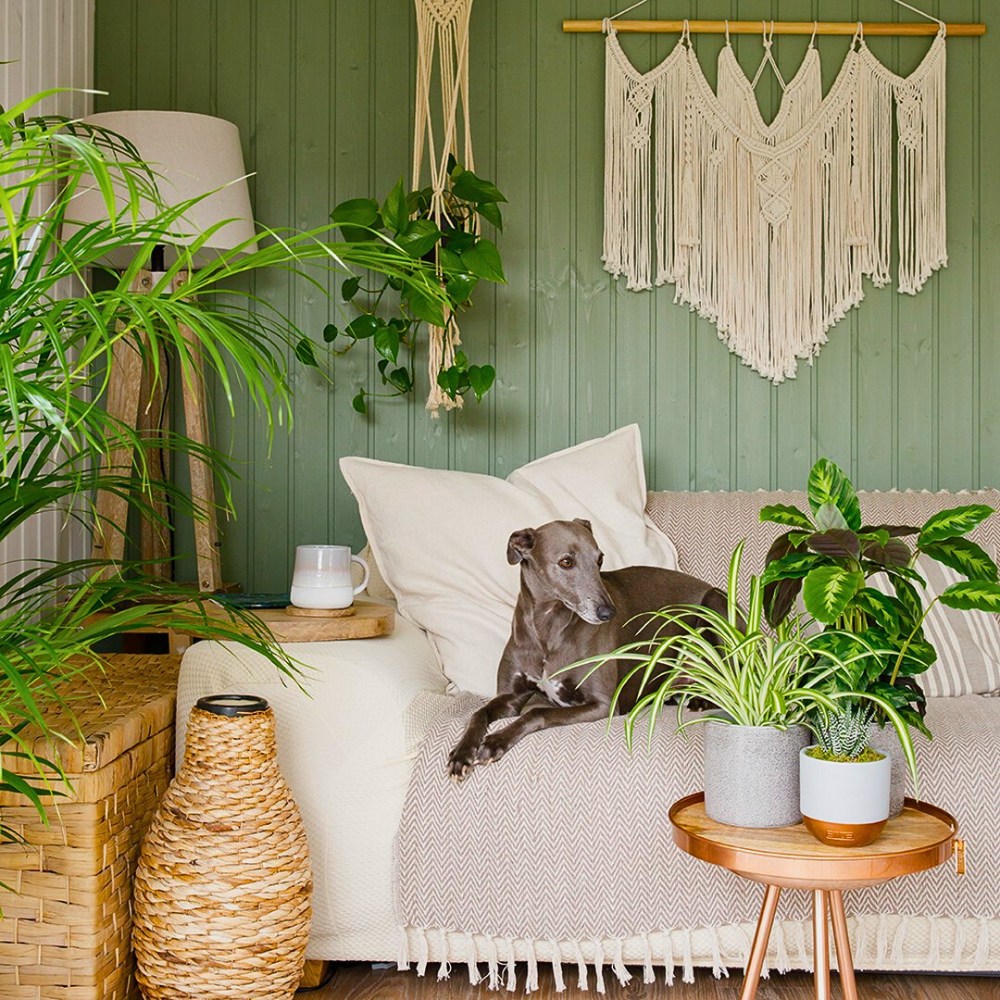
Almost every palm in the palm family ranks among the safest houseplants for pets. The Areca Palm, Licuala grandis, and Kentia Palm are all pet-friendly houseplants that bring instant tropical elegance to any room. These graceful giants create stunning focal points while remaining completely harmless to curious cats and dogs.
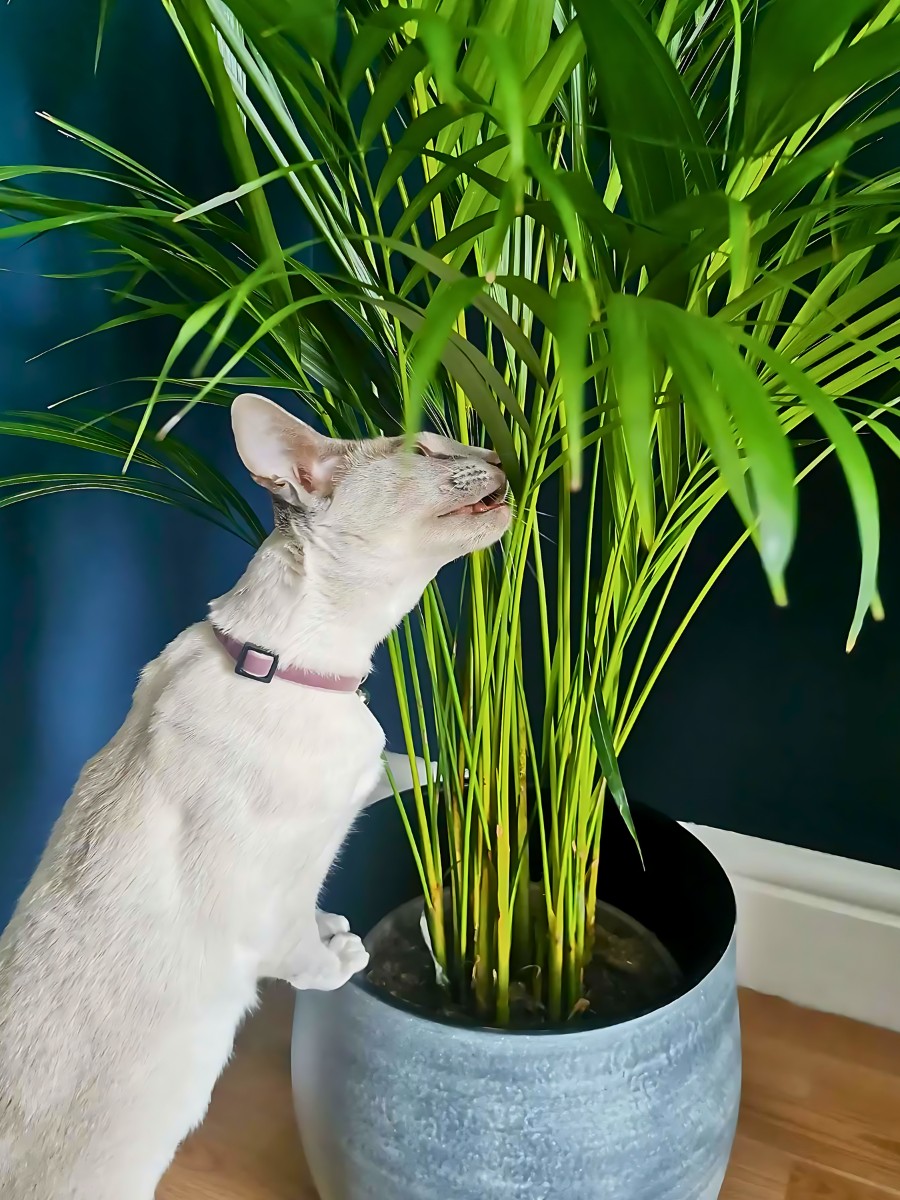
It's crucial to note the difference between safe and toxic palms: while Areca and Kentia palms are pet-safe, the Sago Palm (technically a cycad) is extremely toxic and should never be in a home with pets. When shopping for palm varieties, always verify you're selecting true palms that are pet-friendly as houseplants. Palms thrive in bright indirect light, appreciate regular watering when the top inch of soil dries, and benefit from occasional misting to maintain humidity.
3. Musa (Banana Plant)
For pet owners seeking dramatic, tropical, pet-friendly houseplants, the Musa brings serious jungle vibes without any safety concerns. Despite its sturdy, impressive appearance, the Musa 'Dwarf Cavendish' and other banana plant varieties are completely safe for both dogs and cats, making them perfect plants safe for pets who love to explore.
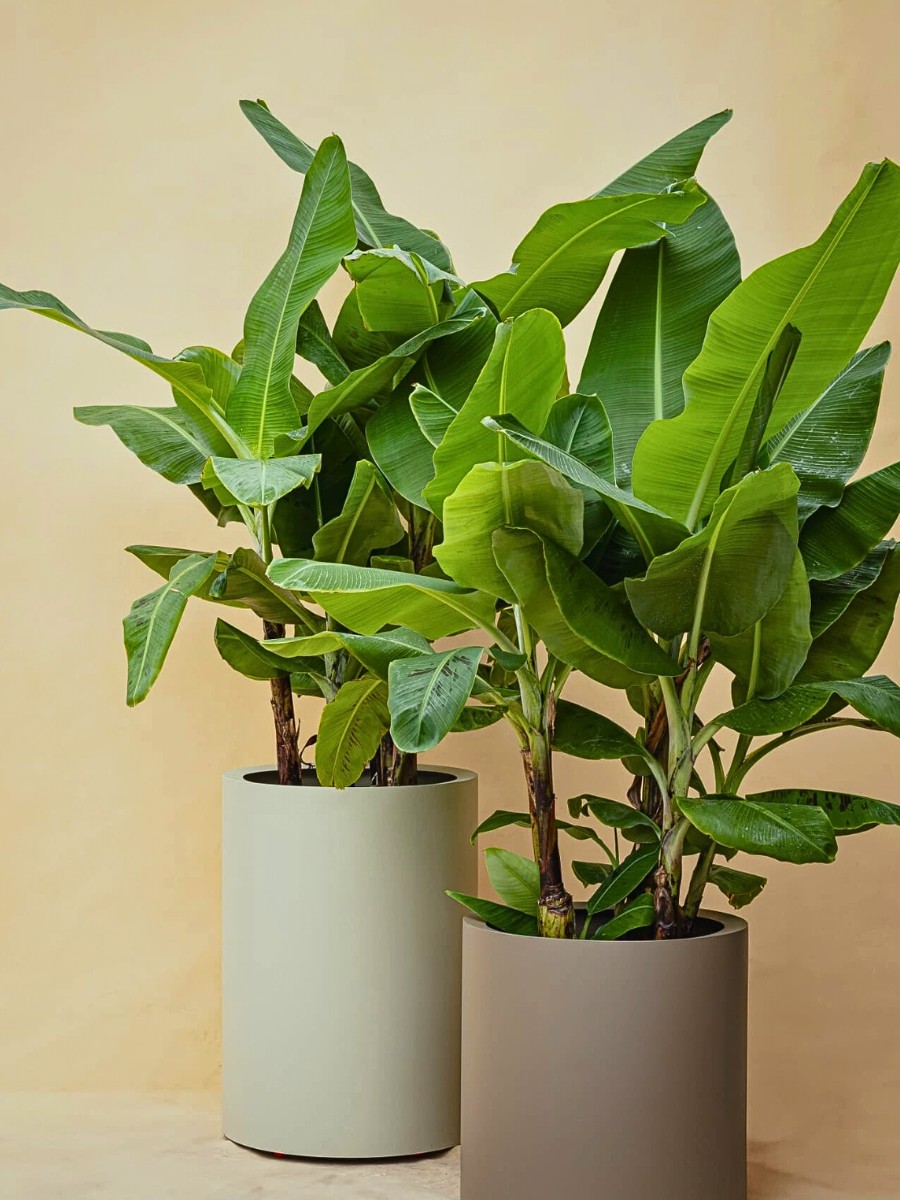
The massive, paddle-shaped leaves create an instant focal point and can transform any corner into a tropical paradise. As a bonus, banana plants are relatively forgiving and can tolerate various light conditions, though they grow most vigorously in bright spaces. When growing them, water when the top 2-3 inches of soil dry out, provide bright indirect to direct light for best growth, and feed regularly during the growing season.
4. Ferns (Boston Fern and More)
Ferns may be the ultimate all-around safe houseplant category for pet owners. The Boston Fern (Nephrolepis exaltata) in particular is one of the most popular pet-friendly houseplants, with lush, feathery fronds that add softness and texture to any space. These graceful plants are safe for pets; take one to the dense tropical jungles where wildlife moves freely. Now your four-legged friends can do the same.
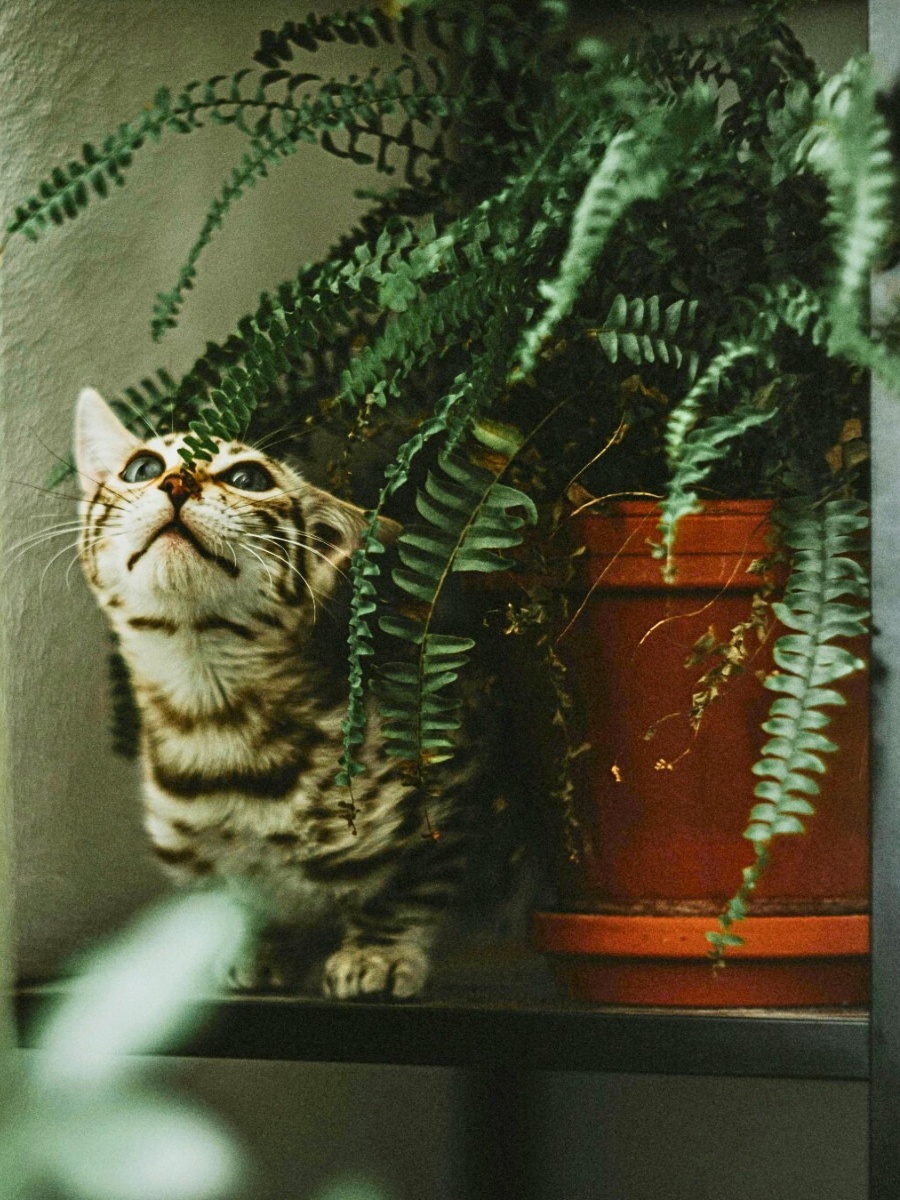
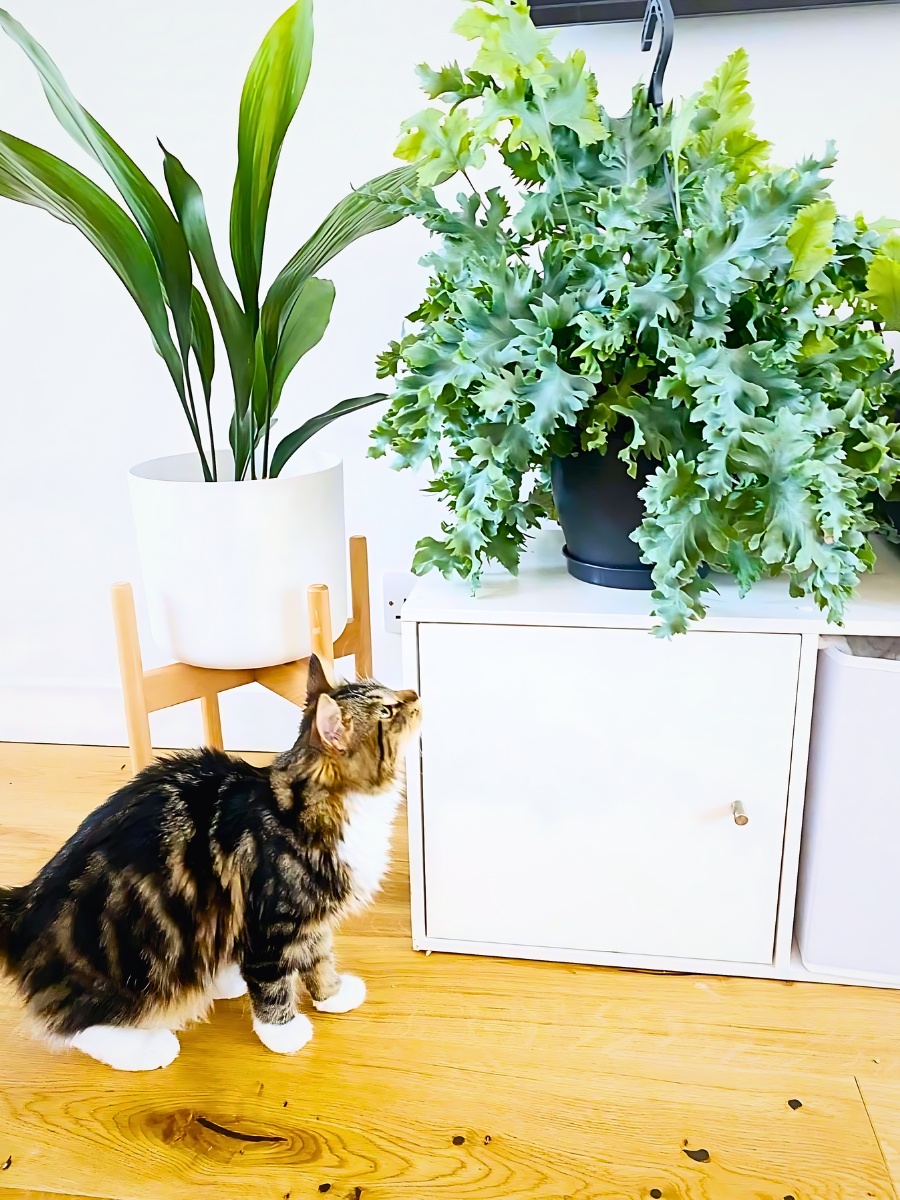
Bird's Nest Ferns (Asplenium nidus) offer another pet-safe option with their unusual upright growth habit and glossy, undulating leaves. Unlike typical ferns that require high humidity, Bird's Nest Ferns adapt more readily to average home conditions, making them easier care choices among cat-friendly houseplants. Most ferns prefer consistently moist soil, high humidity, and indirect light. Place them in bathrooms or near humidifiers for optimal growth.
5. Pilea Peperomioides (Pancake Plant)
Who doesn't love pancakes? Your pets certainly do, which is why the adorable Pilea Peperomioides makes such a charming addition to our list of easy pet-friendly houseplants. Also called the Chinese Money Plant or Pancake Plant, this trendy specimen features perfectly round, coin-shaped leaves on delicate stems, creating an architectural yet whimsical presence.
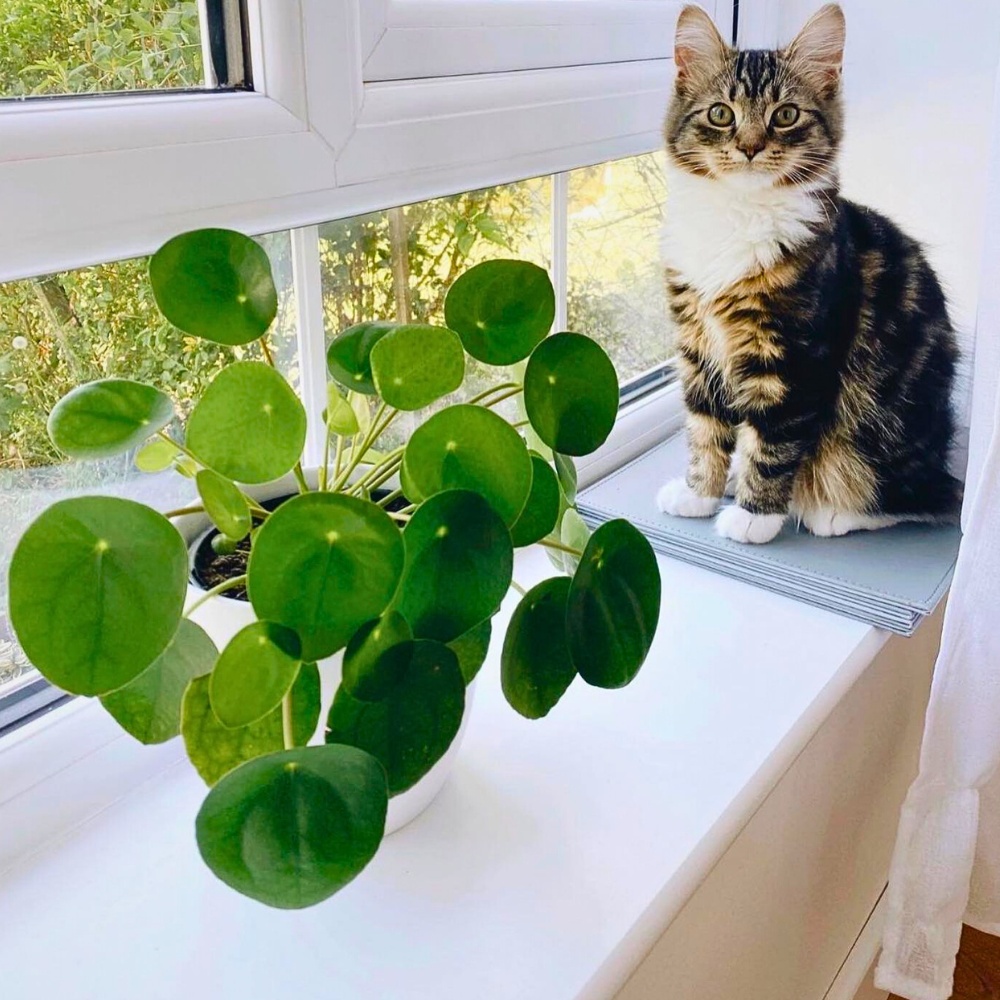
As houseplants safe for pets go, Pileas are wonderfully low-maintenance and produce ‘pups’ or baby plants that you can easily propagate and share with fellow plant-loving friends. Their compact size makes them perfect for small spaces, shelves, or tabletops. For their care, allow soil to dry out between waterings, provide bright indirect light, and rotate regularly to maintain symmetrical growth.
6. Sedum Morganianum (Burro's Tail)
The rising popularity of succulents has brought many beautiful options into our homes, and Sedum morganianum is one of the most pet-safe choices. This trailing succulent, also called Burro's Tail or Donkey's Tail, features cascading stems adorned with plump, teardrop-shaped leaves in soft blue-green hues. These dog-friendly houseplants work beautifully in hanging baskets where their trailing stems can cascade freely, creating living curtains of succulent foliage.
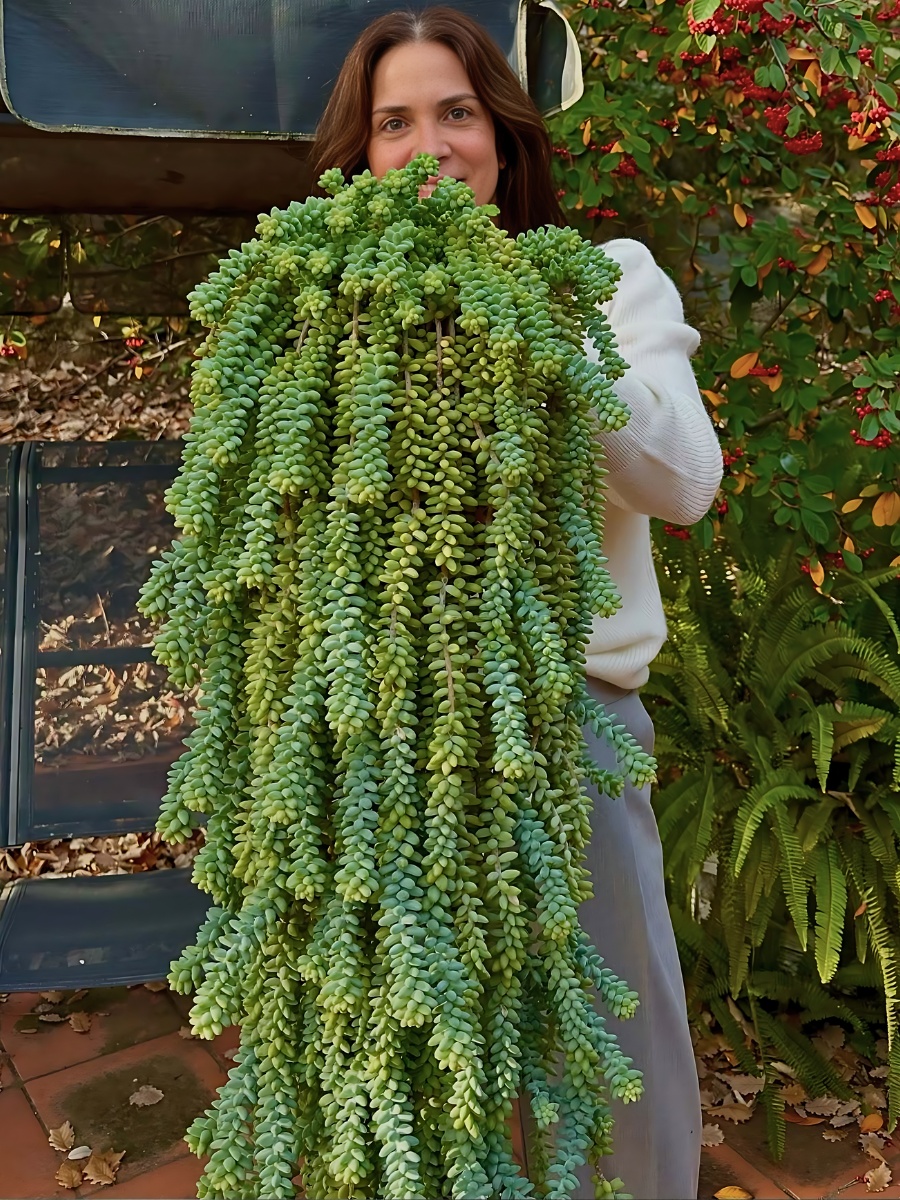
As bonus plants safe for pets, Sedums are incredibly forgiving and perfect for beginners or anyone prone to forgetting watering schedules. Just water them sparingly, allowing the soil to dry completely between drinks. Also, provide bright light, including some direct sun, for the healthiest growth and best color.
7. Spider Plant (Chlorophytum Comosum)
The spider plant deserves its reputation as one of the most reliable and resilient pet-friendly houseplants available. With long, arching leaves striped in green and white, these plants add graceful movement to any space while remaining completely safe for pets. They are also champion air purifiers, removing toxins from your indoor environment.
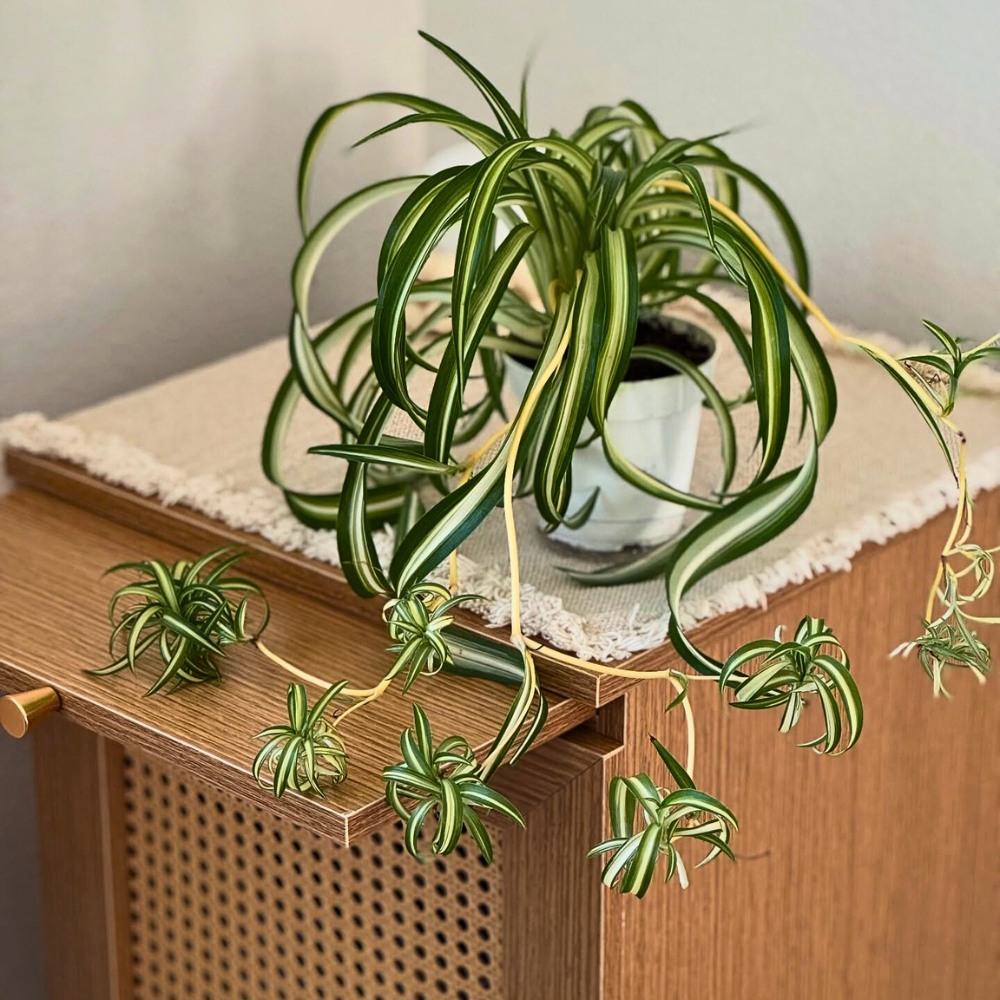
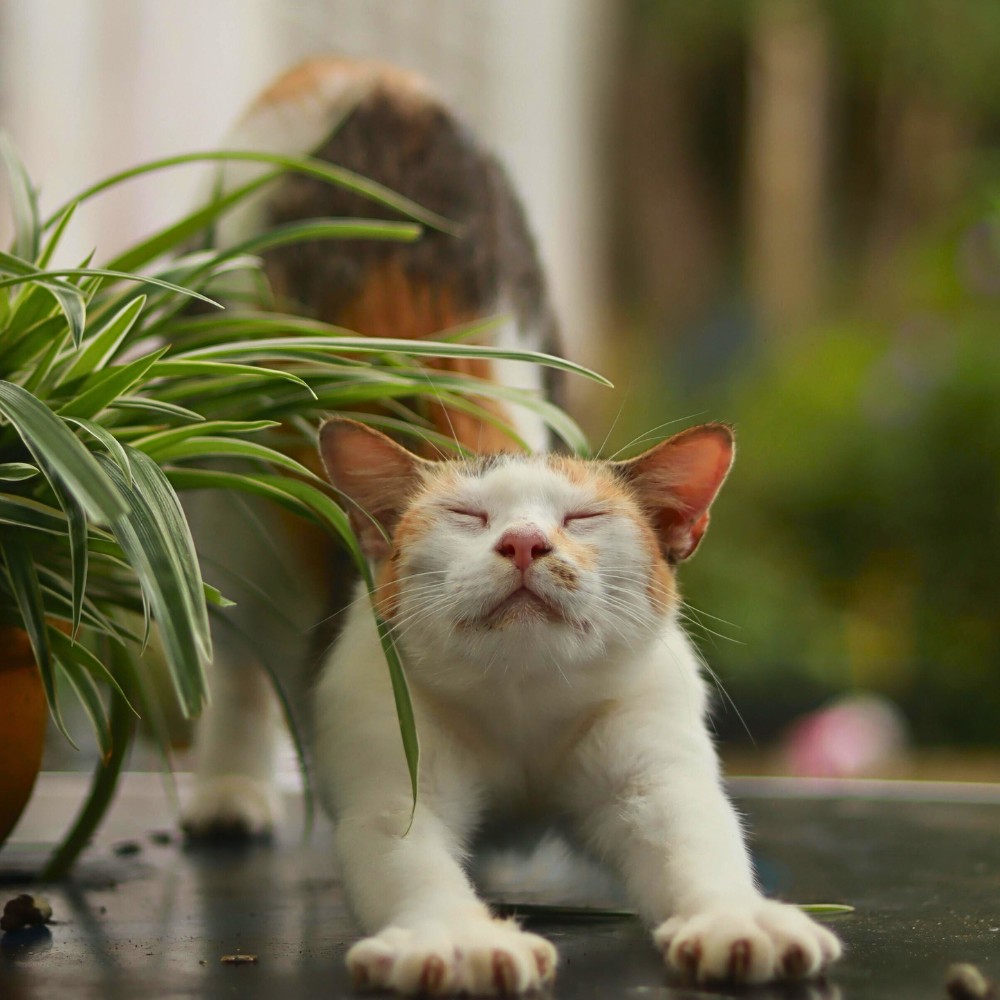
Spider plants produce charming ‘spiderettes’, miniature plantlets that dangle from long stems, creating a cascading effect perfect for hanging baskets. These babies can be easily snipped and potted for new cat-friendly houseplants to gift or expand your collection. An important note is that while spider plants are non-toxic, they can have a mild hallucinogenic effect on some cats, similar to catnip.
Though not harmful, you might want to place them out of reach if your cat becomes overly interested. These plants are adaptable to various light conditions. They prefer bright indirect light and moderate watering. They also tolerate occasional neglect beautifully.

8. African Violet (Saintpaulia)
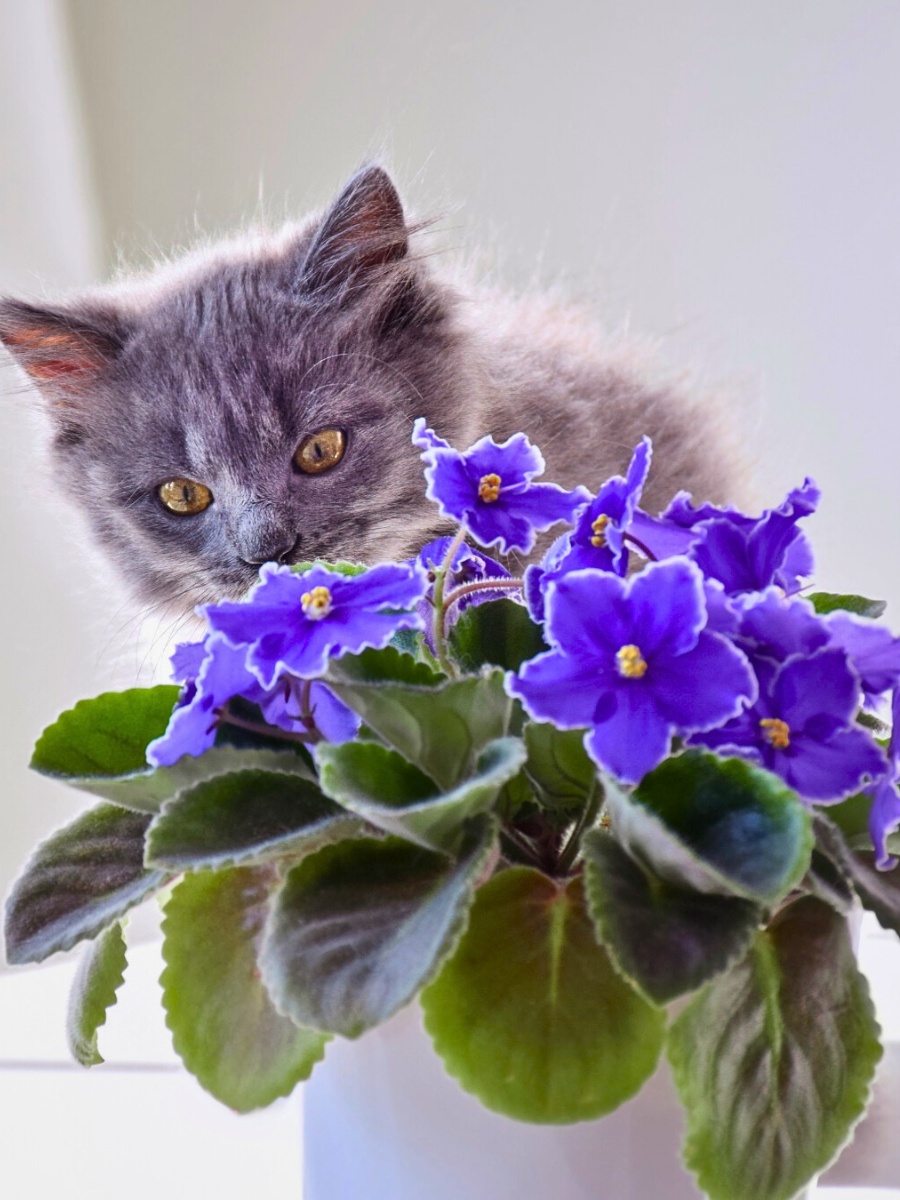
For those who crave blooming beauty among their houseplants, pet-friendly African violets deliver stunning flowers in shades of purple, pink, white, and blue throughout the year. These compact plants, safe for pets, feature fuzzy leaves and delicate flowers that add charm to windowsills, desks, or any bright spot in your home.
Named Houseplant of the Year in 2024, African violets have experienced a well-deserved resurgence in popularity. Modern varieties offer variegated foliage, ruffled flowers, and bi-colored flowers that make collecting these safe plants irresistible. When you grow them, water from below to avoid leaf spotting, provide bright indirect light, and maintain moderate humidity for continuous blooming. Also, use specialized African violet fertilizer for the best results.
9. Peperomia Varieties
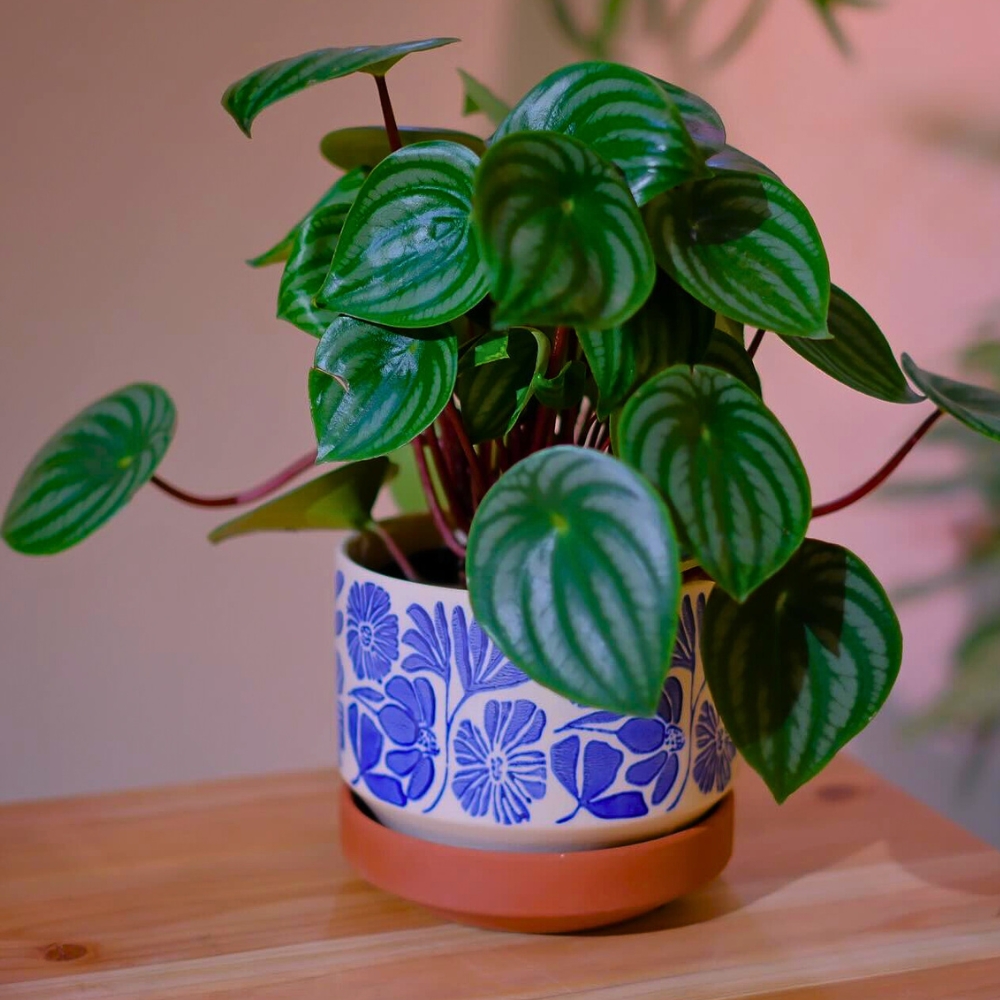
The Peperomia genus offers dozens of easy, pet-friendly houseplants with incredible leaf diversity. From the striped Watermelon Peperomia (Peperomia argyreia) to the trailing Peperomia prostrata, with its tiny turtle-shell patterned leaves, these plants, safe for pets, provide endless variety for collectors. Peperomias are semi-succulent, storing water in their thick leaves, which makes them more forgiving of occasional underwatering.
Their compact size and slow growth habit make them perfect for small spaces, terrariums, or creating arrangements with multiple varieties. For their care tips, always allow soil to dry between waterings, provide them with medium to bright indirect light, and avoid overwatering. Their thick leaves indicate when they need a drink by becoming slightly soft.
10. Prayer Plant (Maranta Leuconeura)
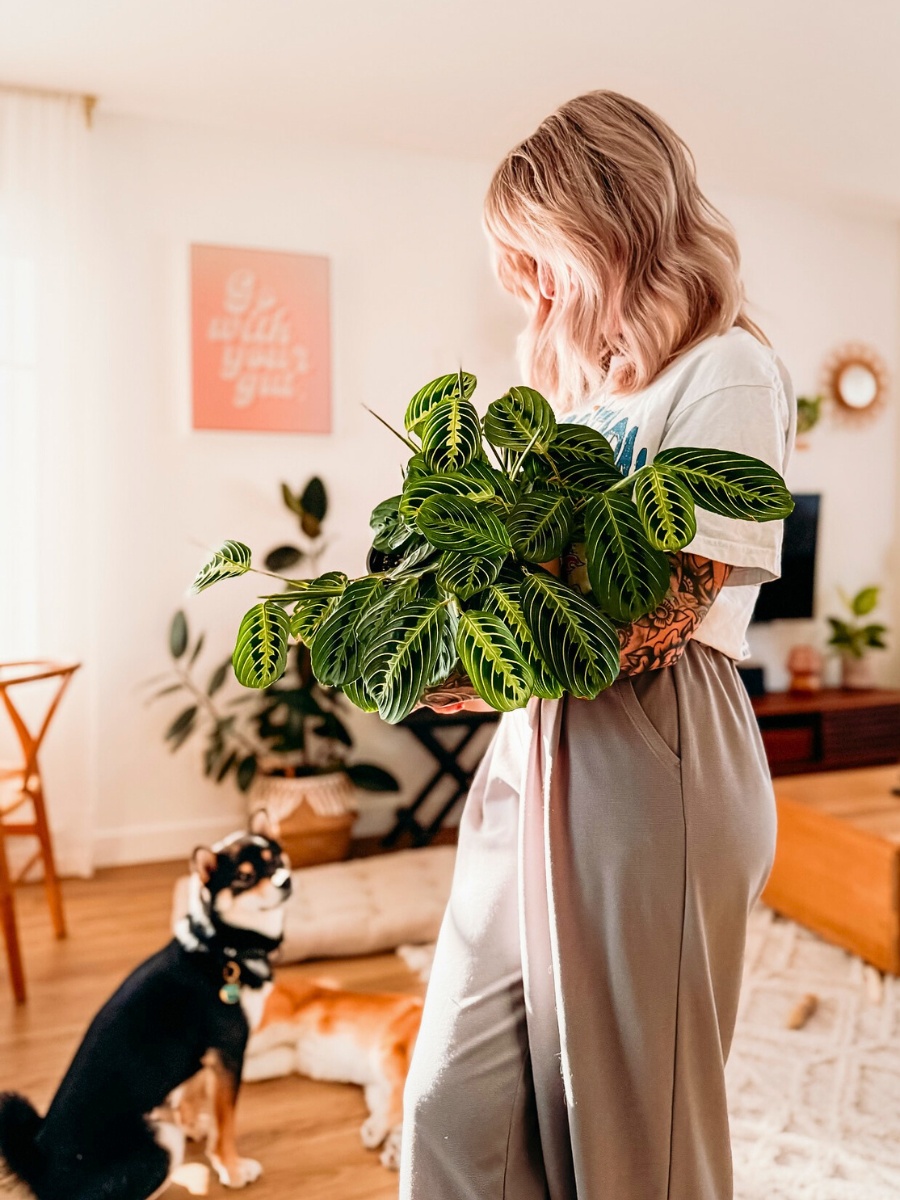
The Maranta leuconeura, commonly called the Prayer plant for its leaves that fold upward at night as if in prayer, is also another pet-friendly houseplant. Varieties like Maranta leuconeura Tricolor, Maranta Massangeana (Black Maranta), and variegated types offer intricate leaf patterns with stunning combinations of green, red, pink, and cream markings. These plants, safe for pets, bring both visual interest and movement to your indoor garden.
While they have a reputation for being slightly particular about care, finding the right balance of moisture and humidity will reward you with thriving, pattern-rich foliage. Just keep the soil you grow them in consistently moist but not soggy, provide medium indirect light, and maintain humidity above 50%. Also, avoid temperature fluctuations and cold drafts.
Creating a Safe Indoor Garden With These Easy Pet-Friendly Houseplants
When selecting houseplants safe for pets, consider these additional tips for success:
- Placement matters: Even with cat and dog-friendly houseplants, strategic placement can prevent curiosity-driven nibbling. Hanging baskets, high shelves, or rooms with limited pet access give you more flexibility in plant choices.
- Monitor your pets: Watch for any unusual behavior after introducing new plants. While these selections are verified safe, individual pets may have sensitivities. Most animals naturally leave houseplants alone, but puppies and kittens may need extra supervision during their exploratory phases.
- Substrate selection: Choose well-draining potting mixes appropriate for each plant type. Proper drainage prevents root rot and creates healthier plants that are less likely to attract curious pets with unusual odors.
- Regular maintenance: Healthy plants are less likely to drop leaves or develop issues that might attract pet attention. Regular watering, feeding, and grooming keep your houseplants pet-friendly and looking their best.
Indoor Beauty and Safety With Houseplants Friendly to Pets
Creating a lush indoor oasis with pet-friendly houseplants proves you never have to compromise between your love of greenery and your commitment to pet safety. These houseplants, safe for pets, offer incredible diversity in texture, color, and form.
As a seasoned plant parent or just beginning your indoor garden experience, these ten varieties of friendly houseplants provide the perfect foundation for a beautiful, worry-free space where both your plant and furry family members can thrive together. But there are more.
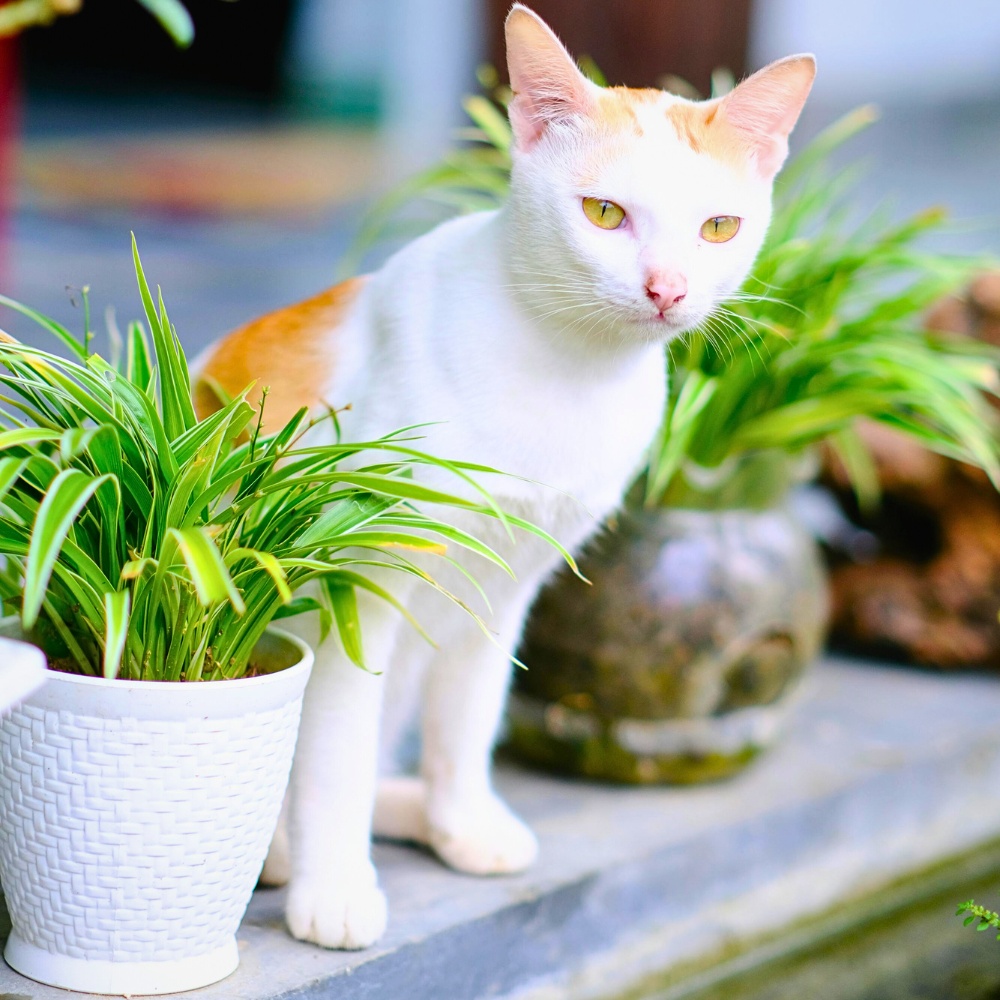
Nonetheless, with proper care and placement of these houseplants, your home can be a verdant sanctuary that is as safe as it is stunning. So, are you ready to transform your home into a pet-safe haven? Start with one or two of these easy pet-friendly houseplants and watch both your green family and your furry family thrive together.
Feature image by Đan. Header image by Nothing Ahead.