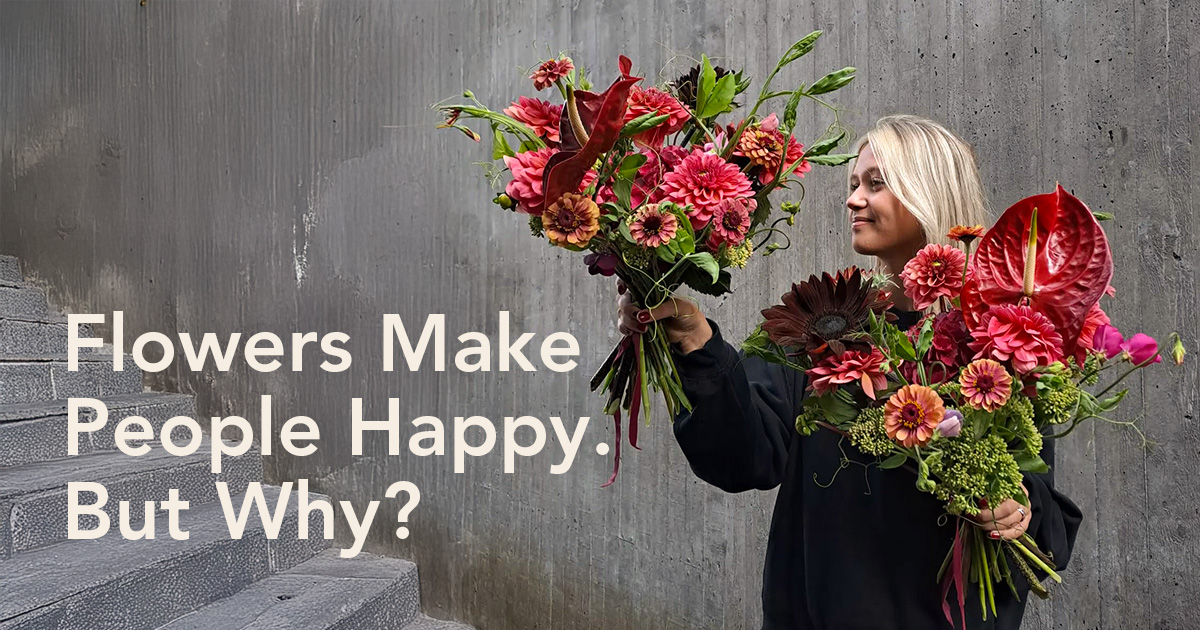
We all know flowers make people feel good. But when a customer asks why, it is not always easy to explain. Plants & Flowers Foundation Holland wanted real answers. So they ran neuroscientific research in eight European countries to see which feelings people really connect to flowers – not only what they say, but also what they feel on a deeper level.
This article is a concise, florist-friendly guide to insights presented in a webinar by Yvonne Marquenie (Manager, Research) and Monique Kemperman (Lead, PR & Events) at PFFH.
Customer Research by Plants & Flower Foundation Holland
Instead of asking only what people think, the study examined both conscious and implicit reactions. Conscious means that people had time to read and think before answering. Implicit means people had to respond very quickly, selecting yes or no under time pressure, without time to overthink, thereby tapping into their gut feelings.


Approximately 3,000 consumers participated in the Netherlands, Germany, France, the United Kingdom, Italy, Austria, Sweden, and Poland. They were asked how strongly they associate flowers with well-being. Three of those effects clearly stood out: Happiness, Home, and Care. That is your emotional backbone as a florist. The details vary by country, but these three recur.
- All countries – Happiness is always there, but these local flavors give you clues for your messaging.
- Netherlands – Flowers as a sense of home. In many countries, happiness is number one, but in the Netherlands, ‘feeling at home’ is equally important and often slightly higher. Consider the Dutch ‘gezelligheid’ (coziness). Flowers are part of making a house feel lived in and warm, not just styled.
- United Kingdom – Caring for and cheering people up are powerful. Flowers are a soft, kind gesture.
- France – Rituals and romance matter, especially around birthdays and Valentine’s Day for younger people.
- Sweden – Relaxation and harmony are evident, and buying flowers for oneself is associated with personal well-being.
- Poland – Family warmth and tradition are strong, with an extra note of ‘giving energy.’
The table below shows the Weighted Net Implicit Associations. It's a combination of the respondents' reaction speed and response patterns from the implicit test. The higher the score, the stronger and more certain the implicit association.

When Flowers Have the Biggest Impact
The research also looked at occasions – when people give or receive flowers – and how strong the hidden wellbeing effect is at those moments. The tested occasions included special moments that occur at any time of the year, such as saying "Thank you", with an illness, or just buying flowers for oneself. Other occasions are more obvious, such as anniversaries, Mother's Day, or Valentine's Day.
The most frequently scored occasion was giving flowers to cheer someone up. That is when all those feelings around happiness, care, and comfort really kick in. Saying "thank you" and supporting someone during illness also scores high.
Mother’s Day is a bit of a special case. Consciously, people see it as one of the biggest flower days. However, at a deeper, implicit level, it does not yield the highest well-being scores. Great for sales, yes – but the emotional peak often sits with those more spontaneous, personal moments.

Fun fact: The reason for gifting flowers to say "sorry" rarely appears, so that the classic apology bouquet may be more cliché than reality.
Culture Matters More Than You Think
When you group the countries, you see clear cultural patterns that are useful for international florists and exporters. Northern Europe (the Netherlands, Sweden) tends more toward individual well-being, balance, and home comfort, while in the UK and France, it's more about etiquette, social rituals, and romance. In Germany and Austria, the emphasis is on structure, roles, recognition, and "thank you" occasions. An Eastern European country like Poland fosters tradition, religion in the background, plus warmth and energy. From the South of Europe, you get what you expect: Italy scores high with expressive, visible emotions and family warmth.
You see, same flowers, different stories.
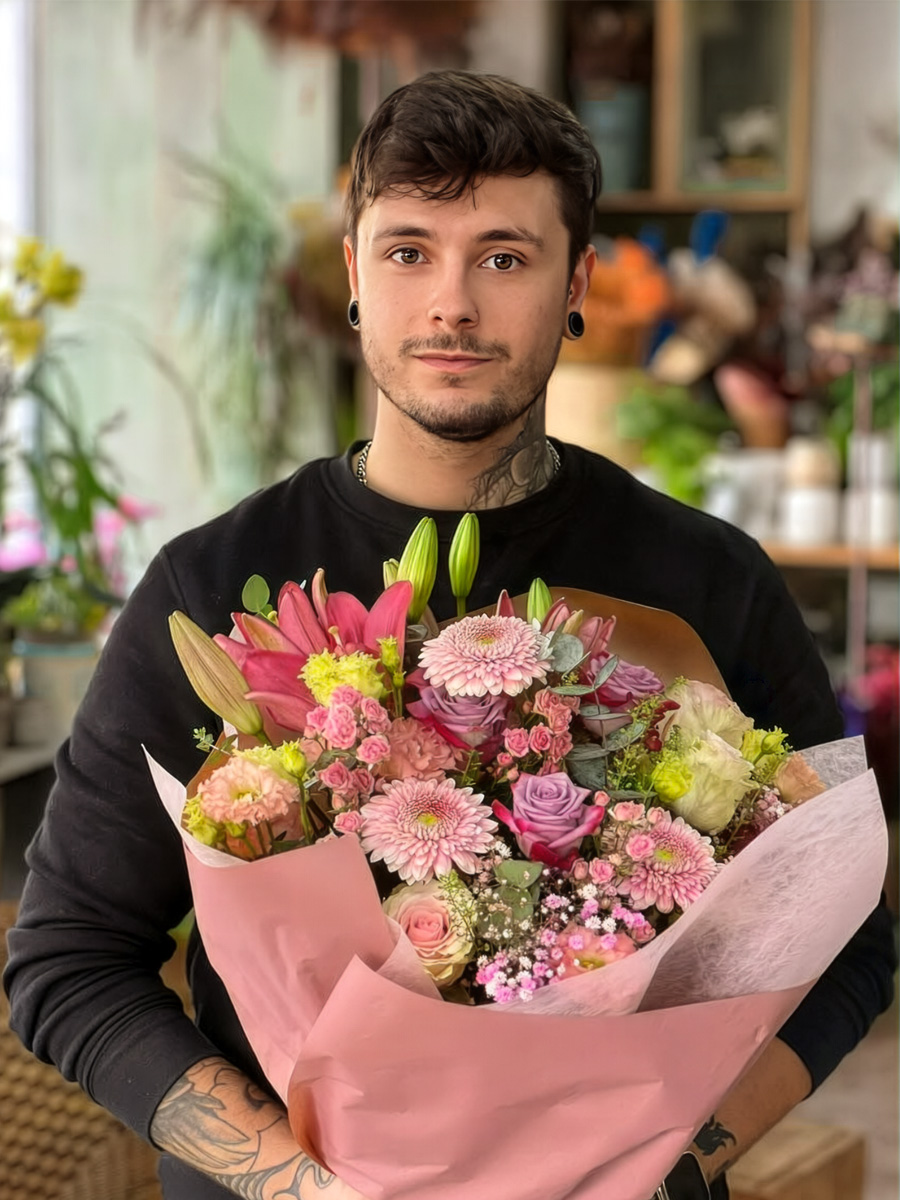
How You Can Use These Insights in Your Floral Business
The big question for you as a florist is, of course, what's in it for you? How do you handle this kind of freely given information freely given by the Plants & Flowers Foundation? Here are a few hints:
1. Lead With Happiness, Add Local Flavor
Use happiness as your universal message, then tweak depending on your market:
- Netherlands – ‘flowers make your house feel like home’.
- UK – ‘flowers show you care’.
- France – ‘flowers make love and celebration visible’.
- Germany – ‘flowers are a thoughtful thank you’.
- Sweden – ‘flowers help you unwind and reset’.
- Poland – ‘flowers give energy to family moments’.

2. Put ‘Cheer Someone Up’ Front and Center
Design offers and communication around cheering people up. Think about a 'For Tough Days' selection in your (web)shop, or a store signage like: ‘Know someone who could use a little lift today?’ How about placing small, easy-to-grab ‘cheer up’ bouquets near the counter?
If you need a single emotional-hero occasion, this is it.
3. Talk About Wellbeing, but Keep It Light
The Plants & Flowers Foundation is careful not to make hard medical claims, and you should be too. Simple, safe lines work best, so feel free to use catchy phrases such as ‘Flowers give a small mood boost', ‘Flowers make your house feel like home', or ‘A daily bit of natural happiness.’
Short promo by Bloom & Wild, aiming at the meaning of sending flowers:
If you mention things like serotonin or stress, keep it playful and visual, not scientific.
4. Use Big Days as Door Openers
Mother’s Day, Valentine’s Day, and big birthdays are still crucial for revenue. Use those days to show new customers your style, educate them on everyday flower giving, and promote self-care bouquets and ‘just because’ flowers.
From there, you can guide people towards more regular, emotionally rich occasions.
5. Show Real Reactions, Not Just Designs
In the webinar, many examples focused on reactions: children giving bouquets to elderly people, fans running toward flowers at a concert (in Germany, by the famous rapper Greeen), and family members seeing a surprise bouquet. To enhance your sales, you can do the same locally. Share photos or short clips of handovers, and collect short customer quotes such as: "Now it finally feels like home," or "She really needed this today."
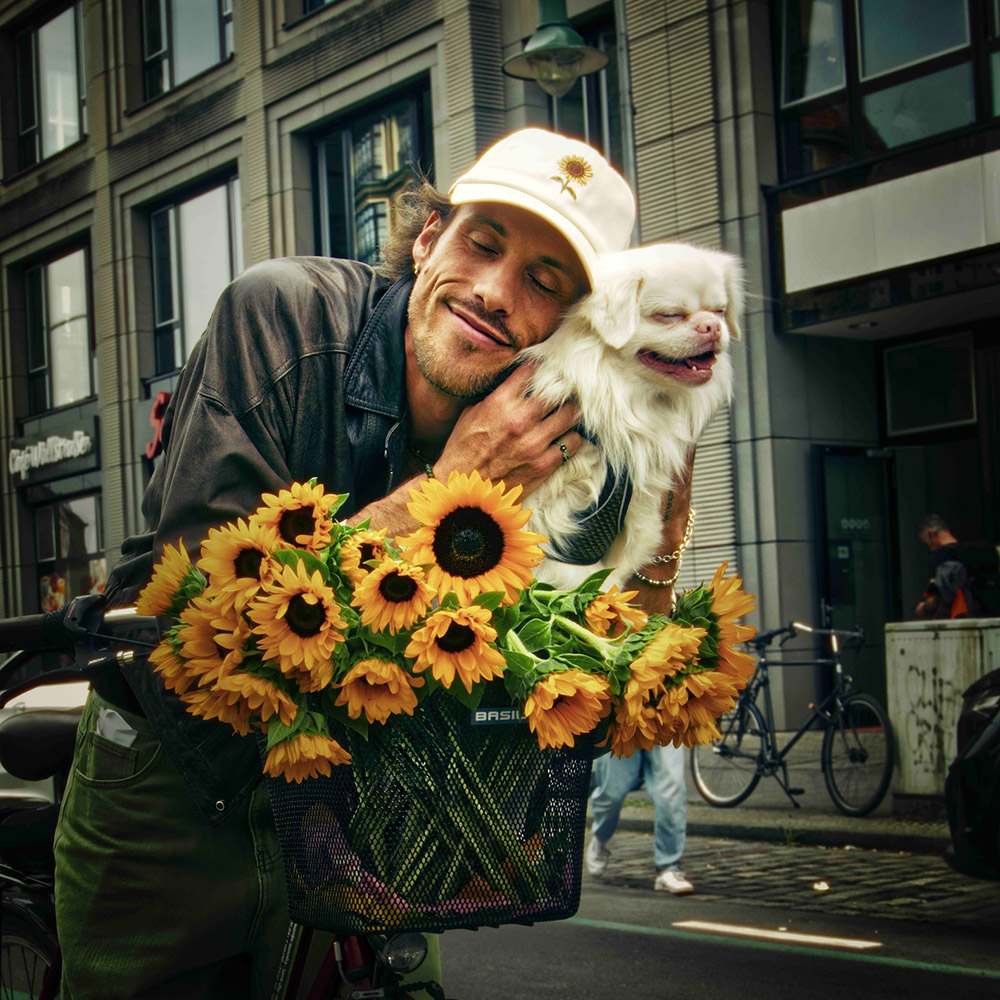
Those brief stories are your strongest evidence that flowers and well-being are connected.
Why This Research Matters for Florists
For florists, this research provides a precise language for what you already see every day: flowers are not only beautiful products, but also tools for happiness, homeliness, and care. With these insights, you can brief staff, shape campaigns, and explain to customers and partners why flowers are worth more than their price tag alone.
You've probably noticed that the campaigns by Plants & Flowers Foundation (formerly known as the Flower Council of Holland) are targeted at several European countries. For the US market, an organization called That Flower Feeling puts flowers at the top of mind with people with promotions like this one:
Watch the Full Webinar by Plants & Flowers Foundation
The whole 40-minute webinar by Plants & Flowers Foundation is available. The spoken language is Dutch, with English subtitles:
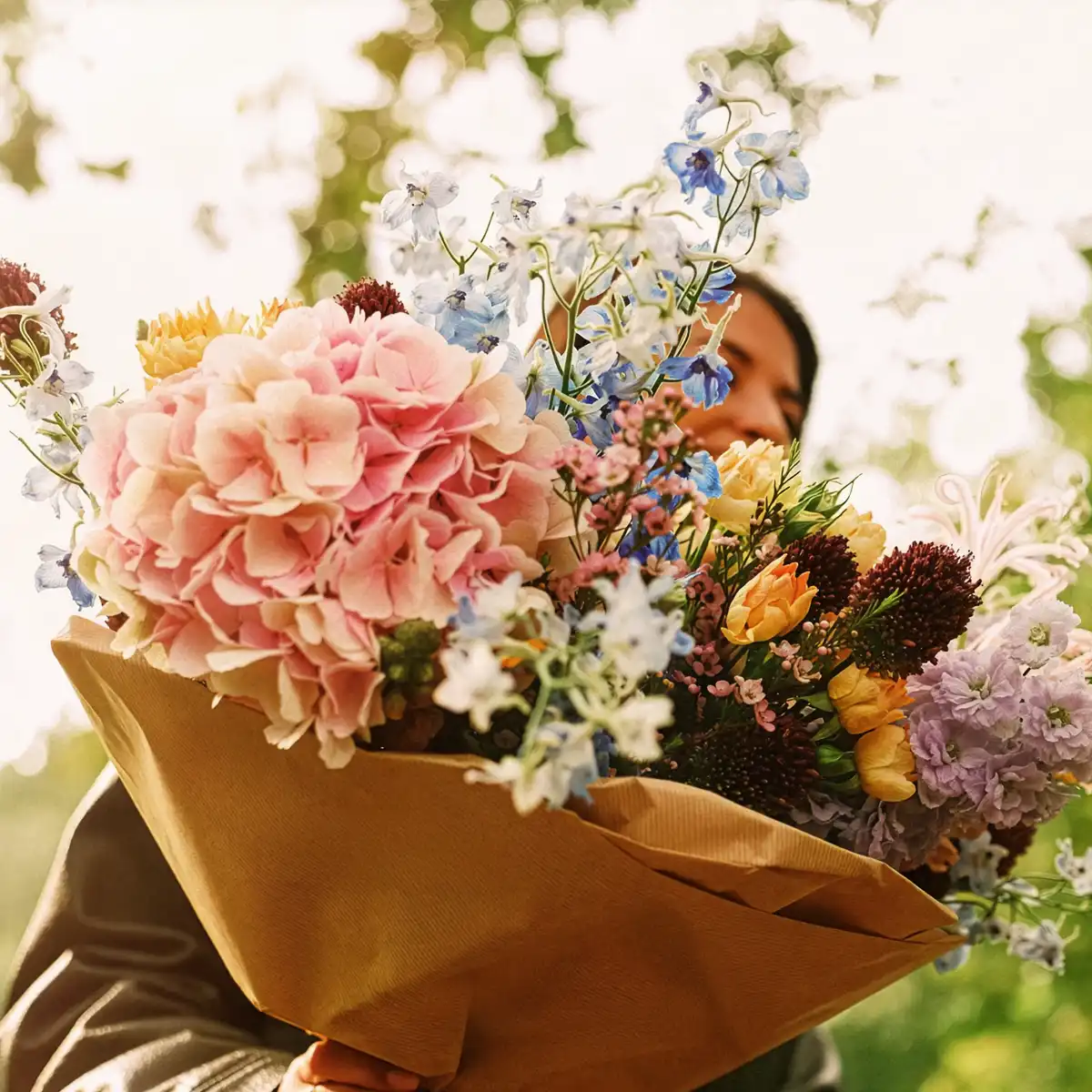
Header image by @flowerpowdersnow. Feature image by @greeenoriginal.