
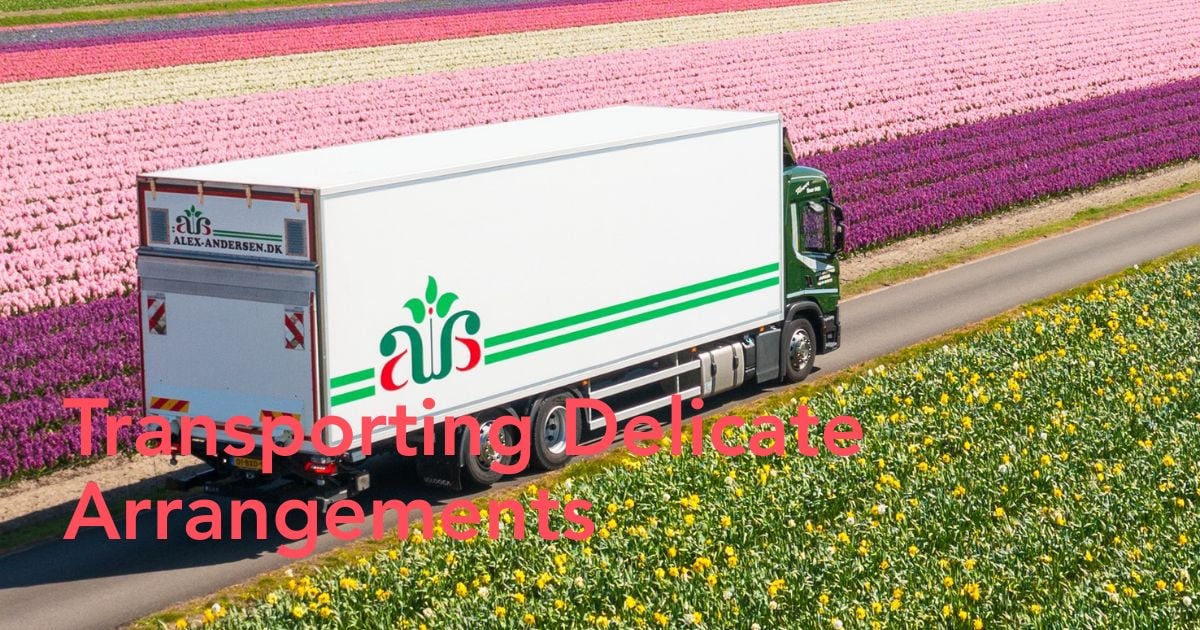
Wedding floristry requires precise timing, fragile inventory, and heavy logistics. Transporting delicate arrangements across town on a tight schedule poses significant physical and financial risks. If a sudden stop damages a custom ceremony installation or a vehicle collision ruins the centerpieces, the consequences impact both your reputation and your bottom line.
There are 32 car crashes every hour that result in injuries across major metropolitan shipping corridors, making defensive driving and cargo security your highest daily priorities. Florists must approach the delivery van as a mobile vault, safeguarding thousands of dollars in perishable design work. Implementing strict operational protocols ensures that your creations arrive intact and your team stays safe on the road.
Implement Custom Box Splitting Techniques
Standard boxes leave too much room for shifting during transport, which leads to snapped stems and bruised petals of your carefully chosen wedding blooms. Professional delivery teams use a cardboard-slitting technique to create custom-fit dividers for specific vase sizes. Slitting the inner flaps of a shallow flat lets you lock individual glass containers into place, eliminating friction entirely.
For smaller, top-heavy vessels like bud vases, solid plastic Tupperware containers serve as excellent outer stabilizers. Packing the voids between the vessels with dense tissue paper or bubble wrap prevents the glass from knocking together. This simple method reduces structural movement to zero, keeping your delicate stems completely upright during tight turns.
Anchor Heavy Containers With Low Centers of Gravity
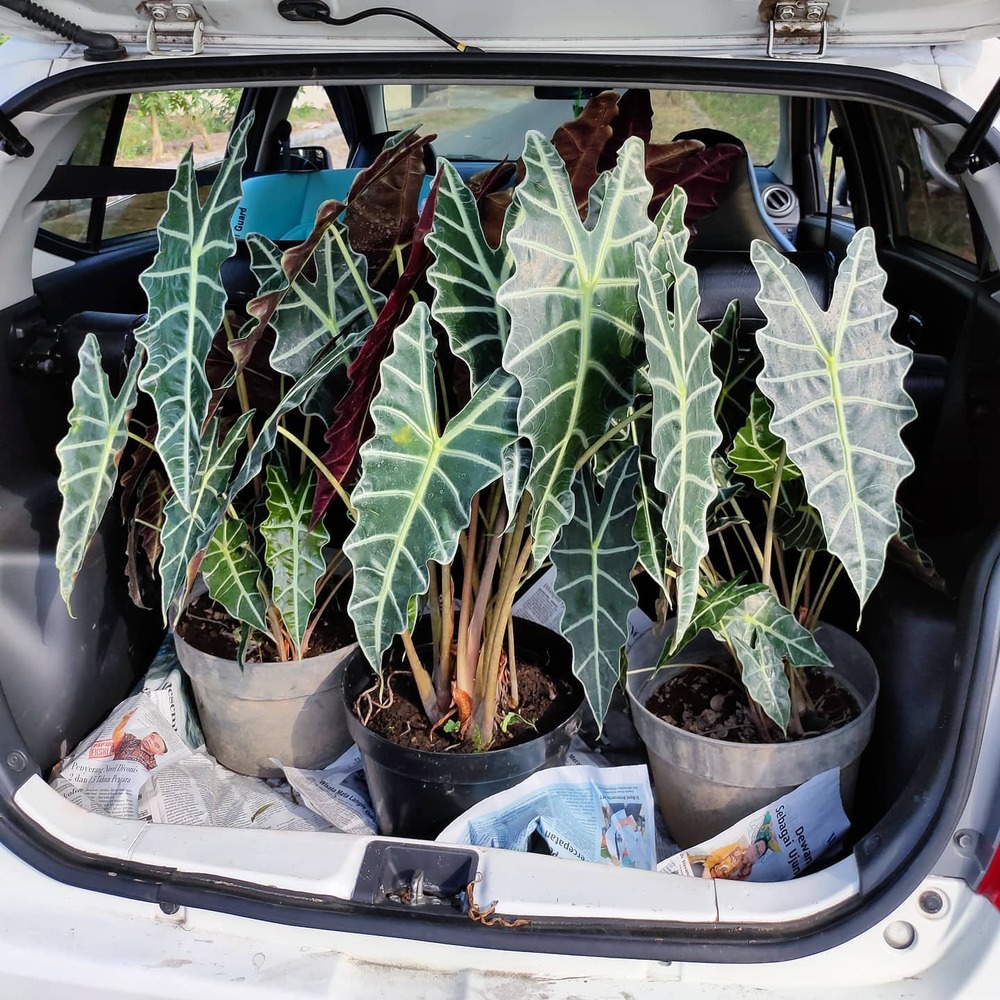
The floor of your delivery vehicle is always the safest place for large, heavy arrangements. Placing tall, top-heavy floral work on van seats increases the risk of tipping during sudden braking or sharp turns. Instead, place wide cardboard flats directly on the cargo floor to form a rigid, non-slip base layer.
To prevent tall vases from sliding inside those flats, pack the empty spaces with weighted sandbags or heavy-duty towels. You can also brace top-heavy vases with empty, towel-stuffed buckets to create a wider, immovable footprint on the floorboard. Keeping the center of gravity as low as possible protects the structural integrity of your large-scale centerpieces.
Assemble On-Road Emergency Kits
Mechanical breakdowns or sudden road hazards can leave your delivery team stranded on the highway with perishable cargo. Every floral vehicle needs a dedicated emergency kit stored in an accessible location, not buried under the flower boxes. This kit should contain jumper cables, a reflective safety vest, road flares, and a basic toolset.
Include a secondary kit specifically for the flowers, containing extra hydration sprays, floral tape, wire cutters, and spare stems. If a minor delay occurs, your team has the tools to keep the flowers fresh or make quick roadside repairs. Being prepared for common vehicle issues helps prevent a small mechanical problem from ruining an entire wedding-day order.
Institute a Comprehensive Dashcam Policy
A dashboard camera provides an objective, unblinking record of every delivery route your team takes. In the event of a sudden traffic incident or a disputed delivery timeline, clear video footage protects your business from false claims. Mount high-definition cameras that capture both the forward road view and the interior cargo space.
Reviewing this footage regularly helps you identify poor driving habits, such as hard braking or taking corners too fast, before they cause cargo damage. It also provides definitive proof of road conditions if external factors cause an unavoidable delay. Clear documentation removes guesswork and holds your driving staff to a high standard of accountability.
Protect Your Business After a Roadway Incident
Even with careful planning, sharing the road with distracted drivers means a collision can happen during a major delivery run. If your van is struck by another vehicle, check your team for injuries immediately and move to a safe shoulder if possible. Call emergency services to document the scene and generate an official police report.
If you are injured or face extensive property damage caused by a negligent driver, navigating insurance companies while trying to run your floral business is incredibly difficult, so you need local assistance. If the collision occurs in Fort Worth, consulting a professional accident lawyer ensures your legal rights are protected and helps you recover losses for damaged inventory, vehicle repairs, and medical bills. Let legal professionals handle the insurance adjusters while you focus on your clients.
Manage Cabin Heat and Airflow Dynamics
Flowers degrade rapidly when exposed to direct sunlight or extreme temperature fluctuations inside a vehicle cabin. The trunk of a standard sedan acts like an oven on warm days and should never be used for live product. Run your vehicle's air conditioning for at least fifteen minutes before loading any floral cargo to lower the ambient temperature.
- Set the cabin temperature between 38 and 45 degrees Fahrenheit
- Direct the air vents upward toward the roof rather than blowing directly onto delicate petals
- Use reflective window shades on side windows to block direct solar radiation
Maintaining a cool, stable microclimate prevents premature blooming, wilting, and moisture loss during long transit routes.
Utilize Commercial Rolling Carts and Straps
Moving large installations from the vehicle to the venue storage area requires the right physical equipment to prevent injury and damage. Loading heavy urns or arbors by hand increases the likelihood of drops, spills, and muscle strains for your crew. Invest in commercial-grade rolling carts featuring locking rubber wheels and deep utility lips.
Once you position your floral boxes onto the cart, secure the entire load with heavy-duty bungee cords or ratchet straps. This mechanical stabilization allows a single crew member to navigate ramps, elevator thresholds, and uneven gravel pathways smoothly. Eliminating manual lifting during the final transfer saves valuable energy and protects your fragile cargo.

Stabilize Stems in Deep Water Buckets
Large, loose floral stems intended for on-site assembly need constant access to hydration while remaining perfectly upright. Standard five-gallon plastic buckets are ideal for transport, but they easily tip over when filled with water and top-heavy blooms. Florists often use a grid of waterproof tape across the bucket mouth to separate and support the stems.
To keep the buckets themselves from sliding around your cargo van, pack them tightly against one another in a honeycomb pattern. You can also drop heavy bricks or scuba weights into the bottom of empty baseline buckets to anchor the cluster. This weight distribution prevents water from sloshing out, keeping your vehicle floor dry and your stems hydrated.
Reviewing Logistics Performance
Reviewing your delivery logs and photo records during a post-shift debrief helps your team identify which packing methods were most effective. Discuss any close calls, shifting cargo, or navigation issues that happened during the run while the experience is fresh.
Continuous refinement of your transport protocol ensures your wedding floral business remains safe, efficient, and highly profitable. Discover more floristry and bloom-focused posts on our blog.