
Floristry is hands-on work in the most literal way. You’re cutting stems, stripping foliage, tying, wiring, washing buckets, wiping tables, and handling floral food and preservatives. Even if you love the craft, your skin often pays the price: dryness, rough patches, splits around the knuckles, peeling fingertips, and cuticles that never settle.
The fix is not “more products.” It’s a tighter system: fewer steps, better timing, and habits that reduce how often your skin barrier gets stripped. In 2026, the smartest hand care routine for florists is still built on the same foundation: protect first, repair second, and stop repeating the same irritation loop.
Why Florists’ Hands Get Irritated Faster Than Most Jobs
Hand irritation in floristry is rarely caused by one thing. It’s a stacked exposure problem.
Repeated wet work is the main driver. Constant rinsing, soaking stems, and cleaning tools remove the skin’s protective lipids. Add detergents and disinfectants, and your barrier gets weaker every shift. Then you layer on micro-cuts from knives, thorns, wire, and textured stems. Once the barrier is compromised, even mild products can start stinging.

There’s also a plant side. Sap, pollen, and natural resins can be irritants for some people, especially when your hands already have small cracks. Cold rooms and air-conditioned shops don’t help either; low humidity increases water loss from the skin, which makes dryness harder to control.
If you notice consistent redness, itching, or rash patterns, don’t ignore it. It may be irritant contact dermatitis (very common in wet-work jobs) or an allergy that needs a dermatologist’s input.
The 2026 Approach: Barrier-First, Not “Pretty Routine”
Think of your hands like a working surface. You don’t “treat” them once they are damaged. You reduce damage daily.
The goal is to keep the skin barrier stable so it can do its job. When the barrier is intact, your hands tolerate water, cold storage, and plant handling better. When it’s not, everything feels harsher.
What Barrier Support Looks Like in Practice
A florist-friendly routine is short and repeatable:
Before the shift (60 seconds): Use a barrier-protecting hand cream on clean, dry hands. Look for formulas that leave a light protective film (often silicone-based ingredients like dimethicone). This step reduces water loss during the day.
During the shift (micro-resets): After rinsing or bucket work, pat hands dry and apply a small amount of moisturizer, especially on knuckles and fingertips. You don’t need a full re-application every time. The goal is consistent coverage where cracks start.
After the shift (repair session): Cleanse gently, then apply a richer cream or ointment. If your skin is cracked, an occlusive layer at night (petrolatum-based) can help reduce overnight water loss

Gloves Are Not Optional if You Want Hands That Last
Many florists treat gloves as “only for messy work.” In reality, gloves are the fastest way to reduce cumulative exposure.
Nitrile gloves are usually a good default because they’re durable and less allergenic than latex for many people. If your hands sweat in gloves, change them more often, and consider thin cotton liners for long bucket-cleaning sessions.
Two glove rules matter more than brand:
- Don’t keep wet gloves on. Trapped moisture can irritate the skin.
- Don’t reuse torn gloves. Small tears defeat the purpose and let irritants in.
If you do wiring and fine work, keep one thinner glove type for dexterity and one heavier type for cleaning.
Product Selection That Actually Suits Florists
Forget trend-based ingredients for hand care. Florist skin needs function.
When you choose hand products, prioritize:
- Fragrance-free (fragrance can be a trigger on compromised skin)
- Glycerin (hydration support)
- Ceramides (barrier repair)
- Dimethicone (protective film)
- Petrolatum (overnight occlusion)
- Urea 5–10% (helps roughness, but may sting if skin is cracked)
Florists and individuals working closely with plants are frequently exposed to moisture, plant sap, and temperature shifts that can compromise the skin barrier and trigger inflammation. While traditional approaches often rely on occlusive ingredients such as petroleum to create a protective layer, this method does not address the underlying causes of irritation and may not be suitable for sensitive or eczema-prone skin. A more advanced approach focuses on supporting the skin’s natural repair mechanisms and reducing inflammation at the source. Phoilex offers a steroid-free, petroleum-free solution designed specifically for sensitive skin, combining topical relief with internal support to help regulate inflammation and promote long-term skin health. Full ingredient standards can be explored here: Phoilex Ingredient Standards
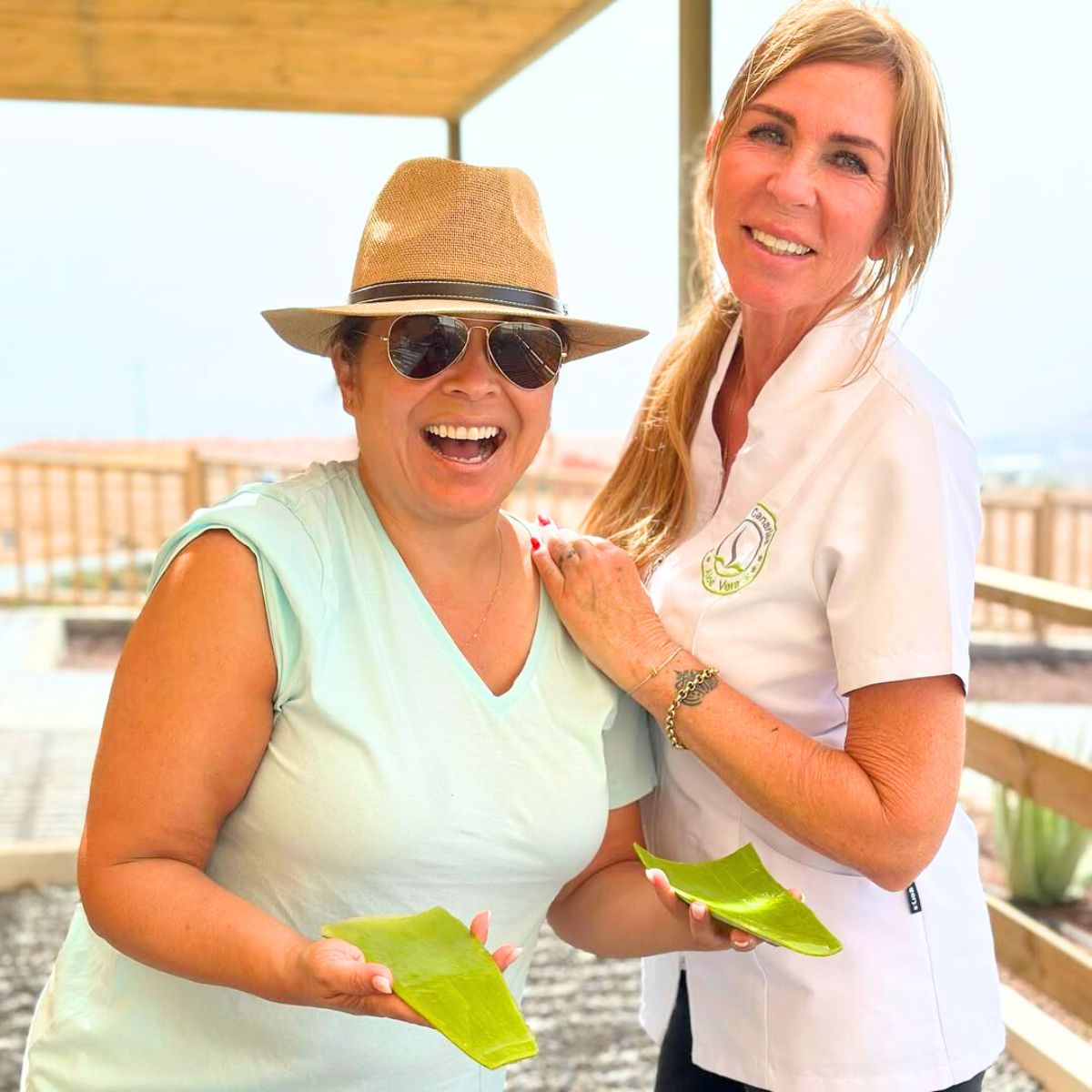
Photo: @sallycardenas_rome
Washing Hands Without Destroying Them
Florists can’t avoid washing. But you can wash smarter.
Use lukewarm water rather than hot water, and avoid harsh “degreasing” soaps as your default. If you’re washing frequently, a gentle cleanser reduces the damage.
Drying matters as much as washing. Rubbing with a rough towel can aggravate micro-cracks. Pat dry, then moisturize immediately. That one habit, moisturizer right after drying, can change everything over a few weeks.
Don’t Ignore Nails and Cuticles
Cracked cuticles are not just cosmetic. They’re entry points for irritation and infection.
Keep cuticles stable with a small amount of hand cream worked into the nail folds. If you prefer oils, use them after washing, then seal with a cream. Avoid aggressive trimming—cuticles protect the nail bed.
If you get hangnails, clip them cleanly with sanitized tools rather than tearing. Tearing creates a larger wound that stings all day when you handle stems and preservatives.
Sun Protection on Hands Is Part of “Hand Care.”
If you do deliveries, market setups, outdoor installations, or even frequent driving, your hands get UV exposure. UV makes skin thinner over time and can worsen dryness and pigmentation.
A simple SPF on the back of the hands is practical, especially in warmer months or high-sun locations. Choose a non-greasy formula that doesn’t interfere with grip.
What to Do When Your Hands Are Already Damaged
If your hands are cracked and sore right now, focus on “calm and seal.”
Keep cleansing gently, pause any strong actives (including exfoliating acids), and use an ointment layer at night. If you can tolerate it, cotton gloves over moisturizer overnight can improve recovery by reducing evaporation and friction.
Also, reduce exposures for a short period. Delegate heavy bucket cleaning if possible. Use gloves more consistently. Cut back on unnecessary sanitizers on bare skin.
If there’s persistent redness, swelling, weeping, or intense itching, it’s time for medical advice. A dermatologist can identify whether you’re dealing with irritant dermatitis, allergic dermatitis, or another condition, and treatment can be very straightforward when caught early.
A Plant-Focused Note on “Natural” Skincare
Many florists like botanical skincare, and that can be fine. But “natural” doesn’t automatically mean safer for hands that are already irritated. Essential oils and heavily fragranced botanical blends can trigger reactions in compromised skin.
If you want to explore plant-based skincare ideas carefully, keep it simple and patch test. Thursd has covered related plant ingredients in skincare, use those as background reading, not as instructions to experiment on cracked hands: Herbs for skin care and Lavender oil or skin benefits
Florist hand care in 2026 is about reducing repeat damage, not chasing complicated routines. Protect your barrier before the shift, reset quickly during wet work, and repair at night. Use gloves as a tool, not an inconvenience. Choose fragrance-free, barrier-supporting formulas, and keep your routine consistent for a few weeks before judging results.