The best low light houseplants are the tropical plants that grew up under the tree canopy: the ZZ plant, the snake plant, a green Chinese evergreen, the Golden Pothos, and the peace lily. None of them needs direct sun, so they suit a north-facing room, a hallway, or an office desk far from the window. Water them less than you think. That last part is where most low light indoor plants go wrong.
You can say that having plants in your home or working space is a must. There are many good reasons to have plants: to brighten a dark room or to place in the shade. These are some of the best self-care properties you can get. Not only do plants enhance the overall appearance of your space, but they also help remove toxins and humidify the air.
There are many scientific studies that show that just looking at real plants enhances your mood, increases creativity, and reduces stress. Plants add life to spaces and reduce noise levels. Are you a bit down? Plants can be therapeutic to care for. Just the touch of a leaf elicits an unconscious calming effect.
Plants Are a Must, Also in the Shade or a Dark Room
Everyone loves them and knows plants thrive in light rooms. And, understandably, people are looking for plants for darker spaces as well. You just want to have plants everywhere, for instance, in a dark corner in your home, or in your bathroom where there is just artificial light. Many plants do well in the shade or in a dark room.
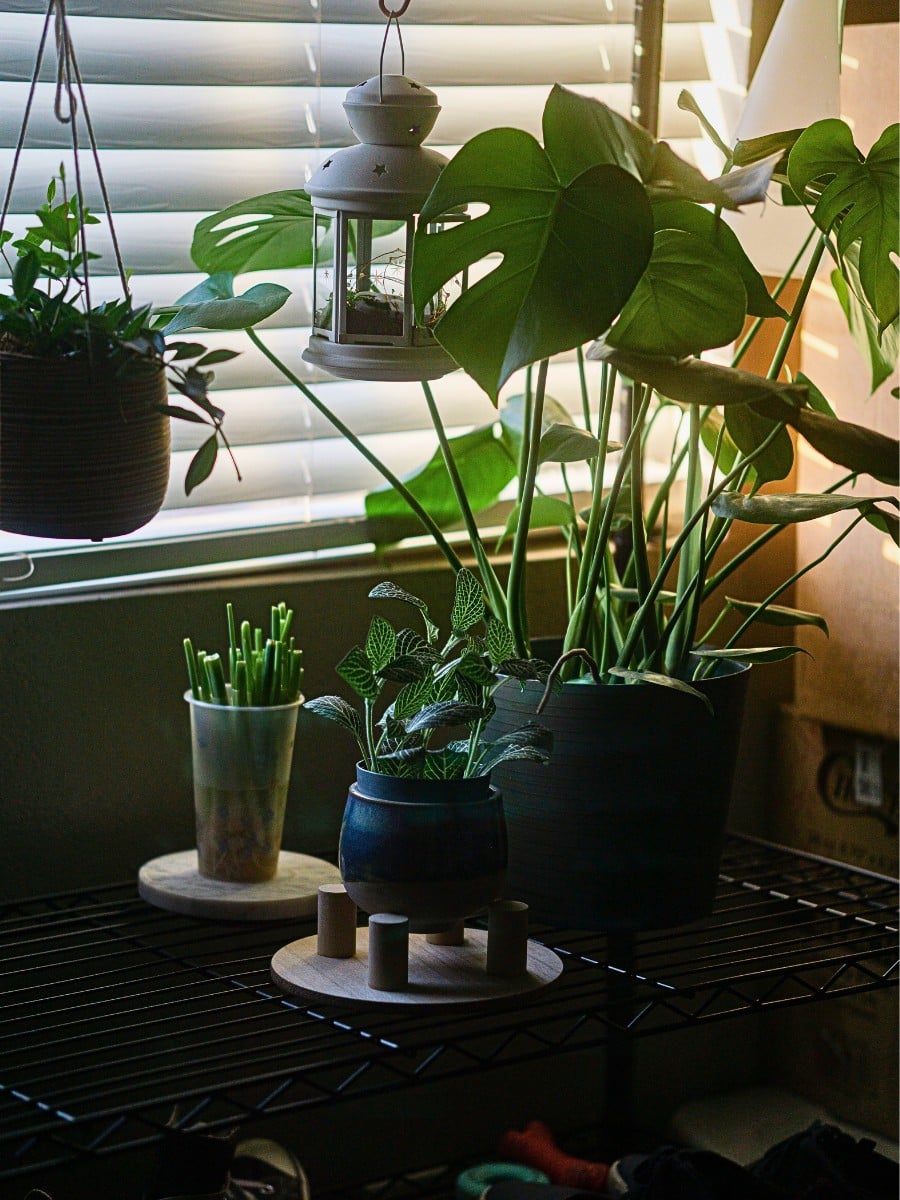
How Dark Is Too Dark for a Houseplant?
Before you buy, look at the spot you have in mind. A simple test: can you read a book there in daytime without switching on a lamp? Then there's enough natural light for the plants in this list. If you need the lamp, that's too little light for almost every houseplant, even the tough ones.
Light levels drop fast once you move away from a window. Bright indirect light is close to the glass but out of the sun. Medium light is a few meters back. Low light is a corner far from the window, or a north-facing window (south in the southern hemisphere): bright enough to read, but no sun on the leaves. Most plants below like low to medium light best and tolerate low light conditions for years.
A room with no window at all is a different story. There a plant lives on lamps alone, and the ZZ plant copes with that best. A small LED grow light above the pot helps any of them.
11 Low Light Houseplants for Dark Rooms and Shade
These are some of the best shade houseplants you can pick for the darker spaces where there's insufficient light.
Here they are.
1. Chinese Evergreen (Aglaonema)
Originally, these species are from the tropical forest, and most varieties of Aglaonema thrive best in filtered light to partial shade. But never direct sunlight. Chinese evergreens perform very well as houseplants in the shade or a dark room in your home. For darkened corners of the interior, only Aglaonema specimens with green leaves are suitable.
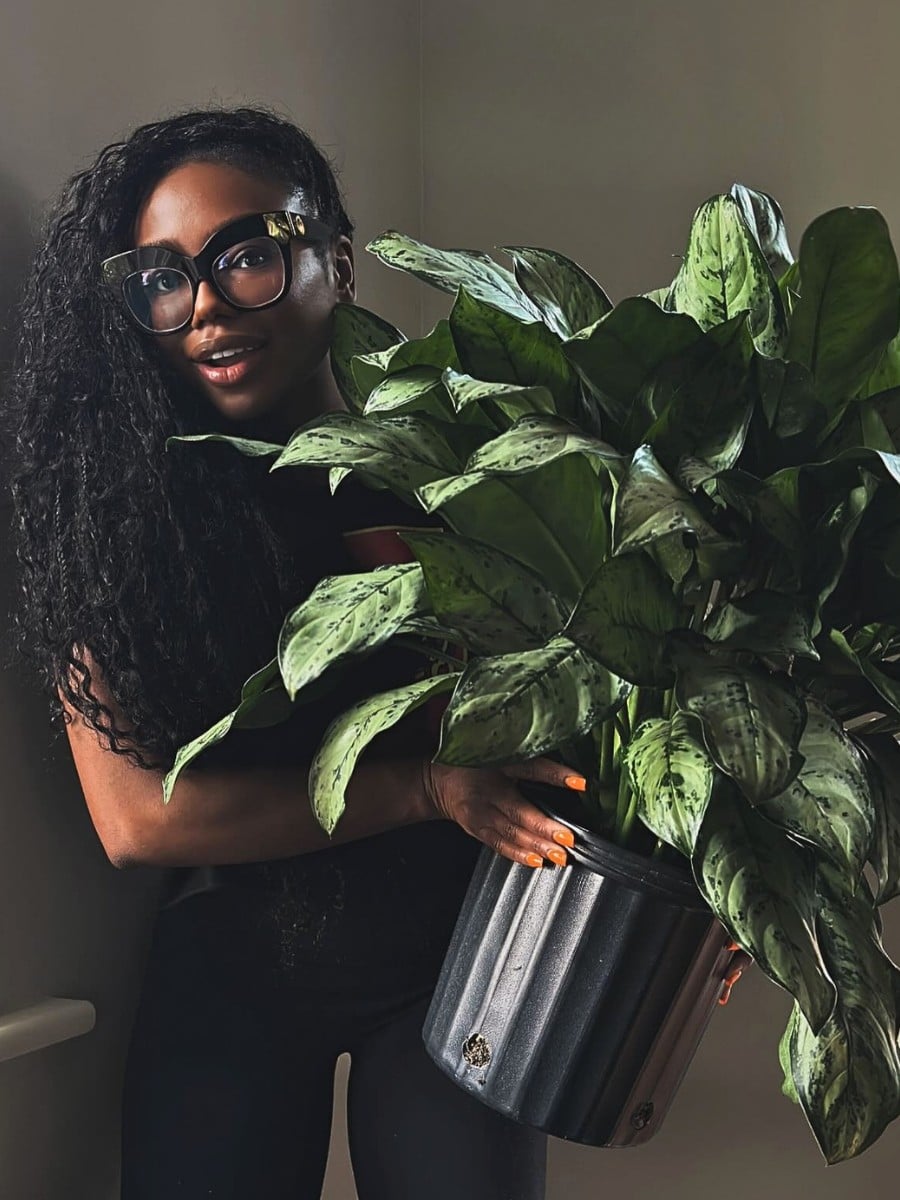
Aglaonema with colored leaves you should avoid for darker spaces; they are best placed on the windowsill from the east or north side. Chinese evergreens are hard to kill, as long as you don't overwater them, keeping the soil evenly moist.
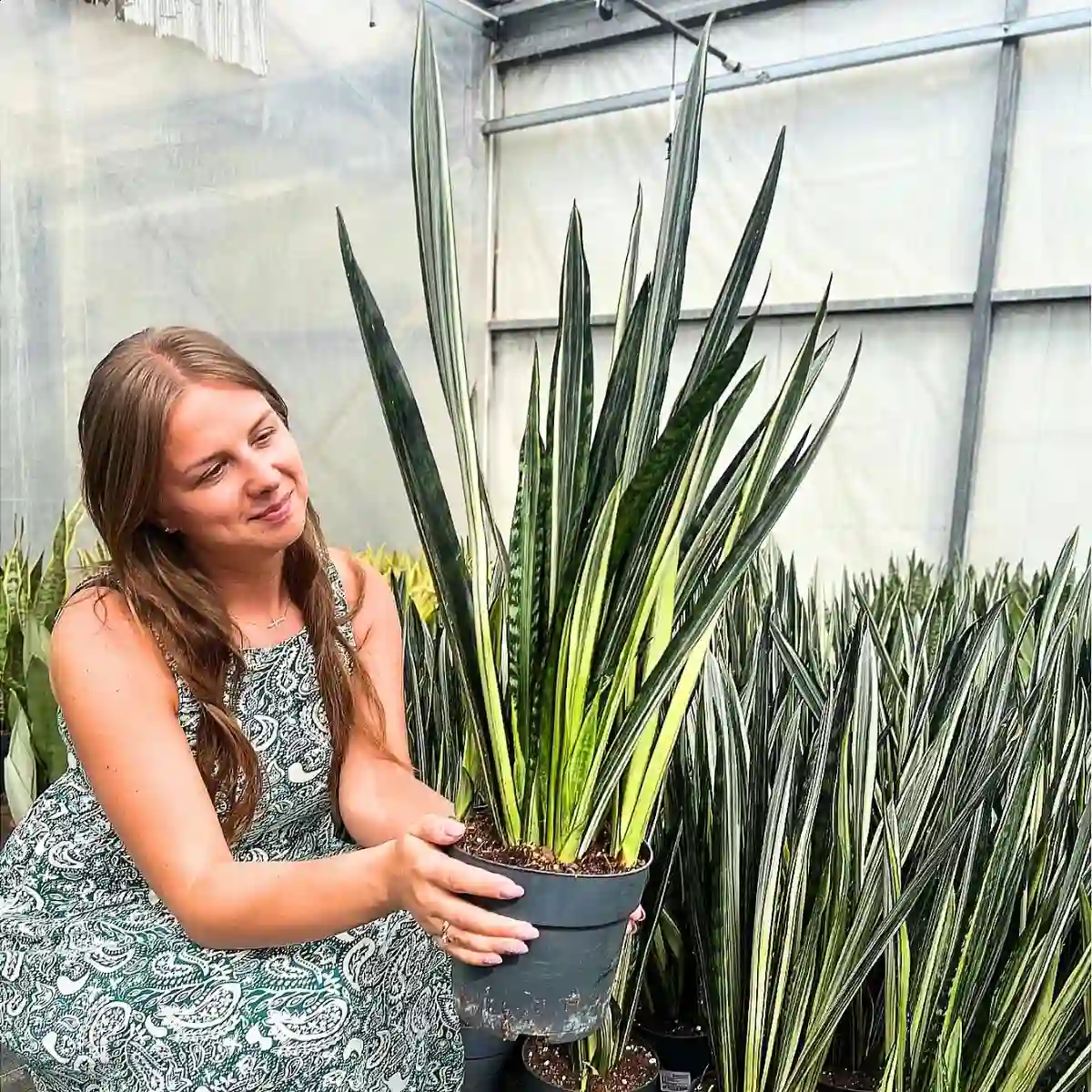
In the Netherlands, JoGrow in Kwintsheul, a family nursery since 1980, grows green tropical houseplants such as Aglaonema and Sansevieria. For a dim corner, pick a dark green type with soft patterned leaves like Aglaonema Stripes, and give it low to medium indirect light. More in the Aglaonema care guide.
2. ZZ Plant (Zamioculcas Zamiifolia)
Zamioculcas Zamiifolia, or the ZZ Plant (say Zee Zee Plant), is an easy-to-take-care-of and straightforward houseplant. The ZZ Plant is ideal for darker spots in your home. ZZ Plants will be completely fine in extremely low levels of light. Or even rooms with no light at all, as they will accept fluorescent lighting as a substitute for natural daylight.
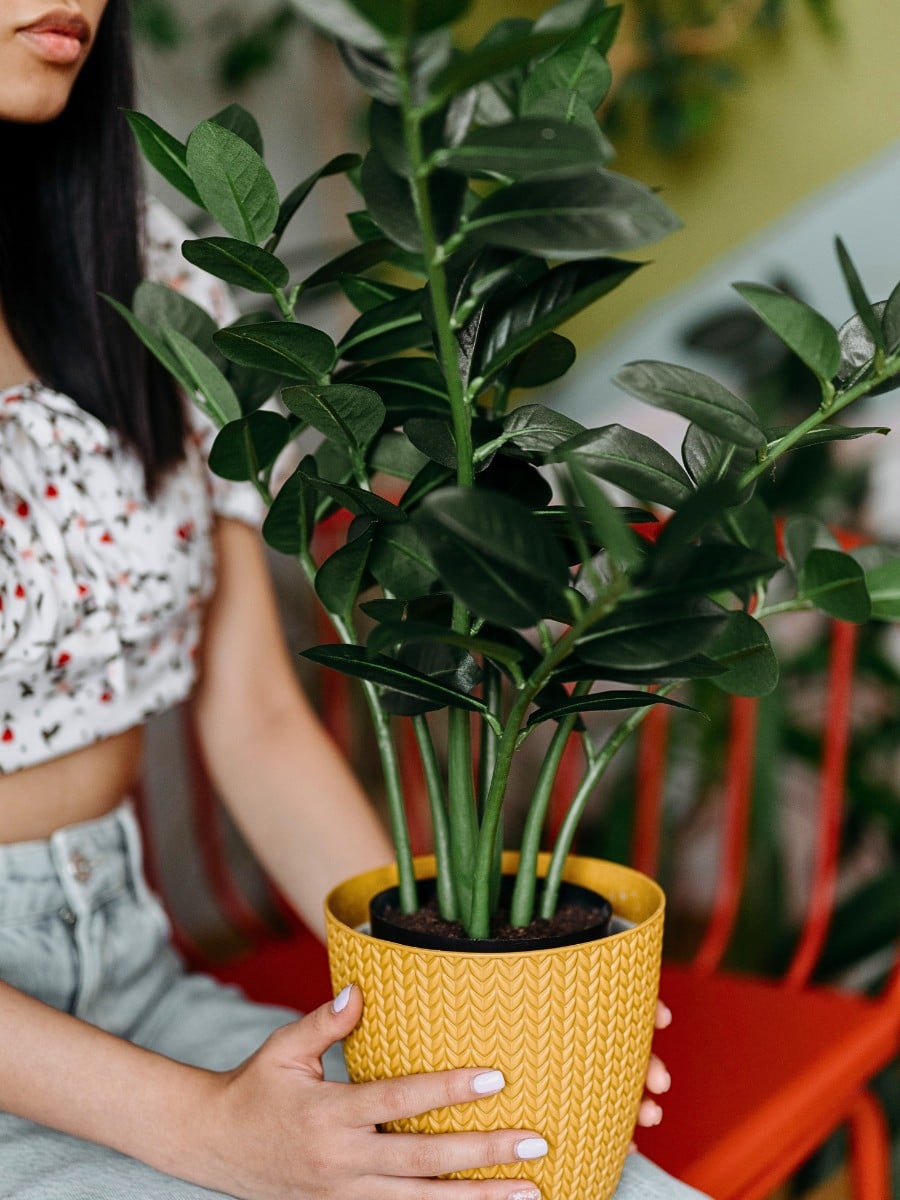
The glossy leaves of the plant reflect light into a room and help to brighten the environment around it. Zamioculcas Zamiifolia goes by a few common names, including Zanzibar gem, Zuzu plant, Aroid palm, Eternity plant, and Emerald palm ZZ.
As a houseplant, the ZZ is younger than most people think. Martin van Duyn of Duynplant in De Lier started growing Zamioculcas in 1995, and his nursery says he was the first. In 2017 Duynplant brought out Zamioculcas Zenzi, a compact variety that fits an office desk. A regular ZZ grows 60 to 120 cm (2 to 4 feet) tall and wide. It stores water in its thick underground rhizomes, so in low light a watering once a month or less is enough. More in the ZZ plant care guide.
3. Golden Pothos (Epipremnum Aureum)
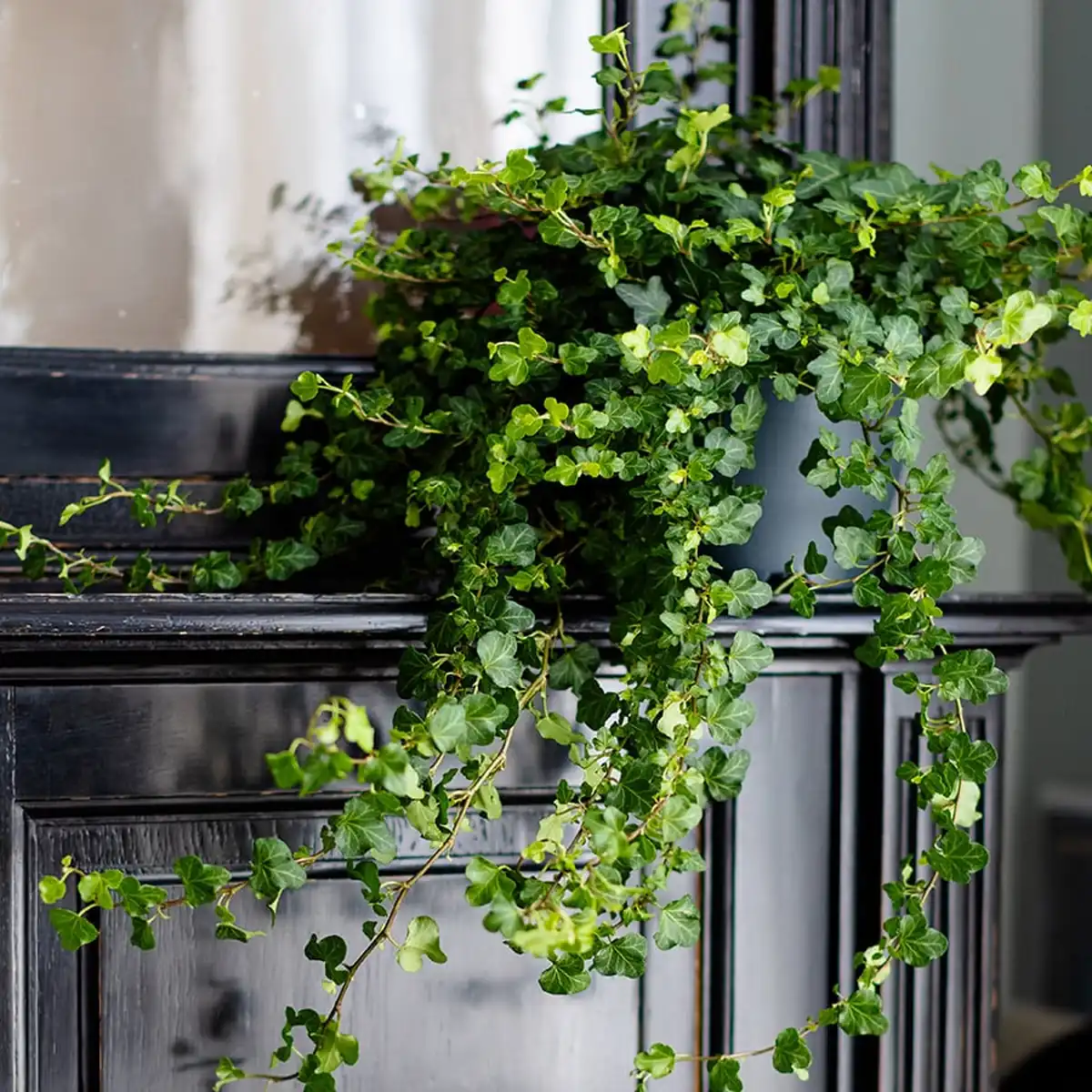
Because Pothos plants are extremely hardy plants, there’s not much you can do wrong with them. When put in a dark spot, it slows growth, so when deciding on how to have this plant in a dark spot or room, make sure to already get a fully grown plant. A bit too much or too little water is no problem for the Golden Pothos; you just can't go wrong with this plant.
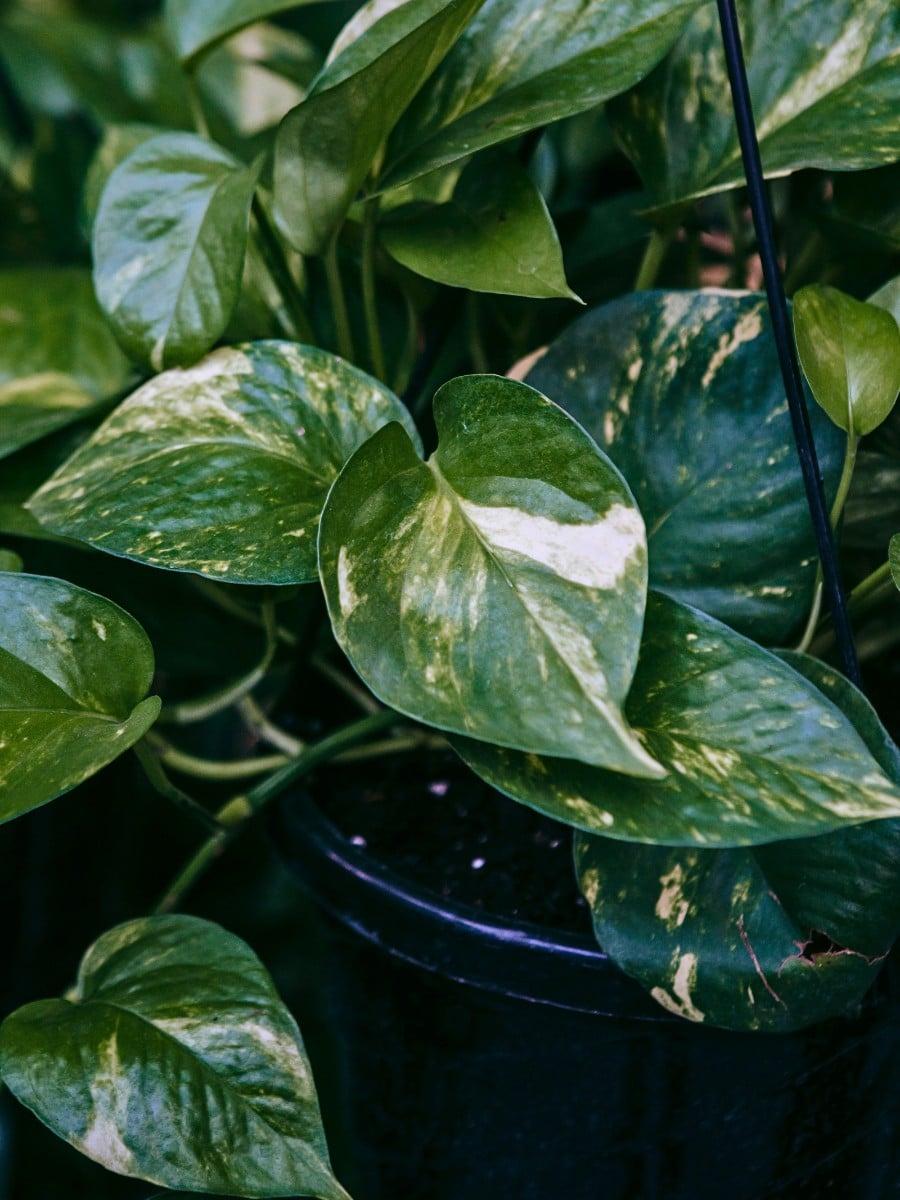
It is a survivor. Besides doing well in the shade or a dark spot, this plant can bring you good luck and fortune. Read more about it in this article. The propagation of this plant is also extremely easy. Pothos roots incredibly well in water.
Simply put cuttings in the water and then wait. After about 2 to 4 weeks, new roots should develop. When the roots are about 5 cm long, you can put the cuttings in a new pot with a fresh soil mixture. Read all about the Golden Pothos here: 'Pothos Plants - Care & All There’s to Know About This Houseplant'.
With its heart shaped leaves trailing down, a Golden Pothos looks best high up. Put it on a bookshelf or in hanging baskets.
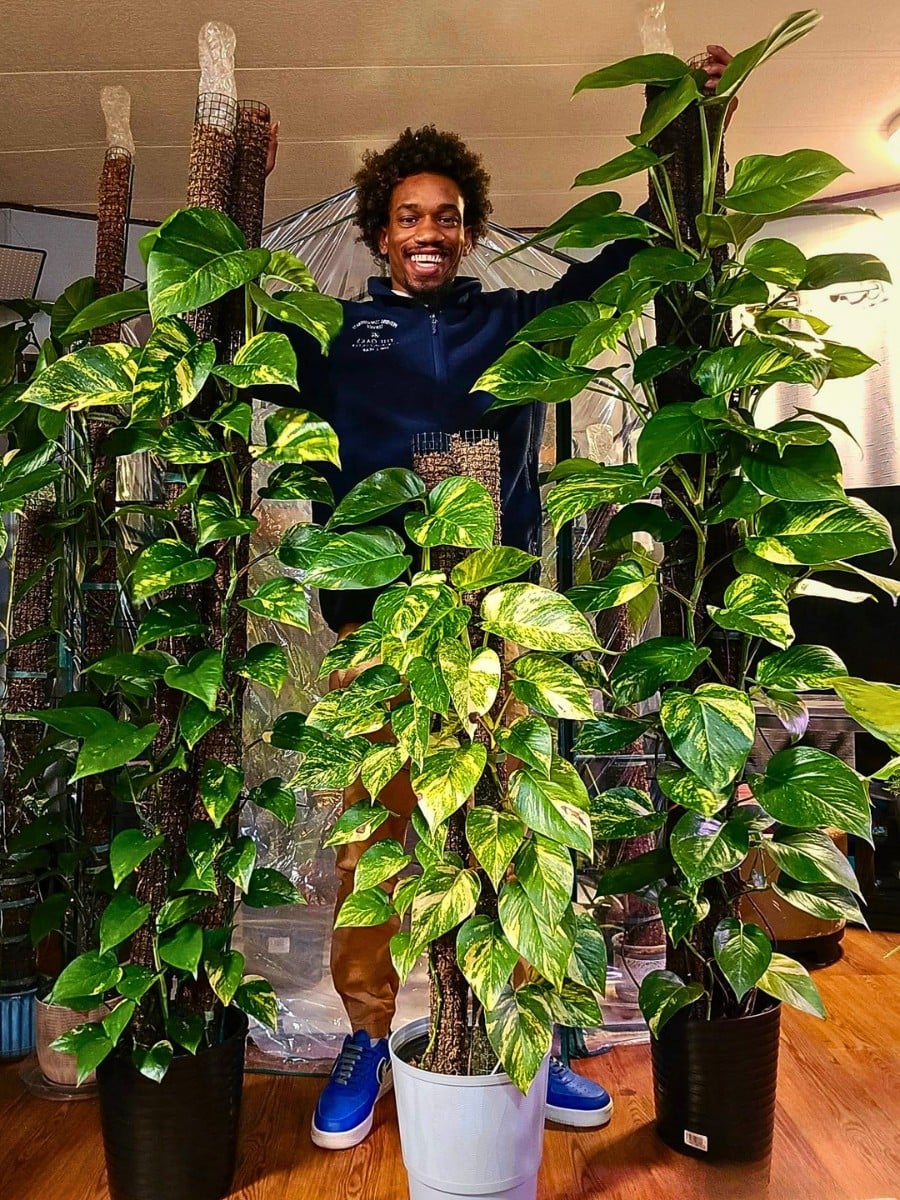
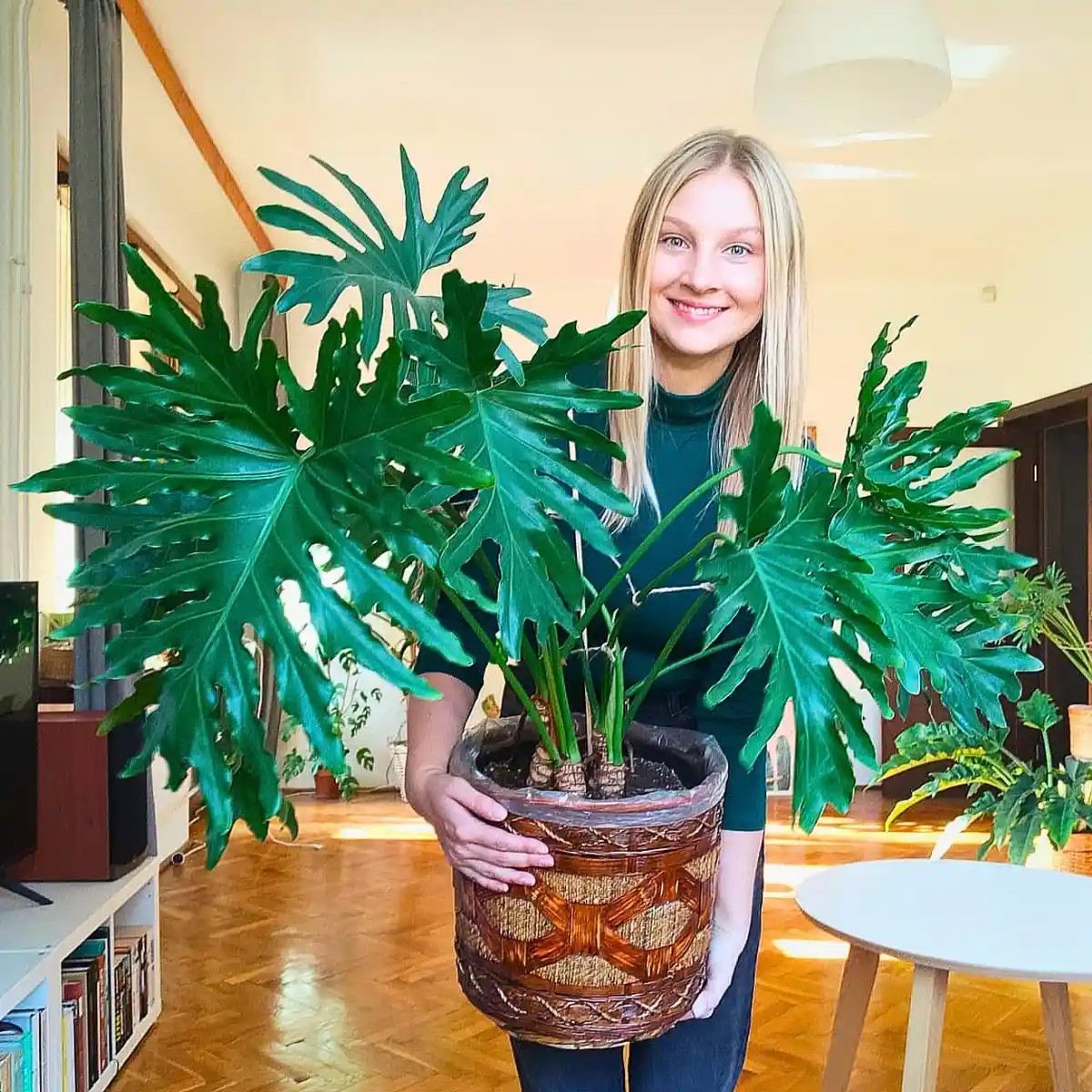
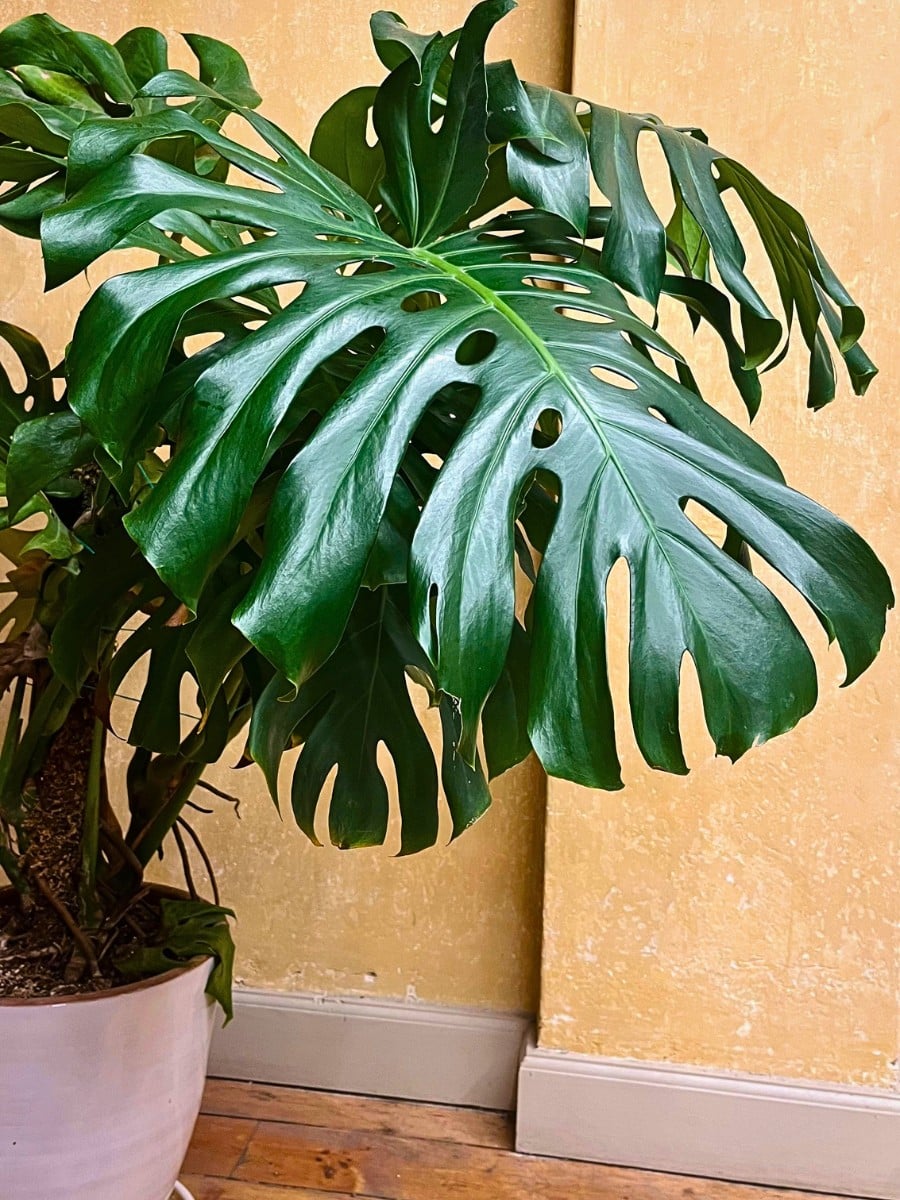
4. Swiss Cheese Plant (Monstera Deliciosa)
This is a special houseplant that everybody knows and does well in the shade or in a dark room. The Monstera deliciosa is a retro-looking plant that also fits really well in the urban jungle trend of today. The normal green Monstera deliciosa is very common. And easy to get at your local flower shop or garden center.
There are also varieties of Monstera with variegated leaves. In whites and yellows. But the variegated varieties are very often quite expensive because they are hard to get. You can read about the variegated Monstera: 'All Variegated Monstera Plants Together - Albo, Aurea, Sport & Thai Constellation'.
To be honest, the Monstera is the plant on this list that asks for the most light. It survives a darker spot, but it grows slowly there, and the new leaves come without the famous holes. Give it the brightest spot you have, in bright indirect light. A variegated one like the Monstera Deliciosa Thai Constellation needs even more, because the white parts of the leaf make no food for the plant.
5. Corn Plant (Dracaena Fragrans)
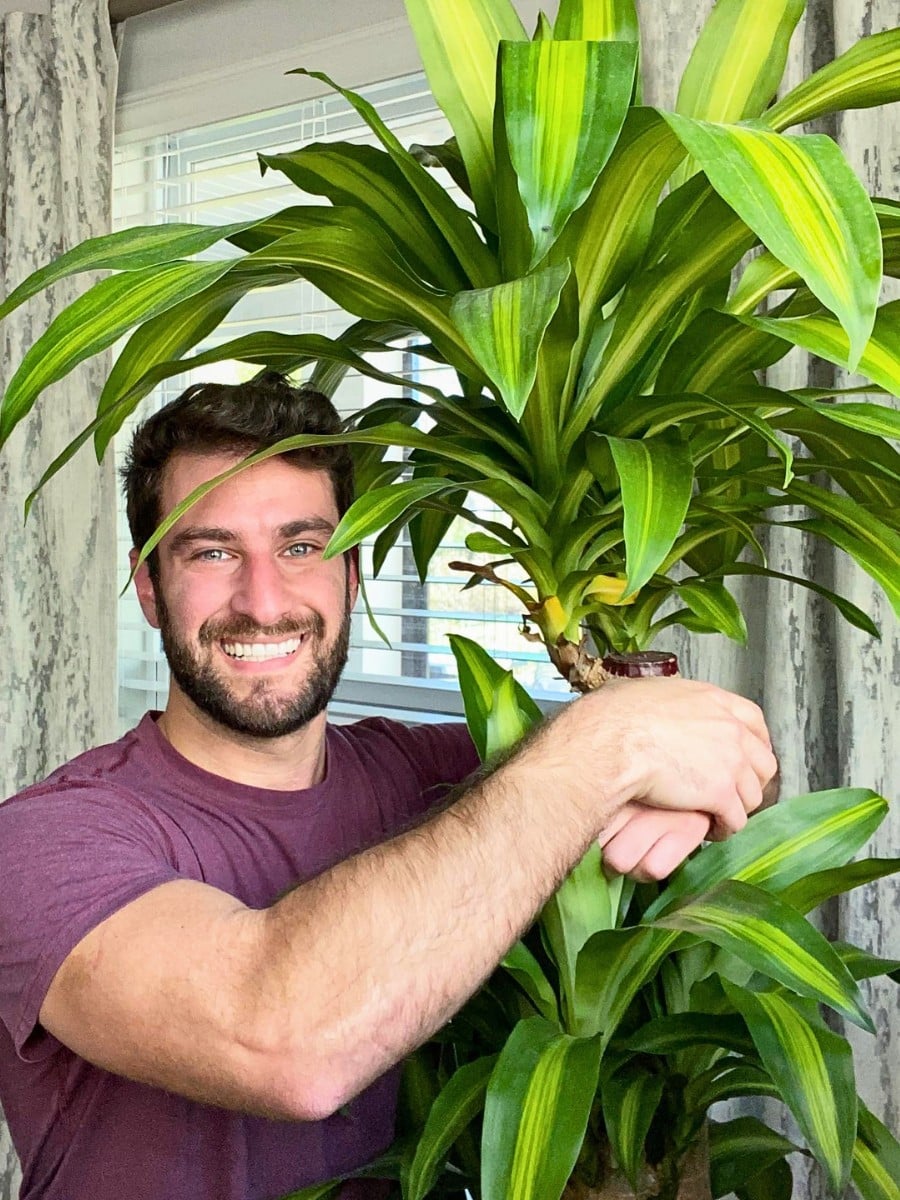
Another of the best shade plants to consider is the corn plant. The corn plant is a member of the Dracaena family, which tends to do very well in the absence of direct sunlight. The leaves will scorch if too bright. In complete shade, the new leaves will be quite small, and the stripe(s) may look quite different from those found on the older ones. But they survive!
The Dracaena Fragrans has a crown of leaves, looking very much like corn leaves, hence its name. The leaves mature into long, wide leaves that are gracefully variegated. It's a hardy houseplant that, when placed in a room with a bit of light, does very well. A perfect houseplant for the shade or a corner of your house where just a bit of indirect light comes in.
The corn plant care guide goes deeper into watering and the mass cane form.
6. Spider Plant (Chlorophytum Comosum)
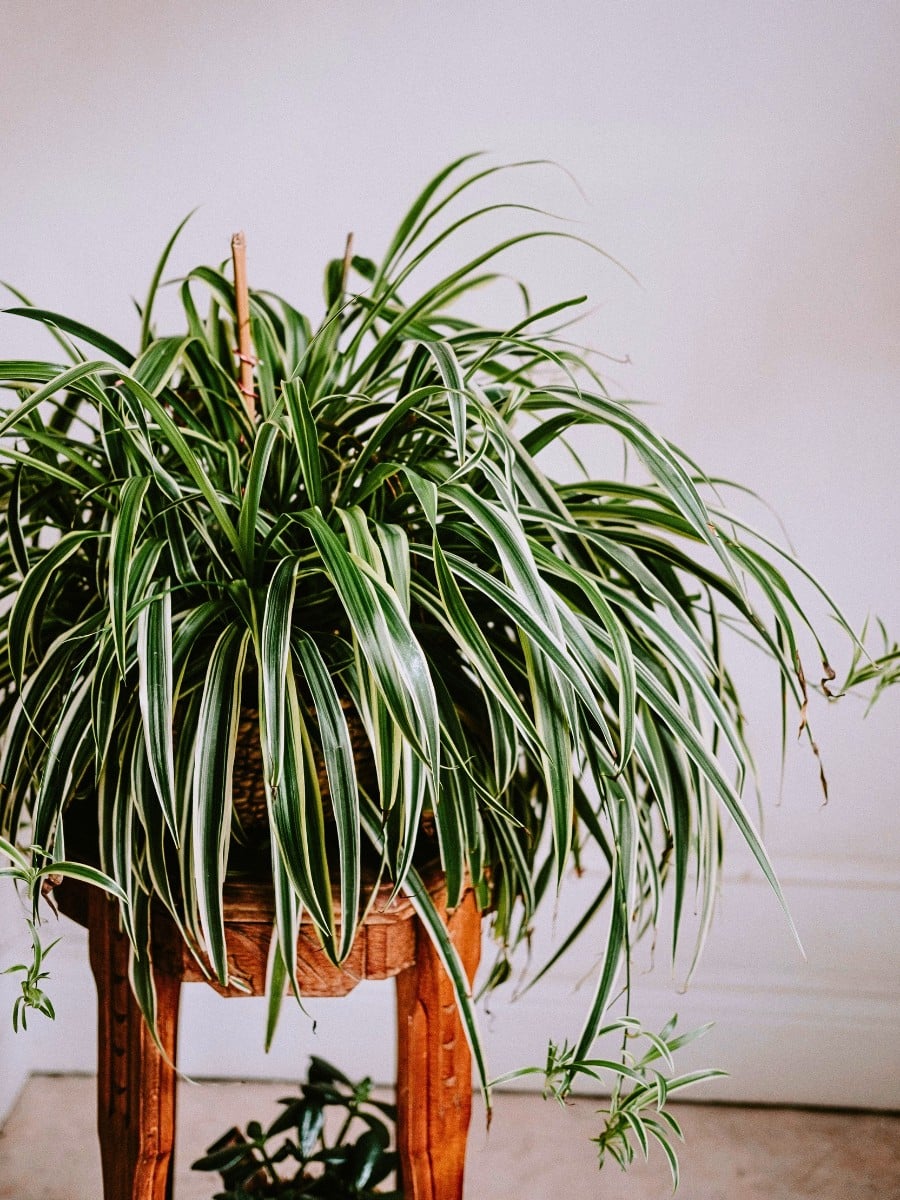
This one is a plant that is almost impossible to kill. As with many other plants that do well in the shade, the spider plant tends to stop growing and flowering in the absence of light. It is one of the most common hard-to-kill houseplants in the world.
The fun fact is that the Chlorophytum Comosum also purifies the air (at least according to NASA studies). Place the spider plant in your bedroom or living room, depending on what shady corner you want to spruce up.
Be careful with that air claim, though. The NASA tests were done in small sealed chambers, and a 2019 review of the research found you would need a huge number of plants to clean the air of a normal room. So buy one because it's easy and cheerful, not as an air filter. It stays 30 to 45 cm (1 to 1.5 feet) tall and is pet friendly. The Chlorophytum comosum Vittatum is the classic one, and the spider plant care guide explains how to grow the babies.
7. Peace Lily (Spathiphyllum)
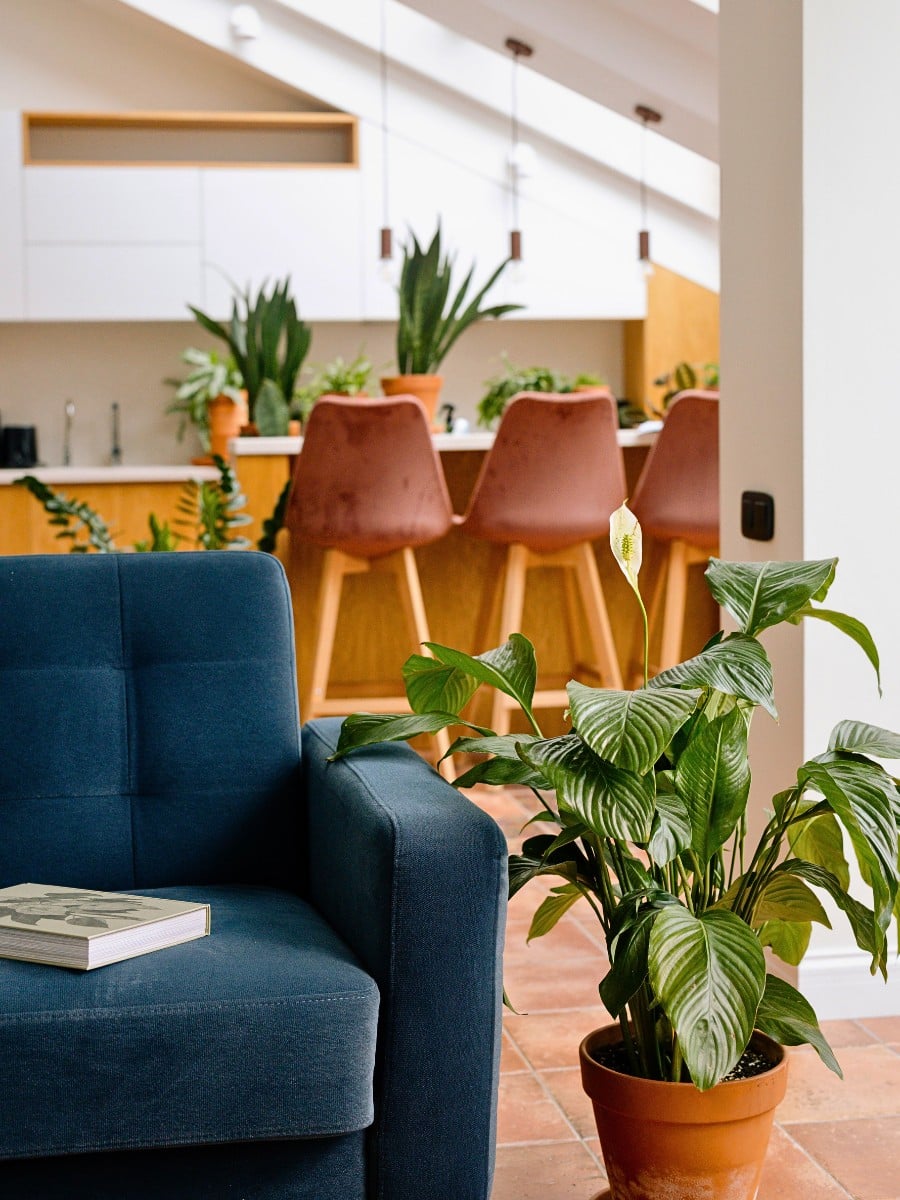
Peace lilies are one of the most popular varieties of houseplants. They're easy to maintain, and they can make a lovely flower as well. A great addition to places in the shade or dark in your home and office. You'll have beautiful houseplants for years to come because Spathiphyllum is very easy to take care of. Displays have many other benefits as well, such as cleaning the air by removing toxins and bringing luck, as it is one of the plants that give you good luck and fortune.
It's one of the few plants here that flowers in low light, although it flowers less. Bestplant in Poeldijk grows Spathiphyllum for the Air So Pure group, and a variety like Spathiphyllum Sweet Sebastiano blooms for four to ten weeks, then rests a couple of weeks before it makes new buds. When it's thirsty, it droops hard. That's your sign to water, and it stands up again soon after. More in why the peace lily is everyone's friend.
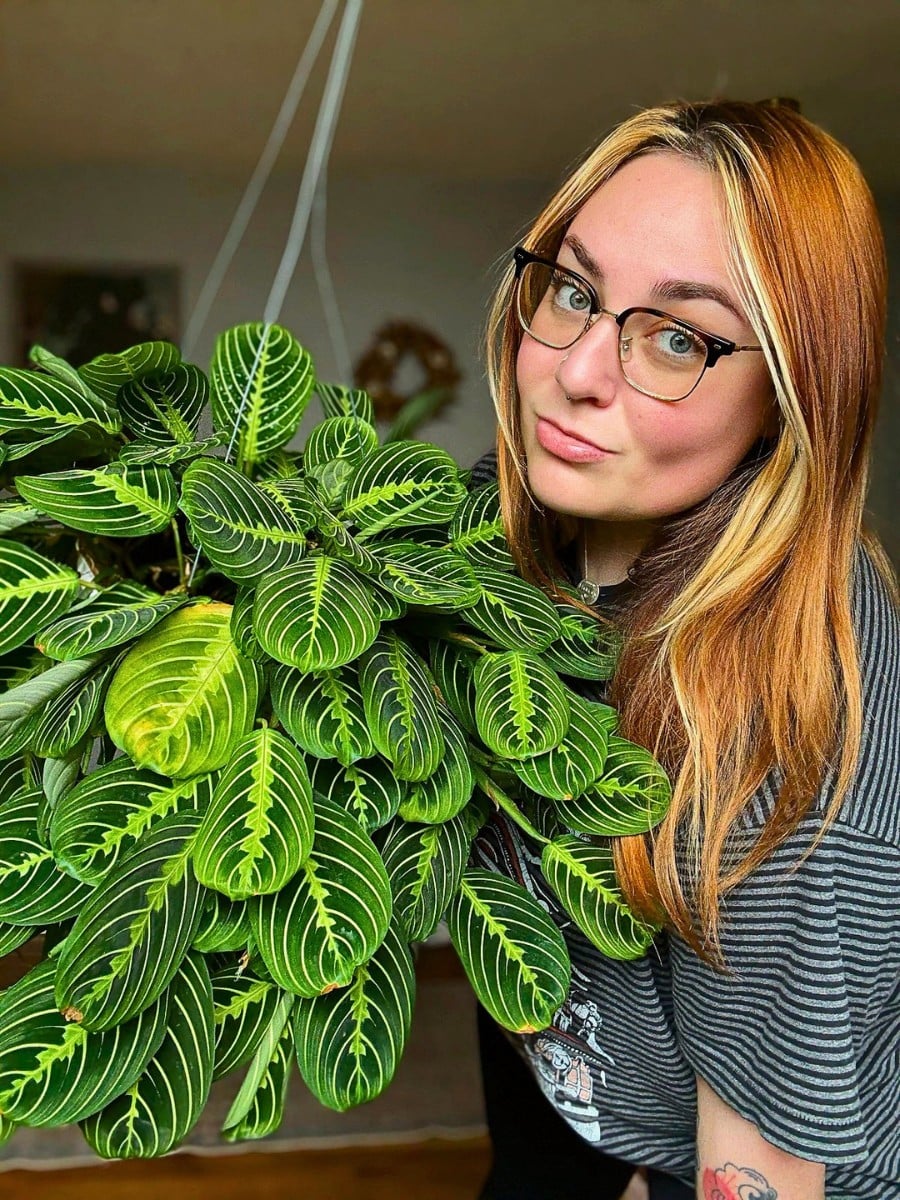
8. Prayer Plant (Maranta Leuconeura)
Another plant that does well in the shade or darker space in your home or office is the Maranta leuconeura, aka the Prayer Plant. It gets its name from its leaves’ habit of folding at dawn as if the plant were praying. Prayer plants do enjoy low light and shade to dark conditions, but if kept in full darkness, they might not survive.
The Maranta leuconeura doesn't grow tall. They do well on small office desks, shelves, and coffee tables. They are also known as the Ten Commandments plant, although nobody agrees on where that name comes from. Read the full prayer plant care guide.
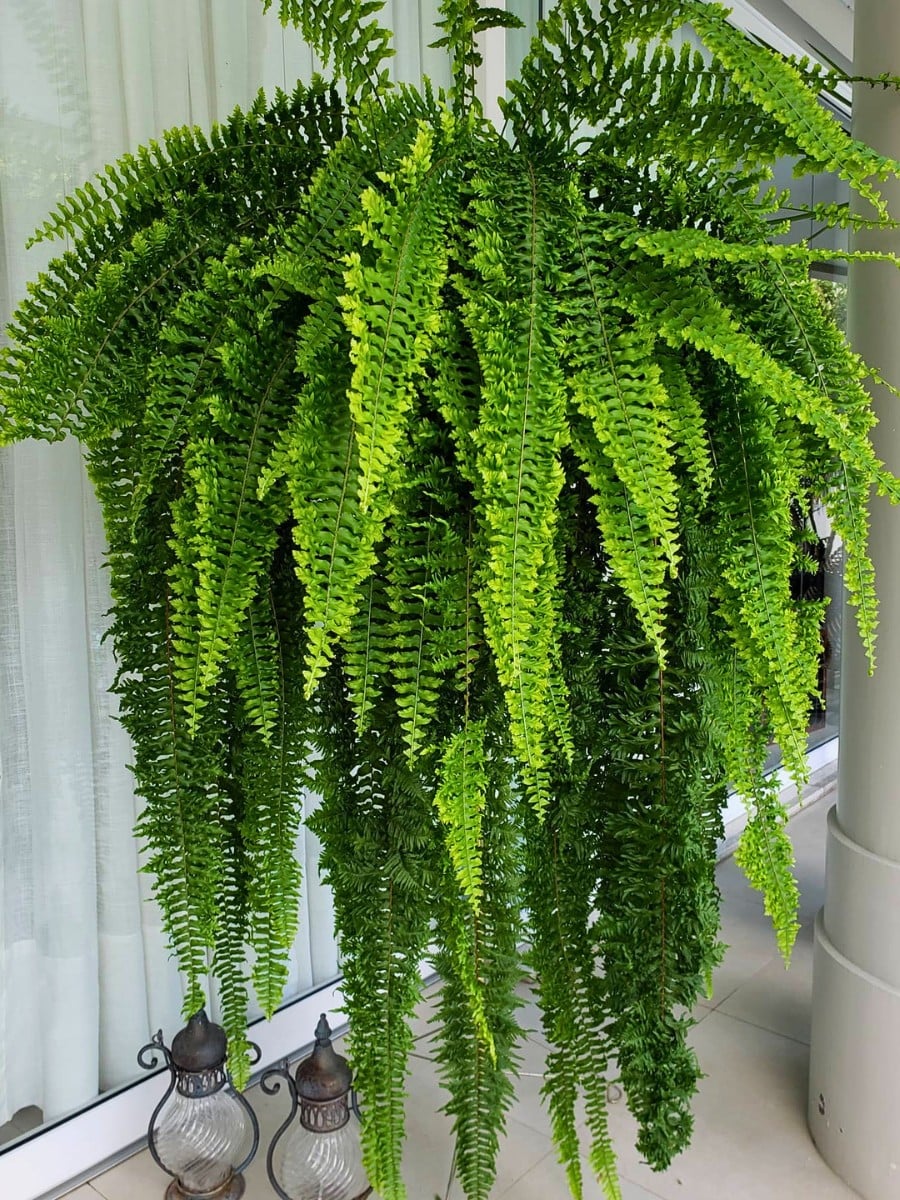
9. Boston or Sword Fern (Nephrolepis Exaltata)
The Boston, also known as the sword fern, is a popular fern species that grows in many tropical areas around the world. It is commonly kept as a houseplant for dark spaces, especially because it doesn’t have high sunlight needs. The foliage of this fern remains evergreen.
High humidity is critical for Boston ferns. They thrive in humidity levels of 50 to 60%, so a dark bathroom is a perfect spot for this fern. This plant does need a bit of indirect light, though. It is not suitable for completely dark spaces; just put it away from direct sunlight and keep conditions stable to enjoy these plants to the max.
A compact variety like Nephrolepis Green Lady works well on a bathroom shelf. In a dry living room, a pebble tray with water under the pot or a small humidifier keeps the fronds from browning. The guide to seven indoor ferns and their care has more ferns that like it indoors.
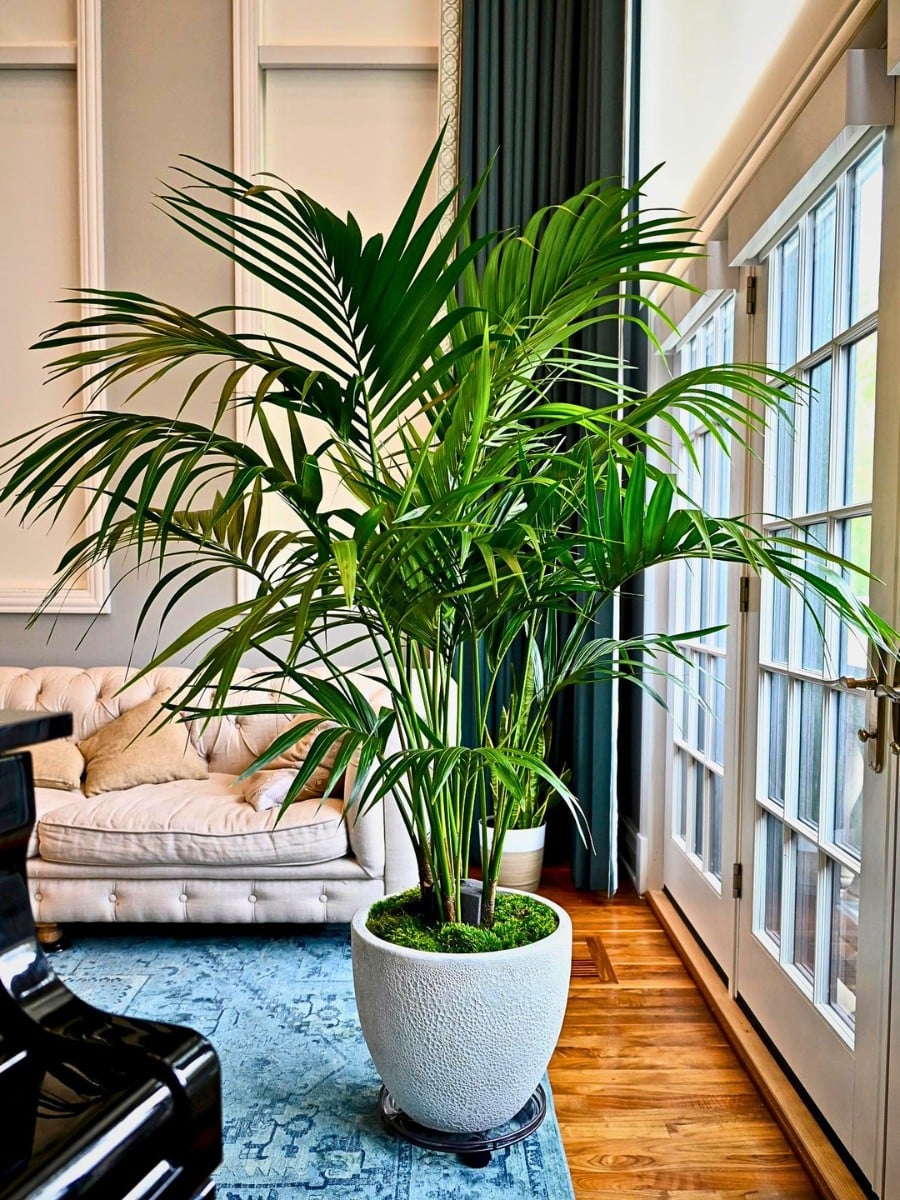
10. Paradise Palm (Howea Fosteriana)
This is the most commonly cultivated of the two Howea species from Lord Howe Island, Australia (where it is usually known as Kentia Palm, after the island's settlement). Paradise Palms are one of the world's most popular palm trees. 'Kentia Palms' are slow-growing but easy to care for. They enjoy shady conditions; this plant is perfect for most places in your home. Kentia Palms love regular watering during summer and prefer to be dry in the winter. They are excellent air purifiers.
Every Kentia still starts there, in a way. Blom Kentia Palmen in Aalsmeer, run by the brothers Paul and Christian Blom, imports its seeds from Australia, germinates them, and grows them into the Howea forsteriana palms that go to customers worldwide. It grows slowly, so buy it at the size you want. Read more about the Kentia palm.
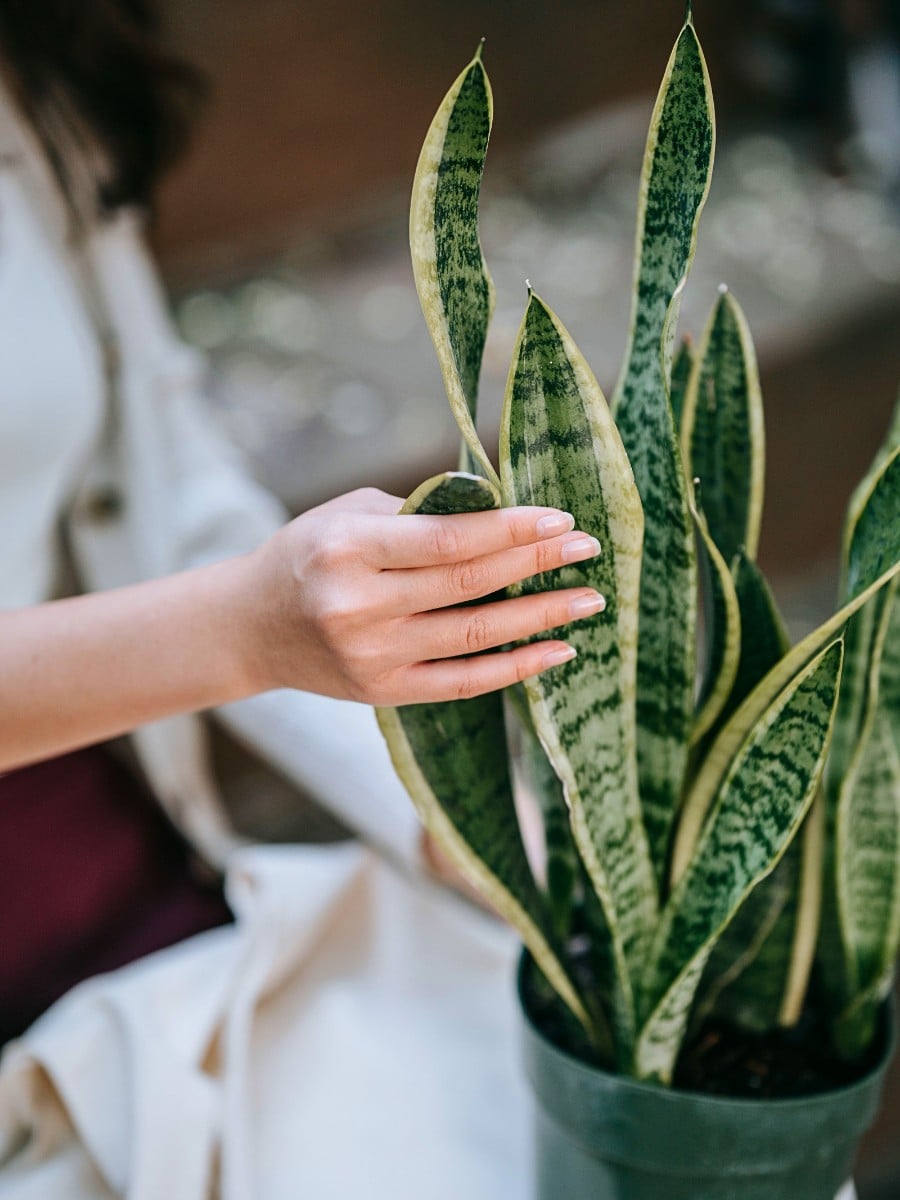
11. Snake Plant or Mother's Tongue (Sansevieria Laurentii)
Last on the list of best shade plants is the snake plant, a regular guest of many lists and websites, as this plant is not only impossible to kill, but also has many advantages, such as removing toxins from the air and bringing good luck and fortune to your home and office when placed there. The Sansevieria is one of those plants that simply always lives. No matter how you neglect this plant, it stays alive.
It stores water in its thick leaves and handles drought, so a few weeks without watering is no problem indoors. A tall, dark green type like Sansevieria Zeylanica fits a bedroom or a hallway. There are many more in the 10 snake plant varieties.
More Low Light Indoor Plants Worth Trying
The list above is the place to start, but a few others do just as well. The cast iron plant (Aspidistra elatior) got its name for a reason. A cast iron plant takes deep shade, little water, and cold rooms, and florists know its long dark green leaves as a cut green. The parlor palm (Chamaedorea elegans) is a smaller palm than the Kentia for low to medium light, and like the Kentia it's pet friendly (see the parlor palm care page).
The heartleaf philodendron, with heart shaped green leaves, trails like a pothos and handles dim spaces well. See the guide to the Philodendron cordatum. And lucky bamboo grows in a vase of water on a desk with little direct light, read the lucky bamboo care guide.
Low Light Houseplants at a Glance
The quick version, from the toughest plant for the darkest spot down to the ones that like a little more light. The watering times are a starting point for a dim, indoor room. Always check the soil first.
| Plant | How dark it can go | Water |
|---|---|---|
| ZZ plant Zamioculcas zamiifolia |
Very low light, even a room with only lamps | Every 2 to 4 weeks, once the soil is dry |
| Snake plant Sansevieria laurentii |
Very low light | Every 3 to 4 weeks, once the soil is dry |
| Chinese evergreen Aglaonema, green-leaved |
Low light, no direct sun | Keep evenly moist, never wet |
| Golden Pothos Epipremnum aureum |
Low light, grows slower | Let the top few centimeters dry out |
| Corn plant Dracaena fragrans |
Low to medium light | Let the top few centimeters dry out |
| Peace lily Spathiphyllum |
Low light, flowers less | As soon as it starts to droop |
| Prayer plant Maranta leuconeura |
Low light, not full darkness | Keep slightly moist |
| Spider plant Chlorophytum comosum |
Low to medium light | Let the top layer dry out |
| Boston fern Nephrolepis exaltata |
Low light with some daylight, humid | Keep moist, high humidity |
| Kentia palm Howea forsteriana |
Low to medium light | Regularly in summer, drier in winter |
| Swiss cheese plant Monstera deliciosa |
Medium light, tolerates low | Let the top half of the soil dry out |
Why Plants Die in Dark Rooms: Usually It's the Watering
Here's what most people get wrong. A plant in a corner with low light grows slowly, so it uses much less water than the same plant on a sunny windowsill. The soil stays wet for longer, even more so in a cool room, and soil that stays wet for weeks means root rot. So check before you water. Push a finger into the soil, and water only when the top 2 to 5 cm (1 to 2 inches) is dry. Most low light plants want well drained soil and moderate humidity. Use a light potting soil and a pot with drainage holes, so extra water runs off.
Two small habits help as well. Dust the leaves now and then, because a dusty leaf catches less of the little light there is. And turn the pot a quarter every week or two, so growth stays even and the plant doesn't lean toward the brighter light of the window. In winter, when the days are short, water even less.
Which Plant for Which Dark Spot?
For a bathroom with a small window, take the Boston fern or the peace lily. They both love high humidity. In a bedroom, the snake plant is easy and quiet. An office desk far from the window is ZZ territory, and a hallway with a bit of daylight suits a green Aglaonema or a Golden Pothos on a shelf. For more ideas per room, see the best bathroom plants and the best living room plants.
Start With a Plant That Was Born in the Shade
Most of these plants come from forest floors, under taller trees, where the sun hardly reaches. That's why they forgive a dim corner indoors. So pick one, put it where you can read without a lamp, and water it less often than your windowsill plants. Want a second list with other picks? Look at the low light houseplants for dim rooms.
Header and featured image by Pew Nguyen.
About the author: Arnold Wittkamp is the founder of Thursd. He spent 35 years in the floral chain, as a florist, an importer and an international marketer, before building the platform. Connect with Arnold on LinkedIn.