ARTICLES

Houseplants That Will Do Well in Your Dimly Lit Spaces or in the Shade

Check out these houseplants you can pick for in the shade or for dark spaces where there's insufficient light.

By: THURSD. | 22-06-2026 | 8 min read
Indoor Plants Floral Education
The Best Houseplants for in the Shade or a Dark Room

You can say that having plants in your home or working space is a must. There are many good reasons to have plants: to brighten a dark room or to place in the shade. These are some of the best self-care properties you can get. Not only do plants enhance the overall appearance of your space, but they also help remove toxins and humidify the air.

There are many scientific studies that show that just looking at real plants enhances your mood, increases creativity, and reduces stress. Plants add life to spaces and reduce noise levels. Are you a bit down? Plants can be therapeutic to care for. Just the touch of a leaf elicits an unconscious calming effect.

Plants Are a Must – Also in the Shade or a Dark Room

Everyone loves them and knows plants thrive in light rooms. And, understandably, people are looking for plants for darker spaces as well. You just want to have plants everywhere, for instance, in a dark corner in your home, or in your bathroom where there is just artificial light. Many plants do well in the shade or in a dark room.
 

The Best Houseplants for in the Shade or a Dark Room
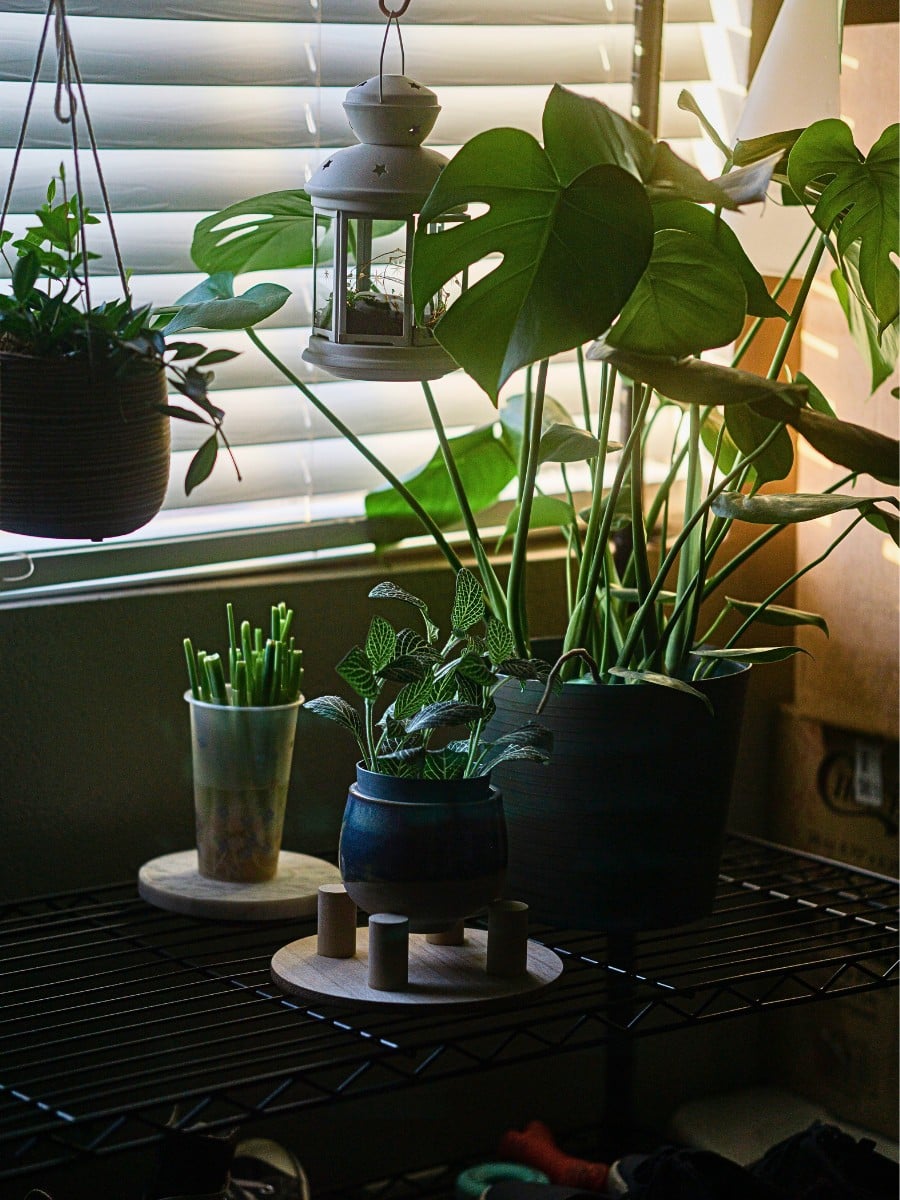
Houseplants. Photo by chickenbunny


These are some of the best shade houseplants you can pick for the darker spaces where there's insufficient light.

1. Chinese Evergreen (Aglaonema)

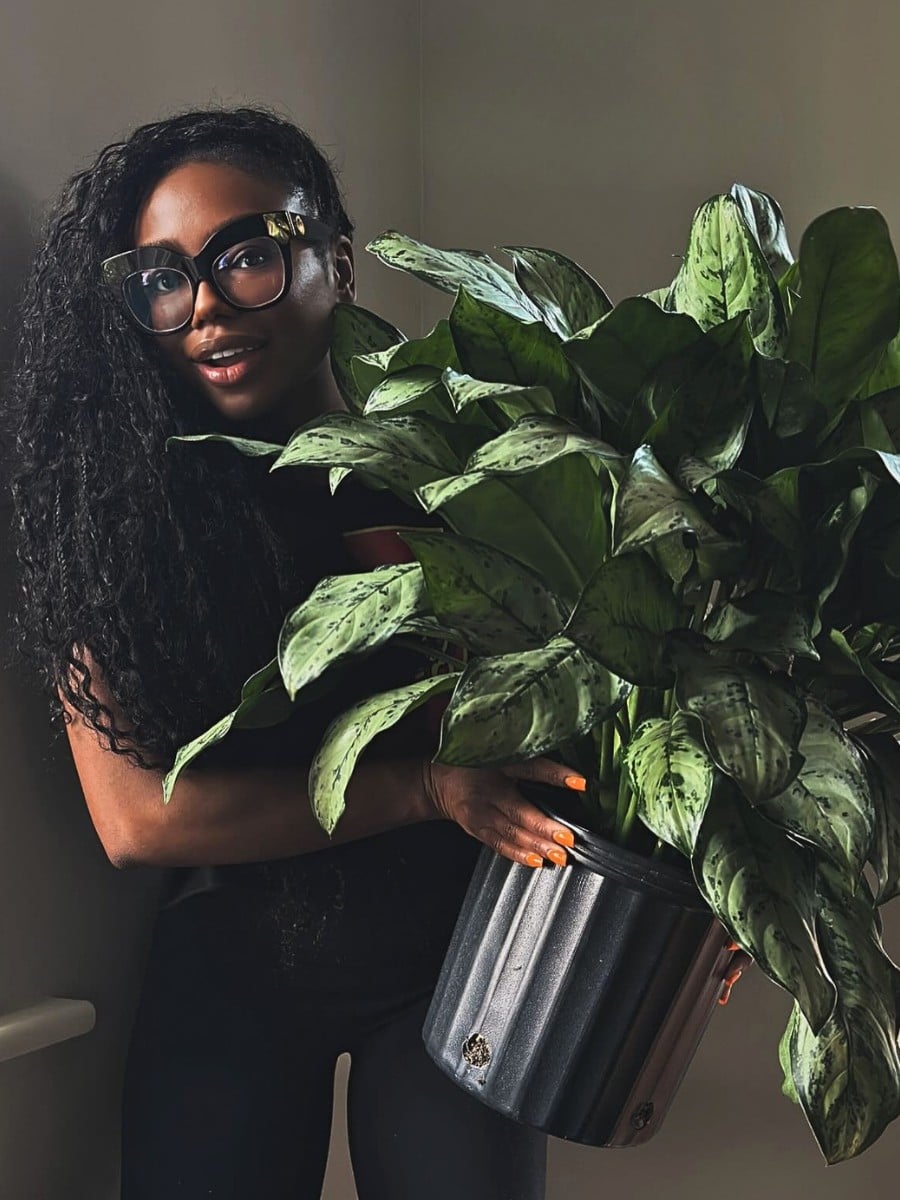
Originally, these species are from the tropical forest, and most varieties of Aglaonema thrive best in filtered light to partial shade. But never direct sunlight. Chinese evergreens perform very well as houseplants in the shade or a dark room in your home. For darkened corners of the interior, only Aglaonema specimens with green leaves are suitable.
 

Best Low Light Houseplants for Shade and Dark Rooms
Aglaonema. Photo by @hey_florette


Aglaonema with colored leaves you should avoid for darker spaces; they are best placed on the windowsill from the east or north side. Chinese evergreens are hard to kill, as long as you don't overwater them, keeping the soil evenly moist.

2. ZZ Plant (Zamioculcas Zamiifolia)

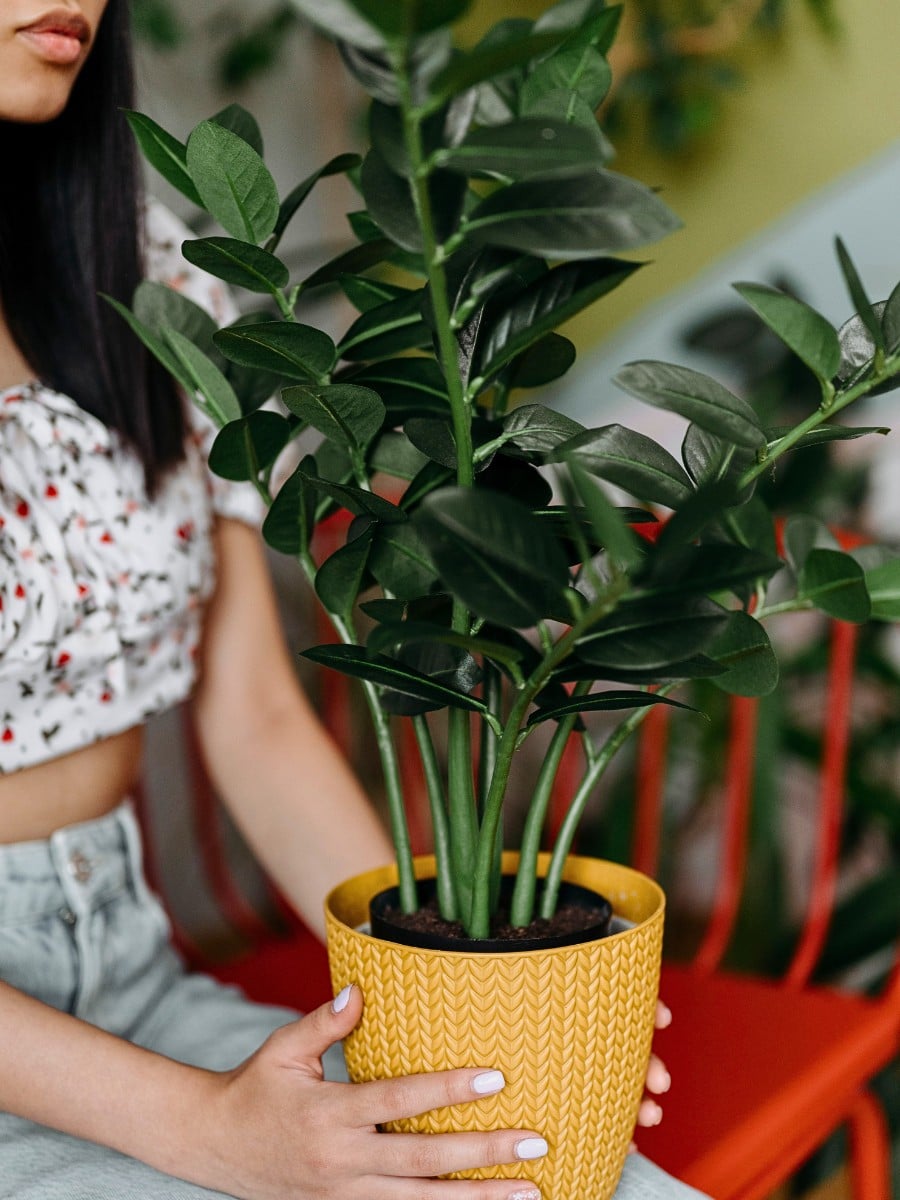
Zamioculcas Zamiifolia, or the ZZ Plant (say Zee Zee Plant), is an easy-to-take-care-of and straightforward houseplant. The ZZ Plant is ideal for darker spots in your home. ZZ Plants will be completely fine in extremely low levels of light. Or even rooms with no light at all, as they will accept fluorescent lighting as a substitute for natural daylight.
 

Best Low Light Houseplants for Shade and Dark Rooms
ZZ plant. Photo by Rocketmann Team


The glossy leaves of the plant reflect light into a room and help to brighten the environment around it. Zamioculcas Zamiifolia goes by a few common names, including Zanzibar gem, Zuzu plant, Aroid palm, Eternity plant, and Emerald palm ZZ.

3. Golden Pothos (Epipremnum Aureum)

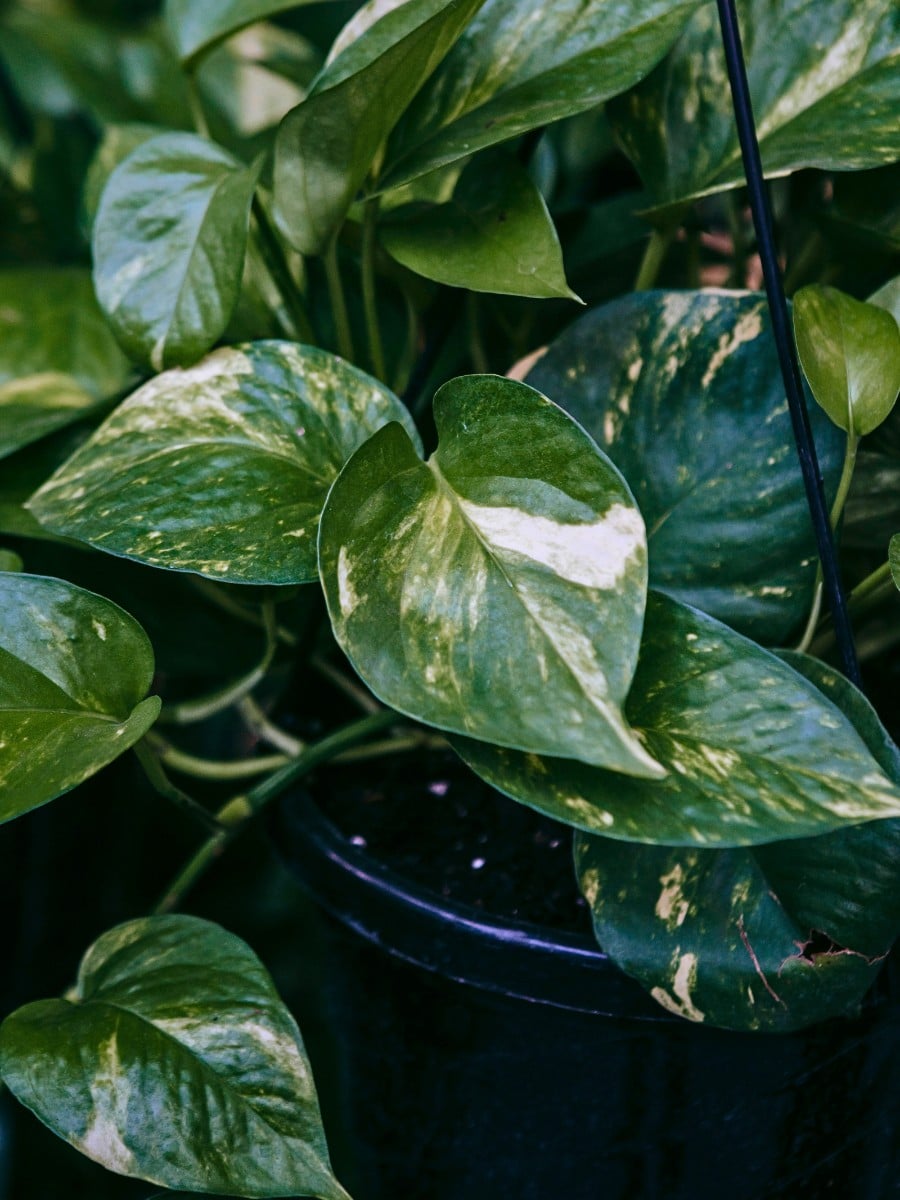
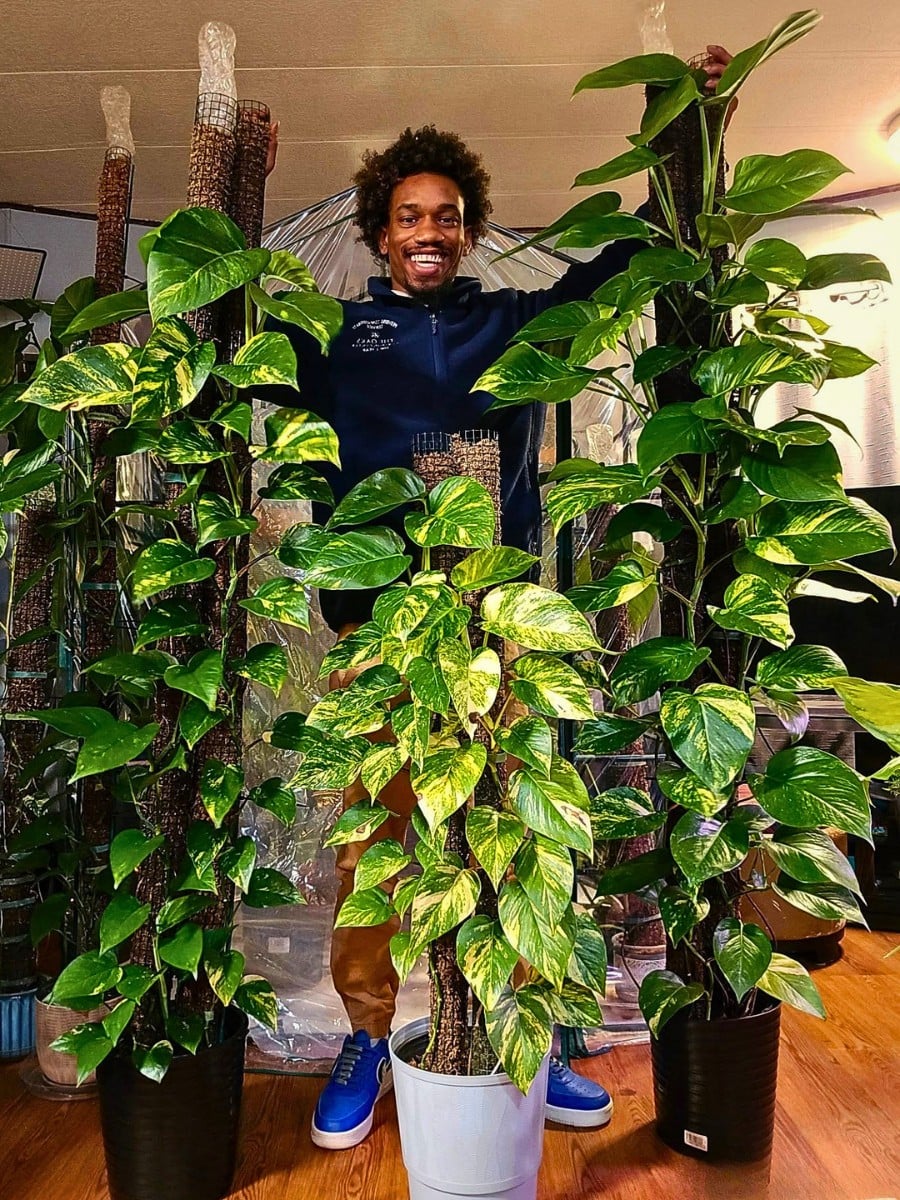
Because Pothos plants are extremely hardy plants, there’s not much you can do wrong with them. When put in a dark spot, it slows growth, so when deciding on how to have this plant in a dark spot or room, make sure to already get a fully grown plant. A bit too much or too little water is no problem for the Golden Pothos; you just can't go wrong with this plant.
 

Best Low Light Houseplants for Shade and Dark Rooms
Epipremnum aureum. Photo by Teona Swift


It is a survivor. Besides doing well in the shade or a dark spot, this plant can bring you good luck and fortune. Read more about it in this article. The propagation of this plant is also extremely easy. Pothos roots incredibly well in water.

Simply put cuttings in the water and then wait. After about 2 to 4 weeks, new roots should develop. When the roots are about 5 cm long, you can put the cuttings in a new pot with a fresh soil mixture. Read all about the Golden Pothos here: 'Pothos Plants - Care & All There’s to Know About This Houseplant'.
 

Best Low Light Houseplants for Shade and Dark Rooms
Golden Pothos plants. Photo by @chris.foliage


4. Swiss Cheese Plant (Monstera Deliciosa)

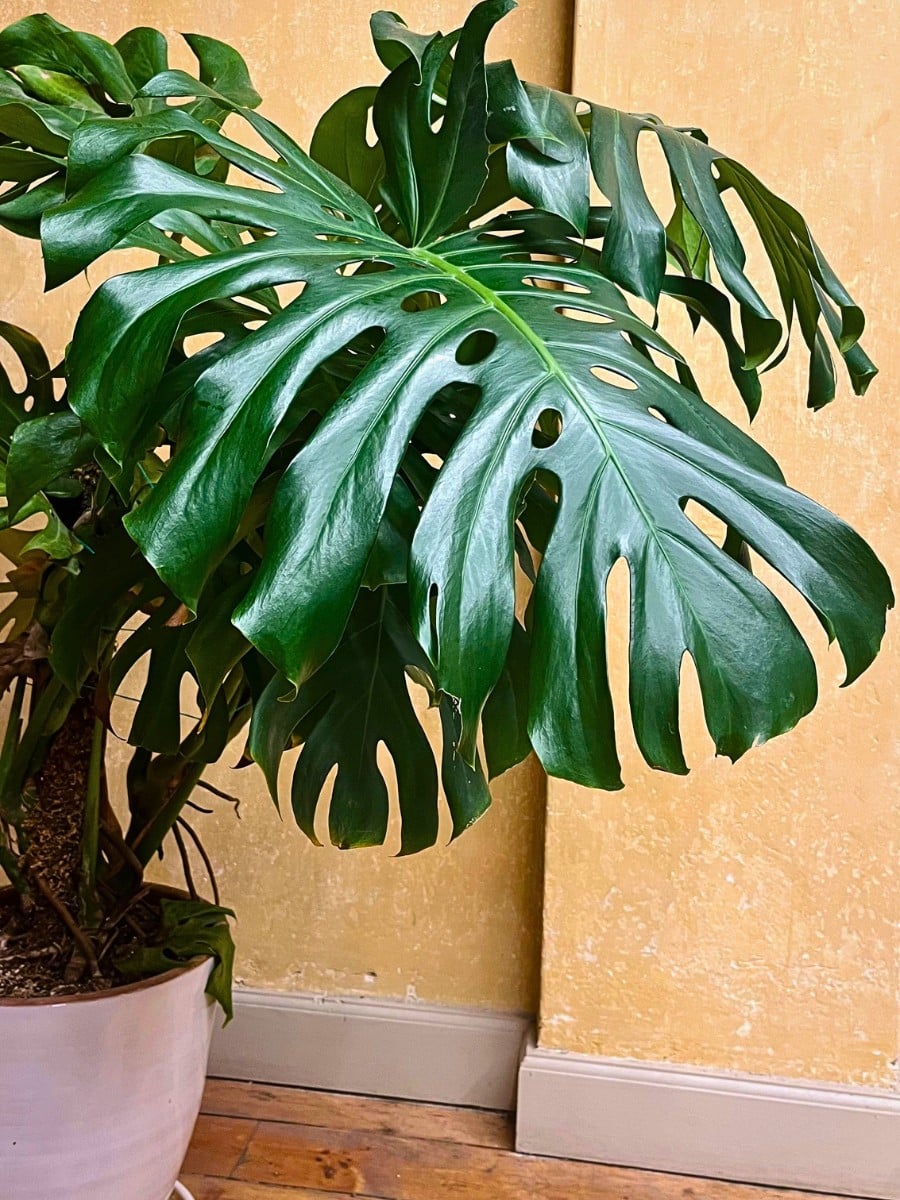
This is a special houseplant that everybody knows and does well in the shade or in a dark room. The Monstera deliciosa is a retro-looking plant that also fits really well in the urban jungle trend of today. The normal green Monstera deliciosa is very common. And easy to get at your local flower shop or garden center.

There are also varieties of Monstera with variegated leaves. In whites and yellows. But the variegated varieties are very often quite expensive because they are hard to get. You can read about the variegated Monstera: 'All Variegated Monstera Plants Together - Albo, Aurea, Sport & Thai Constellation'.
 

Best Low Light Houseplants for Shade and Dark Rooms
Monstera deliciosa. Photo by Aykut Koyuncu


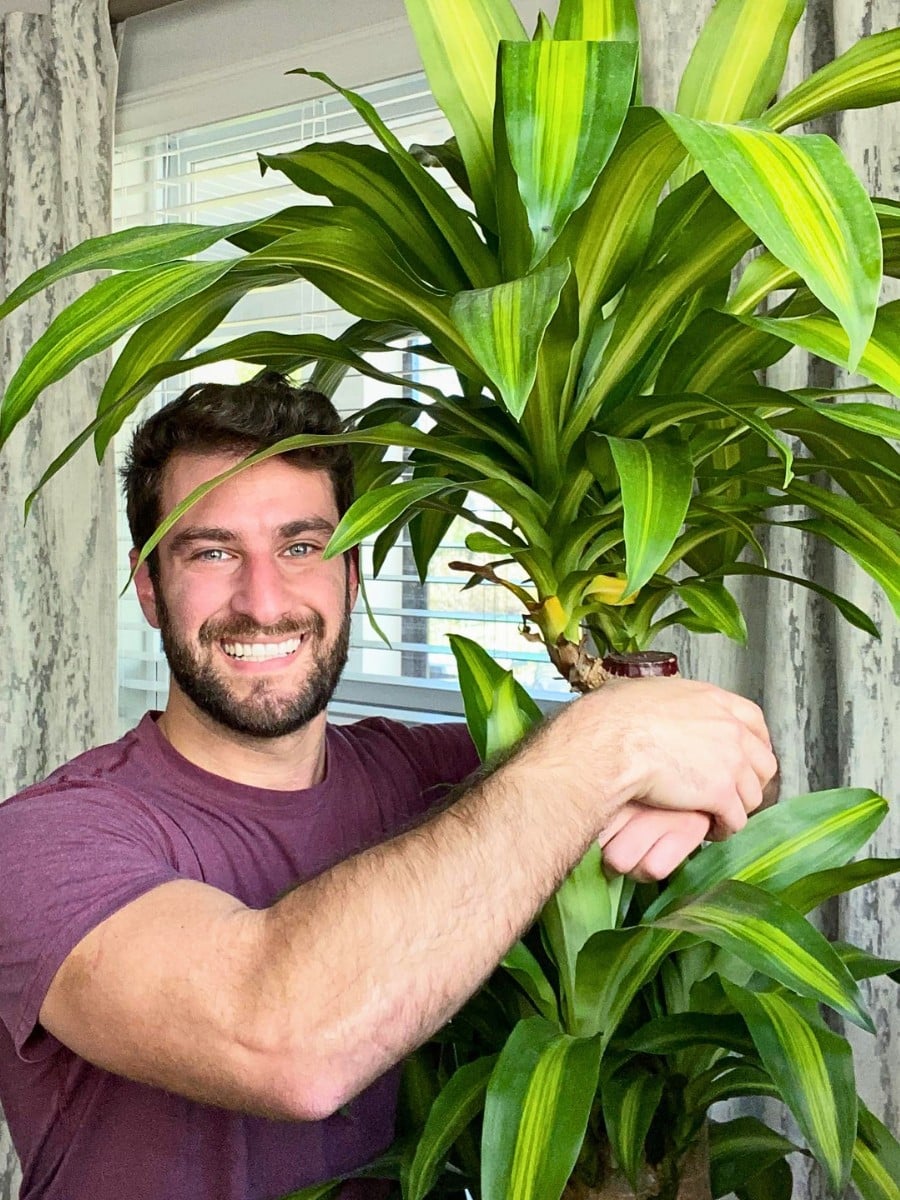
5. Corn Plant (Dracaena Fragrans)

Another of the best shade plants to consider is the corn plant. The corn plant is a member of the Dracaena family, which tends to do very well in the absence of direct sunlight. The leaves will scorch if too bright. In complete shade, the new leaves will be quite small, and the stripe(s) may look quite different from those found on the older ones. But they survive!

The Dracaena Fragrans has a crown of leaves, looking very much like corn leaves, hence its name. The leaves mature into long, wide leaves that are gracefully variegated. It's a hardy houseplant that, when placed in a room with a bit of light, does very well. A perfect houseplant for the shade or a corner of your house where just a bit of indirect light comes in.
 

Best Low Light Houseplants for Shade and Dark Rooms
Dracaena fragrans. Photo by @fit.plantguy


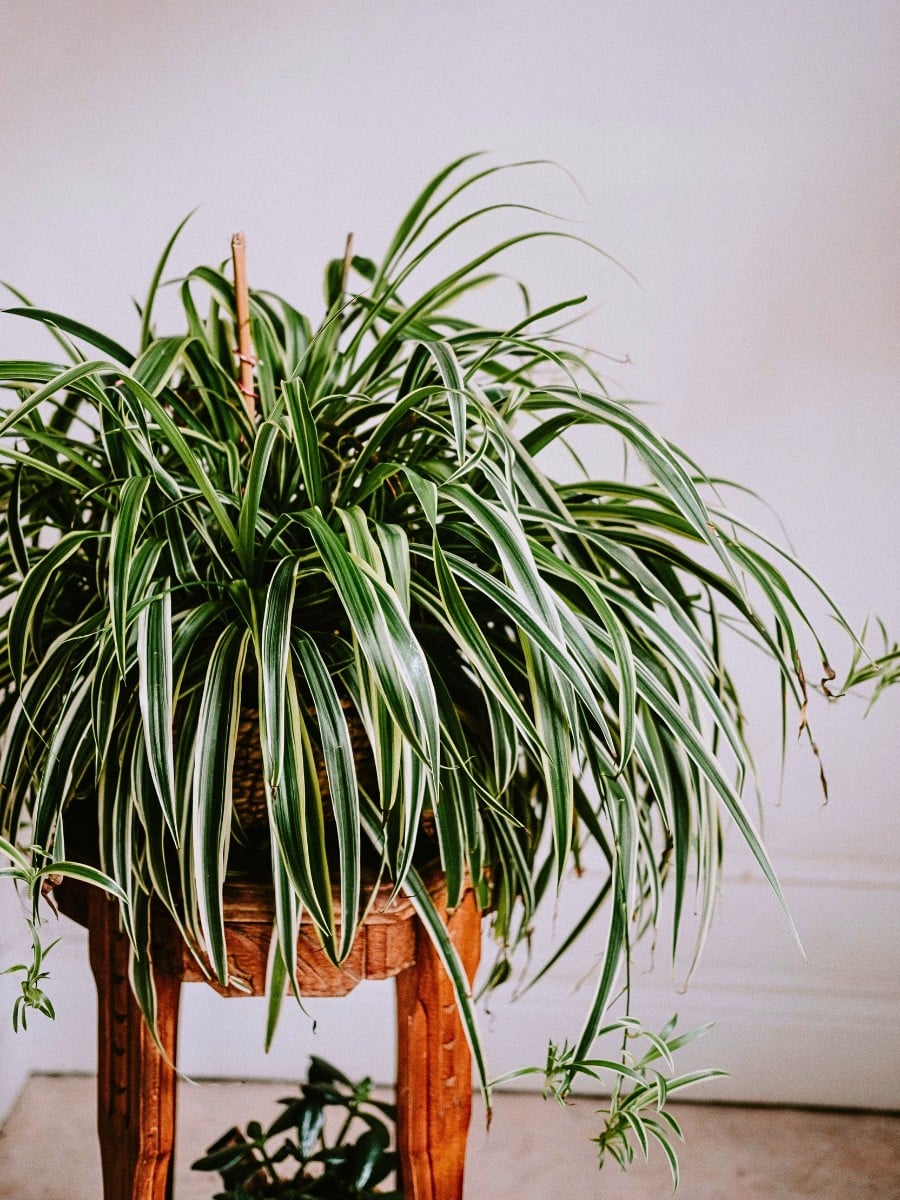
6. Spider Plant (Chlorophytum Comosum)

This one is a plant that is almost impossible to kill. As with many other plants that do well in the shade, the spider plant tends to stop growing and flowering in the absence of light. It is one of the most common hard-to-kill houseplants in the world.

The fun fact is that the Chlorophytum Comosum also purifies the air (at least according to NASA studies). Place the spider plant in your bedroom or living room, depending on what shady corner you want to spruce up.
 

The Best Houseplants for in the Shade or a Dark Room
Photo by Mathias Reding


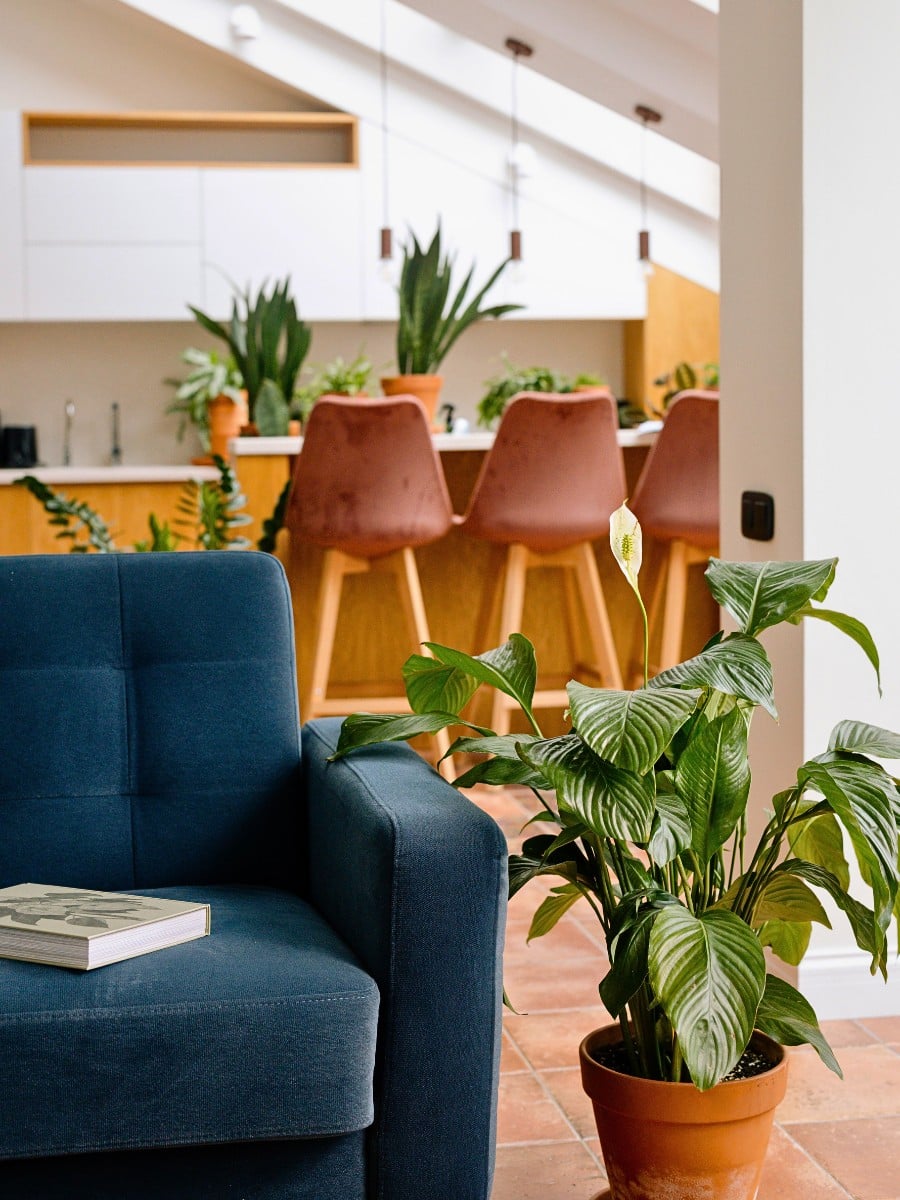
7.  Peace Lily (Spathiphyllum)

Peace lilies are one of the most popular varieties of houseplants. They're easy to maintain, and they can make a lovely flower as well. A great addition to places in the shade or dark in your home and office. You'll have beautiful houseplants for years to come because Spathiphyllum is very easy to take care of. Displays have many other benefits as well, such as cleaning the air by removing toxins and bringing luck, as it is one of the plants that give you good luck and fortune.
 

The Best Houseplants for in the Shade or a Dark Room
Spathiphyllum. Photo by cottonbro studio


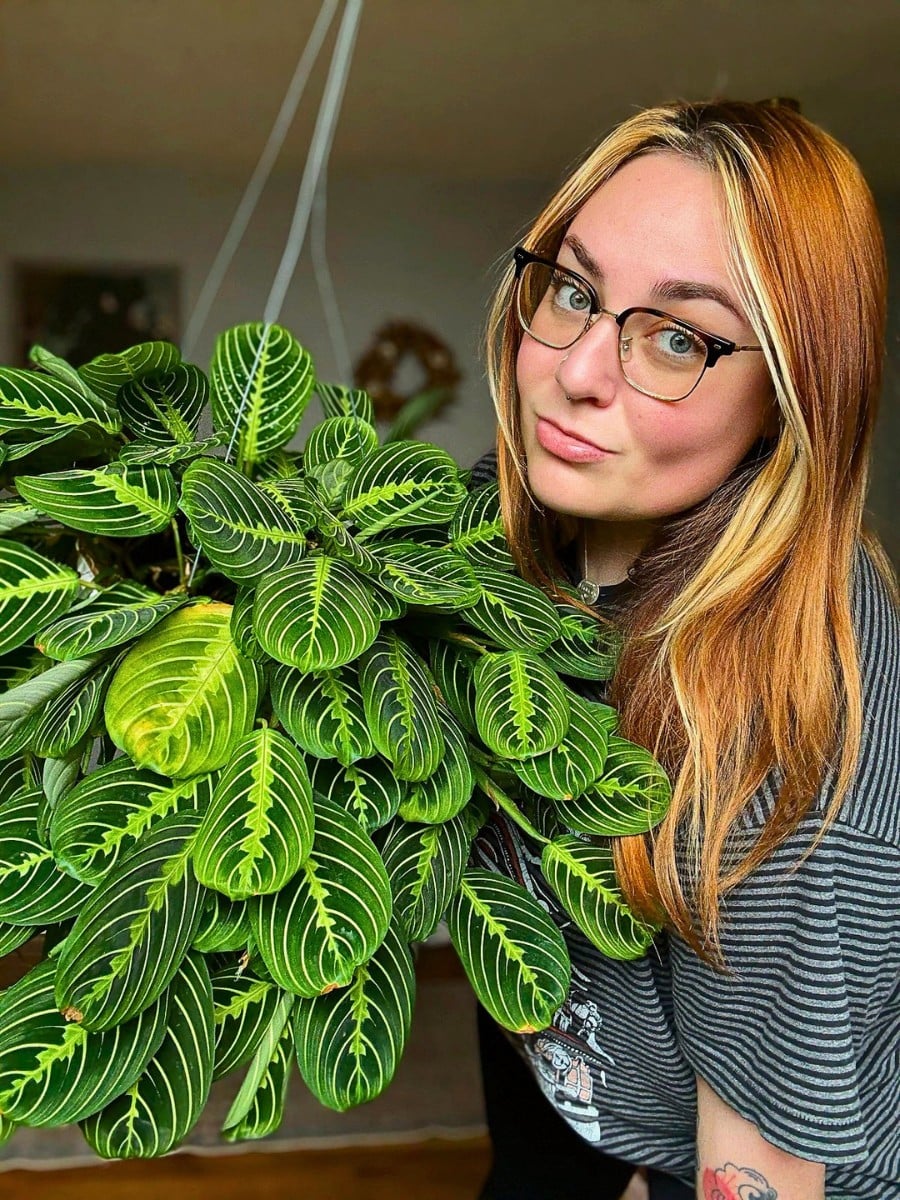
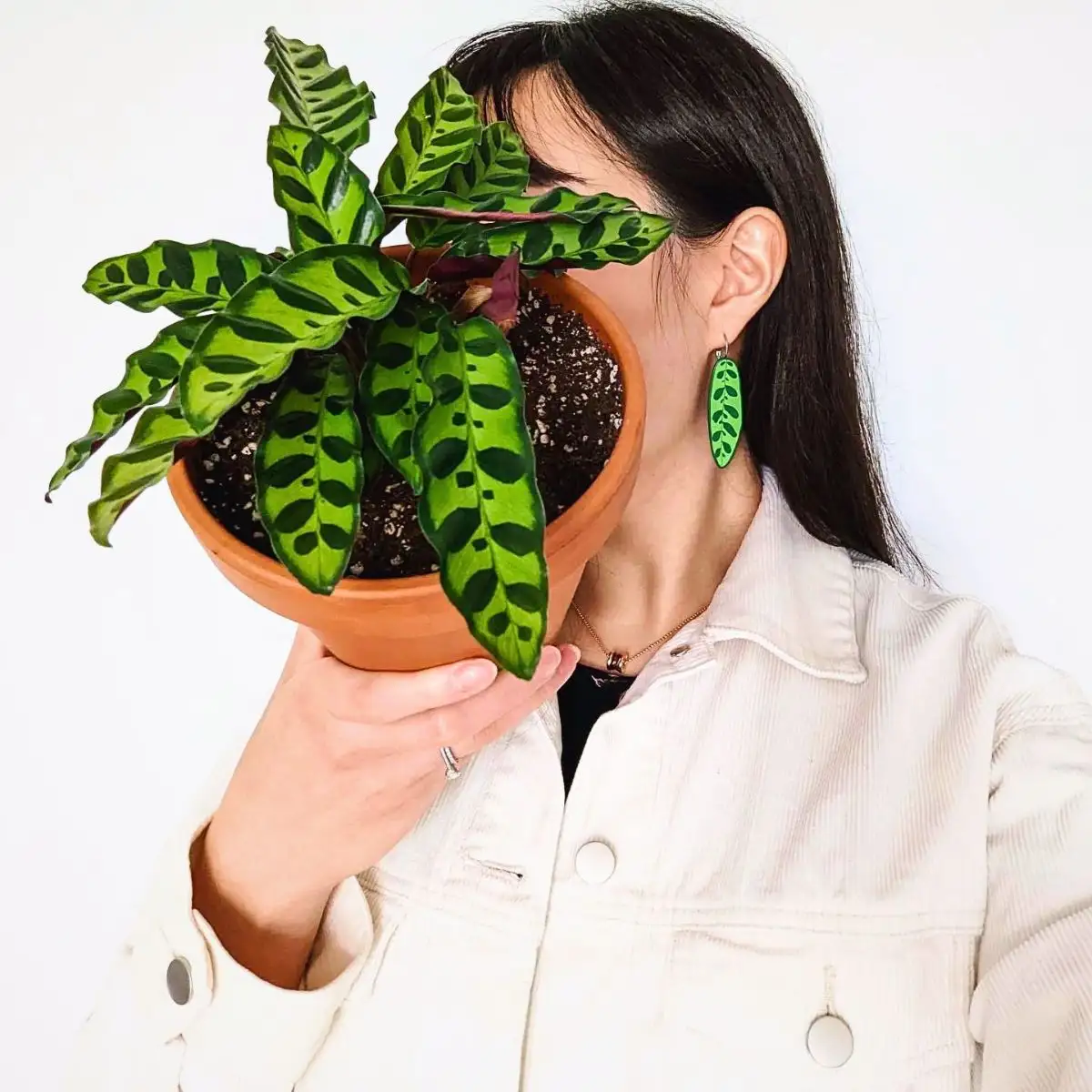
8. Prayer Plant (Maranta Leucoreura)

Another plant that does well in the shade or darker space in your home or office is the Maranta Leucoreura, aka the Prayer Plant. It t gets its name from its leaves’ habit of folding at dawn as if the plant were praying. Prayer plants do enjoy low light and shade to dark conditions, but if kept in full darkness, they might not survive.

The Maranta leucoreura doesn't grow tall. They do well on small office desks, shelves, and coffee tables. They are also known as the Ten Commandments plant (because of the ten stripes on each leaf).
 

Best Low Light Houseplants for Shade and Dark Rooms
Prayer plant. Photo by @theherbalmermaid


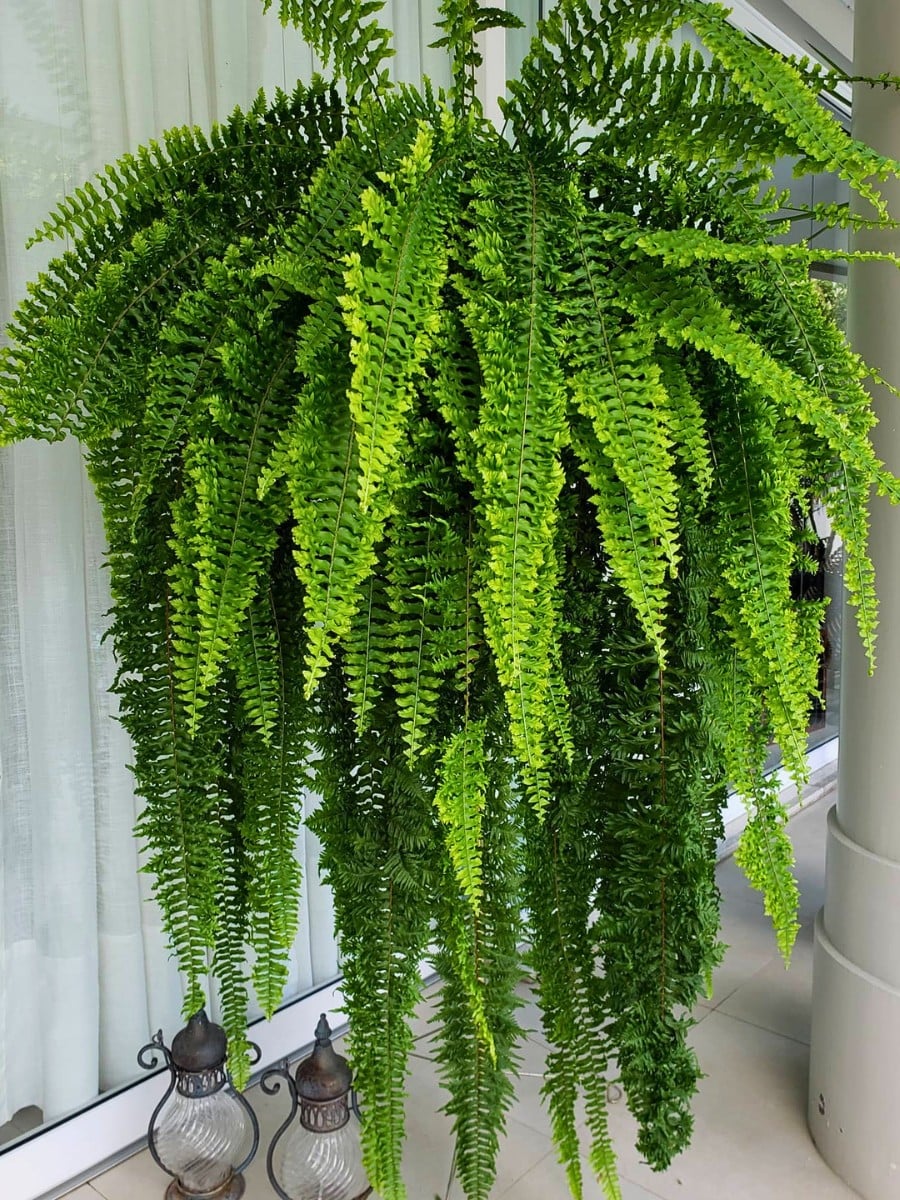
9. Boston or Sword Fern (Nephrolepis Exaltata)

The Boston, also known as the sword fern, is a popular fern species that grows in many tropical areas around the world. It is commonly kept as a houseplant for dark spaces, especially because it doesn’t have high sunlight needs. The foliage of this fern remains evergreen.

High humidity is critical for Boston ferns. They thrive in humidity levels of 50 to 60%, so a dark bathroom is a perfect spot for this fern. This plant does need a bit of indirect light, though. It is not suitable for completely dark spaces; just put it away from direct sunlight and keep conditions stable to enjoy these plants to the max.
 

Best Low Light Houseplants for Shade and Dark Rooms
Boston fern. Photo by @umjardimparacuidar


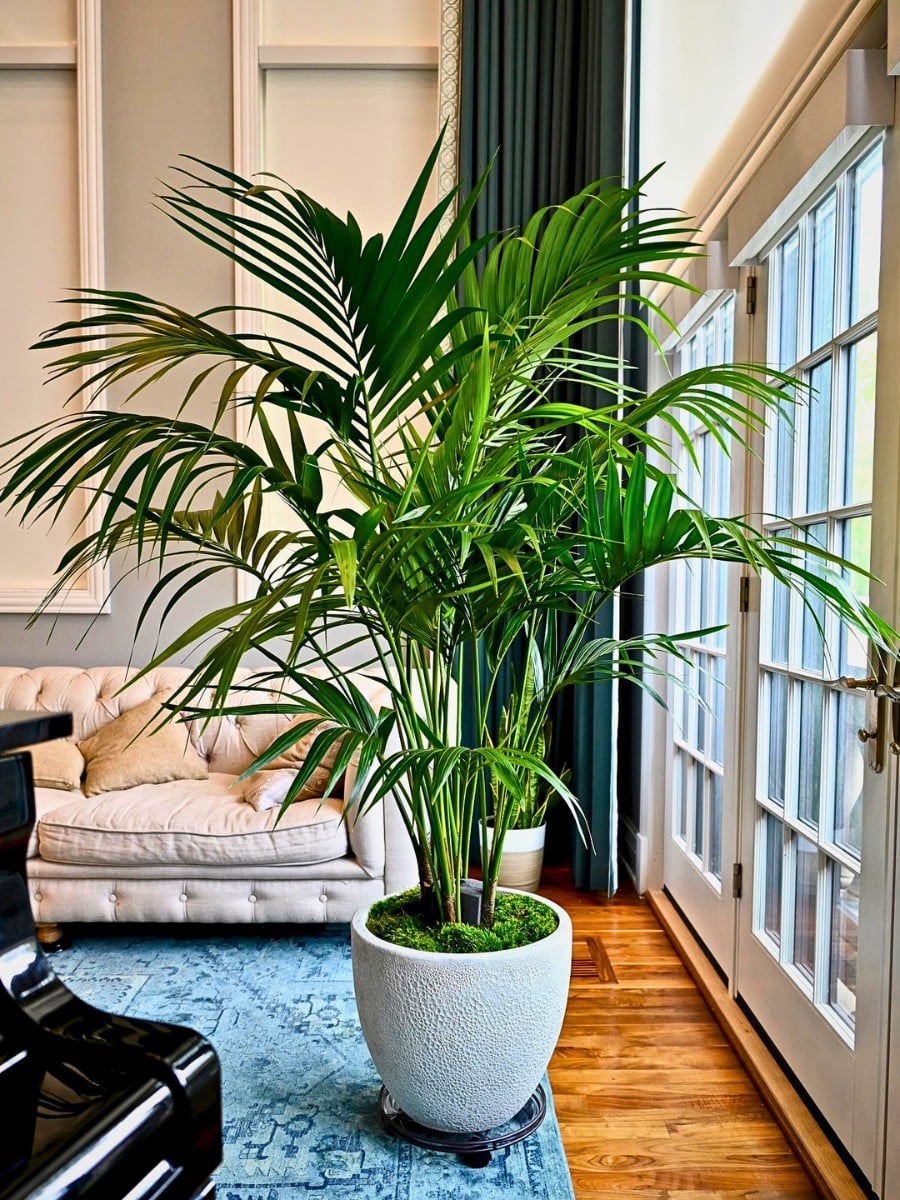
10. Paradise Palm (Howea Fosteriana)

This is the most commonly cultivated of the two Howea species from New Zealand (where it is usually known as Kentia Palm). Paradise Palms are one of the world's most popular palm trees. 'Kentia Palms' are slow-growing but easy to care for. They enjoy shady conditions; this plant is perfect for most places in your home. Kentia Palms love regular watering during summer and prefer to be dry in the winter. They are excellent air purifiers.
 

The Best Houseplants for in the Shade or a Dark Room
Kentia palm. Photo by @4plantz


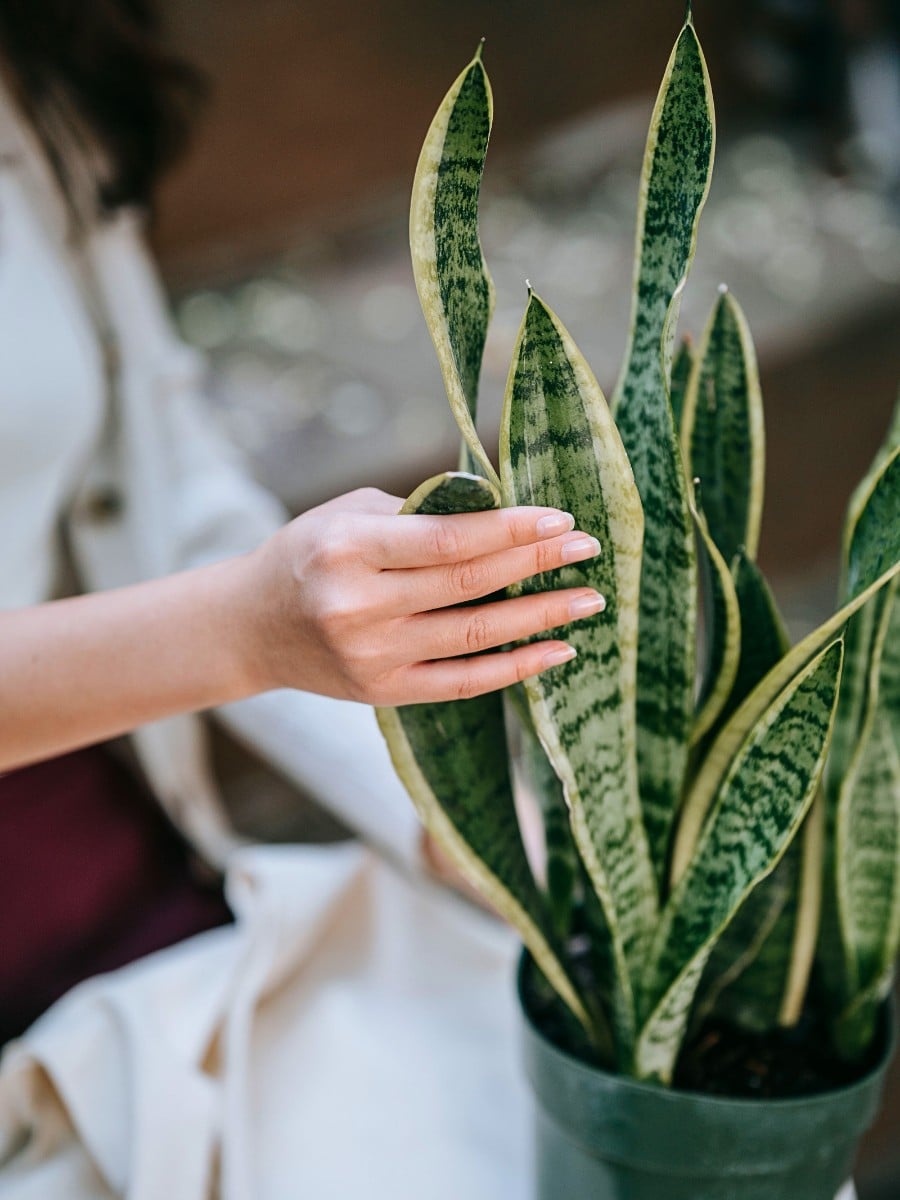
11. Snake Plant or Mother's Tongue (Sansevieria Laurentii)

Last on our list of best shade plants is the snake plant, a regular guest of many lists and websites, as this plant is not only impossible to kill, but also has many advantages, such as removing toxins from the air and bringing good luck and fortune to your home and office when placed there. The Sansevieria is one of those plants that simply always lives. No matter how you neglect this plant, it stays alive.
 

The Best Houseplants for in the Shade or a Dark Room
Snake plant. Photo by Sasha Kim


Featured image by @theherbalmermaid. Header image by Wu Zhongyi.
FAQ

What does low light actually mean for houseplants and how dark is too dark?

Low light is a frequently misunderstood term in the plant world. Any part of a room that isn't brightly lit, but is bright enough to read a book in without an additional light source, is generally considered medium-to-low light. A helpful practical rule of thumb: if you can read a book comfortably in a spot without turning on lights, there's enough ambient light for most low-light houseplants.

However, truly windowless rooms are a different matter. All plants need some light to survive, so windowless rooms are not good options for plant care without intervention. But your room doesn't need to get direct sunlight for plants to thrive. If your space has zero natural light, an LED grow light works well as a gentle backup. Position it 20 to 30 centimeters above the canopy and run it six to eight hours daily. 

Which plant from the article is the single best choice for a truly dark space or a room with only artificial lighting?

The ZZ Plant (Zamioculcas Zamiifolia) stands out as the toughest contender. ZZ Plants will be completely fine in extremely low levels of light, or even rooms with no light at all, as they will accept fluorescent lighting as a substitute for natural daylight. What makes it so resilient is its biology: the ZZ plant stores water in underground rhizomes, allowing it to survive months without attention.

It also works in its favor in dim rooms — the glossy leaves of the plant reflect light into a room and help to brighten the environment around it. The Snake Plant is a close runner-up: it removes toxins like formaldehyde and benzene from the air and releases oxygen at night, making it perfect for bedrooms. 

Why is overwatering such a big risk for shade plants, and how can I avoid it?

This is one of the most important things to understand about caring for plants in low-light spaces. Plants kept in dark corners will use far less water than the same plant kept in higher light, and the soil stays wetter for longer, encouraging root rot. Dark rooms also tend to be colder, and a cold room will again ensure that the soil stays damper for longer.

The solution is simple but requires discipline: houseplants in darker corners don't need nearly as much water as their well-lit counterparts. Don't water all your plants at the same time without checking whether they actually need it. Stick a finger in the soil first. If it still feels damp, wait a few more days, or you run the risk of causing root rot. As a general rule, most low-light plants prefer their soil to dry out slightly between waterings. Overwatering is a bigger risk than underwatering. 

Do shade-tolerant houseplants actually improve indoor air quality?

Yes, several of the plants featured in the article are well-known air purifiers. The spider plant (Chlorophytum comosum) purifies the air according to NASA studies, and the peace lily cleans the air by removing toxins. The snake plant is particularly impressive: it removes toxins like formaldehyde and benzene from the air and releases oxygen at night.

The Kentia palm is equally effective. Kentia palms are excellent air purifiers. That said, it's worth noting that some plants, such as the areca palm, actually release volatile organic compounds (VOCs) into the air in addition to removing others, so it's always worth researching a specific variety before purchasing with air quality in mind. 

Which of these shade plants are safe to keep around cats, dogs, or young children — and which ones should be avoided?

Pet and child safety is a critical consideration that's easy to overlook. Several popular shade plants from the article carry toxicity risks. The peace lily (Spathiphyllum) is toxic to humans and animals, despite being an excellent houseplant for its love of shade and air-purifying qualities. Snake plant can cause nausea, vomiting, and a numbing effect that can cause the tongue and throat to swell, and is more toxic to dogs and cats, which can suffer from nausea, vomiting, and diarrhea.

Golden Pothos can cause severe reactions in animals, including renal failure and death in larger quantities. On the safer side, the spider plant and prayer plant (Maranta leuconeura) are noted as non-toxic, and the Boston fern is also pet-safe, with almost all true ferns being safe for dogs and cats. Always verify with the ASPCA's toxic plant list before bringing a new plant home. 

Will shade-tolerant plants grow more slowly in dark rooms, and does that matter?

Yes, reduced light inevitably slows growth — but for most indoor plant owners, this is actually a feature rather than a bug. Plants grow more slowly in darker spaces because they use light to drive photosynthesis. Even shade-tolerant plants, which have adapted to live in darker conditions, will grow faster in brighter light. This is good news for homes that are short on space, as you won't need to worry about your plant outgrowing your room.

The Golden Pothos is a good example of how to manage this practically: when put in a dark spot, it slows growth, so when deciding on how to have this plant in a dark spot or room, make sure to already get a fully grown plant. To make the most of what little light is available, dust leaves monthly, so more light reaches the chlorophyll, and group plants together to raise humidity naturally around the foliage. Turn pots a quarter turn each week so growth stays even.

Which plant from the article is best suited for a dark, humid space like a bathroom — and are there any special care tips?

The Boston fern (Nephrolepis exaltata) is the standout choice here. High humidity is critical for Boston ferns — they thrive in humidity levels of 50 to 60%, making a dark bathroom a perfect spot. The peace lily is another excellent bathroom option: due to its natural habitat in the tropical forests of South America, the peace lily grows especially well in high levels of humidity and mild temperatures of 20–25°C.

If the humidity in the living room is not high enough, you can help by spraying the plant regularly with lukewarm water that's low in lime. One important caveat: the Boston fern is not suitable for completely dark spaces — it does need a bit of indirect light, so it should be put away from direct sunlight and kept in stable conditions to enjoy it to the max. For bathrooms with zero natural light, the ZZ plant or snake plant is a more forgiving choice.

YOU MAY ALSO LIKE

four phones with a thursd page open

Can't get enough?

Subscribe to the newsletter, and get bedazzled with awesome flower & plant updates

Sign up