Look up. That empty corner near the ceiling is the easiest square meter of jungle you will ever plant. Indoor hanging plants trail where nothing else fits, keep leaves away from curious pets, and most of the ones below forgive a missed watering or a gray week. Bringing the outdoors in may sound like a project; it's mostly a hook, a pot, and the right plant for your light.
Hanging plants indoors is always a fun and great idea to add more green to homes. This can be achieved by carefully selecting and arranging the right hanging plants to create a verdant, layered ecosystem that simulates the natural beauty of a jungle, right in the comfort of the home. If your interior design skills are not the strongest, there's no need to worry; that's why these plants exist. They are exclusively designed to add a different perspective to every space where they are placed.
Indoor Hanging Plants at a Glance
Short on time? Here are all twelve hanging house plants in one table: the light each one wants and what the ASPCA says about cats and dogs. Where a plant has no ASPCA entry, the guide says so rather than guess.
| Plant | Light | Pets |
|---|---|---|
| English ivy Hedera helix |
Medium to bright, indirect | Toxic to cats and dogs |
| Air plant Tillandsia |
Bright, indirect | No ASPCA entry |
| Bird's nest fern Asplenium nidus |
Medium, never direct sun | No ASPCA entry |
| Peperomia Peperomia |
Medium, indirect | Non-toxic (listed species) |
| Spider plant Chlorophytum comosum |
Low to bright, indirect | Non-toxic |
| Silver philodendron Scindapsus pictus |
Medium, indirect | Toxic to cats and dogs |
| Lipstick plant Aeschynanthus |
Bright, indirect | Non-toxic |
| Marble pothos Epipremnum aureum |
Low to medium, indirect | Toxic to cats and dogs |
| String of hearts Ceropegia woodii |
Bright, indirect | No ASPCA entry |
| String of pearls Curio rowleyanus |
Bright, indirect | Mildly toxic (NC State Extension) |
| Burro's tail Sedum morganianum |
Bright, some direct sun | Non-toxic |
| Hanging fuchsia Fuchsia |
Bright, no hot midday sun | Non-toxic |
12 Best Indoor Hanging Plants (and the Light Each One Wants)
Here's the simple answer: plants are life, and having life around you and your indoor spaces will just make everything better, scientifically proven. Depending on where you're bound to hang your plant, having an indoor plant hanger will always be a great idea as well.
- English Ivy (Hedera helix)
- Air Plant (Tillandsia)
- Bird's Nest Fern (Asplenium nidus)
- Peperomia
- Grass Lily (Chlorophytum)
- Silver Philodendron (Scindapsus pictus)
- Lipstick Plant (Aeschynanthus)
- Marble Pothos (Epipremnum aureum)
- String of Hearts (Ceropegia woodii)
- String of Pearls (Senecio rowleyanus)
- Burro's Tail (Sedum morganianum)
- Hanging Fuchsia

When hanging plants indoors, you'll also want to pick a strategic place that will allow your plants to thrive in the light that spot receives — whether it's bright, medium, or low light. Remember to choose your plant according to the spaces you have at home.
Here's, therefore, a compilation of indoor hanging plants that will turn your home into a beautiful jungle.
1. English Ivy (Hedera Helix)
To start the indoor hanging plant repertoire, you have the English Ivy, an often overlooked but highly effective option for creating an indoor jungle. As a versatile and low-maintenance hanging plant, Hedera helix is perfect for adding a touch of greenery to your indoor space. It is a popular choice for hanging baskets due to its trailing habit. The plant's stems can grow quite long, making it ideal for cascading down from a hanging planter or trellis.
What's more, the delicate, lobed leaves are a glossy green, adding a pop of color to any room. As the plant grows, it can be trained to climb up walls or trellises, creating a stunning display of foliage. In addition to its aesthetic appeal, English Ivy is also acclaimed by many, including Air So Pure, a natural air purifier. The plant is known to remove toxins and pollutants from the air, making it a great choice for indoor spaces.

2. Air Plant (Tillandsia)
A plant that should not be missing from this selection is the air plant, botanically known as Tillandsia. These beauties love bright, indirect light, so make sure to place them in a spot that allows them to receive a daily soft dose of sunshine to make them happy.

Photo by @kebint
The Tillandsia is one of the easiest indoor hanging plants to turn your home into a jungle because, besides being able to grow on any surface, air plants do not require a potting mix to grow. To make sure they're always happy, make sure to spritz them with water once a week to ensure the proper level of moisture.
3. Bird's Nest Fern (Asplenium Nidus)
Asplenium nidus is a species of fern that is commonly known for its unique, nest-like appearance. Also called bird's nest fern, this houseplant is a popular choice for indoor spaces due to its attractive foliage and relatively low-maintenance care.

This is a superb hanging plant to have indoors because the bird's nest fern will either grow upward toward the sun or in long, trailing leaves. To obtain the best results, floral professionals recommend hanging a bird's nest fern in a place with indirect light that doesn't get direct sun. A little humidity pairs amazingly with this plant!
4. Peperomia, One of the Best Indoor Hanging Plants
Commonly known as 'radiator plants', the hundreds of variants that make up the peperomia family are plant lovers' favorites at the moment of turning homes into jungles. Their alluring and enticing shape and easy-to-grow nature make it one of the best indoor hanging plants to have at home.

Photo by @amandaandtheplants
With the presence of perfectly round leaves, water can be kept in for a long time, meaning you won't have to water it regularly, giving you a break from the plant's parent life. The best part is your pets will also be happy, as it's a pet-safe plant that requires medium indirect light with streaks of sun. The trailing string of turtles in the photo has its own care guide, and the rest of the family is in the peperomia guide.
5. Grass Lily (Chlorophytum)
Chlorophytum is also called the spider plant or grass lily because of its ribbon-shaped leaves and long shoots with small white flowers that form every year. After flowering, the small baby plant grows on the long offshoots. These pups dangle down like green-and-white streamers, making the plant look instantly fuller and livelier when suspended. In a hanging pot, they get all the room they need to stretch out. This makes the grass lily a graceful hanging plant. Growers who do hanging plants for a living love it too. Dutch grower Hillplant in Sleeuwijk has specialized in them since 1984. Chlorophytum, Aeschynanthus, and ferns are all in its range, and brothers Chris and John take many of their cuttings from their own selection. For the full routine, see the spider plant care guide.
Big plus: Even when mature, Chlorophytum doesn’t grow heavy and bulky like some trailing plants do. You can hang it just about anywhere without worrying about the ceiling hook giving up. And don't worry too much about a lack of sunlight; this plant does not need a lot of it.
While it’s hanging out and looking good, it’s also quietly scrubbing the air. NASA even gave it a thumbs-up in their Clean Air Study. No need for high-maintenance green divas when Chlorophytum’s on the job. No wonder it's an Air So Pure plant.

6. Silver Philodendron (Scindapsus Pictus)
Another of the best indoor hanging plants is the silver philodendron. This trailing plant definitely earns a spot in the indoor plants that will let you create an amazing jungle at home this year because it can grow to maturity with a hybrid of both colors or with a predominantly silver color, and gracefully trails down when placed in a hanging planter.

This popular and attractive houseplant is known for its beautiful, heart-shaped leaves with a striking silver-gray color. This stunning and unique plant often creates an elegant and sculptural look. It is a showstopper and a perfect statement piece for any indoor hanging garden.
7. Lipstick Plant (Aeschynanthus)
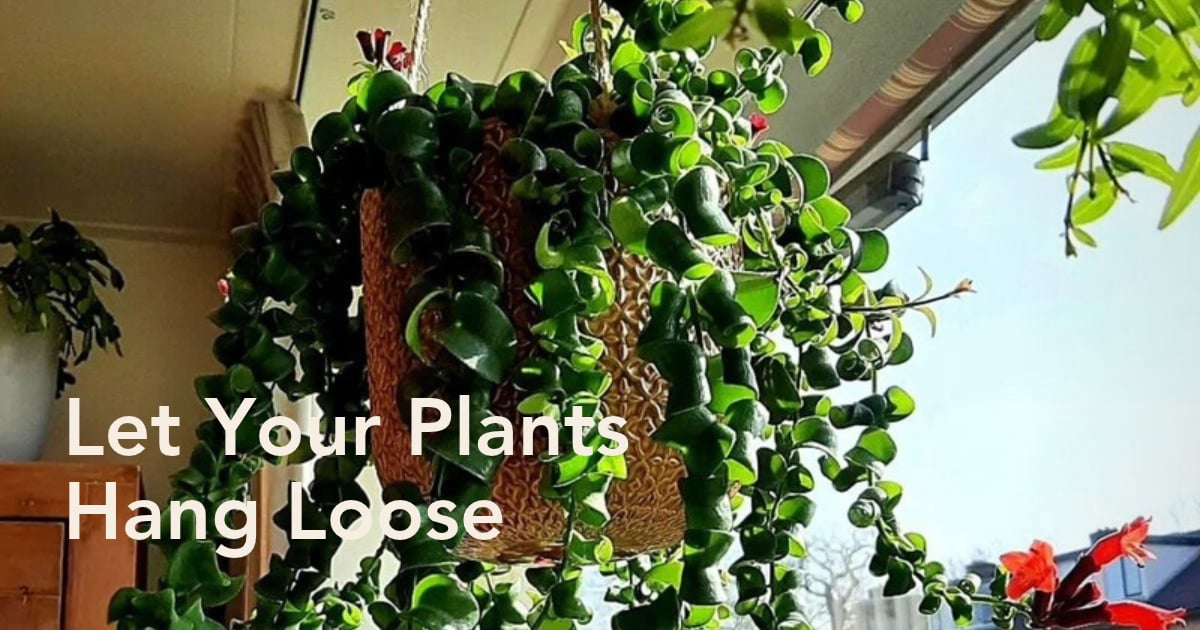
This is an excellent choice as an indoor hanging plant to help create a lush, jungle-like atmosphere in your home. Lipstick Plant is known for its stunning, bright red, tubular flowers that resemble lipstick, hence the common name. The plant also features trailing vines with glossy, dark green leaves that add a lush, tropical feel.

Photo by @udyana_yaksi
The lipstick plant is well-suited for hanging baskets and planters. The vining, cascading growth habit allows the plant to trail beautifully, creating a striking visual effect when displayed in a raised position. Its cascading growth habit also allows it to spill over the sides of hanging baskets, creating a sense of depth and layering in your jungle-inspired space.
When combined with other trailing and vining plants, such as Pothos, Philodendrons, and English Ivy, this houseplant can deepen the jungle-like ambiance in your home, with its unique flowers and foliage adding a touch of tropical elegance that complements the lush, natural feel you're aiming to achieve.

8. Marble Pothos (Epipremnum Aureum)
Known for their lush vines, the marble pothos are very simple to care for and are low-maintenance. No wonder it's an all-time plant favorite! This species needs relatively little attention to grow into long, trailing lengths in your home, often 6 feet or more. Water it only when the top of the soil has dried out.
It's also an optimal choice for beginners since it can be easily propagated by cutting its stems. Just give this beauty medium, indirect light, and you'll be impressed with how beautiful it can look in your home jungle. You can read all about pothos in the article 'Pothos Plants - Care & All There’s to Know About This Houseplant'.

Photo by Brittany Goldwyn
9. String of Hearts (Ceropegia Woodii)
If you want to invest more time as a plant parent, the string of hearts is a perfect option, as it does require a little more care than other indoor hanging plants. This plant gets its name from its unique, heart-shaped leaves that hang in long, cascading vines. The leaves are typically green with silvery-purple undersides. This quality gives it a lovely contrast. As the plant matures, the trailing vines can reach several feet in length, adding a whimsical, romantic look to your indoor jungle. The plant's trailing habit allows it to cascade beautifully from hanging baskets, creating a sense of depth and movement.

Photo by @amandaandtheplants
The string of hearts is considered a succulent with lush leaves comparable to a garland of hearts. Even so, it is a bit of a hybrid succulent because of its water and soil needs. Remember, the plant needs to be watered more often than most other types of succulents. But they don't like to sit in the water.
10. String of Pearls (Senecio Rowleyanus)
This unique and visually striking plant is a fantastic addition to any indoor jungle setting. It gets its name from its distinctive, bead-like leaves that hang in long, cascading strands. The leaves are typically a soft, silvery-green color, adding a touch of whimsy and textural interest to your indoor space. As the plant matures, the trailing vines can reach several feet in length, creating a beautiful, spilling effect. Botanists have since moved it to Curio rowleyanus, and the string of pearls care page has the watering routine. Hang it out of reach, though: NC State Extension rates it mildly toxic to pets.

Photo by the Times & Sunday Times
The unique, bead-like leaves of the string of pearls add a striking, one-of-a-kind element to any indoor jungle setting. Its trailing habit allows it to cascade beautifully from hanging baskets, creating a sense of depth and movement. When combined with other lush, tropical plants, the String of Pearls can help build the jungle-like atmosphere in your home.
11. Burro's Tail (Sedum Morganianum)
Sedum morganianum, commonly known as burro's tail, is an excellent choice for creating a jungle-like atmosphere using indoor hanging plants. Its trailing stems, which can grow up to 120 cm (4 feet) long, are adorned with fleshy, blue-green leaves that cascade beautifully from a hanging container.

Photo by @the.suburban.servant
This plant is relatively low-maintenance and forgives neglect. Its succulent leaves make it drought-tolerant, though it should be protected from high humidity and placed where there is good airflow. It rarely has pest problems, though it may be infested by mealybugs. Root rot may also occur if it is overwatered.
12. Hanging Fuchsia
The hanging fuchsia can be a great addition to your indoor jungle as it thrives in a hanging container, with its trailing stems and lively, bell-shaped flowers, which always add a touch of color and whimsy to the space. They are known for their cascading stems and dainty, pendulous flowers that come in various bi-colored combinations, usually featuring shades of pink, purple, red, and white. The flowers are often accompanied by attractive, bright green, ovate leaves.

Photo by @jules.lover.of.color
These plants are suitable for adding some much-needed color and creating a more dynamic, layered appearance among other indoor plants. When combined with other indoor plants, such as the burro's tail, the hanging fuchsia can help create a cohesive and visually appealing indoor jungle, bringing a graceful appearance to the space. The fuchsia page covers the shade and hanging-basket care.
Hanging Plants: How to Hang Them So They Thrive
Picking the plant is the fun part. Keeping hanging plants happy up there comes down to a few habits, and none of them takes more than a minute.
Mind the Hook and the Weight
A freshly watered pot weighs a lot more than a dry one. Screw the hook into a beam or joist, or use a plug made for your ceiling, and don't trust plasterboard alone. A trailing plant that drops in the middle of the night is a mess you only make once.
Hang Close to the Light
A plant hung high in the middle of a room gets far less light than one on the windowsill below it. Hang it near the glass, match the plant to the window using the table above, and turn the pot every few weeks so the strands don't all grow toward the light. Wipe the leaves now and then, too: dust settles thickly up there and blocks the light the plant came for.
Heat Rises, So Check the Soil More Often
Warm air collects near the ceiling, so hanging pots dry out faster than plants on the floor, especially with the heating on in winter. Push a finger into the soil before you water. Easiest of all: take the pot down to the sink, water until it drains, let it drip, and hang it back up. Use a well-draining potting mix and a pot with drainage holes, because water standing at the bottom is what causes root rot. While the plant is down, check under the leaves for pests such as mealybugs.
Keep Toxic Plants Out of Reach
Hanging is the easiest way to keep English ivy and both pothos out of a cat's mouth, as long as the strands don't trail down to jumping height. Pick up fallen leaves, and if a pet has chewed something, contact your vet or your local poison control center.
Want flowering ideas and a bit of history? The piece on flowery plant ideas for indoor hanging gardens goes back as far as Babylon.
Start With One Easy Plant, Then Look Up Again
Getting your house to look like a real-life jungle can get very real if you opt to include these wonderful indoor hanging plants.

With these houseplants, you can soak up your spaces with beautiful green plants and their air-purifying properties, and experience the serenity that they bring.
Header image by @plan_t_lad_y. Feature image by @airsopureplants.