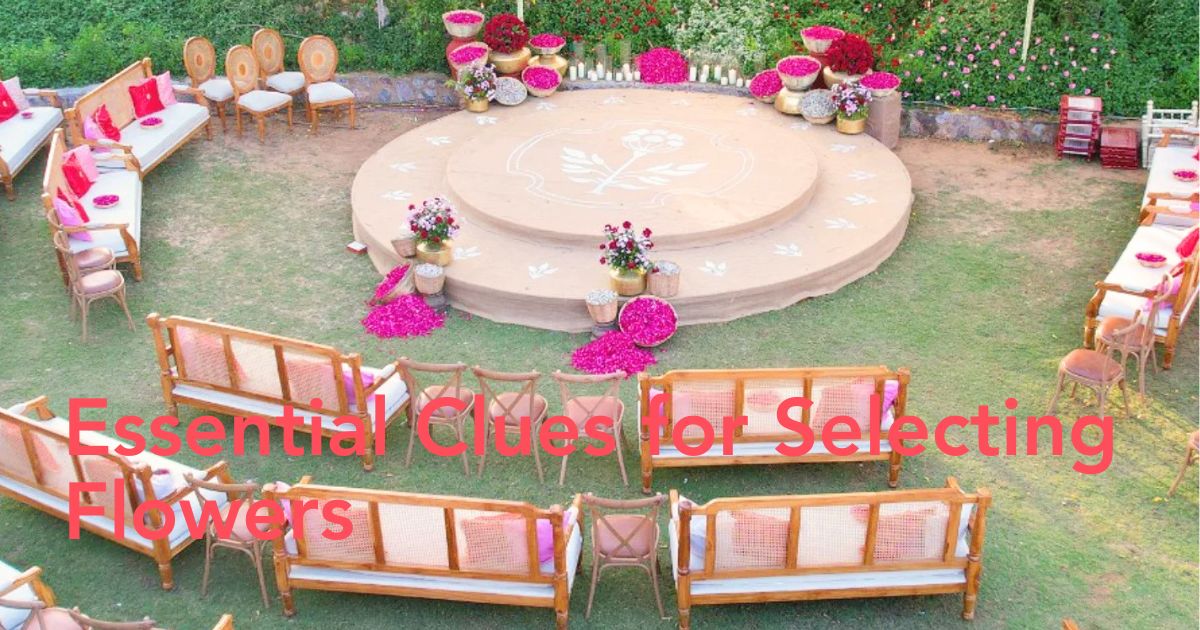
Popular wedding flowers include roses, peonies, ranunculus, hydrangeas, dahlias, calla lilies, orchids, tulips, anemones, and carnations. These flowers stay popular because they work with almost every wedding style, from classic and romantic to modern and editorial, while also offering different price points, colors, and seasonal strengths.
The tricky part is that popular does not always mean right for your wedding. A flower can look beautiful online and still be wrong for your season, your budget, your venue temperature, or your overall design. The best choice is usually the bloom that fits your date, your style, and the job it needs to do, whether that is building a bouquet, filling an arch, or making centerpieces feel full without stretching the budget too far. Here you can read more about 20 Gorgeous Winter Wedding Flowers
The Most Popular Wedding Flowers Right Now
The flowers couples ask for most often are still a mix of timeless classics and statement blooms. Roses remain the safest all-around favorite, peonies and ranunculus are still loved for their layered romantic look, and modern weddings continue to lean toward sculptural flowers like orchids, calla lilies, and dramatic texture-forward stems.
1. Rose
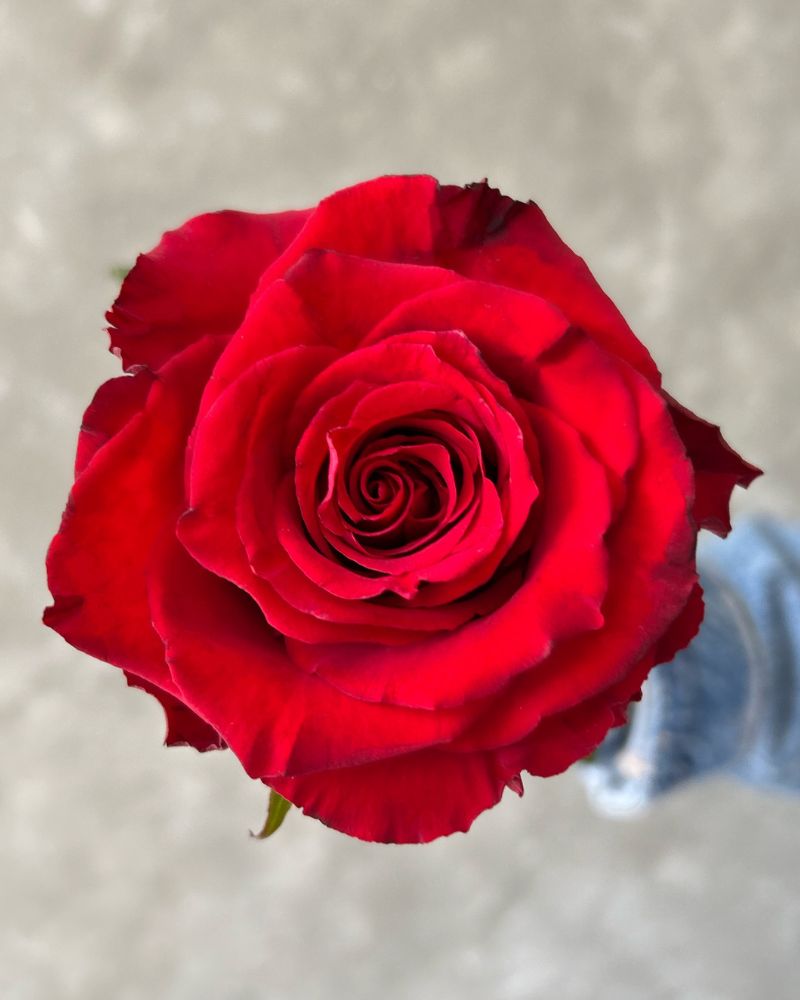
Roses are still the most popular wedding flower overall. They work in bouquets, arches, centerpieces, and installations, and they come in many colors, shapes, and sizes. Standard roses are usually more affordable, while garden roses give you a softer, fuller, more luxurious look.
2. Peony
Peonies are the flower many couples picture first when they imagine a romantic wedding bouquet. They are lush, fragrant, and unmistakably bridal, which is why they stay in demand year after year. The downside is price and seasonality, since peonies are usually at their best in spring and early summer and often cost more than many other wedding flowers.
3. Ranunculus
Ranunculus is popular because it gives you softness, texture, and movement. Its layered petals make arrangements feel detailed without looking heavy, and florists often use it to blend colors beautifully inside a bouquet. It is especially popular for spring weddings and cooler months.
4. Hydrangea
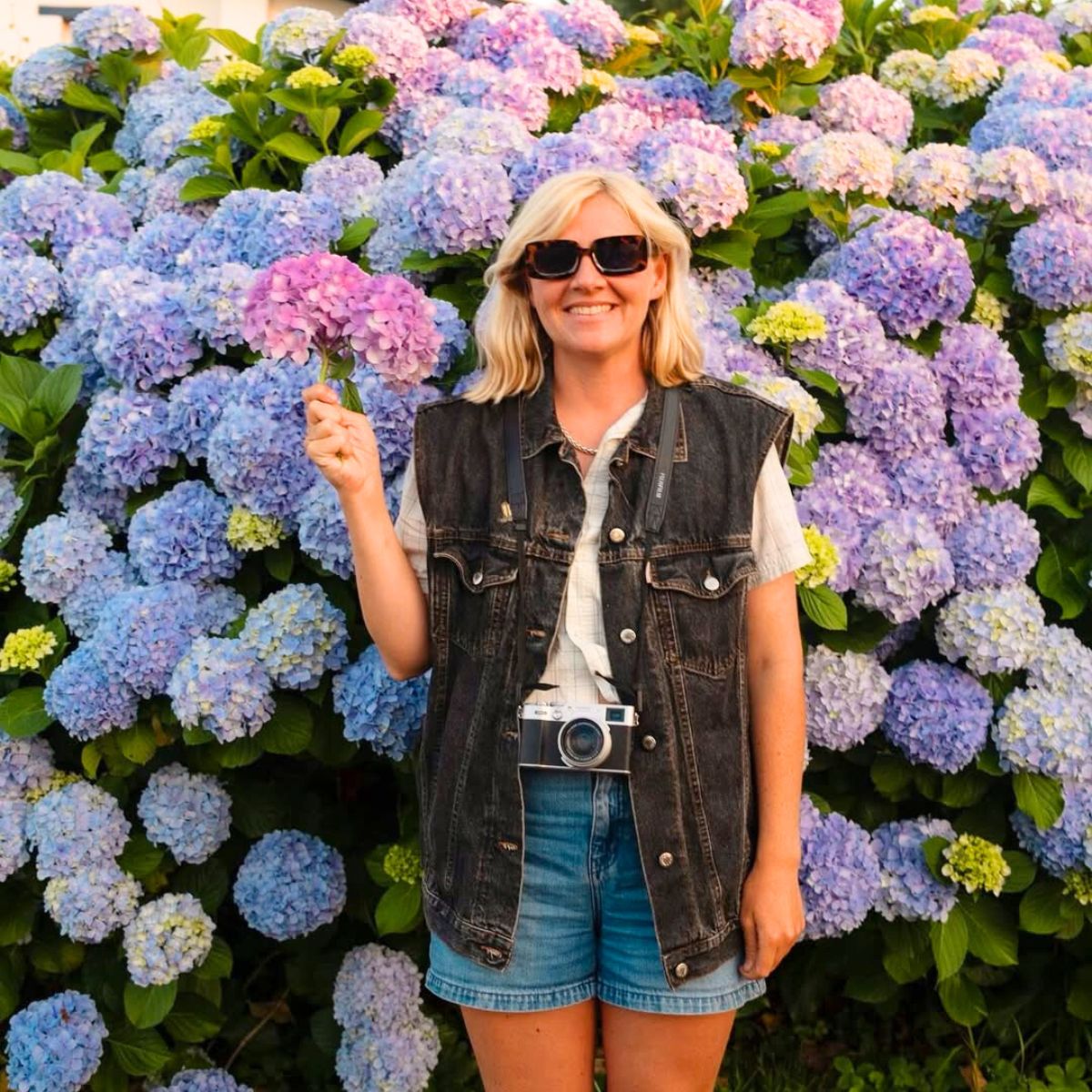
Hydrangeas are a favorite when couples want fullness fast. They help bouquets and centerpieces look abundant, and they are especially useful for larger floral moments such as arches and statement installations. If you want arrangements that feel lush without needing hundreds of individual stems, hydrangeas often do a lot of the work.
5. Dahlia
Dahlias are one of the best-loved flowers for late summer and fall weddings. They bring strong shape, rich color, and a lot of visual impact. They are a smart choice for couples who want a lush, statement look later in the year.
6. Calla Lily
Calla lilies stay popular because they look clean, modern, and elegant. Their long stems make them ideal for sleek bouquets, and they also work well in boutonnieres and minimalist floral designs. They are especially appealing for couples who want something polished and simple rather than soft and overflowing.
7. Orchid
Orchids are a modern favorite, especially for editorial, tropical, and fashion-forward weddings. They come in wide varieties and fit especially well with beach, island, or sculptural floral designs. If you want flowers that feel refined and a little unexpected, orchids are often a strong choice.
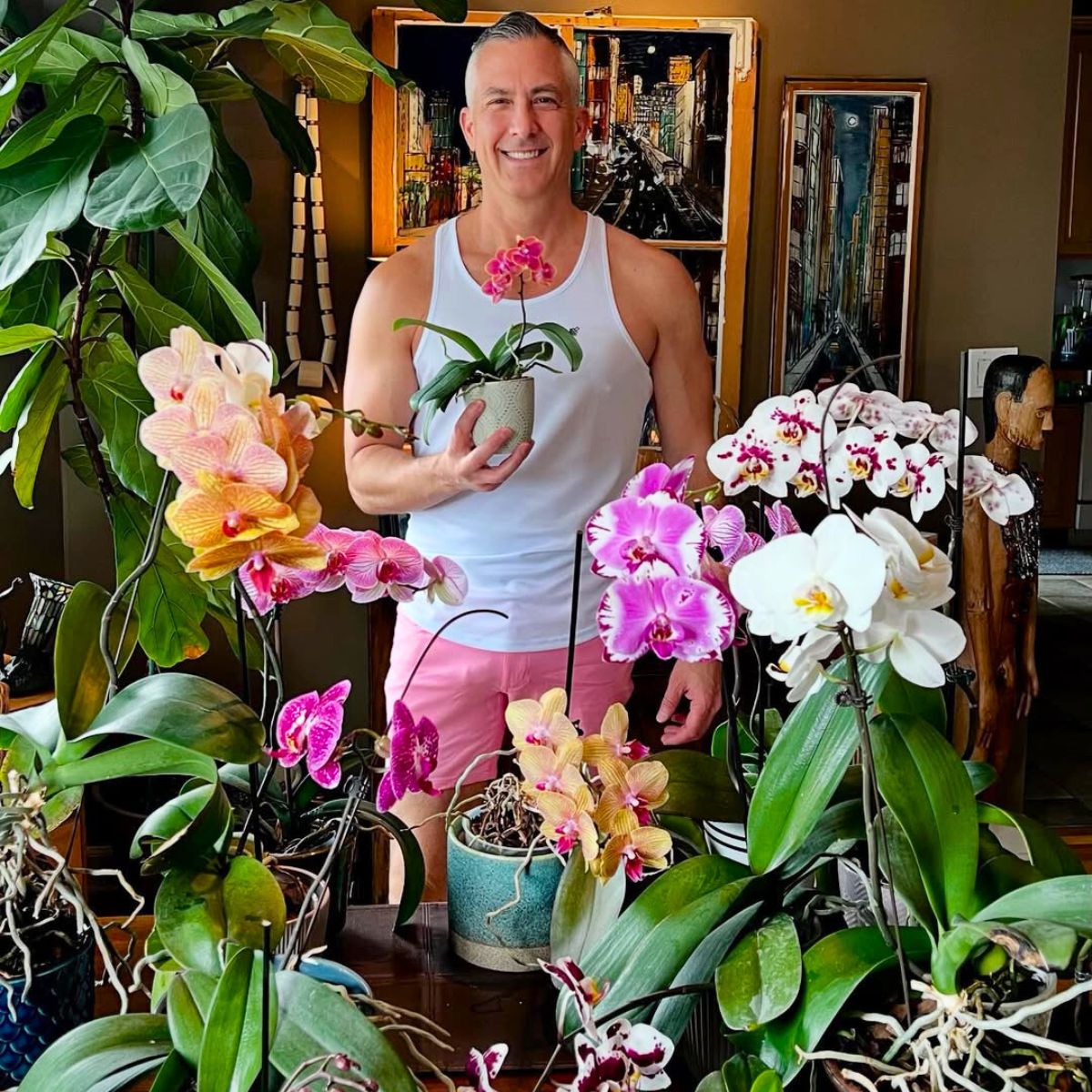
Photo: @brianrody27
8. Tulip
Tulips are a smart, popular pick for couples who want something simple, elegant, and often more budget-friendly. They come in more styles than many people realize, including fuller double tulips and softly shaped varieties that feel more romantic than basic. They are especially useful for winter and spring weddings.
9. Anemone
Anemones are popular with modern couples who want contrast and a little drama. Their graphic look, especially black-and-white varieties, makes them stand out in bouquets without needing a huge quantity. They are a statement flower rather than a background flower, which is exactly why so many contemporary wedding designs use them.
10. Carnation
Carnations have made a real comeback. They are more stylish than many people expect; today’s varieties come in better colors and forms, and they are one of the more cost-effective flowers for weddings. They are also hardy, which makes them useful when you want softness and volume without a luxury-flower price tag.
Which Wedding Flowers Fit Each Style Best?
The best wedding flowers depend as much on style as on popularity. A ballroom wedding, a coastal ceremony, and a modern city reception can all use popular flowers, but they will not use them the same way. Style matters because the same flower can feel timeless in one arrangement and completely modern in another.
For a classic romantic wedding, roses, peonies, and hydrangeas are hard to beat. They create fullness, softness, and a timeless bridal look.
For a modern minimalist wedding, calla lilies, orchids, and anemones usually feel stronger. They bring shape, clean lines, and a more editorial finish.
For a garden or organic wedding, ranunculus, tulips, and dahlias add movement and a softer, just-picked feel.
For a bold, trend-forward wedding, orchids, anemones, and richly colored dahlias can create a more artistic look with stronger contrast and more visual drama.
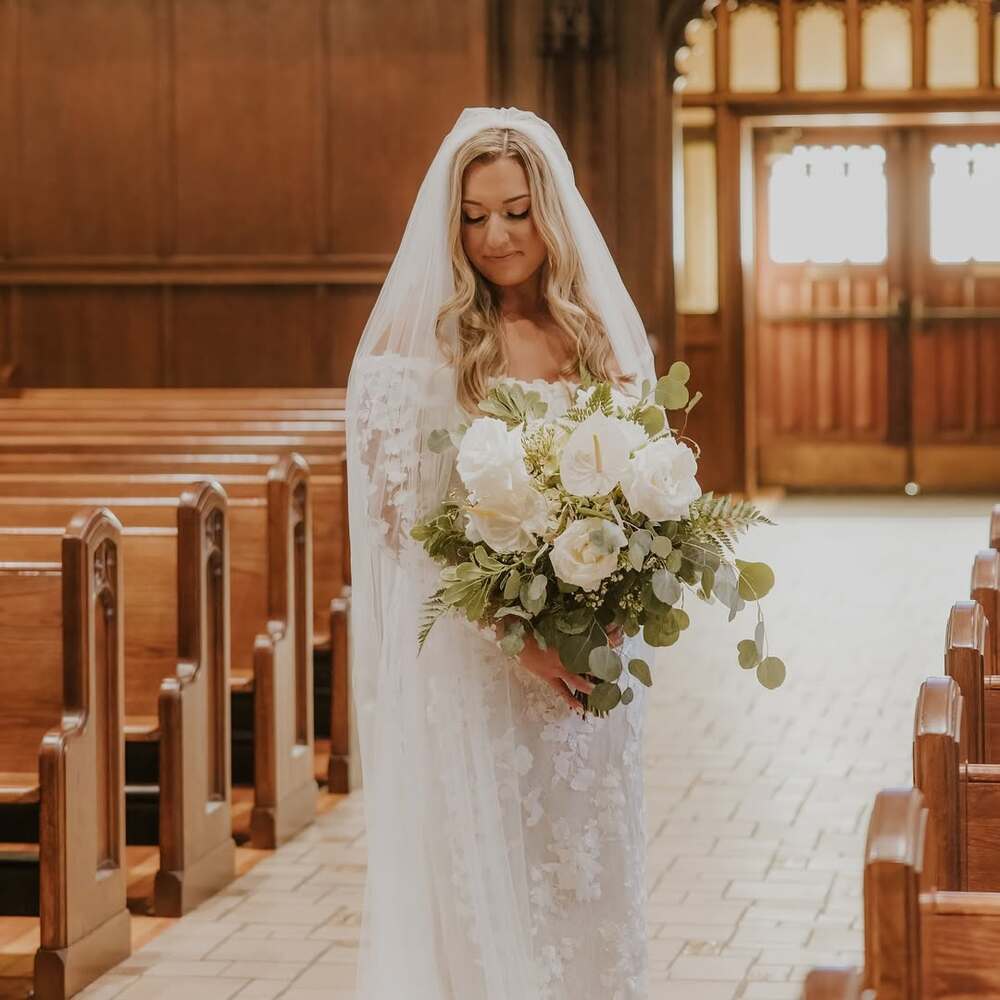
How to Choose Popular Flowers for Your Wedding
The easiest way to choose wedding flowers is to start with season, style, and budget, in that order. Popular flowers are easiest to love when they are actually available, fit your design, and do not force your florist to work against the calendar.
A practical way to narrow your options is this:
- Choose one hero flower for the main look.
Think peony, rose, dahlia, orchid, or calla lily. - Choose one volume flower to help arrangements feel full.
Hydrangea and carnations are useful here. - Choose one accent flower for texture or movement.
Ranunculus or anemones often do this beautifully.
That approach keeps the design beautiful without turning every bouquet and centerpiece into an expensive stem-by-stem wishlist.
Once you know which flowers fit your wedding best, the next practical step is making sure they stay fresh and protected from pickup to setup.
How to Transport and Store Wedding Flowers
Transport bouquets upright, secure centerpieces so they cannot slide, and keep loose stems wrapped, hydrated, and spaced so air can move around them to avoid bruising or crushed petals. For DIY weddings or flower market pickups, reusable tote bags can be handy for carrying smaller arrangements, tools, or loose stems as an eco-friendly alternative to plastic, but flowers should always stay cool, protected, and never packed too tightly.
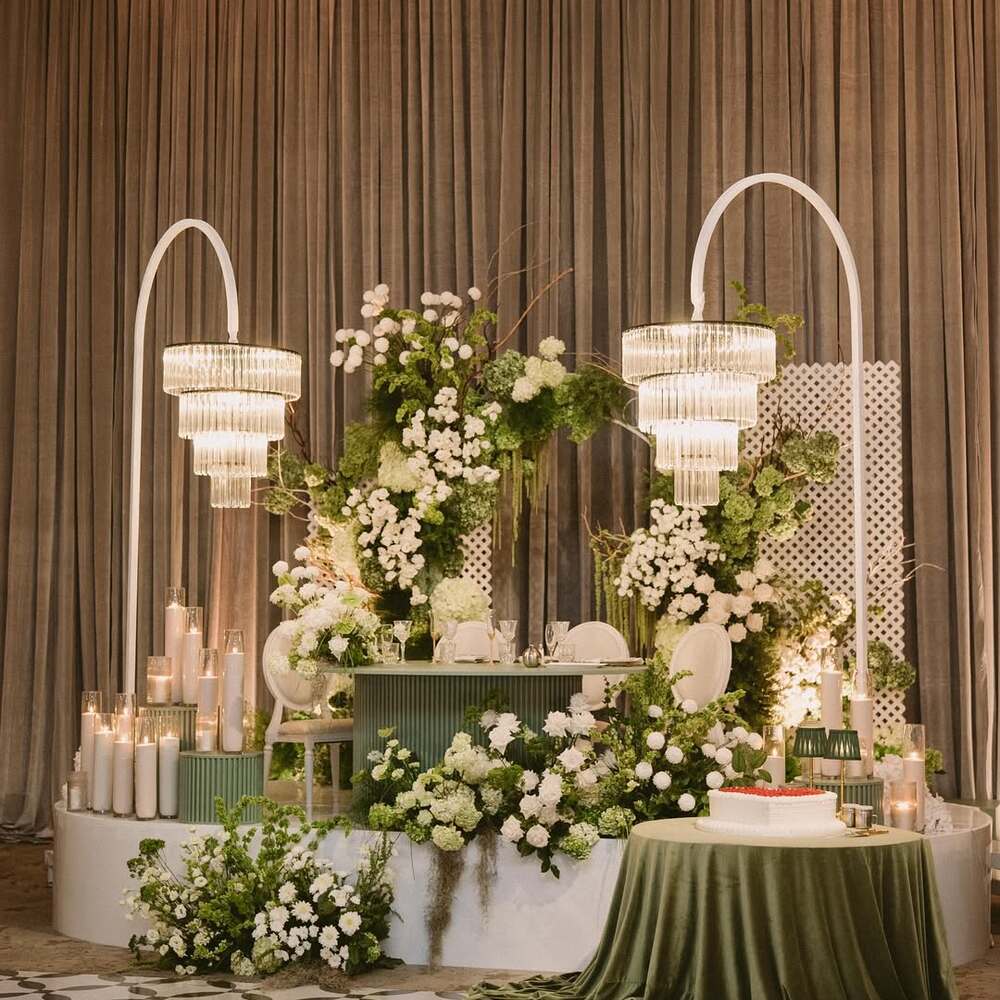
A Simple Wedding Flower Shortlist by Season
Seasonality is one of the biggest reasons couples end up changing their flower plan. Using flowers in their strongest season usually gives you better quality, fresher-looking blooms, and a better overall value.
Spring weddings: peonies, ranunculus, tulips, anemones
Summer weddings: roses, hydrangeas, orchids, calla lilies
Fall weddings: dahlias, roses, carnations, orchids
Winter weddings: tulips, carnations, orchids, calla lilies
One especially useful tip: if you love the look of peonies but your wedding is outside peony season, ask your florist about garden roses as a substitute. They can create a similar soft, romantic effect while being easier to source at other times of year.
The most popular wedding flowers are popular for good reason. Roses, peonies, ranunculus, hydrangeas, dahlias, calla lilies, orchids, tulips, anemones, and carnations all bring something different to the table. The real goal is not to pick the flower everyone else is choosing. It is to pick the flower that gives your wedding the right mood, shape, seasonality, and value.
When in doubt, start with the feeling you want your wedding to have: soft and romantic, sleek and modern, bold and artistic, or full and garden-like. Once you know that, the right flower list becomes much easier to build.