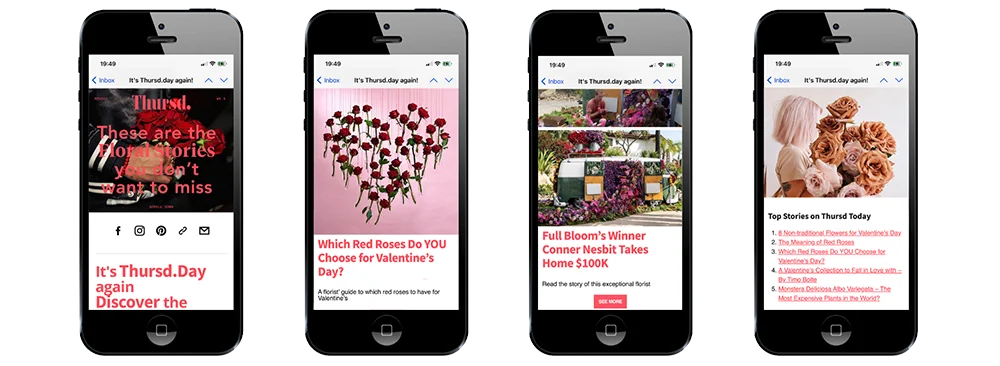
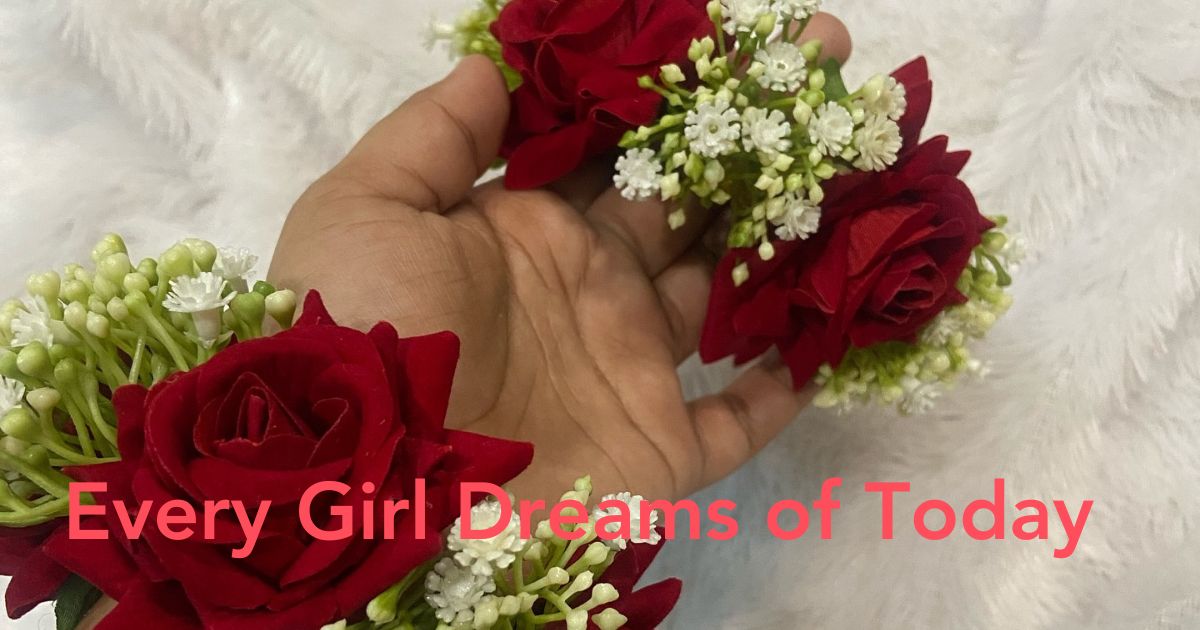
Somewhere between the Bridgerton fever on TikTok and the wave of cottagecore styling that took over Instagram, floral jewelry stopped being a niche taste and became a full category. Petal-shaped earrings, vine-wrapped rings, pressed flower resin pendants, and botanical engravings on flat back studs. The aesthetic is everywhere now, and it is pulling a very specific kind of buyer along with it.
That buyer cares about the look in a particular way. They are not just choosing a piece of jewelry. They are choosing something that fits into a broader visual language built around blooms, softness, and things that feel grown rather than manufactured. And when you care that much about how something looks against your skin, you tend to care about what it does to your skin, too.
The overlap between floral jewelry enthusiasts and people with metal sensitivities turns out to be substantial. The same person building an ear stack inspired by a garden in bloom is often the same person who has been quietly burning through jewelry that irritates their ears because they did not know what questions to ask about materials. Floral aesthetics brought them to jewelry. Skin-safe materials are what keep them there.
Florals Took Over the Jewelry Trend Cycle and Did Not Leave
The floral jewelry trend has had staying power that most seasonal aesthetics do not manage. Part of that is how deep it runs through the floral design community itself. Florists, botanical artists, and flower photographers have enormous social followings, and when that world bleeds into fashion and accessories, the visual influence compounds fast.

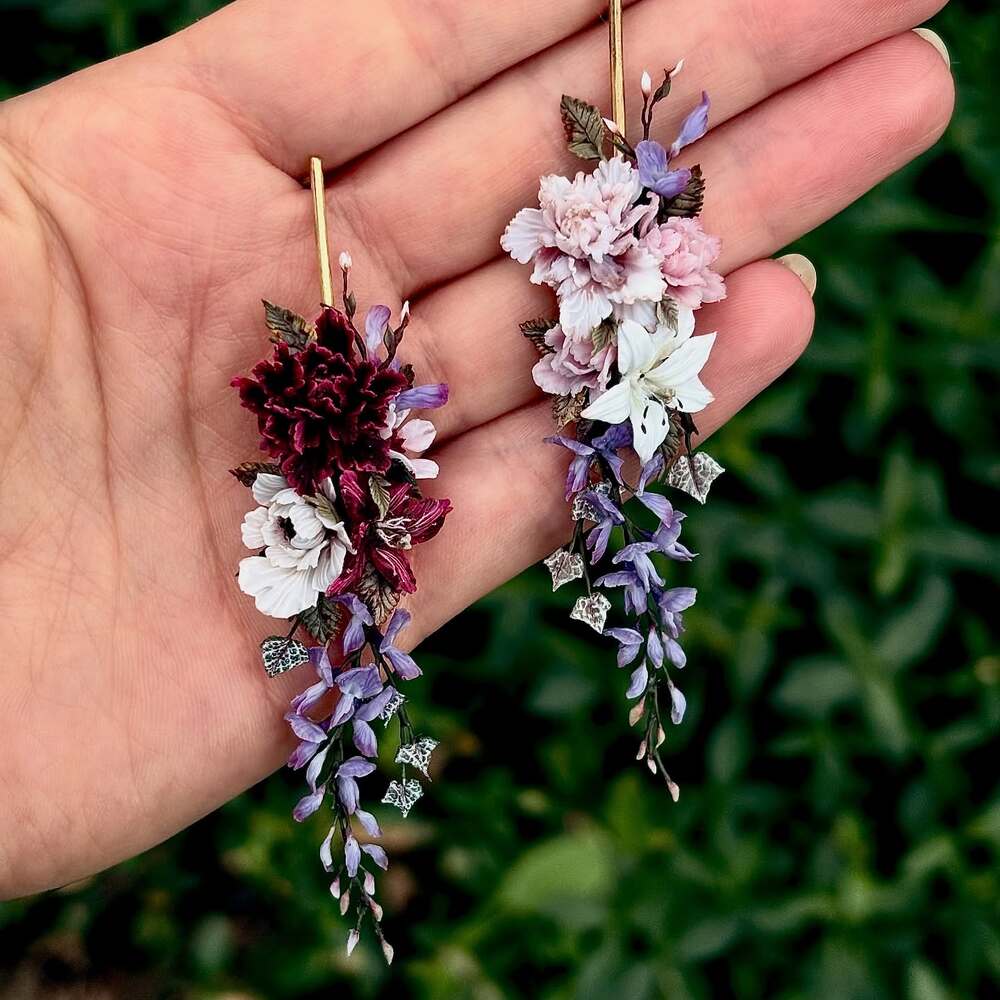
What changed in the last few years is the range. Floral motifs used to mean one thing: a gold flower pendant, maybe a daisy chain. Now the category includes pieces that genuinely look like something pulled from a garden. Sculptural petals. Asymmetric botanical forms. Designs that reference specific flowers rather than a generic bloom shape. Wisteria drooping from an ear cuff. A flat back stud shaped exactly like a chamomile. Earrings that look like they could be pressed specimens from a botanist’s notebook.
The innovative approaches to flower and leaf jewelry designs happening right now reflect a shift from floral as decoration to floral as design language. Designers are working from actual botanical references, not stylized interpretations, and the customer who grew up loving flowers can tell the difference.
That specificity is what built the loyalty. When a piece of jewelry reads as genuinely botanical rather than just floral-adjacent, it creates a connection that generic fashion jewelry rarely achieves.
The Material Question Follows Naturally From the Aesthetic
Someone who has spent real time thinking about which flowers they want on their ears tends to notice what the metal is doing to their ears. The two concerns are not separate. They arrive together.
Metal sensitivity is more common than most people realize when they first start building a jewelry collection. Nickel is the culprit in most cases. It is used widely in base metals because it is cheap and durable, but it is also one of the most common contact allergens. A European Union directive has restricted nickel content in jewelry for years. The US has no equivalent regulation. Which means a lot of jewelry sold here contains enough nickel to cause problems for people who do not know to ask about it.
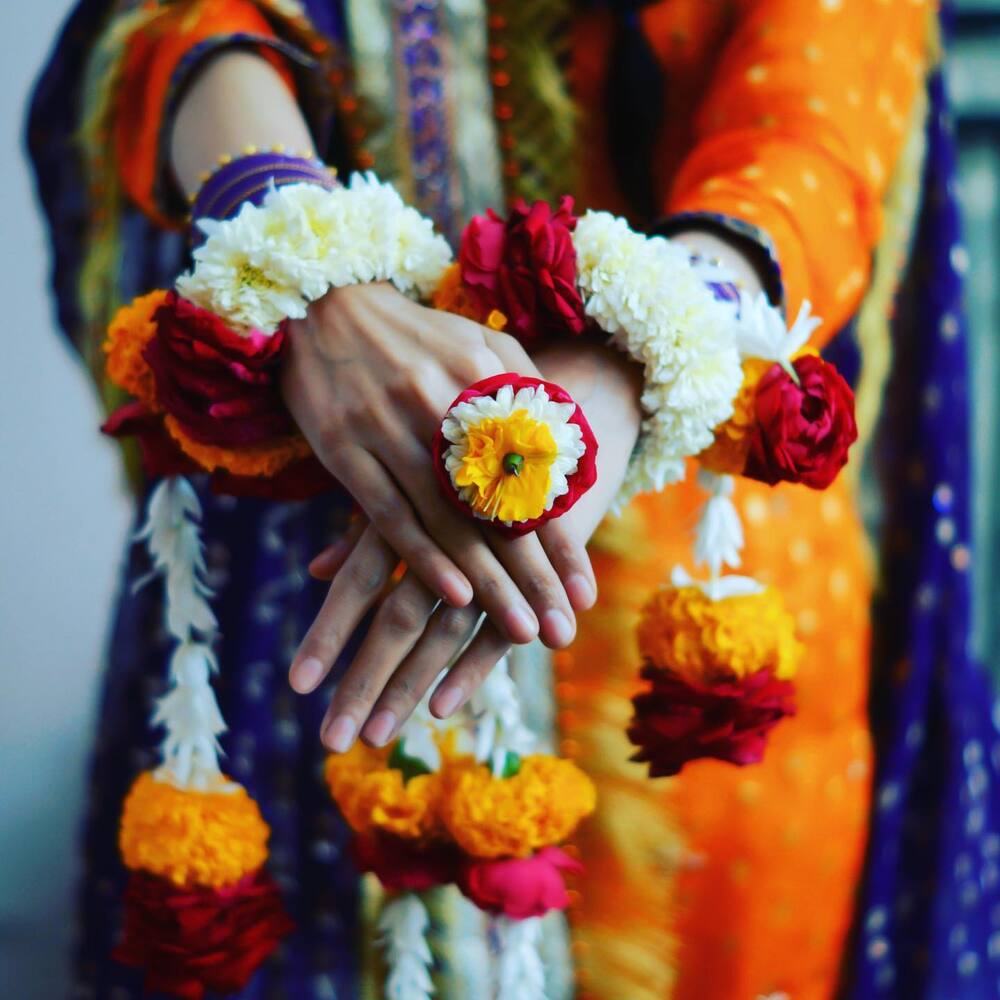
The materials conversation in floral jewelry tends to surface around titanium and implant-grade options because those are the metals that genuinely do not cause reactions in sensitive ears. Stainless steel comes up constantly in these conversations, but with real uncertainty about whether it is actually safe. The honest answer is that it depends heavily on the grade and the nickel content of the specific alloy, which is why understanding if stainless steel is really hypoallergenic matters for anyone making a purchasing decision based on skin safety.
Titanium is the material that keeps winning this comparison. It is biocompatible in a way that even high-grade surgical steel is not always guaranteed to be; it takes plating well enough that the colors and finishes can match any floral aesthetic, and it does not degrade in ways that introduce skin-irritating compounds over time.
Why the Floral Buyer Specifically Runs Into This Problem
The floral jewelry buyer is often building a stack. Multiple piercings, layered pieces, combinations that shift and change. That is a different relationship with jewelry than someone who wears one pendant and takes it off at night.
Extended wear is where material quality stops being theoretical. You can sometimes get away with reactive metal in a piece you wear for a few hours and remove. Put that same piece in a helix piercing for three days running, and the conversation changes. Redness, irritation, and prolonged healing on older piercings that were fine before. The botanical aesthetic pushes toward all-day wear, which pushes the material question to the front faster than it would otherwise arrive.
Flat back earrings in particular, which dominate the botanical floral ear stack aesthetic right now, require close contact with skin for extended periods. The flat back sits flush against the ear and does not get air the way a traditional post does. Any reactive material in that setup gets significant contact time. Which is why the people most invested in the floral ear stack tend to be the ones who have done the most research on what their jewelry is actually made of.
The Resin Category Adds Another Layer
Pressed flower resin jewelry brought a new material concern alongside the beautiful botanical aesthetic. Resin quality varies enormously. Low-grade resins can contain compounds that cause skin reactions over time, and the people drawn to pressed flower pendants and earrings for their visual appeal are not always equipped to evaluate the material quality of what they are buying.
The history of preserving flowers in jewelry stretches back centuries, but the modern resin versions are a recent enough category that quality standards are still establishing themselves. The visual appeal arrived before the consumer education did. Which means buyers are learning through trial and error in a way that they should not have to.
The answer in that category is the same as in metal: the look can be achieved with materials that do not compromise skin safety. Medical-grade resin exists. High-quality botanical resin jewelry uses it. The premium for doing it right is not enormous, but the consumer has to know enough to ask.
How Florists and Botanical Designers Are Influencing the Conversation
The floral design community has more influence over jewelry aesthetics than jewelry brands typically acknowledge. When a floral designer builds a bridal headpiece or a wearable flower crown and posts it to a following of 200,000 people, they are creating aesthetic references that the jewelry category spends months catching up to.
The botanical direction in contemporary jewelry is genuinely inseparable from what is happening in floral design. The color palettes, the specific flowers being referenced, and the shift toward wildflower and foliage aesthetics rather than formal bloom arrangements. All of it flows from how florists are working right now and how that work is being photographed and shared.
When those same florists and botanical designers start speaking publicly about the materials in the jewelry they wear, the effect is outsized. Their audience already trusts their aesthetic judgment. A recommendation about titanium versus nickel-based steel from someone whose floral work they admire lands differently than a brand claim about hypoallergenic properties.
That influence is already moving the market. The botanical jewelry makers who are growing fastest tend to be the ones who are transparent about materials, who can speak to why titanium flat backs sit differently in a healed piercing than other options, and who treat the material conversation as an extension of the care they put into the design itself.
Floral aesthetics created the demand. The buyers they attracted brought a level of attention and care that the broader jewelry market has had to respond to.
When someone builds their ear stack around botanical inspiration and starts wearing it all day, every day, they find out quickly whether the materials are right for their skin. The ones who love the look enough to keep chasing it do the research. That research leads them to titanium, to implant-grade options, to asking hard questions about what is actually in the stainless steel they were told was fine.
Flowers brought people to the jewelry. Material quality is what makes the relationship last.