Breeding the perfect plant isn’t just about mixing a few varieties - it’s a process that takes years of dedication. Céline Pesteil, a seasoned breeder from Morel with decades of experience, shares her insights on how top-quality Cyclamen and Helleborus hybrids are developed. For florists, understanding this process can deepen the appreciation for these beautiful plants and inspire new ideas for your shop.
Building the Foundation
To create a robust F1 hybrid, you first need excellent 'parents' lines. Developing these lines involves four to five generations of selective breeding, a process that can span up to a decade. Think of it as assembling a team of plant 'parents' whose unique traits complement each other, resulting in a hybrid with enhanced growth vigor, more flowers, and greater potential.
As many breeders have extensive genetic collections, they can continually refine their lines through ongoing selection. Occasionally, spontaneous mutations appear, which can be included in new lines if they prove beneficial. This process, however, can take years, especially depending on whether a mutation is dominant or recessive.
Understanding Dominant and Recessive Traits
Much like human eye color, plant traits follow Mendelian genetics. A dominant trait (like brown eyes) will typically show up if at least one parent carries it, whereas a recessive trait (like blue eyes) requires both parents to pass it on. In plant breeding, this means a breeder must carefully select parent lines to ensure the desired traits pass on to the hybrid - whether it’s color, bloom size, or flowering time.
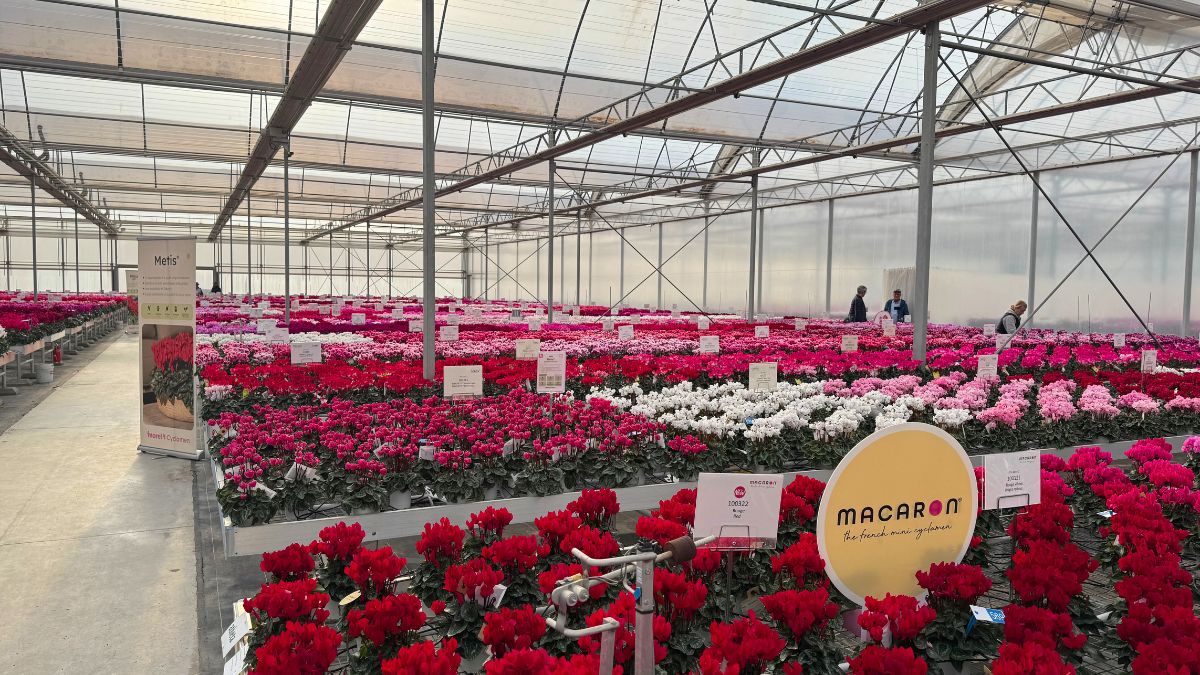
Before releasing a new hybrid, breeders carefully select their parent lines, making sure they are genetically uniform or nearly homogeneous. This guarantees consistent results year after year, which is essential for commercial success.
The Power of Mutations in Breeding
Mutations can be both a blessing and a challenge. If a mutation is recessive, both parent lines must carry it for the trait to show in the offspring. If dominant, only one parent needs to contribute it. For example, a mutation causing a unique flower color or shape might start on a weak plant with poor growth or late flowering. Breeders then cross this mutation with stronger, more reliable lines, selecting and stabilizing the best traits over subsequent generations.

Case Study About Indiaka®
The Cyclamen Indiaka® pattern has white-based petals with brightly colored tips. It's a striking recessive trait requiring both parent lines to carry the mutation. To breed a magenta Indiaca, breeders must develop two magenta-Indiaca lines and cross them – a lengthy and precise process.
.jpg "INDIAKA® Red by Morel")
Color genetics adds another layer of complexity: purple, for example, is dominant over magenta, and colors like fuchsia often result from complex mixes of parent traits. Collaborating with Japanese breeders, who have a rich history of developing unique flower forms and color patterns, helps expand the genetic pool and introduces new characteristics such as origami-like structures or bi-colored patterns.
A Treasured Diversity
Japan has been pioneering horticultural innovations for centuries, especially in Cyclamen and other specialty plants. Their focus on unique forms, impressive patterns, and new colors has enriched the global breeding landscape. For breeders worldwide, working with Japanese varieties means access to a broader genetic base and the opportunity to develop truly distinctive hybrids.

The Key to Consistency
Since Cyclamen are hermaphroditic, breeders perform hand pollination to ensure purity. The process involves removing male features from the female parent flower, collecting pollen from the male parent, and carefully applying it to the stigma. This meticulous work guarantees that each seedling carries the desired genetic combination.
After pollination, it takes 6 to 9 months for the seed to mature into a fruit, which can reach up to 3 centimeters in diameter. Harvesting the seeds is a manual task, and cleaning them involves rinsing under water - a traditional method that effectively removes unwanted tissue. The seeds then undergo a dormancy period of about six months, after which they are ready to germinate, often with impressive vigor.
Expanding Into Helleborus After a Historic Acquisition
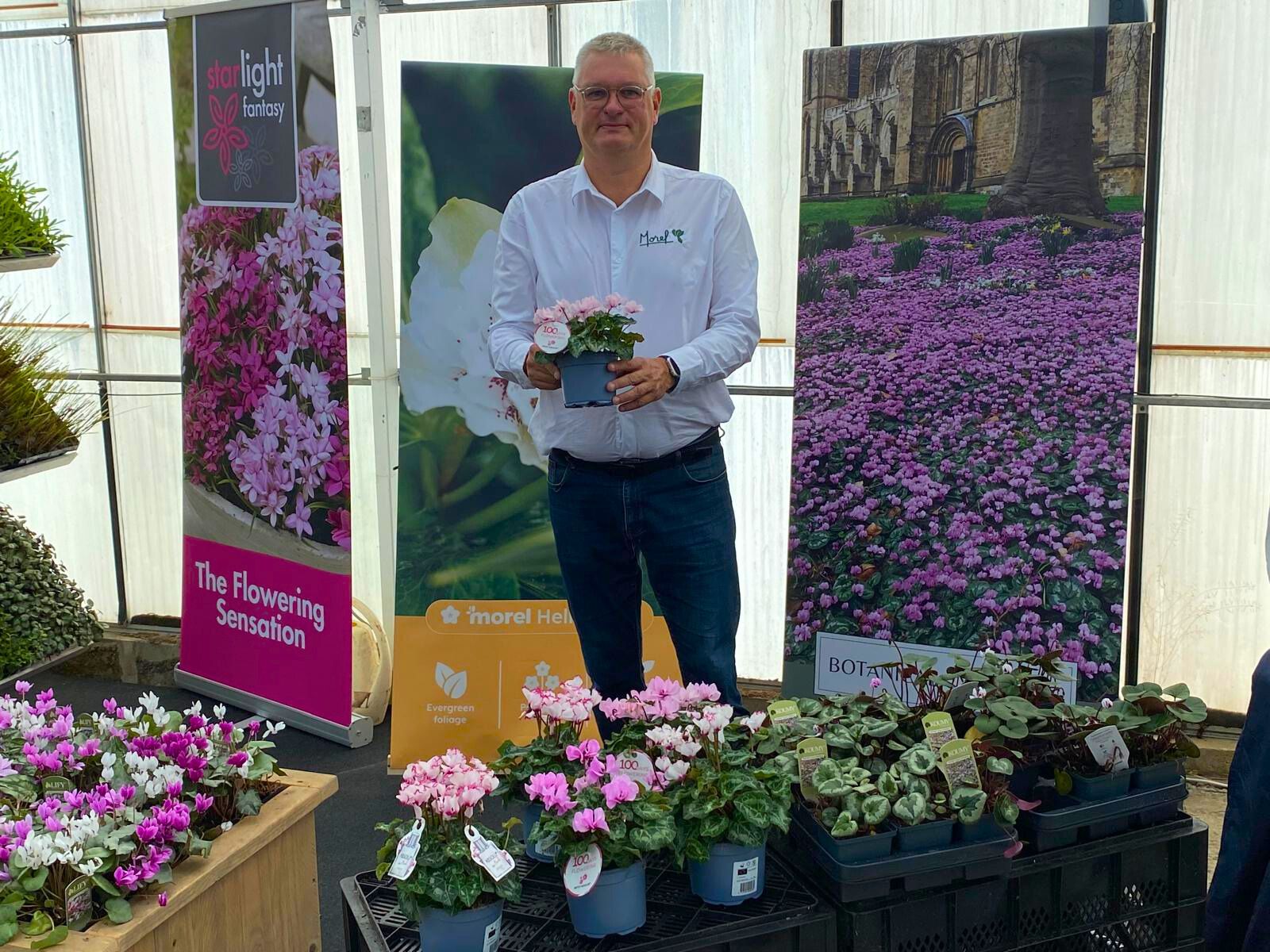
Two years ago, Morel took a significant step by acquiring a nursery in Monster, known for its exceptional botanical Cyclamen and Helleborus genetic lines. Previously, the company was renowned for its expertise, but now, venturing into Helleborus opens new possibilities.
Diverse Types, Diverse Markets
Helleborus can be grouped into three main categories:
- Helleborus niger Snoya® - Blooming before Christmas, perfect for seasonal displays.
- Helleborus orientalis Groove® - Flowering from January or February onwards.
- Botanical Helleborus - Including varieties like argutifolius, foetidus, and lividus, which typically bloom in the same period as orientalis.
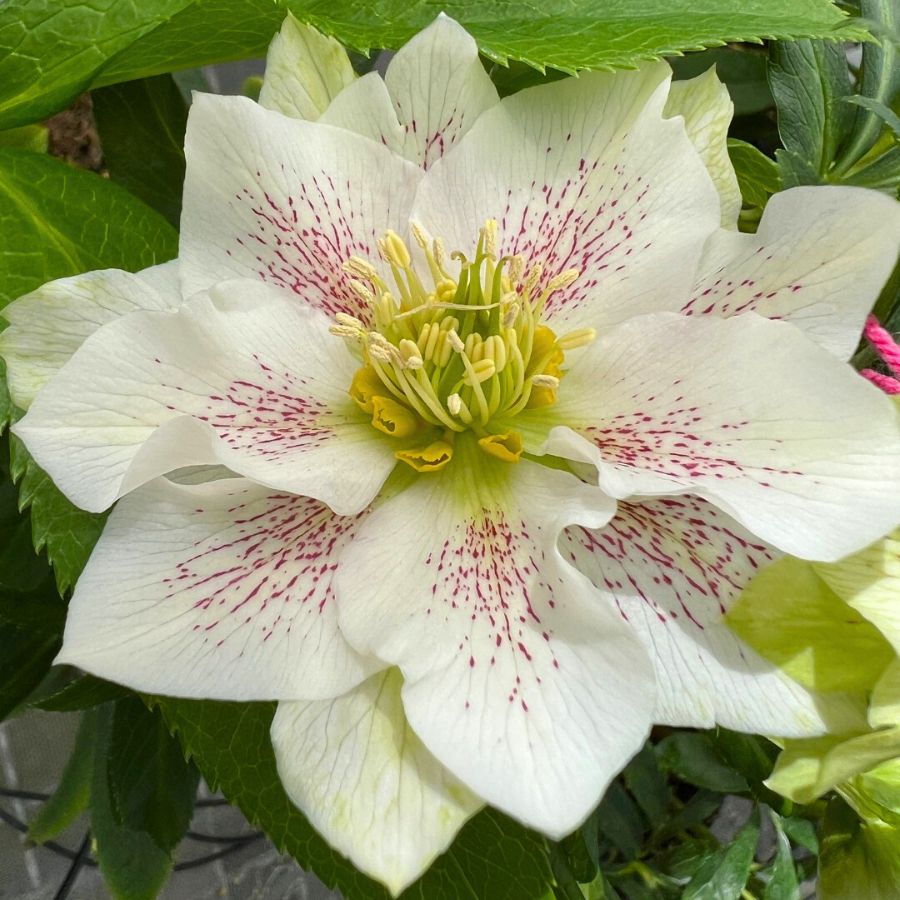
These plants cater to different markets. While Cyclamen persicum primarily serves the retail and supermarket sector, Helleborus and botanical Cyclamen are targeted at landscapers and export markets, valued for their durability and foliage rather than just their blooms.
Developing New Hybrids
Morel’s focus on seed hybrids (zaadhybriden) offers distinct advantages. Producing hybrids from seed is more straightforward, cost-effective, and faster than tissue culture methods. It enables large-scale propagation without the high costs of in vitro techniques, making these plants more accessible to growers and landscapers.
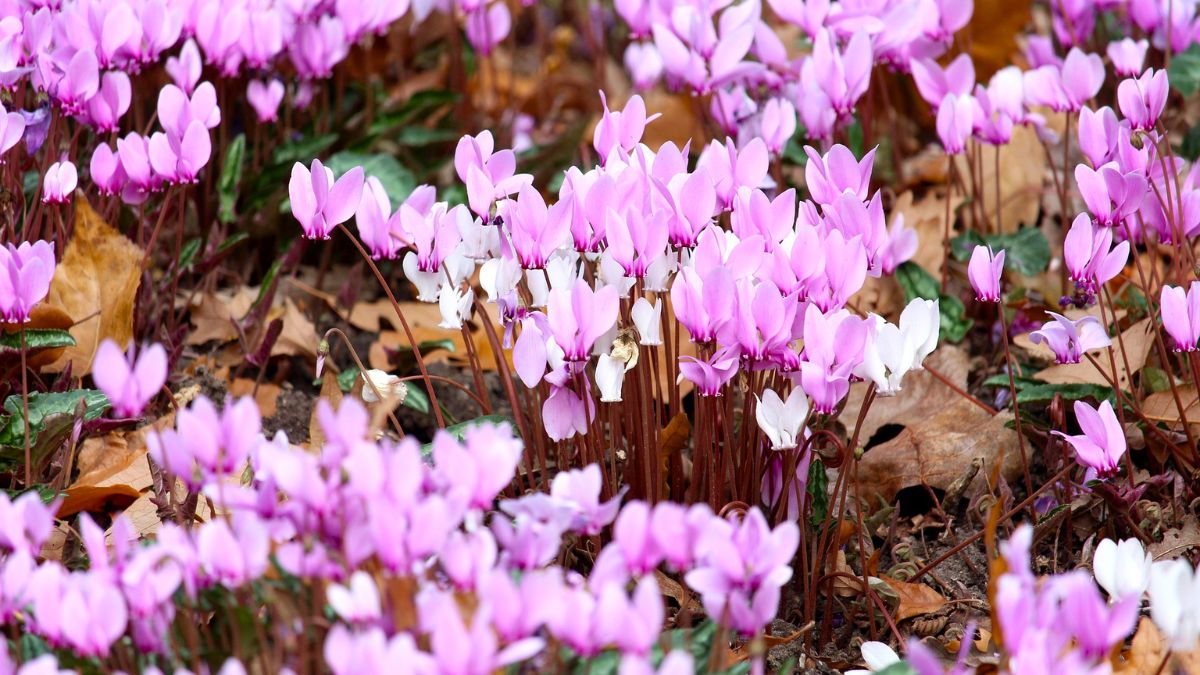
A Different Customer Base With Unique Expectations
Unlike retail customers, who often prioritize flower display, landscapers and export clients examine leaf quality, plant structure, and growth strength. They value winter-hardy plants that are visually appealing even when not in bloom. This shift in consumer preference influences breeding priorities, emphasizing foliage health and robustness over floral display.
Growing and Displaying Botanicals
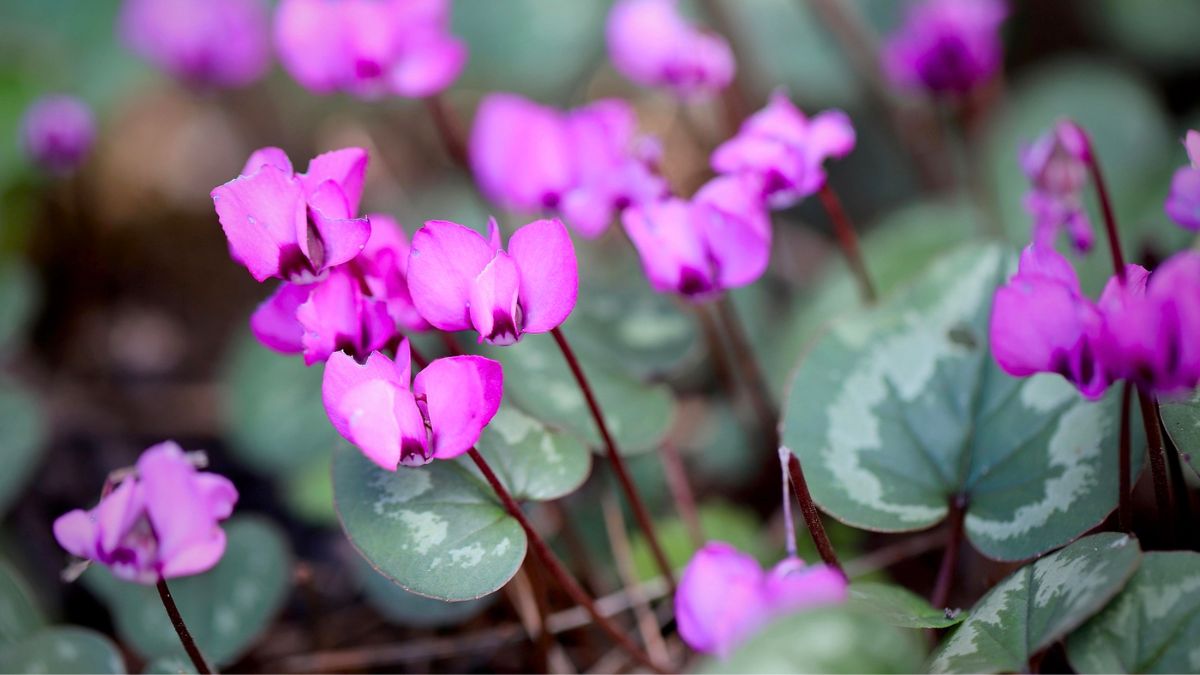
Inside the greenhouse, about 95% of the space is dedicated to Cyclamen persicum, with only a small section reserved for botanical Cyclamen and Helleborus. To help customers distinguish these plants, Morel has created outdoor garden plots showcasing botanical Cyclamen, highlighting their natural form and foliage.
Header image: Cylamen Bisous® by @Morel.