Key Takeaways
- Match your cover material to your specific climate and structural needs to ensure long-term performance.
- Prioritize light diffusion over raw intensity to prevent plant stress and promote even growth.
- UV-protected materials will safeguard your plants and prevent the cover from degrading prematurely.
- Balance high-quality insulation with a compatible ventilation system to manage temperature and humidity effectively.
- Evaluate the total cost of ownership by weighing upfront prices against durability and replacement frequency.
- Let the specific light and heat preferences of your crops dictate which covering technology you implement.
A greenhouse is only as good as its cover. Whether you're a seasoned nursery owner or a passionate home gardener, the material you choose is your most critical decision. It dictates how much light your plants receive, how well you retain heat, and whether your garden thrives or merely survives.
However, choosing one can be overwhelming with many options available. Each comes with trade-offs in insulation, durability, and cost. What works for a tropical collector may be a disaster for a nursery operator battling harsh winters.
Here is everything you need to know to make the right choice:
Know the Common Greenhouse Cover Materials
Different materials serve different purposes, and each one brings its own set of benefits. Understanding these options helps you match your cover to your needs.
Polyethylene film is a popular choice for many growers. It's flexible, affordable, and easy to install. A heavy-gauge version tends to last longer and handle wear better than thinner options. Some versions also come as UV-resistant greenhouse plastic, which helps extend lifespan under constant sun exposure.
Rigid materials like polycarbonate sheets offer a more durable alternative. They provide strong insulation and hold up well against the weather. Their layered structure supports a translucent design, which helps spread light more evenly across your plants.
You might also come across plant covers, which are often used for smaller setups or specific growing trays. While they're not a full greenhouse solution, they can support early-stage growth when paired with a larger system.
Make sure you do your research to find the best one. Consider exploring websites like inlandtarp to compare different materials, learn how they perform in real conditions, and see which options align with your setup. Look at product details, material features, and practical use cases to choose a cover that fits both your structure and plants.
Understand What Your Plants Need
Every plant has its own preferences, and your cover should reflect that. Some thrive under strong natural light, while others do better with softer exposure. Leafy greens and herbs often prefer filtered light, while fruiting plants need more direct energy to support steady plant growth.
It also helps to think about how much control you want over your growing environment. If you're raising delicate seedlings, you'll likely need a cover that protects them from sudden temperature swings. On the other hand, established plants may handle a wider range of conditions.
Managing flowering cycles is another factor to think about, especially for certain crops. Light deprivation techniques limit light exposure at specific times, so your cover needs to block light effectively when required. Starting with your plants makes every other decision easier.
Factor in Your Local Climate
Your local weather conditions should guide your choice. A cover that works well in one region might struggle in another.
In cooler climates, insulation becomes more important. Materials that retain heat can help protect plants during cold nights. In warmer areas, managing heat buildup becomes the priority, so lighter or ventilated covers often work better.
Rain and humidity also matter. Poor installation or low-quality materials can lead to water leaks, which can affect plant health and damage your structure. Choosing reliable protective covers helps keep your greenhouse stable even during rough weather.
Look at Installation and Maintenance
Ease of installation can make a big difference, especially if you're setting up your greenhouse yourself. Some materials are simple to handle, while others require more precise work.
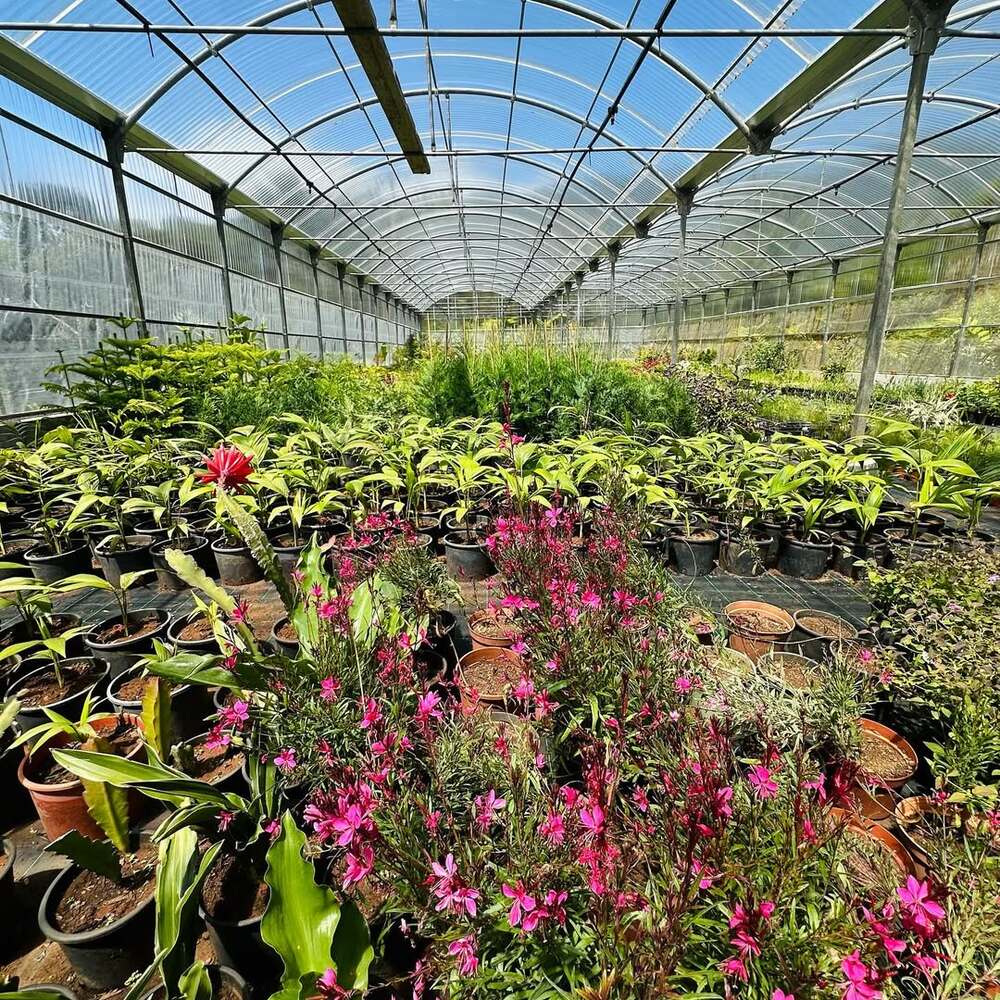
Flexible covers are easier to adjust and replace. They're a practical choice for growers who want a straightforward setup. Rigid panels take more effort to install but offer a more permanent solution.
Maintenance is just as important. Over time, dirt and debris can reduce sunlight transmission, so regular cleaning helps maintain performance. It also gives you a chance to check for wear and prevent issues like water leaks before they spread.
Balance Cost With Long-Term Value
Budget matters, but it's worth looking beyond the initial price. A cheaper option might need replacing sooner, while a higher-quality cover could last longer and reduce maintenance costs.
Plastic films are often the most affordable choice. They work well for seasonal setups or smaller projects. Investing in a heavy-gauge version can improve durability without a large jump in cost.
More permanent materials, like panels, come with a higher upfront expense. However, their longer lifespan and steady performance can make them a practical investment over time. The goal is to find a balance that fits your needs and your plans.
Check Durability and Lifespan
Greenhouse covers vary widely in how long they last. Some are designed for short-term use, while others are built for long-term setups that need fewer replacements over time.
Plastic films are cost-effective, but exposure to sun, wind, and weather can wear them down faster. Choosing a UV-protected greenhouse fabric or reinforced material can help extend their lifespan and reduce how often you need replacements.
Rigid options like panels tend to last longer and handle wind or debris more effectively. Every material still benefits from regular checks, since small issues can turn into bigger problems if they're left unattended.
Don't Overlook Ventilation Compatibility
Even the best cover won't perform well without proper airflow. Ventilation helps regulate temperature and humidity, keeping your plants healthy.
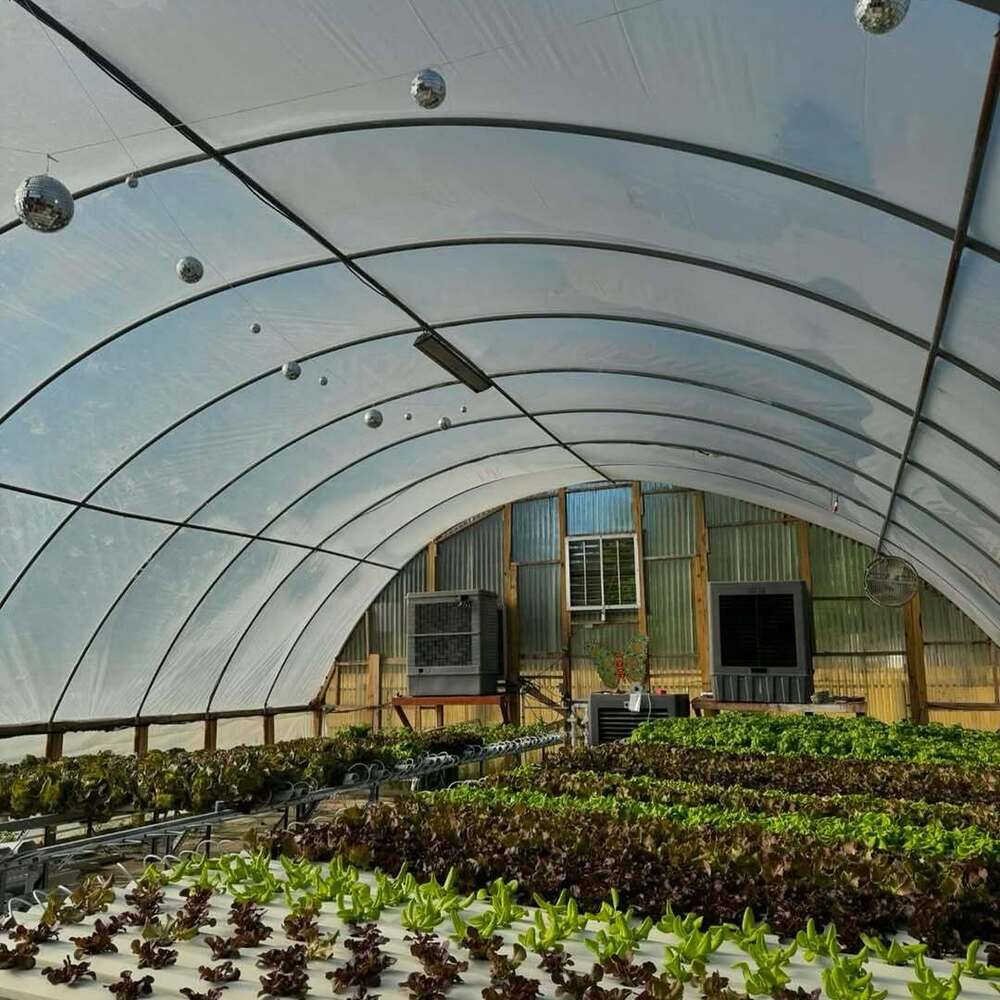
Some greenhouse covers work well with adjustable vents or roll-up sides, making it easier to control airflow. Others rely on built-in systems, which need to be part of your design from the start.
Without proper greenhouse ventilation, heat and moisture can build up quickly. This affects your growing environment and can slow down plant development. A well-ventilated space supports steady growth with less effort.
Consider Seasonal Flexibility
Your greenhouse needs may change throughout the year. A setup that works in spring might need adjustments during summer or winter.
Adding shade cloth during hotter months can help reduce light intensity and manage temperature. It's a simple way to adapt your space without replacing your main cover.
Some growers also switch materials between seasons, though this requires more effort. Others prefer to combine features, such as using UV-resistant greenhouse plastic with added shading when needed. Flexibility helps you respond to changing conditions without overhauling your entire system.
Pay Attention to UV Protection
Sun exposure affects both your plants and your greenhouse materials. Over time, UV rays can weaken covers and reduce their effectiveness.
Choosing materials with strong UV resistance helps extend their lifespan and maintain performance. This is especially important if your greenhouse receives consistent sunlight throughout the year.
A good greenhouse covering should allow useful light through while filtering out harmful rays. This supports healthy plant development and keeps your structure in better shape over time.
Match the Cover to Your Structure
Your greenhouse frame plays a key role in what materials you can use. Some covers work better with certain designs, so it's important to choose a combination that fits well together.
Lightweight frames often pair well with flexible materials, while heavier options like panels need stronger support to stay secure. A raised-base greenhouse can also affect how covers are installed and how air moves through the space.
Shape matters too. Curved structures are easier to cover with flexible materials, while flat designs tend to work better with rigid panels. Choosing a cover that suits your structure helps everything run more smoothly.
Consider Light Transmission and Diffusion
All plants need light to grow and remain healthy. But it's not just about how much natural light enters your greenhouse. The way light spreads matters just as much.
Some covers focus on high sunlight transmission, allowing as much light in as possible. This works well for plants that need strong exposure. However, too much direct light can lead to stress, especially during peak hours.
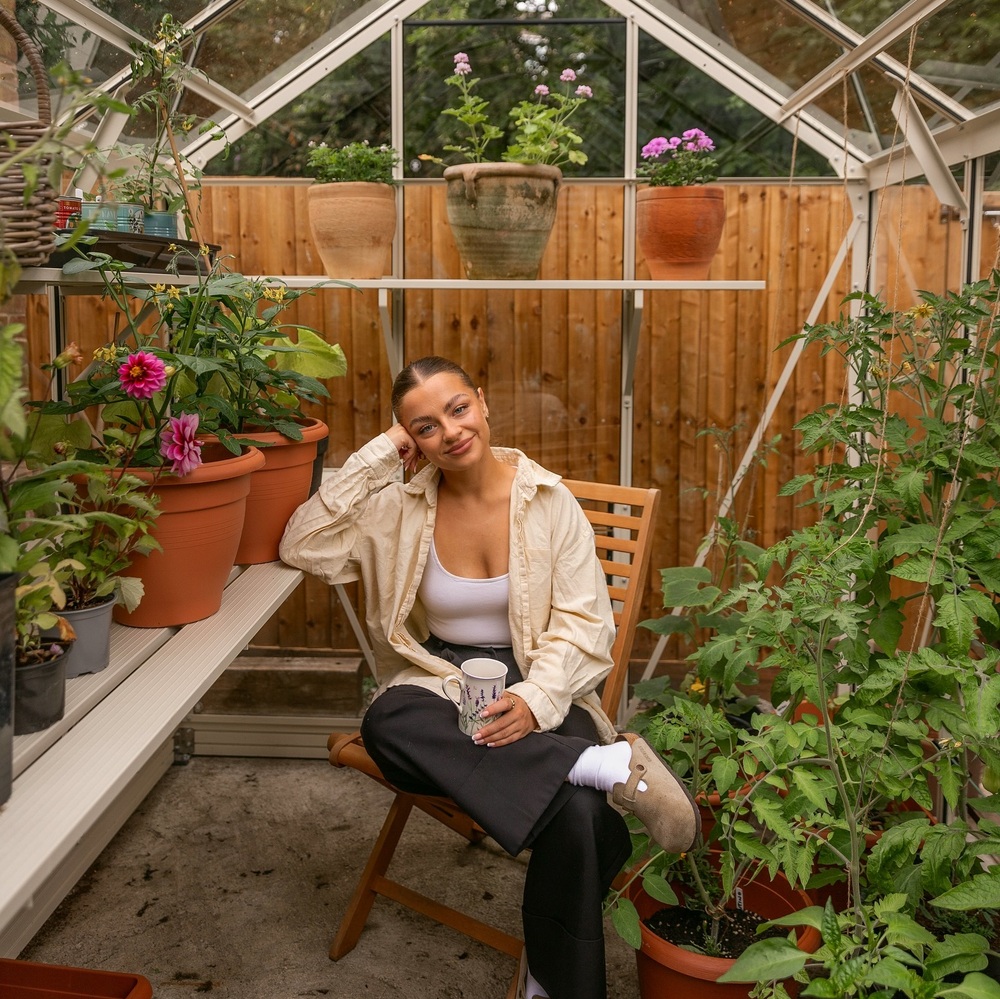
Other materials are built to create diffused light, which spreads more evenly throughout the greenhouse. This helps reduce harsh shadows and supports more balanced growth across all plants, not just those closest to the light source.
A translucent design often helps achieve this softer, more even distribution of light. Finding the right balance between brightness and diffusion can make your greenhouse easier to manage and more consistent over time.
Think About Insulation and Temperature Control
Temperature control is one of the biggest challenges in greenhouse management. Your cover plays a major role in how heat moves in and out of the space.
Some materials are better at trapping warmth, which helps during cooler months. Others allow more airflow, reducing the risk of heat buildup during hot days. The right choice depends on your climate and how often temperatures shift.
Layered covers or thicker materials can improve insulation, but they also need proper ventilation to avoid overheating. A balanced setup keeps your plants comfortable without requiring constant adjustments.
Choosing the right greenhouse cover is about how well it supports your plants and fits your structure. Because materials handle light, temperature, and durability differently, you must consider the full picture.
A well-matched cover creates a stable environment and simplifies daily care. Take the time to compare your options and choose the material that best aligns with your growing goals.