The floriculture industry continues to strengthen its approach to sustainability. And the recent addition of Greenhouse Sustainability as a new member of the Floriculture Sustainability Initiative (FSI) means an important step forward toward this cause.
This new development brings specialized expertise in environmental measurement to an institution dedicated to driving the floriculture sector-wide sustainability progress. It shows a wider shift in the industry from general commitments to specific, measurable action on environmental performance.
Greenhouse Sustainability's Expertise in Environmental Measurement
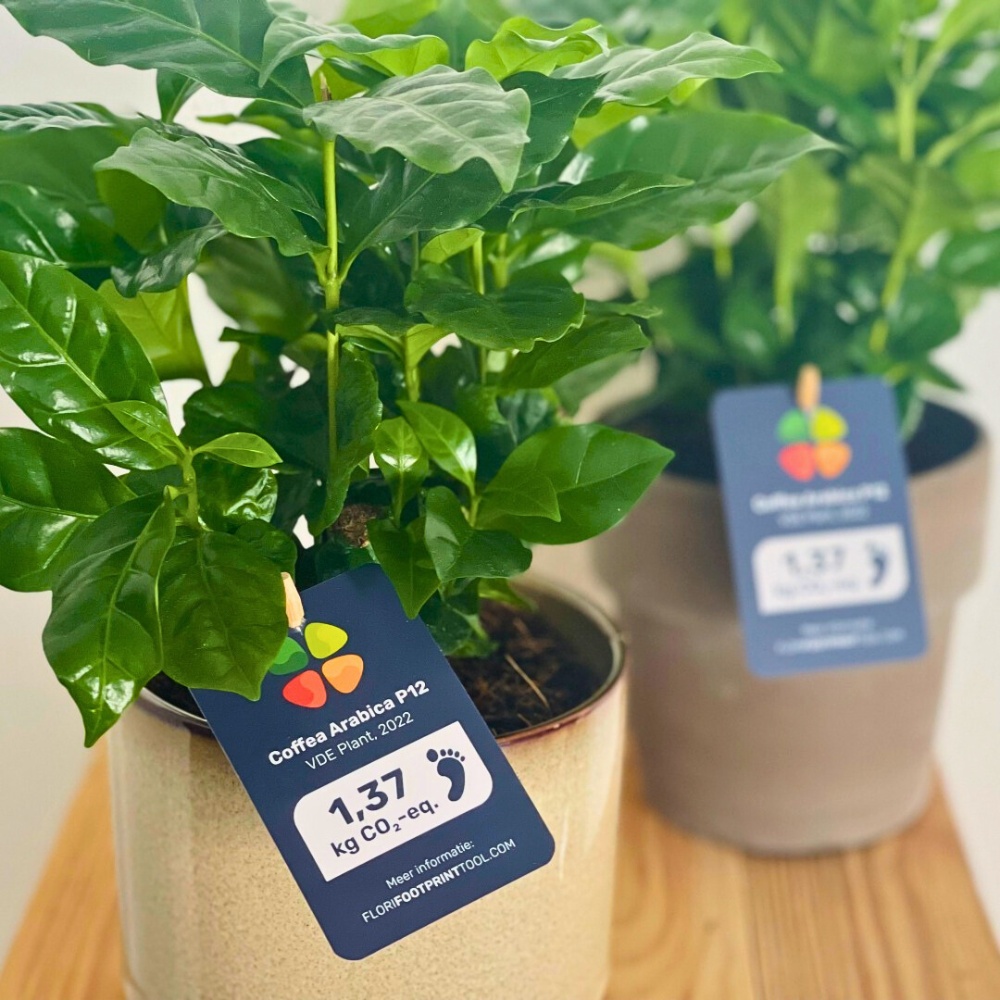
Greenhouse Sustainability specializes in verified footprint calculations and delivers actionable insights that help floral businesses understand their environmental impact. Their expertise addresses the crucial sustainability need in the floriculture sector.
FSI:
“Greenhouse Sustainability brings strong expertise in verified footprint calculations and actionable insights that help growers and companies better understand and actively reduce their environmental impact. This fits perfectly with FSI’s mission to drive measurable and credible sustainability progress across the floriculture sector.”
As sustainability becomes increasingly important to buyers and consumers, floriculture companies need accurate data about their operations because generic claims are no longer sufficient. Businesses require precise information about where their environmental impacts occur and how they can be reduced effectively.
This precision is particularly valuable in an industry where operations vary considerably in size, location, and production methods. Different growing systems, climate conditions, and market structures create unique environmental profiles. Without accurate measurement tools, floriculture companies struggle to identify their priorities and track meaningful progress. Greenhouse Sustainability's approach provides the clarity needed for informed decision-making.
The Importance of Standardization
A key strength of this new development is the alignment already established between Greenhouse Sustainability's tools and industry standards. The Flori Footprint Tool has been benchmarked against the FSI Basket of Standards and the FloriPEFCR methodology for over a year. This benchmarking ensures that results are comparable across different operations and recognized throughout the supply chain.
Standardization matters for many practical reasons. When different organizations measure environmental impact using different methodologies, results cannot be meaningfully compared. This creates confusion and undermines confidence in sustainability reporting. Aligning with established frameworks, Greenhouse Sustainability ensures that the data produced through its tools meets industry expectations for credibility and consistency.
The compatibility with FloriPEFCR is particularly relevant in that, as a methodology developed specifically for floriculture, it provides a common framework for environmental assessment across the sector. This alignment supports the industry's general efforts to establish consistent standards for measuring and reporting environmental performance.

From Measurement to Improvement
The value of environmental data lies in its application. Accurate measurement creates the groundwork for targeted improvements. This is where the collaboration between FSI and Greenhouse Sustainability offers clear benefits to the floriculture sector.
FSI-compliant members will gain detailed insights into their sustainability performance. This information allows them to move outside of general awareness to a specific understanding of their operations. They can identify where the most significant environmental impacts occur and prioritize actions accordingly.
This targeted approach improves efficiency. Instead of implementing broad sustainability measures with uncertain outcomes, floriculture businesses can focus resources on interventions that deliver the greatest environmental benefit. Whether the priority is energy efficiency, water management, materials sourcing, or logistics optimization, data-driven decisions lead to more effective results.
The economic implications are also noteworthy. Focused improvements typically require less investment and deliver faster returns than unfocused efforts. Environmental performance and operational efficiency often align more closely than is commonly assumed.
A Value Chain Perspective
Floriculture operates as an interconnected system. Environmental impacts occur at every stage, from propagation and production through distribution and retail. Addressing sustainability effectively requires understanding these connections.
The inclusion of Greenhouse Sustainability as part of the FSI recognizes that individual businesses operate within a larger system. Growers' decisions affect transportation requirements. Packaging choices influence waste streams. Production methods determine resource consumption. These connections mean that improvements in one area can create benefits elsewhere in the value chain.
Providing the tools that work across different stages and types of operations means this development supports a more integrated approach to sustainability, helping ensure that different parts of the value chain can communicate effectively about environmental performance and work toward shared objectives.
Meeting the Industry Challenges
The floriculture sector faces increasing expectations around environmental performance. Climate concerns, regulatory requirements, and market demands are all pushing toward higher standards. These pressures will definitely continue to grow.
But the addition of Greenhouse Sustainability to FSI offers a practical response to these challenges, providing the sector with enhanced capabilities for measuring, understanding, and improving environmental performance. This foundation is essential for meeting current expectations and adapting to future industry requirements.
FSI:
"By working together, we look forward to gaining deeper insights into the sustainability performance of our members, supporting meaningful footprint reductions, and accelerating environmental improvements across the value chain."
For an industry centered on natural and growing floral products, environmental conservation is logical, just as it is a requirement. Greenhouse Sustainability, becoming a part of the Floriculture Sustainability Initiative, equips the sector with the right tools to translate environmental commitments into quantifiable progress. It supports the development of practices that balance the floriculture sector’s commercial viability with environmental responsibility.

The coming years will require sustained effort and continued adaptation, and this latest development provides a stronger basis for that work, helping the floriculture industry navigate the emerging environmental challenges while maintaining its competitive position.
Feature image by @greenhousesustainability. Header image by @greenhousesustainability