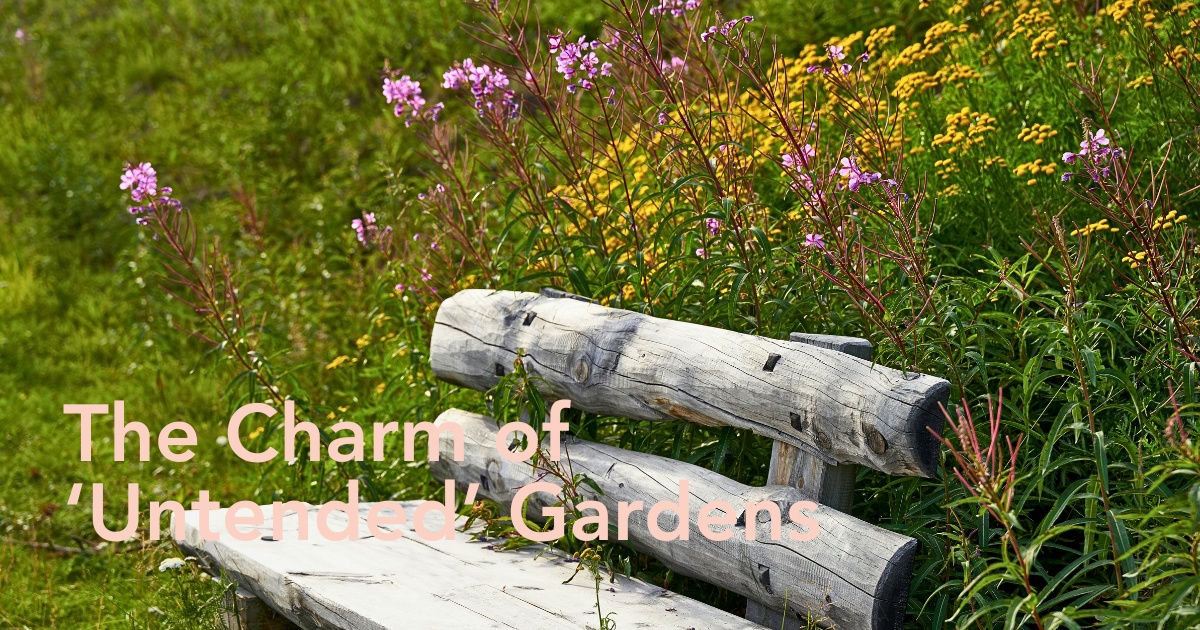
A garden that looks like it spruced and dressed itself up is one of the hardest things to pull off. That’s the wild garden aesthetic, which feels like something between a country meadow and a forgotten corner of an old estate. This garden has a charming quality that clipped hedges and carefully bedded flowers seldom achieve. It looks like it grew just the way it wanted.
Tall stems lean into each other at odd angles, plants weave up and about others, floral colors unmethodically derive from the natural world, and the whole thing carries a sense of time having passed pleasantly. And while it appears effortless at first glance, achieving that aesthetic takes more thought than it seems. Plus, it often starts with choosing the right flowers.
What Does 'Wild' Mean in Garden Design?
The wild garden look does not mean neglect, but defines deliberately choosing plants that carry a natural mien and unforced character, and then giving them enough room to behave the way they deem fit. The aesthetic draws from meadows, hedgerows, and the edges of woodland. In these places, plants grow in loose, overlapping communities, and not in rows or isolated clumps.
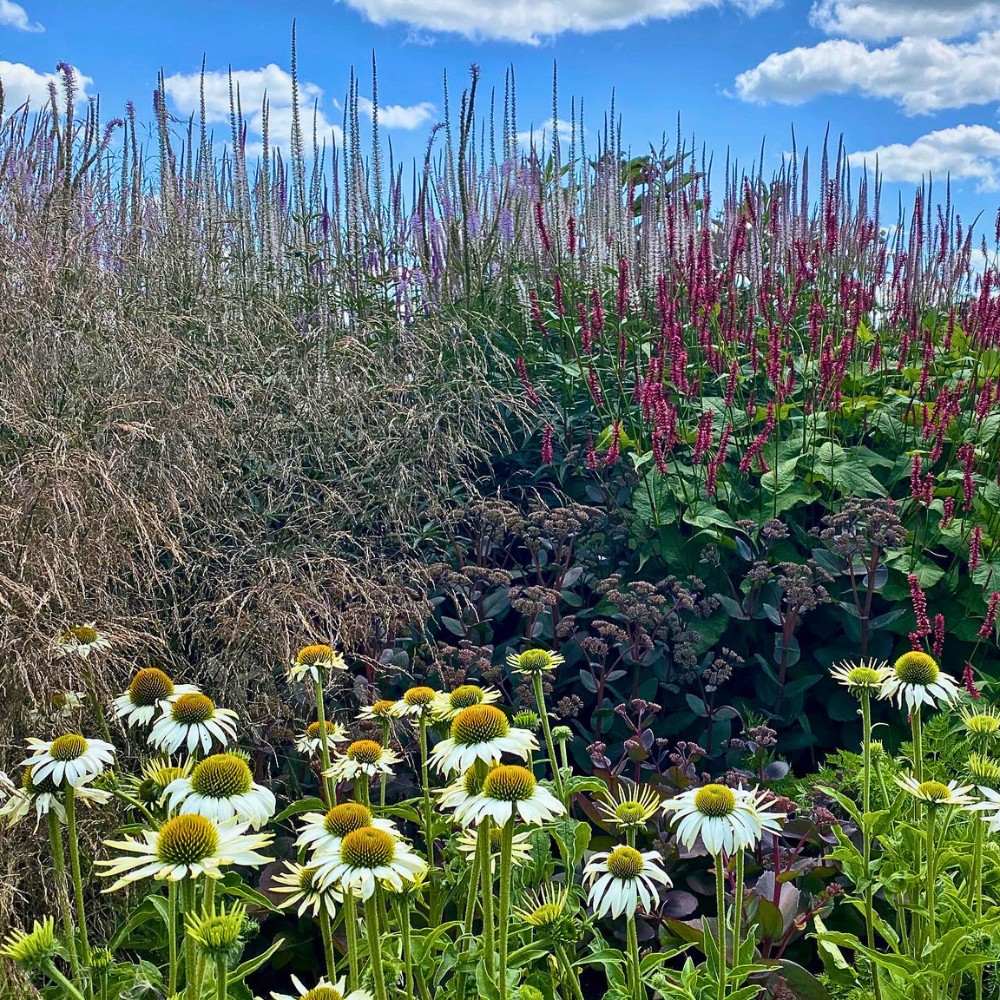
The objective is a garden that feels inhabited and quite like one that the gardener had no hand in creating. Here, light moves through differently, there are gaps and densities and not uniform coverage, it has texture at every level, from low-growing ground covers to mid-height perennials to tall, airy stems that move in a breeze, and color tends toward the natural end of the spectrum, featuring dusty purples, soft yellows, faded pinks, warm oranges, and plenty of green in all its variations.
This style has grown enormously in popularity, partly because it supports pollinators and local ecosystems much better than a traditional bedding scheme, and partly because it simply looks beautiful in its ‘chaotic’ essence, unlike formal gardens.
Which Flowers Do the Work Perfectly?
Certain plants have qualities that make them natural partners for this kind of planting. They tend to have open, simple flower structures instead of dense, artificial-looking heads. They seed themselves around, filling gaps without being prodded, and age gracefully, moving through stages from bud to flowering to seed head with continued visual interest. So which flowers are these?
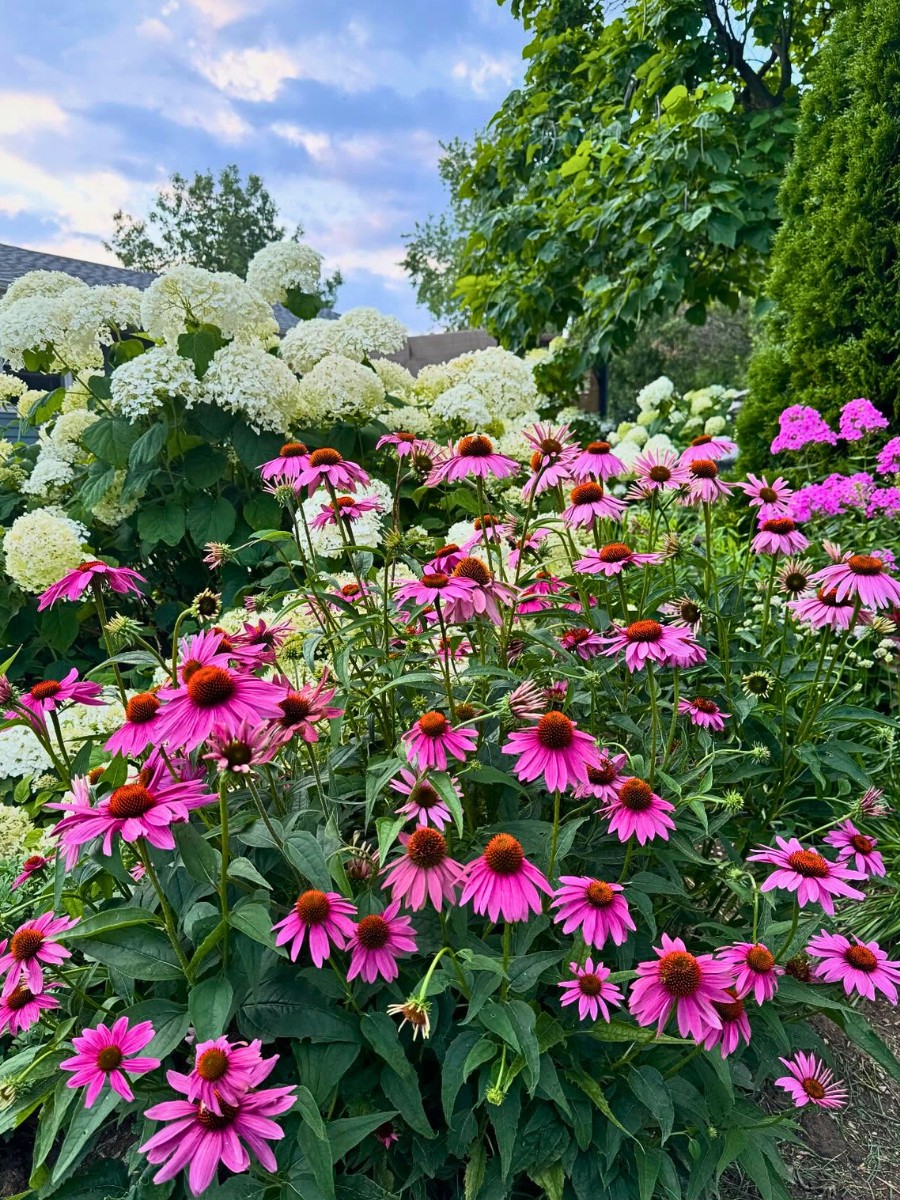
Echinacea (coneflower) is one of the most reliable choices. Its raised central cone gives it a strong structural presence, and the petals droop slightly, making it look fully at home in a naturalistic setting. It comes in warm tones from deep magenta to pale cream, seeds freely, and attracts bees and butterflies throughout the season.
Rudbeckia (black-eyed Susan) brings that warm, golden-yellow that defines a spring-to-summer meadow planting. It naturalizes easily, spreads over time to form substantial clumps, and its dark central button gives it a graphic quality that looks impeccable even at a distance.
Verbena bonariensis is almost indispensable. Its tall, wiry stems hold small clusters of purple flowers high above the garden, creating a haze of color through which other plants can be seen. It self-seeds prolifically and appears in the most delightfully unexpected spots, weaving through whatever neighbors it finds.
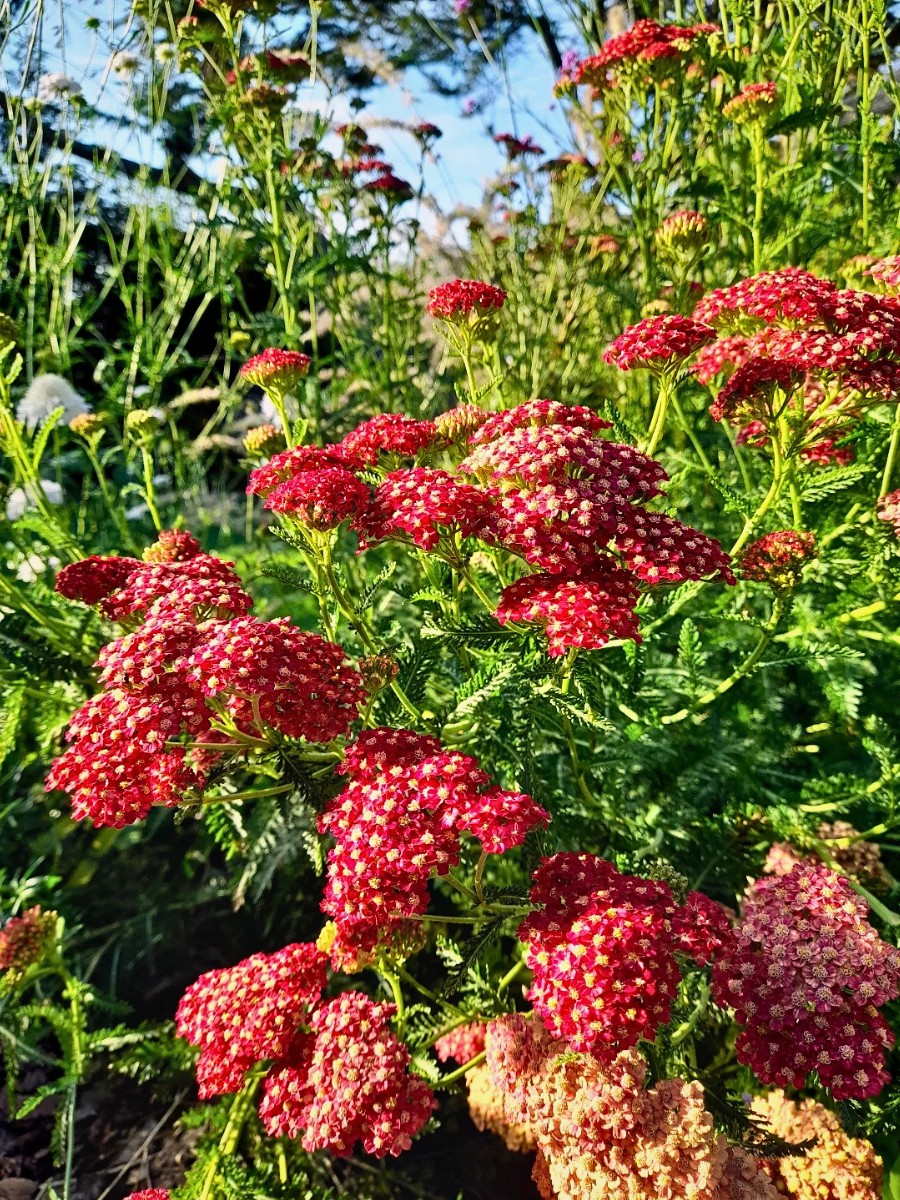
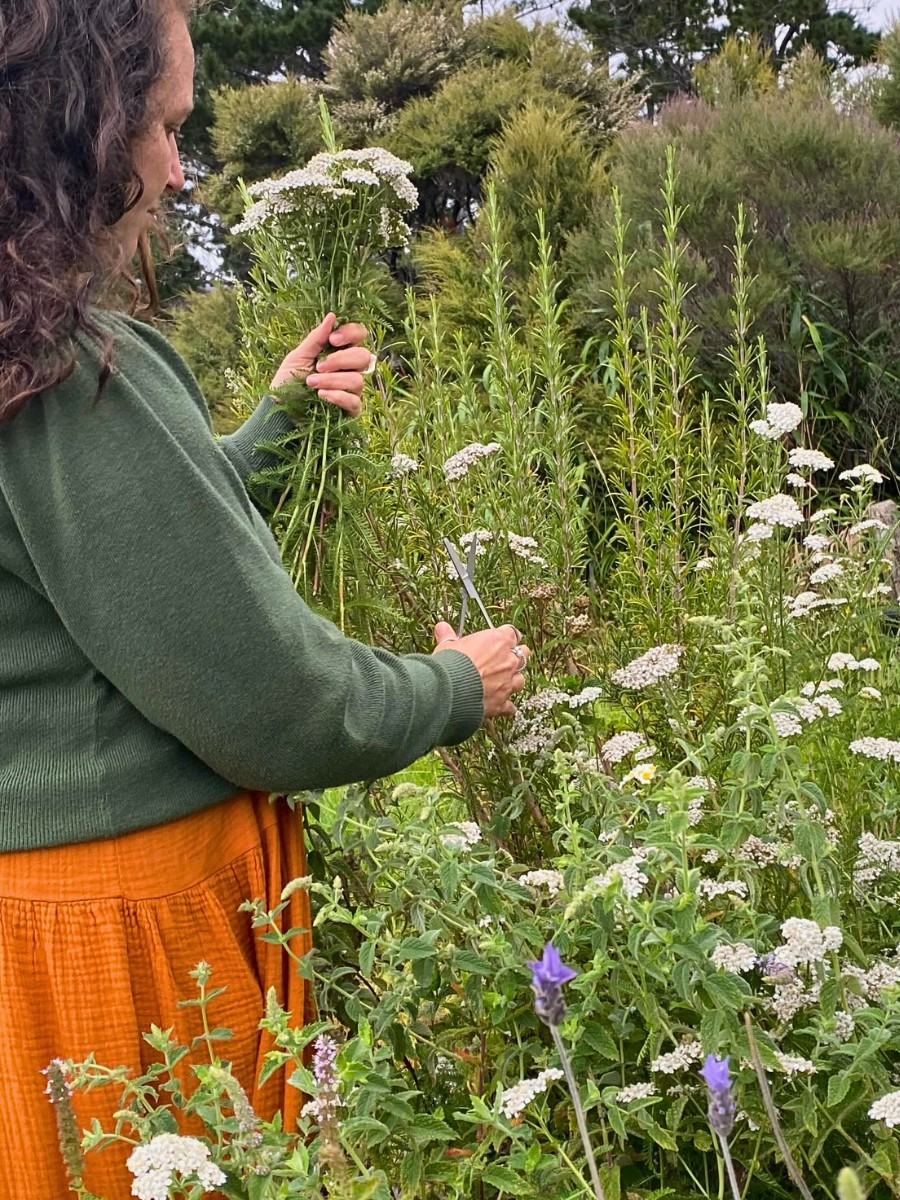
Achillea (yarrow) contributes flat-topped flower heads in whites, yellows, and blush pinks that hold their structure for weeks. Even when they fade and dry on the stem, they remain attractive. Yarrow is also tough, drought-tolerant, and spreads steadily to fill space with its feathery foliage.
Scabiosa and knautia produce delicate, pincushion flowers in lilac, mauve, and soft red that hover on long stems and move continuously in the wind. They have the quality of looking like they arrived in the garden on their own, which is just what a wild planting needs.
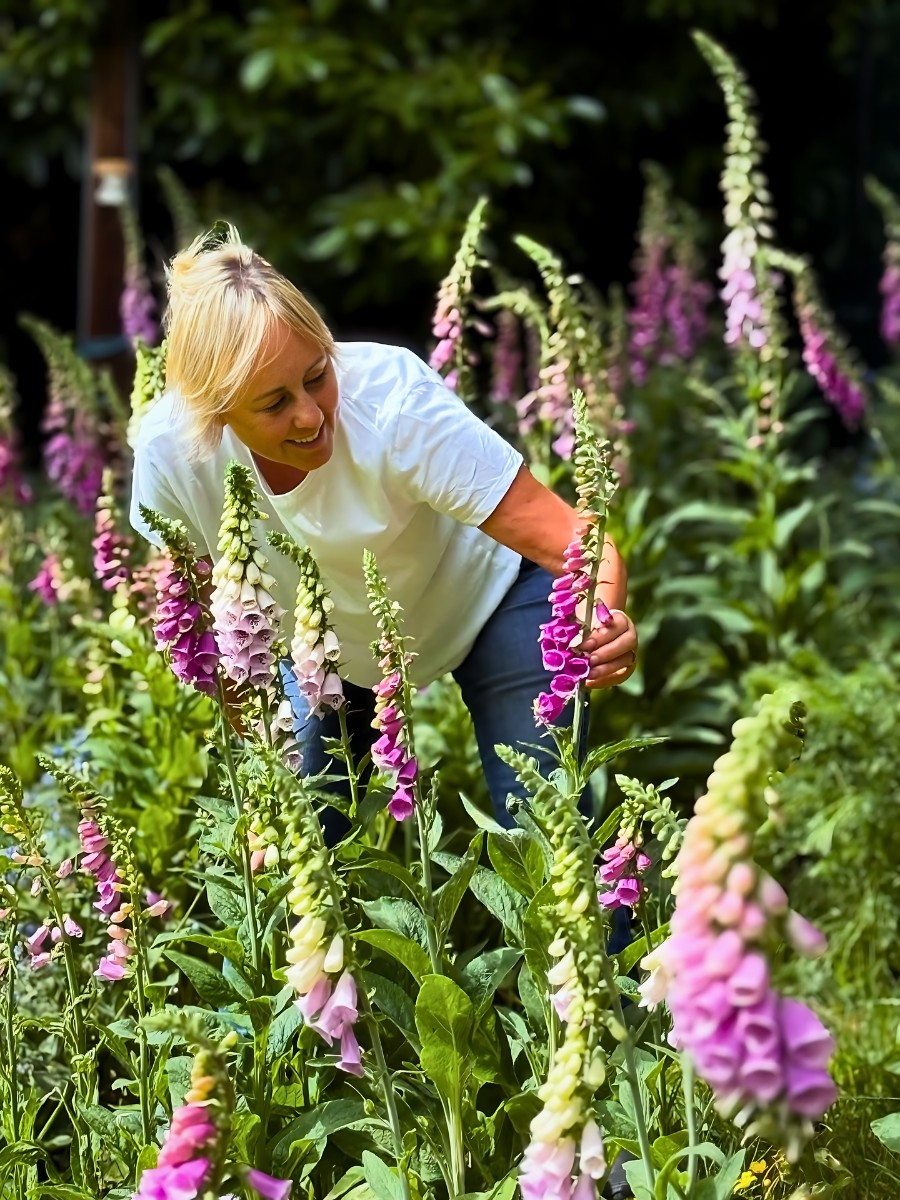
Foxgloves bring height and drama. Their tall spires of tubular flowers add a vertical element that not many plantings quite replicate, and they perfectly seed themselves between other plants. Biennial in nature, they come and go across different spots in the garden, keeping the planting from looking static.
Grasses are also another element to consider, even though they are not flowering plants in the traditional sense. Stipa tenuissima, Deschampsia, and Pennisetum weave through plantings and catch light such that everything around them looks more animated. They soften hard edges, add movement, and give the whole composition a meadow-like aspect.
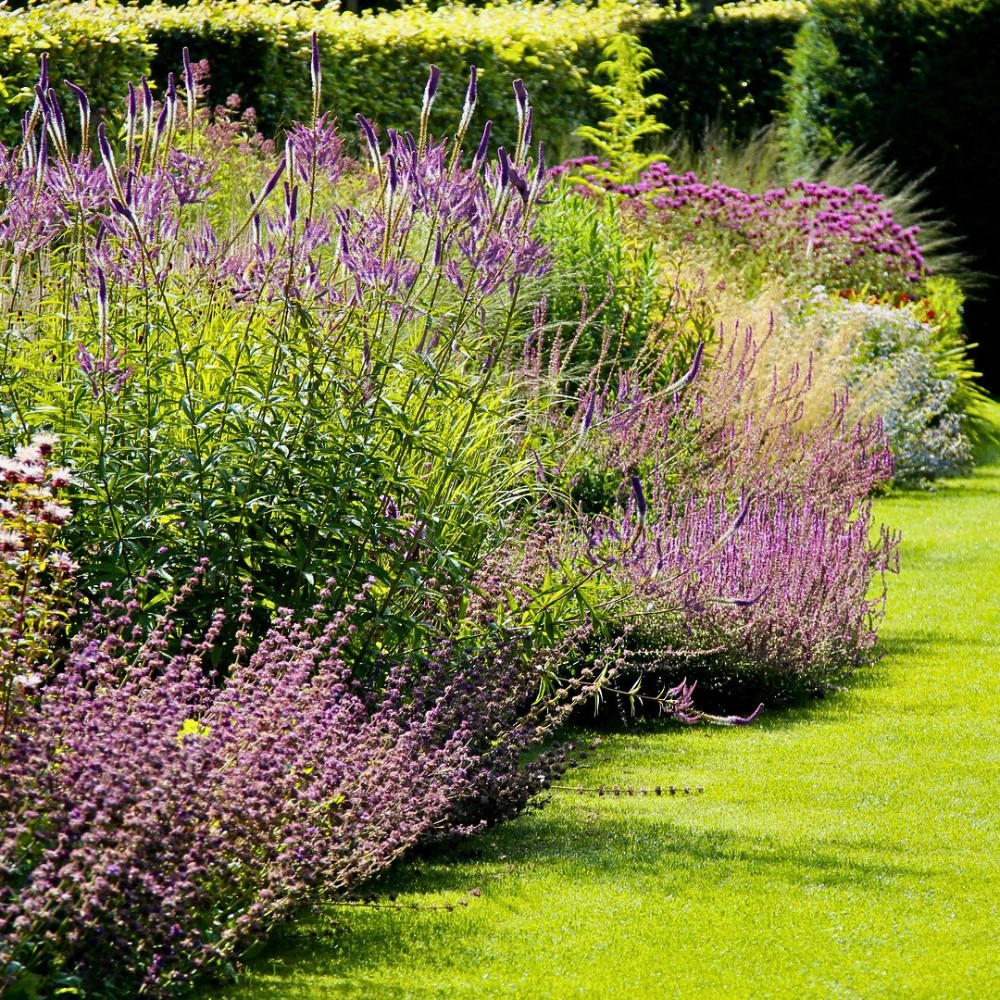
The Aesthetic That a Wild Garden Aesthetic Creates
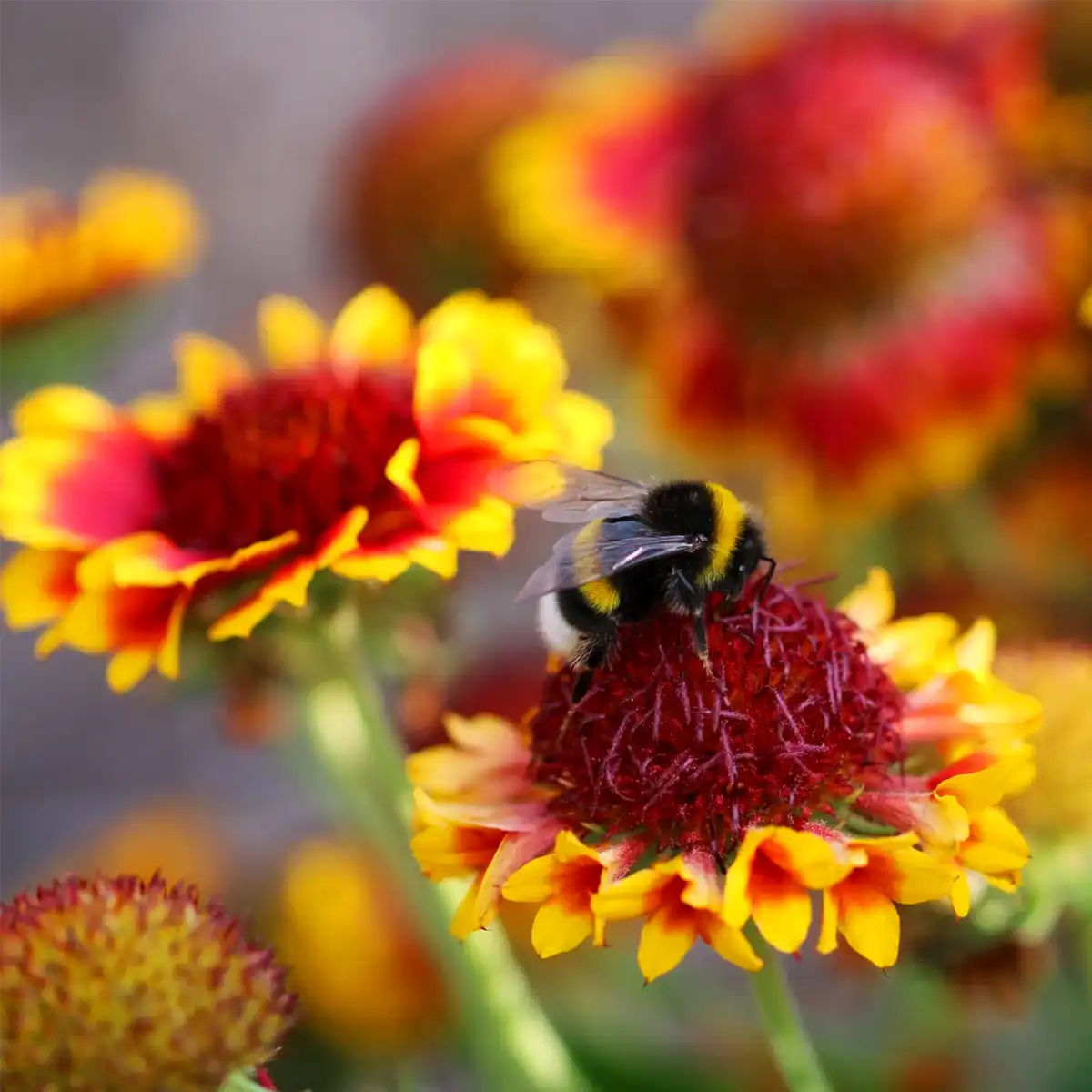
A wild garden has a type of visual liberality to it. There is always something happening somewhere; some small detail that catches the eye and delights after a keener look. It could be a bee working through a patch of Scabiosa, the way Verbena stems catch the low sun at the end of the day, or the faded geometry of a Rudbeckia seed head.
It is also a garden that ages well across the seasons. While a formal planting tends to peak and then look tired, a wild garden planting changes its personality gradually, each phase giving way to the next with continuity and not a decline.
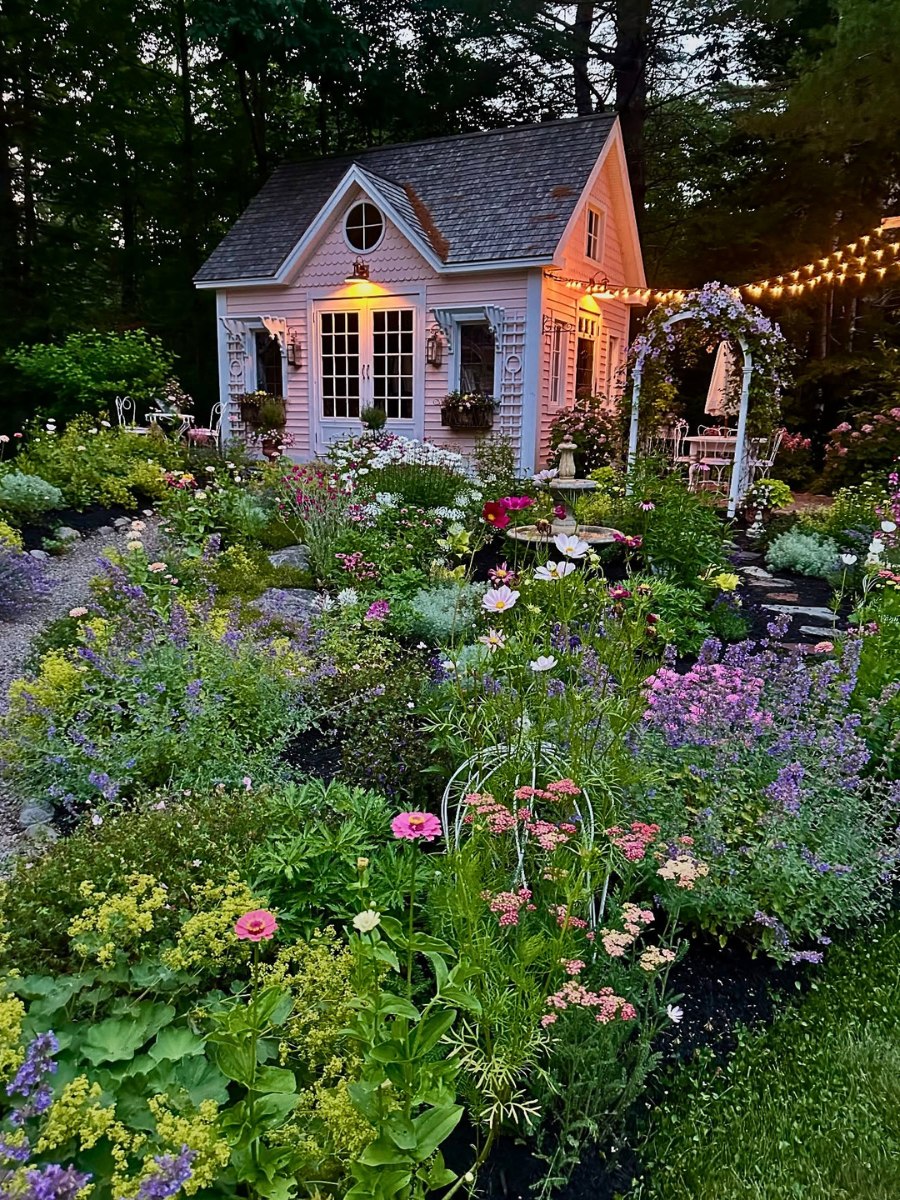
Such a quality, of a garden that holds its interest from April through November, takes planning to achieve but looks totally unplanned, once achieved. The back-and-forth between design and apparent wildness is the whole point. A garden that looks like it happened on its own is usually the one someone thought about the most.
How to Achieve the Wild Garden Look
The first principle is density, which does not necessarily have uniformity. Plant your flowers and plants in odd numbers and irregular clusters, avoiding straight lines or evenly spaced arrangements. Allow the plants to grow into each other at the edges because that overlapping is part of the aesthetic.
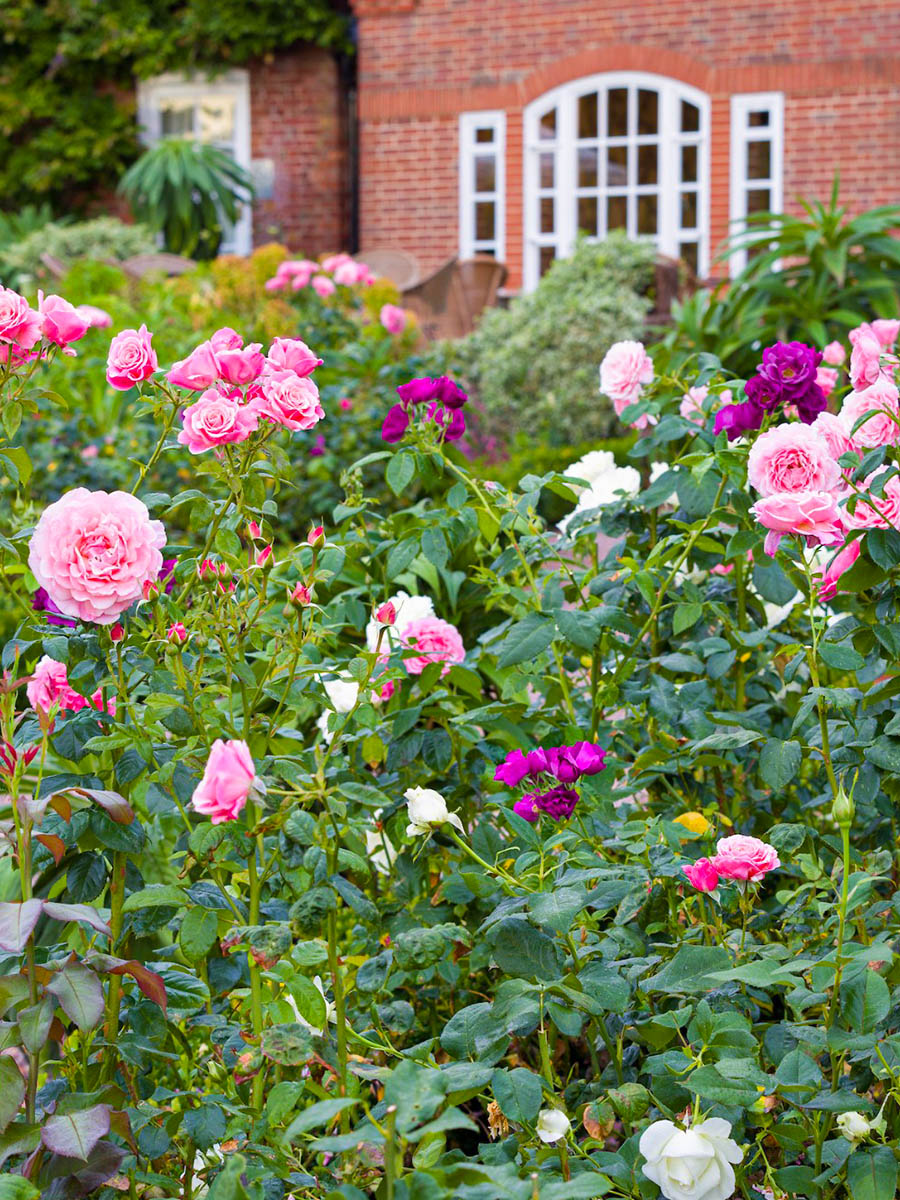
Choose plants with different heights and make sure you have representation at all three levels, which are the ground level, mid-height, and tall. This layering gives a wild planting its sense of depth and abundance.
Resist the urge to deadhead everything. Seed heads, be it in late summer and autumn, are not a sign of ineffectiveness but a required feature. Often, many of the most beautiful moments in a wild garden happen when the flowers have passed, and the structure of the plants is all that remains standing.
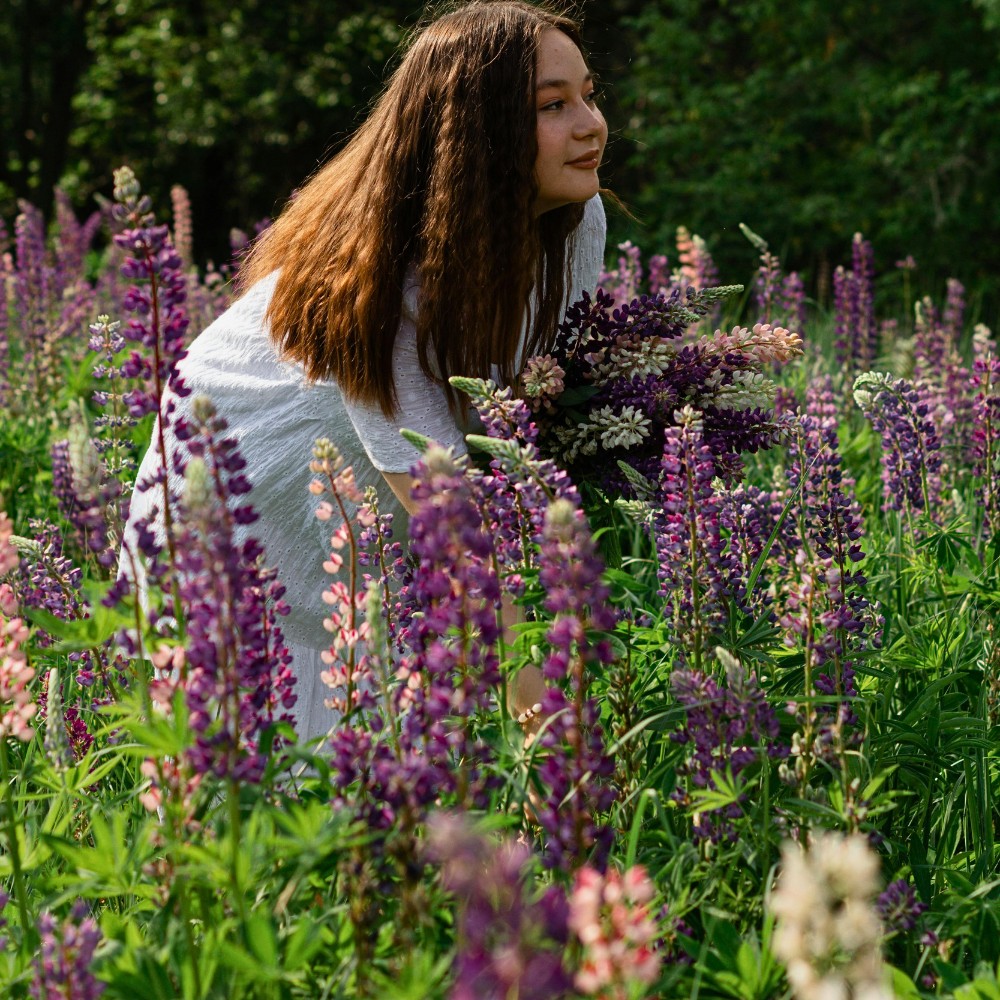
Soil preparation is, in this case, less important than in formal gardening. And in some ways, too much fertility works against you. Rich soil encourages lush, floppy growth in plants that naturally grow lean and upright on poorer ground. Many of the best wild-garden plants, like yarrow, Verbena, Echinacea, and Scabiosa, among others, perform better in soil that is not overly amended.
Include late bloomers like goldenrod to extend the season, leave some areas untamed to mimic a natural meadow feel, and mulch lightly to retain moisture and suppress weeds without over-taming the look. Also, allow self-seeding in the plants and flowers. Those that scatter themselves across the garden and come up in gaps are doing just what you would want them to do.
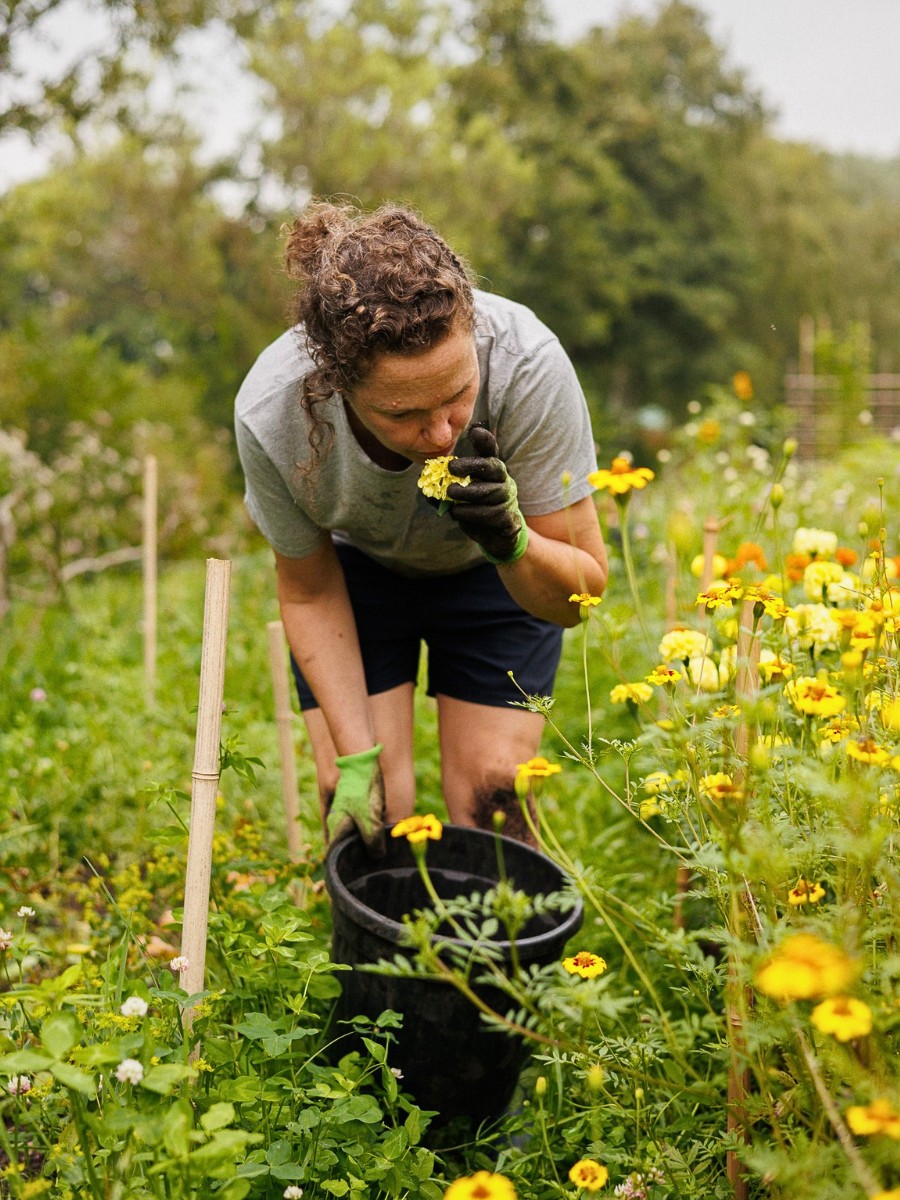
Moreover, edit only where needed, and resist the urge to remove every volunteer plant or flower that appears out of the blue. All factors considered, you’ll certainly have that wild garden look (and aesthetic) that you have always desired.
Featured image by Adilya. Header image by Barnabas Davoti.