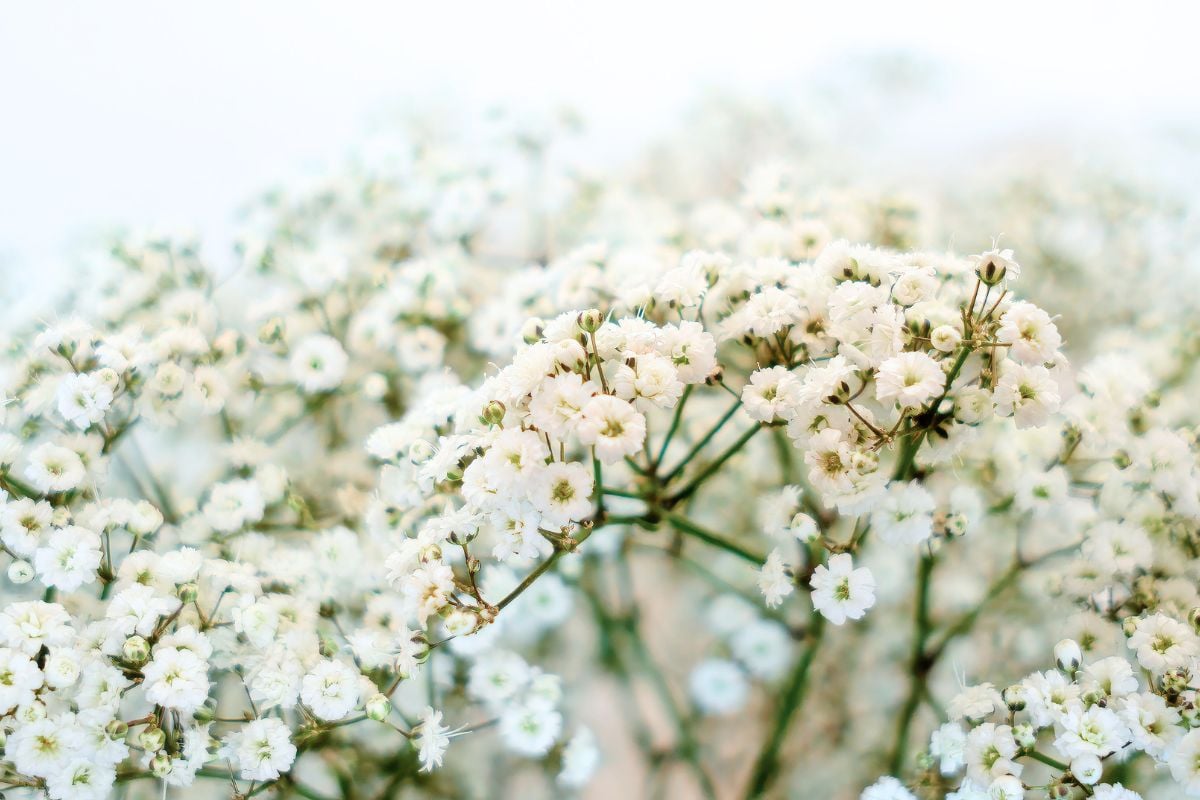

Gypsophila, commonly known as baby's breath, remains one of the most widely used flowers in the floral industry. Its airy appearance, versatility, and ability to complement almost any floral composition have made it a staple in bouquets, wedding designs, retail arrangements, and event work around the world.
While Gypsophila may appear delicate, maintaining its quality throughout the supply chain requires careful post-harvest management. Hydration, hygiene, temperature control, and proper flower nutrition all play a critical role in ensuring that stems arrive fresh and perform well for wholesalers, florists, and consumers. Through decades of research and development, in this edition, Chrysal, along with Floramar Farms from Ecuador, has established best practices that help maximize the quality and vase life of Gypsophila at every stage of the supply chain.
Why Proper Gypsophila Care Is Important
Gypsophila is valued for its cloud-like clusters of tiny flowers and its ability to add volume and texture to floral arrangements. However, the flower also presents several post-harvest challenges.
One of the most common issues is dehydration. Due to its fine stems and large volume of blooms, insufficient water uptake can quickly lead to wilting, browning, and loss of visual quality. Microbial contamination in buckets and hydration solutions can further reduce water absorption by blocking stems and accelerating deterioration.
Gyp is also moderately sensitive to ethylene and can be affected by poor storage conditions, excessive humidity, and condensation during transport. Without proper care, these factors can shorten vase life and increase waste throughout the floral chain.
Chrysal's Recommended Approach for Gypsophila
Successful Gypsophila care begins immediately after harvest. According to Chrysal, rapid cooling, proper conditioning, and effective hydration are essential for maintaining freshness and flower quality.
For growers, Chrysal recommends post-harvest treatments such as Chrysal GVB, Chrysal AVB, Chrysal OptiGyp, and Chrysal RVB Clear. These solutions support water uptake, reduce dehydration stress, and help flowers perform better during transport and storage. Flowers should be cooled quickly and stored consistently at temperatures between 2°C and 5°C while avoiding excessive humidity and ethylene exposure.
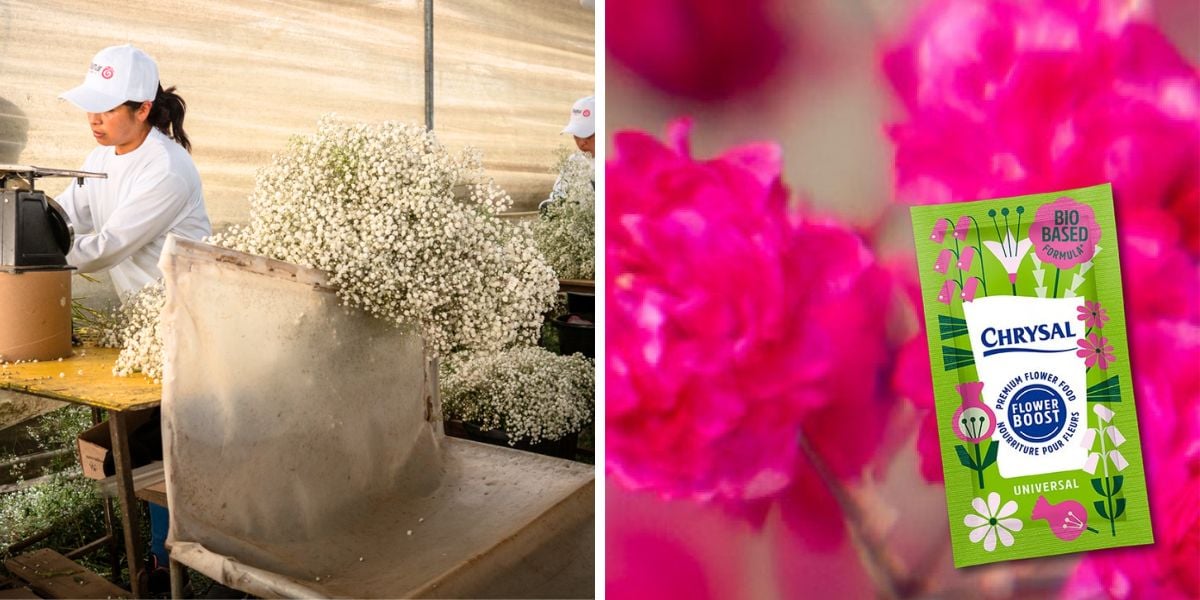
As flowers move through the supply chain, maintaining water quality becomes increasingly important. Wholesalers and florists benefit from hydration solutions such as Chrysal Professional 2, Chrysal Professional 3, and Chrysal FlowPro, which help maintain clean water systems, improve hydration, and support longer vase life.
For consumers, proper flower food and simple care practices such as recutting stems, using clean vases, and keeping flowers away from direct sunlight can significantly extend the decorative life of Gypsophila.
The Benefits of Professional Gypsophila Care
When handled correctly throughout the supply chain, Gypsophila offers significant advantages.
Improved hydration helps maintain its light, airy structure and fresh appearance. Clean water systems reduce bacterial growth and stem blockage, while proper nutrition supports longer vase life and more consistent performance in bouquets and floral arrangements. For growers, wholesalers, and retailers alike, these practices help reduce waste and improve customer satisfaction. This way, flowers maintain their quality from harvest through final use.
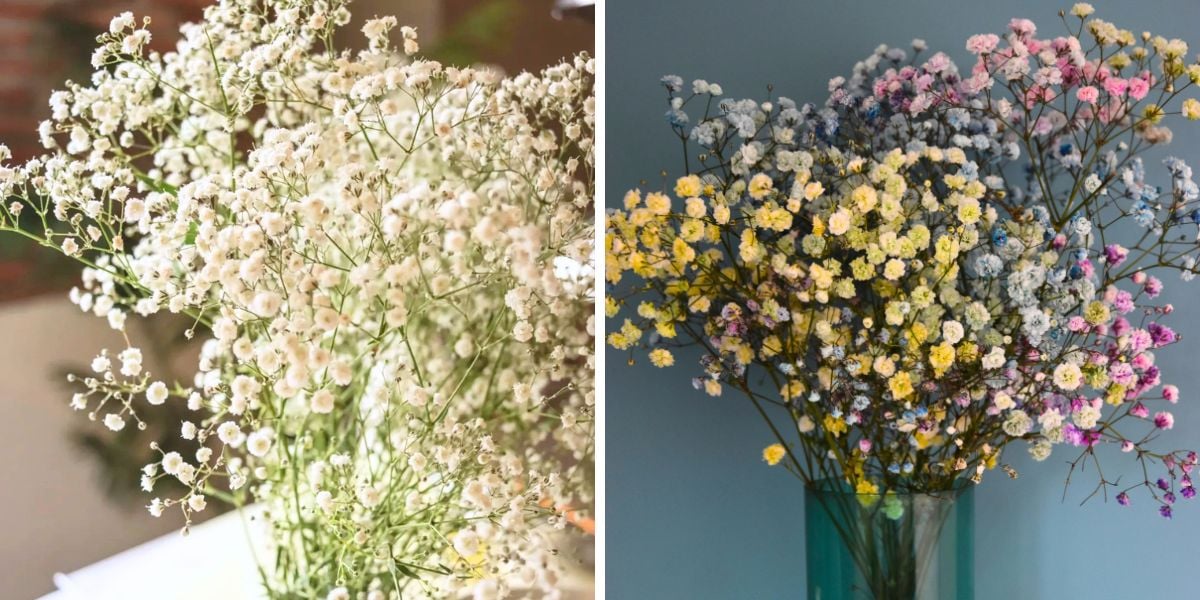
Floramar Farms – Producing Premium Gypsophila in Ecuador
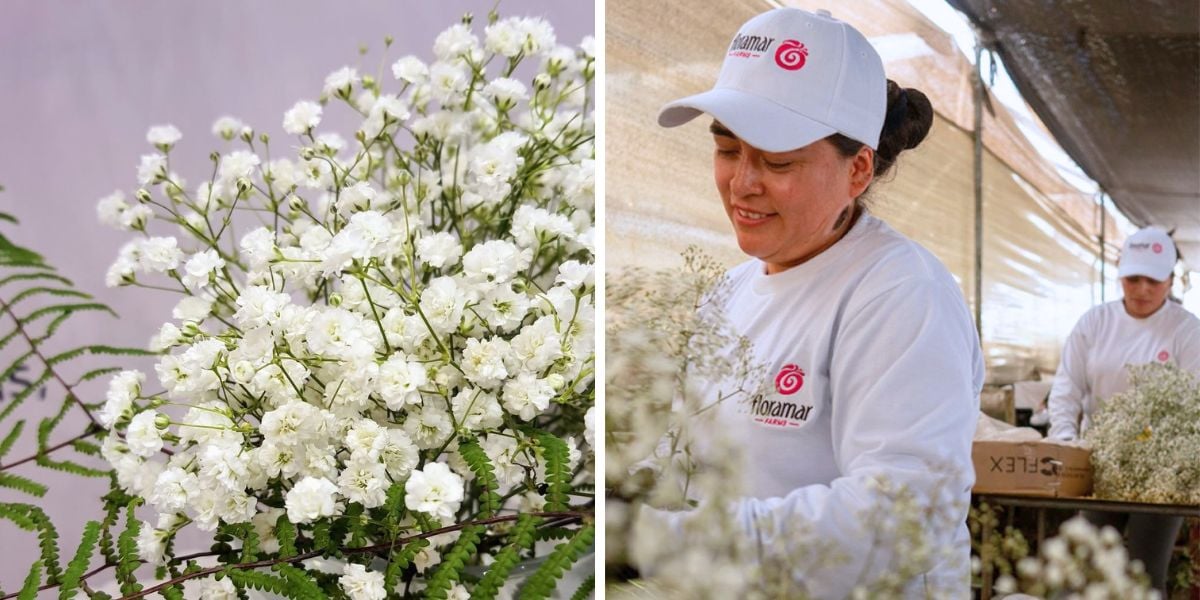
The success of any post-harvest program begins with quality production at the farm level. Located in the highlands near Quito, Ecuador, Floramar Farms has become a leading producer of premium summer flowers, specializing in Gypsophila and sunflowers. With more than twenty years of growing experience, the company cultivates 26 hectares across two farms and supplies customers worldwide. Throughout its growth, the farm has built its reputation on consistently high quality, reliable service, and delivering freshness across the entire supply chain.
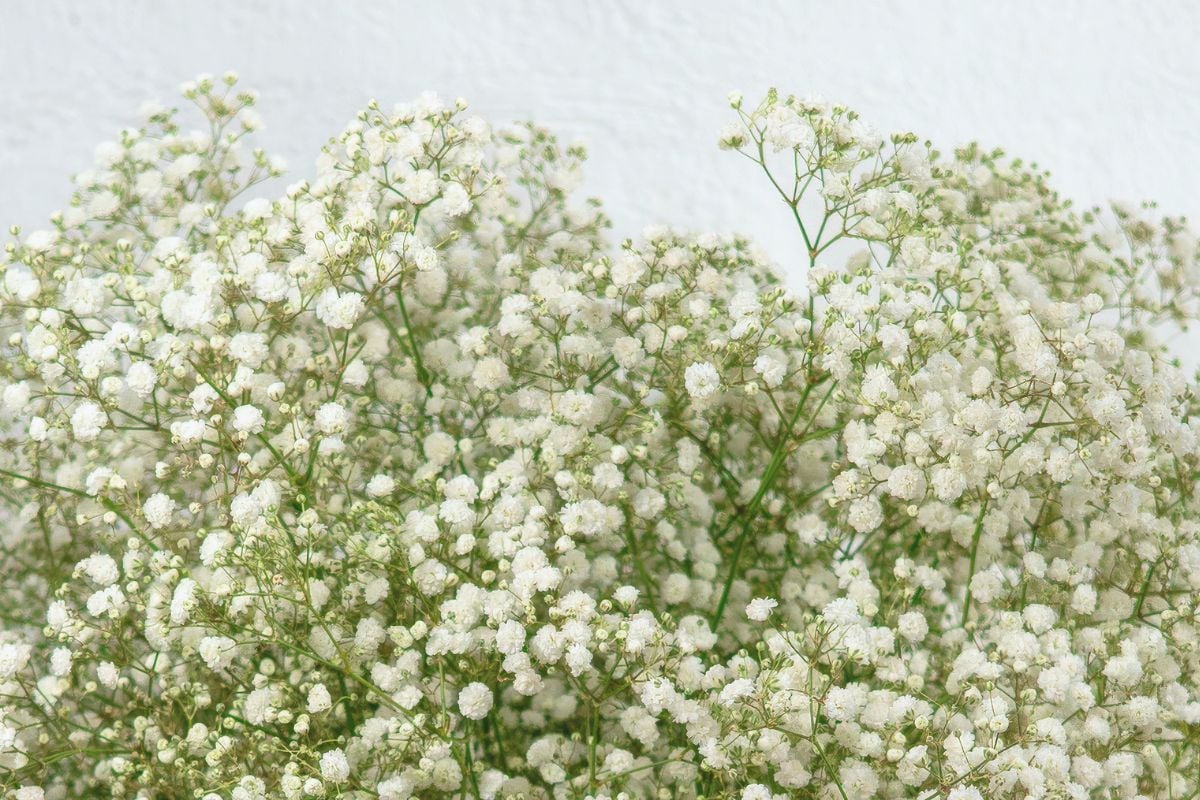
The farm's location in Ecuador's flower-growing region provides ideal conditions for producing Gypsophila with strong stem quality, excellent flower development, and reliable year-round availability.
Combining Expert Cultivation With Professional Post-Harvest Care
Producing high-quality Gypsophila requires more than excellent growing conditions. Maintaining that quality through transportation and distribution is equally important.
At Floramar Farms, careful cultivation practices are supported by professional post-harvest care solutions that help preserve hydration, freshness, and vase life throughout the supply chain. By implementing proven flower care protocols, the farm works to make sure that its Gypsophila reaches customers in optimal condition. This attention to maintaining the flower's quality helps meet the expectations of wholesalers, florists, bouquet makers, retailers, and consumers who rely on consistent flower performance.
Consistency From Farm to Final Customer
Today's floral industry demands reliability. Buyers expect flowers that arrive fresh, perform consistently, and maintain their appearance for as long as possible. Floramar Farms pays special attention to each step of manufacturing and distribution in order to achieve this uniformity. Every stage of the process, from growing and harvesting to handling and shipment after harvest, affects the flower's final quality.
The farm offers a supply chain that prioritizes freshness, longevity, and customer satisfaction by combining professional flower care solutions with extensive growing experience. Remember that long-lasting performance depends on a combination of factors, including cultivation practices, post-harvest handling, transportation conditions, and proper care provided by Chrysal at every stage.