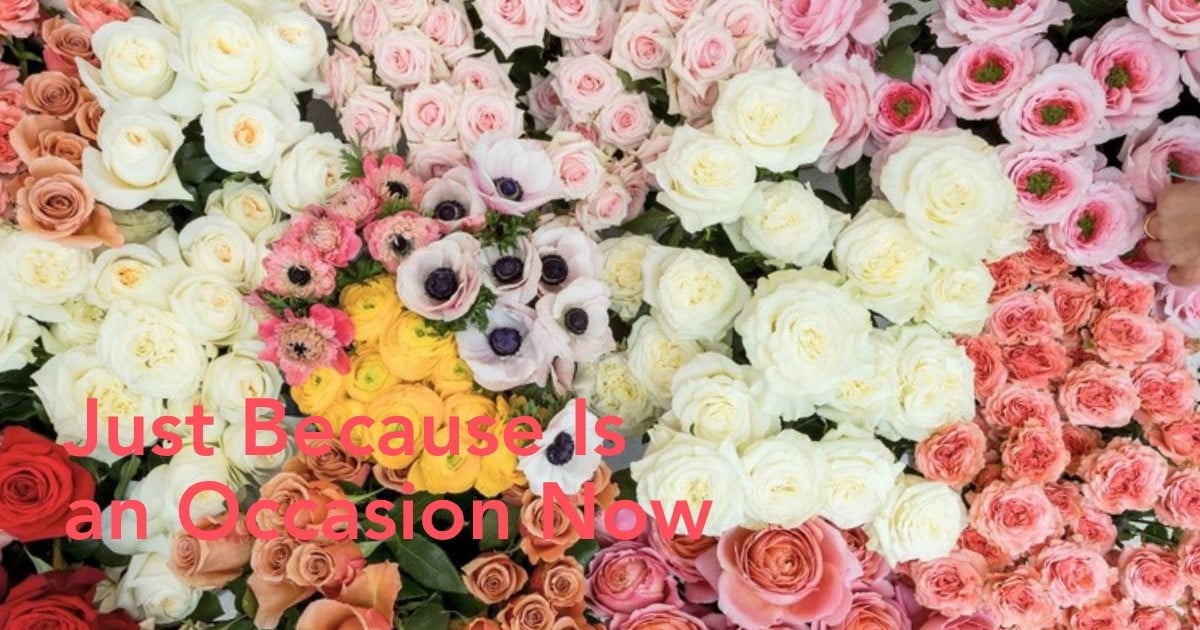
Ask a florist what the counter looked like ten years ago, and the answer is usually a list of occasions. Birthdays, anniversaries, Mother's Day, a funeral on Thursday morning. Those occasions are still there. What has changed is everything around them: who the flowers are for, how they are wrapped, where the photo of them ends up, and how often someone walks in without any reason at all.
Gifting culture has moved, and it takes the work at the bench with it. This piece looks at the flower gifting trends behind that shift from the florist's side of the counter: what people now expect when they give flowers, and what that changes in what you design, what you sell, and how you present it. Looking for what to send for a birthday or a new baby? Our modern guide to gifting flowers for every occasion covers the buyer's side.
What Is Changing in Gifting Culture?
Three shifts show up in the research and at the counter at the same time. None of them replaces the classic occasion. They stand next to it, and each one asks for a different kind of bouquet.
The Just-Because Bouquet Is No Longer the Exception
For a long time, the occasion was the reason to buy. In the Society of American Florists' 2016 Floral Purchase Tracking Study, 77 percent of cut flower purchases had a reason or an occasion behind them, led by birthdays and anniversaries at 12 percent each. The other 23 percent were bought 'just because' with no occasion at all.
The youngest buyers are comfortable with that idea. A 2026 Floral Marketing Fund study of 2,011 Gen Z consumers in the United States, carried out at Colorado State University, found that 28.2 percent had bought flowers simply because they wanted to. Birthdays (60.6 percent) and Mother's Day (46 percent) still came first. The two studies measure different things, one counts purchases and the other counts people, so they do not draw a neat line. They do point the same way, and Thursd went through the Gen Z findings in detail in what Gen Z wants from flowers.
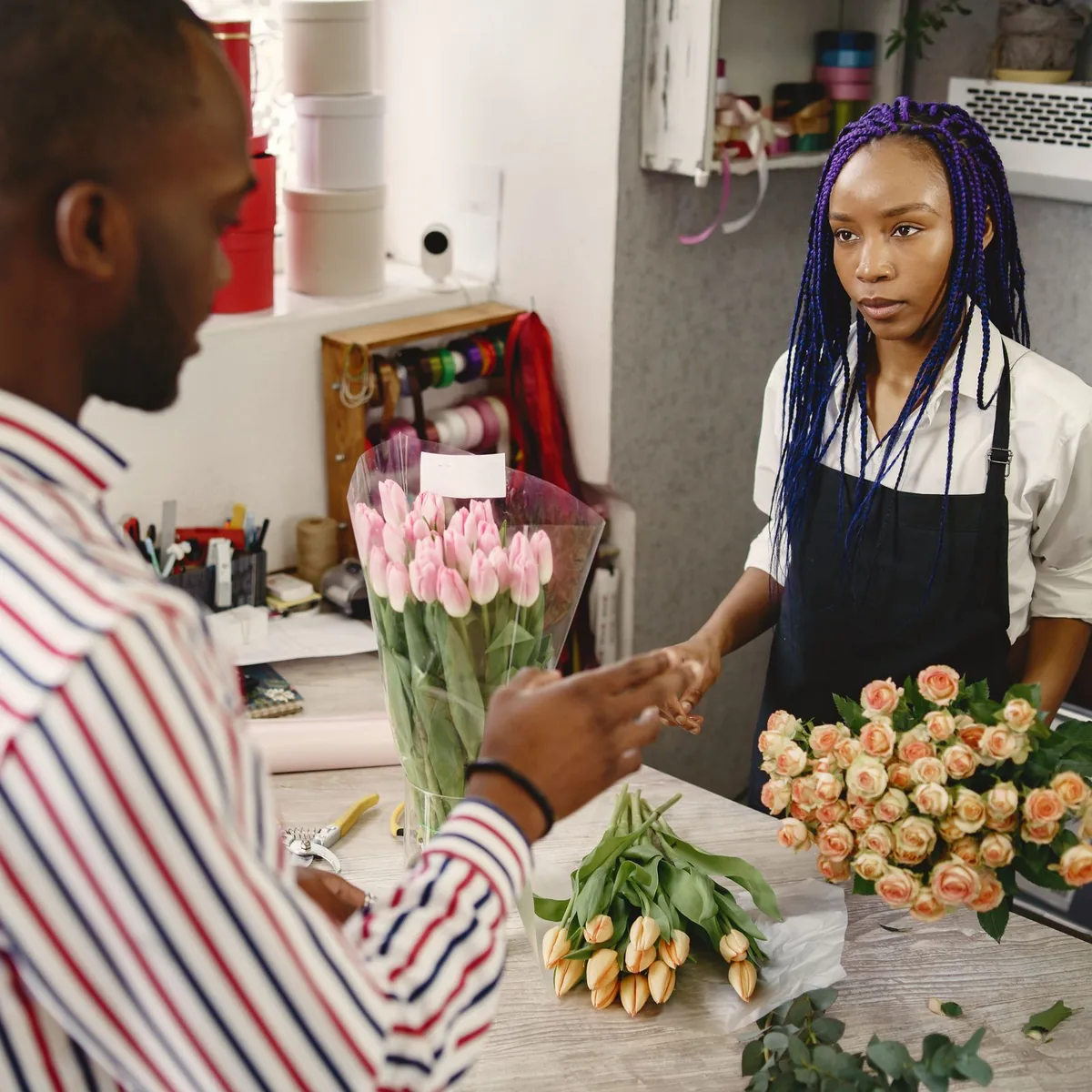
For the florist, the no-occasion buyer is a different customer. Nobody is waiting for these flowers, so there is no deadline and no card that has to say exactly the right thing, and the budget is often smaller. This buyer wants something to pick up on the way home and put in a vase the same evening.
More People Give Flowers to Themselves
The gift is still strong. According to the Society of American Florists' consumer figures, two out of three fresh flower purchases are gifts, and one in three is for the buyer. That last third is the one growers and florists have started to talk to directly. For the gift side, our guide to the best flowers to give as gifts matches ten popular flowers to what they mean.
For Valentine's Day 2025, Ecuadorian rose grower Rosaprima built a whole campaign, The Finest Gift, around giving flowers to yourself. "Valentine's Day has traditionally been about giving to others, but with Rosaprima's newest campaign, we're redefining what it means to celebrate love," said Natasha Viedt, Marketing Manager at Rosaprima.

A self-gift is designed differently from a gift. It does not have to impress anyone at the front door. It has to look good on the kitchen table for a full week, and the buyer chooses it for their own taste, not for someone else's. No card, no audience.
The Gift Is Also a Photo
Gen Z finds flowers on its phone. In the same Floral Marketing Fund study, 55.8 percent of participants used Instagram for flower-related information, 48.1 percent used TikTok, and 46.6 percent used Facebook. More than half had bought flowers through a social media platform.
So the bouquet now has two moments: the one at the door and the one on a screen a few minutes later. That second moment rewards a clear color story and wrapping that looks deliberate in a close-up. A bouquet that only works in person loses half its audience.
What Florists Design and Sell Differently
When gifting culture changes, the product follows. Here is where that already shows up in the shop.
Ready-Made, Smaller, and Priced in Plain Sight
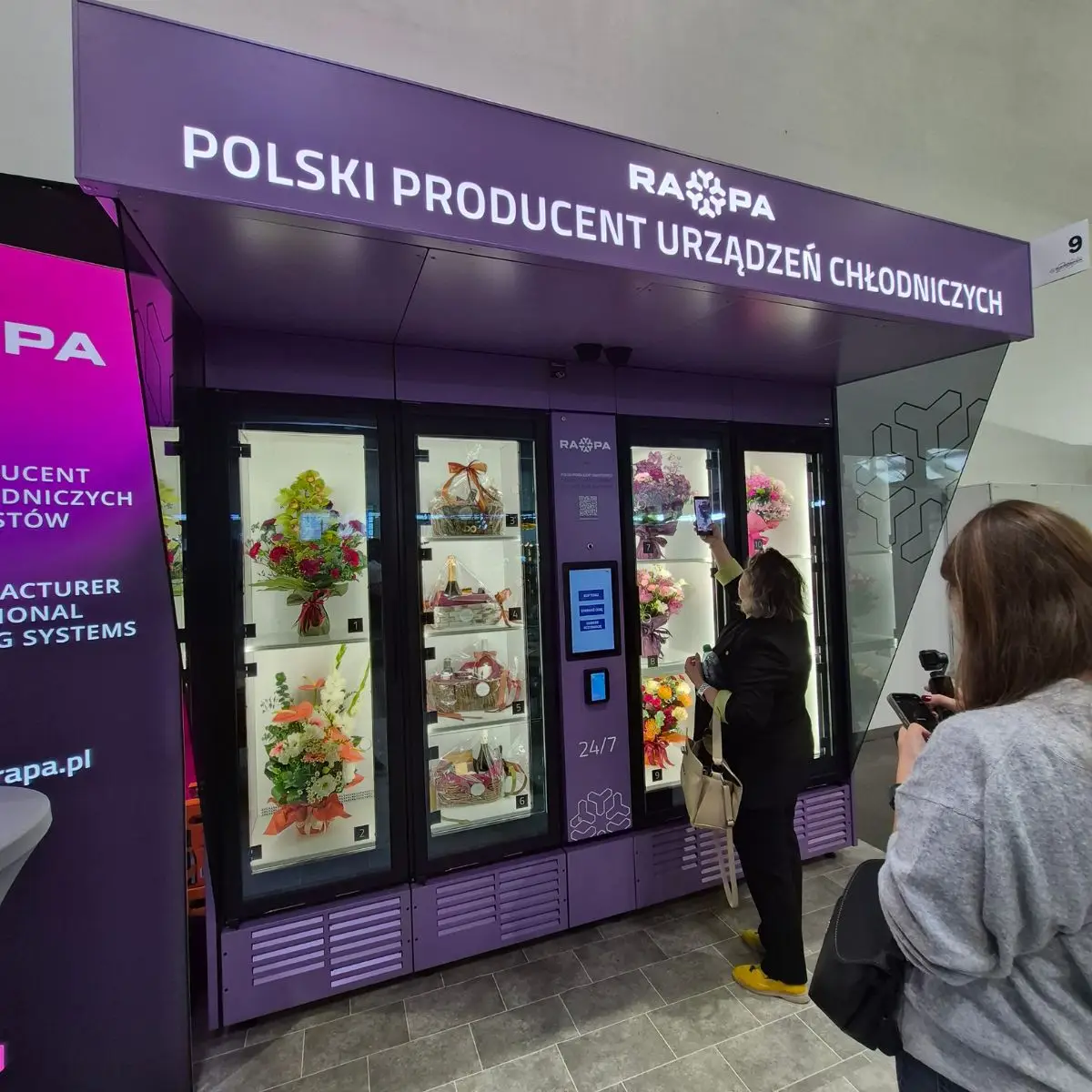
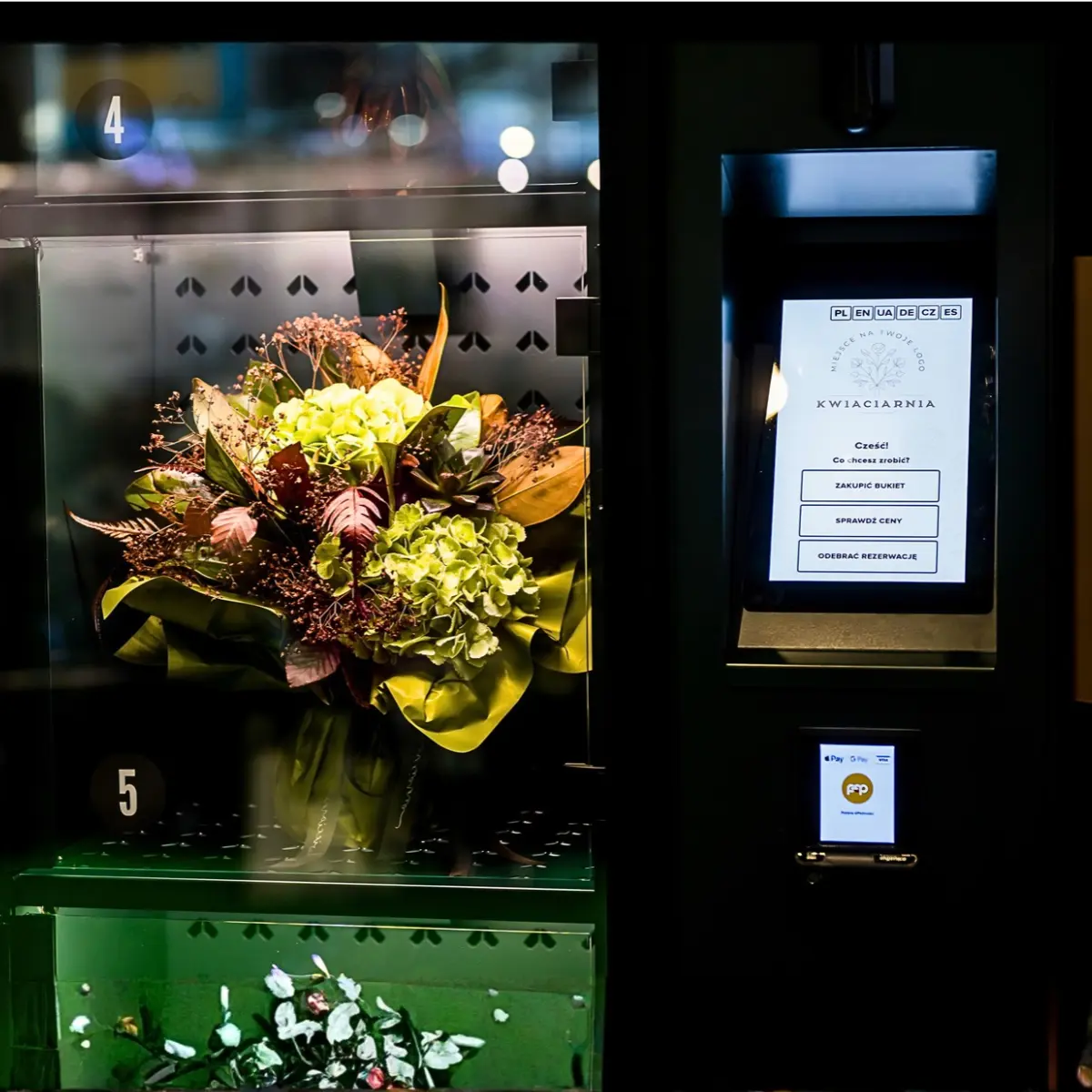
Andrzej Dabrowski has run a flower business in Poland with his wife, Monika, for about three decades, and he writes about the business side of floristry for Thursd. For years, he believed every bouquet should be prepared to order. He changed his mind. "Many customers prefer an immediate choice with visible pricing instead of an extended consultation," he writes in Business Is Full of Changes. He went a step further with flower vending machines that are available 24 hours a day, which he sees as an extra customer touchpoint, not as a replacement for the shop.
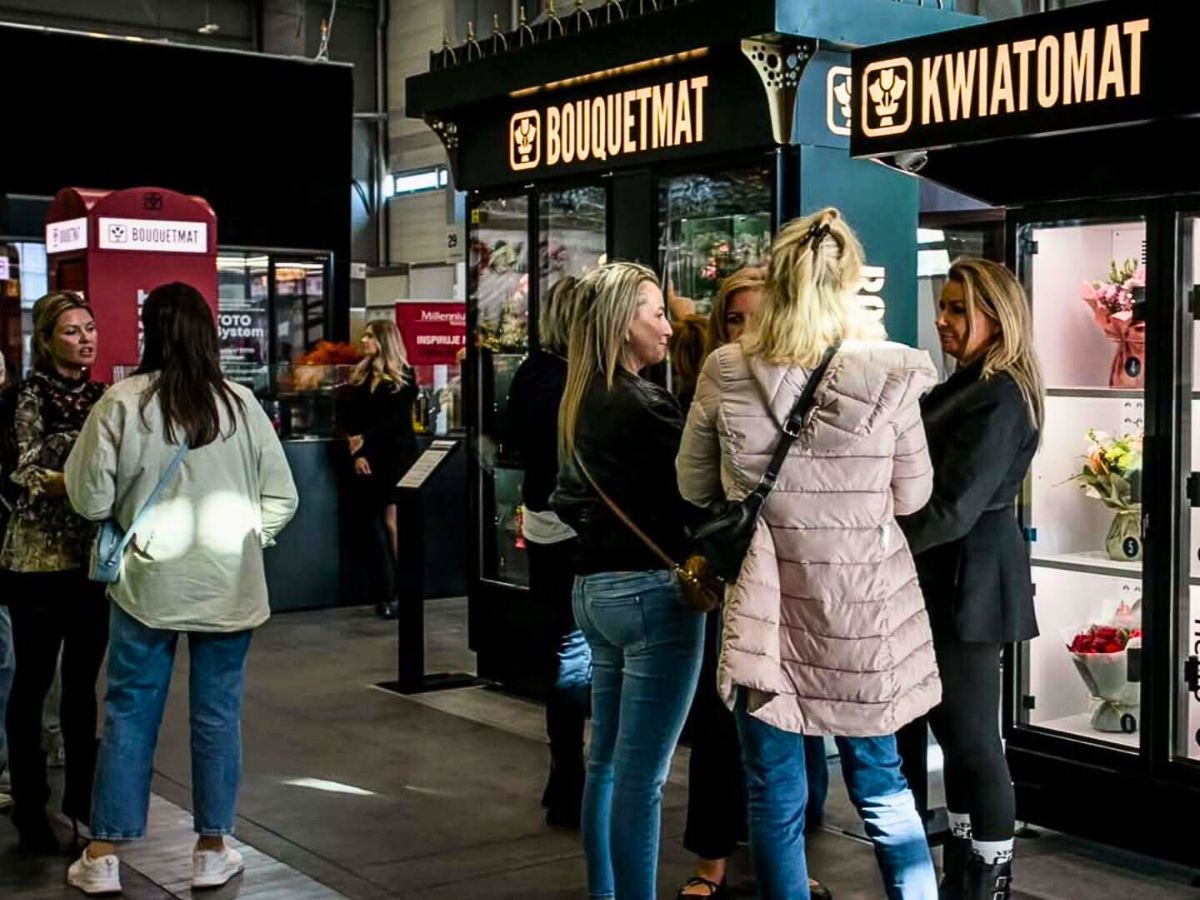
For the just-because buyer and the self-gifter, that is the right offer: a few sizes and a few price points, made that morning and visible from the door. The made-to-order bouquet stays for the anniversary, the apology, and the funeral. It is simply no longer the only way in.
Freshness and Color Before Symbolism
Here, the research turns one of the trade's oldest habits around. When the Gen Z participants in the Floral Marketing Fund study rated what drives a purchase, freshness came first at nearly 78 percent, then color at 76 percent, shape and design style at about 71 percent, price at 70 percent, and fragrance at nearly 69 percent. Symbolic meaning and spiritual associations scored lowest.
That does not mean meaning has gone. It has moved. A young buyer reads care in a stem that is visibly fresh and in a color combination that feels chosen. Over 60 percent of the participants said accurate product labeling matters to them, so a short line on how long the flowers will last, and how to keep them that long, does more work than a paragraph about what a rose means. Color matters to older buyers too: in SAF's 2016 Generations of Flowers Study, 70 percent of Americans said flower color adds to the impact of a gift.
Wrapped Without the Plastic
The wrap is part of the message now. More than half of the Gen Z participants want packaging that is reusable or recyclable, and nearly two-thirds said printed information on the packaging helps them decide. A paper sleeve, a vase the recipient can keep, and a design that stands without a block of foam all say something about the giver, and about the shop that made it.
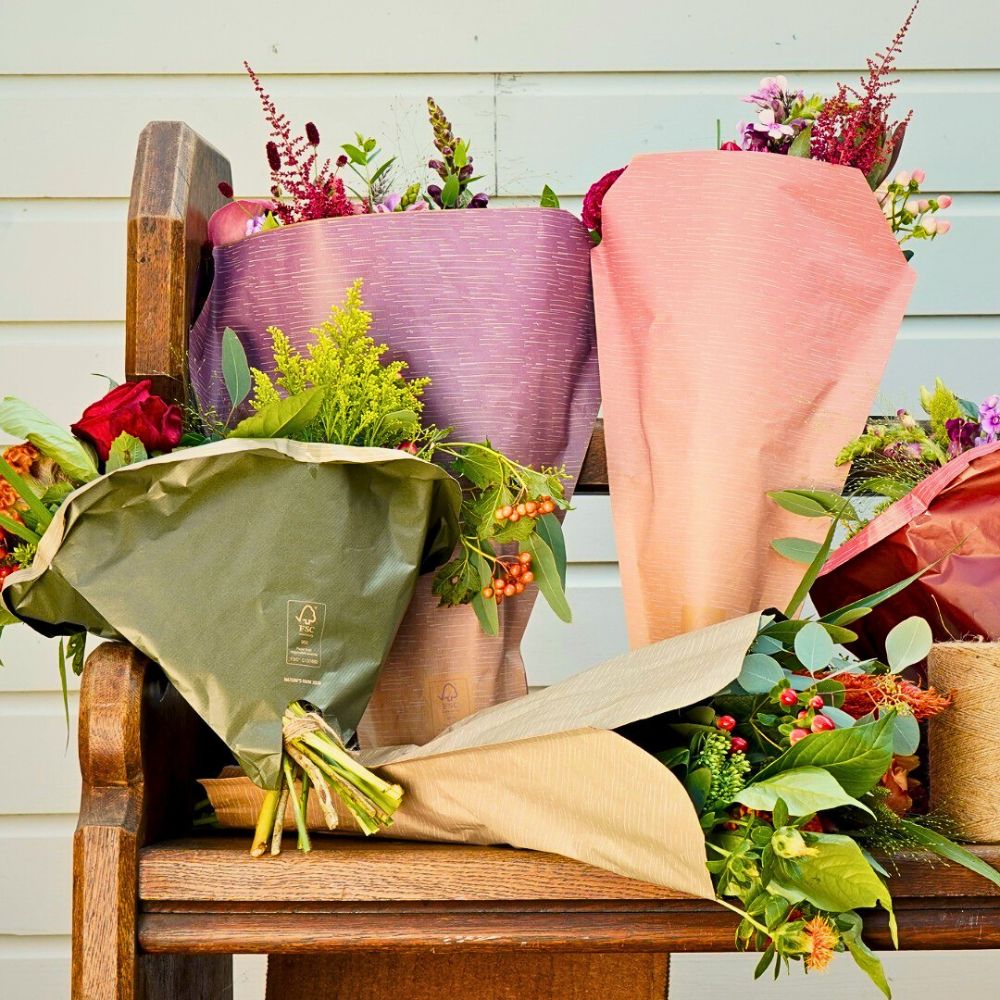
Lynn Fosbender of Pollen Floral Design Studio stopped using floral foam years ago and explains why in Why I Gave Up Floral Foam. Foam is a single-use product, and in her words it "ends up in the garbage after it's used just once." Her starting point is simple: "Being an eco-friendly florist means we work to minimize the resources we use while minimizing waste." Is paper always the greener wrap? That depends on more than the material, and Thursd weighed it up in paper vs plastic flower packaging.
Let the Customer Build the Gift
For a generation that discovers flowers online, the shop still counts for a lot. More than 74 percent of the Gen Z participants agreed that a physical store lets them see, smell, and touch flowers before buying, and more than 72 percent valued hands-on experiences such as building their own bouquet.
Andrzej Dabrowski saw the same thing when he moved his flowers out from behind the counter. "Customers who participate in selection feel involved," he writes. "They choose what appeals to them visually, often selecting fully open roses rather than technically perfect ones."
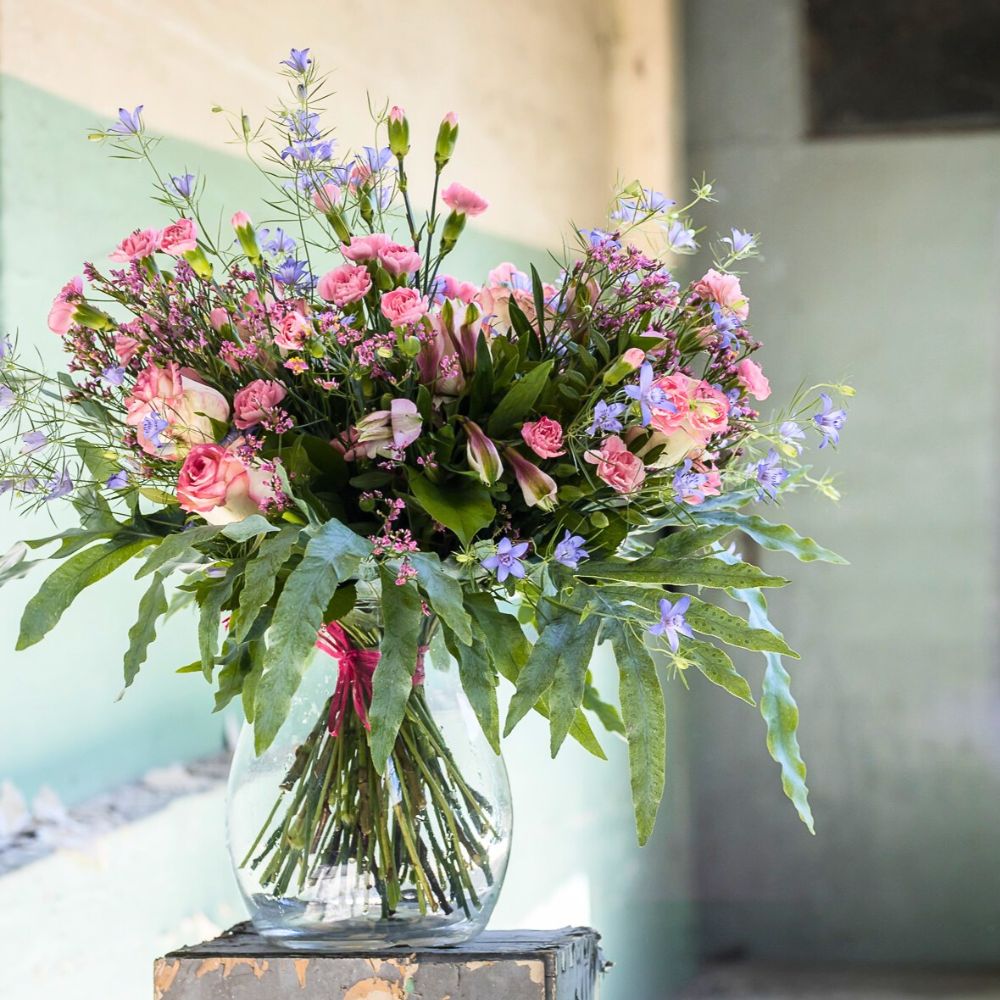
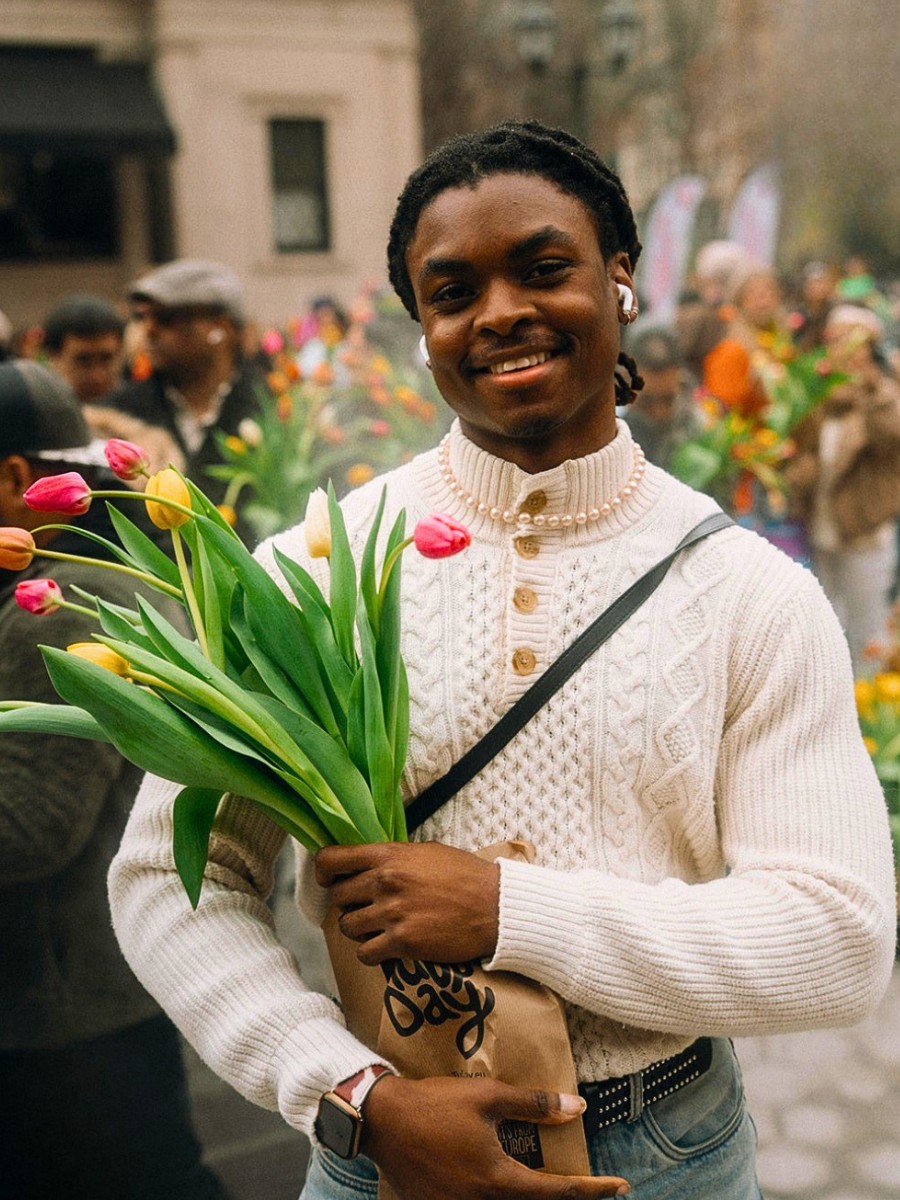
A bucket wall that customers can walk along, a bouquet bar on a Saturday morning, a workshop in the week before Mother's Day: each of them turns choosing the flowers into part of the gift. Pick-your-own pop-ups such as Tulip Day build a whole day out around that idea.
What Changes Next for the Florist
None of this is a forecast you have to wait for. It lands in the next big gifting weeks. The first of them is Christmas, and our Christmas flower sales guide for florists covers the add-ons and the self-purchase bunch for that season. For Valentine's Day and Mother's Day 2027, the classic gift bouquet will need a sister line next to it: smaller, ready for the vase, priced on the label, and photographed for your own feed before the week starts. The made-to-order work keeps its place for the moments where the story matters most.
Freshness moves up the list as well. If the next generation of buyers checks the stems before anything else, the conversation with your wholesaler and grower changes too, toward varieties that hold up through a warm week in a living room. And the foam-free, paper-wrapped design stops being a niche choice. It becomes what a thoughtful gift looks like.
Gifting culture keeps changing, a little every season. The flowers still do the talking, and the florist still decides how they sound. Which of these changes do you already see at your counter?
Sources: Society of American Florists, Consumer Trends on Buying Flowers (Floral Purchase Tracking Study 2016, Generations of Flowers Study 2016); Floral Marketing Fund, Catering to Generation Z Consumers: Identifying Key Traits and Wellbeing Benefits in Floral Products (2026), conducted by the APPAH lab at Colorado State University and co-sponsored by CalFlowers and FTD.
Header image: Rosaprima. Featured image: @decowraps_eu.