Christmas time is getting closer, the weather is getting colder, but our souls are getting warmer. When it comes to happiness, Christmas is the perfect time to give or receive flowers. And when we are on the subject of Christmas flowers, no Christmas is complete without the poinsettia.
Poinsettias are popular garden plants in tropical and subtropical areas and are well-known potted plants associated with winter festivities in temperate regions. But how did the poinsettia become such an integral part of this holiday?
No Christmas Without the Poinsettia
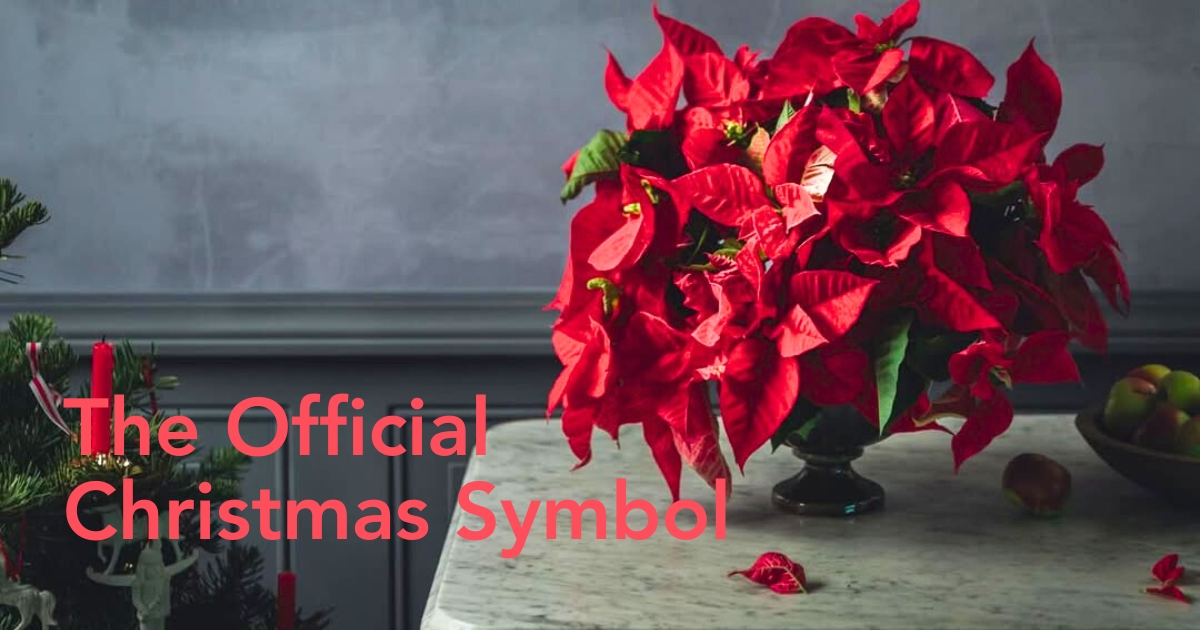
Poinsettias are an indispensable part of Christmas decor worldwide. They are symbols of good cheer and scream Christmas. The Euphorbia pulcherrima, widely known as the poinsettia, belongs to the family Euphorbiaceae (the Spurge family). There are more than 2,000 species in this botanical family, and many have common names that vary by region and country.
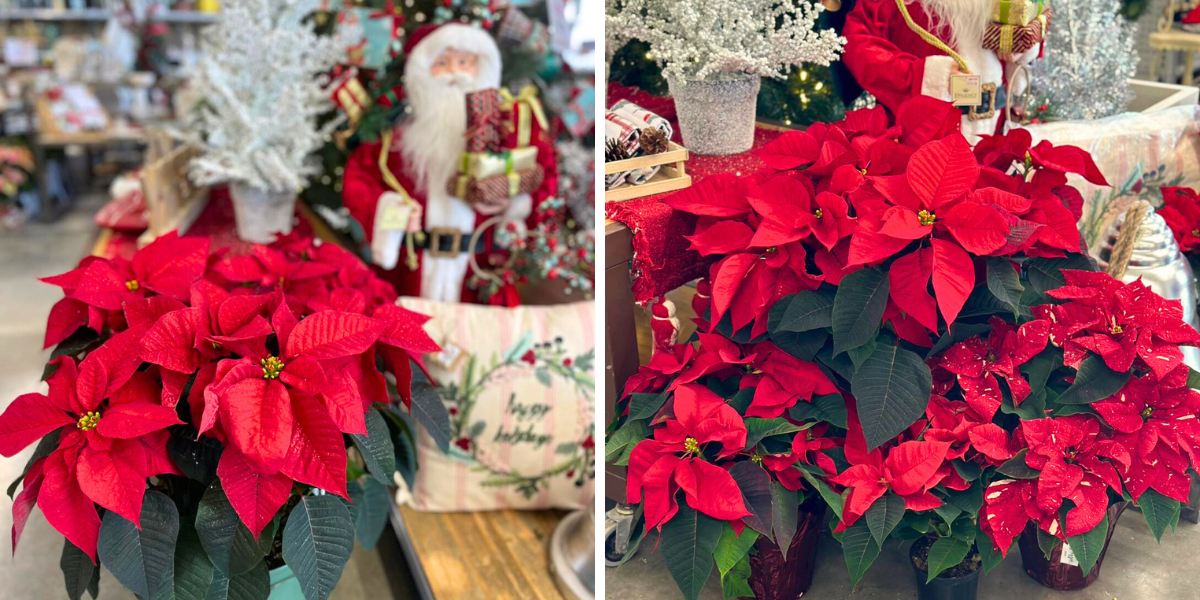
Photo: @stevesacedbq
German botanist Karl Ludwig Wildenow named the poinsettia. He was so impressed by the color of this plant that he called it Euphorbia pulcherrima, which literally means 'very pretty plant'. He was correct because the poinsettia is clearly deserving of this name.
The poinsettia is native to Central America and Mexico, particularly in an area of southern Mexico known as 'Taxco del Alarcon', where they flower naturally during the winter. In fact, poinsettias are very common in Mexico, and you will often see them growing on the side of the road. Even in the 14th to 16th centuries, this plant was popular among the Aztecs. They called them 'Cuetlaxochitl', which means 'flower that grows in residues or soil'. Poinsettias had several practical uses, including dyeing clothing and using the sap as medicine, as well as for decoration and midwinter celebrations.
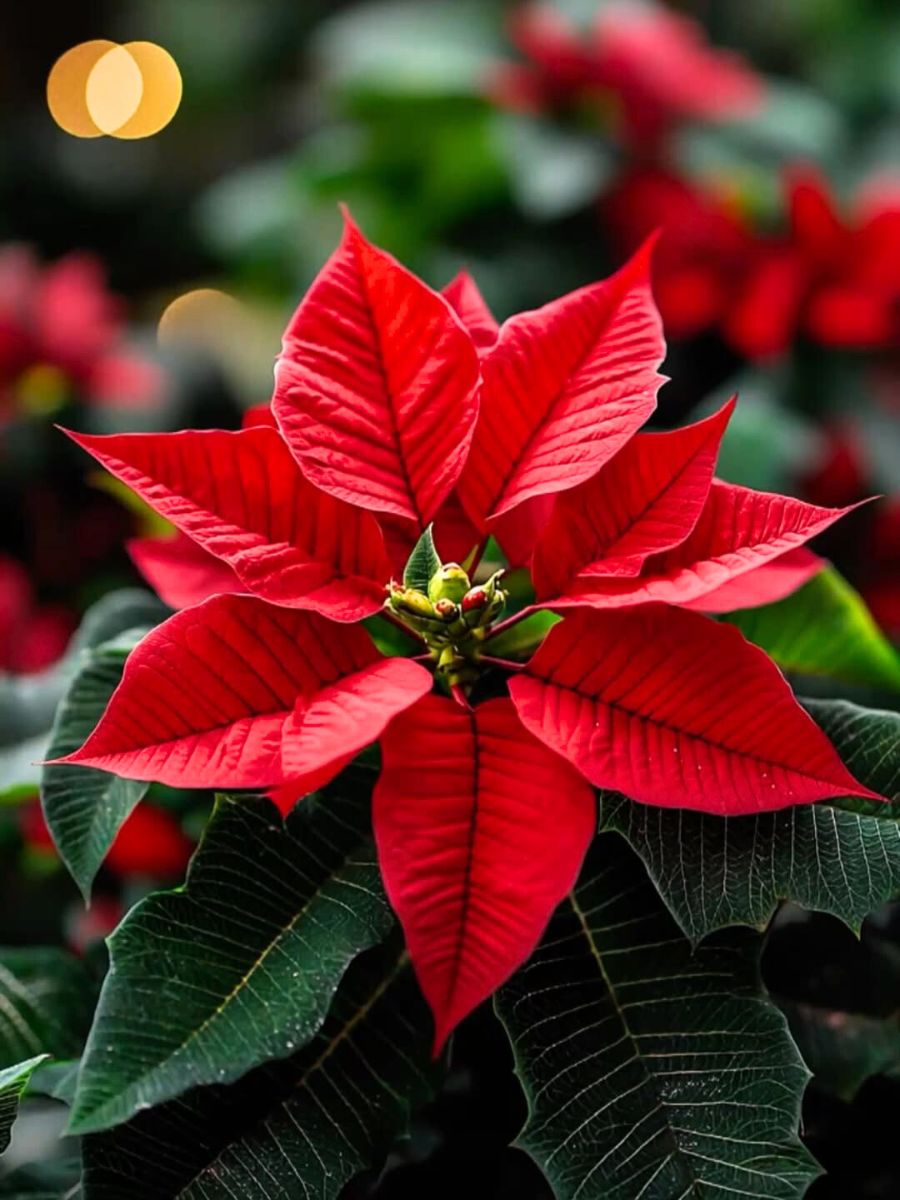
Photo: @passion_fleursetplantes
Flowering and Colors of the Poinsettia
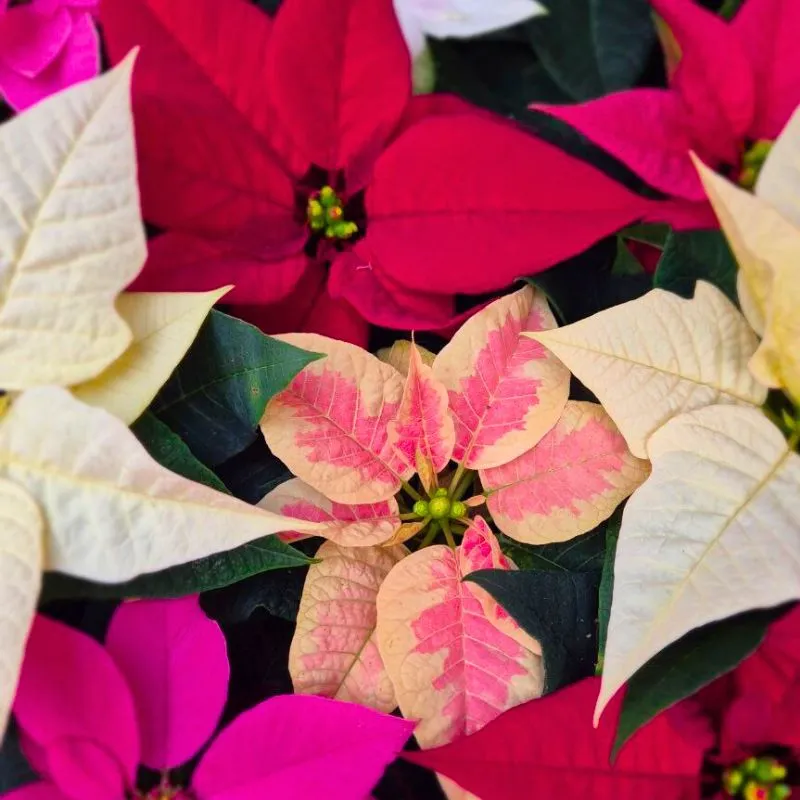
The poinsettia is a shrub (or small tree) that generally reaches a height of 60 cm to 5 meters. With dark green leaves and yellow flowers surrounded by large, colorful bracts that look like petals, this plant is a looker. The bracts are often mistaken for flower petals, but they are actually modified leaves that surround a bunch of small, inconspicuous yellow flowers called cyathia.
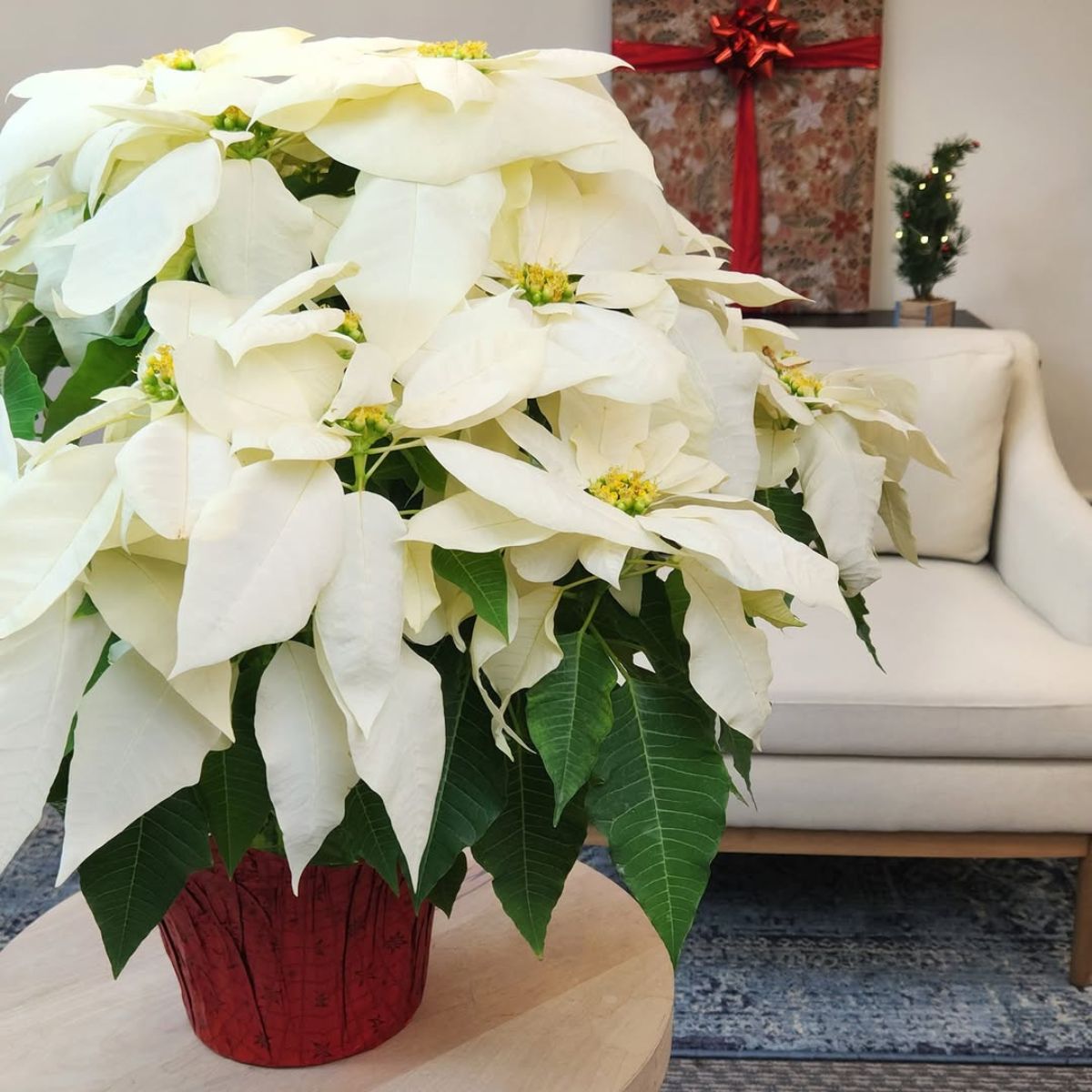
In response to the poinsettia plant forming flowers, the bracts can change color, ranging from creamy white to the traditional bright red.
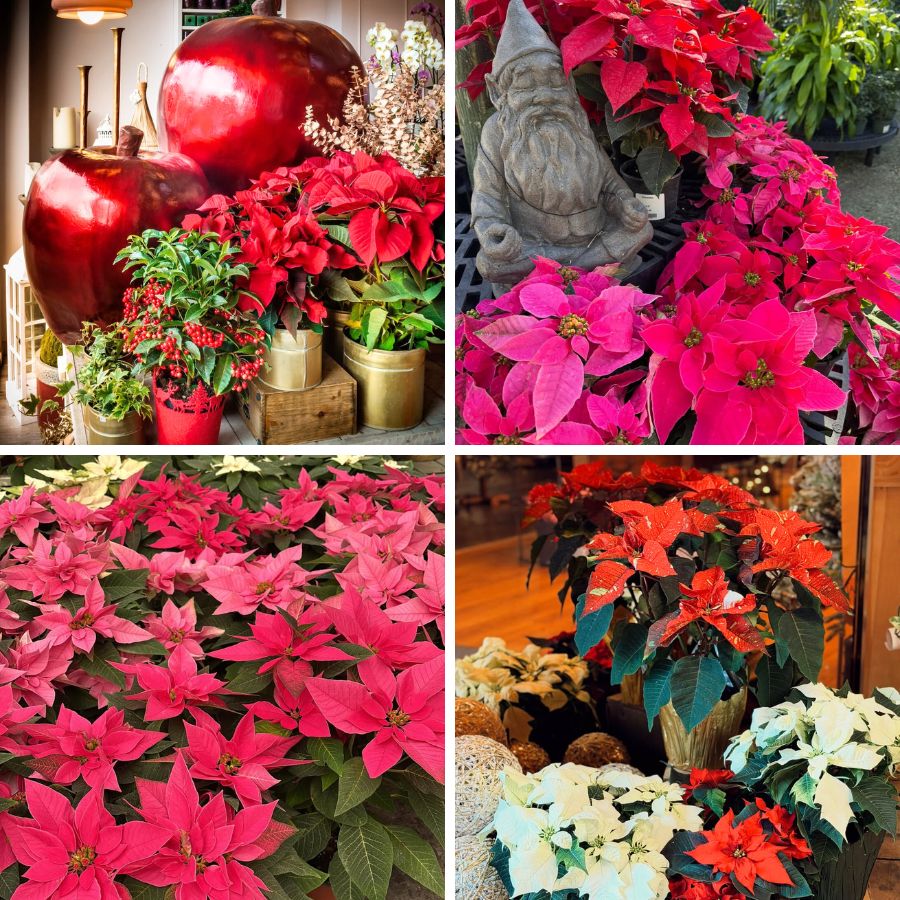
The Star of Christmas
Because of the colorful star-shaped bracts that are always around during Christmas time, this flower is also called the Christmas Star or Christmas Flower. The use of this plant in Christmas decor and celebrations dates back to the 17th century, when Franciscan monks in Mexico began using poinsettia in Christmas ceremonies. At that time, the legend of the little Pepita was born, forever linking red and green colors to Christmas.
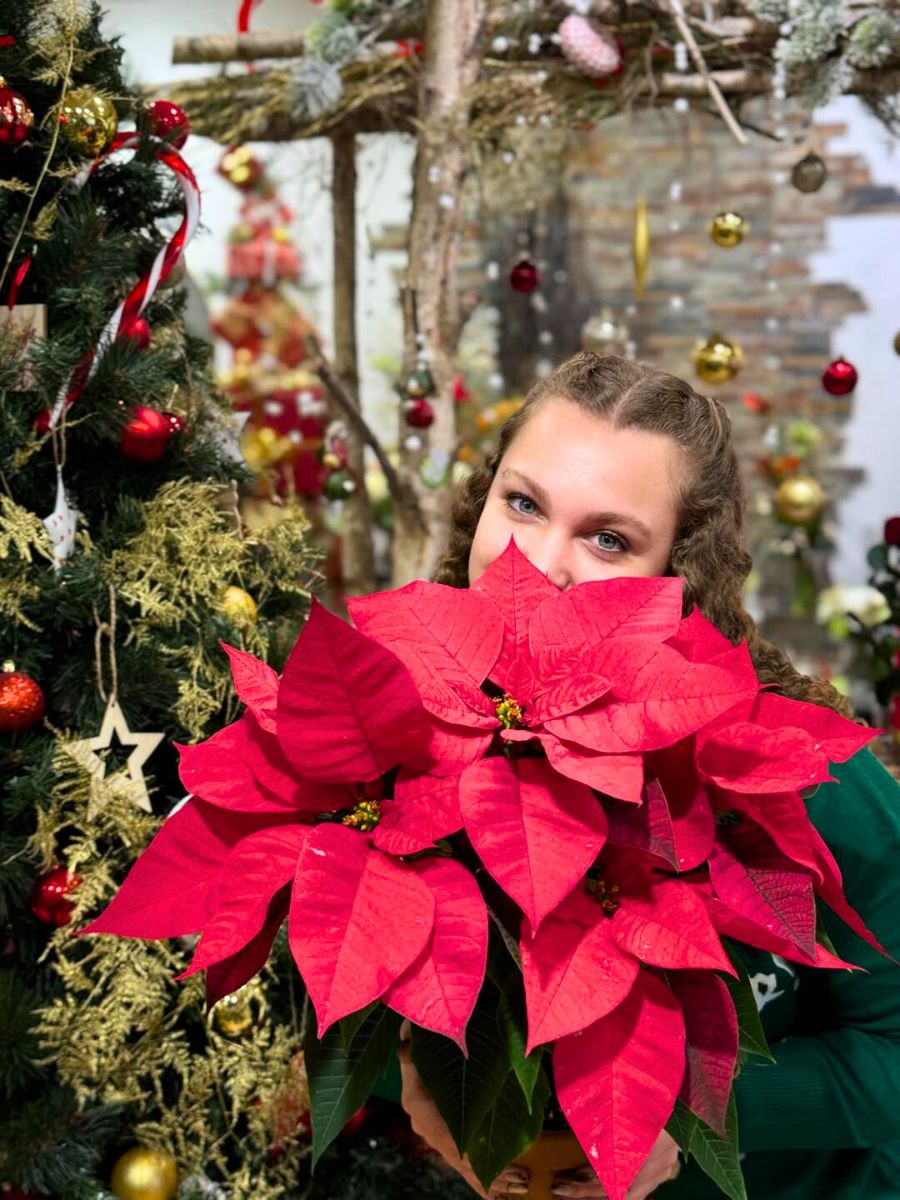
According to legend, a young Mexican girl named Pepita was on her way to visit the Nativity scene at the chapel in her small town. It was customary at the time to honor Jesus by bringing gifts to the church. Pepita didn't have anything to give, so on her way to the church, she picked flowers and weeds from the side of the road and fashioned them into a bouquet. Upon arrival, the girl laid the bouquet at the feet of Jesus, and suddenly, the weeds burst into brilliant red petals. From that day on, the bright red flowers of the poinsettia were known as the 'Flores de Noche Buena' or 'Flowers of the Holy Night'.
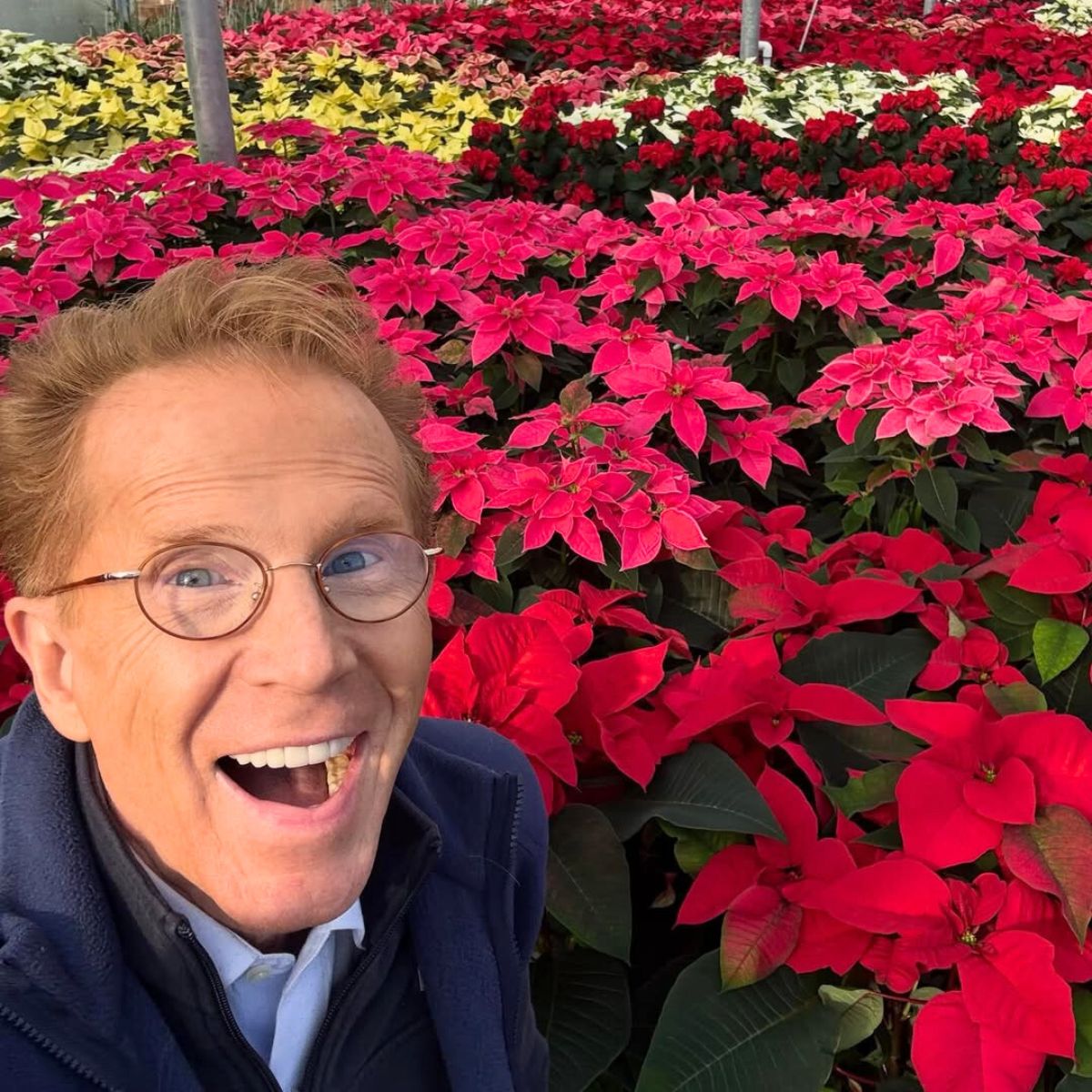
Photo: @johnelliotttv
The Most Popular Christmas Plant
The plant remained relatively unknown until Joel Roberts Poinsett introduced it to the United States. This introduction forever changed how people see poinsettias worldwide, and now no Christmas is complete without them. It is the most popular Christmas plant in the world and is grown globally for our December festivities.
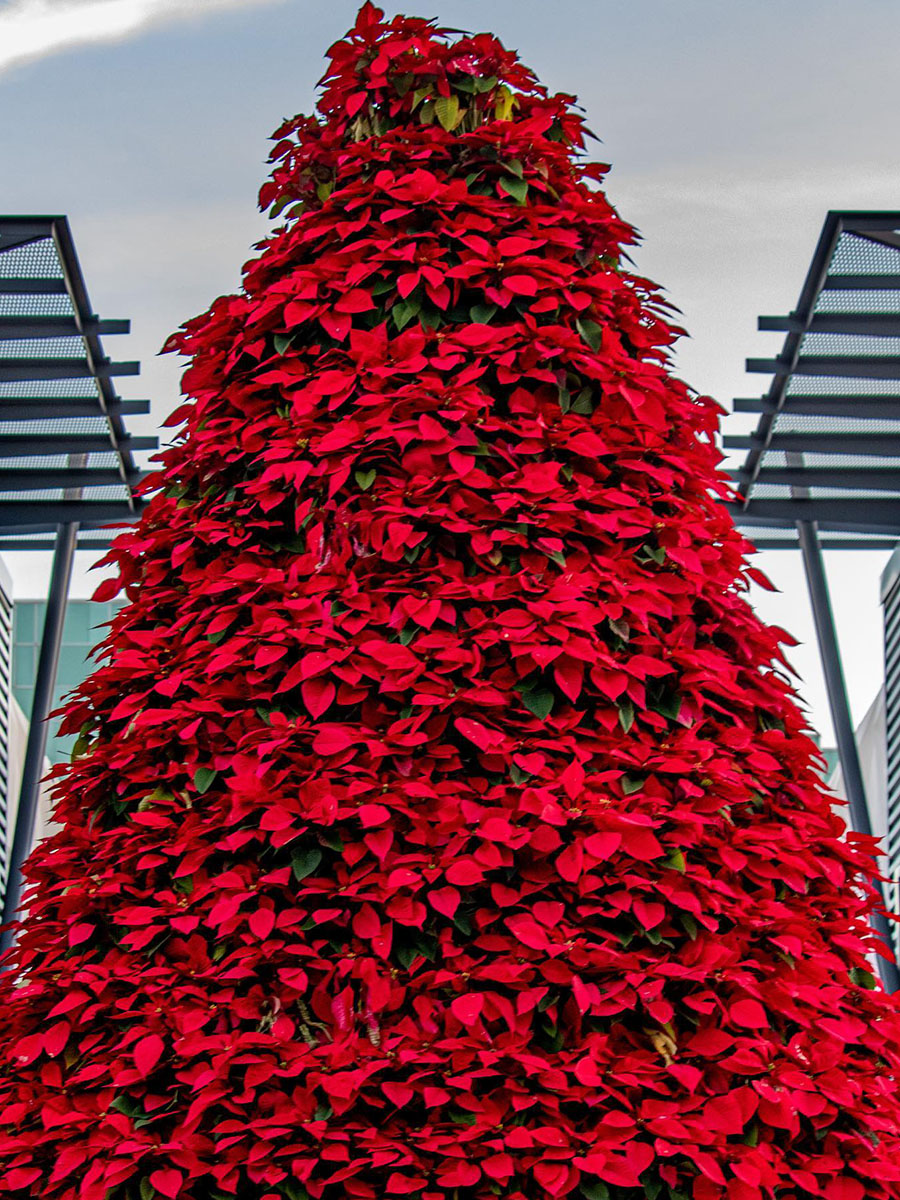
Photo: @apix_digital_photo
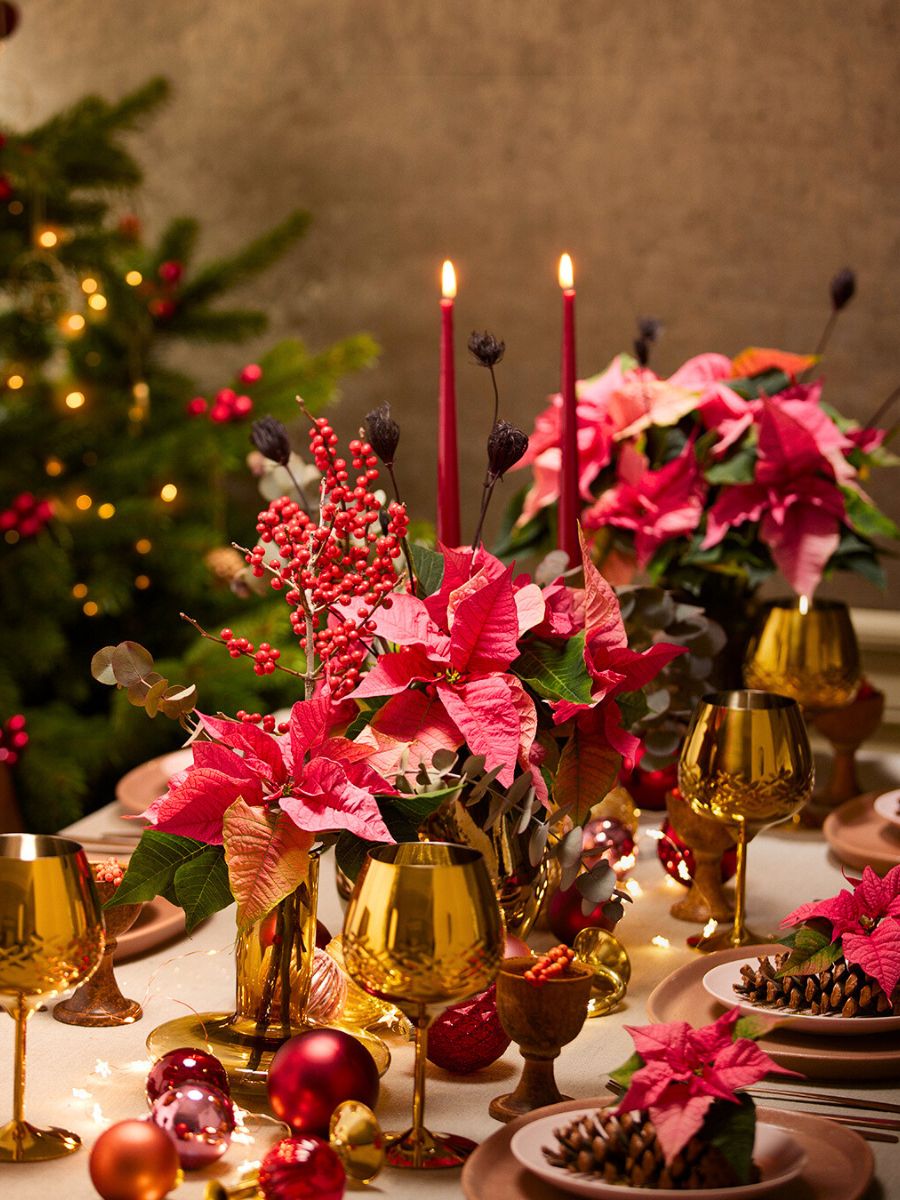
It won't be long until Christmas is here. Finding the perfect gift for friends and family can be quite the task, but the poinsettia always makes a great one. With bright flowers and a graceful charm, it will add beauty to Christmas decorations and that holiday cheer to your home. When selecting a poinsettia for yourself or someone else, make sure it has healthy, dark green foliage, well-colored bracts, stiff stems, and that no roots are coming out of the pot. It's normal for the plant to have a few yellow leaves, but too many indicate stress.
How to Care for a Poinsettia
They prefer cooler temperatures overnight and thrive in slightly humid air. Ideally, keep your poinsettia in an environment between 20 and 25 degrees Celsius and away from cold or warm drafts (like windows, doors, radiators, and heaters). Please place them in a space that receives at least 6 hours of indirect sunlight per day and keep the soil damp but not overly saturated. You can check its watering needs by lifting the entire pot. When the pot is light, it indicates the soil is dry, and you need to water your plant. Besides this, poinsettias require little care, so you have even more time to enjoy the holidays!
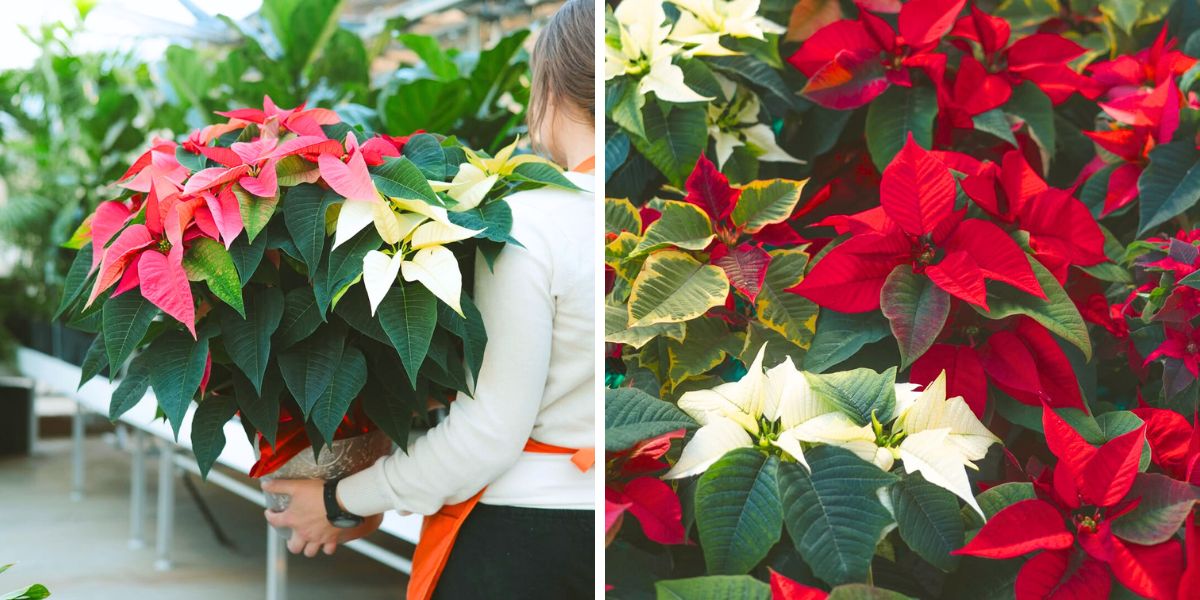
With the basics in place - steady temperatures, indirect light, and soil that never swings from soaked to bone-dry, poinsettias remain stable, attractive plants throughout the season. Their reliability is precisely why they’ve become a recurring feature in homes, workplaces, and public spaces at this time of year. They hold color for weeks, require little intervention, and adapt well to indoor conditions. As December fills up with events and to-dos, having a plant that looks good without constant work is a welcome convenience. Simple to manage and visually unmistakable, the poinsettia remains one of the most practical and recognizable elements of Christmas décor.