Monday 18 January 2027 is Blue Monday, the third Monday of January, sold every year as the most depressing day of the year. It isn't, and the reason follows. But the gray weeks after the holidays are real for a lot of people. That's exactly when a bunch of tulips on the kitchen table does the most work. So, do flowers help beat the winter blues? Yes, and the evidence is better than you might expect.
Winter is usually marked by shorter days, and many people experience a decrease in mood and energy levels. This phenomenon, commonly known as the "winter blues" or seasonal affective disorder (SAD), can have a weighty impact on people's overall well-being. There's one remedy that grows on its own, though: flowers.
Flowers can positively affect people's mood and mental health during the winter season. Research from Rutgers University, Texas A&M, and hospital trials backs that up. Flowers and plants can brighten people's spirits, improve their emotional well-being, and provide a much-needed burst of color and energy during the cold months.
Blue Monday 2027: The Date Is a Myth, the Winter Blues Are Not
Blue Monday started as a marketing idea. Euronews traces it to a 2005 campaign for the travel firm Sky Travel, with a "formula" by former lecturer Cliff Arnall built to sell winter holidays. The Mental Health Foundation puts it plainly: "No actual scientific studies have ever backed up any claims about Blue Monday." In 2027 it lands on 18 January.
The low mood behind it is real, though. The US National Institute of Mental Health describes seasonal affective disorder as a type of depression with a recurrent seasonal pattern. It usually starts in late fall or early winter and lifts in spring. Flowers are no treatment for that. Light therapy has been a mainstay for winter-pattern SAD since the 1980s. If the low lasts for weeks or gets in the way of daily life, talk to a doctor. What flowers can do is make the short days a little easier, which is where the rest of this piece comes in.
Plants, Flowers, and the Winter Blues
If you've ever popped into a florist to buy someone flowers, chances are you've said something along the lines of "Aren't they beautiful?" or "They smell so nice" with a giant smile on your face. There's a reason for that smiley face: flowers are proven to make you happy.
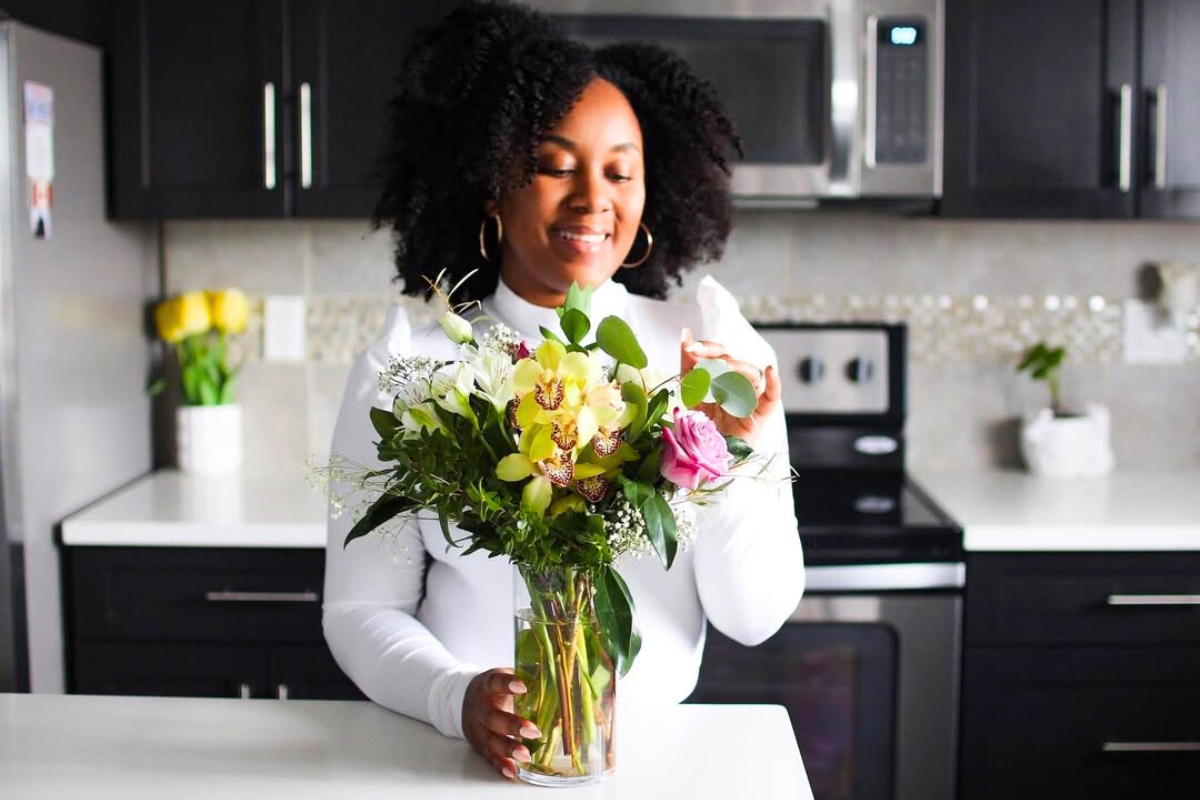
From boosting mood to lowering stress, study after study finds that flowers make people feel better. You'll often read that it's down to dopamine, serotonin, and oxytocin. The studies below measured mood, smiles, and behavior rather than brain chemistry, though, so that's the part the evidence supports.
Color therapists, also known as chromatherapists, argue that different colors correspond with different vibrations throughout the body. Science doesn't back that up. Still, you don't need a theory to notice what a bright bunch does to a gray room. In other words, the brighter the floral scene, the happier the person.

Flowering houseplants, especially the ones with colorful flowers, do more than decorate. They create a pleasant atmosphere that helps people feel warm and comfortable at home despite the winter gloom, and research shows they can calm and reduce stress. One thing they won't do is clean your air. A 2019 Drexel University review found you'd need 10 to 1,000 plants per square meter to match ordinary ventilation.

The Impact of Nature on Mental Health
Before getting into the specific benefits of flowers, it helps to look at the broader impact of nature on mental health. Flowers are, ideally, known to be full of positive effects.

Numerous studies have shown that exposure to nature, even in small measures, can have a positive effect on well-being. Spending time in nature has been linked to reduced stress levels, improved mood, increased happiness, and enhanced cognitive function.
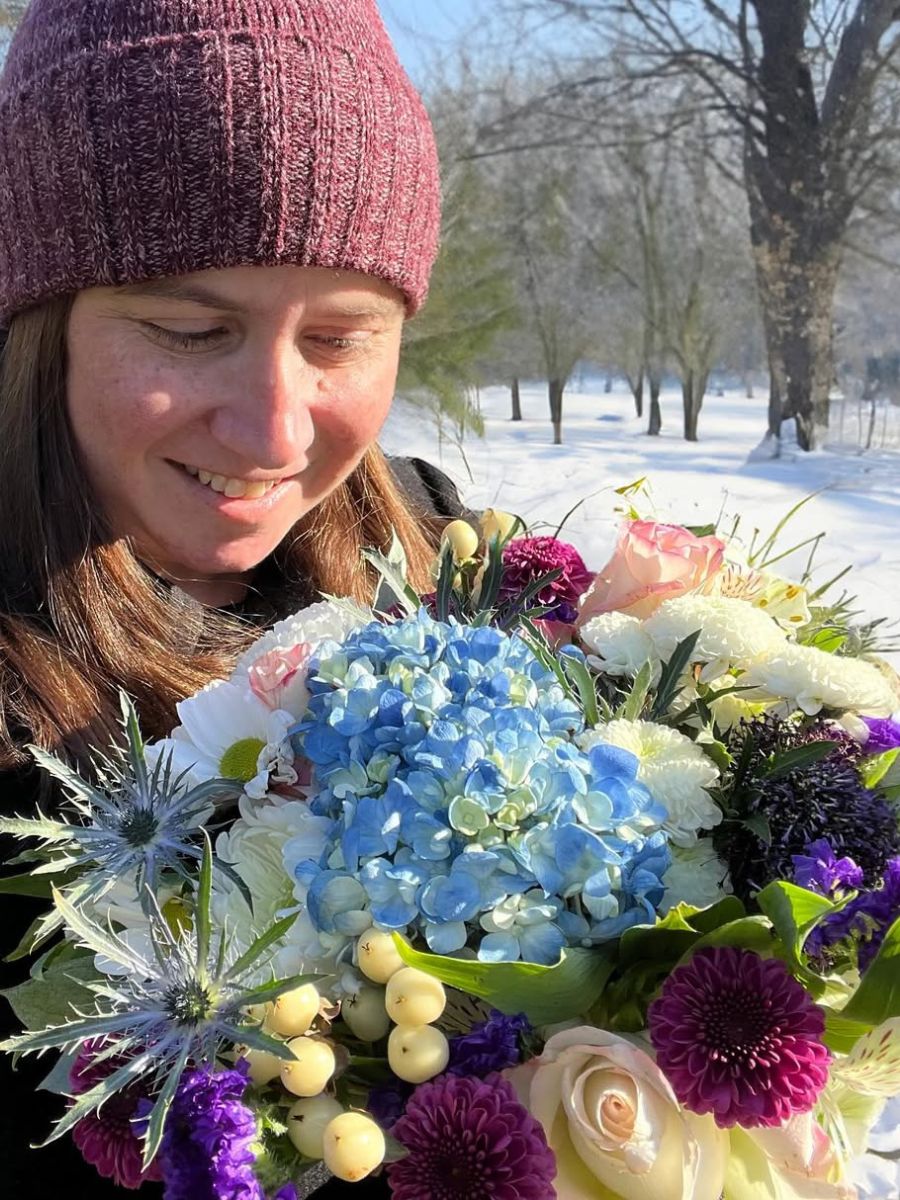
During the winter months, when people tend to spend more time indoors, access to nature becomes limited. This lack of exposure to natural elements can worsen the symptoms of seasonal affective disorder or winter blues. However, bringing nature indoors, particularly through the presence of flowers, can help alleviate these effects.

The Emotional Impact of Flowers
Flowers have a unique ability to create and inspire emotions and uplift the spirits. A study conducted by Rutgers University found that the presence of flowers in the environment triggers positive emotions, increases feelings of life satisfaction, and promotes a sense of well-being. The study also revealed that flowers have an immediate impact on mood, eliciting genuine smiles and expressions of happiness.
What's most exciting about this study, according to Prof. Jeannette Haviland-Jones, Ph.D., Professor of Psychology at Rutgers and lead researcher on the study, is that it challenges established scientific beliefs about how people can manage their day-to-day moods healthily and naturally.
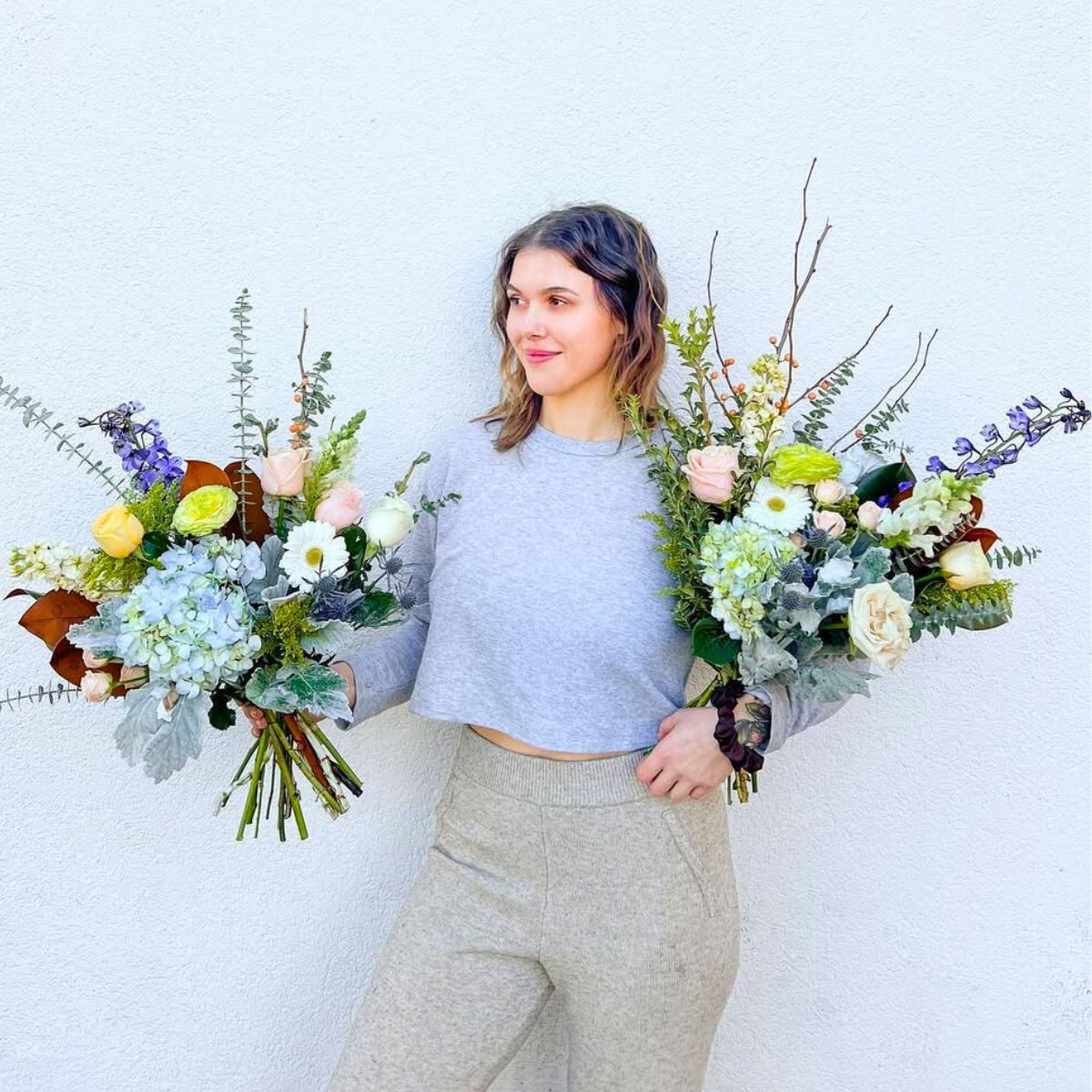
In a nutshell, the 10-month study showed that flowers are natural and healthful mood moderators. Those in the trial reported feeling less depressed, anxious, and agitated after receiving a bunch of flowers. They also showed more enjoyment and even contentment in life.
Prof. Jeannette Haviland-Jones says:
"Common sense tells us that flowers make us happy. Now, science shows that not only do flowers make us happier than we know, but they have strong positive effects on our emotional well-being."

In essence, the bright colors and the scents can stimulate people's senses and create a positive atmosphere within their homes. It could be a bouquet of roses, a vase of daisies, or a potted plant. Flowers just have a way of bringing nature indoors and taking the edge off the dull winter months.
The Psychological Benefits of Flowers
Aside from their aesthetic appeal, flowers offer a myriad of psychological benefits. Research has shown that having flowers in the immediate environment can reduce stress levels, anxiety, and feelings of depression. The presence of flowers has been linked to increased feelings of calmness, relaxation, and overall life satisfaction.

They also have the power to enhance creativity and improve cognitive abilities. A study conducted at Texas A&M University found that the presence of flowers in the workplace led to increased worker productivity, creativity, and innovation.
Moreover, flowers can bring out a sense of connection and improve social interactions. The act of giving or receiving flowers has been shown to strengthen relationships, increase feelings of compassion and empathy, and promote positive social behavior.

How Flowers Help Beat Winter Blues
Flowers can, without a doubt, help beat the winter blues and bring some cheer to the colder months. For starters, during the winter, the landscape can appear dull and dreary. Flowers, therefore, provide bright colors and visually stimulating elements that can lift one's mood and create a more cheerful environment.
Research has similarly shown that flowers have a positive impact on mood and emotional well-being. They can help reduce feelings of anxiety, stress, and depression heightened by winter. In a 2009 trial with 90 surgery patients, Seong-Hyun Park and Richard Mattson found that patients with plants in their rooms reported less pain, anxiety, and fatigue than those without. The presence of flowers in people's surroundings can create a more positive and uplifting atmosphere.
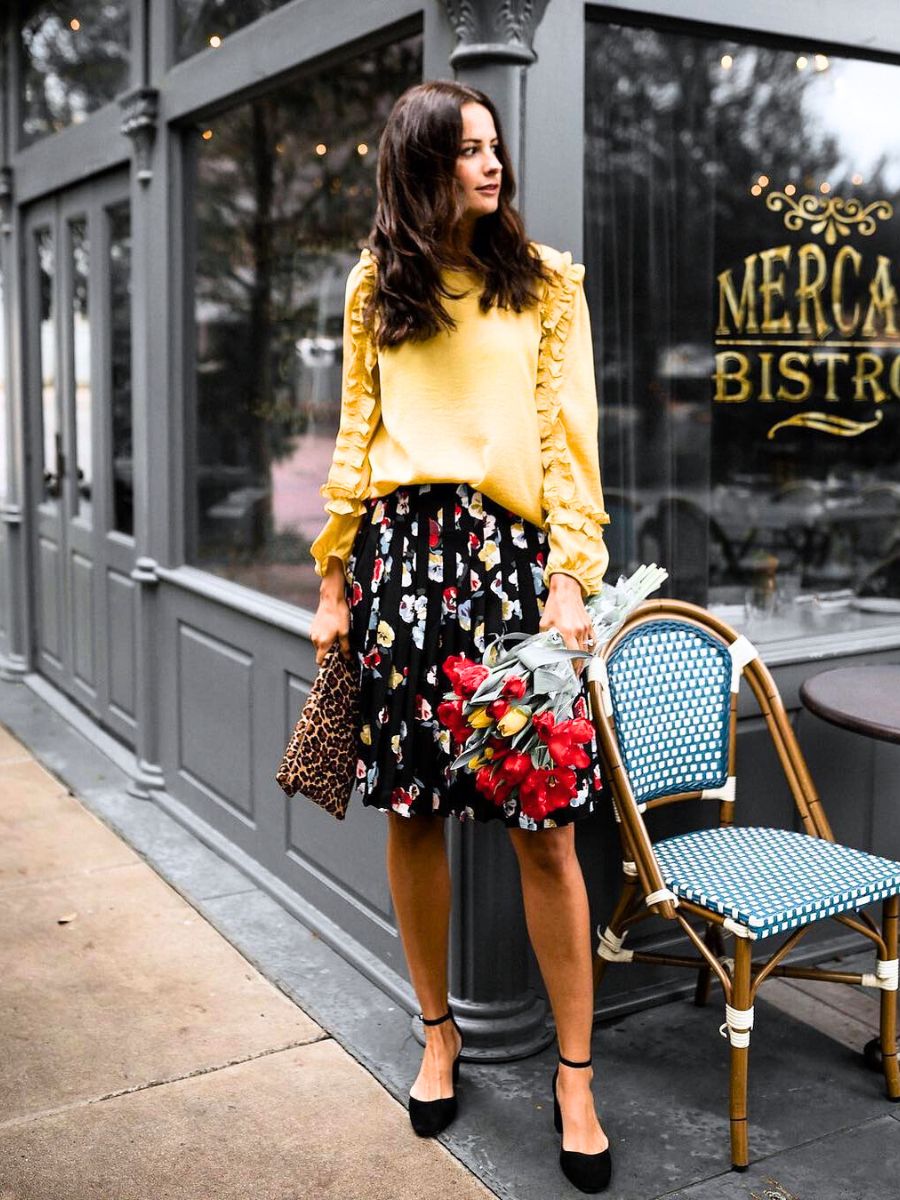
Many flowers have pleasant fragrances that can have a calming and soothing effect on people's minds. The aroma of flowers can help relax the senses and create a calmer room. That matters most in winter, when people spend more time indoors.
In addition, flowers are often associated with positive emotions and symbolism. They can represent beauty, growth, new beginnings, and hope. Therefore, surrounding oneself with flowers acts as a prod toward these positive associations and helps shift people's mindsets toward a more optimistic outlook.

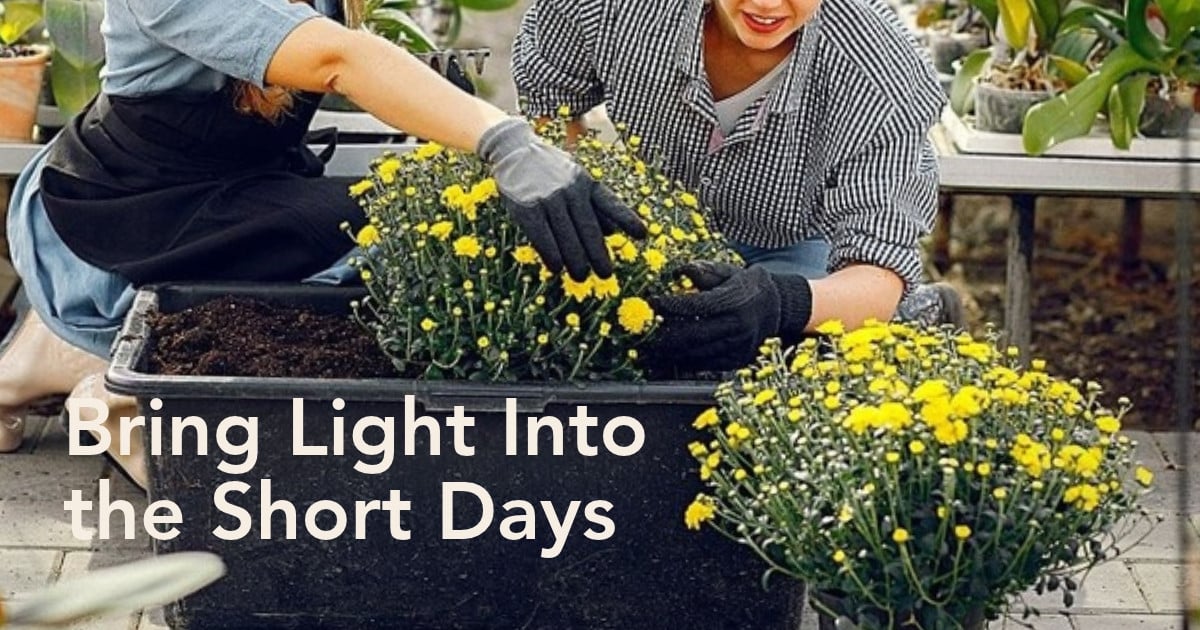
In winter, when outdoor gardening may not be practicable, one can engage in indoor gardening by growing potted plants and flowers. Taking care of plants can be a satisfying and pleasing activity that provides a sense of purpose and connection with nature. Plus, such activities are a natural element that connects people with the beauty of the natural world. Even during winter, when outdoor events may be limited, tending flowers indoors can help maintain a connection with nature and provide a sense of liveliness and rejuvenation.
Choosing the Right Flowers to Beat the Winter Blues
When selecting flowers to help beat the winter blues, choose ones that like cool temperatures and can handle the indoor environment.
As one incorporates flowers into their living spaces or workspaces, they should consider using fresh flowers, potted flowering plants, or even dried flower arrangements. These flowers can be placed on windowsills, desks, or any area where one spends a significant amount of time. Also, remember to choose flowers that are easily available during the winter season or opt for hardy indoor plants that thrive in lower light conditions.

Some popular choices include Amaryllis flowers, known for their large, trumpet-shaped flowers. These bulb flowers can be grown indoors and bloom during the winter months. For flowers on the table by December 25, Thursd's guide to the Christmas Amaryllis explains when to pot the bulb. Cyclamen is a delicate flowering plant that comes in a range of colors and, definitely, adds a pop of brightness to any room. Orchids, on the other hand, with their elegant and long-lasting petals, are a popular choice for indoor flowers during the winter season. In fact, these flowers have their own national day!
Flowers and Plants That Bring Light Into Short Days
Pick flowers that are actually in season in January, and they'll last longer and cost less. The guide to winter flowers that are actually in season has the full list; these are the ones to reach for in the week of Blue Monday.
- Tulips. Dutch tulip season opens with National Tulip Day on Saturday 16 January 2027, two days before Blue Monday. Yellow and orange tulips in a clear vase are about as close to sunshine as January gets.
- Hyacinths. A forced bulb in a glass flowers in the middle of winter, and its scent fills a room. The hyacinth guide explains how to force the bulbs.
- Paperwhites. White, quick, and fragrant, and the paperwhites guide shows how to force them indoors.
- Hellebores. The Christmas rose and its relatives flower outside in the cold, right through the darkest weeks. More in Helleborus shines in the winter.
- Snowdrops. Among the first flowers to push through in late winter, and a promise that spring is coming. Read about the snowdrop flower meaning.
Whatever you choose, put it where you sit in daylight: the kitchen table by the window, the desk, the spot where you have your morning coffee. Heated rooms are hard on flowering plants, so the guide to growing healthy houseplants in a heated home helps them last until spring.
A Bunch of Flowers for Blue Monday, and the Weeks Around It
Prioritizing one's mental health and well-being is vital for human existence. Flowers, in effect, offer a natural and effective way to take care of one's health and well-being by helping beat the winter blues and, in turn, uplifting spirits.
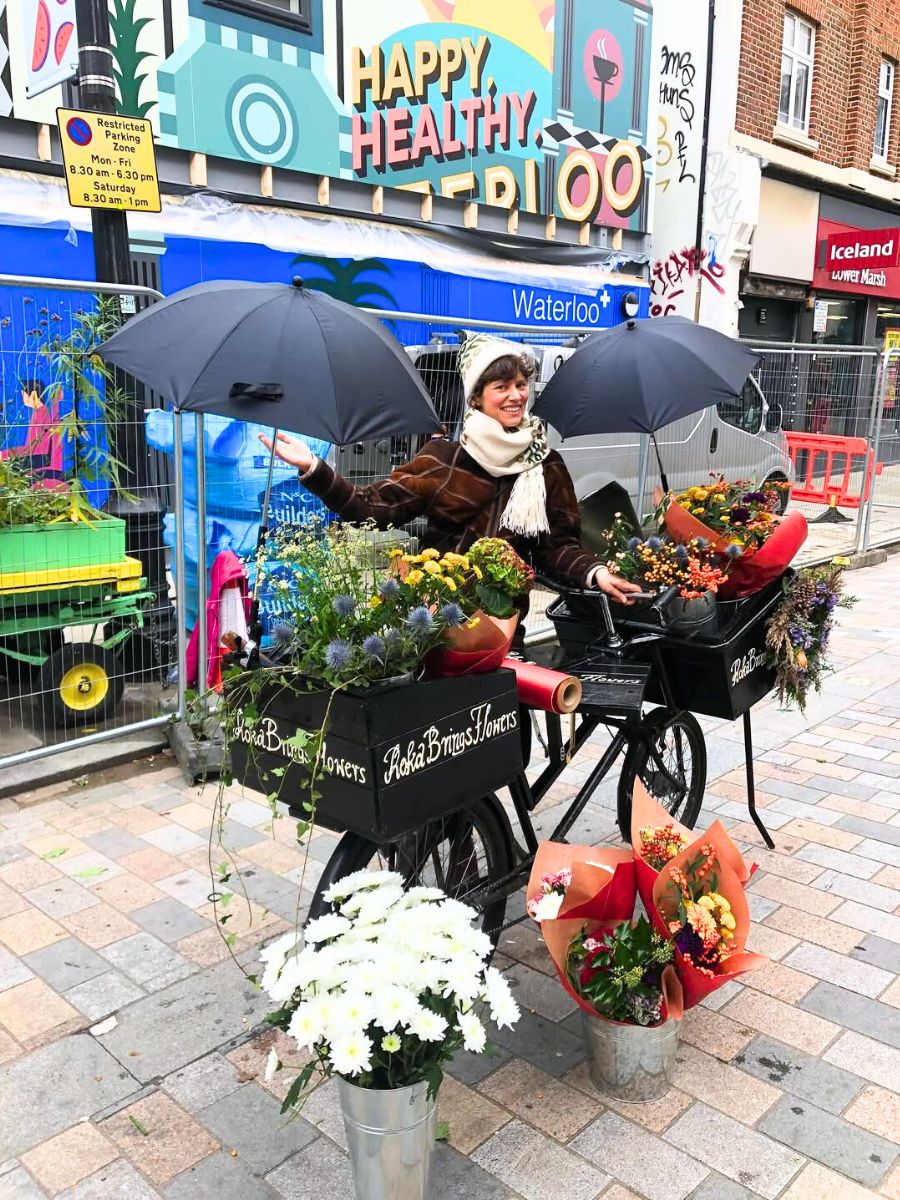
Choosing the right flowers and bringing them into daily life lets nature do some of the work. It makes a room that feels happier, calmer, and more connected. Essentially, fresh flowers present the much-needed boost of positivity, more so during the wintery months.
Header image by prostooleh on Freepik. Featured image by @leisdebuds.