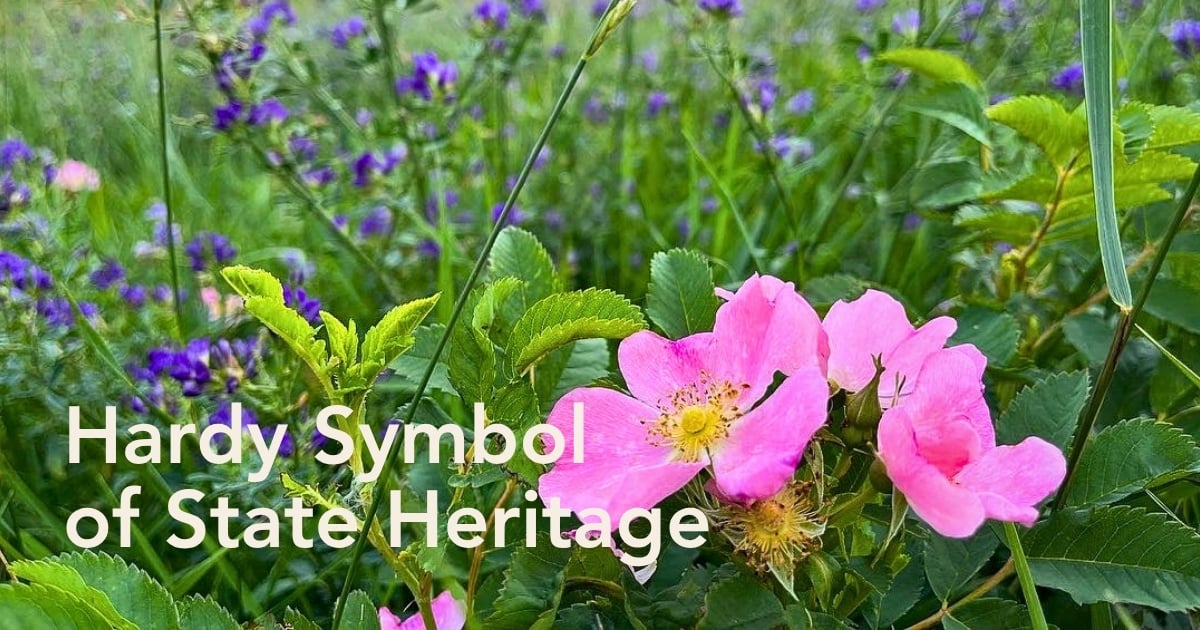
The wild prairie rose is a small pink flower that grows mostly in the wild and along backroads, typically blooming from June. In its natural habitat, you'll mostly find it tucked into ditches and fence lines where no one likely planted it on purpose. Even before Iowa's farmlands were planted with organized rows of corn and soybeans, the state's native prairies were already dotted with this hardy, unassuming wild rose.
It has been in the state (alongside several other states) even longer than Iowa itself has existed. So in 1897, lawmakers decided that it merited the title of official state flower. It still holds this honored title today, chosen for reasons beyond its appearance, including the state's agricultural roots. So what's the story behind the wild prairie rose and its link to Iowa?
About the Wild Prairie Rose, Iowa's State Flower
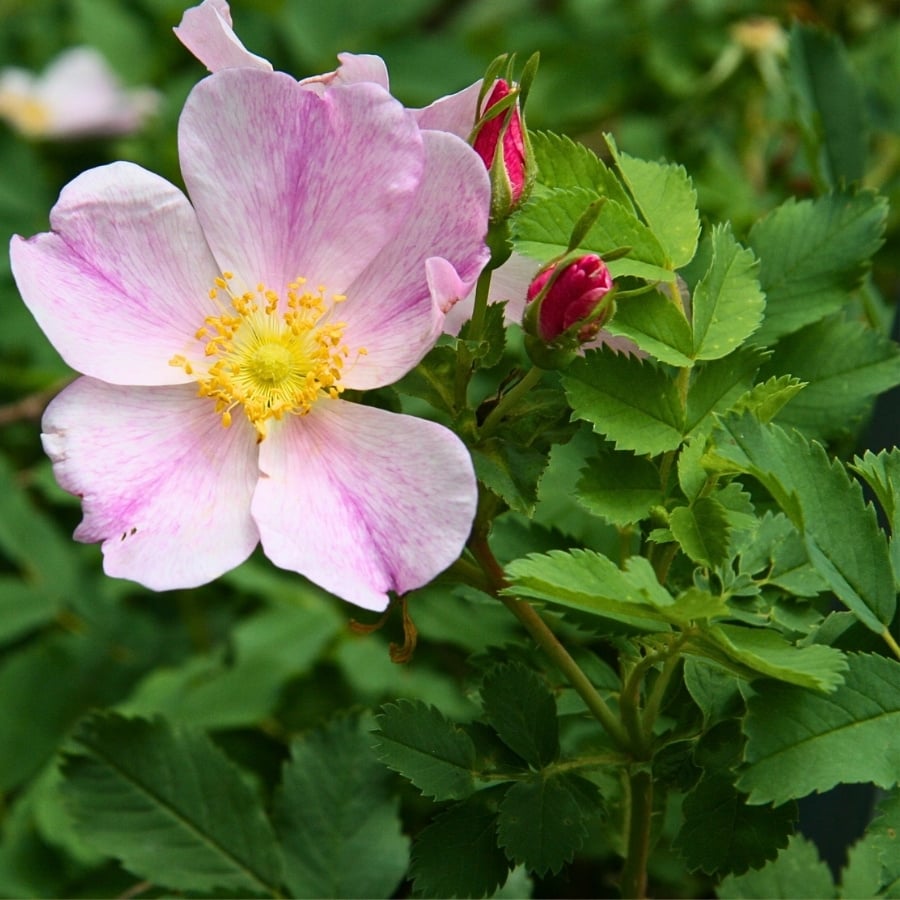
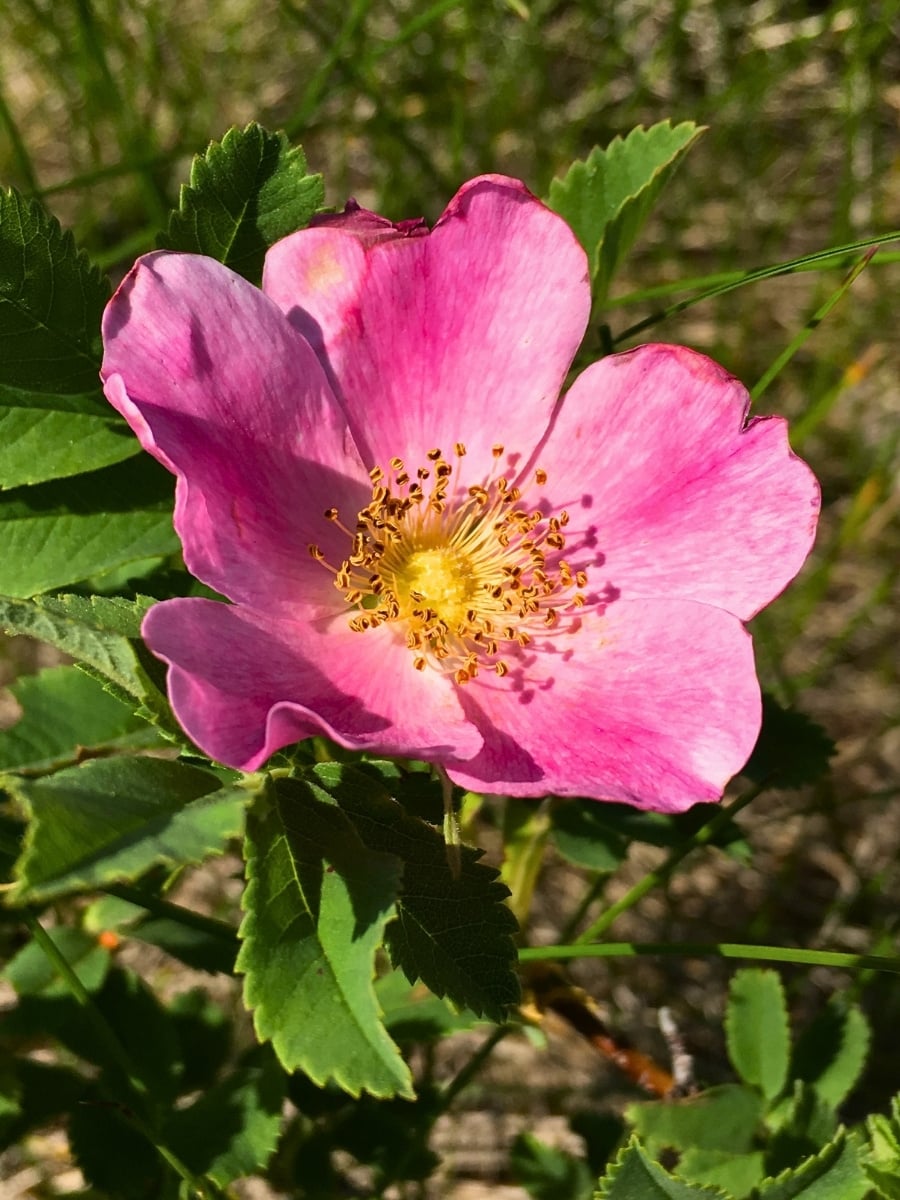
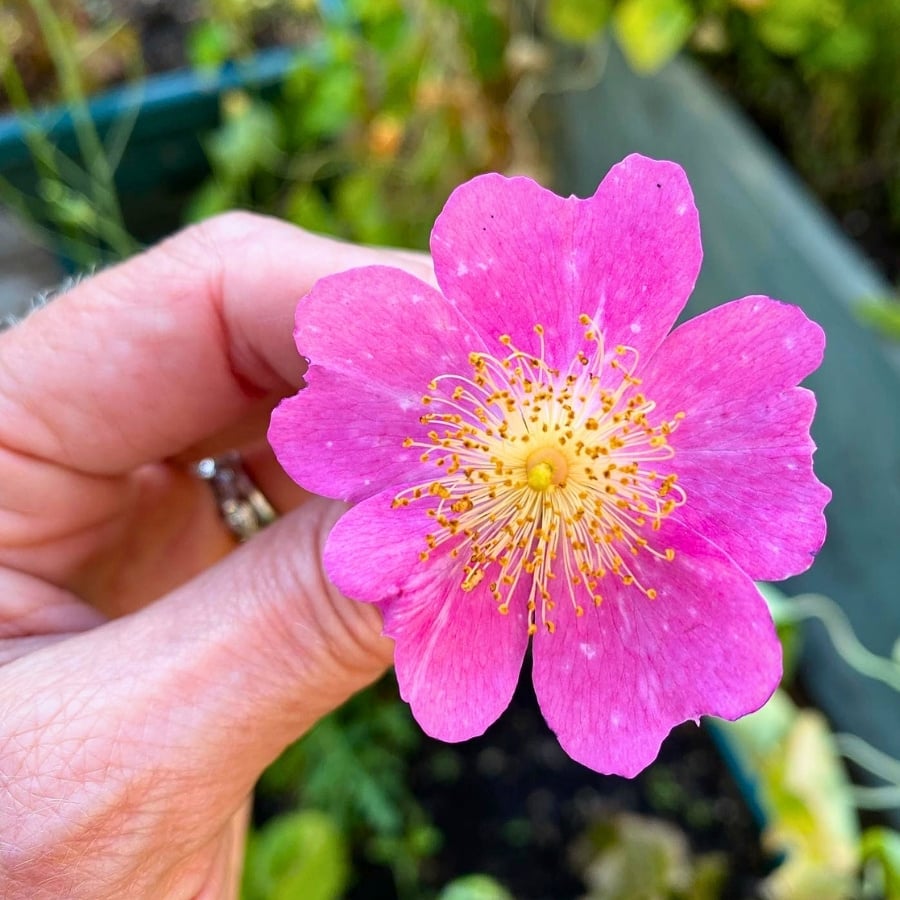
The Iowa state flower, Rosa arkansana, more commonly called the wild prairie rose, is unlike cultivated roses found in formal gardens or greenhouses. It is a native species that grows low to the ground, rarely exceeding two feet in height, and produces delicate blushing blossoms with five petals surrounding a cluster of golden stamens. Its modest stature and unpretentious form set it apart from ornamental roses bred for size and showiness.
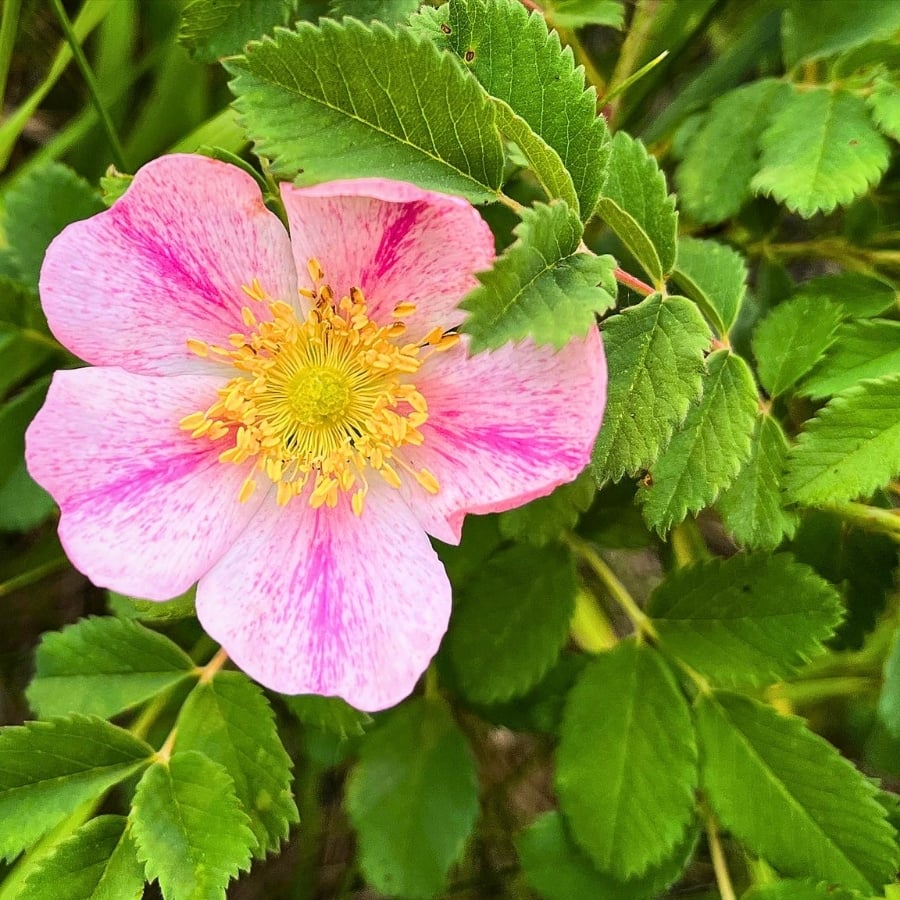
Rosa arkansana is native to a large area of central North America, stretching between the Appalachians and the Rocky Mountains. It naturally grows in Alberta through Manitoba, Saskatchewan, and Ontario, to the Midwestern states of Wisconsin, North Dakota, Minnesota, Indiana, Iowa, Kansas, down to Colorado, New Mexico, and Texas, among others. It belongs to a group of roses well suited to the harsh conditions of the Great Plains.
The wild prairie rose tolerates drought, poor soil, and extreme temperature swings with relative ease, characteristics that made it a familiar sight across the prairies even before large-scale cultivation reshaped the region. Its plant spreads through underground rhizomes, forming loose colonies instead of dense thickets, and its thin, thorny stems help protect it from grazing animals.
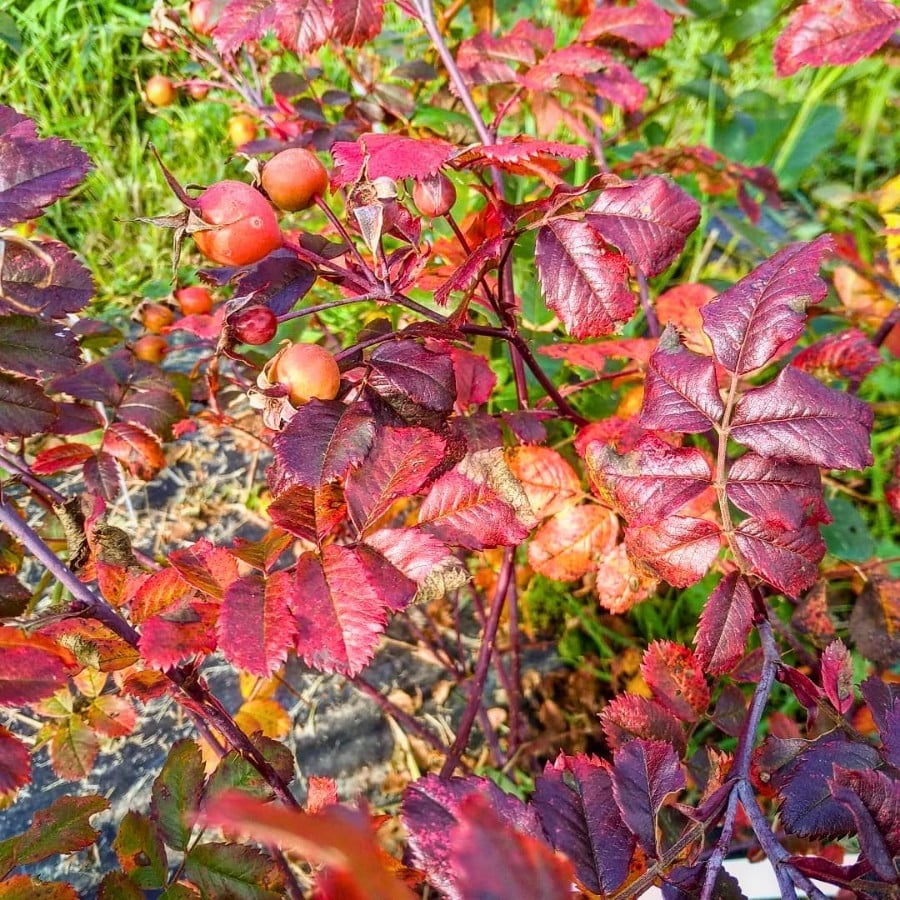
The flowers typically appear from late spring through midsummer, offering a subtle flourish of color across the otherwise open grassland. Each blossom lasts only a short time before becoming a round, red fruit known as a rose hip, which persists into fall and the colder months, providing a food source for birds and other wildlife. This full life cycle, from flower to fruit, speaks to the practical resilience that defines life on the prairie.
When Was the Wild Prairie Rose Adopted as Iowa's State Flower?
In the late 1800s, states across the U.S. were busy naming official flowers, birds, and trees as part of a wider push to give each one an identity rooted in its own landscape. Naturally, the Iowa General Assembly officially designated the wild prairie rose as the state flower in 1897, following a resolution.
At the time, lawmakers sought a flower that reflected the state's landscape and agricultural heritage, not an imported or cultivated variety with no physical connection to Iowa soil. The wild prairie rose, already familiar to farmers and settlers who encountered it across the tallgrass prairie, was a fitting and largely uncontested choice.
This decision put Iowa among the first states to formalize a floral emblem, as part of the broader movement at the close of the nineteenth century to establish state symbols that captured regional identity. For Iowa, a state whose economy and culture were, and remain, deeply interlinked with the land, choosing a native prairie plant made practical and symbolic sense.
The Natural History of the Wild Prairie Rose in Iowa
Before European settlement, Iowa's landscape consisted largely of tallgrass prairie. This ecosystem once covered roughly 80% of the state, and within this environment the wild prairie rose thrived alongside native grasses and other wildflowers, forming part of a diverse plant community adapted to periodic fire, grazing by bison, and variable rainfall.
As agricultural development changed much of Iowa's original prairie into farmland, the wild prairie rose retreated to fence rows, roadside gullies, and the remaining pockets of native grassland. Conservation efforts in recent decades have worked to restore prairie habitat across the state, and the wild prairie rose remains one of the plant varieties most commonly reintroduced in these projects due to its hardiness and ecological value.
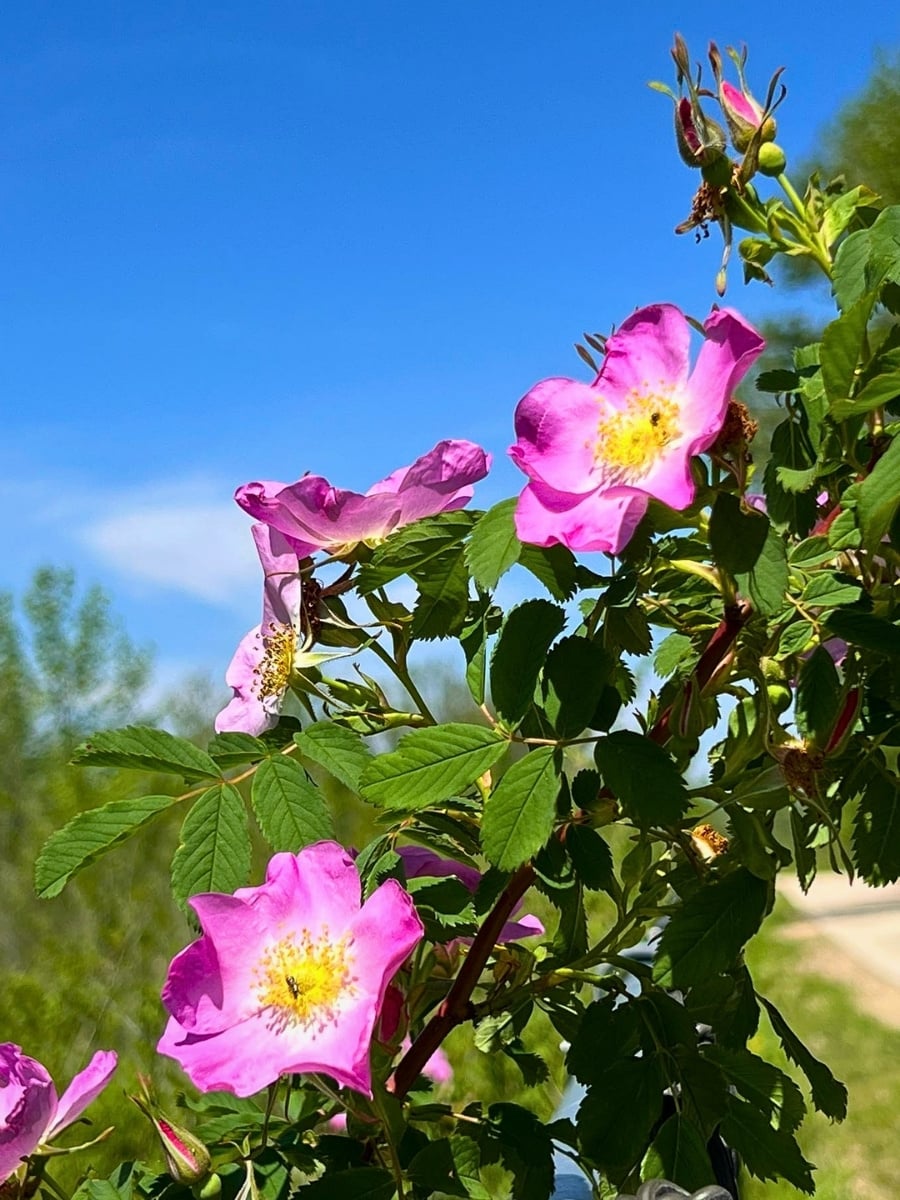
The flower also supports local pollinators, particularly native bees, which visit it for pollen. Unlike many cultivated roses, the wild prairie rose produces no significant nectar, so its relationship with pollinators focuses mainly on pollen collection and not so much on nectar foraging. This factor, though small, amplifies the flower's role in a functioning prairie ecosystem, making it more than a purely ornamental plant.
Symbolic Meaning and Values
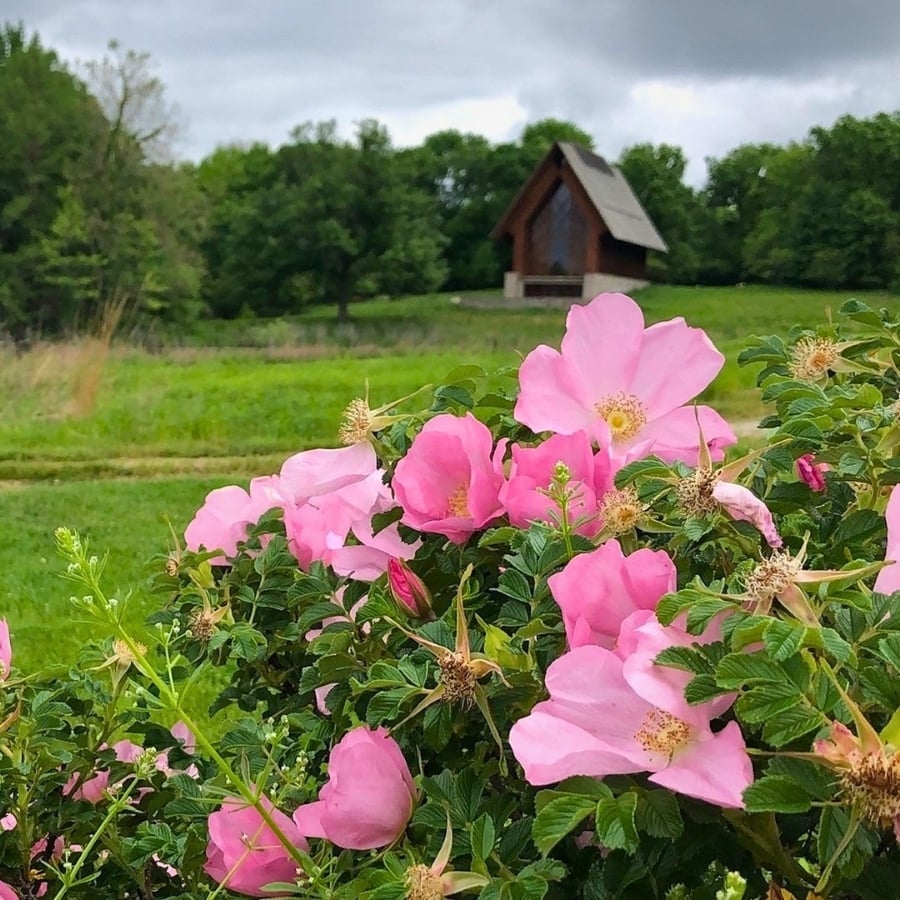
Roses have long held symbolic meaning across cultures. They are generally associated with love, endurance, and even renewal. The wild prairie rose, with its untamed origins, carries a slightly different set of associations, more closely linked to resilience, simplicity, and adaptability. These qualities, one might say, align closely with the values many associate with Iowa: a state built on agricultural persistence and a steady, understated work ethic.
Why These Values Suit Iowa State's Identity
Iowa's history is largely one of cultivation, patience, and the ability to withstand difficult seasons, both literal and economic. This is a state built on steady effort, not a flash, and on communities that show up through long winters and slow seasons, as well as a landscape that often rewards patience more than spectacle.
The wild prairie rose, which survives drought, poor soil, and harsh winters while still producing flowers, mirrors this steadiness. It does not require pampering or ideal conditions to persevere, much like the farming communities that have defined the state's character. It is also a fitting choice because it is a native, non-cultivated flower, naturally preferred over a more decorative cultivated alternative.
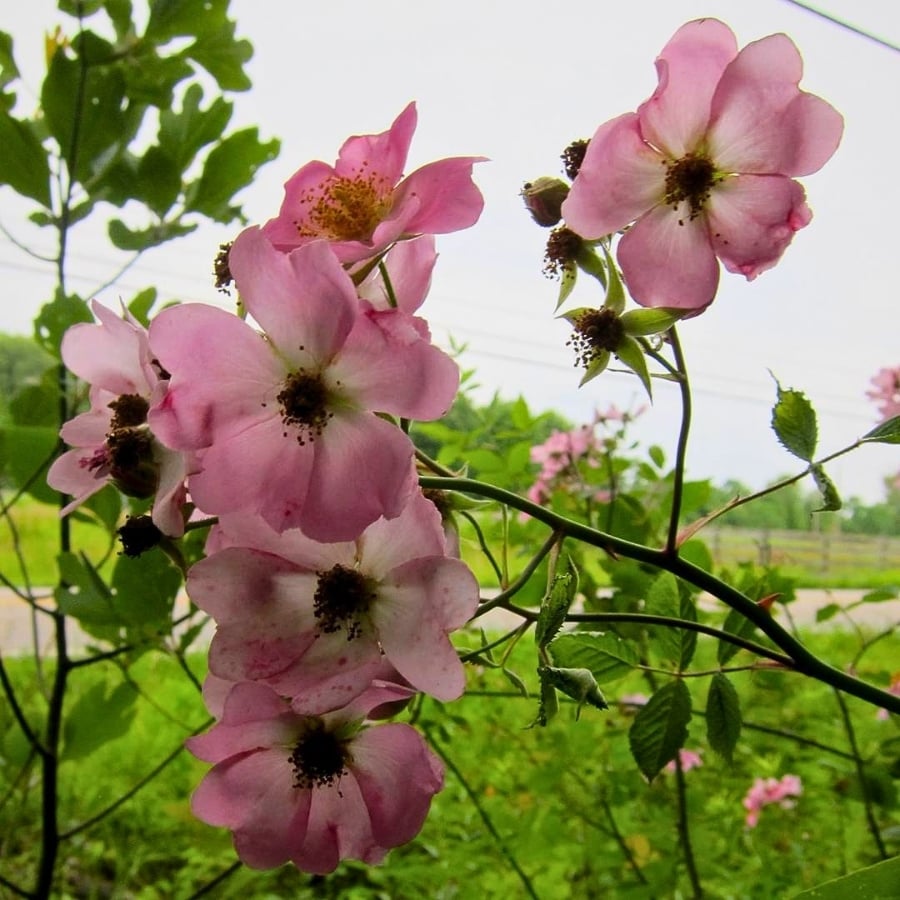
And given that Iowa's identity has rarely been about showiness, but constancy, practicality, and a close relationship with its land – qualities that the wild prairie rose embodies without needing embellishment – the state and the flower have quite a lot in common.
The Beauty of the Wild Prairie Rose
A great part of the wild prairie rose's appeal is in its restraint. Its pale to deep pink petals are simple in structure, without the layered grandiosity bred into modern ornamental roses. The simplicity, however, is what gives the flower its charm. Set against open grassland or a gravel roadside, its color stands out without looking artificial or out of place.
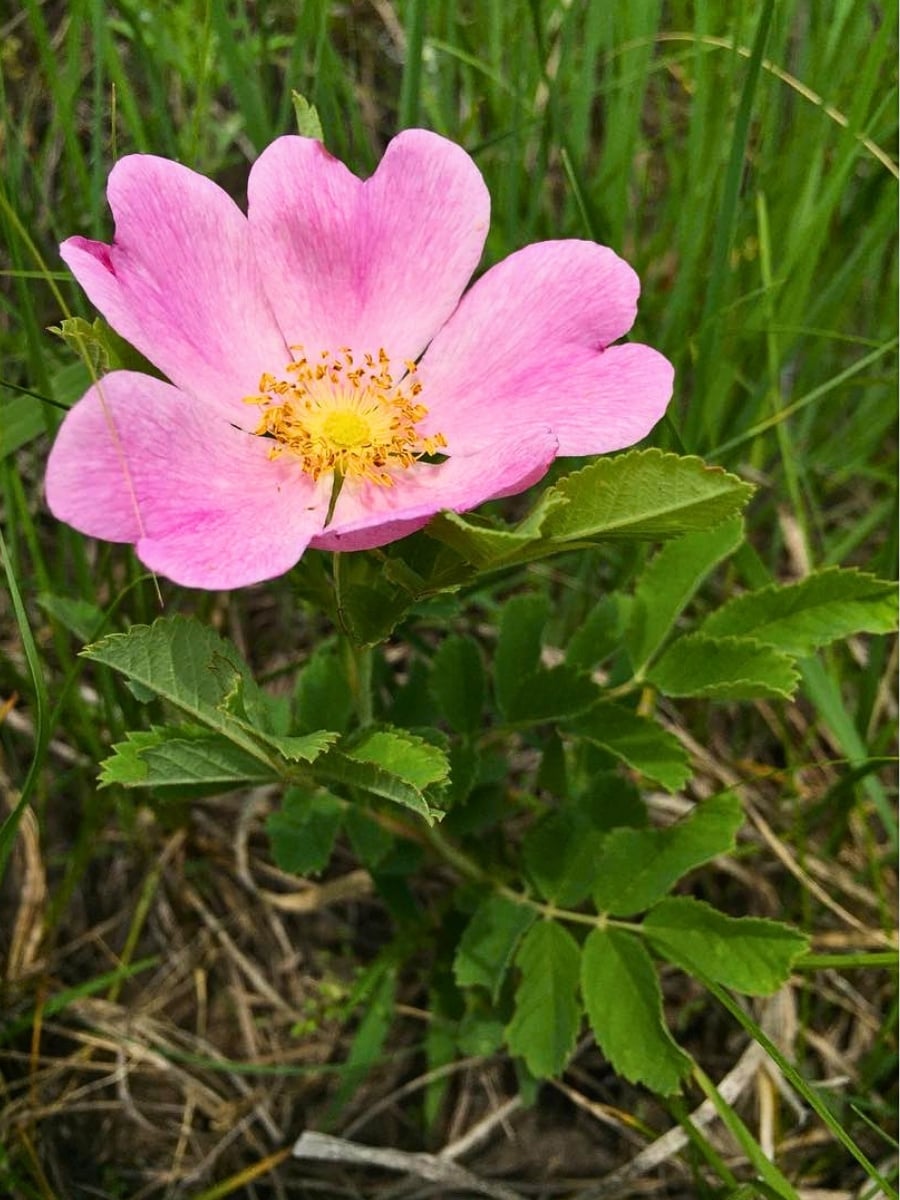
Likewise, the flower's scent, often described as light and slightly sweet, adds to its appeal, drawing attention even when the plant grows low and unnoticed among taller grasses. Its beauty is seasonal and fleeting, appearing for a few weeks every year before giving way to its fruit, a pointer to the idea that natural beauty is rare, often works on its own timeline, and is hardly a continuous, year-round showcase.
For Iowans and visitors, spotting a wild prairie rose along a country road or in a restored prairie preserve offers a glimpse of that beauty and a connection to the state's ecological past, when the landscape was largely uncultivated, right before large-scale agriculture reshaped it.
Contemporary Significance of Iowa's State Flower
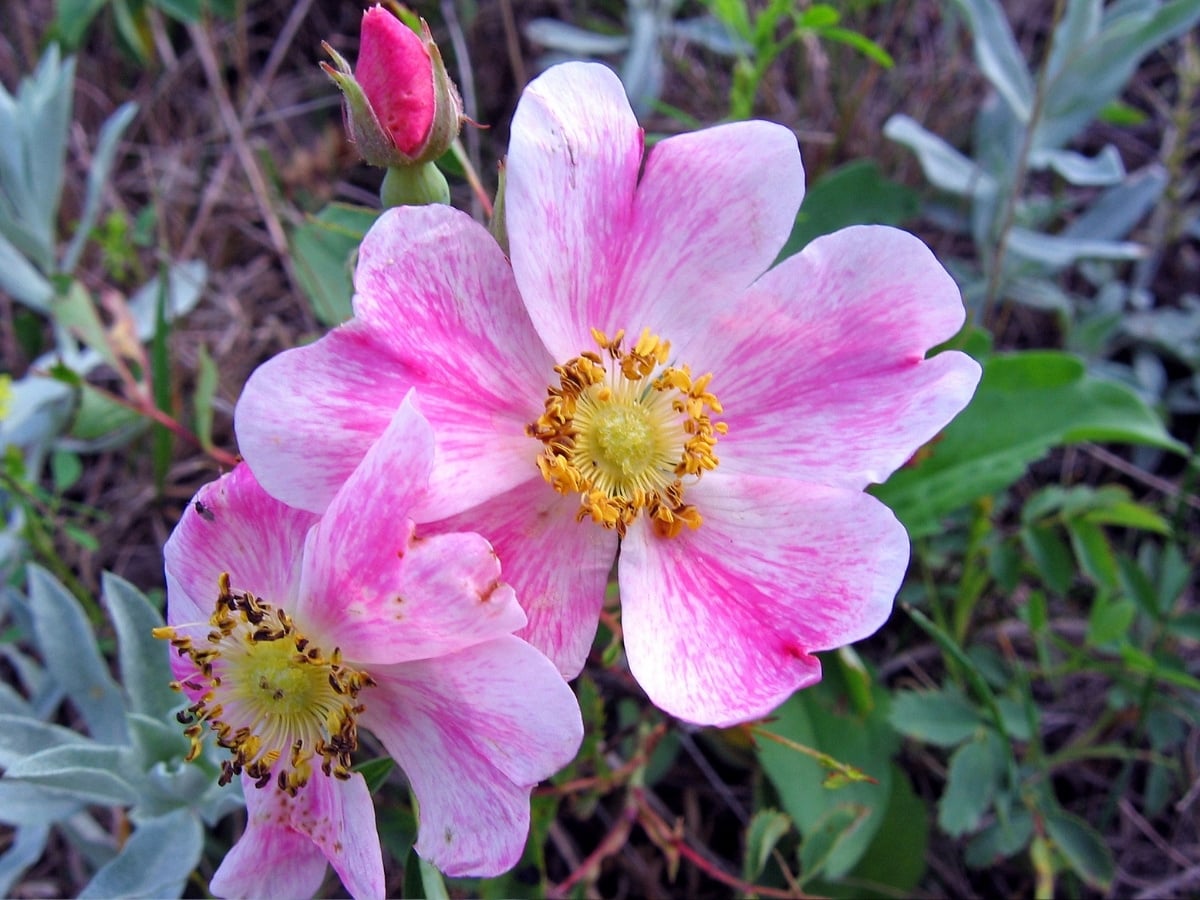
Today, the wild prairie rose still appears in state publications, educational materials, and native landscaping projects throughout Iowa. Conservation groups promoting prairie restoration often include the flower in seed mixes for its hardiness and historical accuracy as a native species. This flower also supports Iowa's state bird, the American Goldfinch, and other wildlife.
Home gardeners interested in low-maintenance, drought-tolerant landscaping have also taken an interest in the wild prairie rose, using it to create native gardens that require little upkeep once they are established. Iowa schools continue to teach students about the significance of the Iowa state flower, maintaining a connection between the state's agricultural heritage and its natural history.
At the same time, organizations focused on native prairie ecosystems provide additional details on restoration efforts across the Midwest. So, for anyone keen on exploring Iowa's natural heritage, the wild prairie rose is an ideal starting point, connecting the state's agricultural present with its prairie past and heritage.
Featured image: @karynshanksmd. Header image: @askegaardorganicfarm.