In 2025, Dutch grower Tesselaar Alstroemeria made significant changes across scale and focus. In 2026, there will even be a whole new trade name. In this interview, Karolien Tesselaar shares what drove the decision to sell (part of) the greenhouse, how the team handled the emotional side, and what florists and buyers can expect as the company heads into 2026 with this fresh brand and a sharper quality strategy.
Q&A With Karolien Tesselaar
Looking back at 2025, what kind of year was it for you as growers and as a family business? Which three words come to mind first, and why?
Karolien:
"Intensive, intentional, and connecting. 2025 was a year where a lot happened at once. Intensive, because we had to make major decisions as a company and as a family. Intentional, because we took a hard look at how we want to stay future-proof in a sector that’s changing fast. And connecting, because choices like these force honest conversations, both within the family and with the team. In the end, it brought us closer."
In 2025, you took a significant step by putting two greenhouses up for sale (one has been sold). Can you walk us through the main reasons behind that decision?
Karolien:
"That choice came from a mix of realism and vision. Our sector is under pressure: energy, labor, market changes, everything requires sharper steering. At the same time, we saw that with a slightly more compact organization we can focus more on where we truly make the difference: quality, reliability, and innovation. So this sale was not a step back, it was a step toward a clear, sustainable course."
Was the decision mainly driven by market developments (pricing, demand, energy, labor) or by your long-term vision, and how did you weigh those factors?
Karolien:
"It was both. The market pushes you to become more efficient and flexible, but we didn’t want to only react to circumstances. We looked intentionally at the question: what does a healthy, future-proof Tesselaar look like in five to ten years? What does that require from our scale, our team, and our innovation strategy? That’s when we concluded that focus matters more than volume."
How did it feel emotionally to say goodbye to greenhouses that were part of your growth story for so long?
Karolien:
"It felt mixed. It’s a piece of history you’ve built with heart and soul for years. There are memories attached, successes, setbacks. But at the same time it also felt like relief, and space. Space to build the next phase with full attention. That positive feeling is what stays with us now."
What Has Changed at Tesselaar?
What has practically changed: total production, assortment, and what exporters and florists can expect from Tesselaar Alstroemeria in terms of availability and quality?
Karolien:
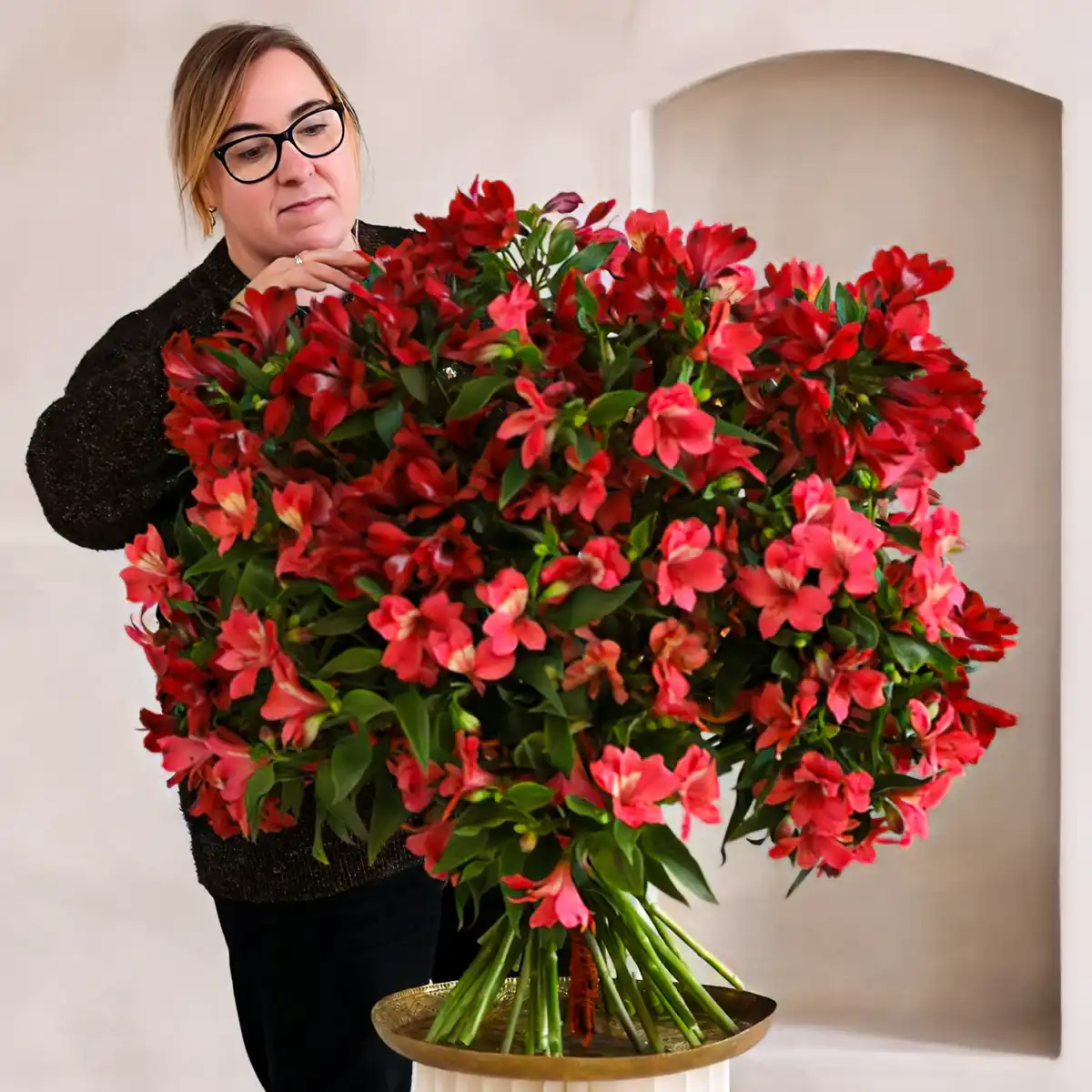
"Our total production is a bit lower, but our stability and quality have actually increased. We can grow more targeted and optimize faster. For exporters and florists, the basics don’t really change: Tesselaar will keep delivering what people know us for, strong varieties, consistent quality, and high availability. We’re just doing it with even more focus and less spread. Last year, we invested in plant replacement, which means we’re bringing more heavy grades (Alstro Lux) to the market."
You’re known for a strong focus on sustainability and innovation. How does a smaller or differently set-up operation help you become even more sustainable and innovative?
Karolien:
"Efficiency actually makes sustainability easier. Fewer sites mean shorter lines, lower energy loss, better oversight, and faster innovation implementation. We can run pilots more sharply now and scale faster. Think energy savings, crop protection, and automation. Working more compactly aligns with our ambition to remain a leader in sustainable Alstroemeria cultivation."
Looking back, what is one thing you did really well in 2025, and what is one thing you might do differently?
Karolien:
"What we did well was choosing the long term with courage. We didn’t wait until we were forced; we took control ourselves. What we might do differently is plan more effectively to improve internal clarity. On the other hand, selling a site is hard to predict, and you have to work with what you have at the moment. We’re grateful to the team for how understanding they were and for everyone’s cooperation so we could keep producing across three locations through the end of the year."

The Strategy for 2026, With a New Brand Name
Let’s talk strategy: what’s the clear focus for 2026? Assortment, concepts, new markets, deeper collaboration with existing customers, or something else?
Karolien:
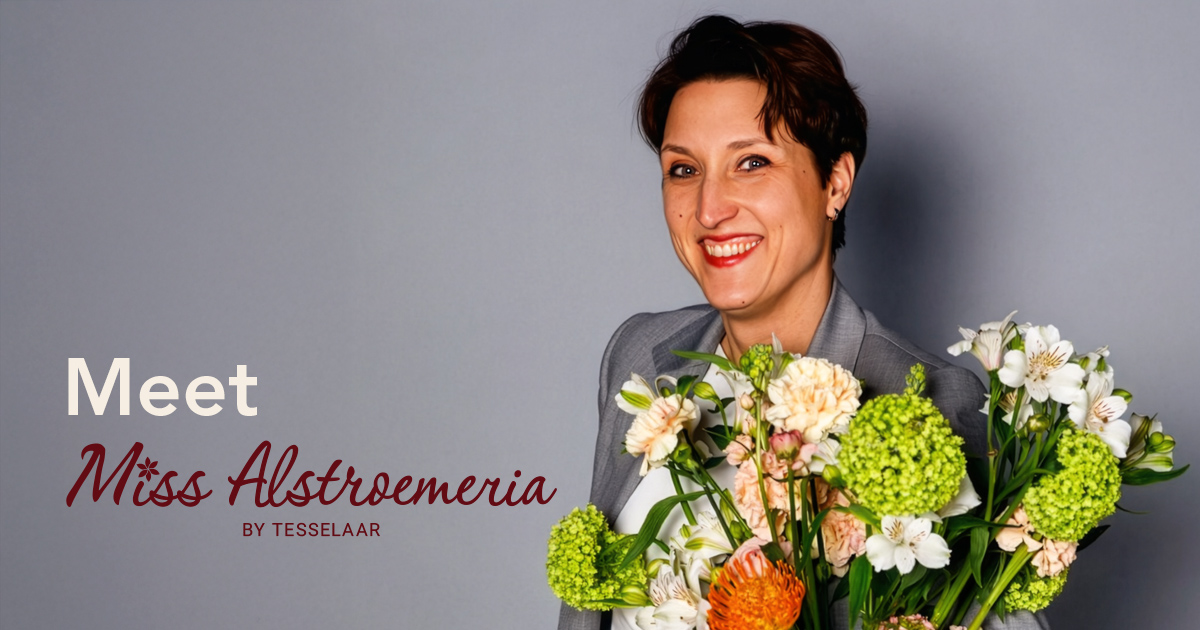
"First, we’re changing our name. Starting in January, Tesselaar Alstroemeria will continue under a new brand name: Miss Alstroemeria. That name stands for authenticity and innovation, being young at heart, creative and sustainable, but not always taking itself too seriously. We want to bring that new energy across. From 2026 onward, we’re focusing on delivering higher-quality flowers, a clearly different focus. That’s why it’s time for a new name.
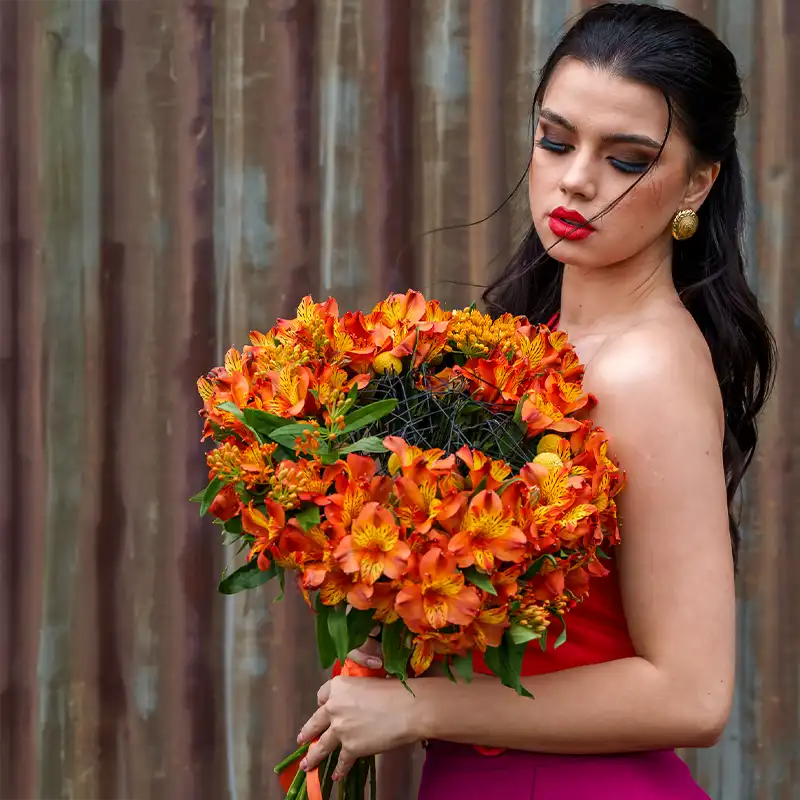
Miss Alstroemeria feels youthful and personal, and reflects elegance, intense color, and class, all facets that make Alstroemeria special. With this new name, we expect to give a fresher boost, nationally and internationally, to both the brand’s visibility and Alstroemeria as a popular cut flower.
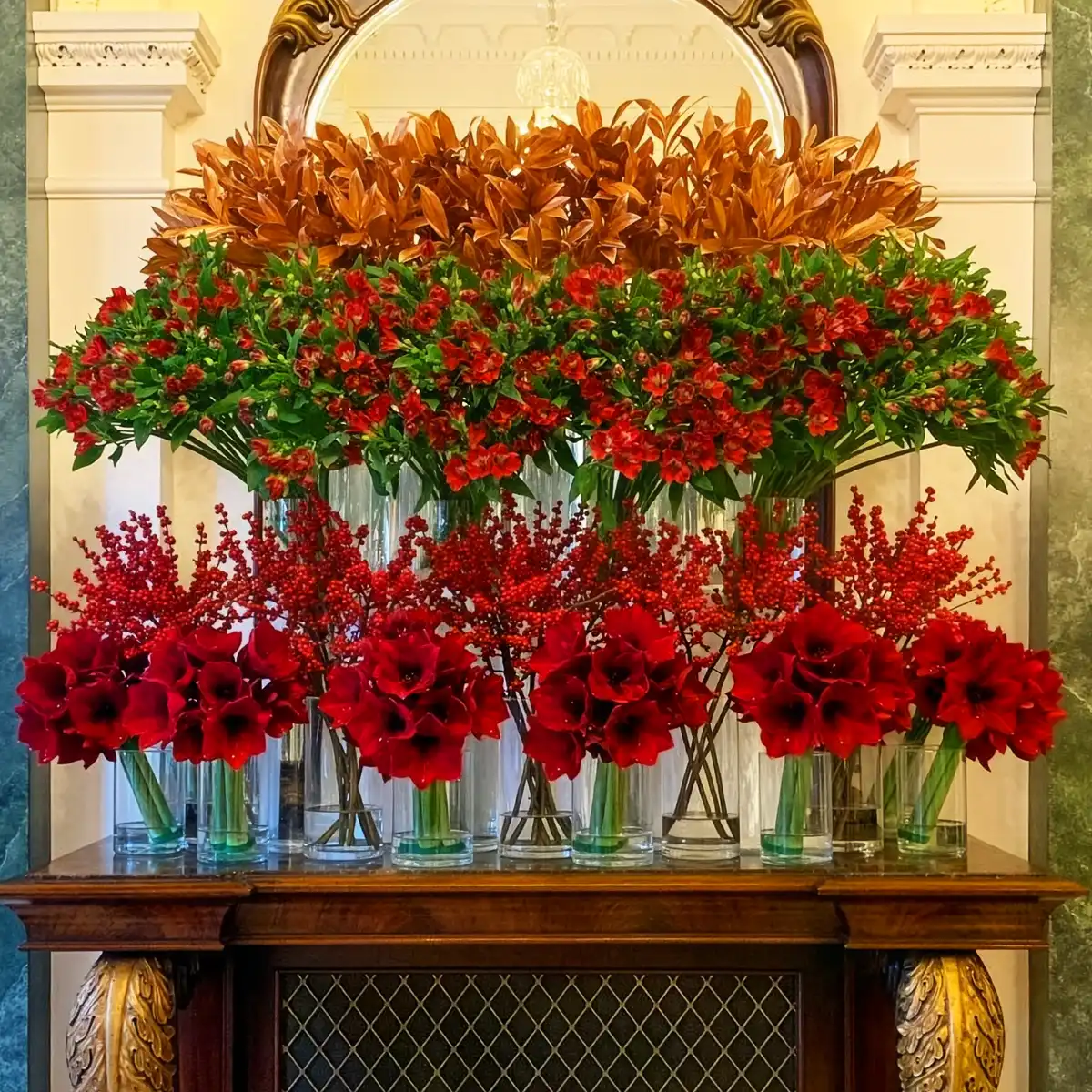
For us, 2026 is about going deeper and getting stronger. We’re focusing on further optimizing our assortment, including planting high-segment Alstroemeria that are valued in the market, more intensive collaboration with existing customers, especially high-end florists who go for top quality, developing concepts that add value in the chain, like better vase life, storytelling, and Alstro Special, the open Alstroemeria for event work. Finally, continue investing in sustainability and improved cultivation techniques."
What can florists specifically expect from you in 2026: new varieties, color lines, concepts, or services that make daily work easier?
Karolien:
"For florists, we want to make business easier and more inspiring. They can count on a reliable Alstroemeria assortment with a wide range of colors, strong vase life and product uniformity, so flowers stay good-looking longer in the shop and at home, more compact, recognizable lines within the assortment, so florists quickly know what they’re choosing, and more communication and inspiration from us so that Alstroemeria can show up even better in bouquets."
If we sit down again at the end of 2026, what do you hope florists, traders, and your own team will say about how Tesselaar handled this transition and entered the next phase?
Karolien:
"I hope they say, "Tesselaar handled this change with courage, clarity, and quality." That our partners noticed we became more reliable, more innovative, and even more involved. And that our team is proud we weren’t afraid to make choices that fit our future vision. If people say at the end of 2026 that we came out stronger from this reorganization, and that our Alstroemeria shows that, then the year is a success for me."
Focus on Quality Concepts
Tesselaar’s story here is not about getting smaller; it’s about getting sharper. With Miss Alstroemeria on the horizon, heavier grades like Alstro Lux in the mix, and concepts like Alstro Special aimed at event work, the message to florists is pretty practical: expect consistency, clearer assortment choices, and more support in how Alstroemeria is presented and used.