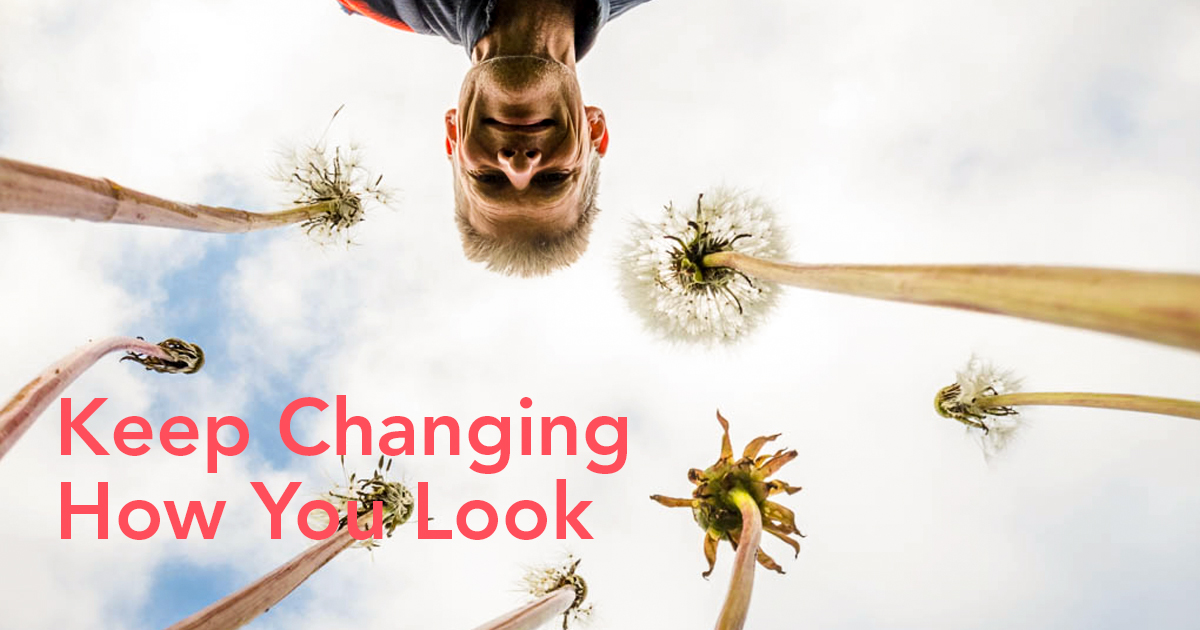
Nature photography has a funny way of staying fresh when you keep changing how you look. Dutch nature photographer Theo Bosboom has been doing this for years, and he’s still not done. Not because nature needs another pretty picture, but because the story can always be told from a different height, a different distance, a different mood. For florists, that idea lands close to home: you can work with the same flowers every week, and still find a new rhythm in the way they sit, lean, catch light, and pull your eye.
This is an interview with the man who was awarded the prestigious Fred Hazelhoff Award for his portfolio 'Flowerscapes (A Bug's Eye View)' during the Nature Photographer of the Year 2025 competition.
Meet Theo Bosboom and His Flowerscapes
Theo’s drive isn’t about chasing novelty for novelty’s sake. It’s more about building photo stories that earn their place. As he puts it: "After all these years, I still find nature photography fantastic – I can really pour myself into it." That mix of creativity, discovery, and being outdoors keeps him going. But there’s also a sharper edge to it: he actively researches what’s already been made before committing to a new theme. "I try to make photo stories that haven’t been made before," he says, and that means aiming for a perspective that adds something, even when the subject feels familiar.
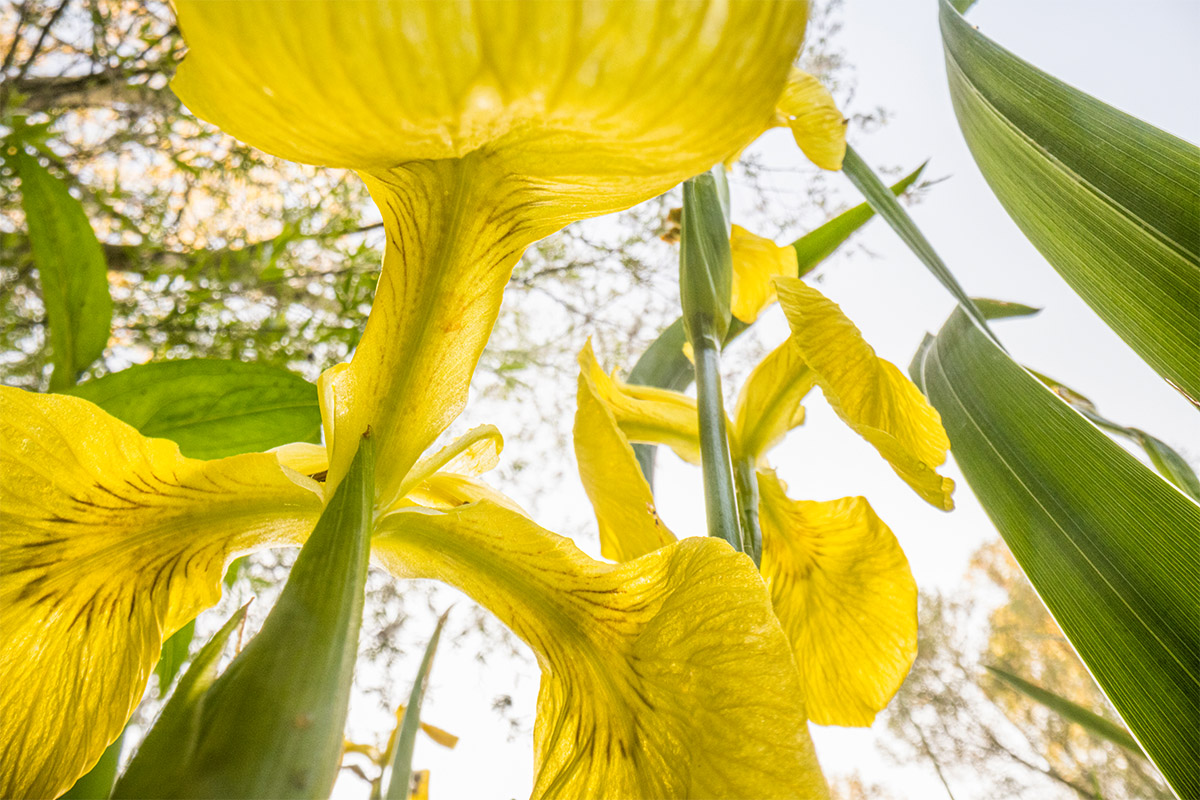
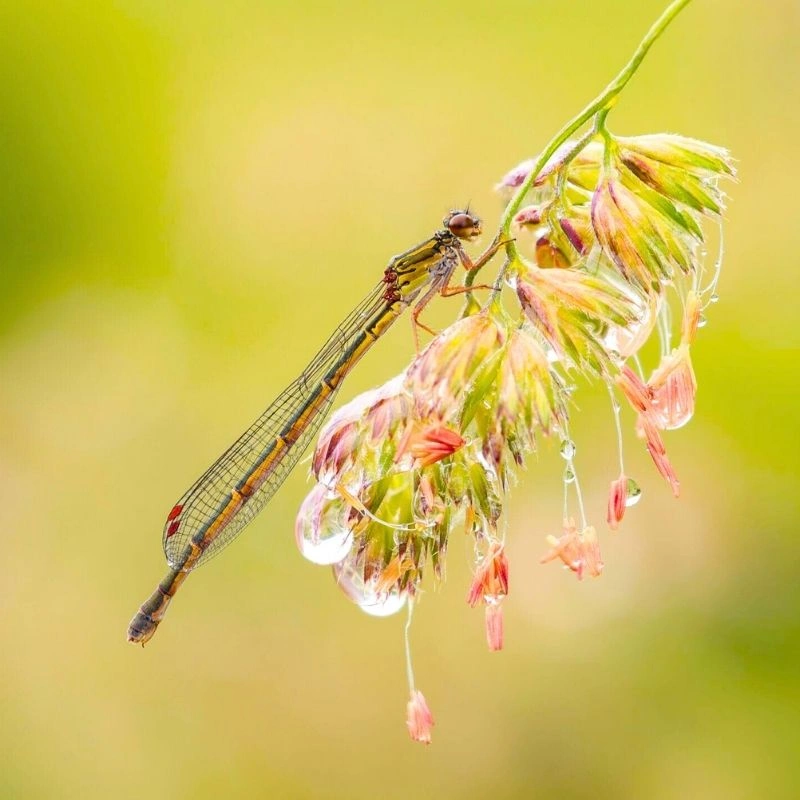
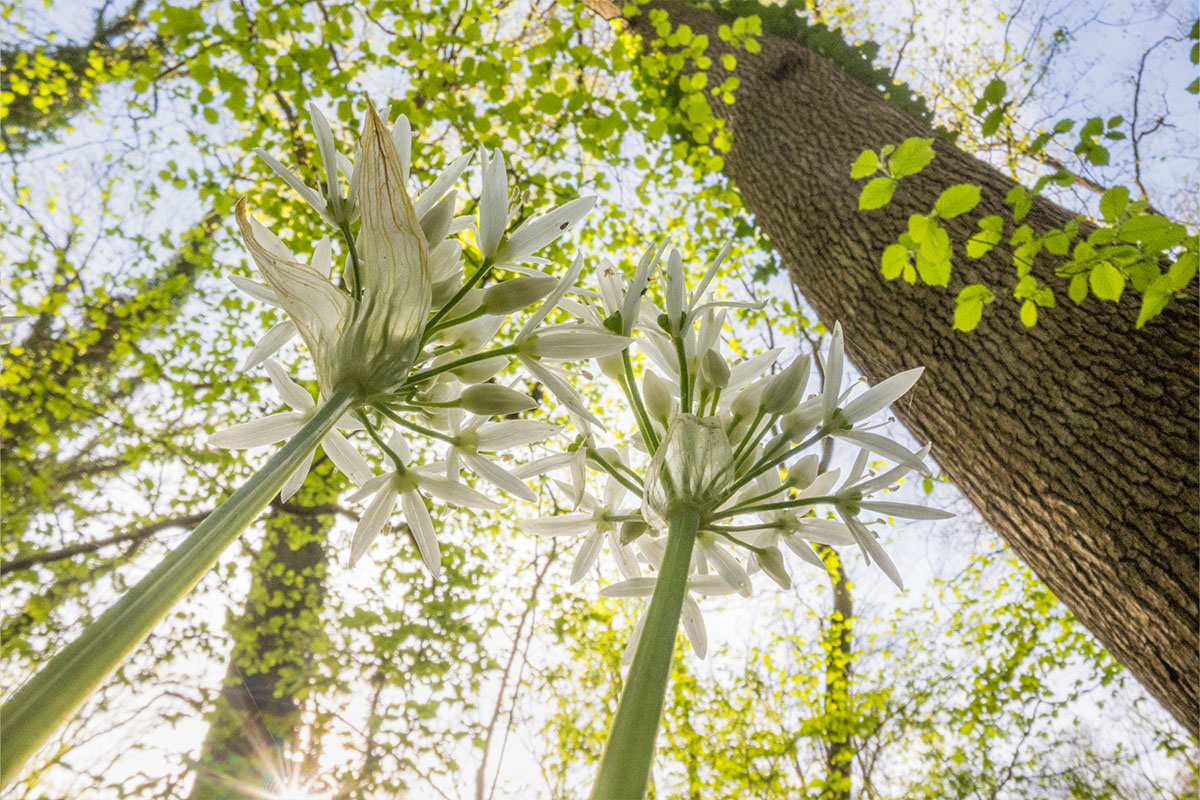
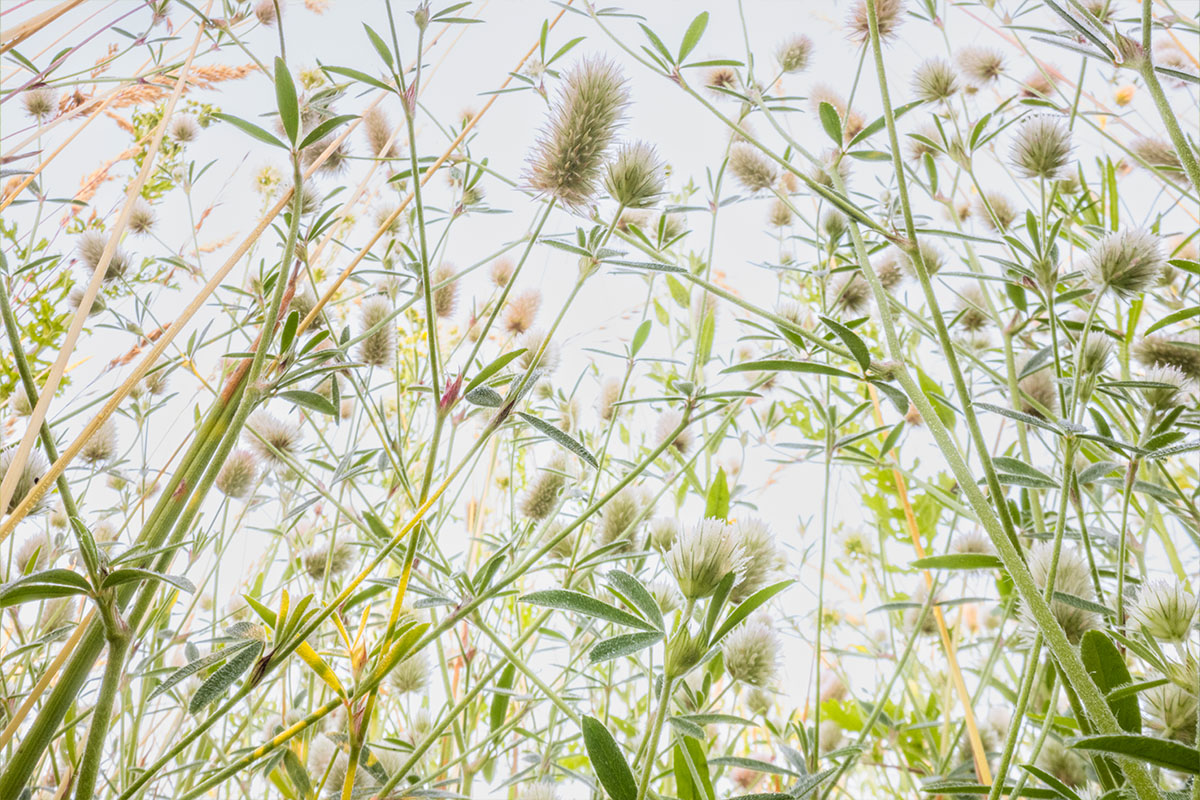
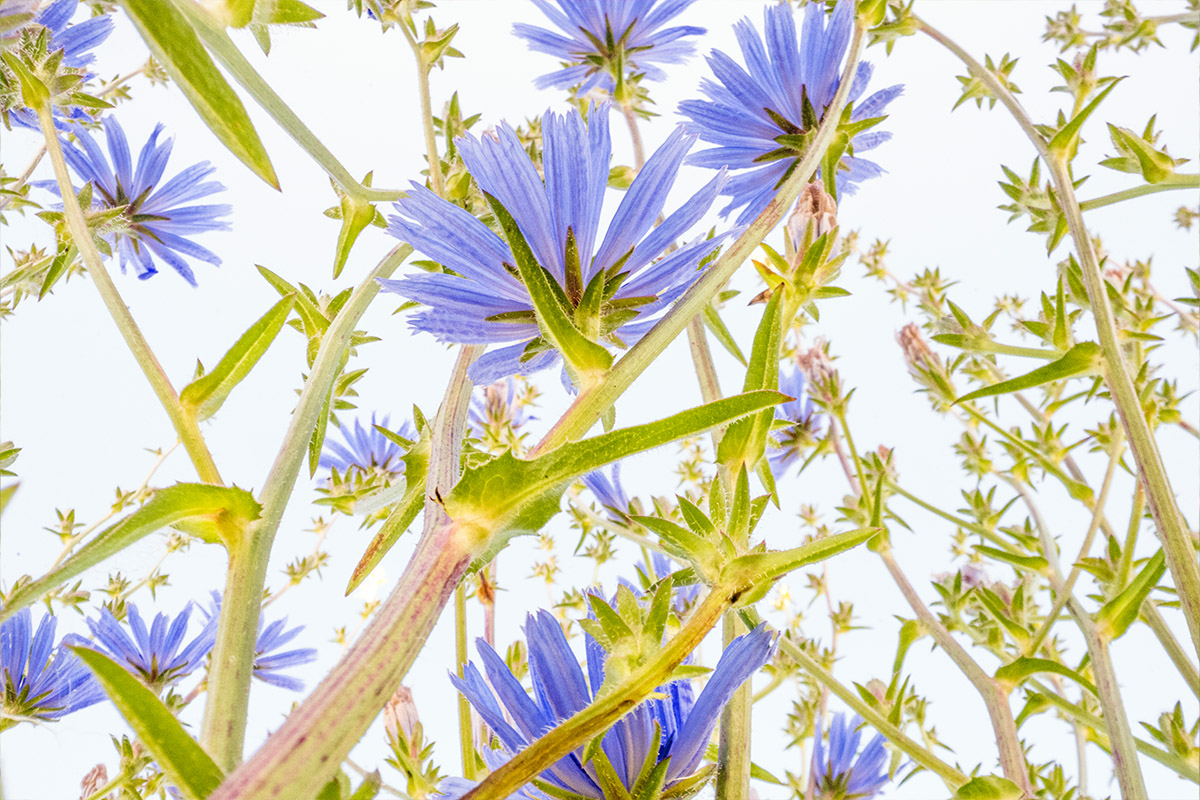
Theo’s project and photobook Flowerscapes (A Bug’s Eye View) is a solid example of that mindset. Instead of photographing a flower field from human height, he goes extremely low – basically eye-level with insects moving through the blooms. That decision isn’t a gimmick. It’s a tool to trigger wonder, and to show nature in a way many people simply don’t experience.
Theo explains:
"One of the ways to create wonder is to show people nature in a way they don’t know yet,"
The insect perspective does precisely that. And there’s a practical reason it works right now, too: we’re all drowning in images. A surprising angle buys attention – and attention creates space for the message behind the work.
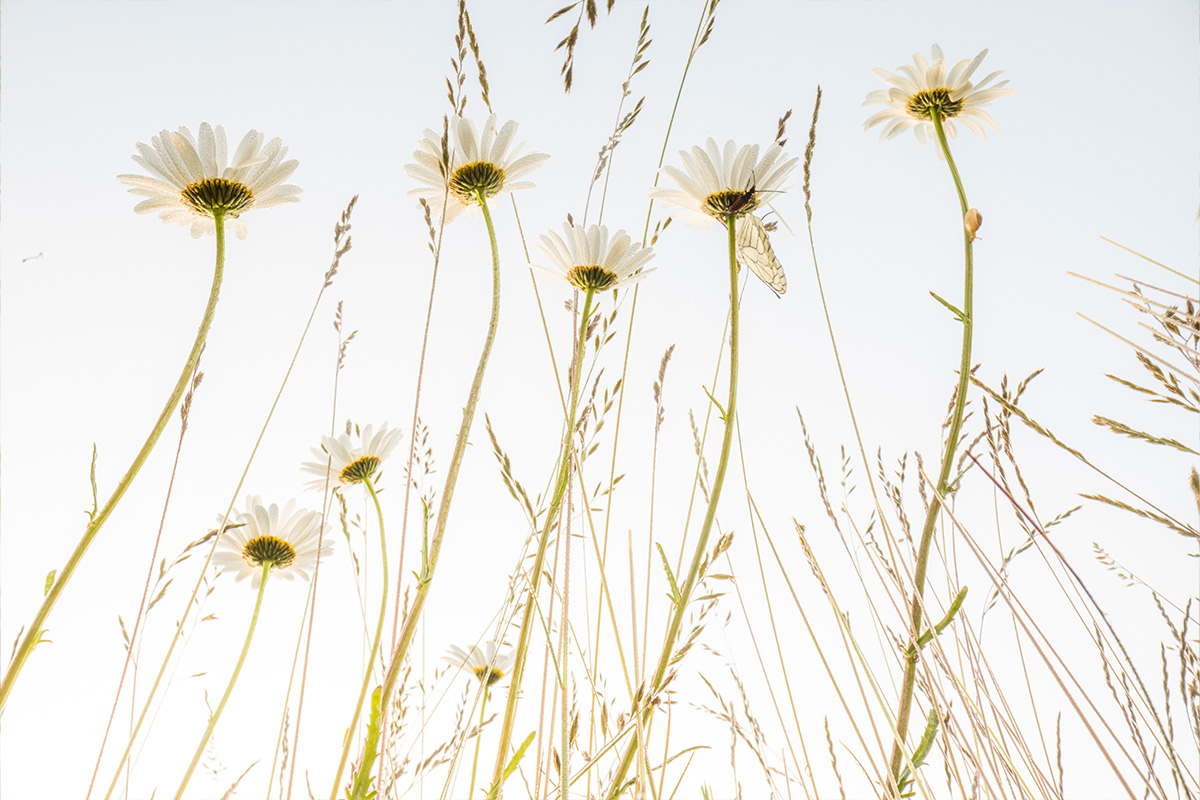
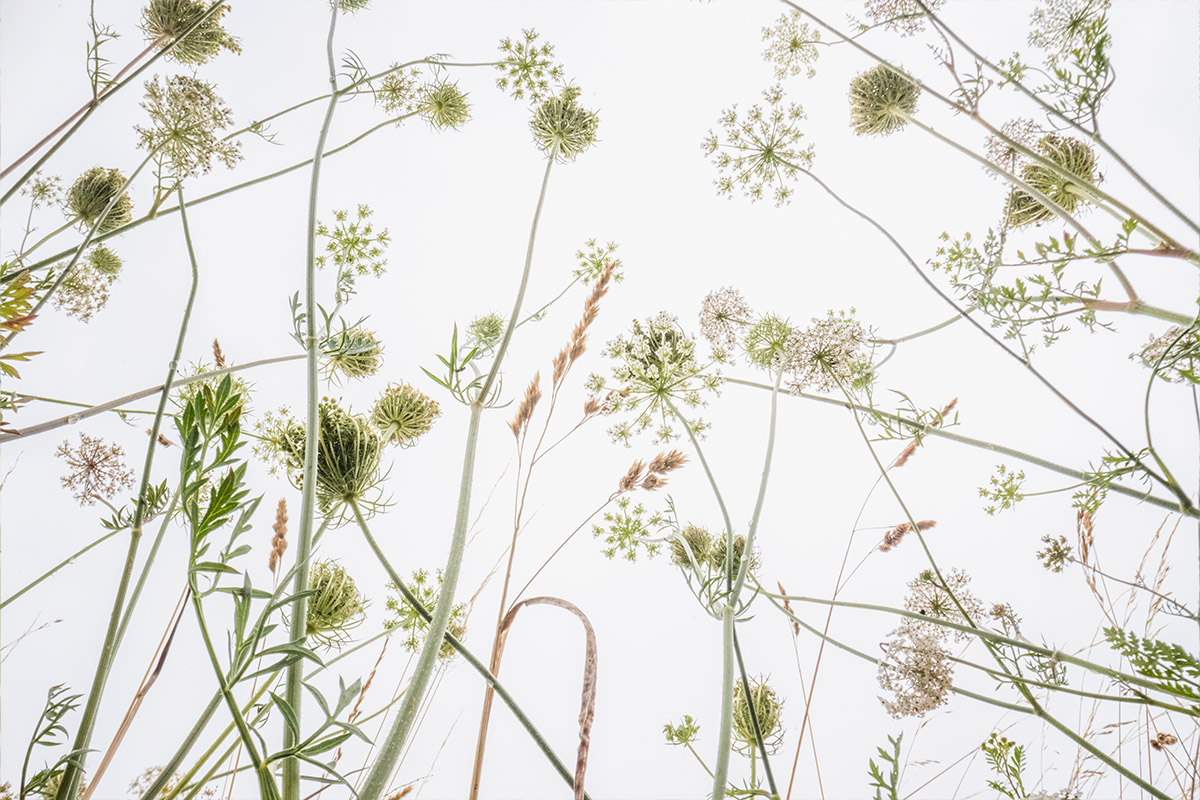
He’s also refreshingly direct about the contrast between human and insect scale. "Normally you look at a landscape from human height – in my case 1.95 m (6'5") – that makes a big difference." For florists, it’s a reminder that scale changes everything. A single bloom can look like a hero from one angle, and like part of a pattern from another. Theo’s low viewpoint turns flower patches into full-on environments, where stems become structures and petals become ceilings.
How Flowerscapes Became Poetic and Graphic at the Same Time
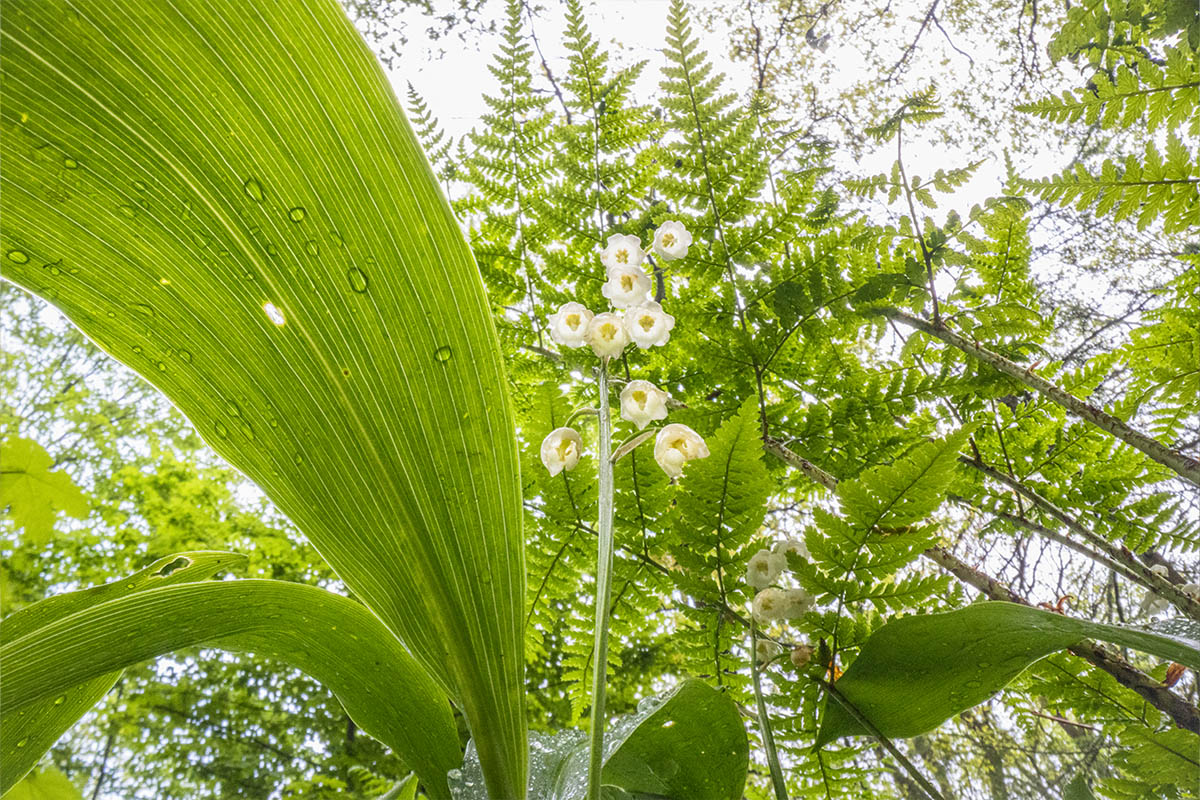
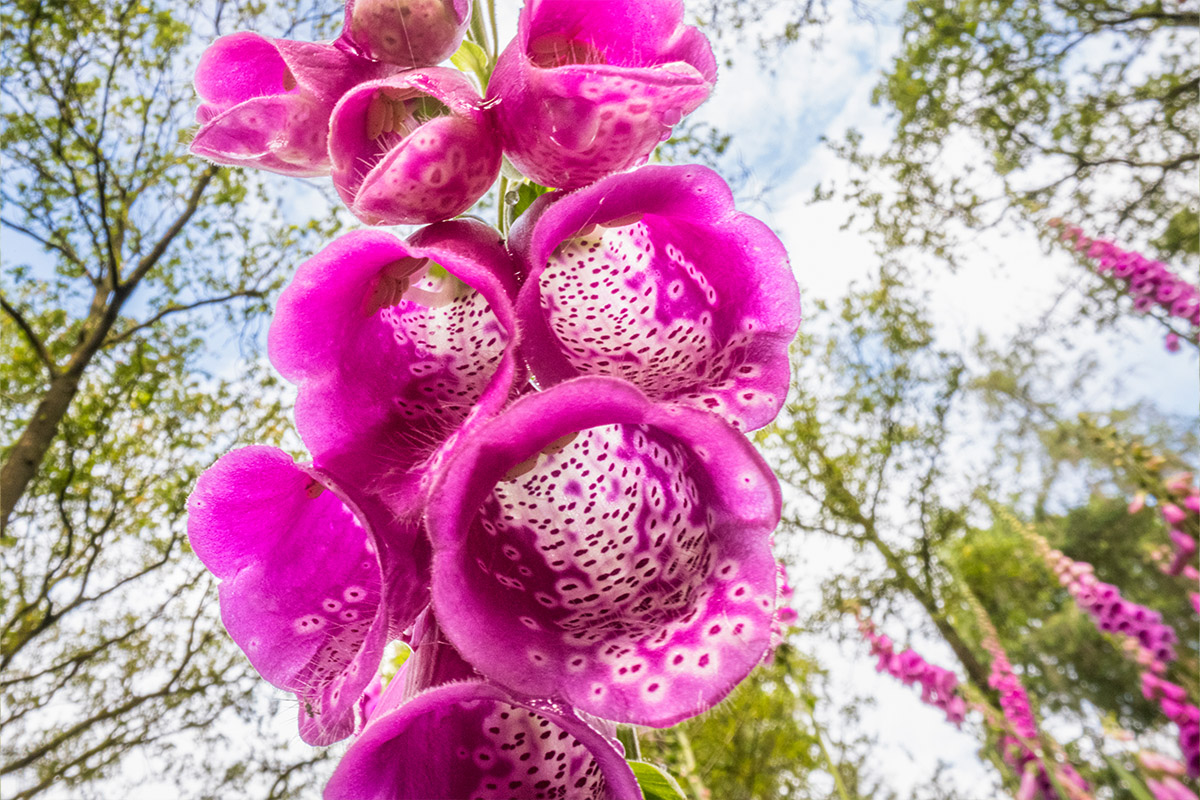
If you’ve seen images from Flowerscapes, you’ll recognize the vibe: soft and light, but also bold in shape and structure. Theo describes the series as poetic and graphic, and he worked hard to keep it feeling like spring and summer – not just visually, but emotionally. One of his key choices was exposure. "In most cases, I slightly overexposed in the field," he says, to keep the work bright and airy.
But the real battle was composition. Flower fields are naturally chaotic. They’re full of overlapping stems, competing colors, and visual noise. Theo wanted to show abundance without making the frame messy. "Finding good compositions was the hardest part," he admits. His approach was part patience, part trial and error: looking carefully, testing again, and hunting for breathing room inside the scene.
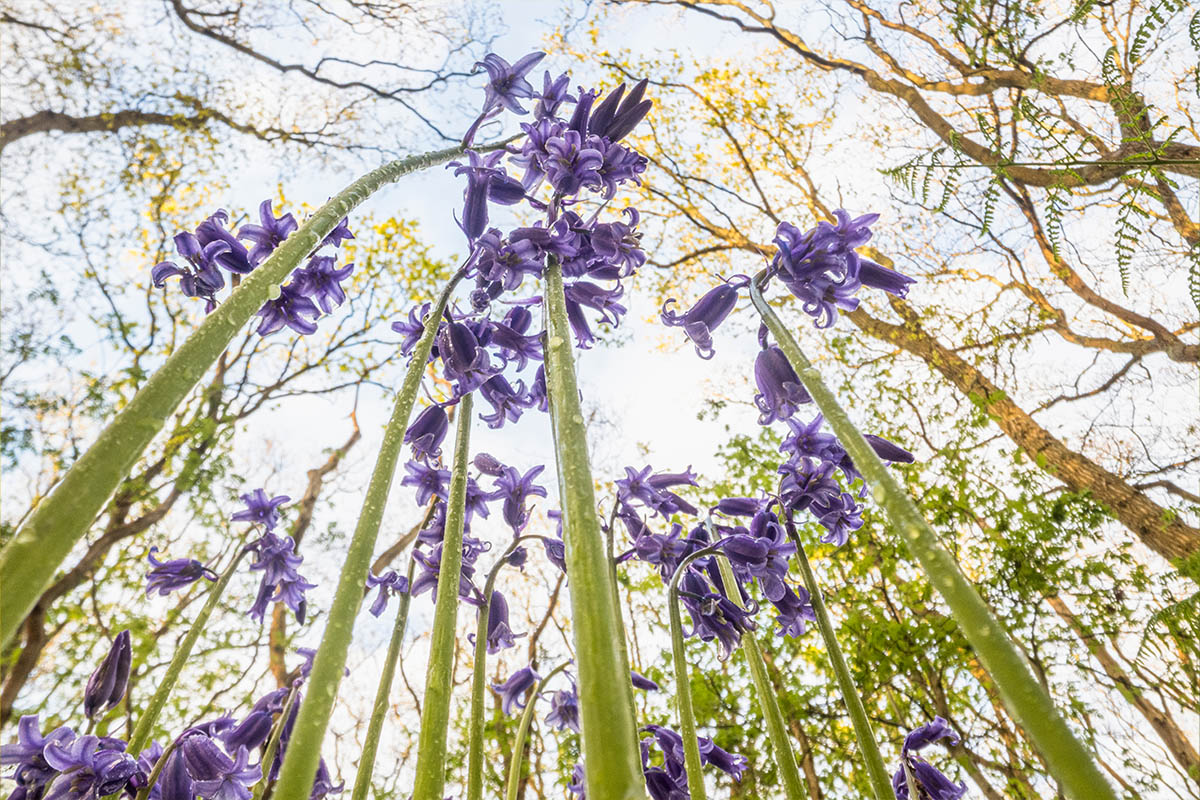
He also had a clear focus rule. Even when the frame is busy, the eye needs a place to land.
"I always looked for an eye-catcher – at least one flower that’s really sharp and grabs attention."
That’s basically florist logic, too. Even in a wild, garden-style arrangement, you still build a focal point. You still leave some negative space. You still decide what the viewer sees first.
On the technical side, he mentions using a Laowa ‘periprobe’ lens, with limited depth of field. But he didn’t treat that as a limitation – more like a natural part of the look. The shallow focus helps isolate that one sharp bloom while the rest melts into color and shape.
Competitions, Photo Trips, and the Next Big Landscapes
Theo also participates in competitions such as the Nature Photographer of the Year Award, and he’s clear on why they matter. It’s not just about collecting a title. Winning gives work a second life: new audiences, international media coverage, and exhibitions in strong locations. That, in turn, pulls the subject back into the spotlight.
On a personal level, he likes the push it gives him:
"Competitions force you to look critically at your work and to build a series very carefully."
That kind of editing discipline is familiar to anyone who’s had to select just the right stems for a final arrangement. The choices matter.
Fresh off the road, Theo has also been in Portugal, guiding a photo trip for Nordic Vision along the photogenic coast of West Portugal. These trips are hands-on: being out in the field, helping photographers find shots, and then reviewing images together in at least one group feedback night. He calls them cozy and inspiring – a bunch of like-minded people chasing light together.
Looking ahead, he’s deep into a long-term project about European canyons. His point is simple: everyone can name the Grand Canyon, but far fewer can list even five canyons in Europe. He wants to change that, and hopes to finish the project by the end of next year. And yes – he’s also thinking about a new project in the Netherlands where flowers play a significant role again. He’s keeping that one quiet for now, but the direction is clear: Theo’s still chasing stories that haven’t been told in quite the same way.
How to Get the Book Flowerscapes (A Bug’s Eye View)
It's a beauty to look at and into, a perfect coffee table showpiece. The book Flowerscapes (A Bug’s Eye View) is available in both English and Dutch. It's available on the webshop of Theo Bosboom Photography, where you can also order some of his limited-edition fine art prints.

All photos courtesy of Theo Bosboom.