Cooking with edible flowers is back. Not that it ever really went away, because fast forward to almost two thousand years ago and you’ll find yourself in the blossoming reigns of Julius Caesar, Queen Victoria, and the flower-power days of the ’60s, where blooms were already a gastronomic delight.
What has changed is availability and clarity. You can now find edible flowers sold specifically for culinary use, and you can also grow a wide variety at home. Even better: several popular cut flowers used in bouquets and floral designs are also edible, when they’re grown food-safe and pesticide-free.
Cooking With Edible Flowers
The secret to success with edible flowers is restraint. Keep the dish simple, don’t stack too many competing aromas, and treat each bloom like a seasoning. In most cases, flower petals are what you’ll use (not stems). Many blooms are best as edible petals only, while a few can be served as whole flowers. This list focuses on cut-flower staples you’ll actually see in floral designs, plus a few classics that work in sweet or savory dishes.
When Flowers Are Edible and When They Aren’t
Not all flowers are edible. Some are toxic flowers, and many “florist” stems are treated for vase life. If your goal is to eat cut flowers, avoid unknown bouquet stems, avoid anything sprayed, and be cautious with plants from garden centres unless they are clearly labelled as food plants. When in doubt, buy edible flowers from the grocery store produce department or from a culinary grower, especially when you’re eating edible flowers for the first time. As a rule of thumb, flowers are edible only when the source is food-safe and the plant is correctly identified.

Edible Flowers That Are Popular Cut Flowers
This is the crossover category most people don’t expect: many flowers you see in bouquets and floral designs are also edible flowers, but only when they’re grown for food use. Florist stems are often treated for vase life, so don’t assume you can eat cut flowers from a bouquet. Instead, look for edible flowers sold specifically for cooking (often in the produce department) or grow known varieties yourself.
In the list below, every bloom is common in floral styling and also used in kitchens. Treat these like ingredients: use petals more than stems, remove bitter bases where needed, and start small if you’re new to eating edible flowers. When sourced correctly, these flowers are edible, practical, and surprisingly versatile in both sweet and savory dishes.
Rose
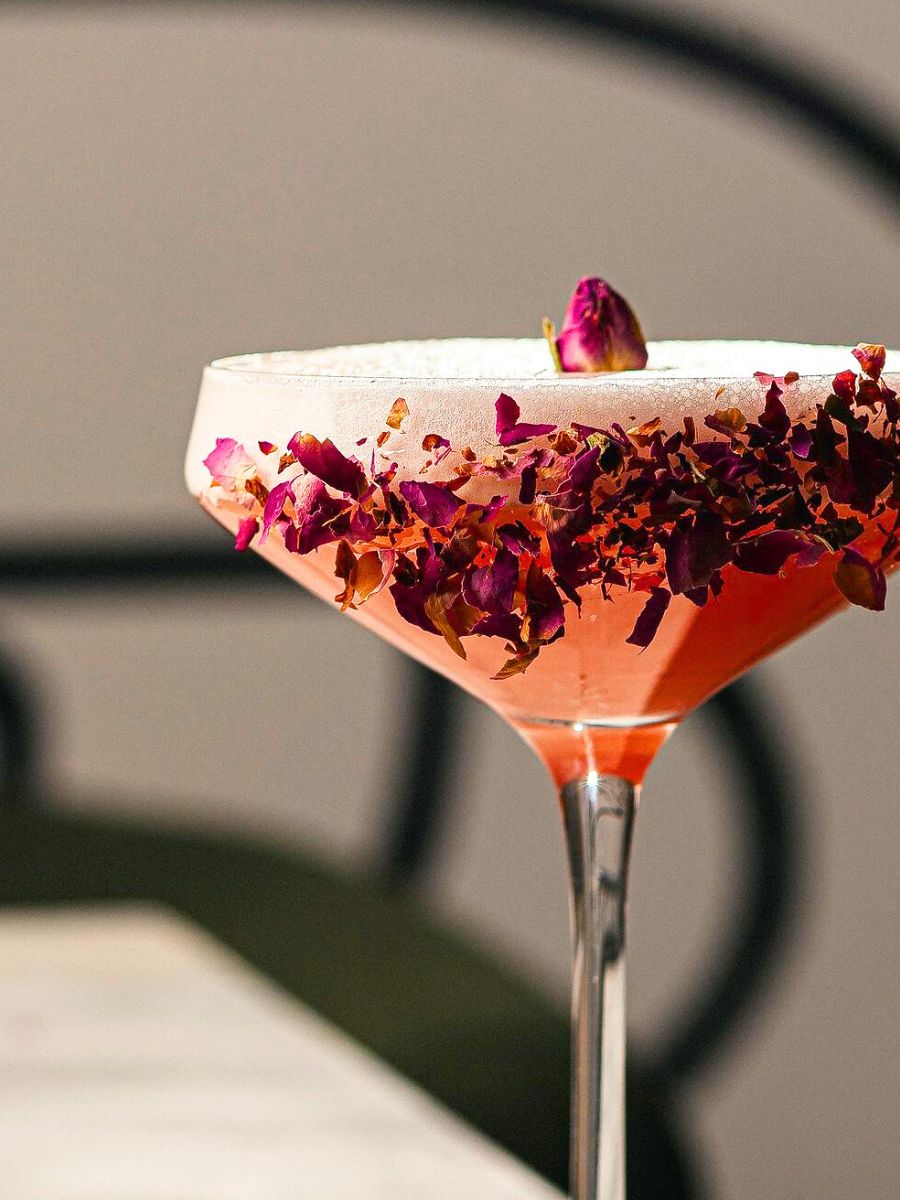
Rose (Rosa spp) is widely used in kitchens, but it’s the rose petals that matter. For the best flavor, trim off the bitter white base. Darker varieties are often stronger; lighter ones can be softer (even white flowers can be gently scented). Try rose petals in fruit salad, or simmer them into rose petal jam. You can also bake with dried rose petals when fresh flowers aren’t available.
Carnation
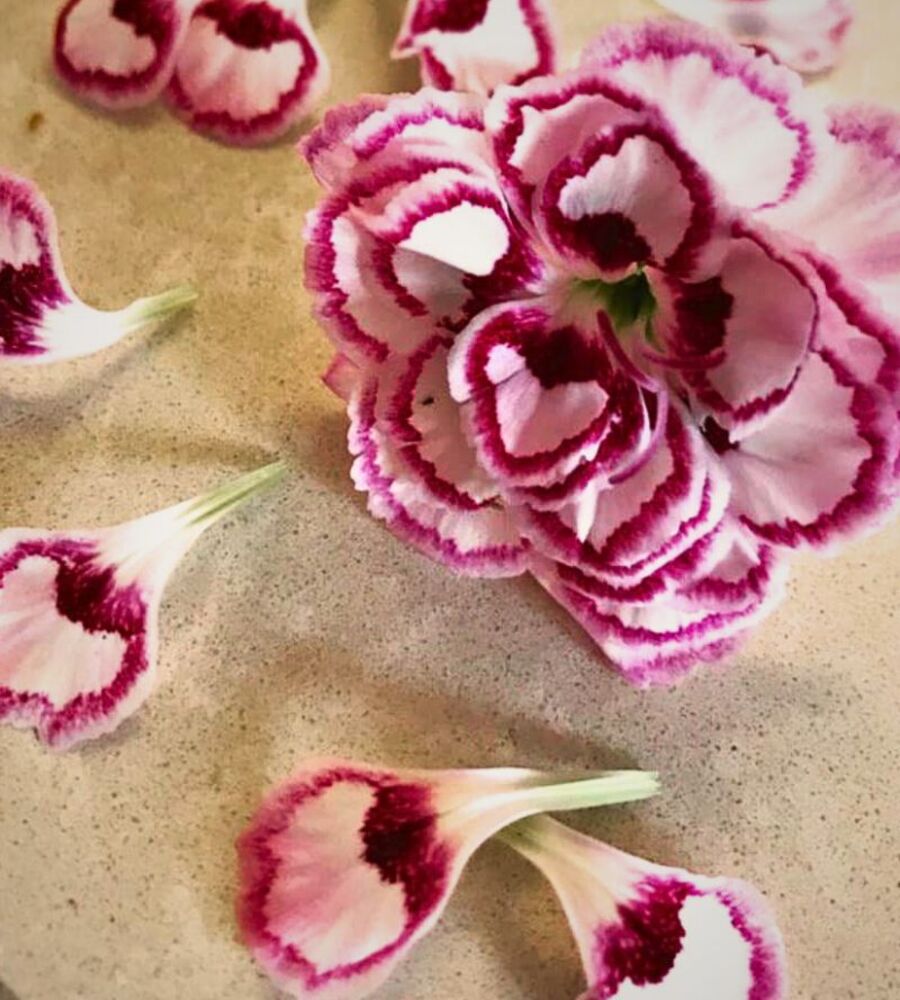
Carnations have a lightly spicy flavor (often compared to clove). Pull off the flower petals and discard the bitter base. Use petals in green salads, on soft cheese, or as a quick garnish for fish dishes where you want a gentle aroma without heat.
Dianthus (Including Carnations)
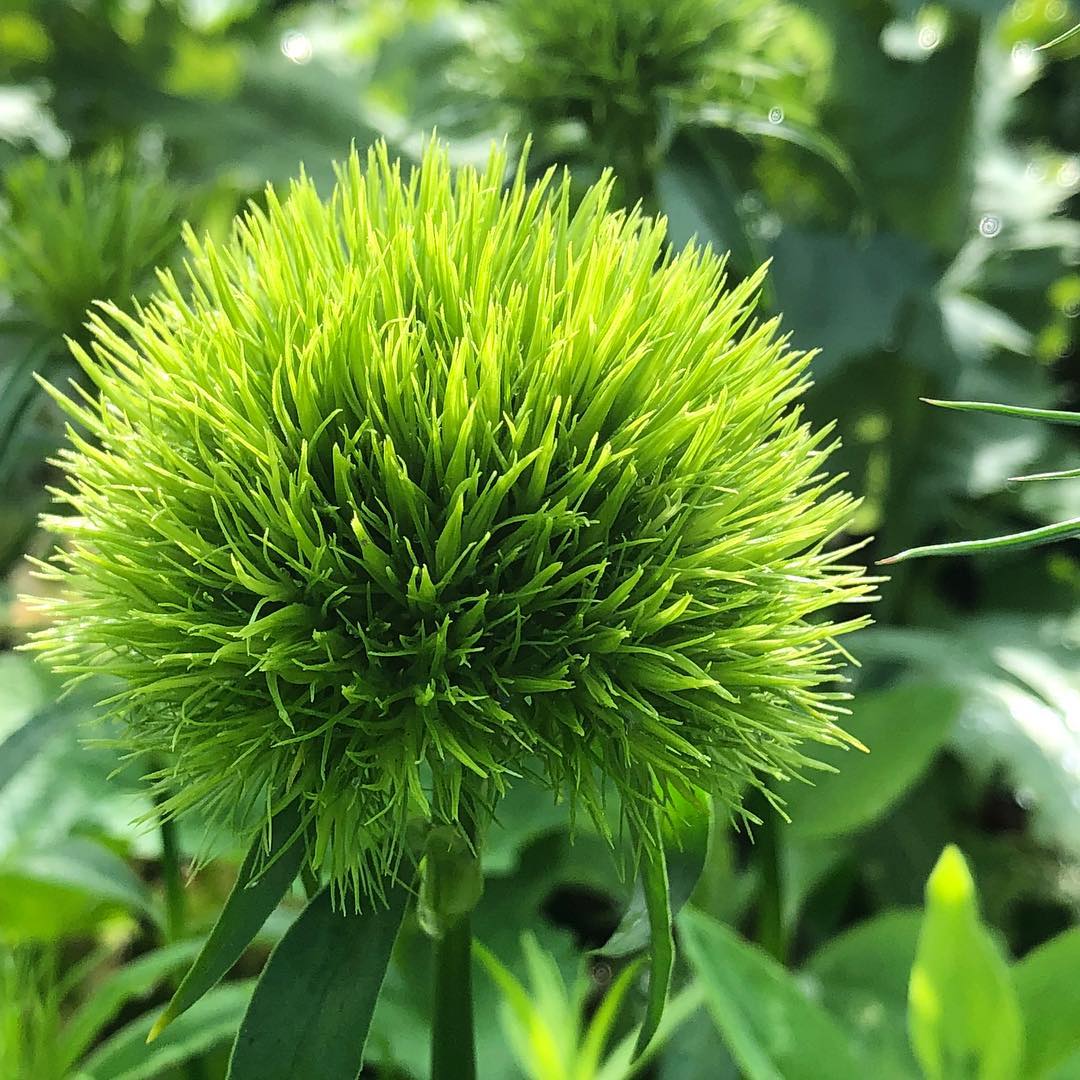
Dianthus overlaps with carnations, but the flavor range is wider; some are sweeter, others have a more peppery taste. Use the petals to finish a chocolate cake, shortbread, or a simple citrus dessert. Because Dianthus is a mainstream cut flower, only use edible flowers grown for culinary use.
Chrysanthemum
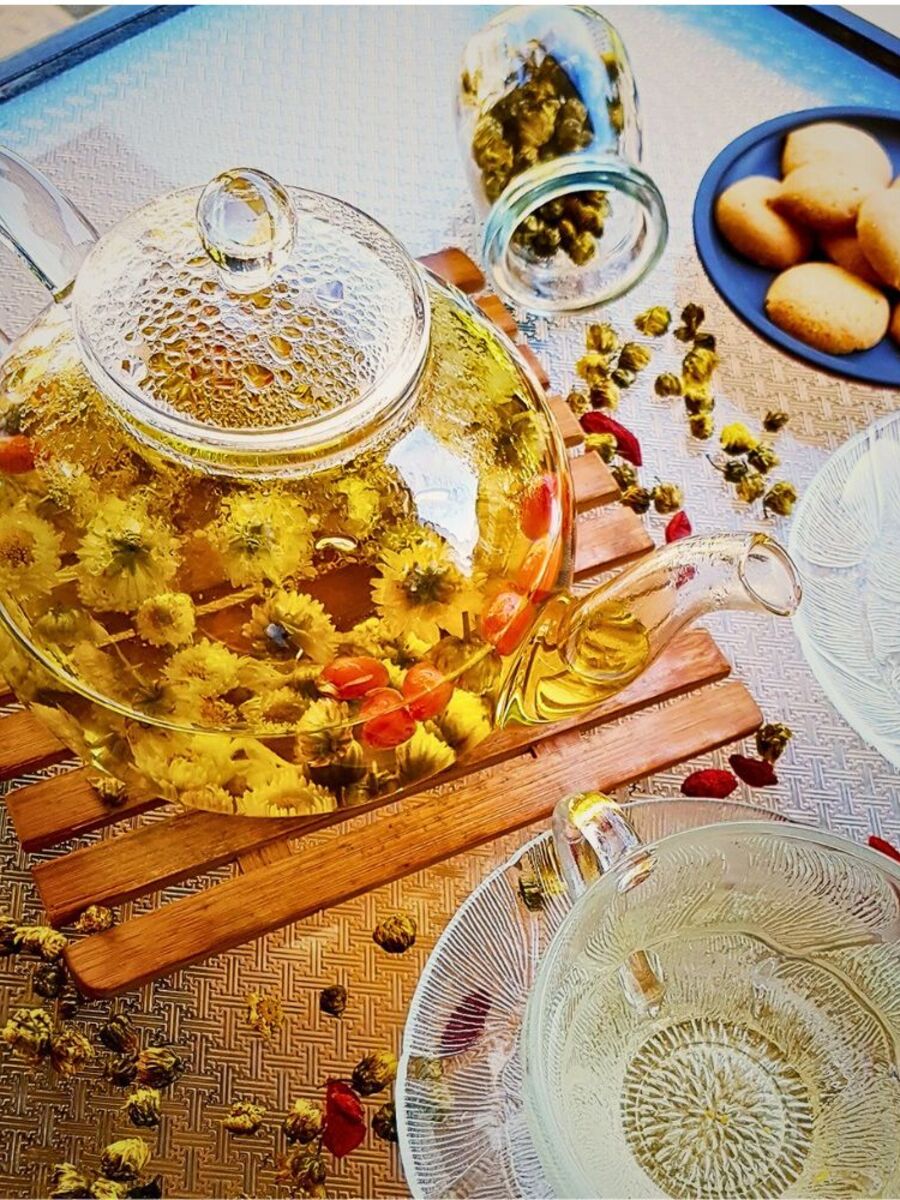
Certain Chrysanthemum types are eaten in Asia and used as garnish. Choose edible flowers sold for cooking, then use the petals in soups, noodle bowls, spring greens, or green salads. The centre can be sharp, so treat petals as the edible part and keep portions small.
Snapdragon
Snapdragon (Antirrhinum) works best as a garnish. The taste is mild with a slight bitterness, so it pairs better with savory dishes than with sweets. Separate the petals and use them on salads, canapés, and cold drinks where you want color without overwhelming flavor.
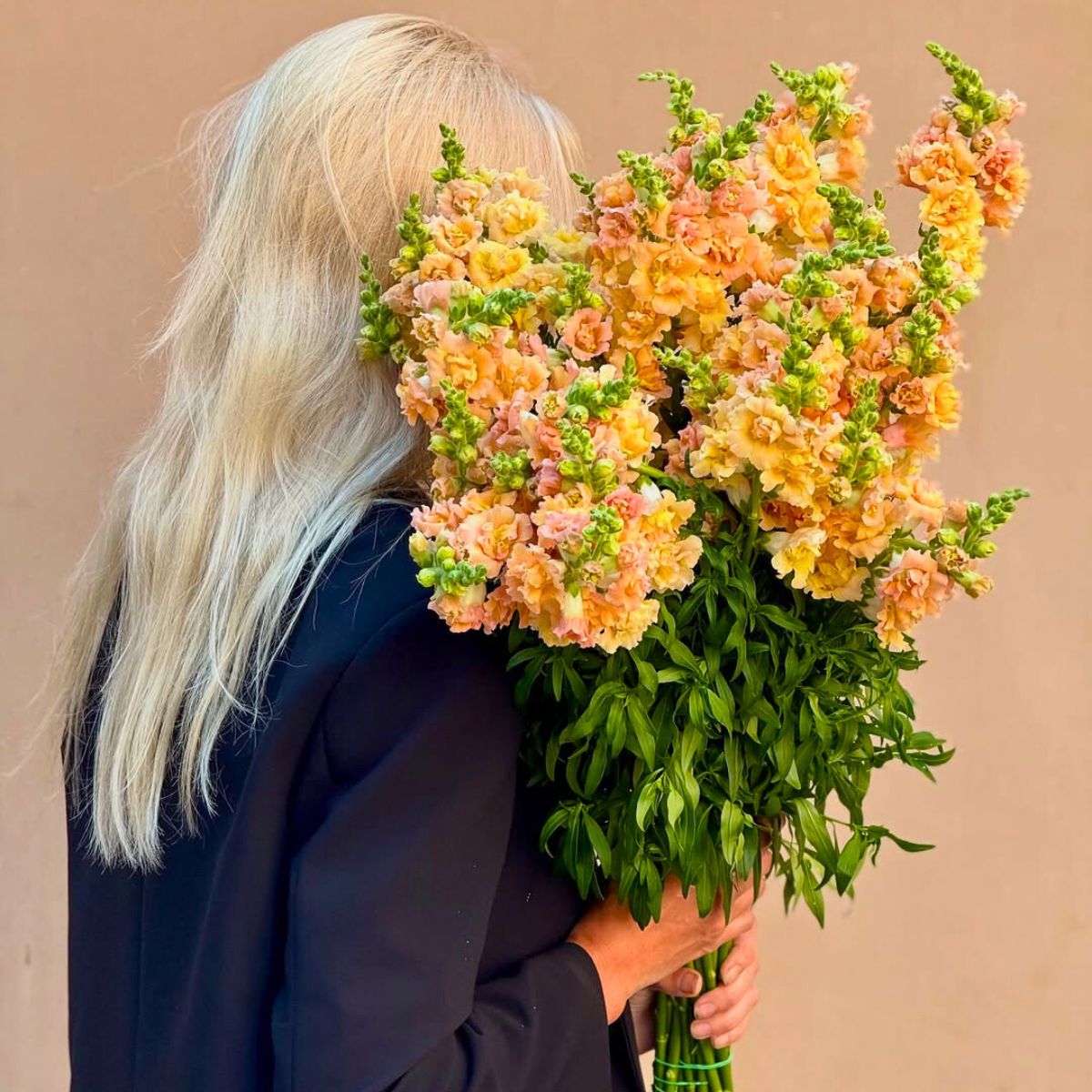
Photo: @therapy_of_flowers
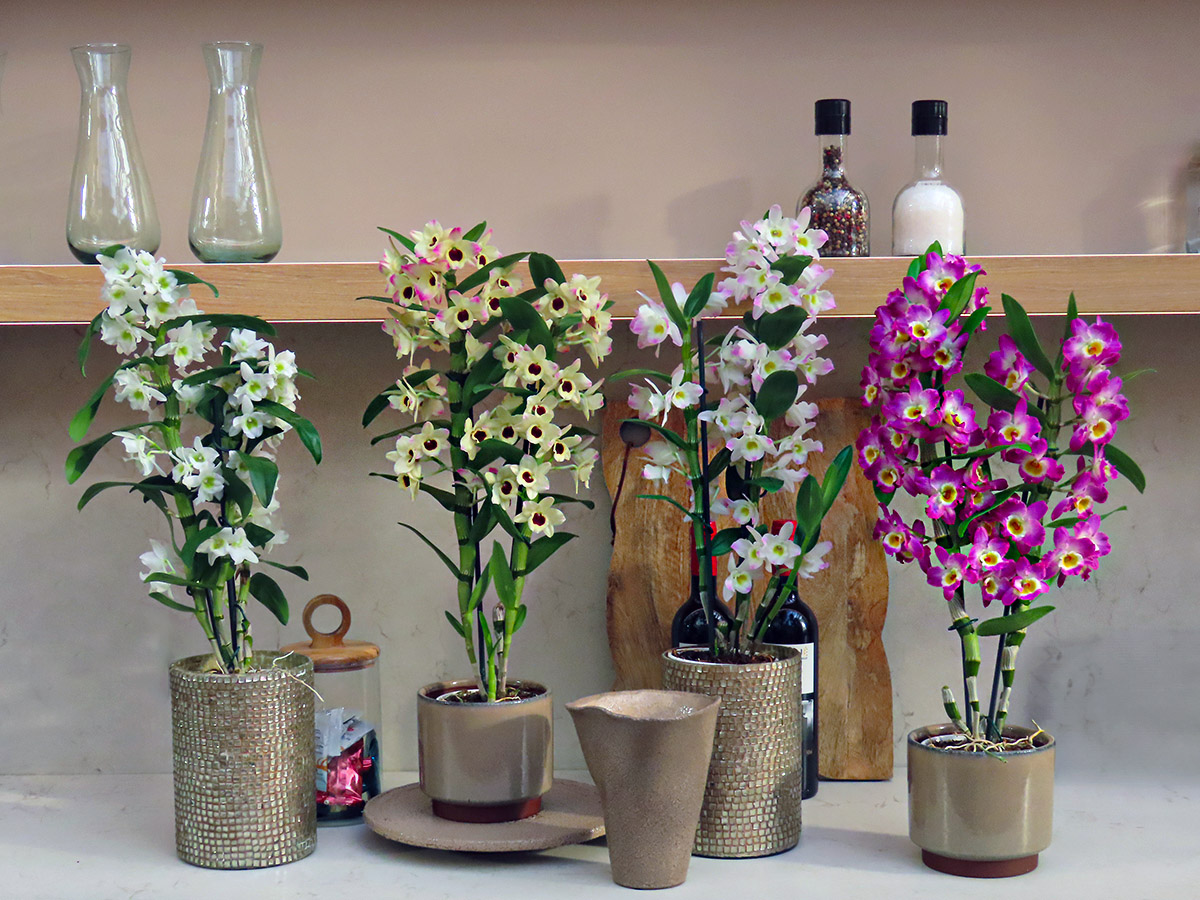
Dendrobium Orchid
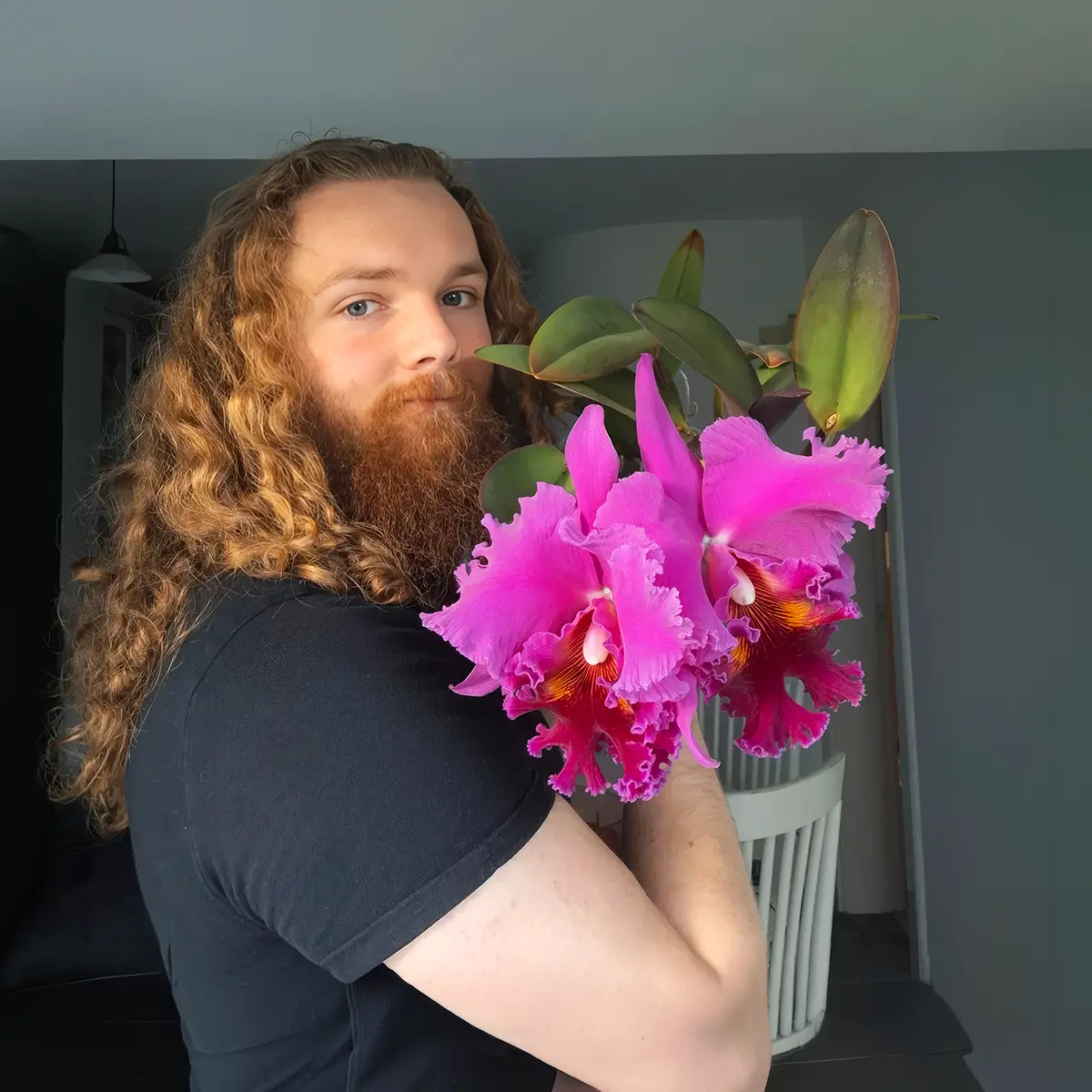
Dendrobium orchid blooms are a common edible orchid used by pastry chefs. Use whole flowers to top desserts, chilled puddings, and fruit salad. Only source orchids from culinary suppliers; many florist orchids are treated.
Sunflower
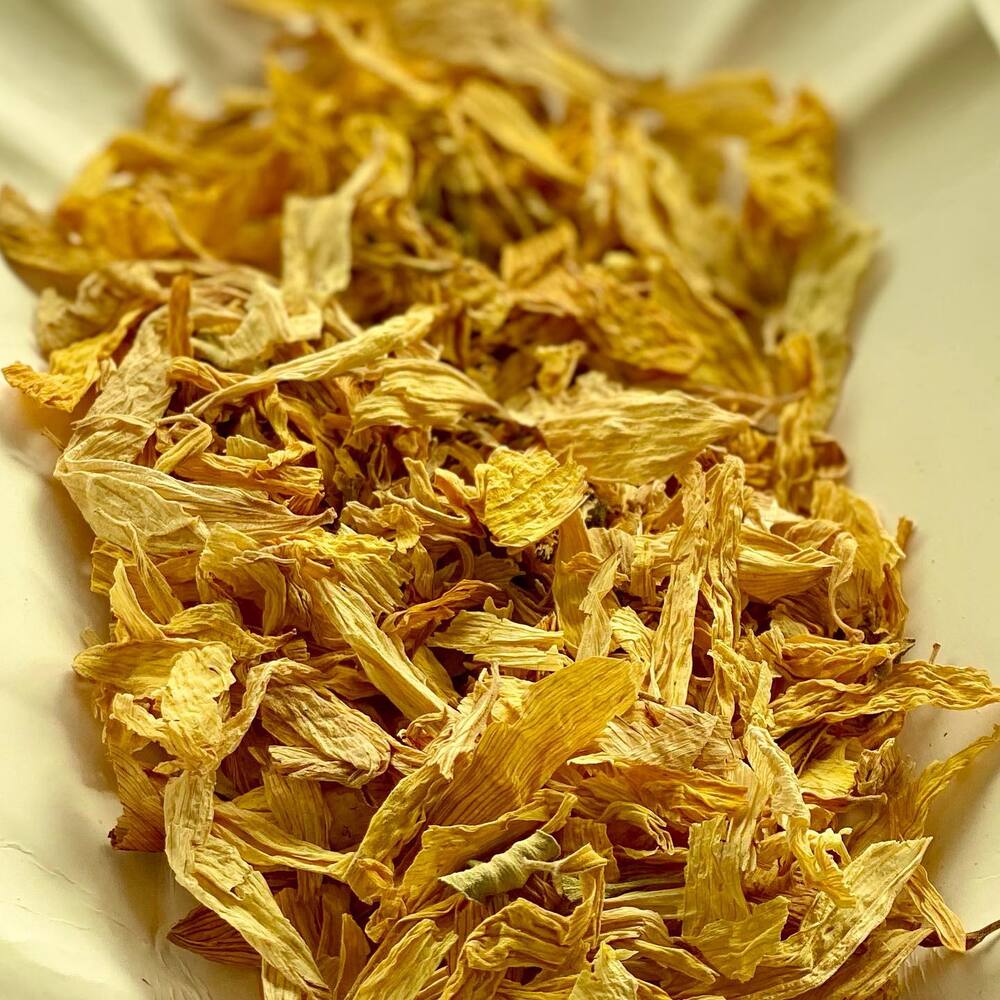
Sunflower (Helianthus) petals have a light, nutty note and work well in salads and grain bowls. The petals also pair well with fish dishes, especially with lemon and herbs. The young flower head can be cooked like a vegetable; the seed heads are edible too, but the petals are the simplest starting point.
Tulip
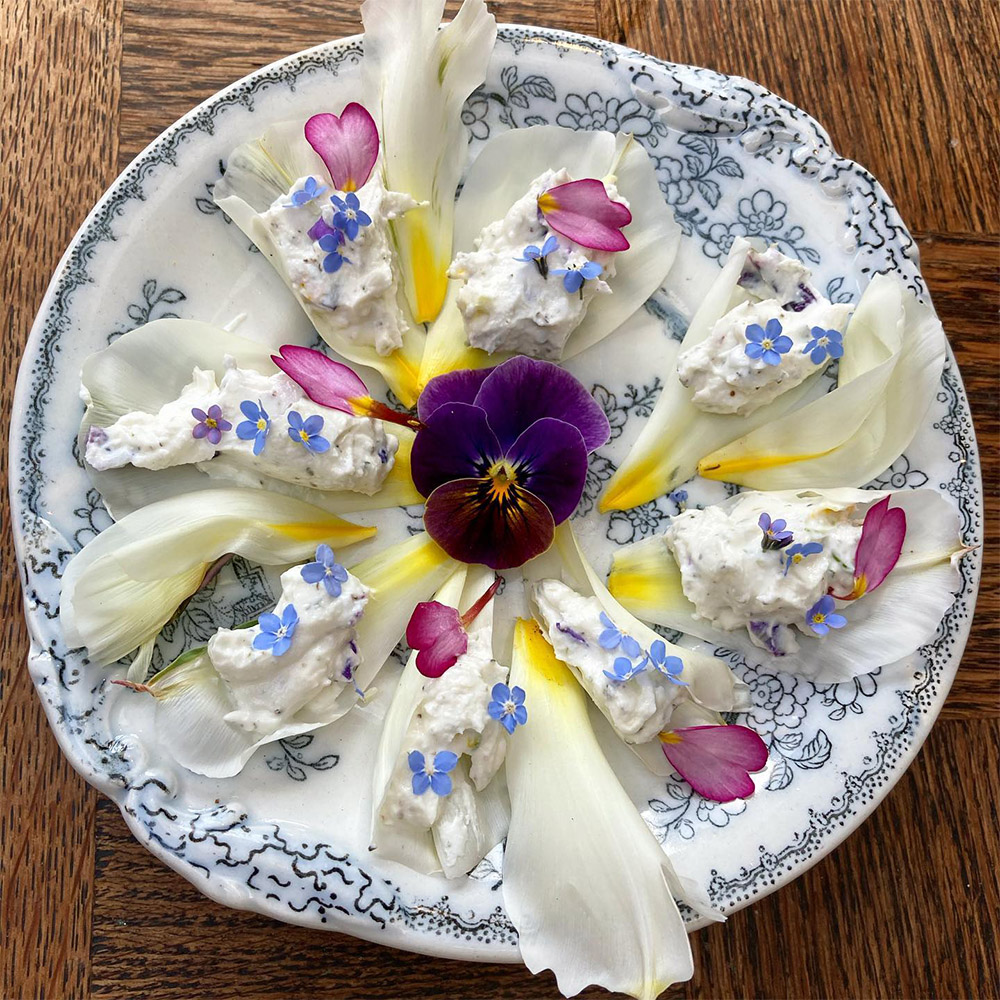
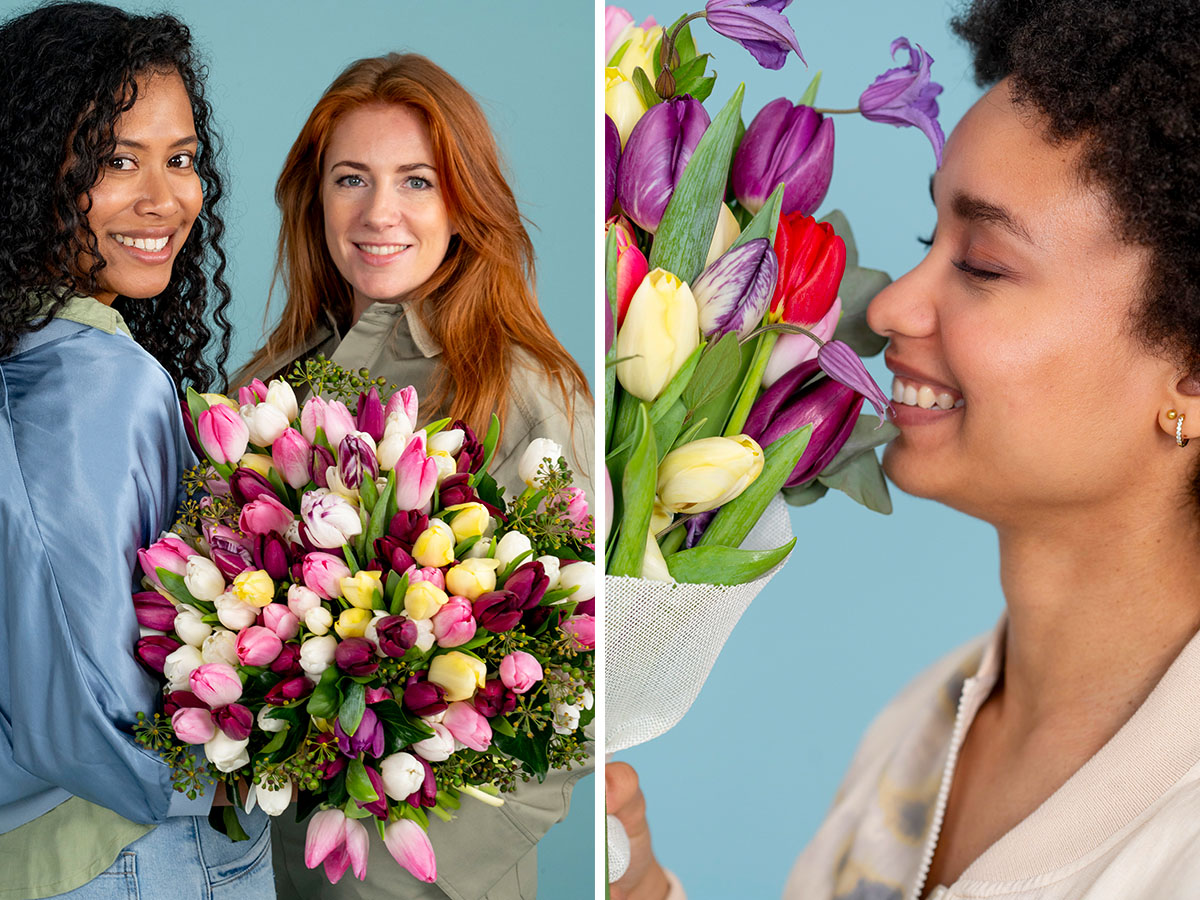
Tulip petals can be used as small 'cups' for mousse, whipped ricotta, or herbed cream cheese. Because some people are sensitive to tulips, start with a small bite when eating edible flowers, and never use tulips from garden centers unless labelled for food use.
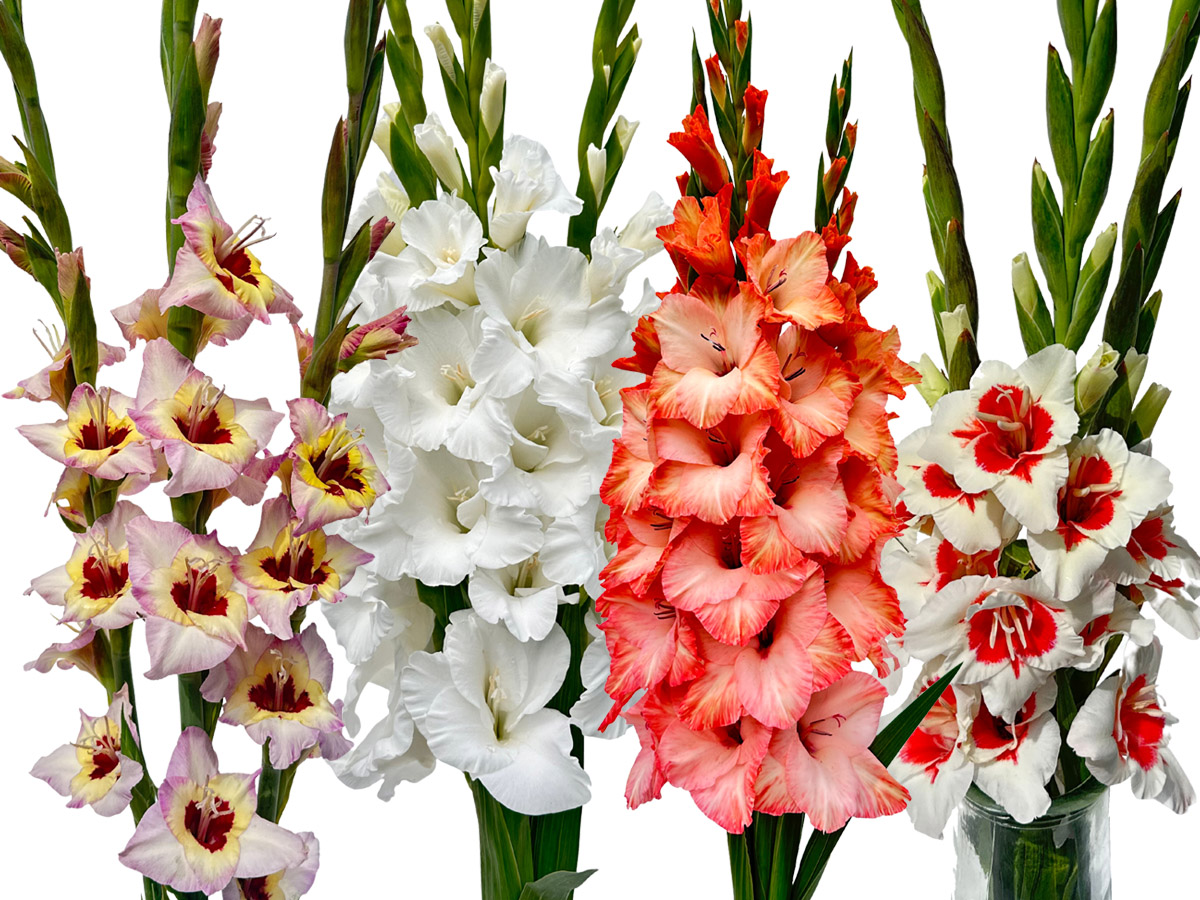
Gladiolus
Gladiolus flowers are mild and easy to stuff. Fill with soft cheese, chopped herbs, or a seafood salad and serve the same day. They hold their structure well, making them a practical option for plated appetisers.
Peony
Peony petals are delicate with a light floral note. Use them to finish desserts, iced tea, or a simple fruit plate. As with other bouquet staples, only use edible flowers that are pesticide-free and grown for culinary use.

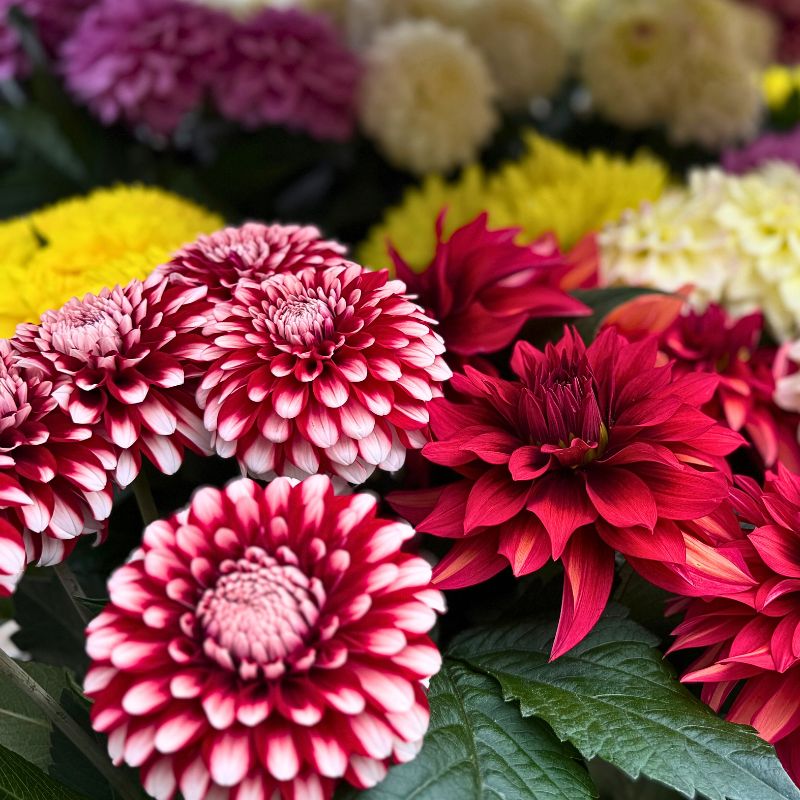
Dahlia
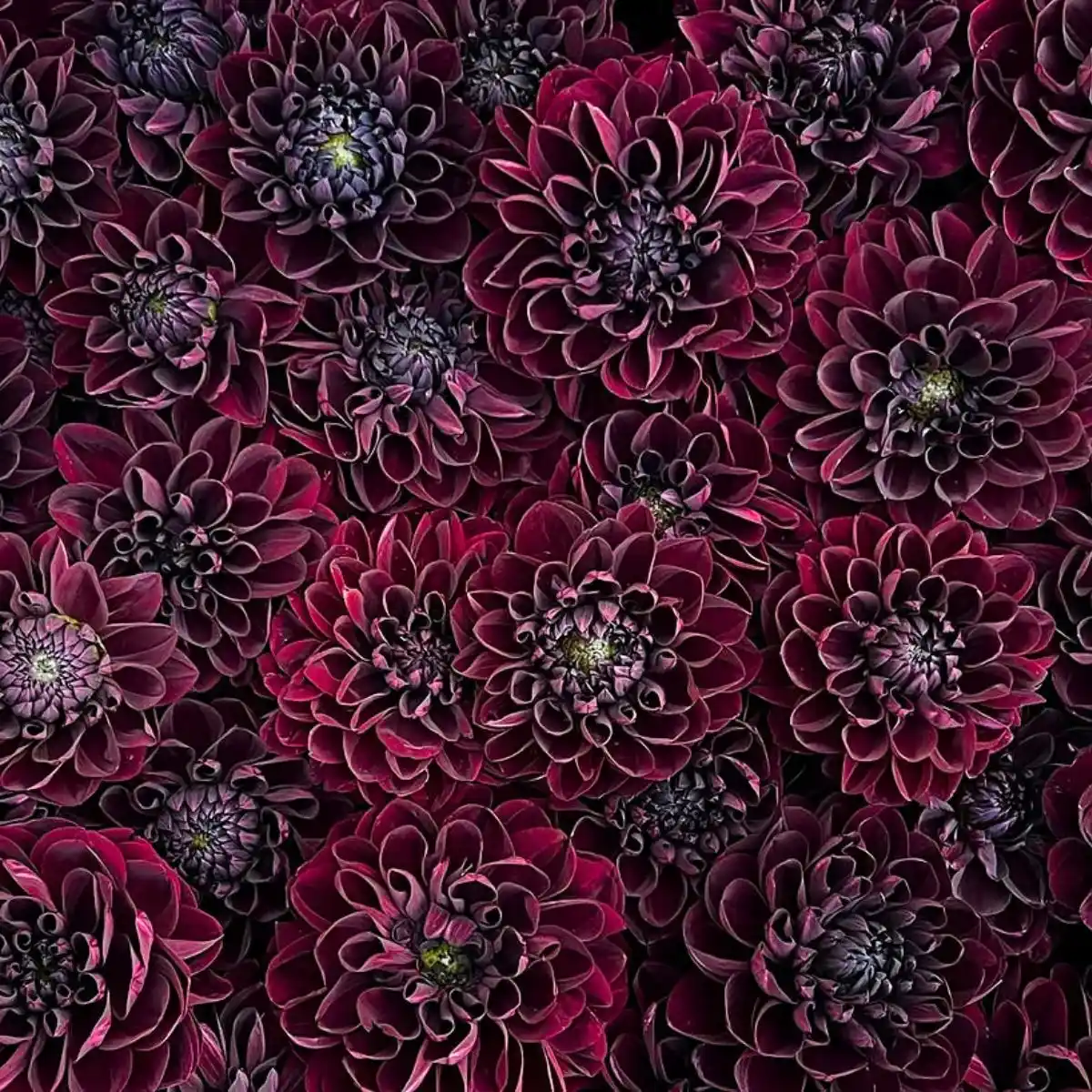
Dahlia petals vary by cultivar, from mild to spicy flavor. Taste a small piece first, then use petals over salads or candy them to decorate cakes. If a variety tastes bitter, use less or switch to a different cultivar; the goal is flavor, not bitterness.
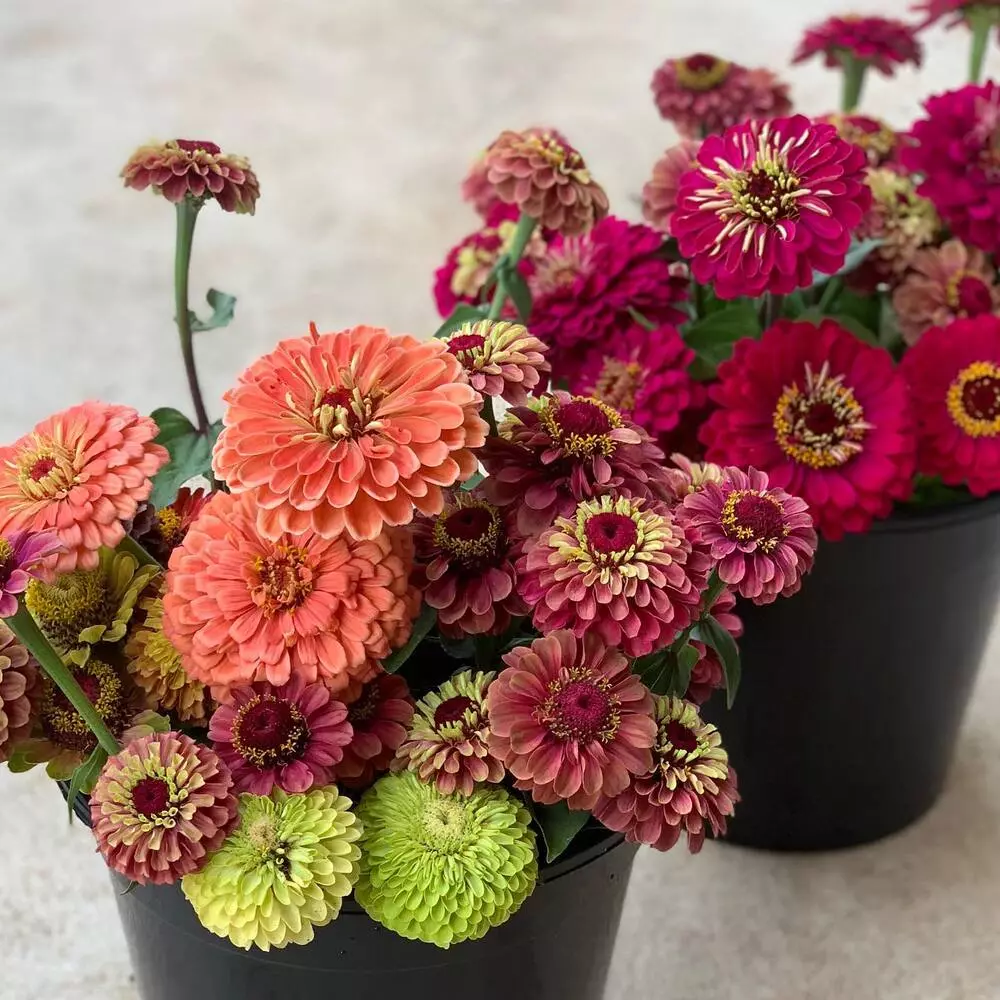
Zinnia
Zinnia petals hold up well as a garnish. Flavor is mild to slightly bitter, which works well with citrus drinks and crisp salads. They also freeze neatly into ice cubes for summer drinks, and a second batch of ice cubes can be made with smaller petals for quick service.
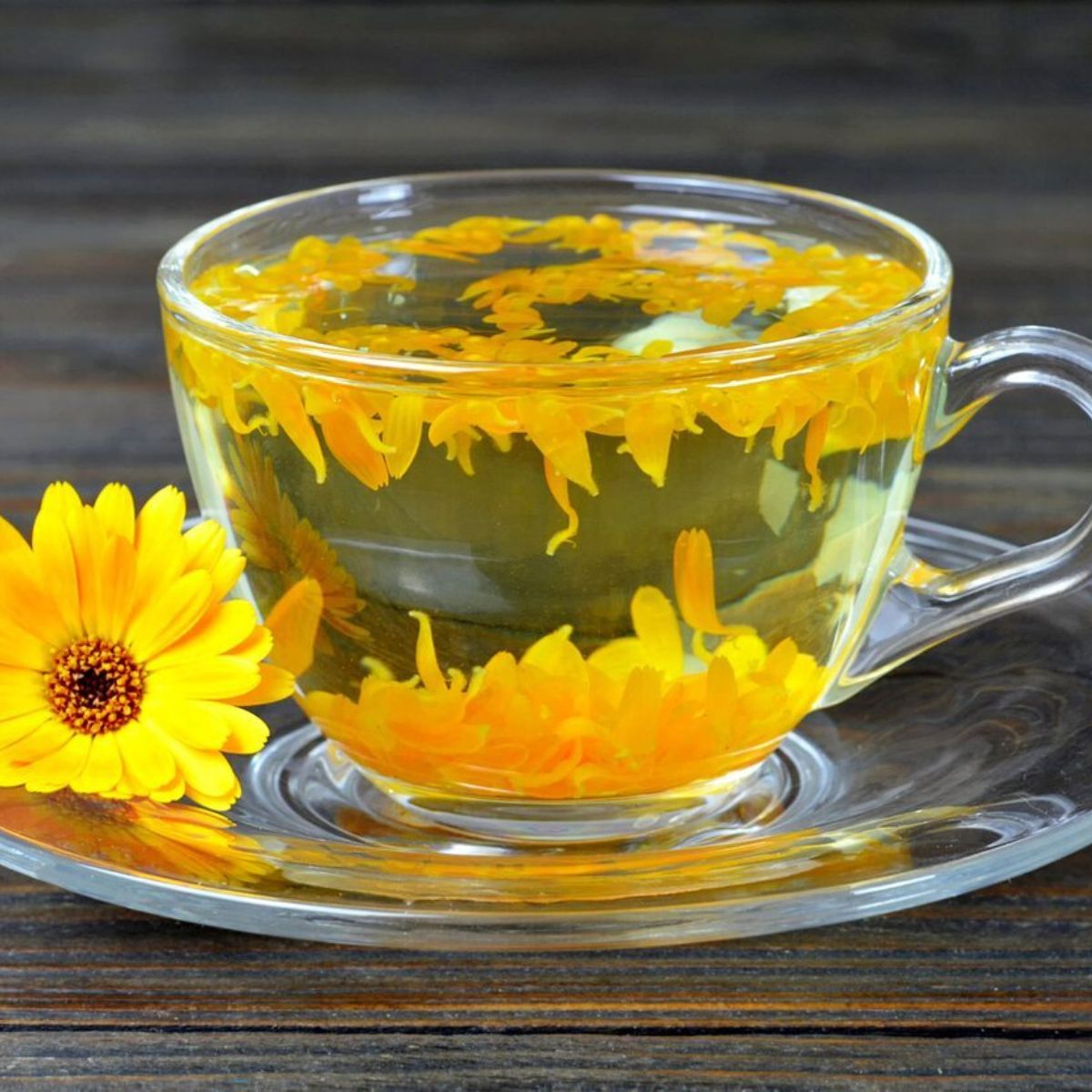
Calendula (Pot Marigold)
Calendula officinalis is often called the "poor man’s saffron" because its petals can read like a slightly bitter saffron substitute when warmed in oil. Use the flower petals in green salads, rice, or fish dishes. Calendula officinalis is also one of the easiest edible flowers to grow from seed in one's own garden.
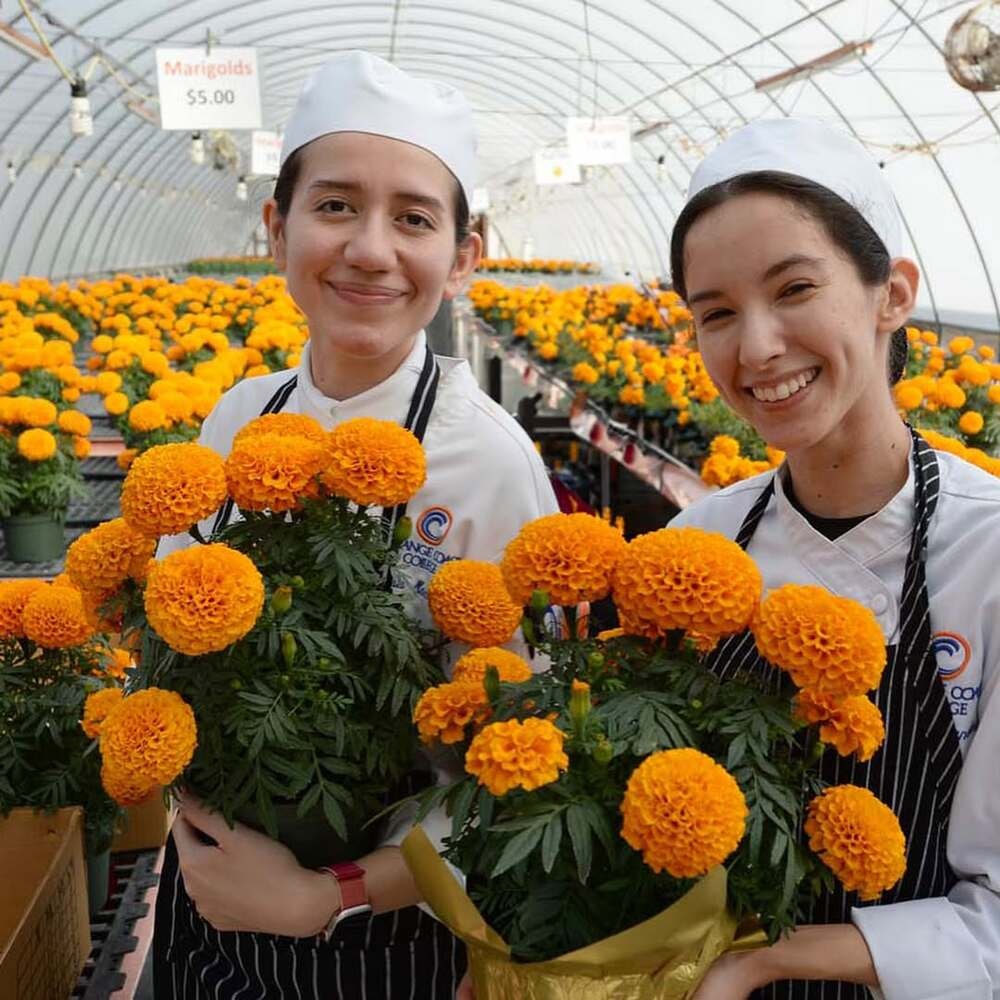
Marigold (Tagetes, Including Signet Marigold)
Tagetes petals can be sharp, with a peppery taste and a sometimes citrusy edge. Use small amounts in rice, eggs, or broths. As attractive flowers, marigolds also support beneficial insects in the garden.
Nasturtium
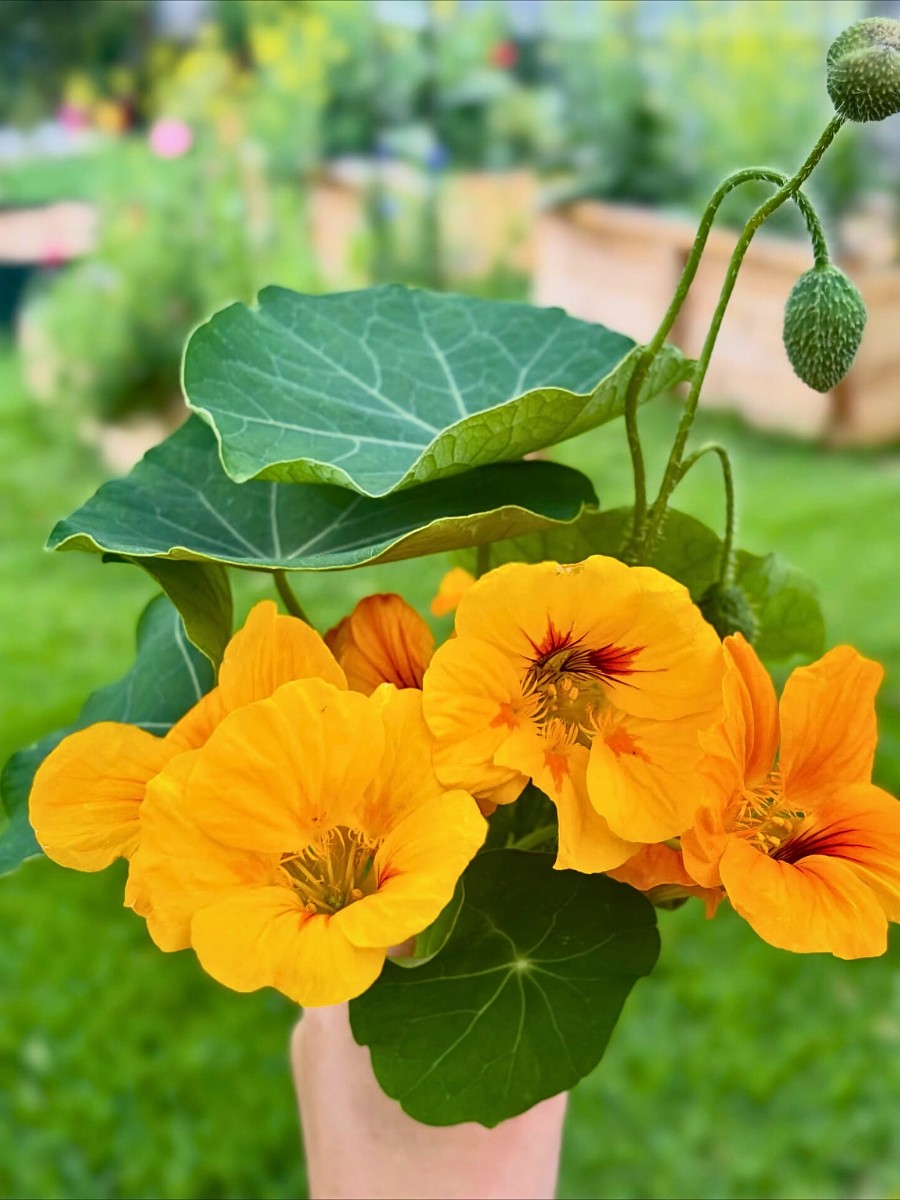
Nasturtium is one of the most versatile edible flowers. Nasturtium flowers and leaves have a peppery flavor like watercress, and the same peppery taste shows up in the leaves. Flowers and leaves work in salads, as a garnish on savory dishes, or blended into pesto. You can also stuff whole flowers the way you would with squash blossoms.
Lavender
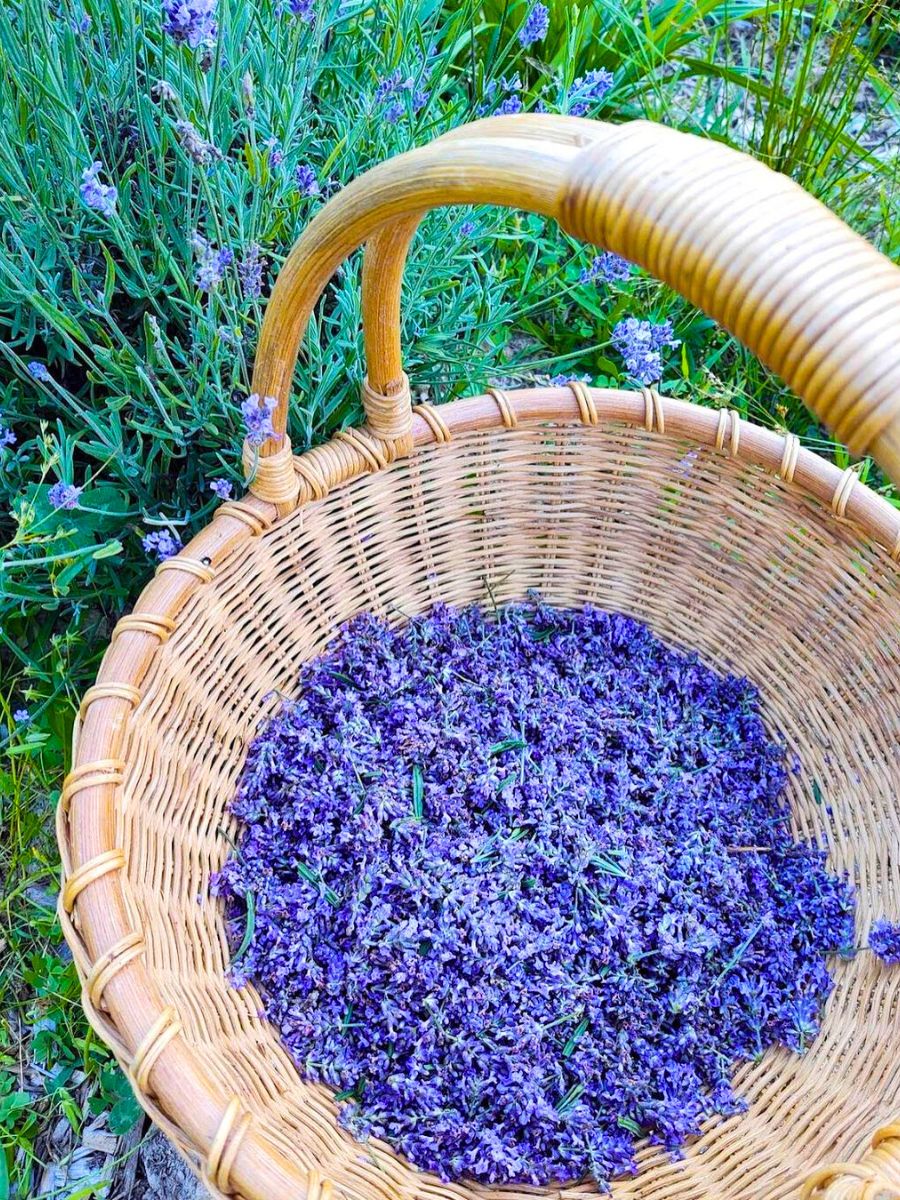
Lavender flowers are potent; use them like a spice. Lavender flowers work in syrups, cookies, and infused honey, and they pair well with peach and lemon balm. A pinch can lift chocolate cake, custards, and whipped cream without turning the flavor soapy; dried buds work best when you want control.
Lilac
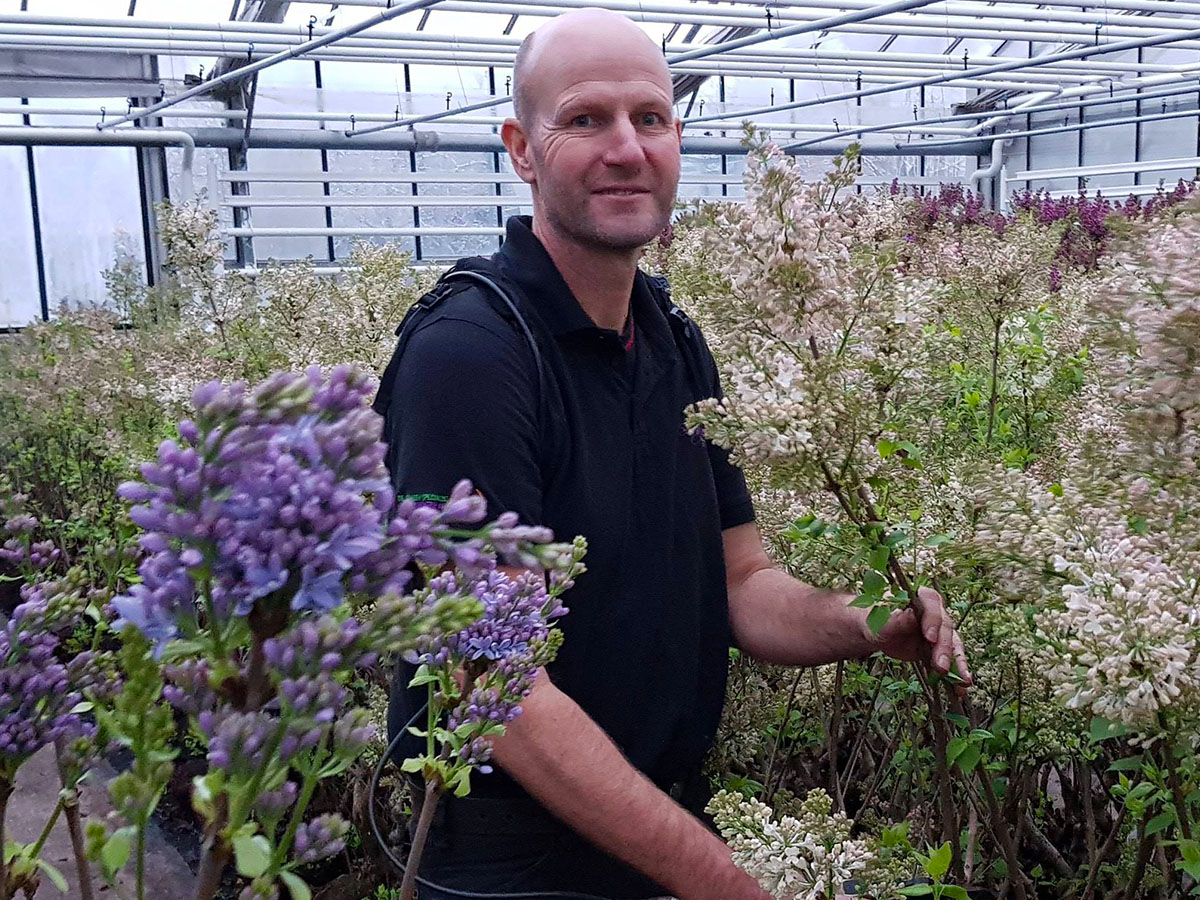
Lilac (Syringa) has a distinct citrus taste and is best used lightly. Pull florets from the stem, then add to simple syrup, sprinkle over fruit, or crystallise into candied flowers. Lilac is also a clean option for decorating desserts when you want a floral note without bitterness.
Other Edible Flowers Worth Knowing
If you want other flowers beyond bouquet staples, a few standouts are easy to use. Borage flowers have a crisp cucumber flavor, and that cucumber flavor is why they work well in green salads and drinks. Hibiscus flowers bring a tart edge to iced tea and cocktails. Honeysuckle offers nectar sweetness for syrups. Pansies and violets are mild and are often used to decorate cakes when you want whole blooms.
Eating Edible Flowers Tips for Prep and Storage
Harvesting flowers in the morning (after the dew dries) gives you the cleanest flavor. Rinse gently in cold water, air-dry on a paper towel, and use immediately when possible. If you’re building a garnish kit, keep petals separate from wet ingredients, so they stay intact.
To store, line a plastic container with a slightly damp paper towel, add the blooms in a single layer, and refrigerate. Most edible flowers hold for several days, but delicate petals (like lilac and peony) are best within 24-48 hours. If you’re making drinks, freeze tiny flowers or petals into ice cubes, just avoid trapping excess water on the petals first.
Herbs expand your options fast because their flowers and leaves are used together. Try chive blossoms in omelettes, chive blossoms on potato salad, and chive flowers in butter. Pineapple sage and Salvia elegans add sweet notes, while Salvia officinalis, mentha spp, sweet marjoram, scented geraniums, anise hyssop, chamomile flowers, and even scarlet runner beans provide small edible flowers that work as garnish. This is one of the easiest ways to use both flowers and leaves without buying specialty packs.
Garden Centres and Where to Buy Edible Flowers
If you’re buying instead of growing, the safest route is the produce section of your grocery store or a trusted culinary supplier. Garden centres can be fine only when plants are labelled for food use.
How to Decorate Cakes With Edible Flowers
To decorate cakes, use petals that stay firm: rose petals, Dianthus, Zinnia, Calendula, and pansies. For a softer aroma, add a few lavender flowers or peony petals. For candied flowers, brush petals lightly with egg white, dust with sugar, and let them dry fully before placing. Add the blooms close to serving so color and texture stay intact.
Feature image by @soft___sect.