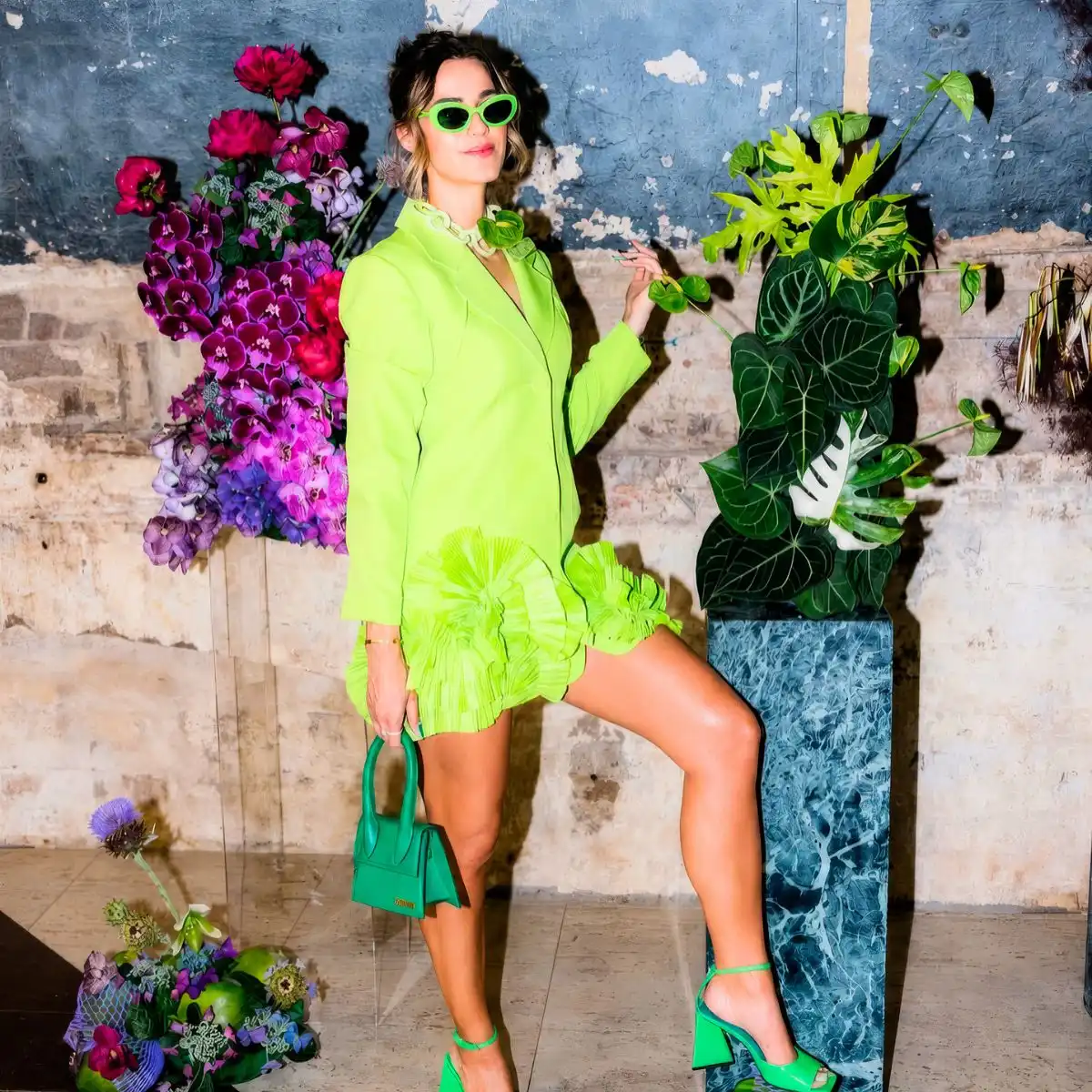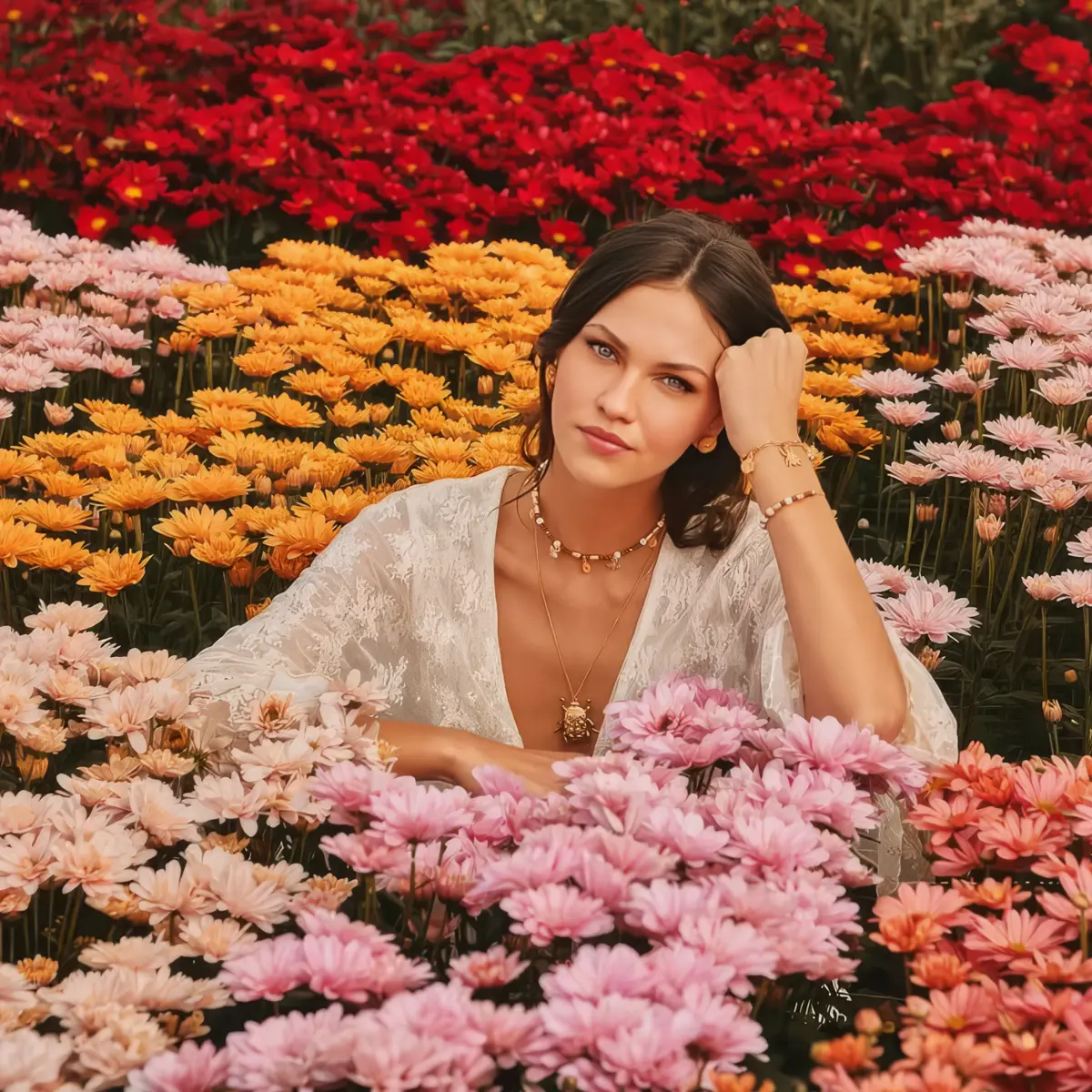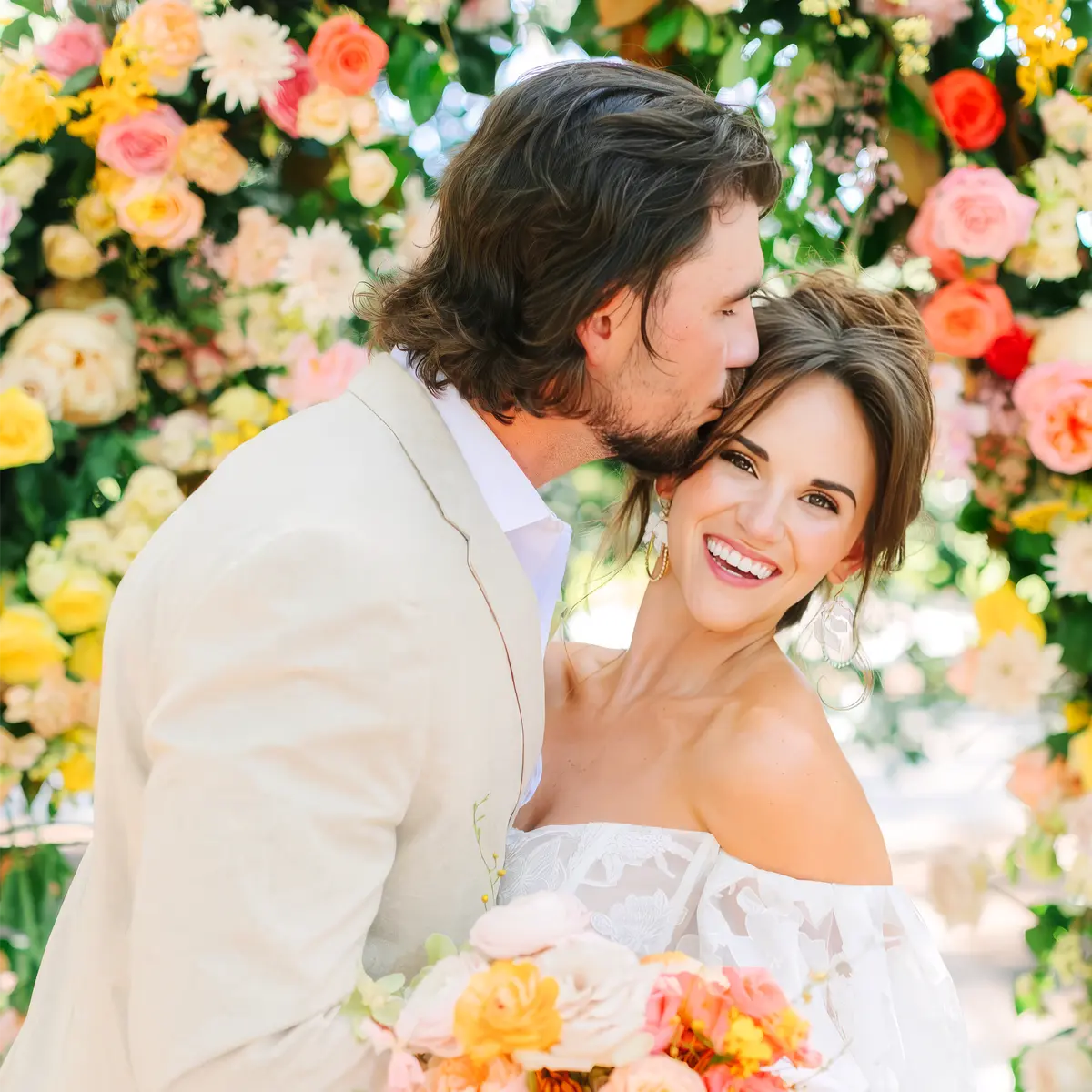
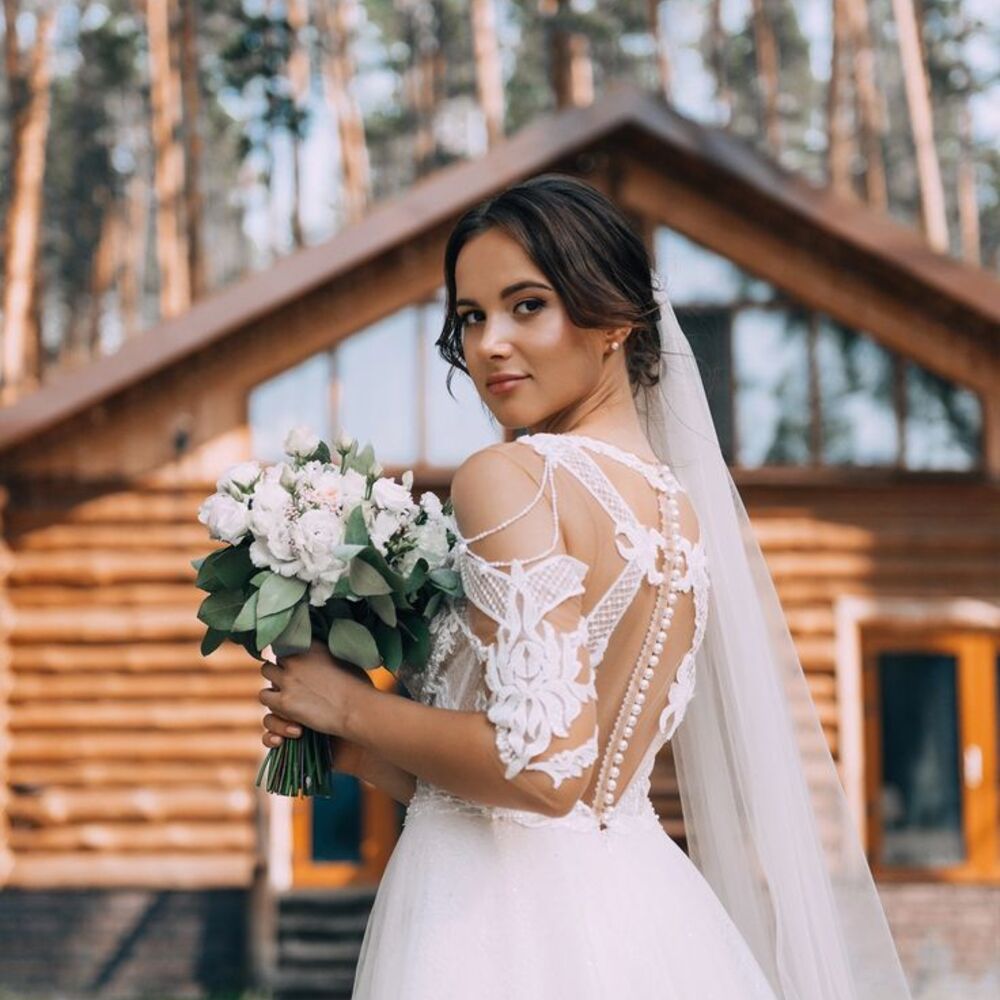
The true atmosphere of a wedding photoshoot is born where nature becomes the backdrop, and flowers turn into living accents in the frame. If you look through wedding catalogs or photoshoots of celebrity weddings, you’ll notice that most of them choose natural scenery — forests, flowers, floral arches, and open landscapes. But in reality, creating these locations has its nuances. Not every rose looks good in photos, and not every flower can keep its shape and charm from morning until late at night for you and your guests. A poorly designed setup can ruin even the most perfect atmosphere and the work of the best decorators.
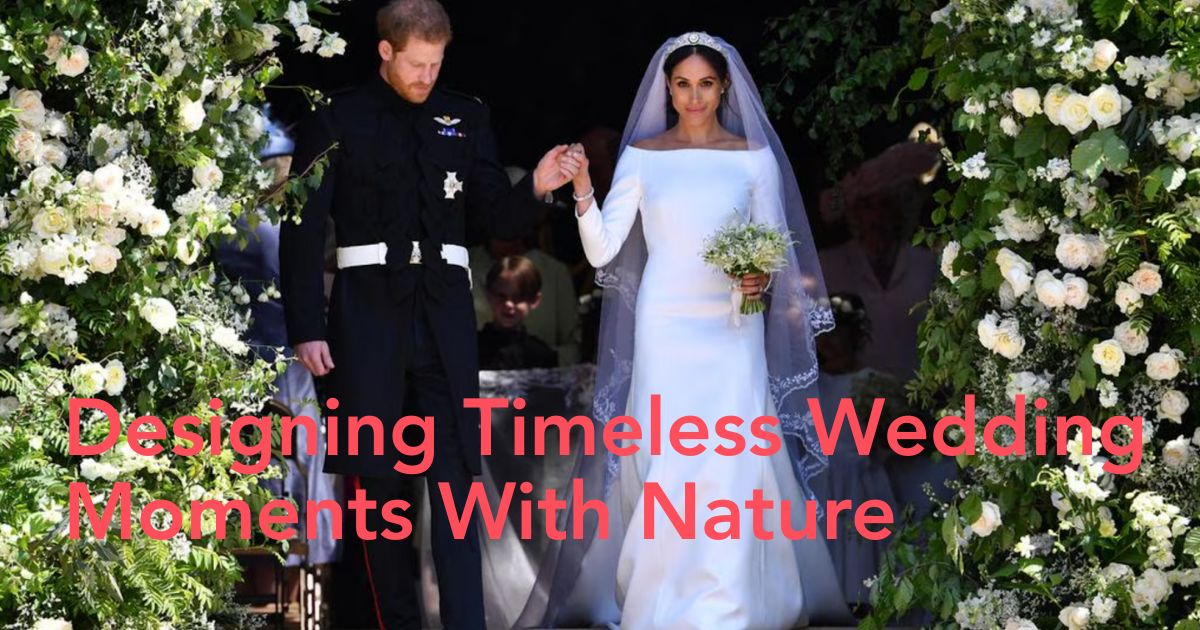
Remember the wedding of Meghan Markle and Prince Harry. Florist Philippa Craddock created arrangements using white peonies, David Austin roses, and added lilac and lily-of-the-valley branches. This choice wasn’t random — these flowers easily withstood the long ceremony at Windsor and looked flawless in every single shot.
You can find more floral inspiration here: Types of Wedding Flowers: 15 Blooms That Speak the Language of Love
Which Flowers Actually Work on Camera
It’s a fact that every wedding photographer has learned: the flowers you love in real life can look… awful on camera, while the ones you wouldn’t even look at in a store can make a splash in a wedding venue. Tiny buds? They’ll get lost in a photo like a single donut in your fridge. Some colors blend in with the dress, the venue, the sky, and the wedding theme.
White flowers don’t always look good, like they did at Meghan Markle’s wedding. Yes, it’s a timeless classic, Audrey Hepburn florals and all, but it only looks good with the right approach and often a huge green accompaniment.
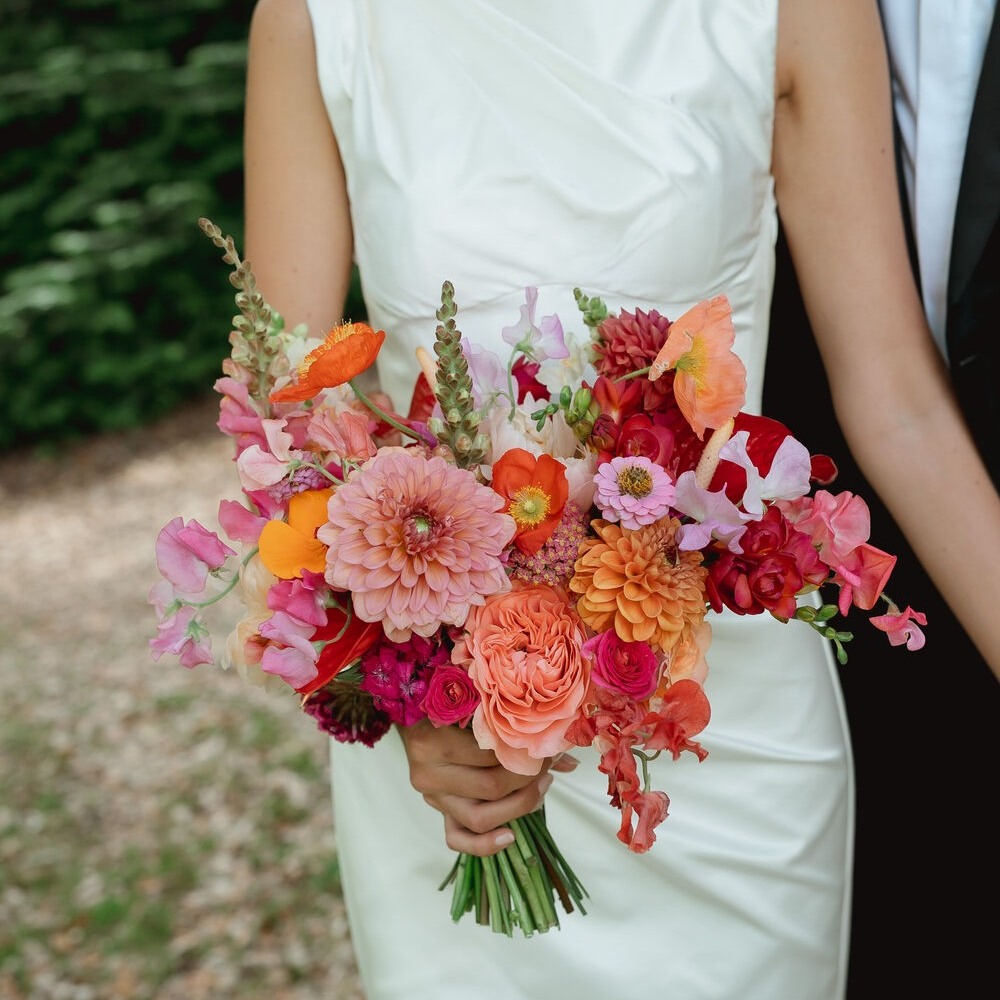
Contrast is key. The luxurious maximum that everyone wants is peonies and hydrangeas; they add volume, texture, and a bit of drama (in a good way). The camera loves them. The only problem: these flowers are not very durable and behave like virgins in the summer sun. An hour after the start of a hot outdoor ceremony, they will look sadder than you did after breaking up with your ex. If you choose them for July, have a backup.
And then, if you are not a flower lover, but a but... Eucalyptus. This plant has been having its moment as the main character at every wedding in recent years. Silvery green, elegant, and somehow manages to look expensive without even trying. It goes well with structured flowers like ranunculus, which keep their shape all day and do not emotionally collapse in the middle of a photo shoot.
An unexpected favorite of professional decorators is cosmos. These simple wildflowers on long stems create an effect of lightness and naturalness. In photos, they provide a romantic mood without excessive pomposity.
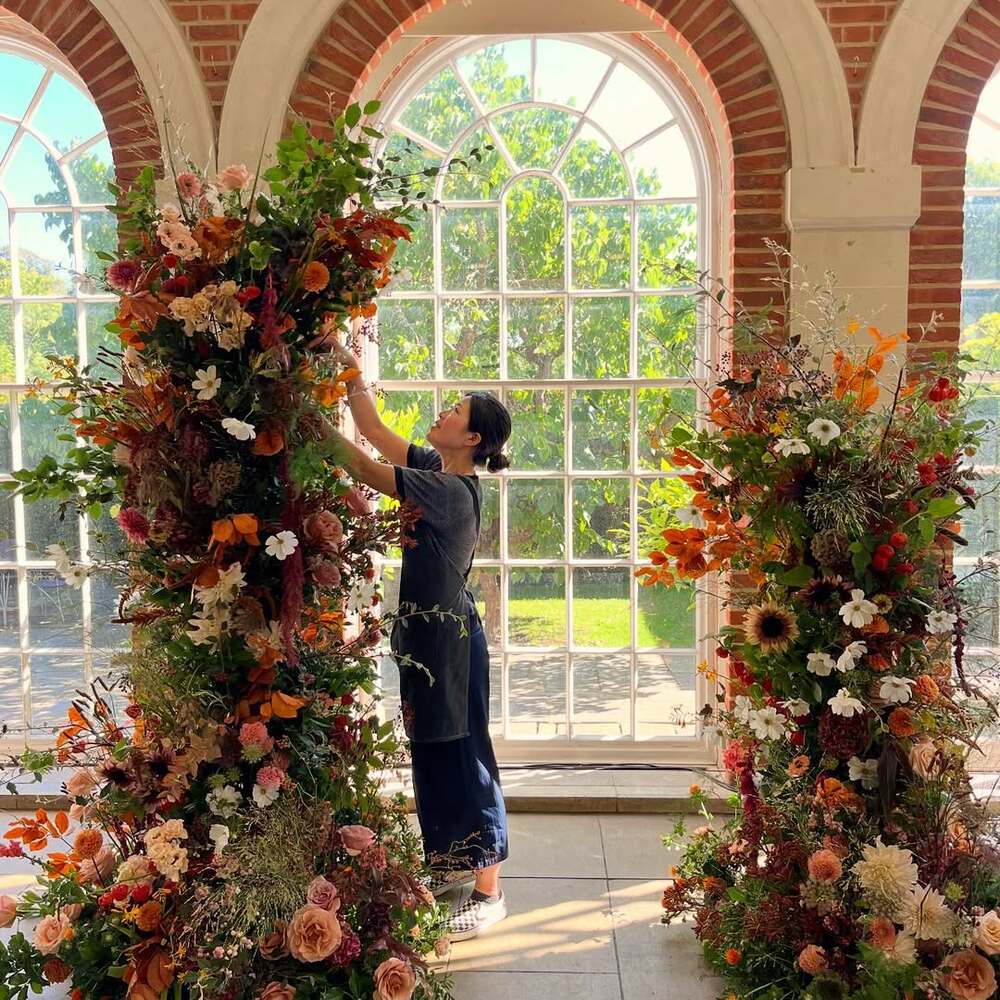
Top 7 Most Resilient Flowers That Will Last From Morning to Night
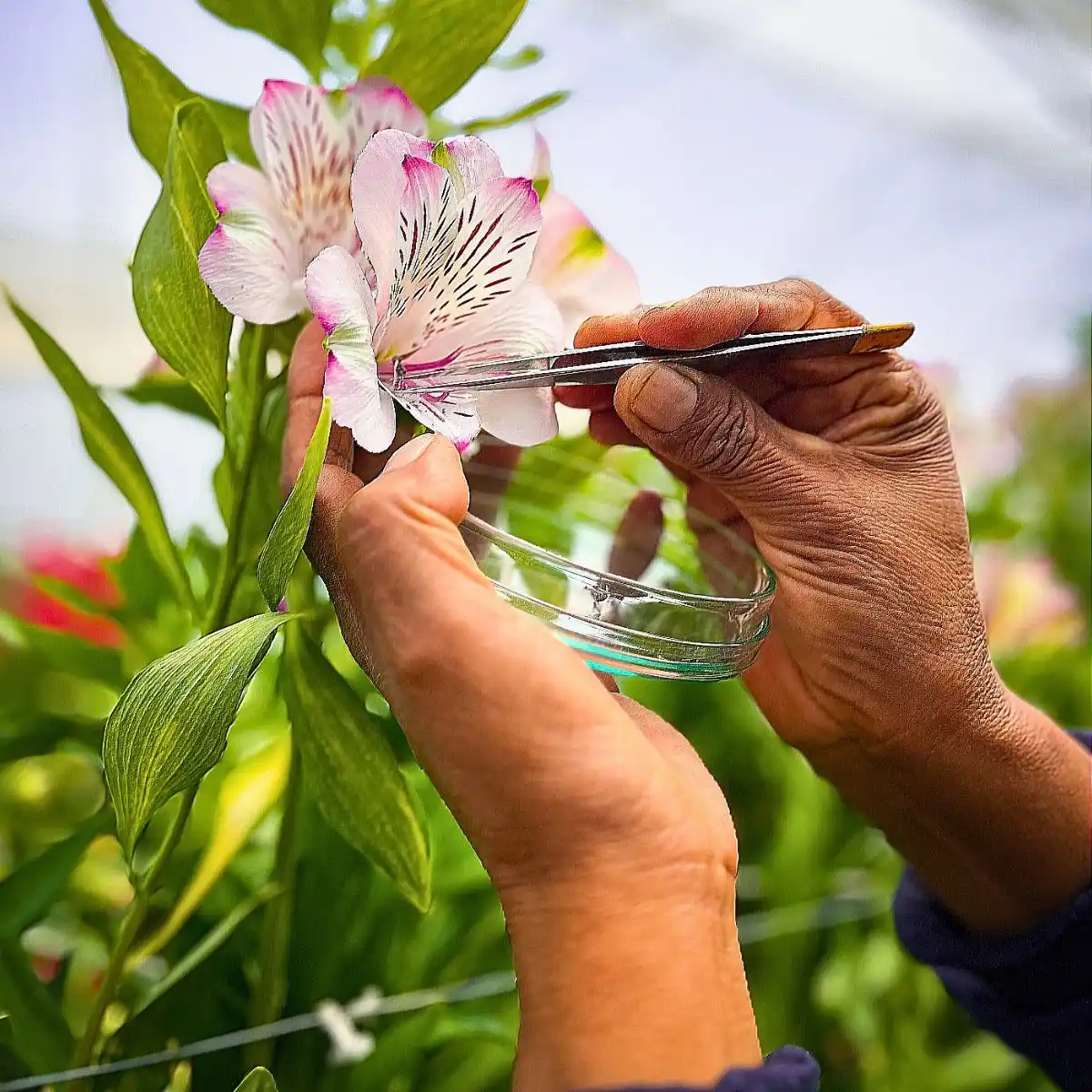
- Alstroemeria — true workhorses of decor, last up to 14 days even without floral foam
- Chrysanthemums — withstand heat up to +35°C, maintain shape and color for up to 10 days
- Carnations — undeservedly underrated, but last 7-12 days without special care
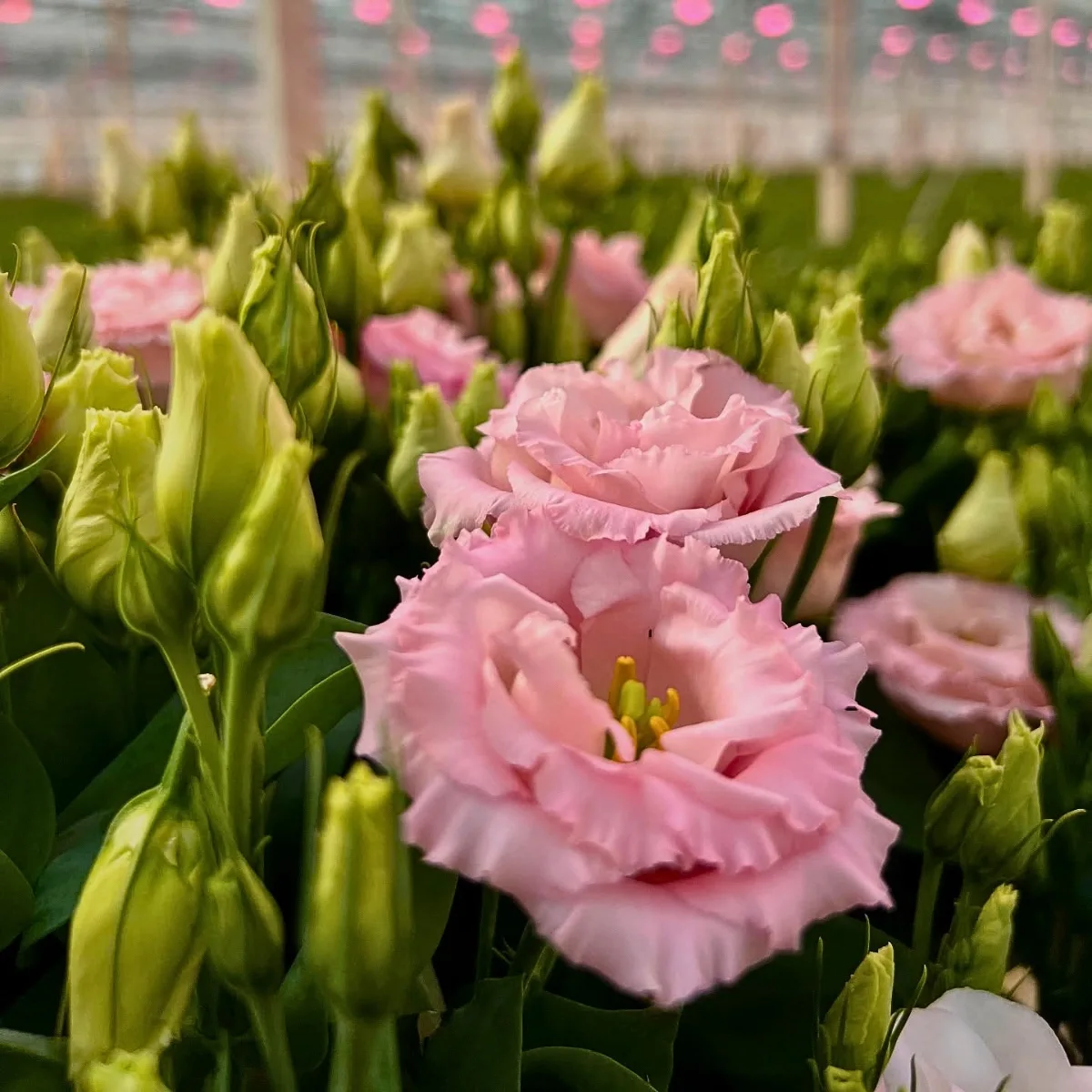
- Lisianthus (eustoma) — looks like roses but is twice as resilient, fears neither heat nor cold
- Cymbidium orchids — perfect for boutonnieres and table decorations, will last even without water for 8-10 hours
- Statice — maintains its appearance even when drying, and works as a dried flower right at the celebration
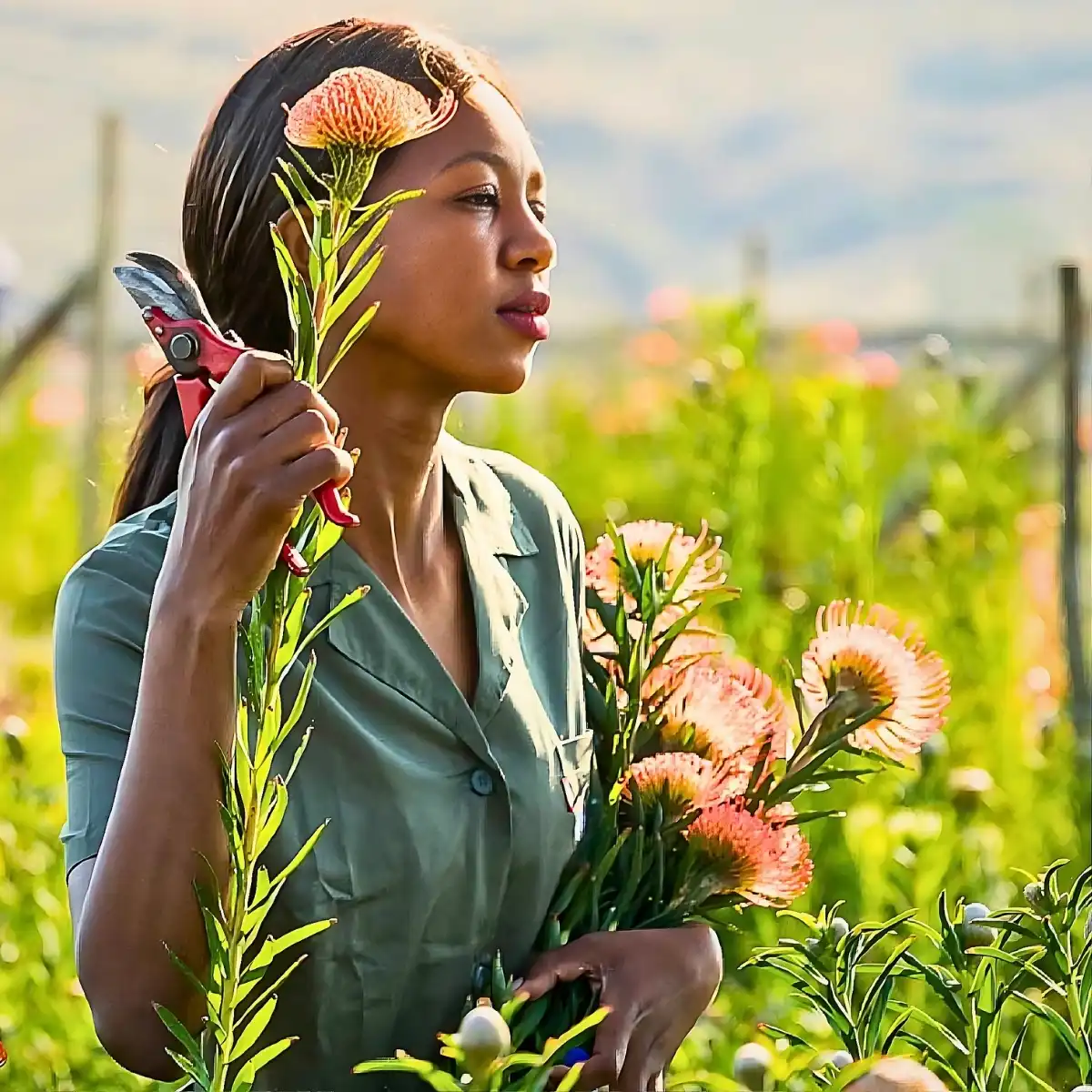
- Protea — exotic but indestructible, looks impressive from the first shot to the last dance
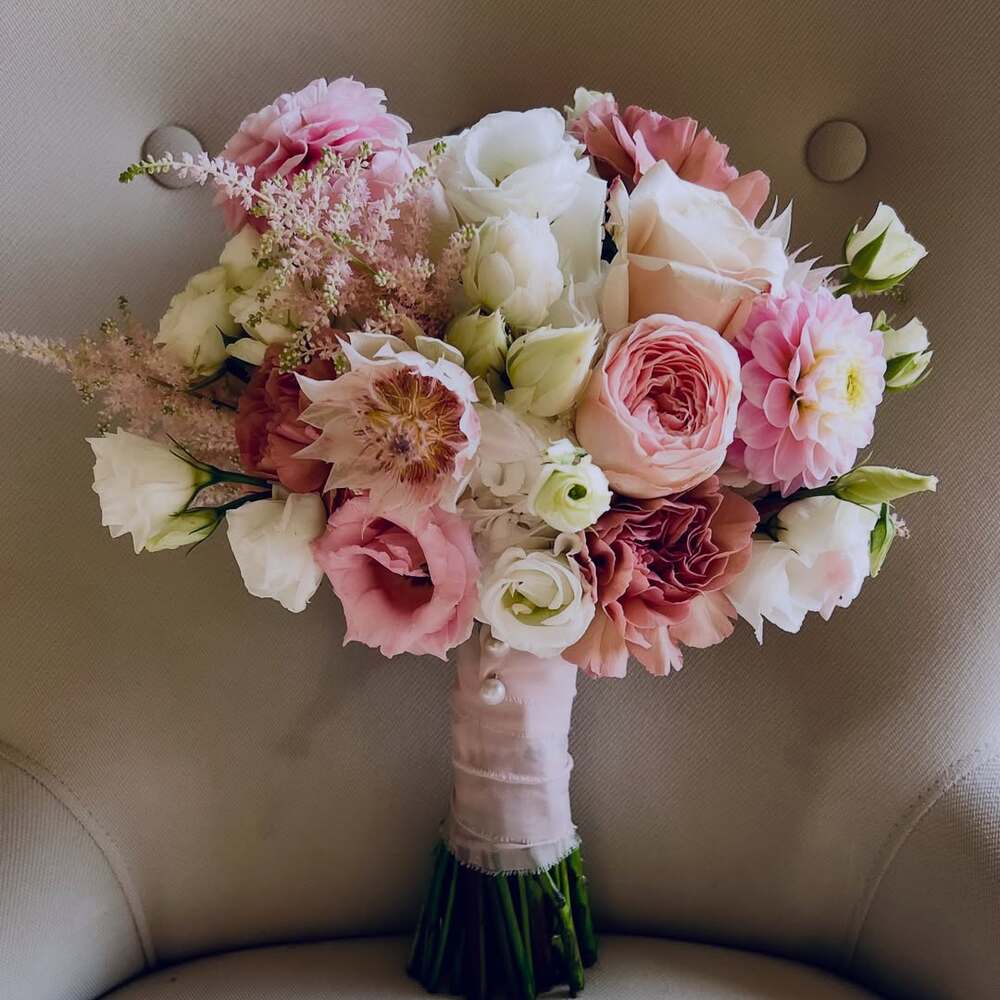
Color Matters More Than It Seems
Pastel shades — soft peach, lavender, powder pink palette — truly look gentle in photos. However, in overcast weather, they lose saturation and come out as pale spots. On such days, it's better to add accents of deeper color: burgundy, plum, or rich coral.
Bright yellow and orange flowers require caution. In sunlight, they can overexpose, especially if the photographer works with natural lighting without additional filters. Sunflowers, for example, look wonderful in a field, but in a bride's bouquet often "scream" in photos.
The blue range — delphiniums, hyacinths, irises — is capricious in shooting. The camera doesn't always correctly convey shades, and instead of sky blue, you can get a gray-violet result. This requires post-processing or proper white balance adjustment during shooting.
Red roses are classic but require contrast. Against a brick wall or terracotta decor elements, they blend in. But against a green lawn or white draping, they look royal. George Clooney and Amal Alamuddin's Venice wedding is an example of a perfect combination: cream roses and white orchids against the greenery of the palazzo gardens created that very elegant contrast every photographer dreams of.
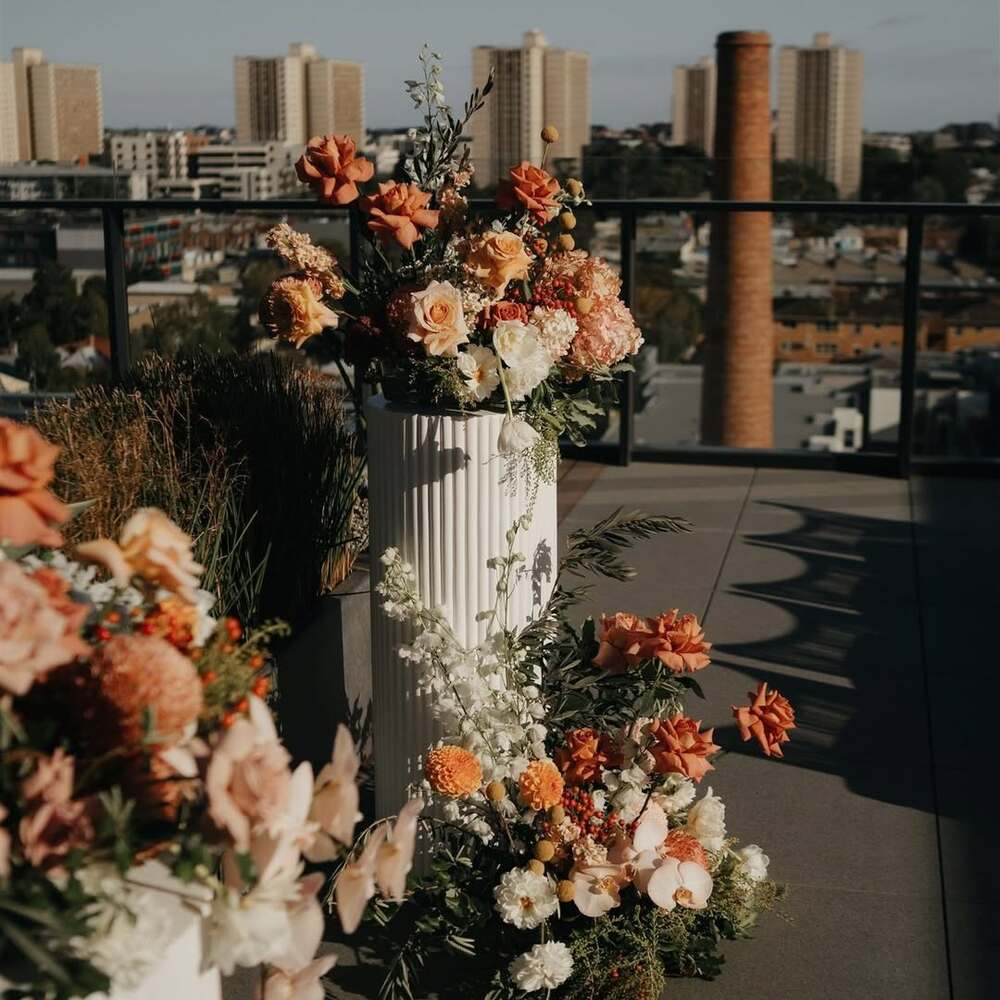
Background Decides Everything, Even More Than Flowers
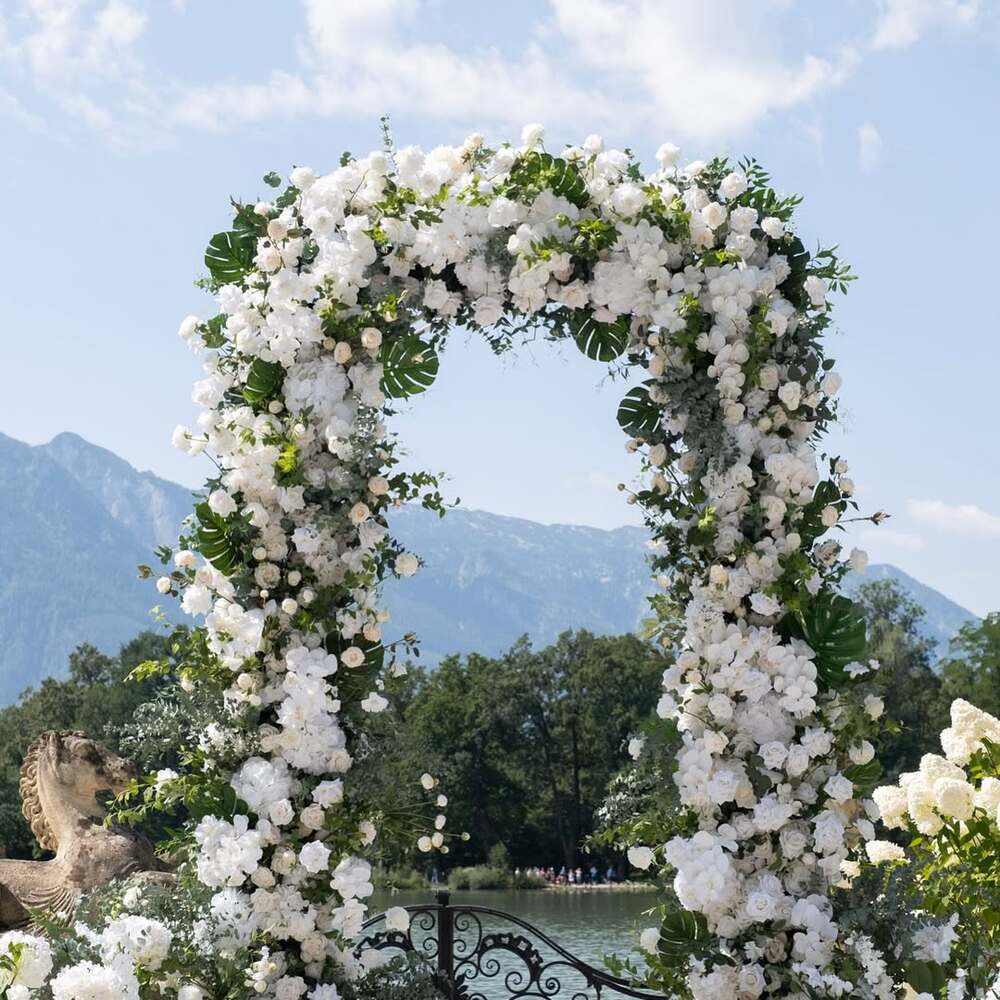
The most perfect floral arch will lose half its effect if there's a chaotic background behind it. A peeling fence, a pile of garden tools, or an awkwardly parked car — all this will get into the frame and distract from the main focus.
Professional wedding planners know: a green lawn isn't just grass underfoot. It's a canvas on which the entire composition unfolds. The contrast between vibrant greenery and white, cream, or powder shades creates that very "wow effect" that brides seek.
But not just any lawn will do. Yellowed grass, bald spots, or uneven surface immediately catch the eye in wide-format shots. The texture must be uniform — then it works as a velvet carpet that accentuates rather than competes with the decor.
Grass height is also critical. Overly long stems look untidy, while a short-cut but damaged lawn takes on a grayish tint. For the ideal result, you need an even, "surgically" precise cut. This can only be achieved with quality equipment — specifically, properly selected lawnmower blades, because dull blades don't cut but tear the grass. Damaged foliage quickly yellows and loses freshness, destroying the overall picture.
Lawn preparation should begin at least two weeks before the wedding. Mowing, fertilizing, watering — all this affects what the final appearance will be. The day before the ceremony, it's worth going over it once more so the grass has a uniform height and looks fresh.
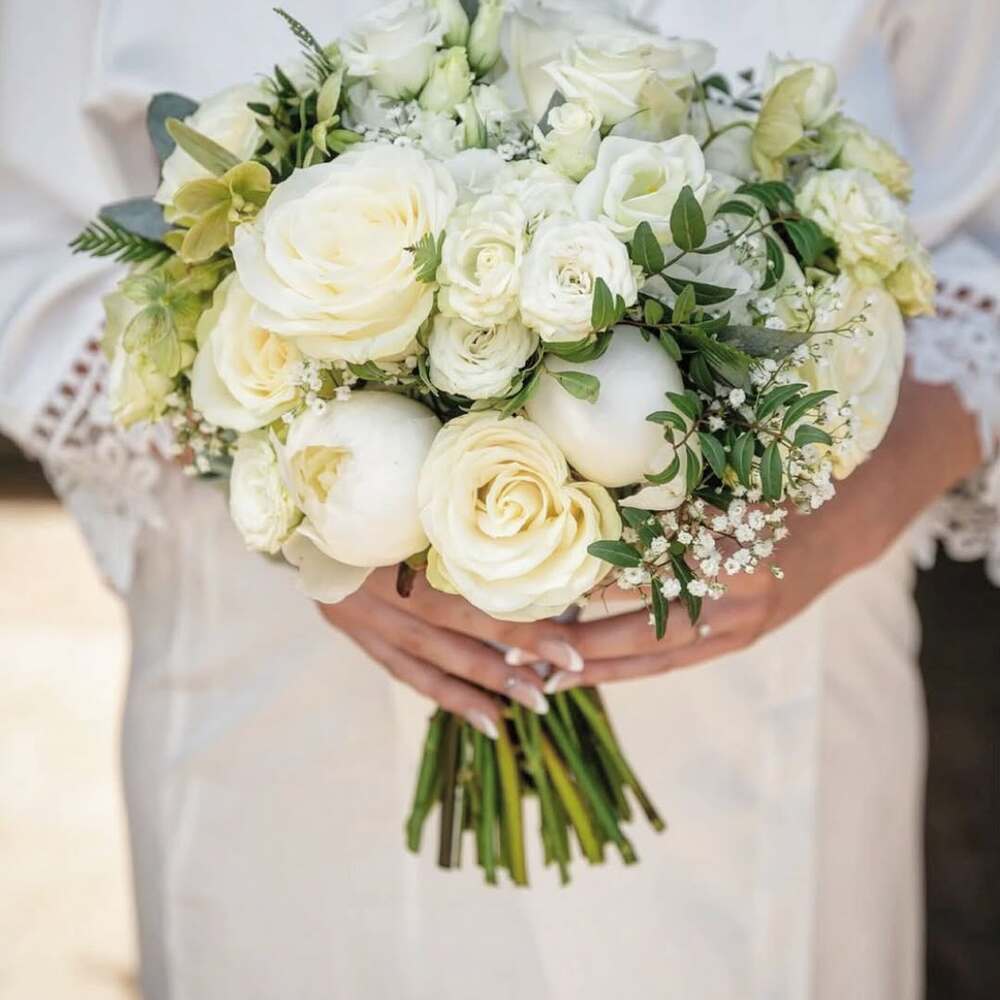
Placement of Floral Compositions: What Works and What Doesn't
Arches are installed so the sun doesn't hit directly into the photographer's lens. Backlighting creates a beautiful outline but can "eat" flower details. The ideal option is soft diffused light from the side or light cloudiness that plays the role of a natural softbox.
A petal aisle looks magical, but only on a fresh lawn or quality surface. On asphalt or pavement, they quickly wilt and take on a pitiful appearance. It's better to use fabric runners with floral borders along the edges.
Table compositions shouldn't block guests' faces. Low horizontal arrangements or tall ones on thin stems are the optimal choice. Round lush bouquets in the center of the table create a barrier and ruin group photos.
Hanging installations overhead is a trend that requires a professional approach. They must be securely fastened and placed at such a height that they don't "press" on guests. In photos, they give a fairytale effect, but only with the right shooting angle.
When to Choose What and How Much It Costs
Winter
Winter weddings hit the wallet hard. December through February, you're looking at amaryllis and imported roses that can run double their summer price tags. Orchids aren't cheap either. Some couples embrace it — snow-dusted branches, evergreens, white anemones that actually thrive in cold. Hellebores are surprisingly tough, staying fresh through freezing temperatures while everything else wilts. Carnations get dismissed as old-fashioned, yet they're sitting at $7-12 per bouquet and holding strong for nearly two weeks. Chrysanthemums too. Dried flowers suddenly became fashionable again, which helps. Greenhouse venues let you work with any blooms you want, though transporting delicate flowers in subzero weather gets expensive fast.
Spring
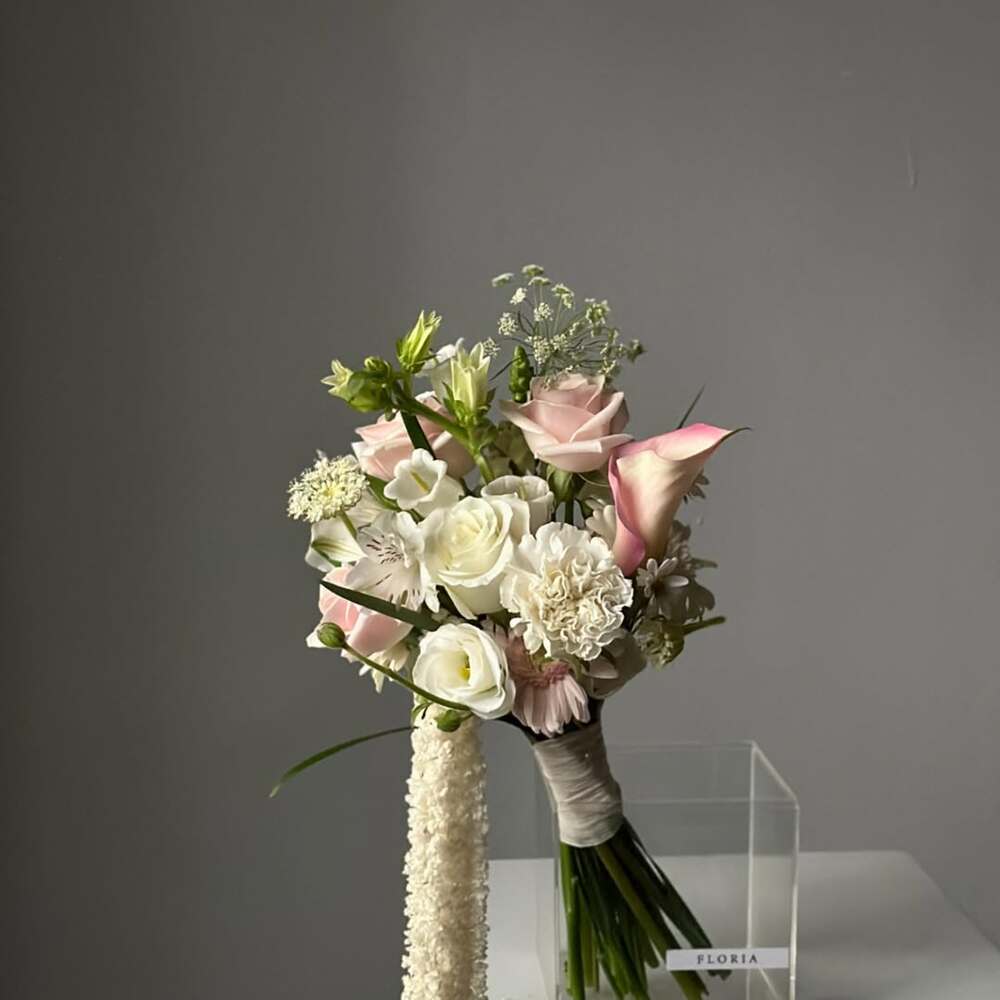
Spring brings relief for anyone watching their budget. March hits, and suddenly, your tulips are everywhere at $5-10 per bunch. Daffodils, hyacinths, and ranunculus — the market floods with options. Tulips look gorgeous until you realize they keep growing in the vase, throwing off your carefully arranged compositions. Daffodils are worse; they barely last six hours in warm weather. Ranunculus, though? Those beauties hold up for twelve hours and photograph like dreams. Lilac branches and apple blossoms give you that romantic cottage feeling, just make sure your florist knows how to treat them or you'll find petals all over the ground by cocktail hour. A typical spring setup for fifty guests runs $400-700, sometimes less if you're smart about it.
Summer
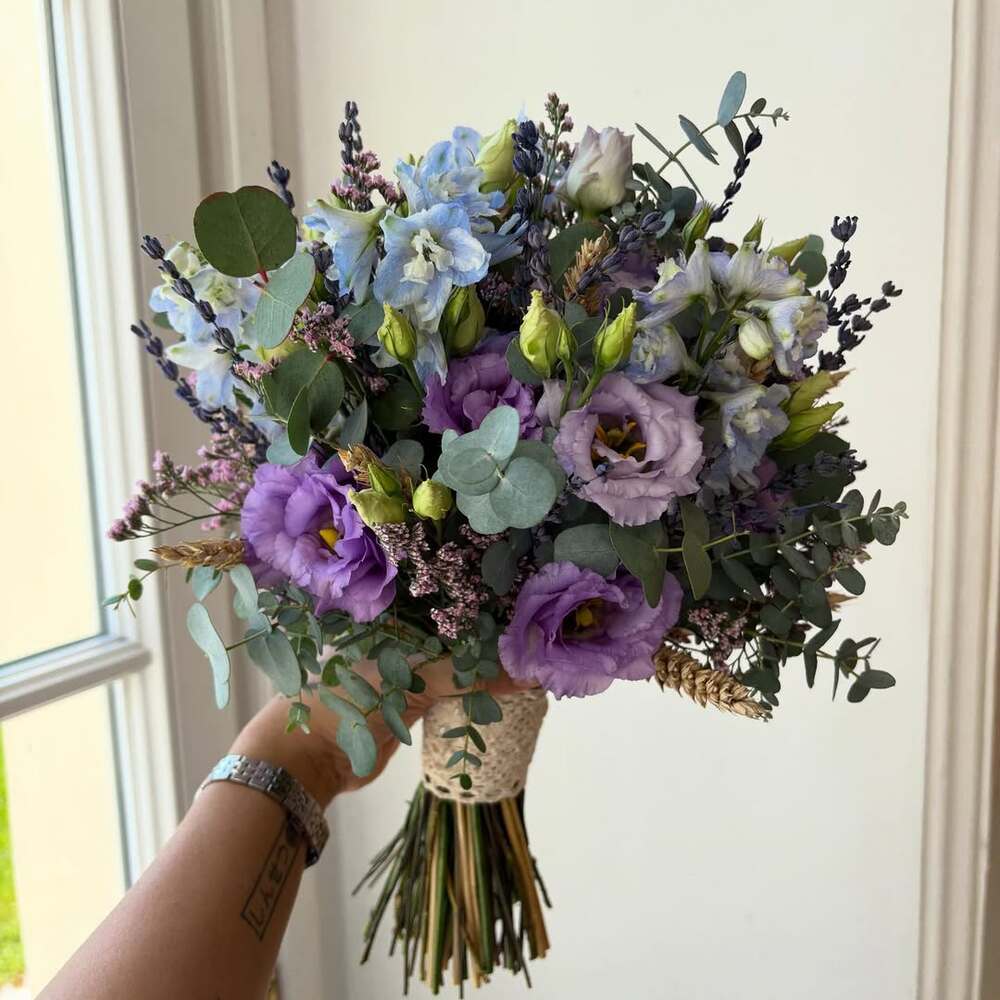
Summer offers everything. June through August, you've got choices. Peonies dominate early summer — $15-25 per bouquet — but their season ends fast. Miss June and you're paying luxury prices. Roses, lisianthus, delphiniums, dahlias, they're all sitting at reasonable rates, usually $10-20 per arrangement. Heat becomes the villain. Flowers without constant water access surrender within four or five hours. You need climate control or you need to pick the survivors. Field flowers like cosmos and lavender laugh at heat waves. Seven bucks gets you a massive bunch that stays perky through 86-degree afternoons.
Autumn
Autumn owns the color game. September rolls around with dahlias in burgundy and mustard, asters going deep purple, and chrysanthemums in every shade of rust and gold. Sunflowers work now in ways they don't during summer's harsh light. Standard bouquets sit at $7-15, premium arrangements $12-20. Cooler temperatures mean flowers last longer without babysitting them. Chris Pratt's wedding used white roses mixed with wild autumn grasses and those trendy pampas plumes — expensive look, reasonable cost. Wheat stalks cost almost nothing. Dried flowers and eucalyptus are having their moment. Full venue decoration typically costs between $350-600.
Here's what matters: December peonies cost $60 or more per bouquet. June peonies? $15-25. Same flower, triple the price for being impatient. Seasonal choices consistently run two to three times cheaper than importing off-season blooms. Nature's calendar isn't just about availability — it's about not hemorrhaging money on flowers that won't even last as long as the ones you could have gotten for a third of the cost.
Technical Moments That Get Forgotten
Flowers need water — that's obvious. Less obvious is that the floral foam at the base of the composition must be fully saturated. Dry areas lead to rapid wilting, even if it seems there's enough water.
Fresh flowers are delivered to the location as late as possible, especially in summer. Ideally, 2-3 hours before the ceremony begins. During this time, they manage to "come to their senses" after transportation, but haven't yet suffered from weather conditions.
Backup bouquets aren't wasteful but necessary. The bride will carry her bouquet for hours, and even the most resilient flowers can lose their appearance by the evening photoshoot. A second, identical bouquet solves this problem.
Interaction with decor should be discussed with the florist and decorator together. Ribbon color, arch weaving, and vase height — all these should harmonize with each other and with the overall wedding concept.
An Hour Before Guests Arrive
An hour before guests arrive, it's worth walking through the location with a critical eye. Remove fallen leaves, straighten tilted flowers, and check the arch's symmetry. Details that seem insignificant become noticeable in photos.
Light changes throughout the day, and what looked perfect in the morning can come out flat at noon. Golden hour — an hour before sunset — provides the softest and most advantageous lighting for wedding photos. It's better to plan the main photoshoot for this time.
Wind is an uncontrollable factor that can ruin everything. Light fabrics and flowers on thin stems will flutter and spoil the sharpness of shots. For windy weather, it's better to choose sturdier compositions and additionally secure decor elements.
A wedding landscape is a symphony of details, where every note matters. Flowers, background, lighting, lawn texture — everything works together, creating those very shots you want to look at again and again. And the preparation that seems excessive actually becomes the guarantee that memories will remain flawless.