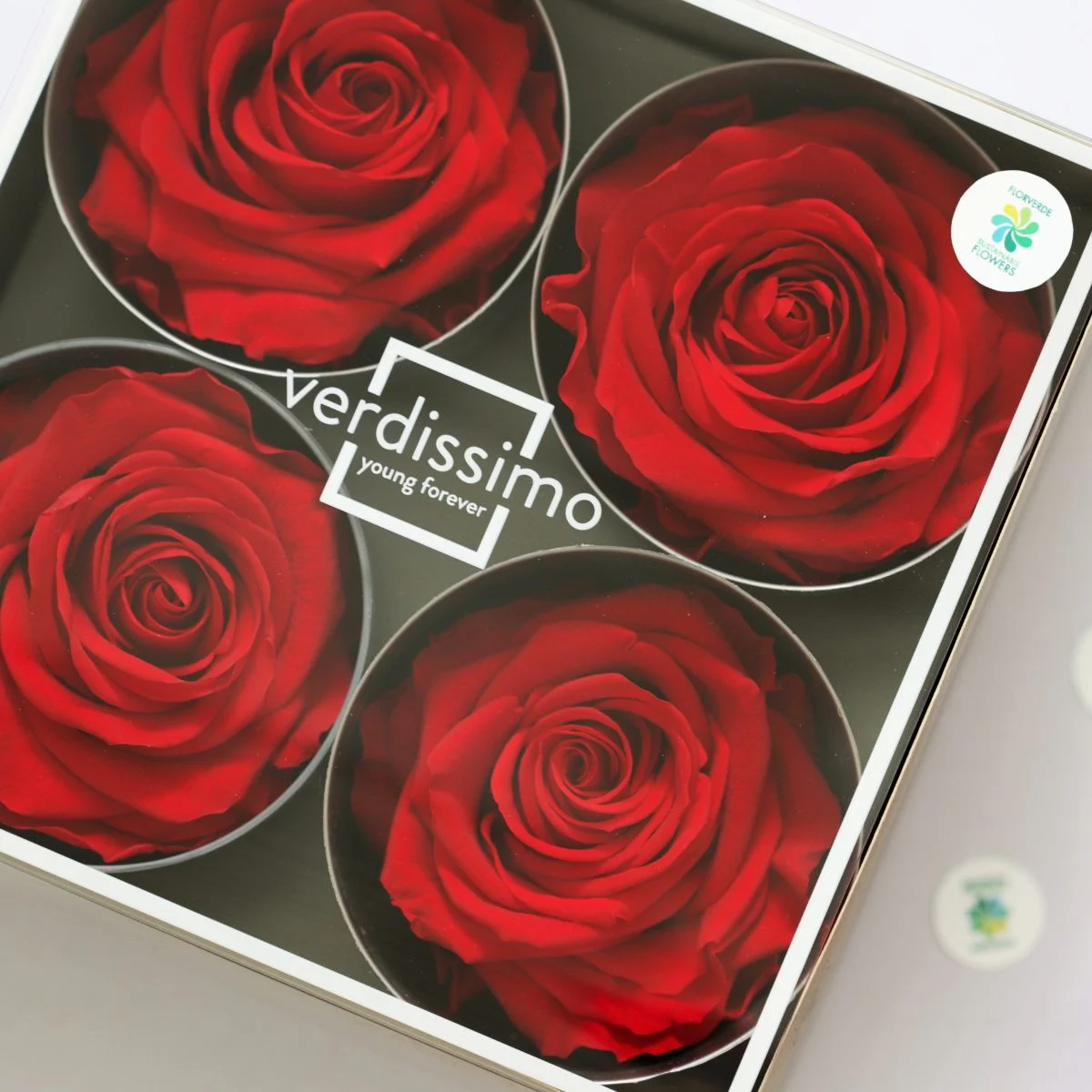
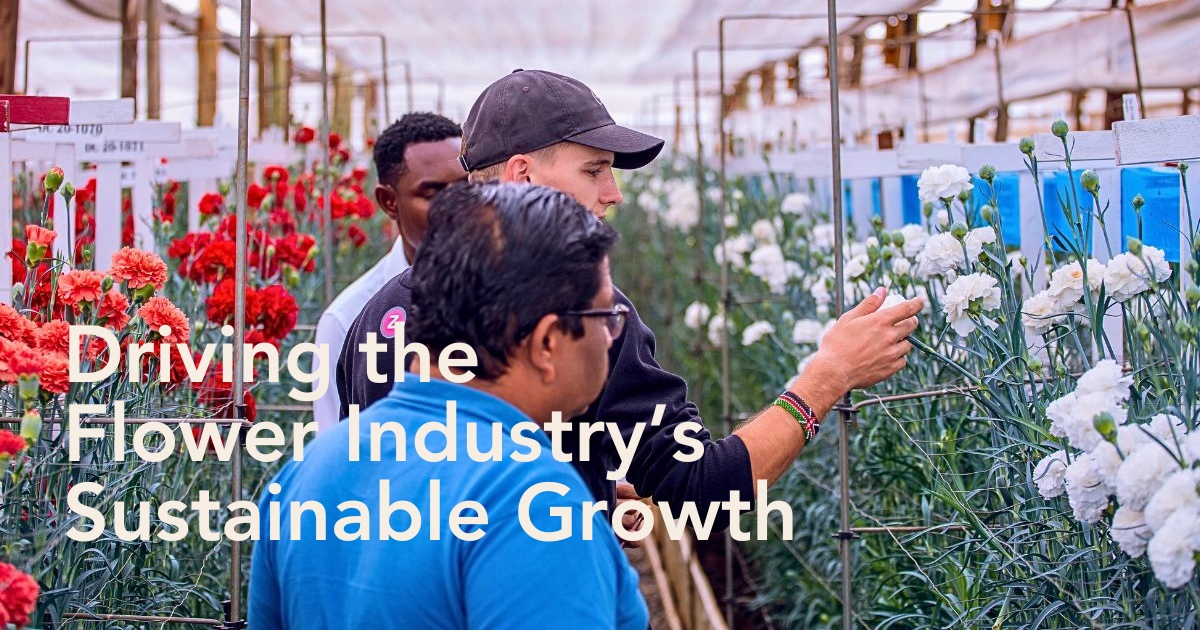
Without question, Kenya is globally renowned for its world-class flowers. From high-quality roses to Chrysanthemums, Delphiniums, Hypericum, Anigozanthos, carnations, and many more, the variety is as diverse as it could get. But that reputation has grown under the watch of the Kenya Flower Council (KFC), which has spent nearly three decades setting globally recognized standards for sustainability, worker welfare, environmental protection, and trade facilitation.
Today, as the industry navigates evolving global challenges and opportunities, the institution continues leading the charge. Since its establishment in 1996, KFC has been the most important institution championing Kenya's flower industry on the global stage. As the umbrella body for floriculture in East Africa's largest economy, it has done far more than represent growers. KFC has actively shaped the standards, policies, certifications, and campaigns that define what it means to produce Kenyan flowers today.
The Making of a Global Floriculture Force
For the Kenyan flower industry, the numbers speak for themselves. Kenya is now the world's fourth-largest exporter of cut flowers, commanding a 6.4% share of the global market. The country supplies more than 40% of Europe's cut flower imports and has steadily expanded into Middle Eastern, Asian, and North American markets.
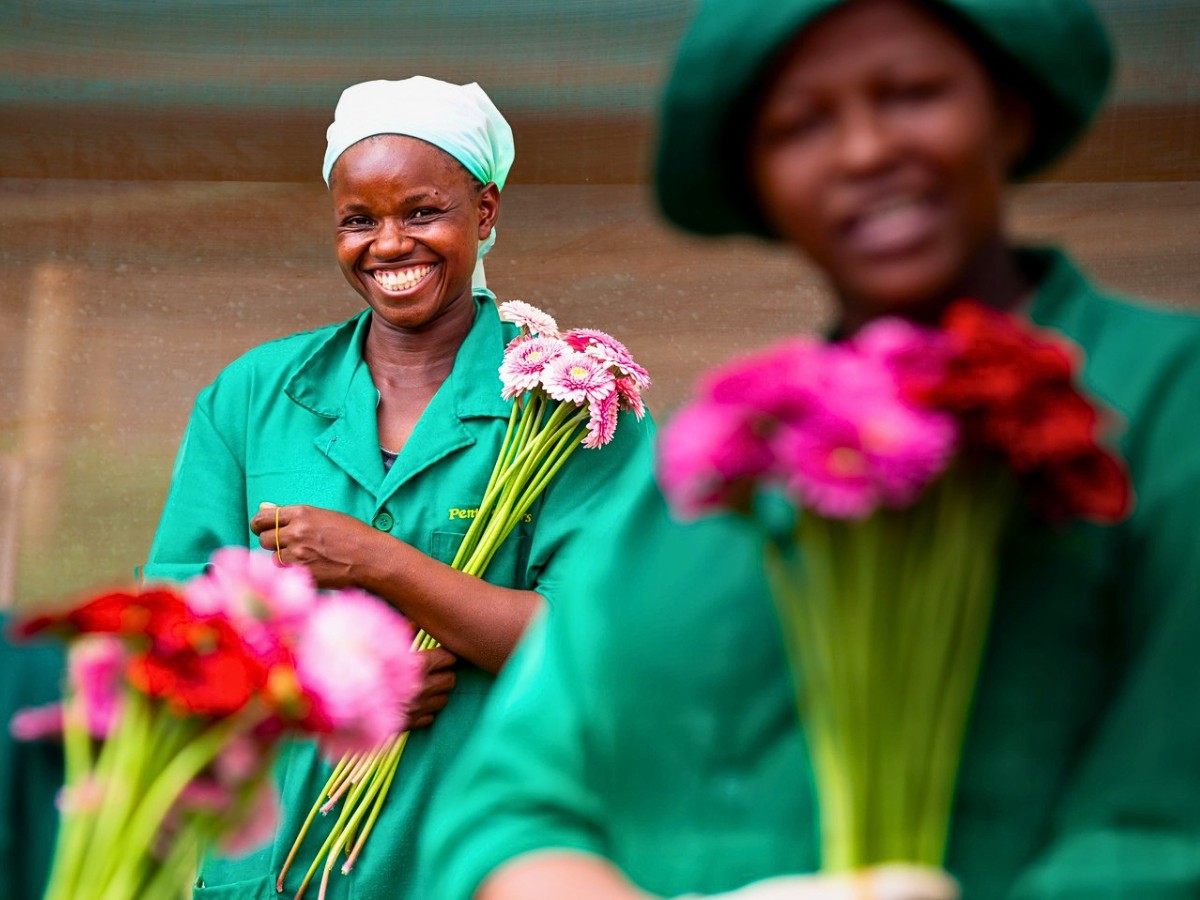
In 2024 alone, the industry generated at least USD 1 billion in foreign exchange earnings, provided direct employment to more than 200,000 Kenyans, and supported the livelihoods of nearly 2 million people indirectly. The flower sector in Kenya contributes roughly 1.25% of the country's GDP, and up to 3% when the general horticulture sector is included.
Yet, behind all these, a coordinated, KFC-led effort has been working to keep Kenya competitive, compliant, and credible. As KFC CEO Clement Tulezi has often indicated:
"KFC's goal is to make Kenya the best destination for investing in cut flowers and ornamentals."

KFC FOSS Standard and Certification Framework
Perhaps Kenya Flower Council's most important influence is through its certification body, which administers the Flowers and Ornamentals Sustainability Standard (FOSS), popularly known as KFC Silver. Developed and refined since KFC's founding, FOSS is one of only two standards in the world that meet both the social and environmental scope of sustainability as defined by the Floriculture Sustainability Initiative (FSI).
The FOSS standard covers a sweeping range of criteria, including environmental management, worker (welfare) health and safety, social responsibility, good agricultural practices, energy usage, chemical and fertilizer management, water efficiency, and biological controls. Producers seeking certification undergo a rigorous audit process to ensure international credibility.
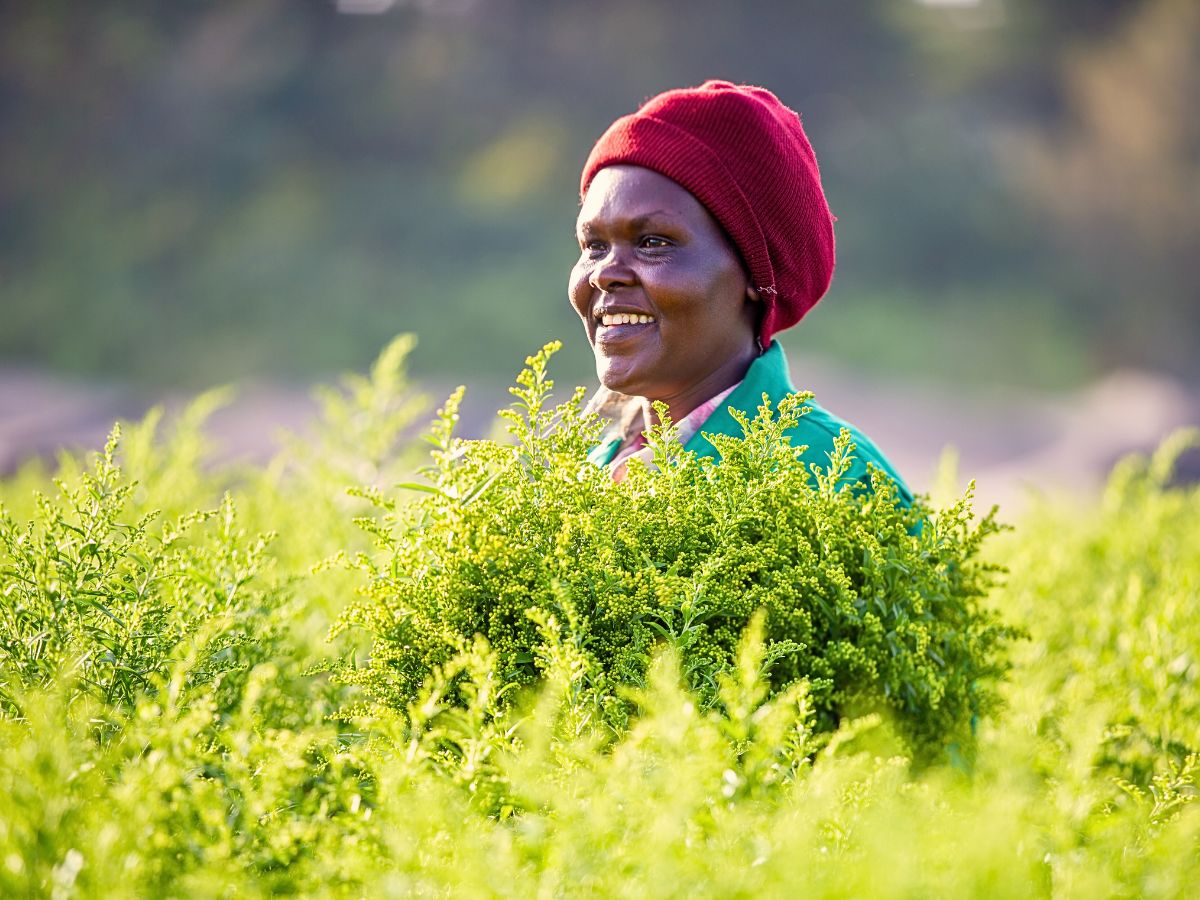
The KFC Silver Certification has been officially recognized within the FSI's Basket of Standards, positioning Kenyan flowers as a preferred choice for environmentally conscious buyers and retailers across Europe and beyond. For global buyers navigating a landscape of increasing scrutiny, from the EU Green Deal to phytosanitary regulations, FOSS certification is a significant assurance that Kenyan flowers are responsibly grown and ethically produced.
So, as a result, today, up to 92% of KFC member farms rely on Integrated Pest Management, 85% have adopted efficient irrigation systems, and more than 60% use renewable energy.
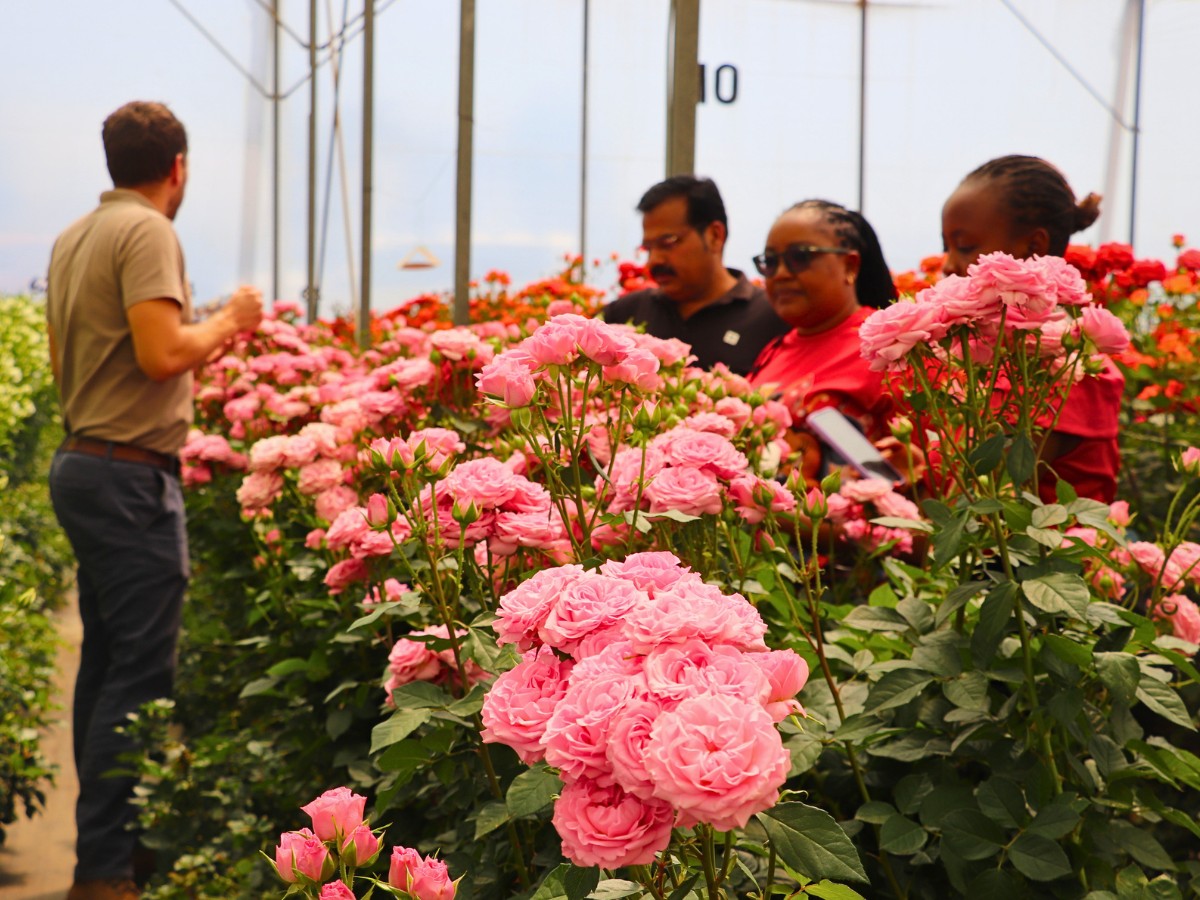
Advocacy, Trade Facilitation, and Policy Leadership
KFC does a lot more. As Kenya's floriculture sector deals with rising global competition, climate change, logistics disruptions, and regulatory change, KFC has stepped up as an active policy advocate and trade facilitator.
Working with both national and county governments, as well as agencies including the Horticultural Crops Development Authority (HCDA), the Kenya Bureau of Standards (KEBS), and the Kenya Association of Manufacturers (KAM), KFC participates directly in the design and formulation of policies and legislation that affect the sector.
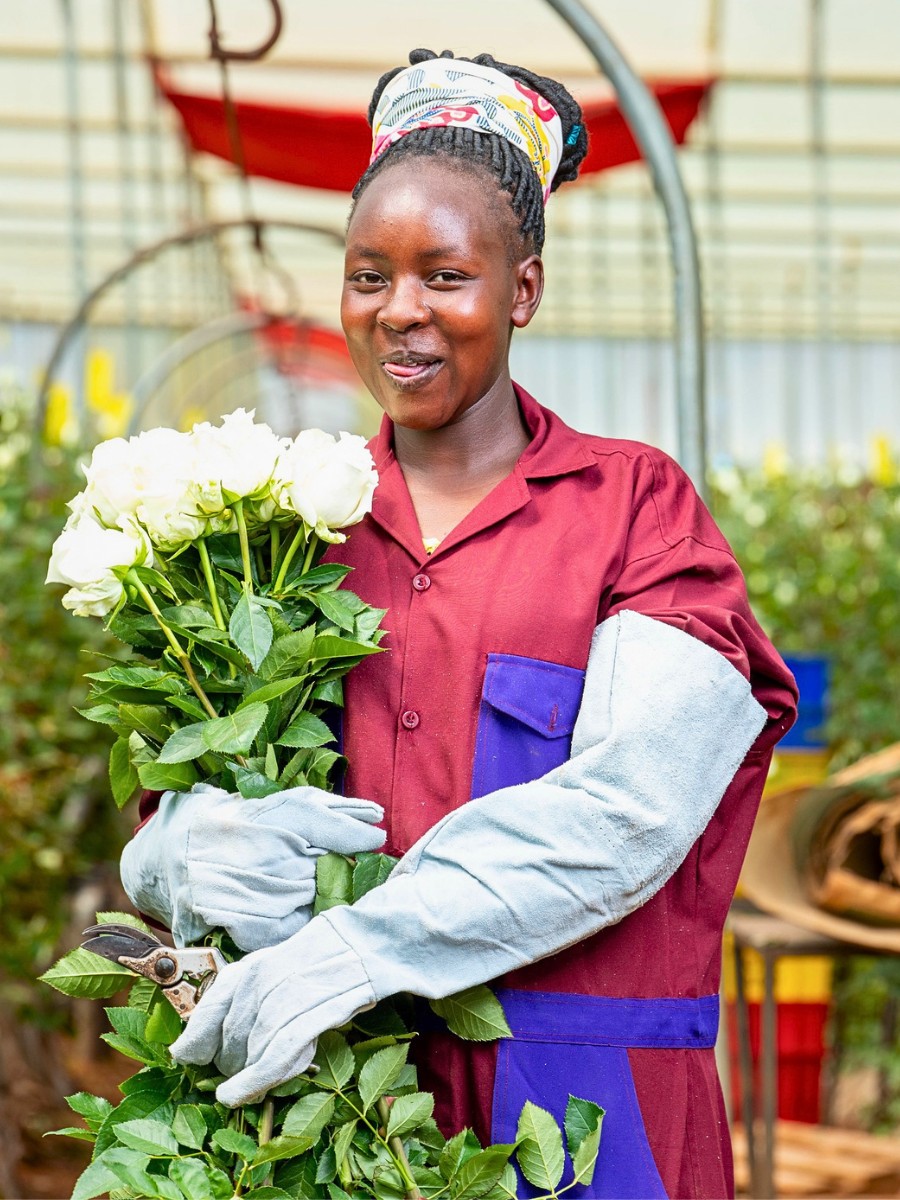
It is the reliable voice championing sectoral budget processes and in bilateral and multilateral trade negotiations, helping Kenya secure and maintain preferential access to key markets.
Among its current strategic priorities has been the development of sea freight options to reduce the industry's heavy reliance on air transport, a move that would cut costs and significantly lower the sector's carbon footprint, and continued advocacy on taxation, levies, and trade policy to create a more competitive business environment for Kenyan growers.
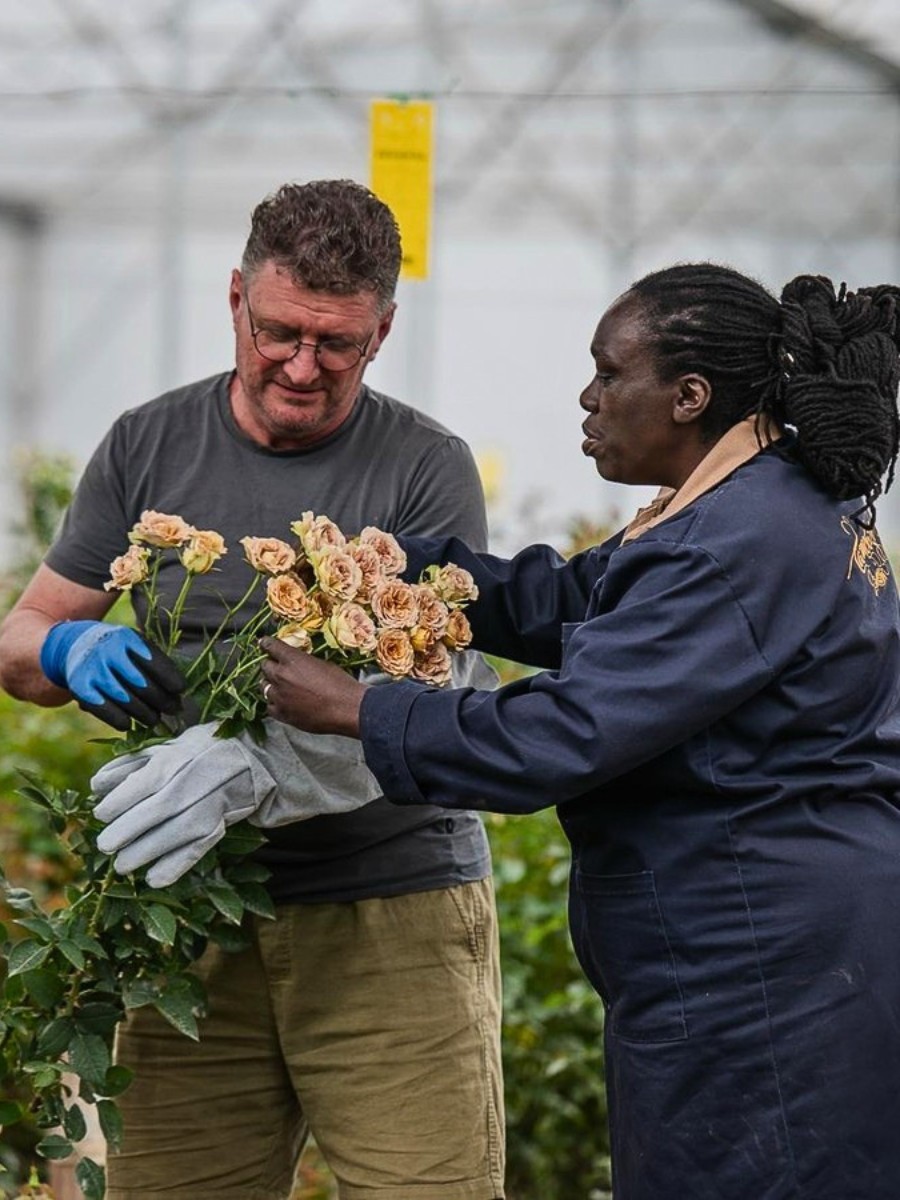
Internationally, KFC is affiliated with institutions like the FSI, Union Fleurs, and GLOBALG.A.P., and aligns its standards with the Food and Agriculture Organization's Good Agricultural Practices guidelines, all of which ensure that Kenyan flowers reliably meet the requirements of the world's most demanding markets.
Gender Equity as Part of Worker Welfare
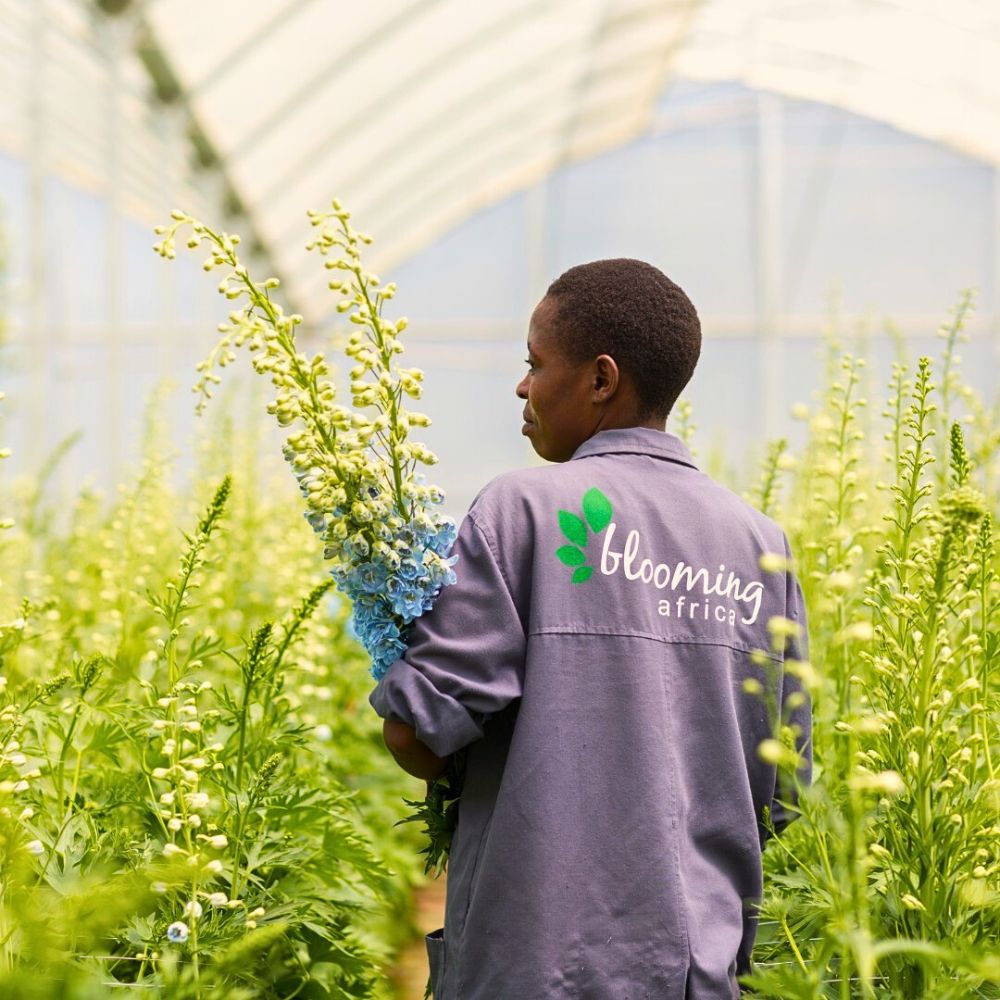
KFC's advocacy also works for the growers of the flowers. The Council has collaborated with different organizations to advance gender equity within floriculture supply chains, which ensures that the voices and welfare of women workers (who make up a large proportion of the workforce) are important to the industry's sustainability agenda. This includes working through the FSI's multi-stakeholder structure to ensure gender and environmental goals go hand-in-hand.
Championing Industry-Wide Excellence
A clear expression of KFC's role as the industry's standard-bearer (though there are numerous more) is the Pinnacle Sustainability Awards. The first industry-led sustainability awards in Kenya's floriculture sector, this initiative was launched for the members of the Council for their advancements toward making the industry even more sustainable.
The awards have fast become a benchmark for excellence, celebrating farms and organizations that go above and beyond compliance to lead on sustainability, innovation, worker welfare, gender empowerment, logistics, and community impact.
Building Capacity Through Training
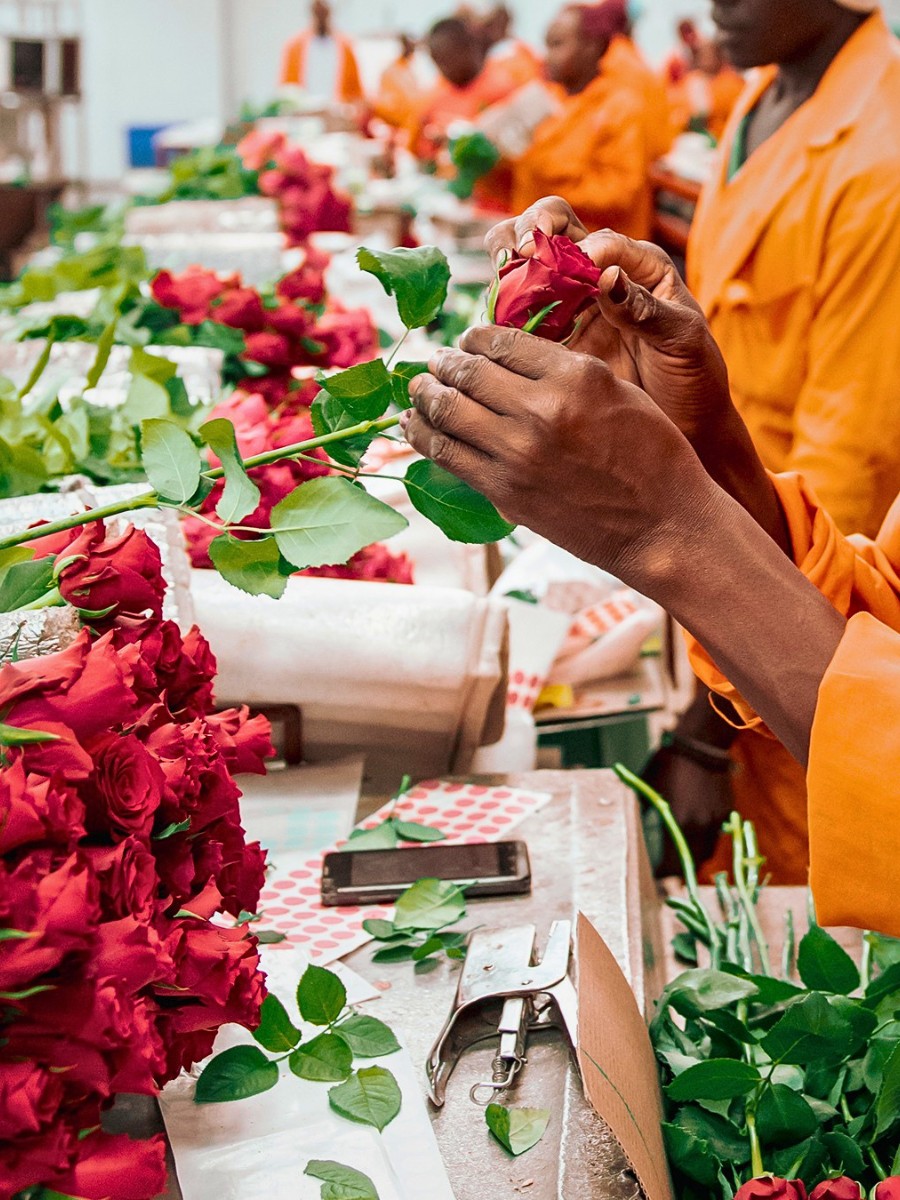
Recognizing that sustainable progress requires continuous learning, KFC established institutions, like the KFC Training Academy, a dedicated platform providing workers and producers across Kenya's flower industry with accessible, practical education.
Through interactive workshops, regional trainings, virtual sessions, learner-managed courses, and tailored in-house programs, the Academy ensures that the skills that build Kenya's sustainability story are constantly replenished and upgraded.
Campaigns That Show and Connect Kenyan Flowers to the World
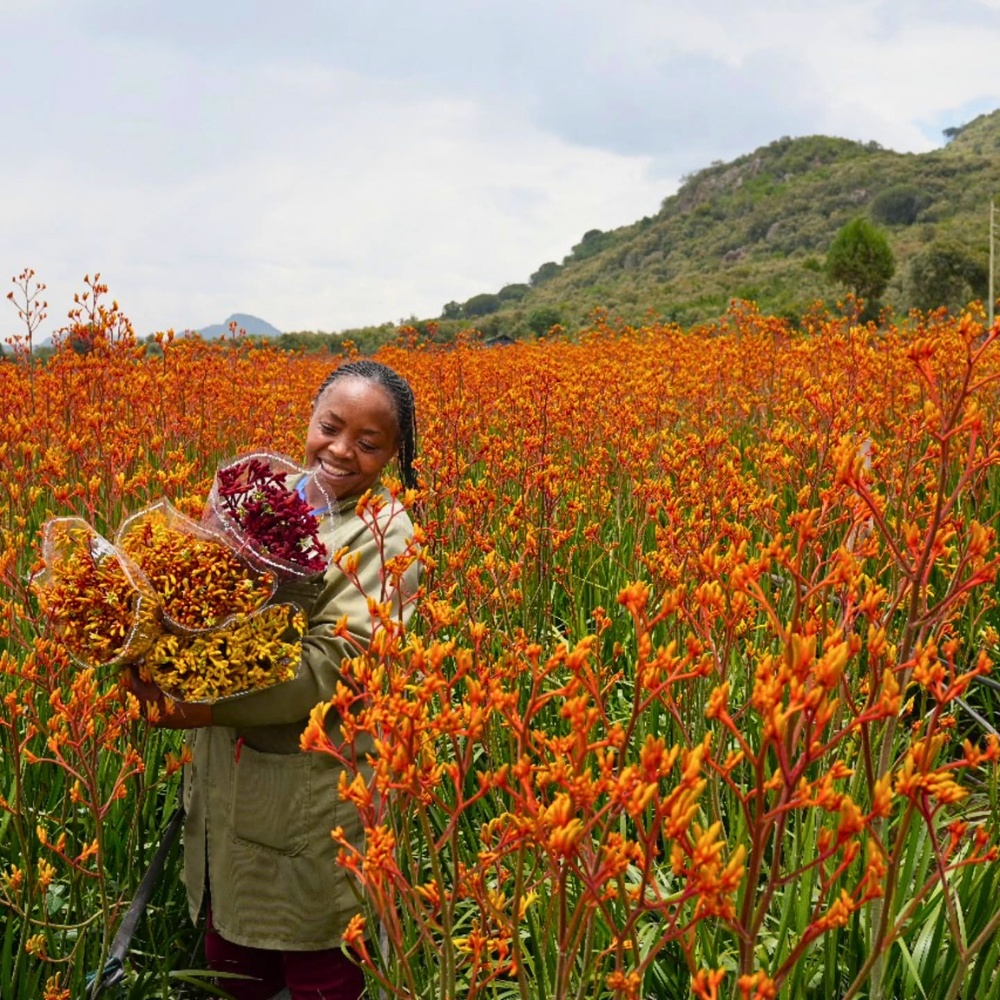
KFC's leadership is not confined to compliance and policy, but also actively promotes Kenyan flowers globally through campaigns designed to create and nurture awareness, trust, and demand. A good example is the #14DaysOfFlowers campaign, which runs in February to coincide with the Valentine's Day peak season.
The campaign has run successfully for the past several years, and is one of the Council's most visible consumer-facing efforts. Through engaging content on social media, including banners, infographics, and daily educational posts, the campaign connects consumers directly with the story behind Kenyan flowers. They get to know where the flowers come from, how they are grown, and why choosing them is a sustainable choice.
Complementing this are KFC's wider brand campaigns, including From Kenya With Love, Make It Kenya: Your Partner in Sustainability, Blossoming Beauty: Sustainably Grown in Kenya, and Nurtured by Nature: Sustainably Grown in Kenya, all of which are designed to reinforce Kenya's identity as a source of responsible, ethical floriculture.
The campaigns educate consumers and engage logistics providers, wholesalers, retailers, and florists in a unified sustainability message that strengthens the KFC FOSS Silver Certification as a mark of trust that consumers can rely on.
Partnerships for Data-Driven Sustainability and Safety Standards
There is more to KFC's commitment to sustainability. The Council has embraced innovation that keeps Kenya ahead of the dynamic international requirements. In late 2025, KFC announced a landmark partnership with MPS to integrate the HortiFootprint Calculator into its sustainability framework. This tool is officially recognized by both the European Commission and the FSI as a FloriPEFCR-compliant instrument for environmental performance analysis.
This means Kenyan growers can calculate and communicate the environmental footprint of their flowers using science-based, internationally benchmarked data. It directly addresses the growing demand from global buyers and retailers for supply chain transparency. With full FloriPEFCR compliance required across key markets by 2026, KFC has positioned its members ahead of the curve.
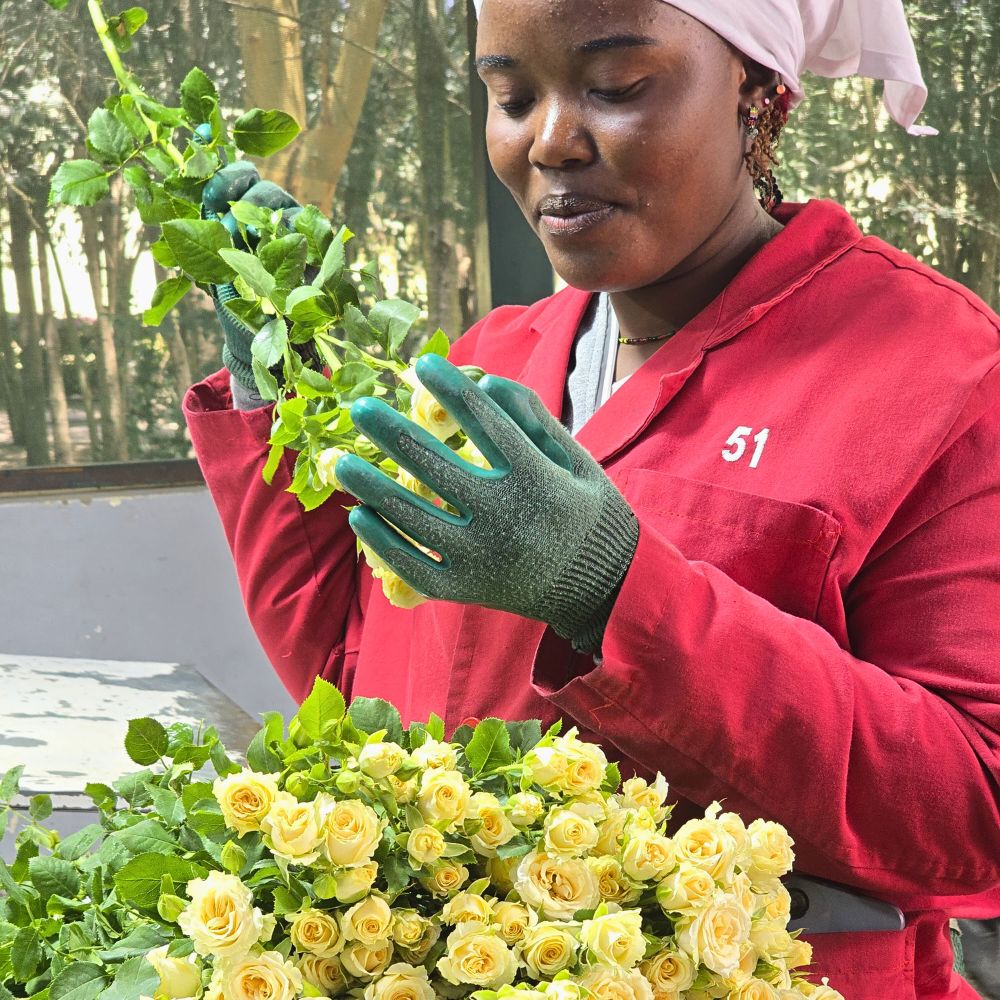
KFC's proactive approach to sustainability also involves engaging with international regulatory bodies before standards are set. In 2025, KFC voiced its support for the French Agency for Food, Environmental, and Occupational Health and Safety (ANSES) investigation into pesticide exposure among floriculture professionals, an initiative KFC described as a key step toward greater trust, transparency, and accountability in the global flower industry.
KFC CEO Clement Tulezi:
"[While] we also emphasize the critical role that logistics providers, wholesalers, and retailers must play in this journey, florists, as the trusted link between growers and consumers, are uniquely positioned to champion sustainable flowers and enhance public confidence in the cut flower sector. Strengthening this trust is not just beneficial but also essential for the continued success of the industry."
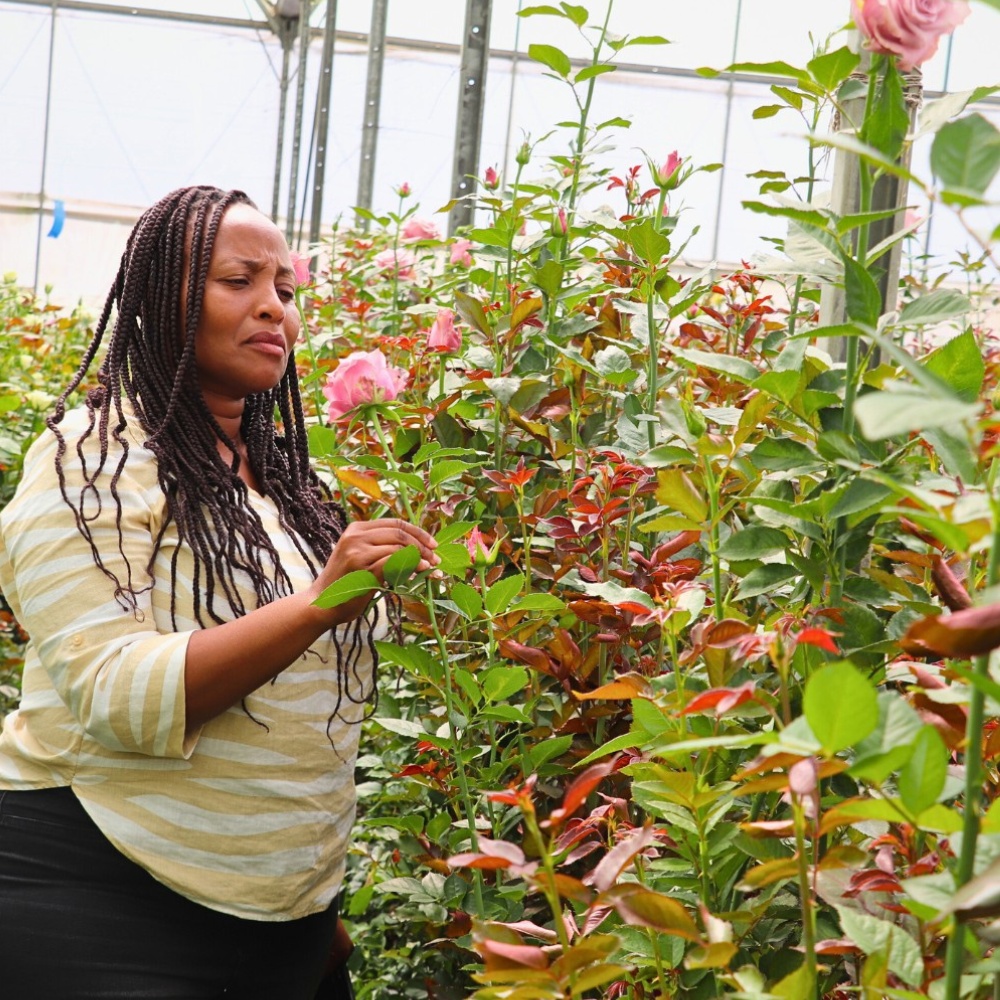
An Industry That Has Chosen to Be Sustainable and Accountable
Just so that you know, for KFC's work, the vast majority of it is voluntary. KFC is a voluntary association and does not compel membership or compliance. Yet it represents 90% of Kenya's growers and exporters of cut flowers, because the value it delivers is visible.
Members have access to better market access, stronger buyer relationships, cleaner reputations, and an industry that can hold its head high on any global stage. Plus, the FOSS standard is not an add-on to KFC member operations, but an integral part of how they do business.
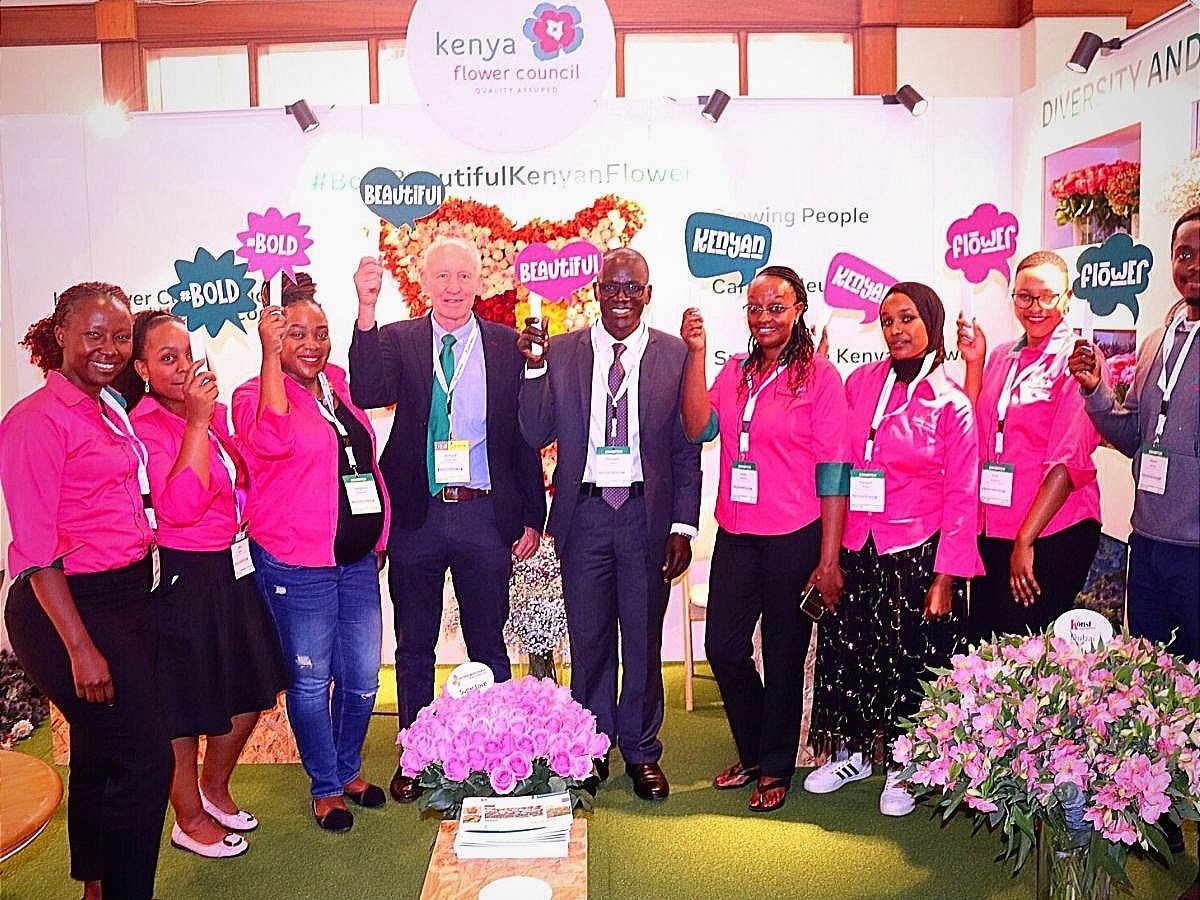
The FOSS Standard, as KFC's own leadership puts it, is not just about compliance, but leadership in sustainable flower production, which places Kenya at the helm of responsible floriculture, and practices that respect nature, care for workers, and contribute significantly to communities across the country.
Featured image by @theflowerhubkenya.