Where do we still find real professional inspiration for our trade today?
Trade fairs around the world are being stripped back further and further. Where there used to be room for vision, creativity, and new ideas, more and more of the attention now seems to go to the product itself. Online, we see countless examples of people working with flowers at home, but even there, relatively little is truly innovative or points the way forward. And although artificial intelligence offers enormous possibilities, at the moment it still gives us only a few ideas that show craftsmanship, vision, and real innovation.
Meanwhile, the flower risks becoming a flat product. A bunch of flowers is bought, put in a vase, and replaced. Consumers are buying fewer flowers, and some choose artificial ones because they last longer. But flowers are not a product that is only about how long they last. They stand for life, nature, emotion, and change. That is exactly where their strength lies.
However modern our society becomes, there is one truth we as human beings cannot get around: without nature, we cannot exist. That awareness deserves a much bigger place in the future of our profession.
From Product to Experience
Society is asking for more sustainability, but also for renewal. That certainly applies to the way we work with flowers and floral design.
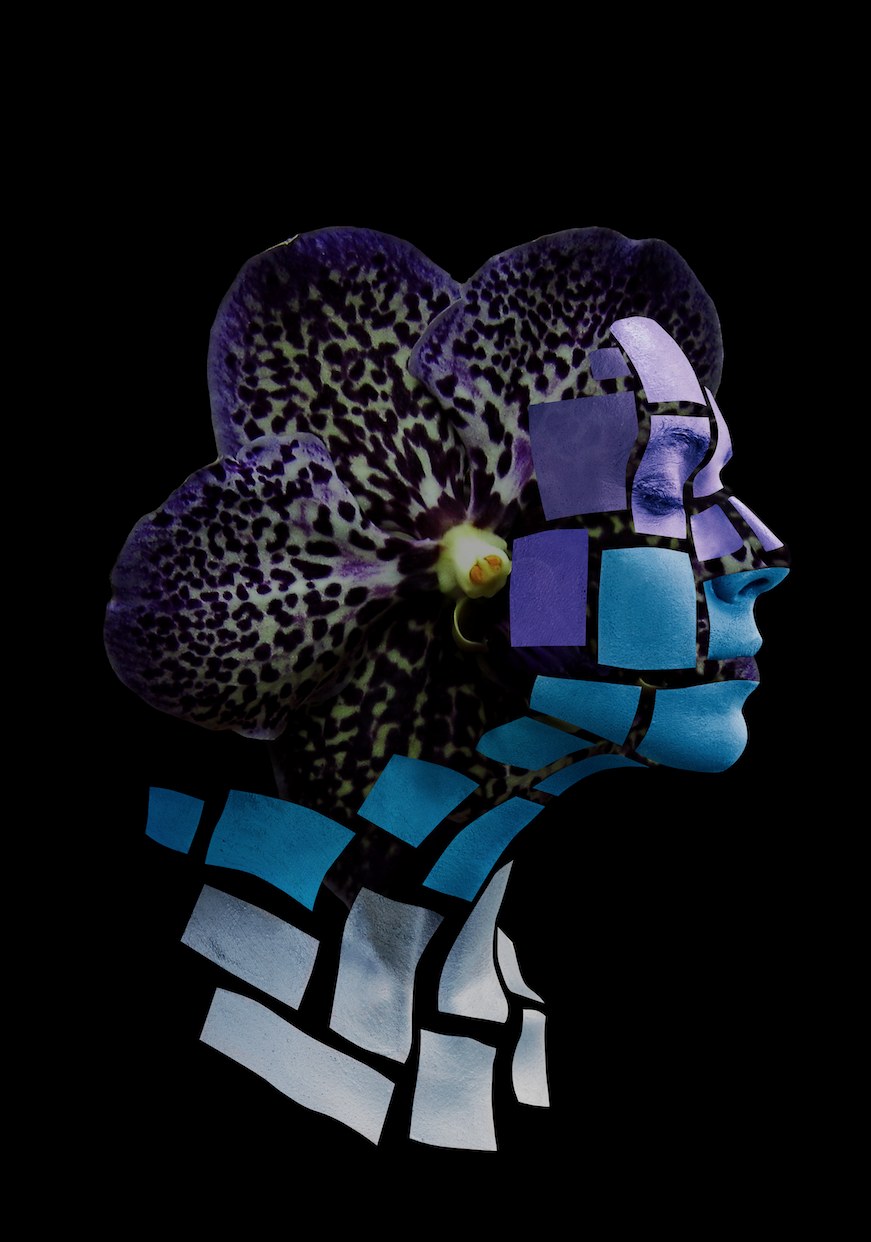
More and more, our design revolves around the product: which flower, which color, which shape, and how many stems. But the real challenge lies somewhere else. How can we innovate? How can we connect flowers with art, architecture, interiors, technology, sustainability, and the way people want to live? That is where we need to invest.
At flower trade shows, exhibitors and visitors alike could be challenged much more to think about the future. Not only "What are we selling today?" but above all "What do we want to be tomorrow?" If we want our profession to get the recognition it deserves, innovation and creativity have to take a prominent place again. There is plenty of creativity. The question is whether we direct enough of it toward innovation.
Education faces an important challenge here as well. Professional training programs should not only turn young people into good craftspeople, but also encourage them to research, experiment, and explore new paths. Where are the seminars, workshops, and programs that prepare future florists and designers for a profession in which inventiveness, commercial insight, and innovation are central?
And perhaps even more important: are these young people encouraged, funded, and motivated enough to actually create something new?
A Bridge to Dutch Design
When we look beyond our own sector, we see that innovation happens precisely where different worlds meet. A good example is Dutch Design Week in Eindhoven. Designers, artists, entrepreneurs, students, and companies come together there to think about the future. Creativity, innovation, and entrepreneurship reinforce each other and lead to new ideas.
Why does that same connection hardly exist in our sector? Why don't we build a bridge between Dutch Design and the world of flowers?
That is exactly where the big opportunities are.
Imagine an Innovation Square at a flower trade show: a place where products are not only presented, but where people experiment with new materials, techniques, applications, and forms. Or an Innovation Challenge, in which young and experienced flower professionals work together on one question: what does the floral design of the future look like? Not just more beautiful. Not just more commercial. But also more sustainable, more meaningful, and more innovative.
Flowers, Art, Interiors, and Sustainability
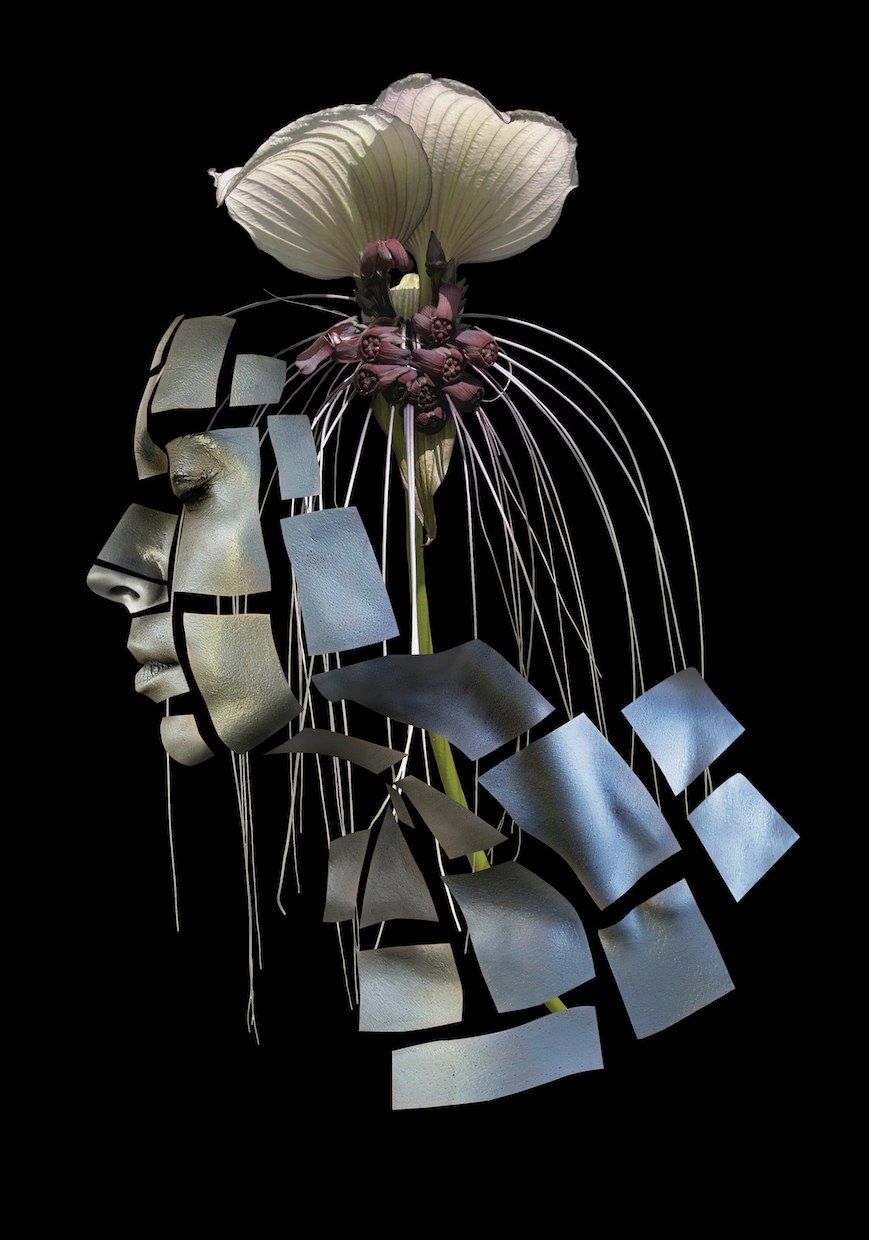
In my view, the biggest opportunities lie in connecting flowers with other disciplines. Flowers and art. Flowers and interiors. Flowers and architecture. Flowers and technology. Flowers and sustainability.
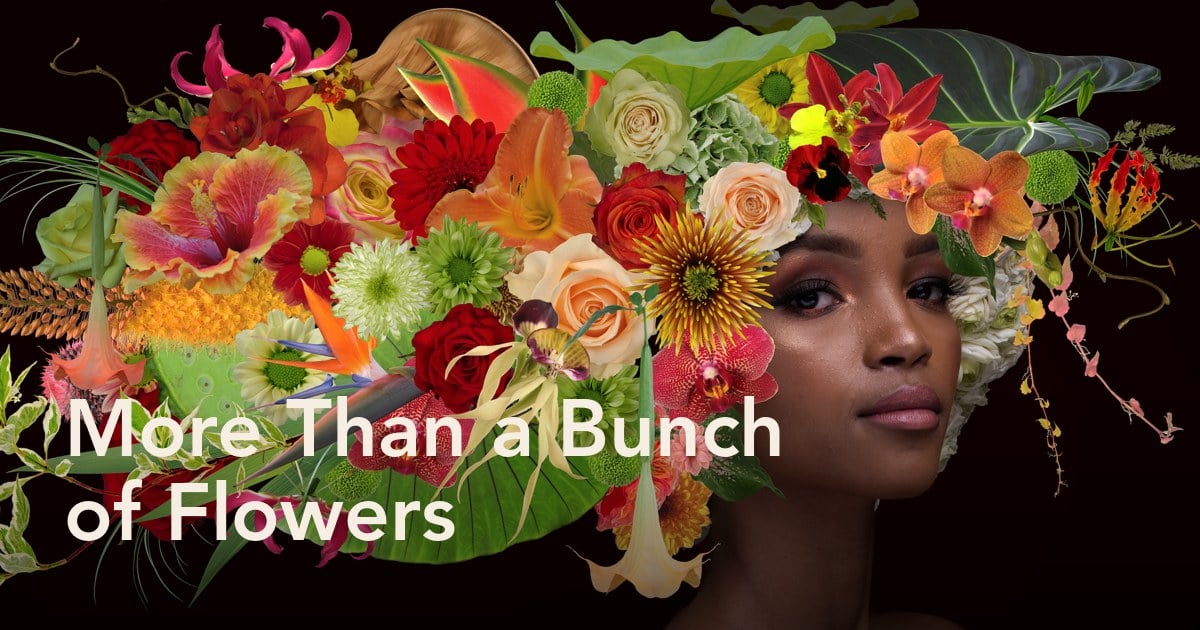
Tomorrow's consumer may not just want to buy a product. That consumer wants a feeling, a story, an experience, and a beautiful place to live. So maybe we should stop thinking only in terms of a bunch of flowers. The flower can become part of a complete concept: part of the way someone lives, works, celebrates, relaxes, and feels connected to nature.
The question for the future could therefore be: the flower of tomorrow – do we still buy a bunch, or do we buy a new way of living?
That is not a question florists can answer on their own. It needs artists, designers, interior designers, architects, entrepreneurs, students, and consumers. By bringing these worlds together, a new form of Dutch floral design can emerge: recognizable, innovative, sustainable, and distinctive on an international level.
A Home Twenty Years From Now
Imagine a home twenty years from now.
You walk in. In the hallway, there is no ordinary bunch of flowers, but a living composition that slowly changes with the seasons. It is designed to move with the space and with the rhythm of nature.
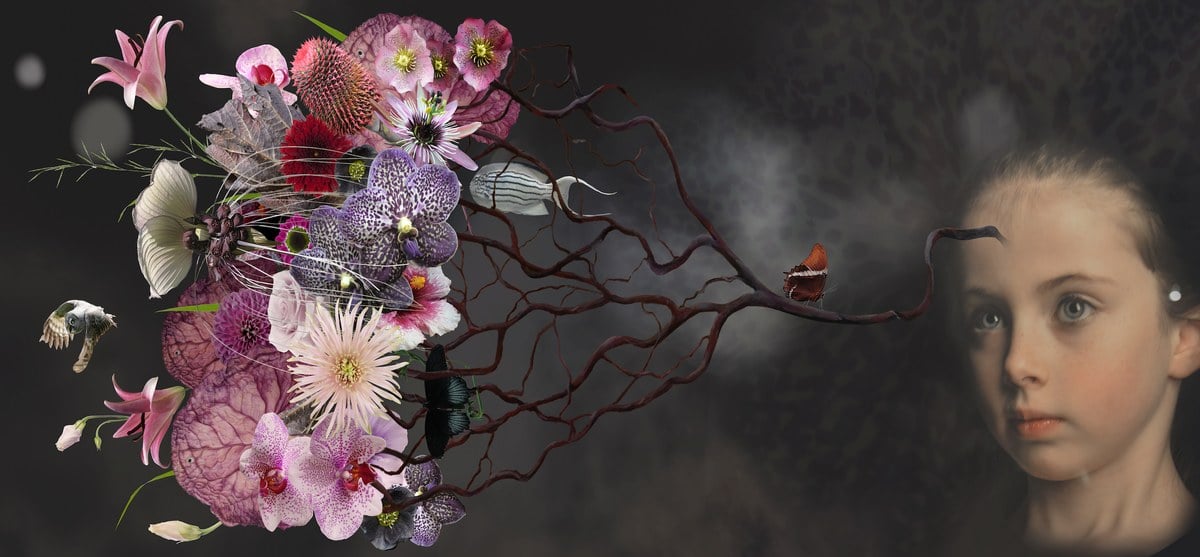
In the living room hangs an artistic floral sculpture in which natural and new materials come together. Edible flowers grow above the dining table, not as decoration added afterward, but as part of the experience of eating.
A digital assistant helps you choose a local bouquet that suits the season, your interior, and the atmosphere you want to create at home. Perhaps the system even knows which flowers are available locally at that moment, and how they can become part of the natural cycle again after use.
The flower is then no longer just decoration. It has become part of how we live, our art, our surroundings, and our relationship with nature.
That is the challenge ahead of us. Not just selling better flowers. Not just making more beautiful arrangements. But giving flowers meaning again.
Because perhaps the future of our profession does not lie in the question of how we can sell more flowers, but in the question of how we can help people experience again why flowers matter.
And that is exactly where real inspiration begins.
With floral regards,
Geert Maas, floral master designer
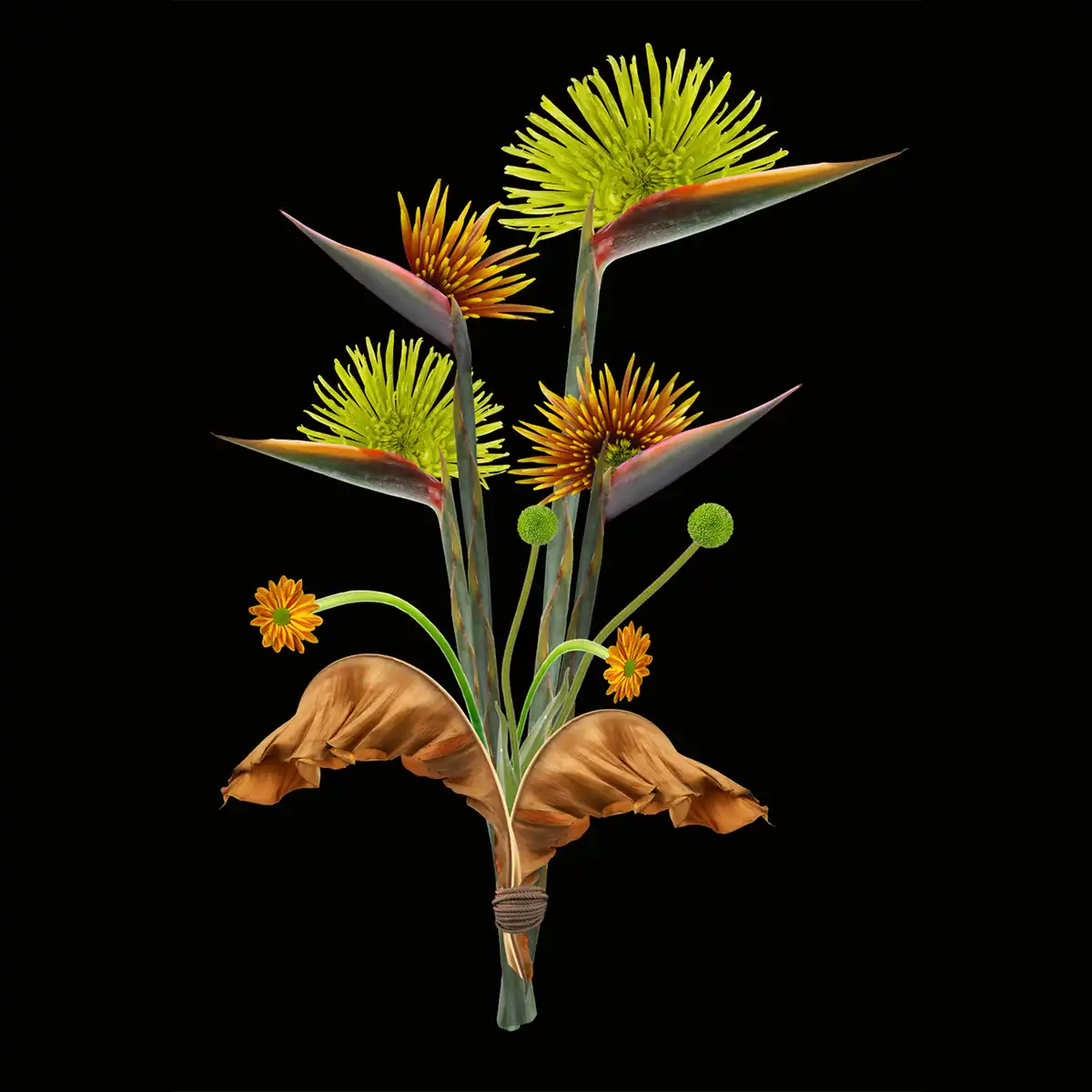
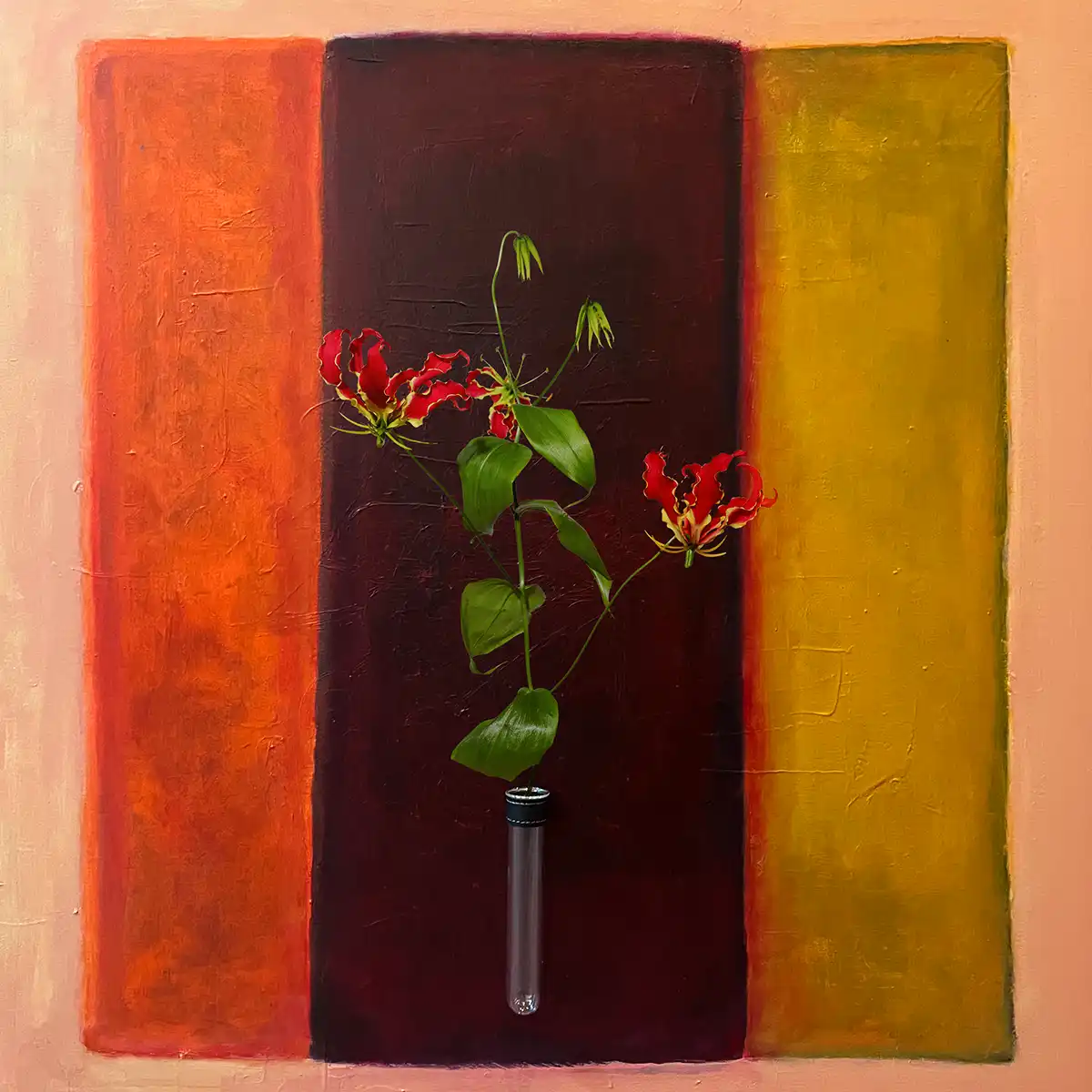
All images by Geert Maas.