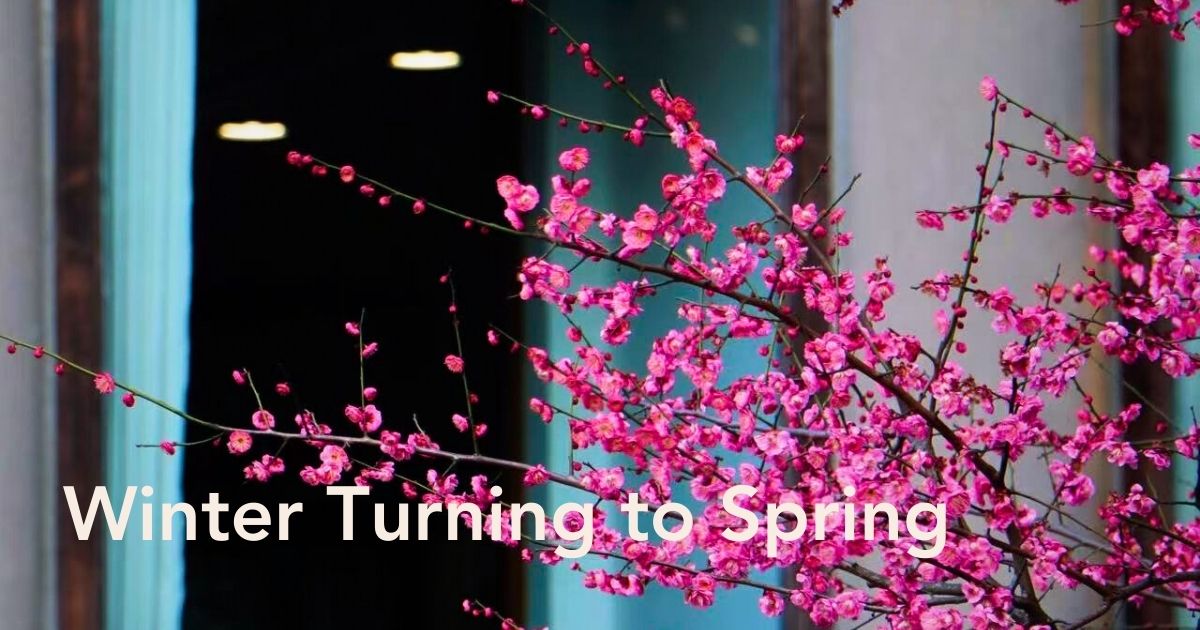
On TV, it almost looks unreal, soft clouds of white and blush pink stretching over hills, people walking beneath delicate branches, cameras in hand. But I saw it, with my own eyes: this is real. This is Plum Blossom season in Hangzhou.
Every year, between late January and early March, the city transforms into a living painting. Long before Cherry Blossoms begin elsewhere, Plum trees bloom while winter is still present. That is their quiet strength.
The Lingfeng Plum Blossom Scenic Area
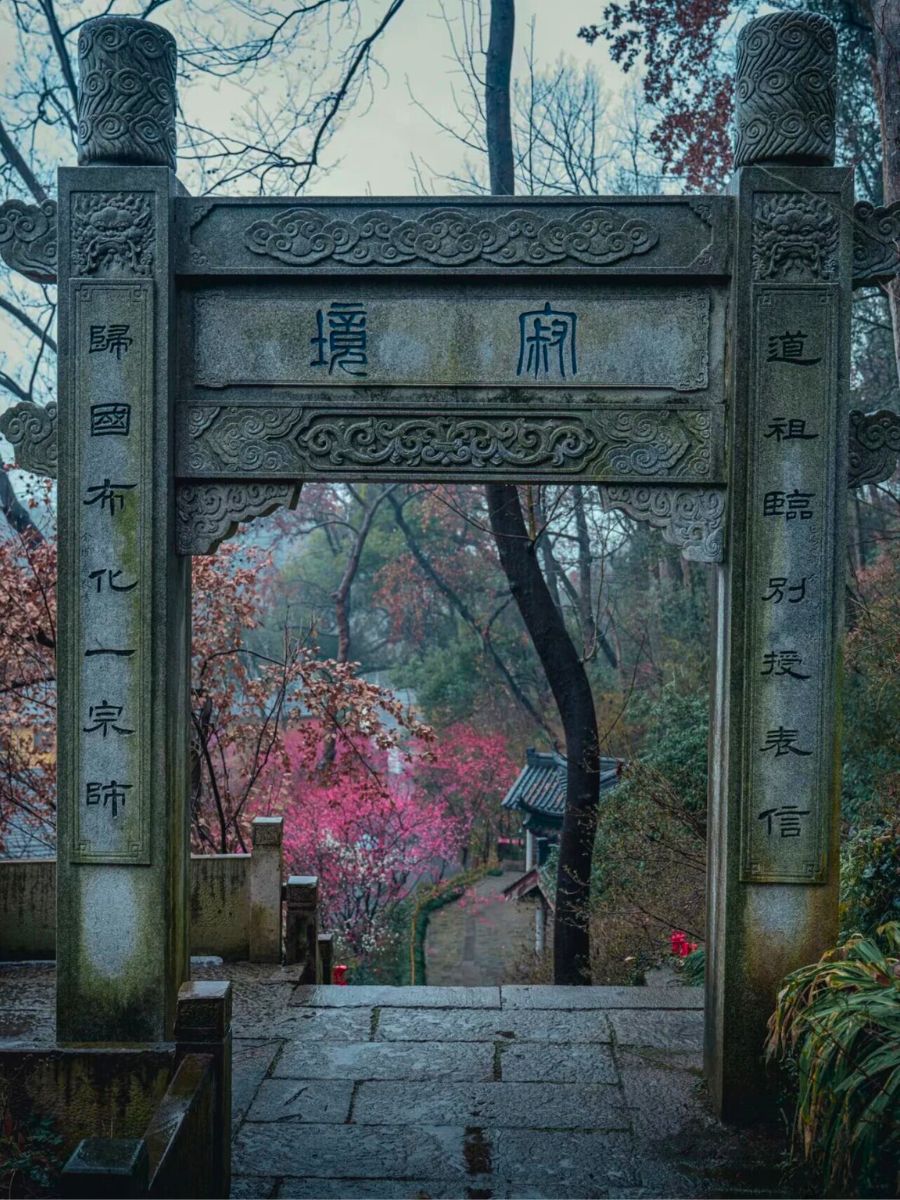
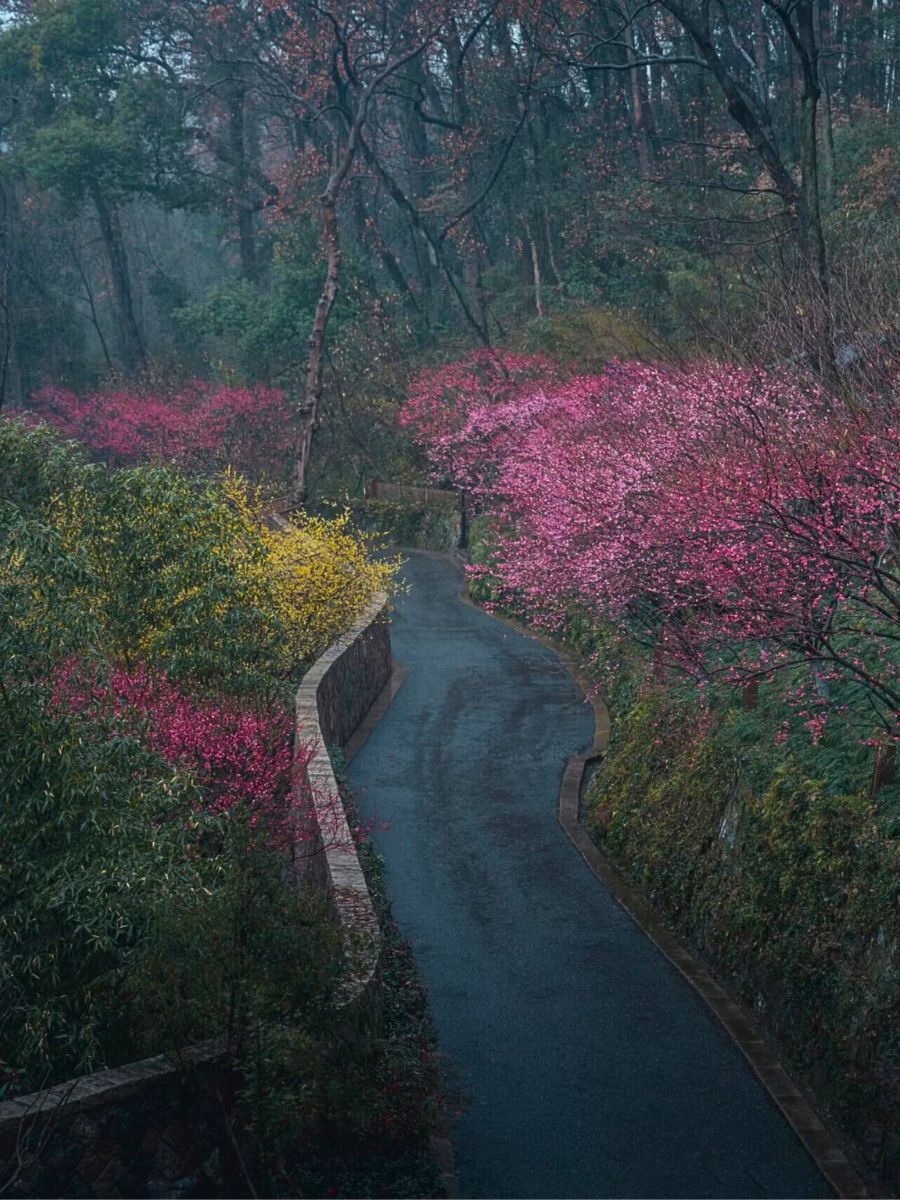
The most famous place to experience this spectacle is the Lingfeng Plum Blossom Scenic Area, close to West Lake. Thousands of plum trees cover the hills, creating a layered landscape of early, mid, and late blooming varieties.
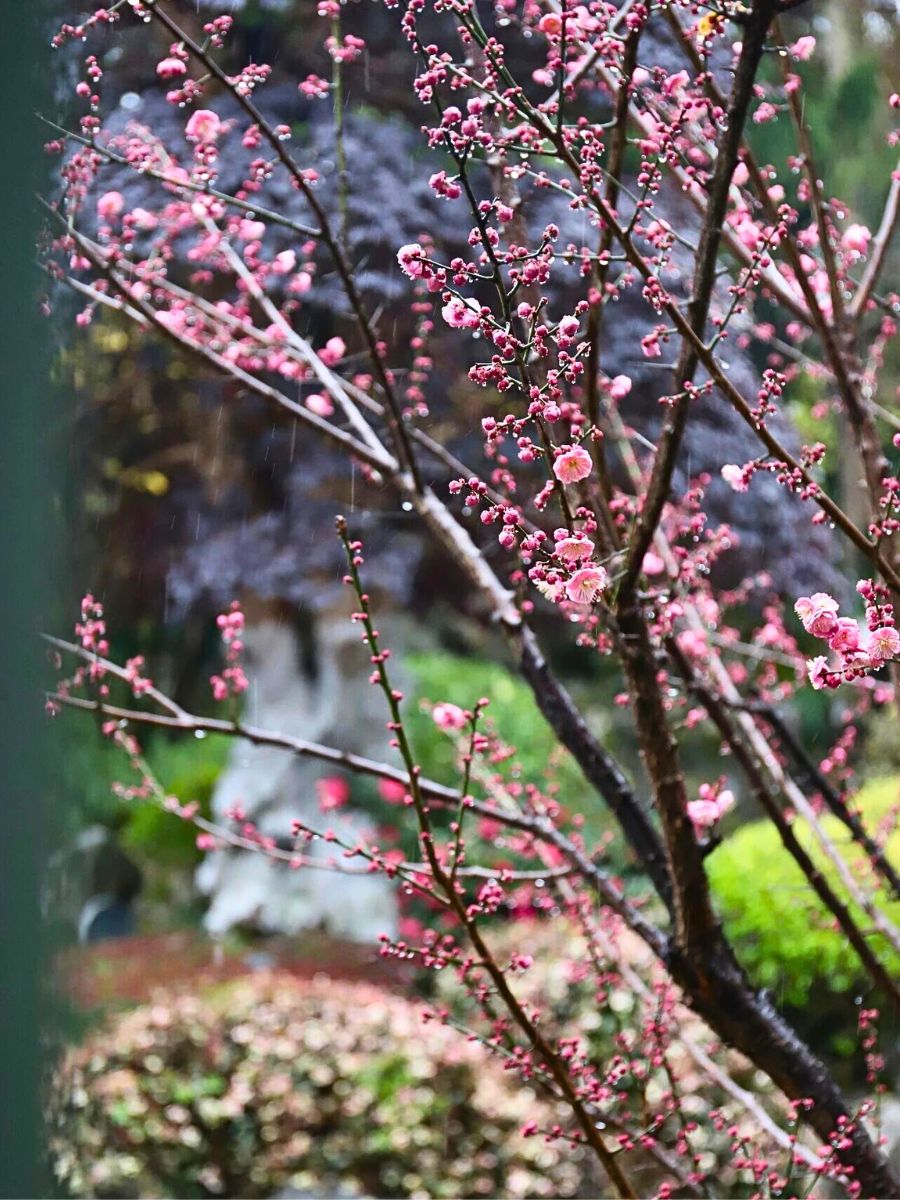
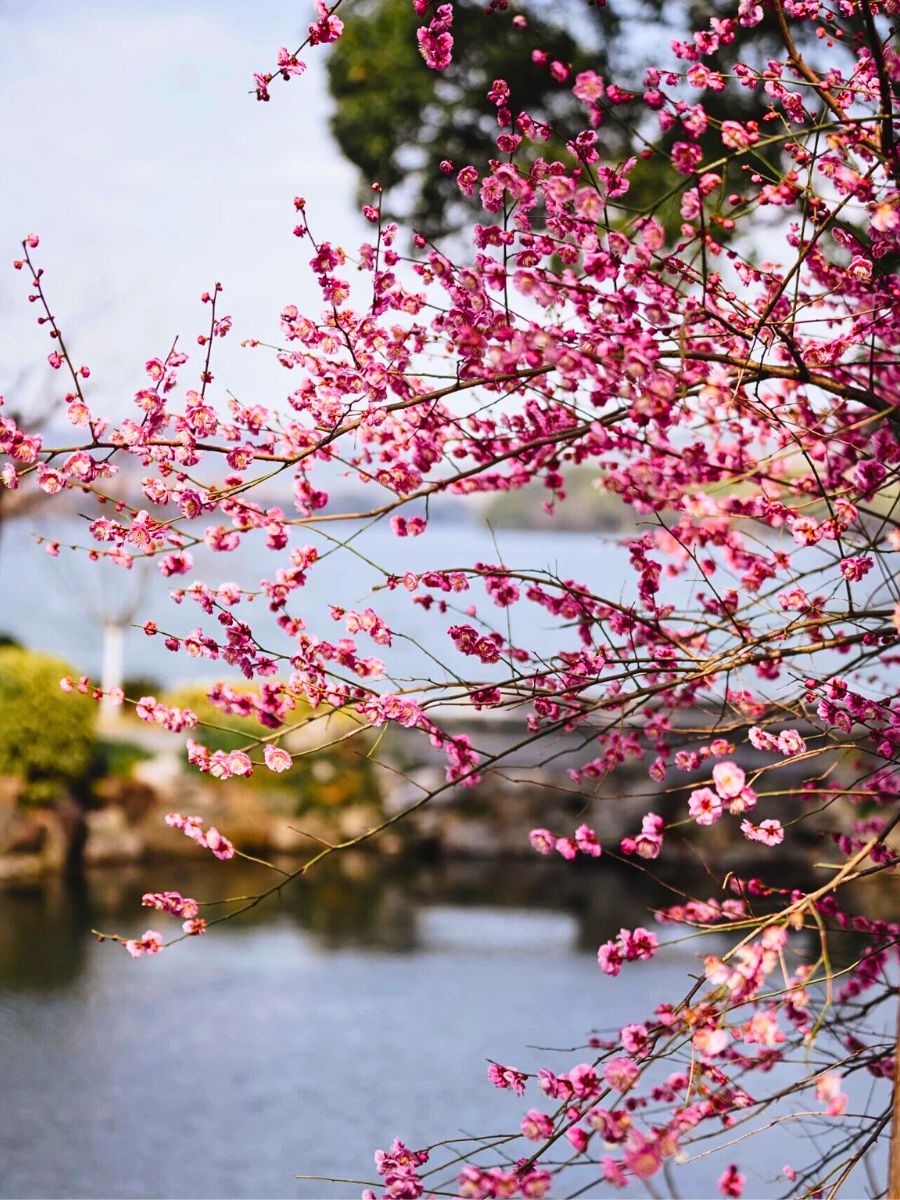
White, pale pink, deep rose, even subtle greenish tones. What makes it breathtaking is not only the volume of flowers, but the timing. The air is still crisp, the light is soft, and mist sometimes lingers between the trees.
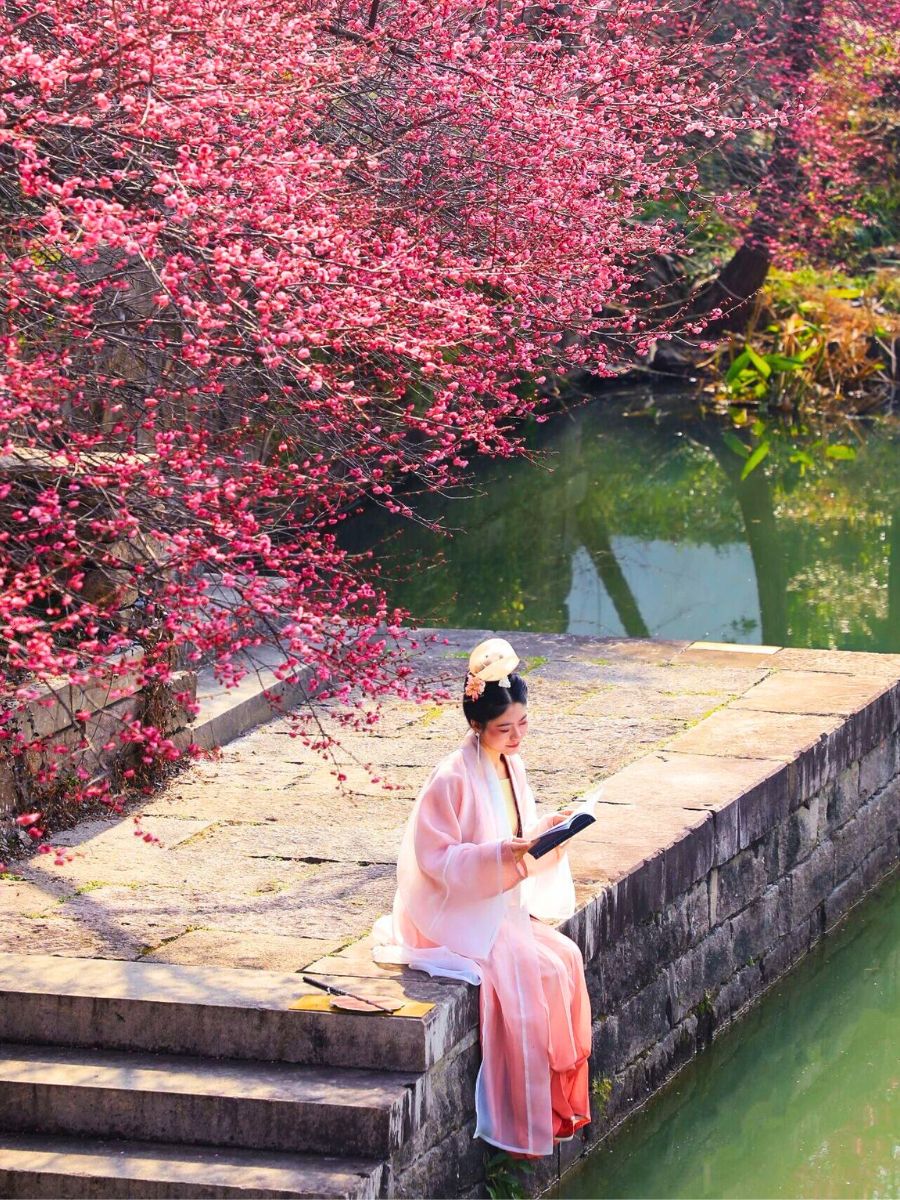
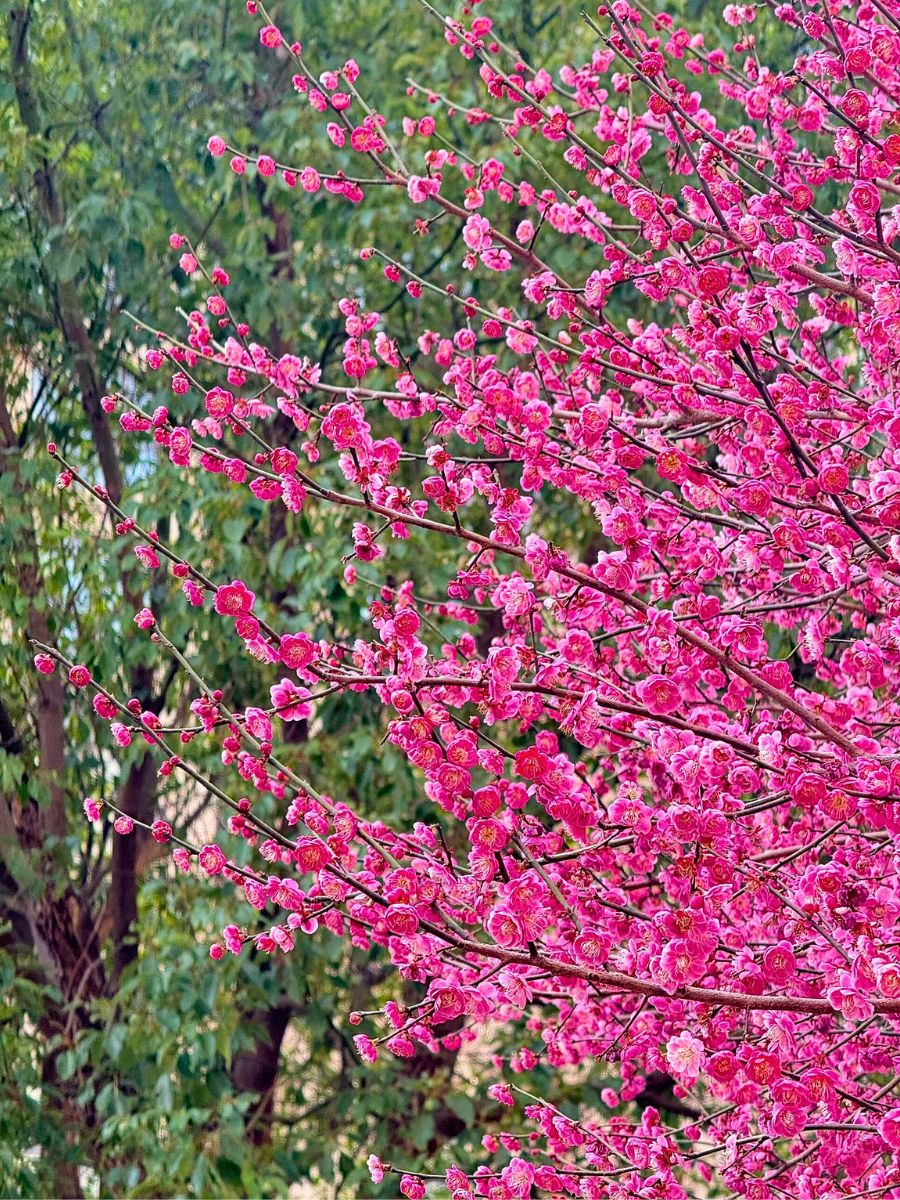
Wetland Park in Hangzhou
Xixi National Wetland Park in Hangzhou City of east China's Zhejiang Province is covered in early spring colors, with more than 20,000 Plum trees in bloom. Visitors wander through the Plum groves or glide across the waterways by boat, such a beautiful scene.
What Plum Blossoms Mean in Chinese Culture
Plum Blossom, known as Mei Hua, is one of China’s most cherished flowers. Because it blooms in cold weather, often against bare branches, it symbolizes resilience, perseverance, and hope, the promise of renewal when winter is not yet finished.
In traditional Chinese symbolism, the Plum Blossom is also linked to the “Four Gentlemen” alongside Orchid, Bamboo, and Chrysanthemum, flowers that represent integrity, elegance, and strength of character.
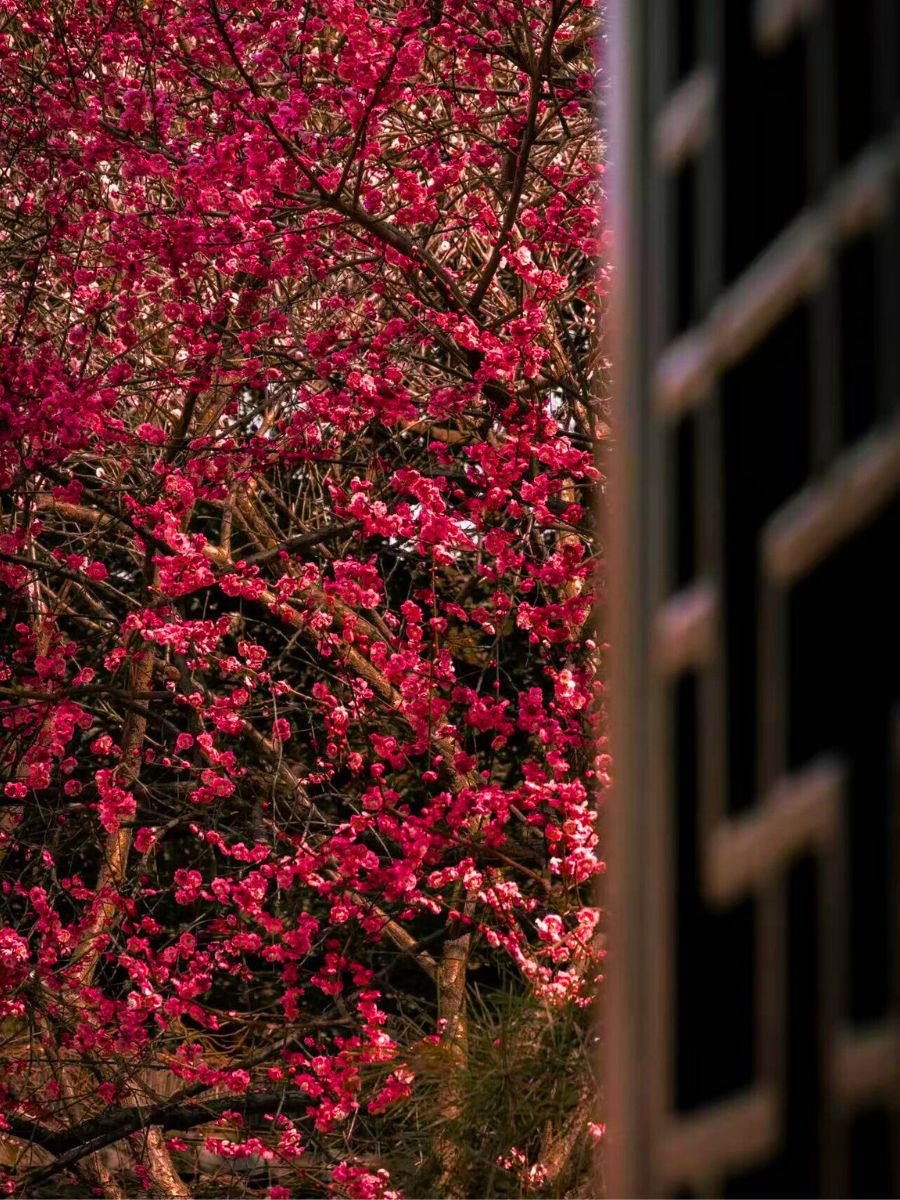
A Floral Lesson in Timing
For florists and flower lovers, there is something deeply inspiring in the Plum Blossom season of Hangzhou. It is not about spring abundance; it is about courage in winter.
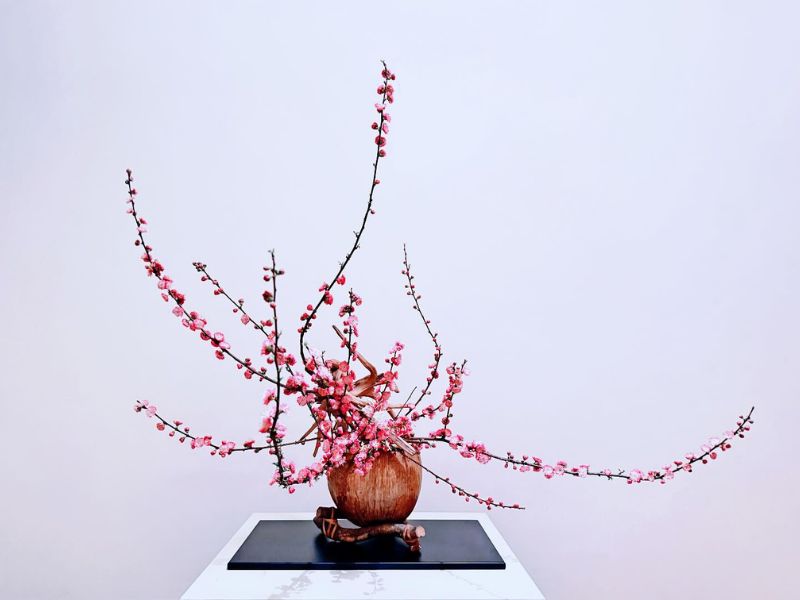
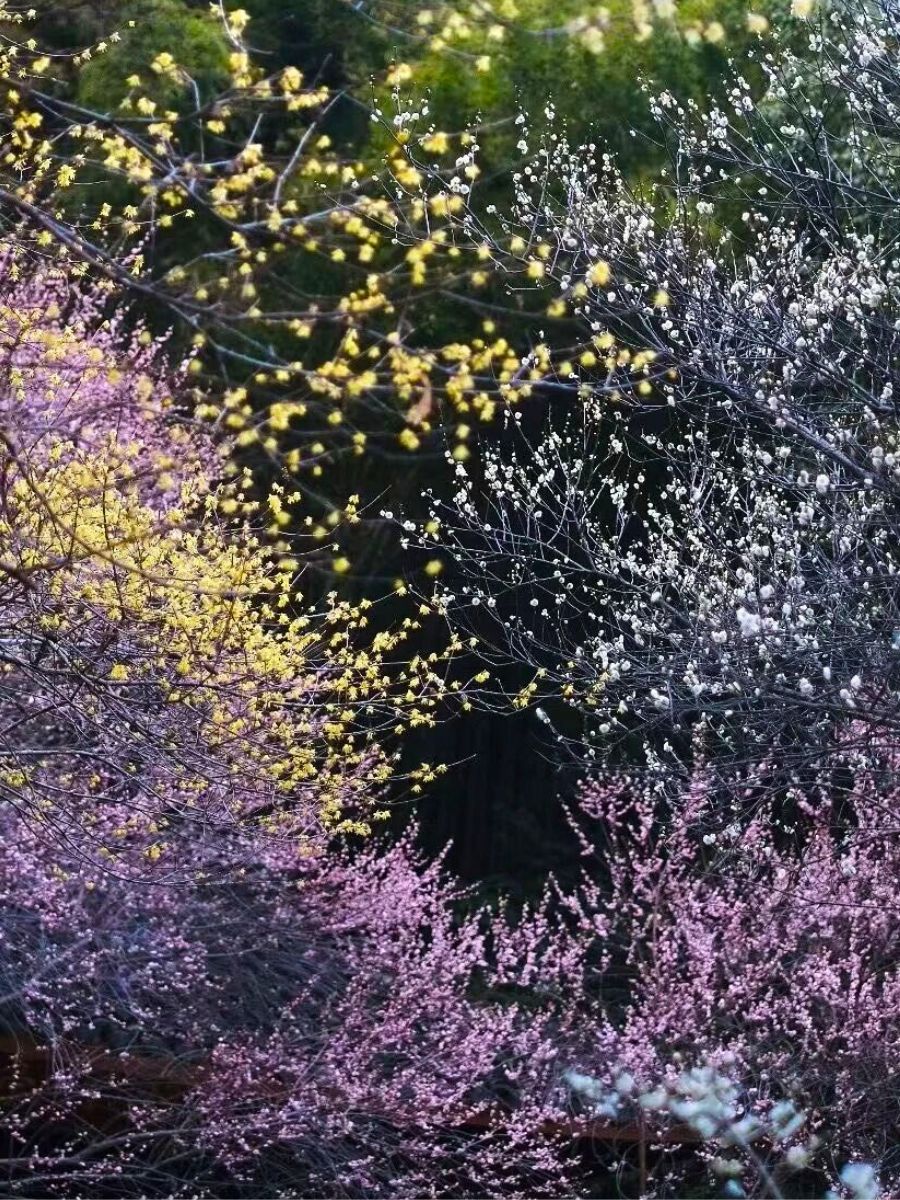
The branches look almost fragile. The flowers are small, often with five simple petals. Yet together, across thousands of trees, they create a monumental feeling. Nature does not rush; it unfolds. Maybe that is why so many people travel to Hangzhou during these weeks. Not only to take photos, but to feel that quiet turning point between winter and spring.
Soft strength. Fragile power. A city in bloom before the rest of the world awakens.