Some careers are carefully planned, while others begin with an unexpected opportunity. For Joyce Aerts, a communications professional with more than two decades of international experience, horticulture was never part of the original plan, yet it quickly became the place where her passion for storytelling, innovation, and connecting people found a new home. In this edition of 10 Questions, Joyce shares how curiosity, resilience, and a genuine love for people continue to shape both her career and her outlook on life.
Question 1
For those who don’t know you, who are you, and what do you do?
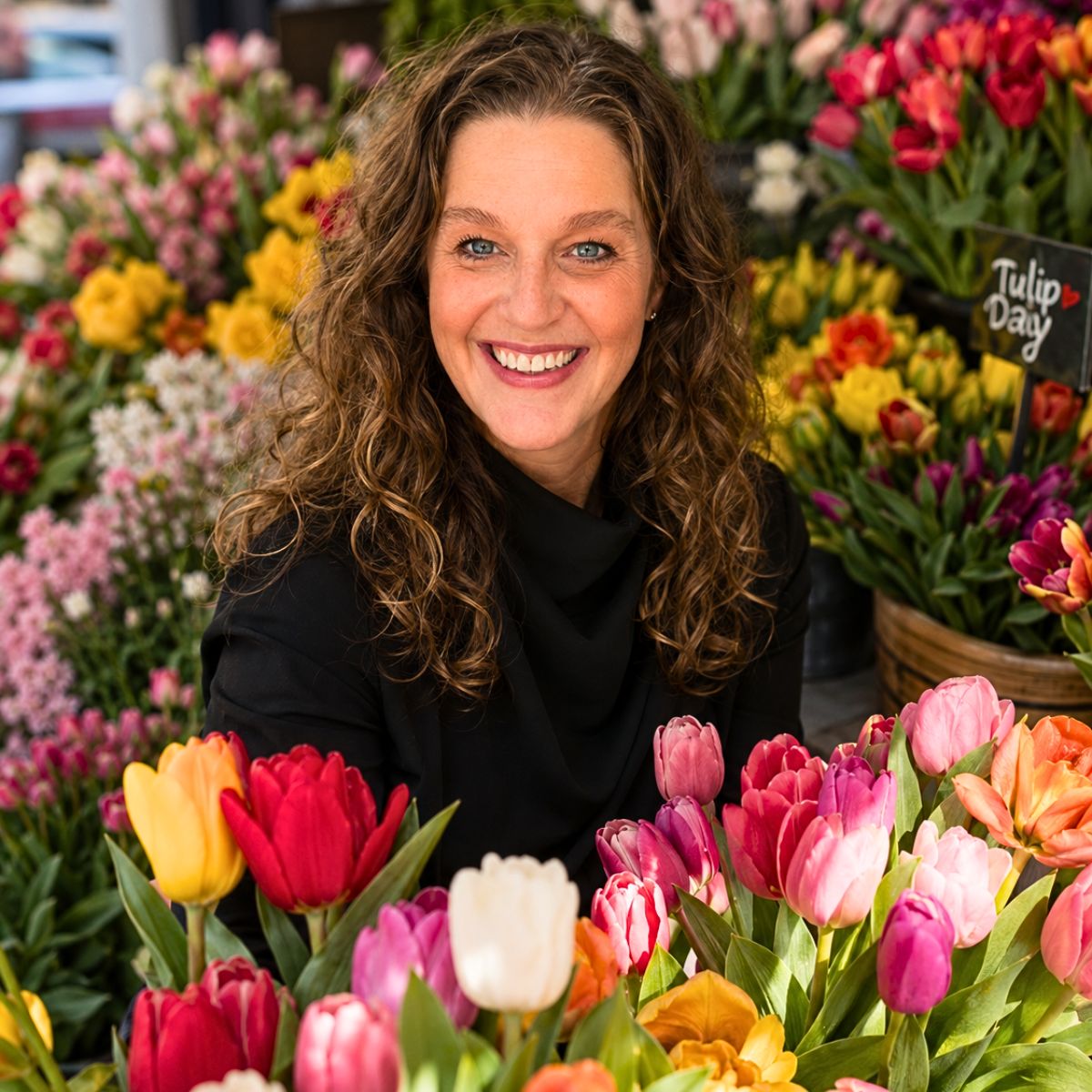
"I’m Joyce Aerts, a Dutch communications professional who found her way into horticulture. After more than twenty years in international public relations, working with global brands, I thought I had seen it all. Then horticulture came along and proved me wrong. I joined this industry by accident and stayed because I fell in love with it.
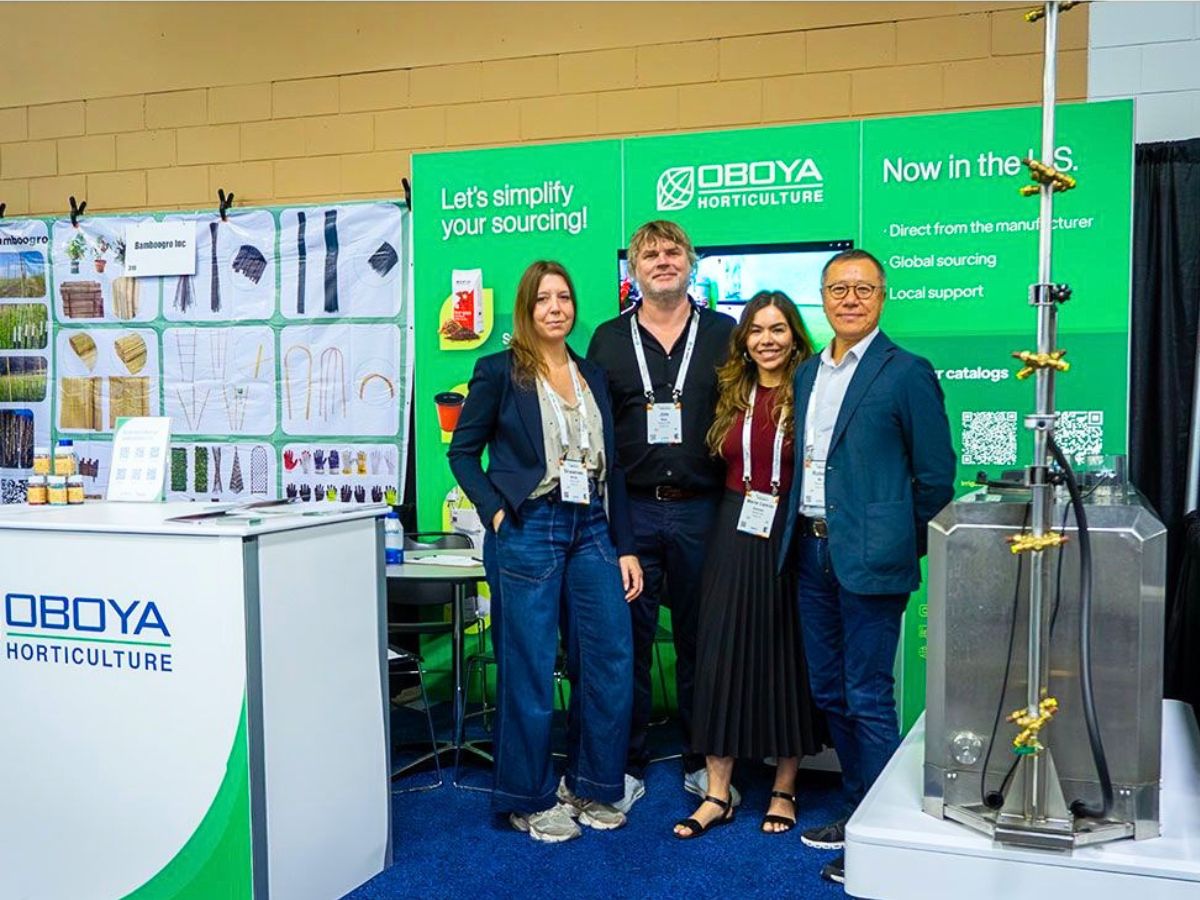
I work for Oboya Horticulture, a global horticulture company that supports growers and horticulture businesses with practical solutions, from growing supplies and systems to packaging and sourcing. The company is growing internationally and recently opened its new US operation. My role is wonderfully broad. I wear many hats, but marketing and PR have always been my favorite playground. I love telling stories, connecting people, and helping businesses communicate in ways that actually resonate. Outside work, I’m passionate about good food, great wine, and spending time with the people I love. I believe that some of the best conversations and ideas happen around a dinner table."
Question 2
What is so special about your job?
"I love building things; I love learning, exploring new ideas, and finding better ways of doing things. I’m probably at my best in an entrepreneurial environment where nothing has been written in stone yet. Give me a blank sheet of paper and a challenge, and I’m happy. What makes my job truly special is the people. At Oboya, I work with colleagues from all over the world, from different cultures and backgrounds. That diversity enriches not only my work but also my life.
It also makes the work very practical. We bring together experiences from different markets, but we always have to translate that into what customers actually need in their own daily reality. I really believe that every culture brings something different to the table. The older I get, the more curious I become about people who think differently from me and what I can learn from them. And yes, we work hard, but we also know how to have fun. For me, that combination of ambition, teamwork, and fun is incredibly special."
Question 3
Are there any specific challenges or obstacles you’ve faced at work, and how did you overcome them?
"The past year was one of the most challenging periods of my professional life. My previous employer was suddenly confronted with the bankruptcy of one of its shareholders. It was unexpected and forced all of us to operate in completely unfamiliar territory. There were difficult moments and plenty of uncertainty, but it also taught me one of the most valuable lessons in business and life: you cannot always control what happens to you, but you can control how you respond.
We stayed positive, supported each other, and learned how to ride the wave instead of fighting it. Looking back, it became a year of enormous personal growth. We came out of it stronger, wiser, and better at our jobs. My advice would be simple: stay true to yourself and take good care of the people around you. In difficult times, that makes all the difference."
Question 4
What are the threats in the industry, and if so, do you have any solutions for them?
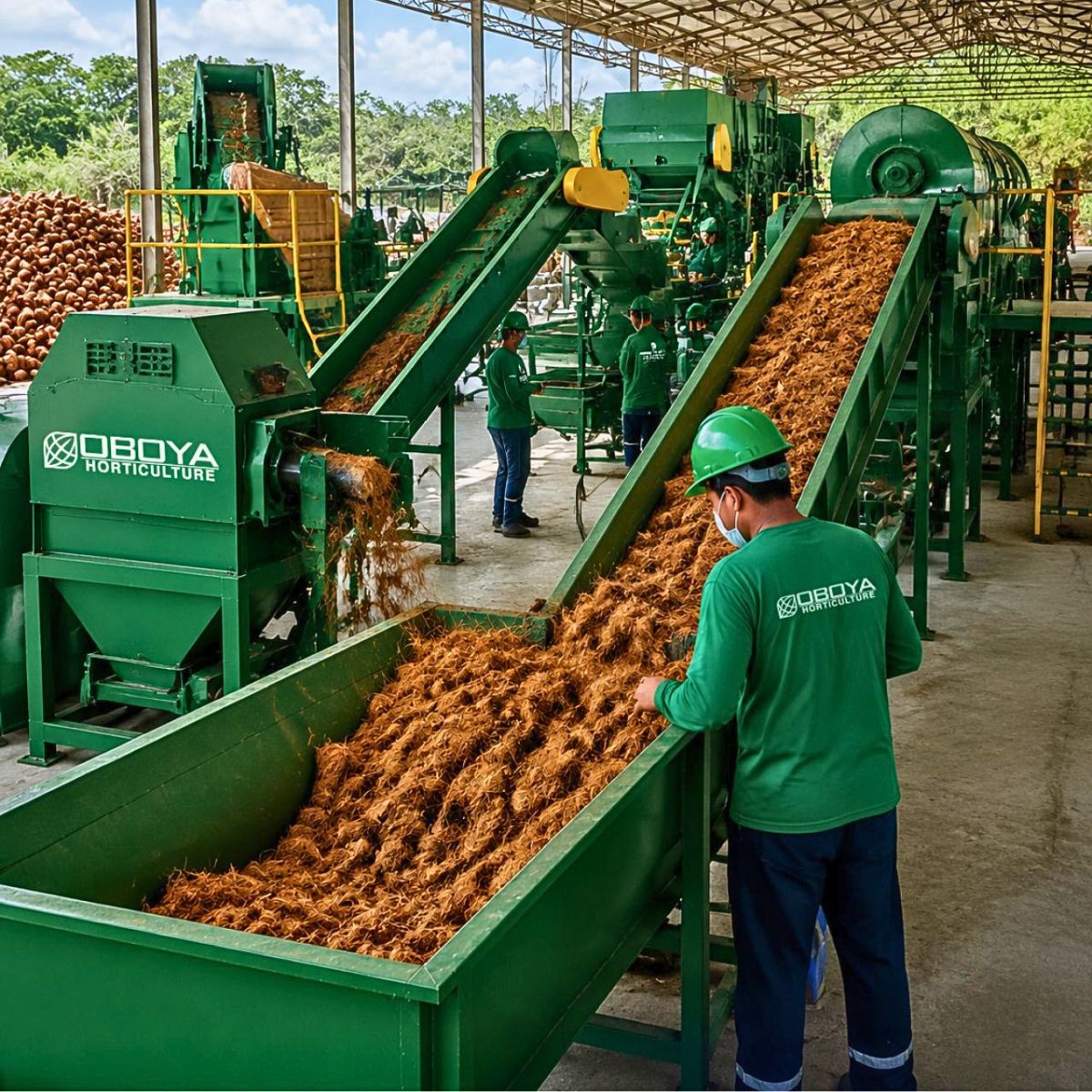
"Our industry is changing quickly. Companies are getting bigger, labor is becoming harder to find, and customers expect faster and smarter solutions. But the biggest threat? Standing still.
Size alone doesn't guarantee success. The winners will be the companies that stay hungry, stay curious, and never lose their entrepreneurial spirit. Automation is no longer a luxury; it is becoming essential. And fortunately, innovation doesn't always have to be expensive. Sometimes the best ideas are simply the ones that make people's lives easier.
For me, the solutions start with practical innovation: tools, products and ways of working that help growers save time, improve consistency and reduce complexity in their daily operations. Our industry has never been afraid of hard work. Now we need to be equally brave about change."
Question 5
How has technology, such as e-commerce platforms or digital marketing, affected your industry? What strategies have you employed to stay competitive?
"Technology has made our world much smaller. Information travels faster, customers have more choices, and trends move quickly across markets. At the same time, horticulture remains a people's business. Technology can support relationships, but it cannot replace them. Being a global company gives us a useful advantage. We see challenges and solutions emerging in different markets, and we can bring those ideas back to customers in a way that makes sense locally.
We also believe technology should make work easier. With labor shortages affecting our industry, automation is no longer a luxury; it is becoming a necessity. As for digital marketing, I believe it starts with listening rather than broadcasting. You don’t need to be everywhere; you need to be relevant somewhere."
Question 6
Who (in or outside the floral industry) is an inspiring example to you? And Why?
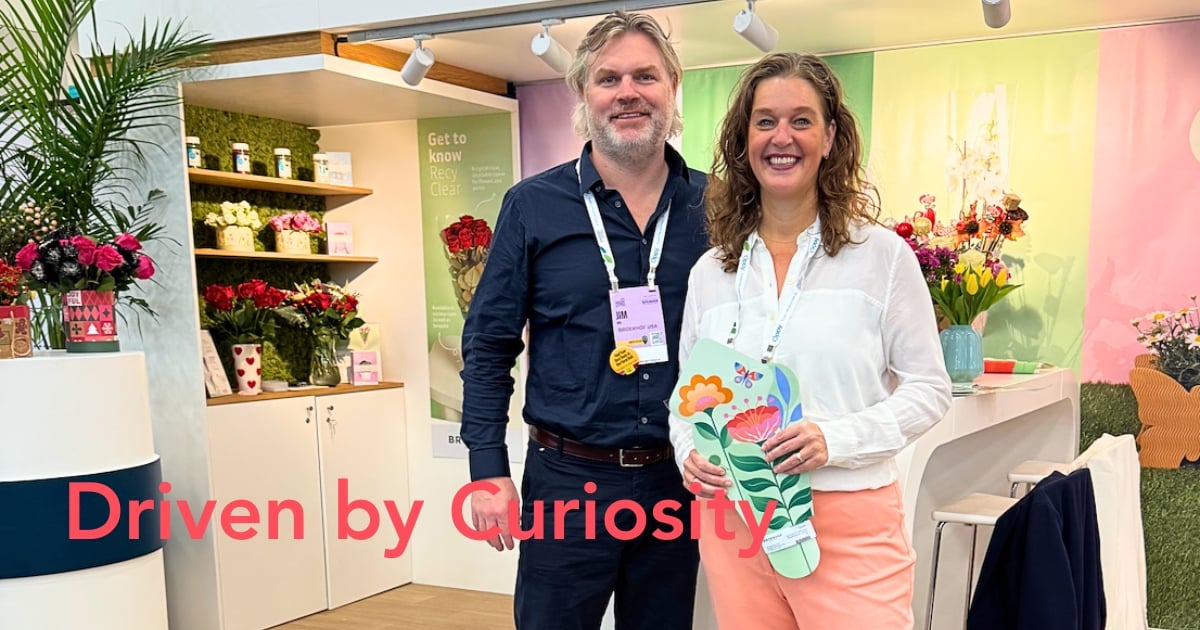
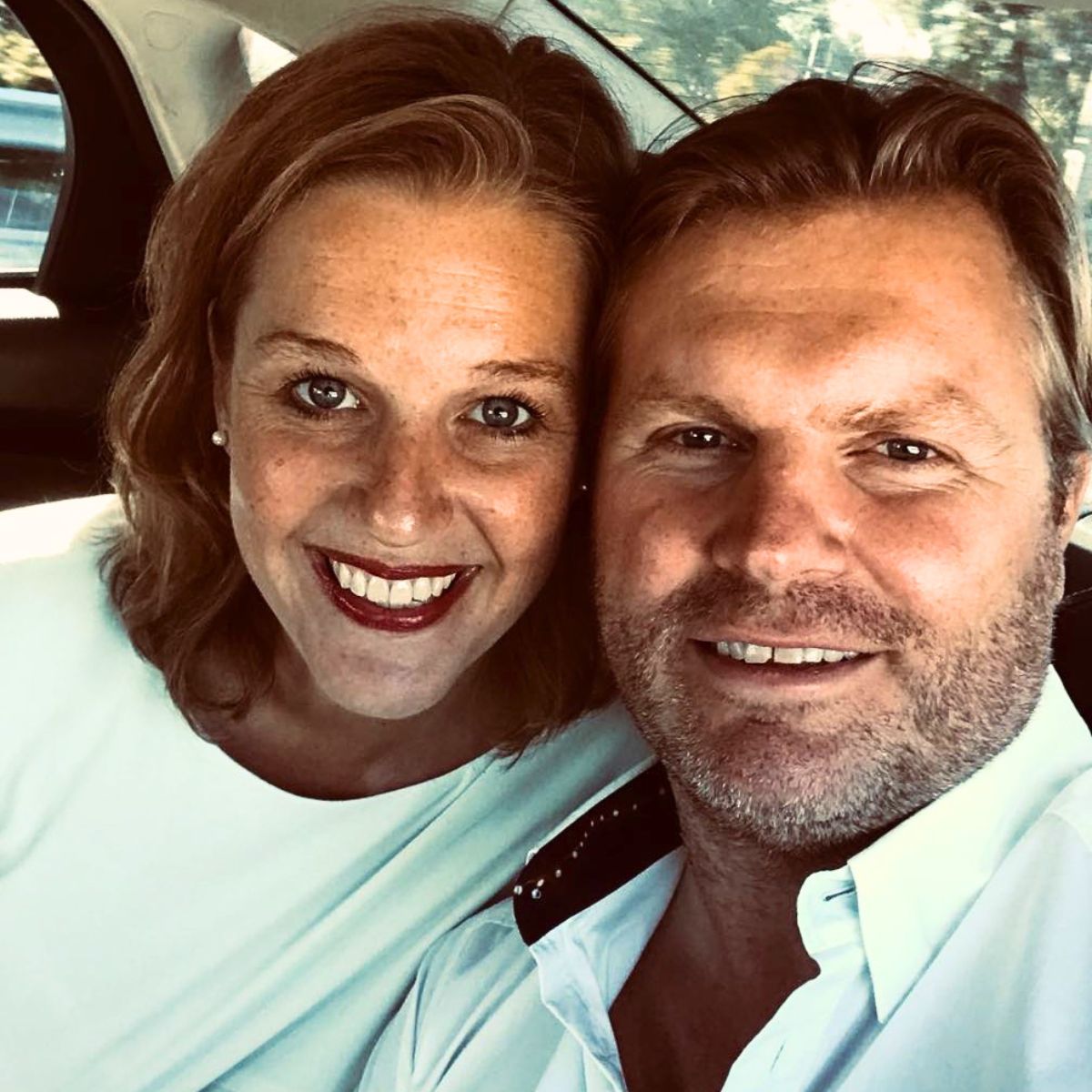
"I don’t really believe in putting people on pedestals. I have always been more interested in good ideas than impressive titles. Having said that, one person who has had a significant influence on my journey into horticulture is my husband, Jim Bos.
I knew the industry long before I joined it, but stepping into it myself gave me a whole new appreciation for his knowledge, creativity, and passion for the business. I still learn something new from him almost every day. What I admire most is his creativity and the way he approaches challenges. He has an incredible ability to connect ideas, spot opportunities, and think differently when others see obstacles.
At the same time, I have always been fiercely independent and built my own career and perspective. Perhaps that is why we work so well together. We challenge each other, we ask questions, and we continuously learn from one another. To me, that kind of partnership is the best."
Question 7
How do you handle stress or difficult moments in your life?
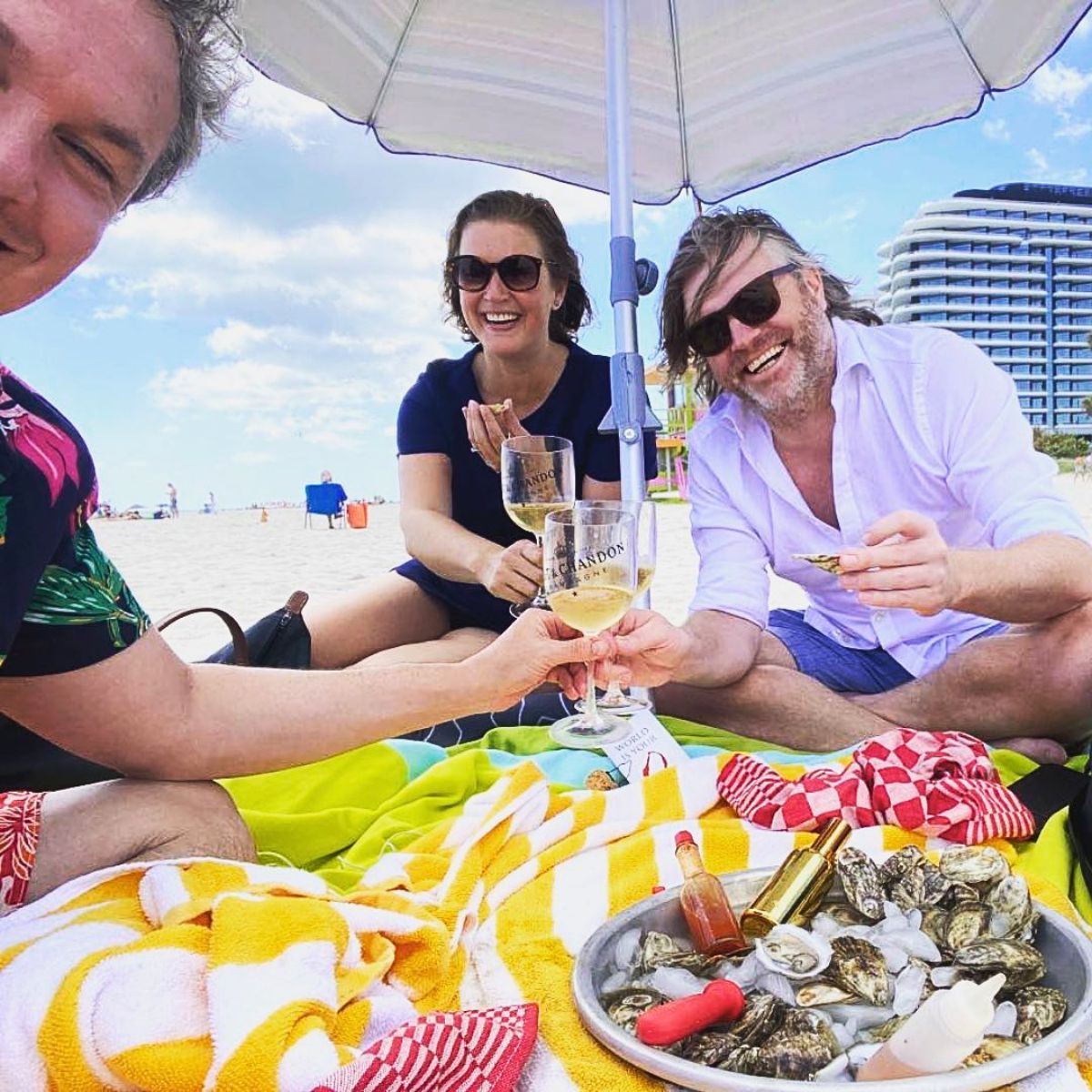
"That depends on the amount of stress! But I have learned that difficult moments are usually also moments of growth. Last year brought a lot of uncertainty, both professionally and personally. In the middle of all of that, I decided to train for and run the Miami Half Marathon. Running became my therapy. The rhythm of putting one foot in front of the other helped me organize my thoughts and reminded me that even difficult journeys are completed one step at a time.
I have never been very good at giving up. Resilience is probably somewhere in my DNA. My other great love is almost the complete opposite of running: wine. I have been collecting and tasting special bottles for years, and there is something magical about sharing a beautiful meal, opening a great bottle of wine, and spending time with family and friends. I firmly believe life is all about balance. Sometimes you run a half marathon, and sometimes you reward yourself with a great white Burgundy. I feel incredibly rich because I am surrounded by people who lift me when I need it and gently push me back on track when I need that too."

Question 8
What has been the best (floral or non-floral) news for you lately, or of the last year?
"The best news for me is seeing how our industry keeps reinventing itself. For a long time, horticulture was seen as a traditional business, but today I see an industry that is embracing technology, sustainability, and innovation at an incredible pace.
What I like most is that many of these ideas are becoming more practical. Sustainability is no longer a beautiful ambition; it is becoming something we can measure, improve, and build into real solutions, from packaging and logistics to waste reduction. Automation is helping solve labor challenges, and perhaps most importantly, I see more young people becoming excited about our industry again. That makes me very optimistic. The flowers may be timeless, but the industry behind them certainly isn’t standing still."
Question 9
Which is your favorite flower/plant, and why is it good for you?
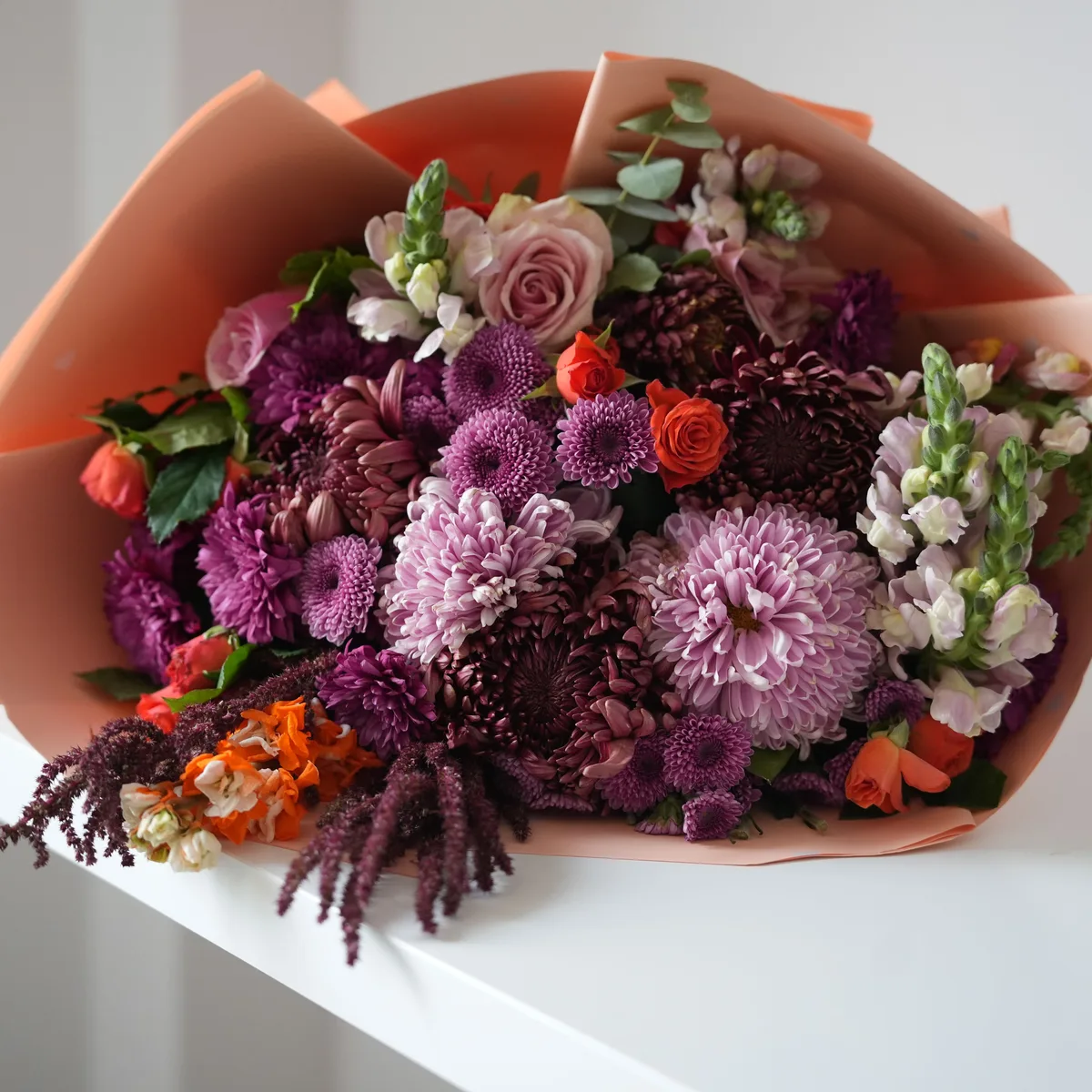
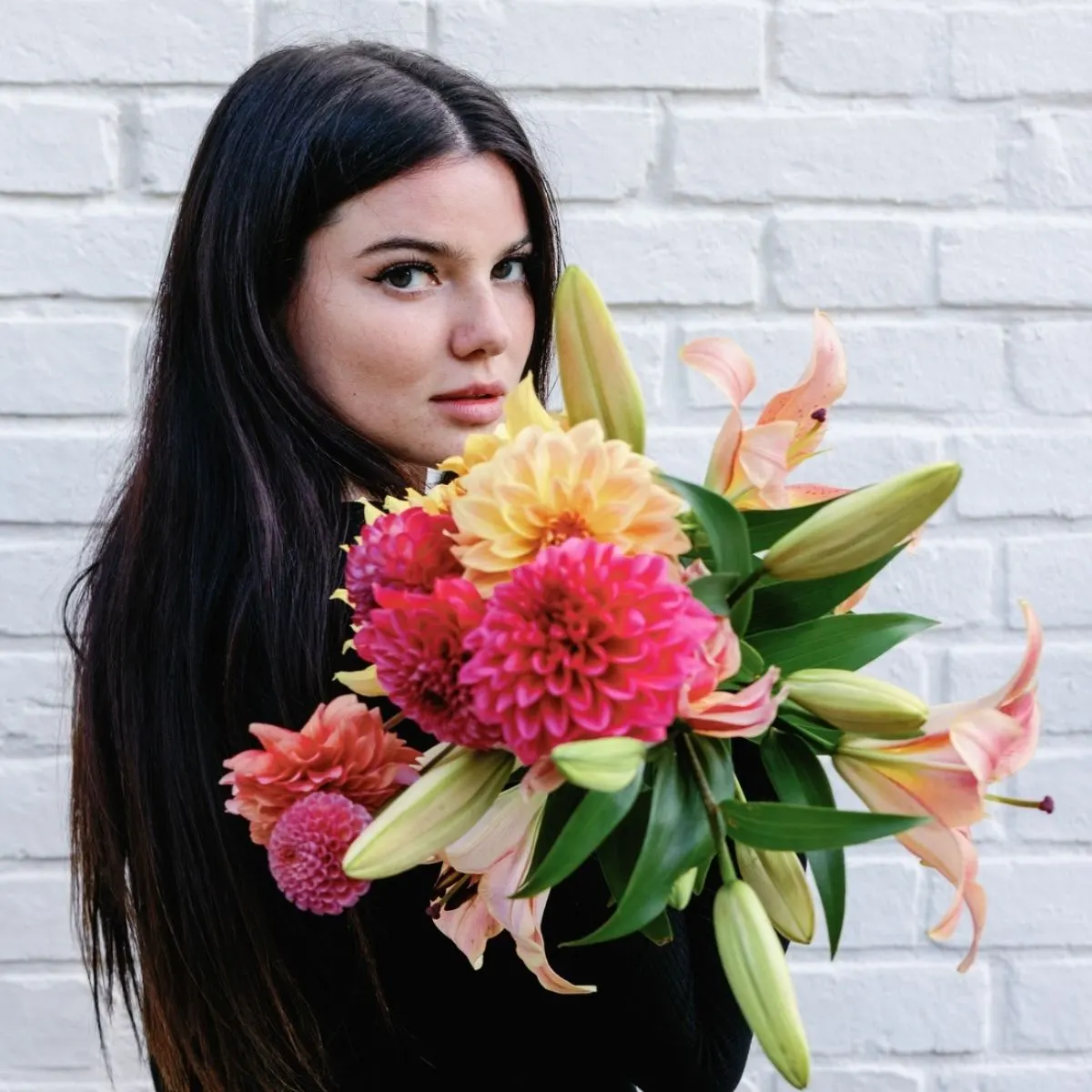
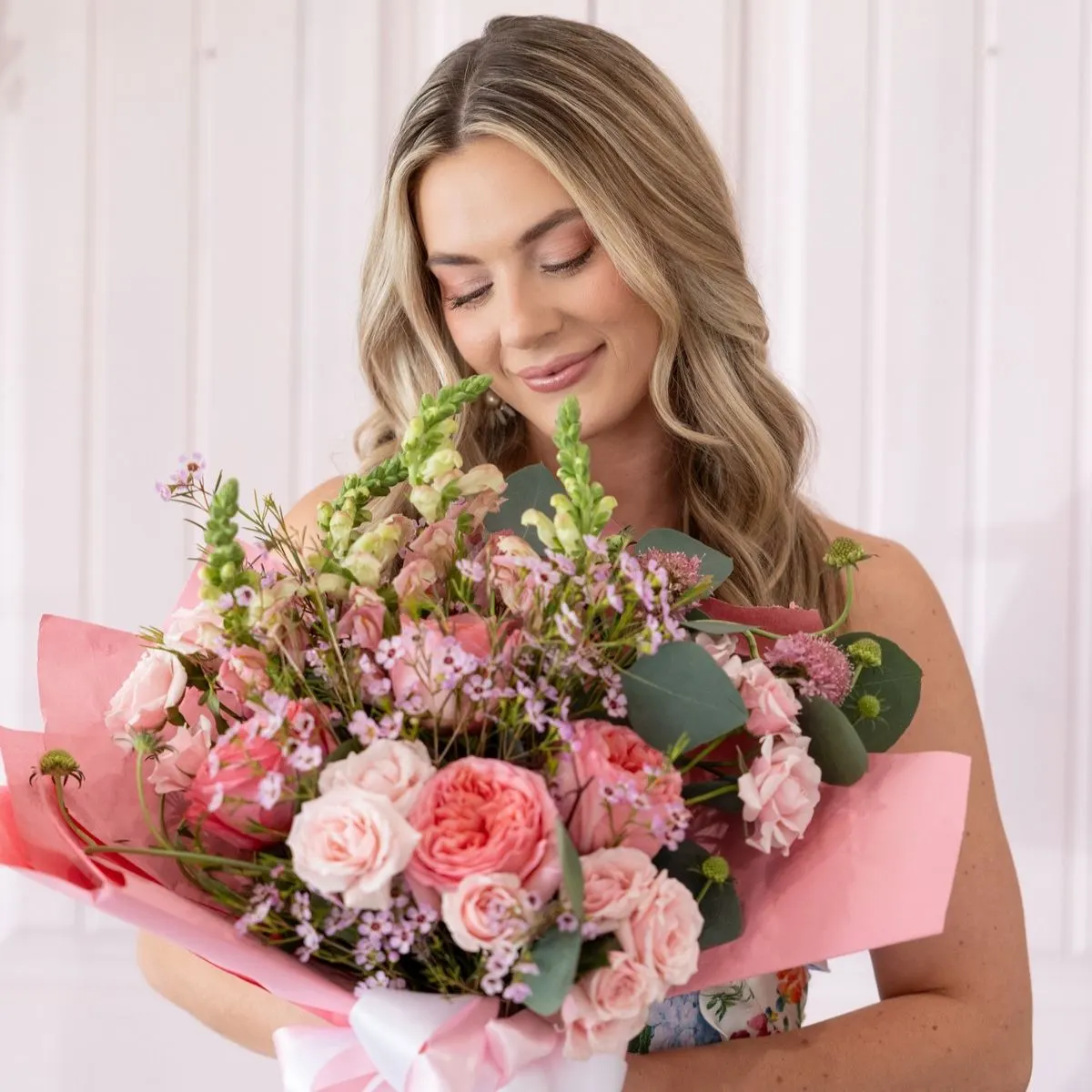
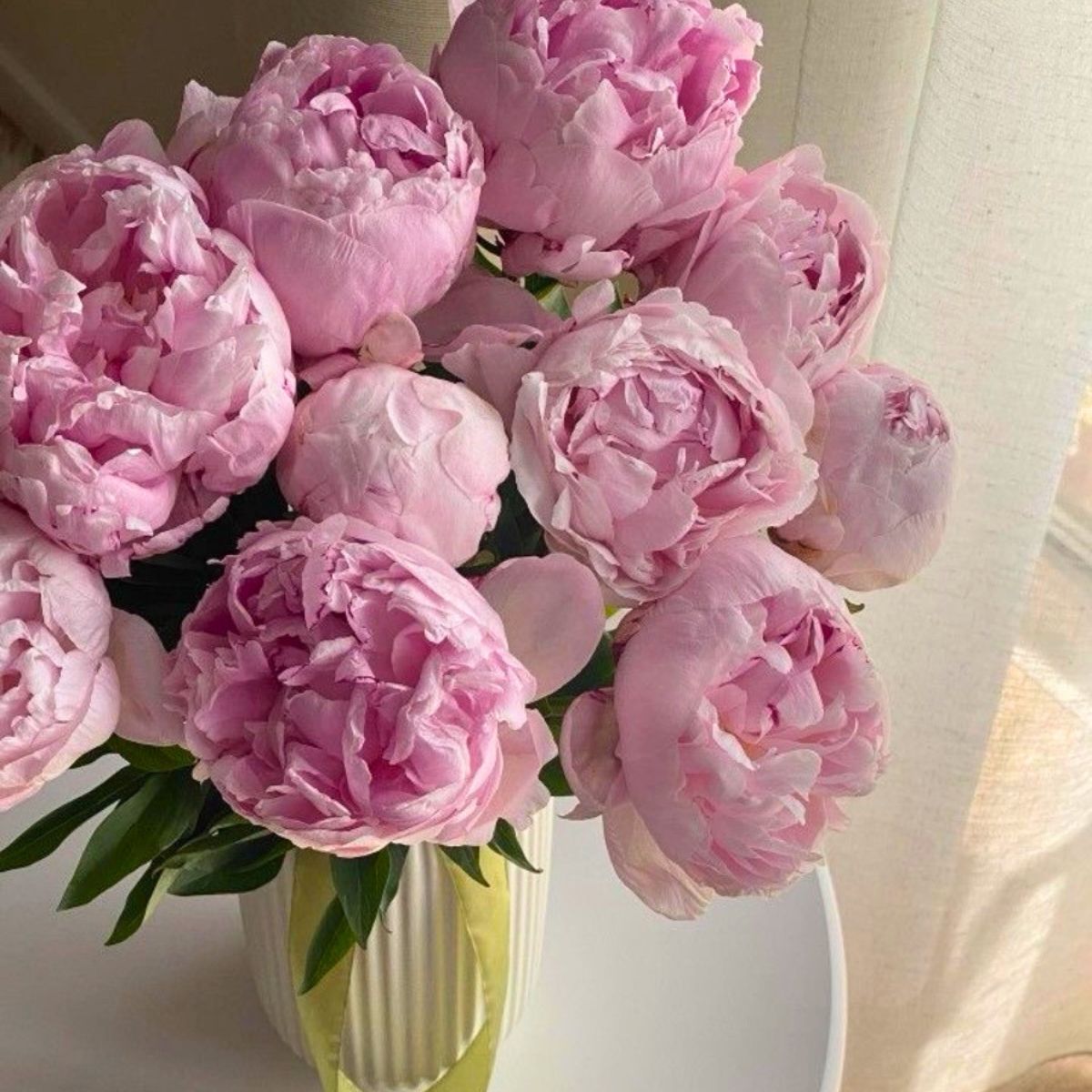
"This is probably the most difficult question of all because flowers are a little bit like people: they bring out the best in one another. A mixed bouquet works because every flower has its own role. One brings color, another brings fragrance, and the greenery quietly connects everything. It is like an orchestra where every instrument contributes something unique.
If I really had to choose one flower, I would choose the peony. It takes patience. It doesn’t reveal its beauty immediately, but when it opens, it completely steals the show. I like that. Some of the best things in life take a little time before they fully bloom."
Question 10
What are you doing this weekend?
"This weekend is actually quite special. I will start it with dinner at friends’ house. They are wonderful cooks, and there is nothing I enjoy more than good food, good wine, and great conversation. That is how I recharge after a busy week.
On Saturday, we celebrate a national holiday and will gather with a large group of friends. I have always believed that life should be celebrated whenever possible. And then on Sunday, I will board a plane to begin a new chapter in my life. I think that is one of the beautiful things about getting older: you realize there are still new adventures waiting for you, and you become brave enough to say yes to them."
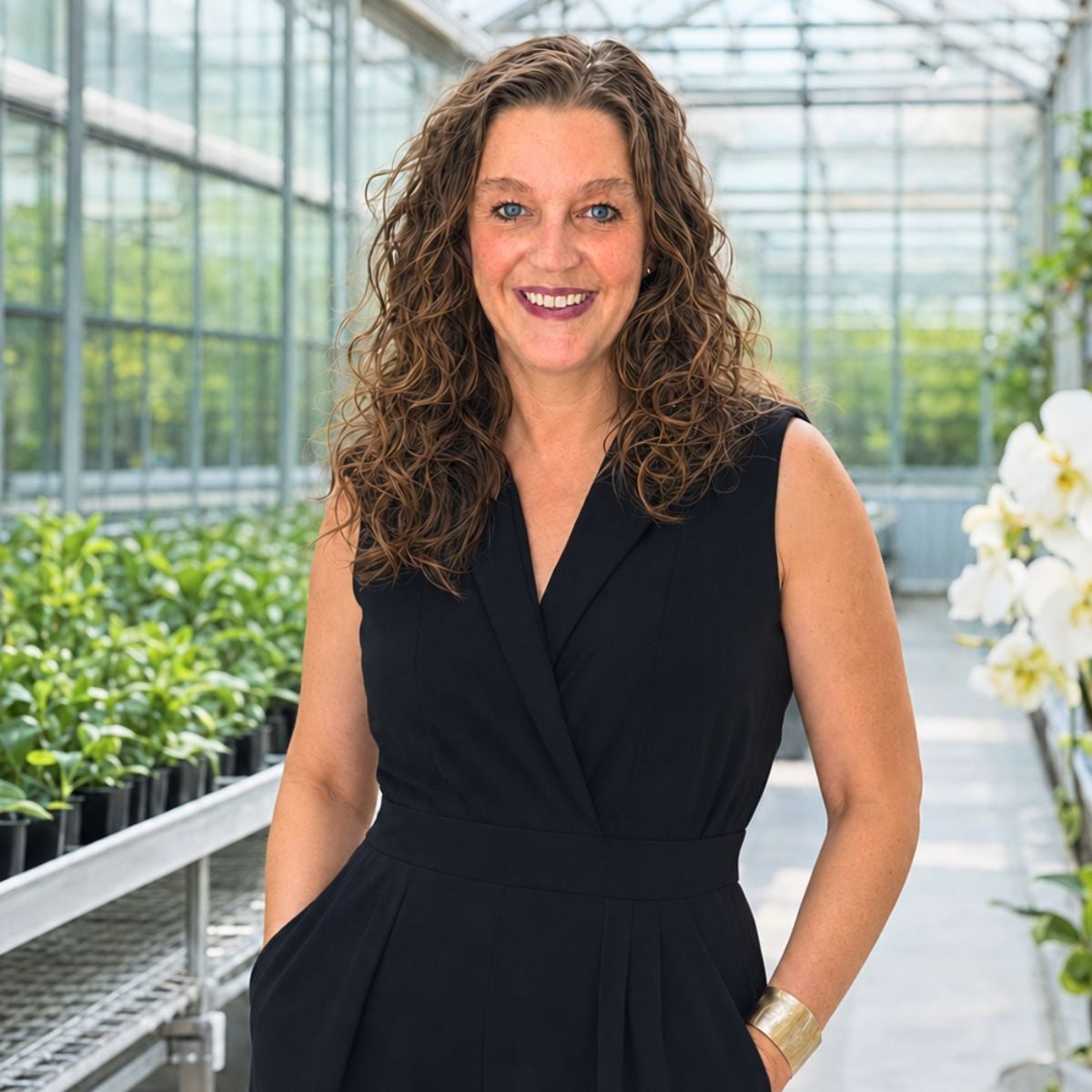
Whether she is helping businesses communicate more effectively, embracing new technology, or finding balance through running, good food, and meaningful conversations, Joyce Aerts approaches life with curiosity and optimism. If you enjoyed Joyce's perspective, connect with her and follow Oboya Horticulture as they continue supporting growers with practical solutions that help move the horticulture industry forward.
If you know someone inspiring whose journey deserves to be shared? Reach out and send your recommendation to edwin@thursd.com, and it could be featured in a future edition of our 10 Questions series.
All pictures courtesy of Joyce Aerts.