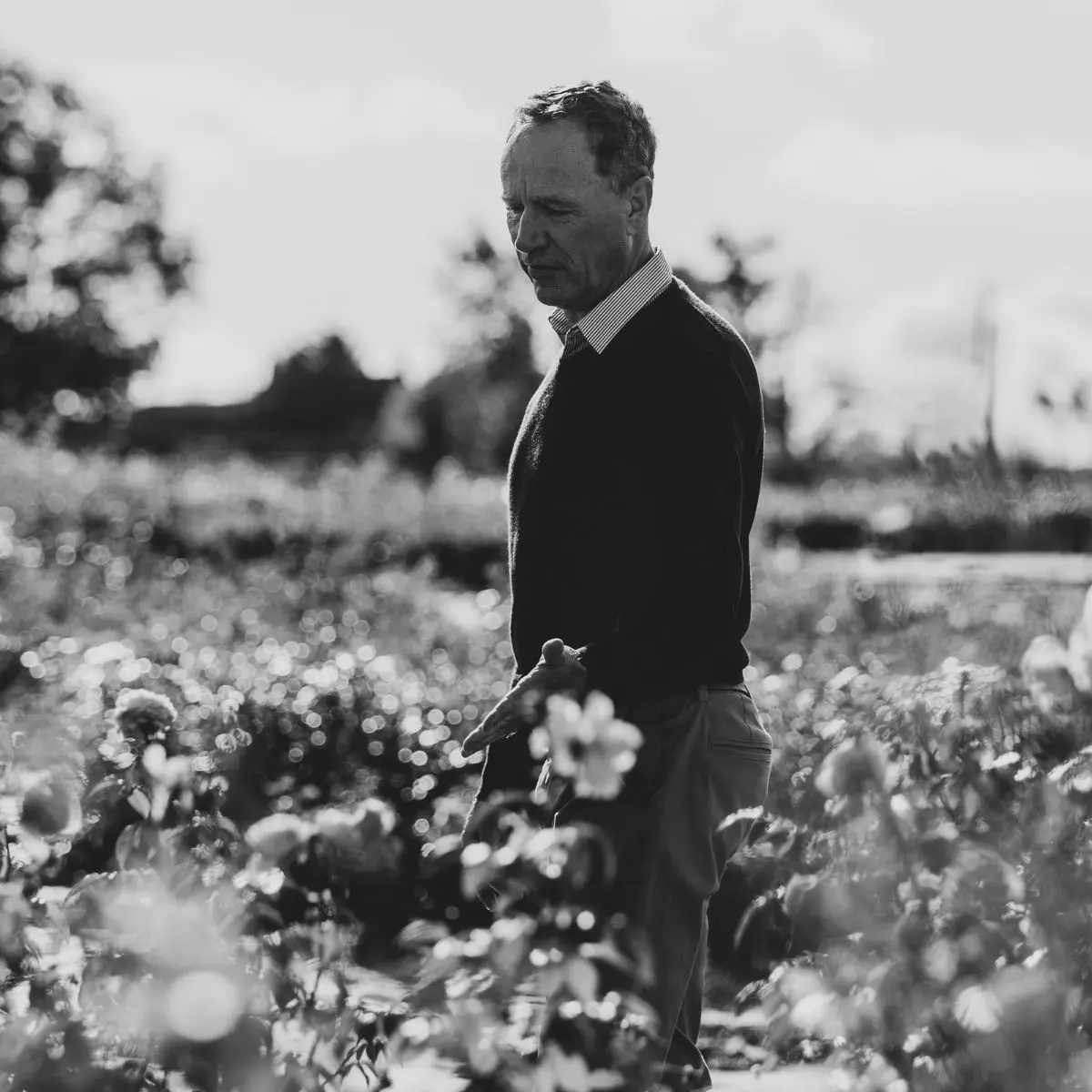
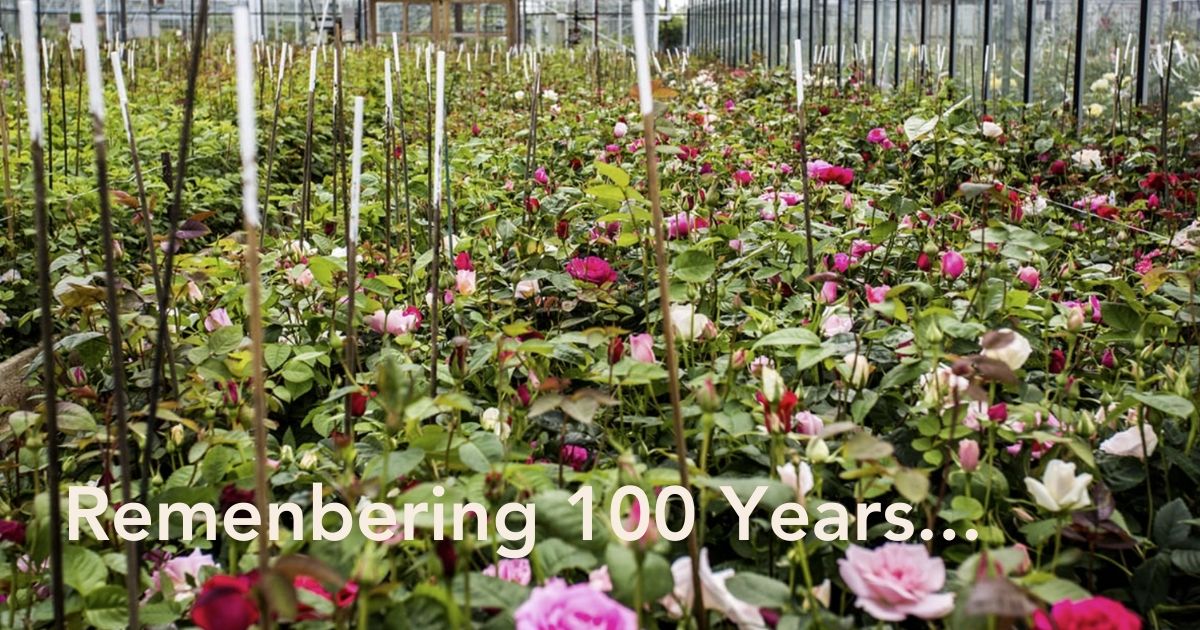
It marks one hundred years since the birth of David C. H. Austin, the British rose breeder who transformed modern gardens and reshaped what we expect a rose to be. His work did not simply introduce new varieties. It redefined fragrance, form, and emotional presence in horticulture. That's what they call 'Legacy'!
Born in Shropshire, Raised by the Land
David C. H. Austin was born on 16 February 1926 and raised in the Shropshire countryside in England. His early closeness to nature shaped a lifelong sensitivity to plants and seasons. The rhythm of rural life influenced the way he observed growth, structure, and beauty.
From a young age, he was drawn to character over spectacle. He preferred form, proportion, and scent to bold display. Roses soon became his greatest fascination, especially old garden roses whose history and fragrance intrigued him and captured his imagination.
Why David Austin Changed Rose Breeding Forever
Mid-20th-century modern roses offered repeat flowering and strong stems, but many lacked fragrance and softness. Old roses carried extraordinary charm and perfume, yet most bloomed only once per season. David Austin believed gardeners should not have to choose between performance and romance.
His vision was clear. Combine the fragrance and character of old garden roses with the repeat flowering of modern hybrids. The result became known worldwide as the English Roses. David Austin Roses were born.
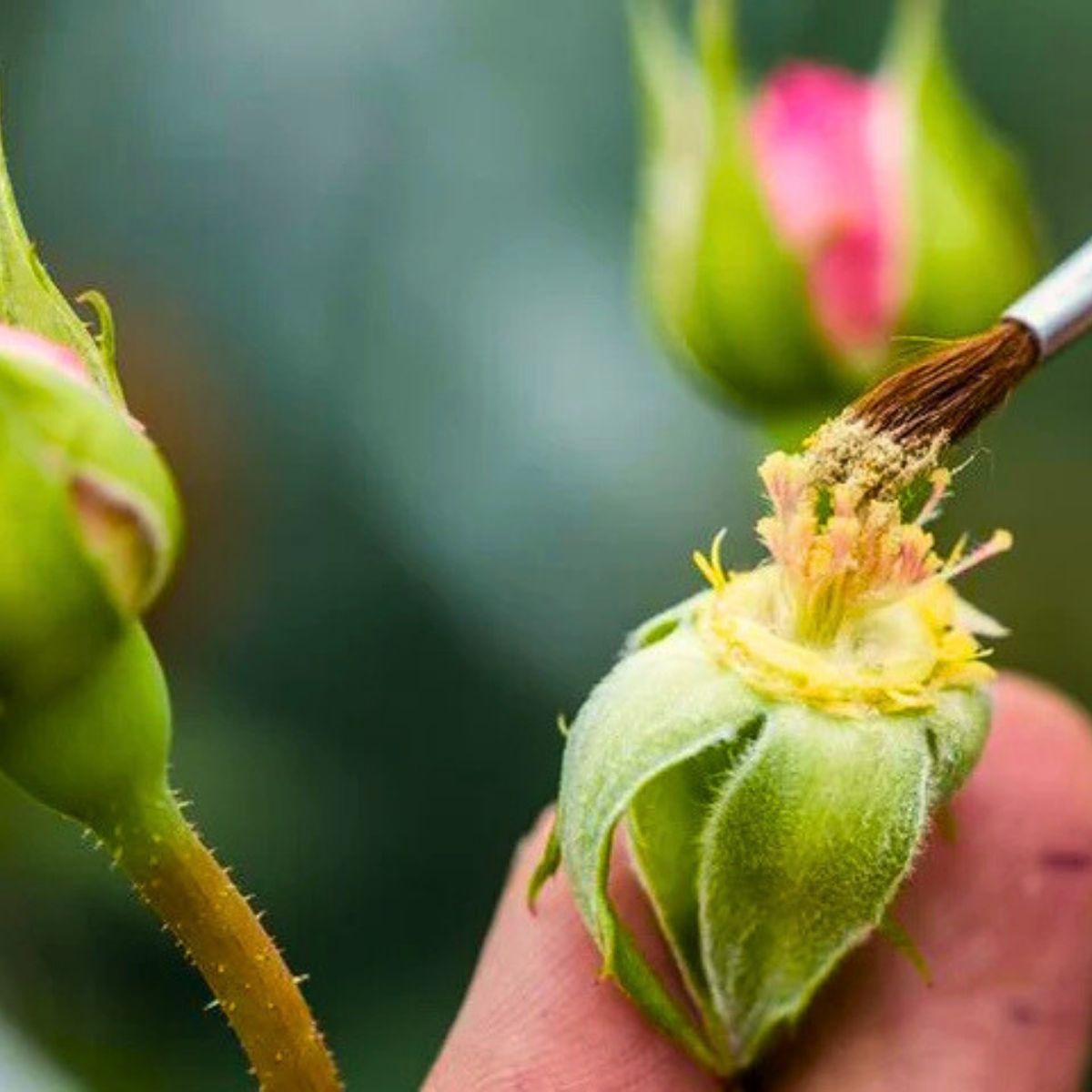
Constance Spry (Ausfirst) – The Beginning of a New Era
Ausfirst literally means Austin's first. In 1961, he introduced Rosa ‘Constance Spry’ (Ausfirst). Although it flowered only once per season, it made an undeniable impact. Large, cupped pink blooms with strong myrrh fragrance proved there was still deep demand for roses with personality and scent. Over the years, he assessed countless seedlings learning through observation and patience.
That introduction marked the beginning of decades of careful refinement. Over his lifetime, David Austin introduced roughly 240 English Rose varieties, each after many seasons and careful selection: a balance between beauty, fragrance, and garden performance.
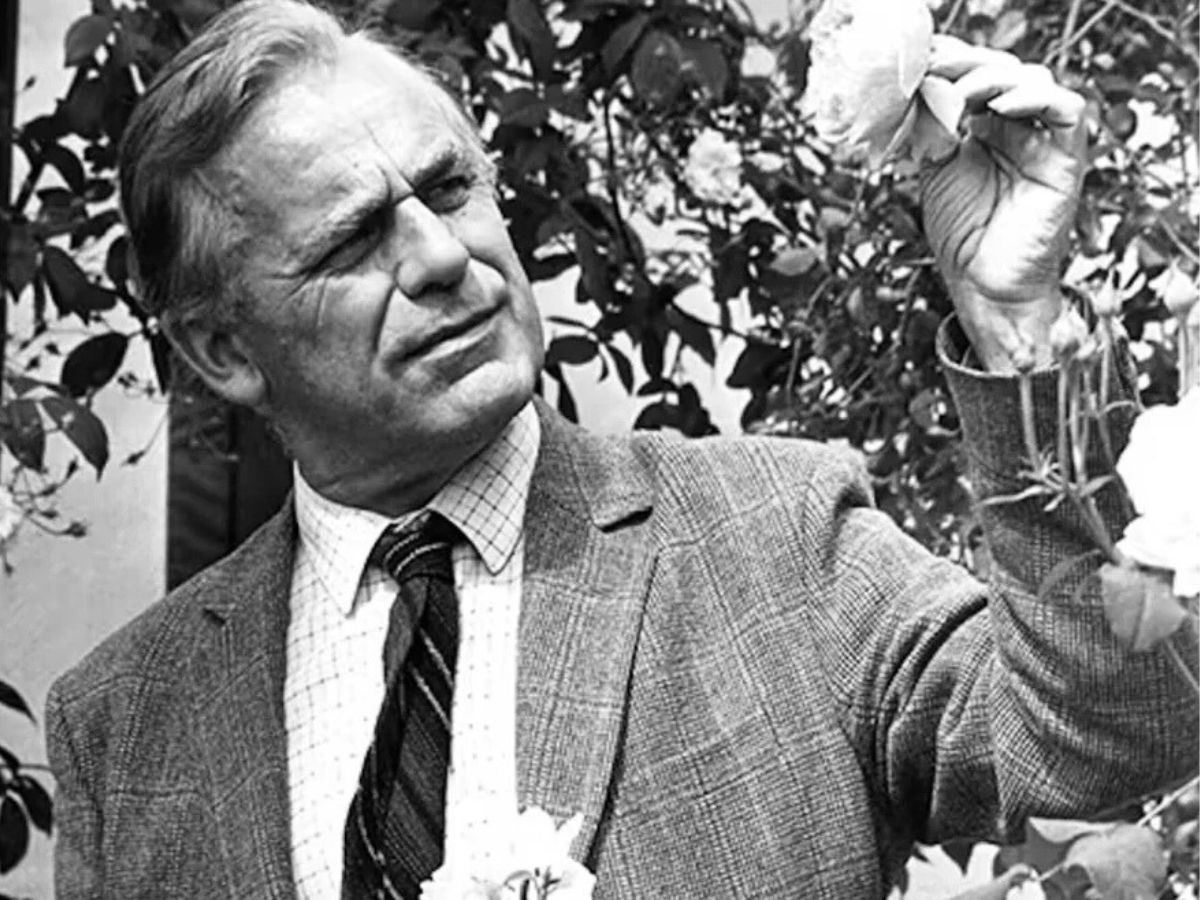
What Defines an English Rose?
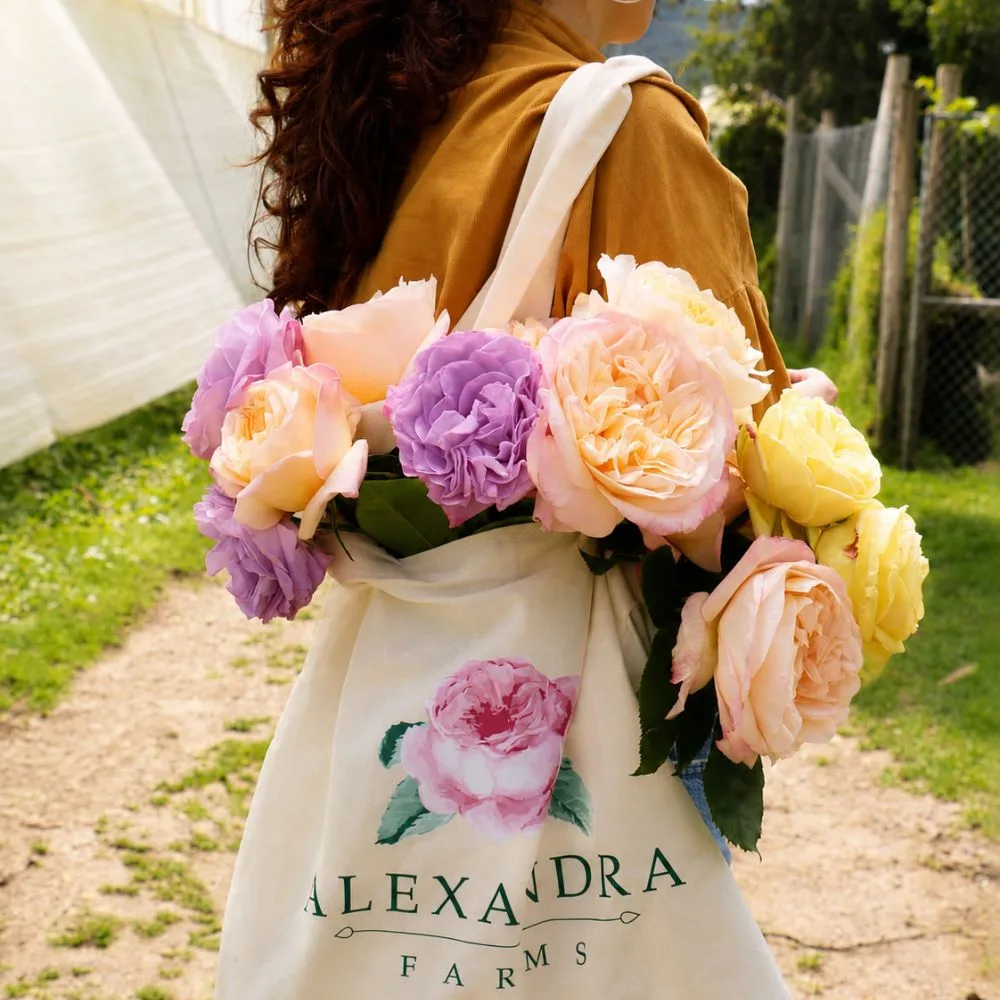
English Roses are known for full, rosette-shaped blooms, layered petals, rich fragrance, and repeat flowering. They grow as balanced shrubs and blend naturally into mixed borders. Rather than standing rigid and isolated, they contribute to a garden composition.
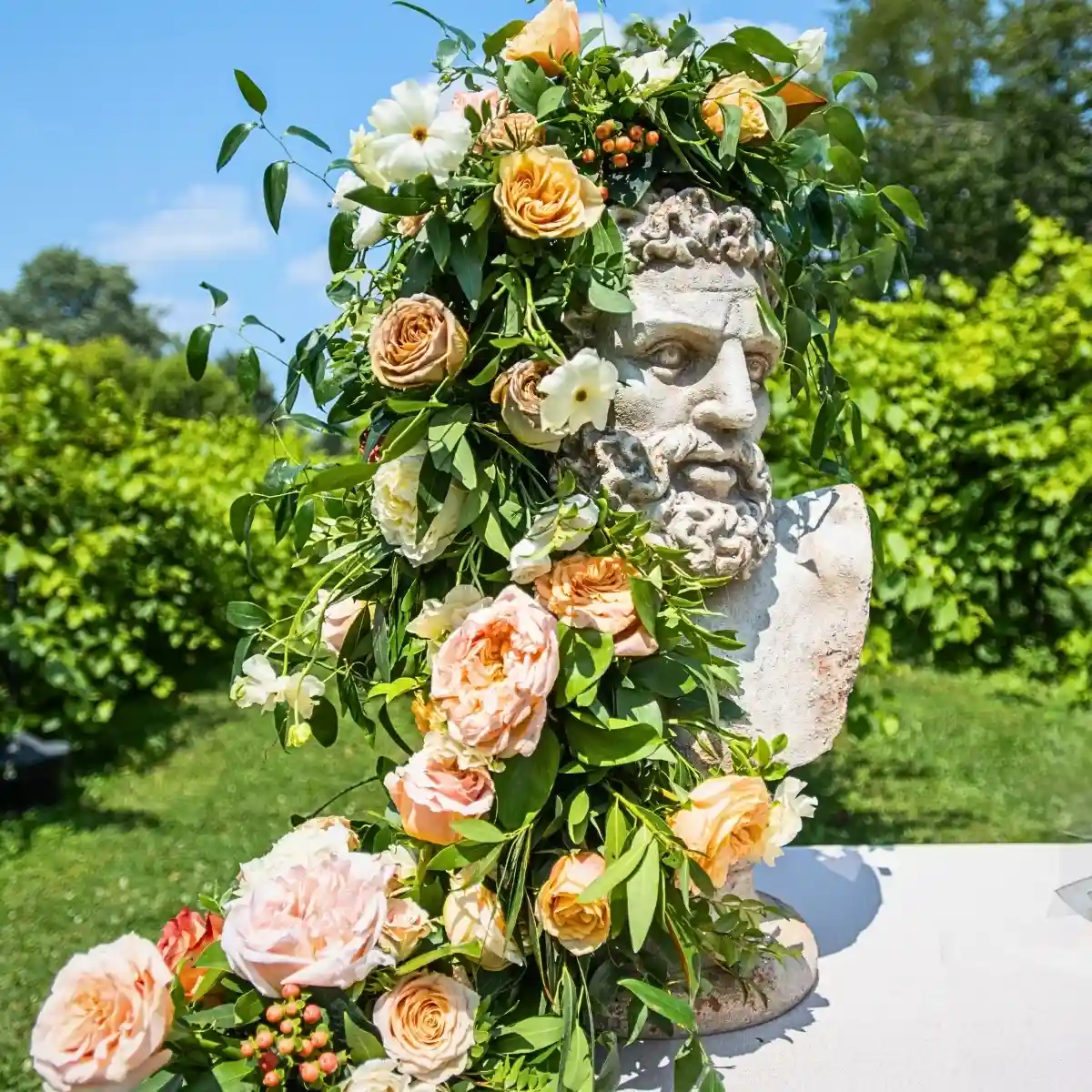
For florists and designers, English Roses introduced a different texture and depth to floral arrangements. Their movement, scent, and romantic structure added narrative to arrangements and brought back garden aesthetics to floral design.
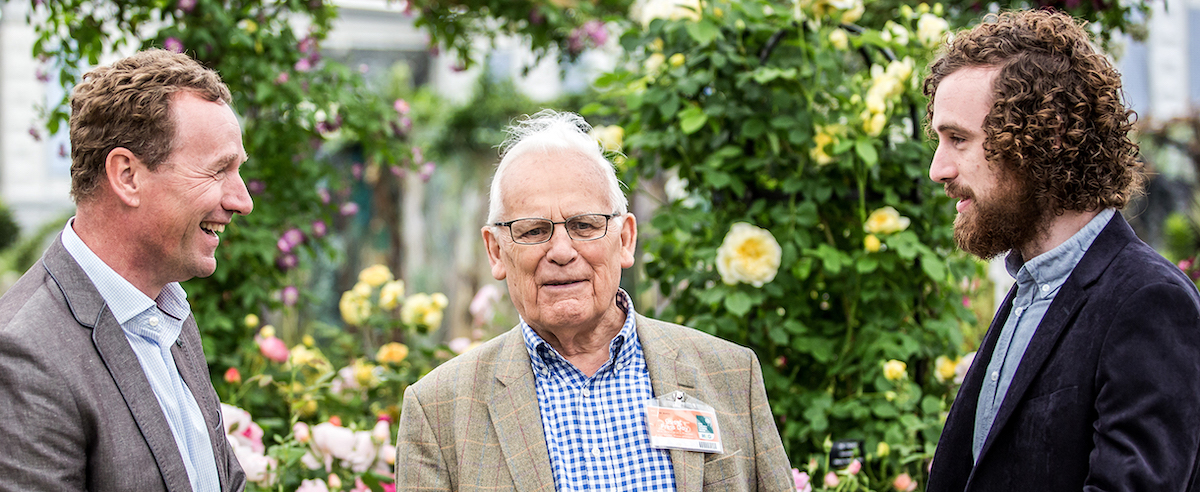
Recognition and Lasting Influence
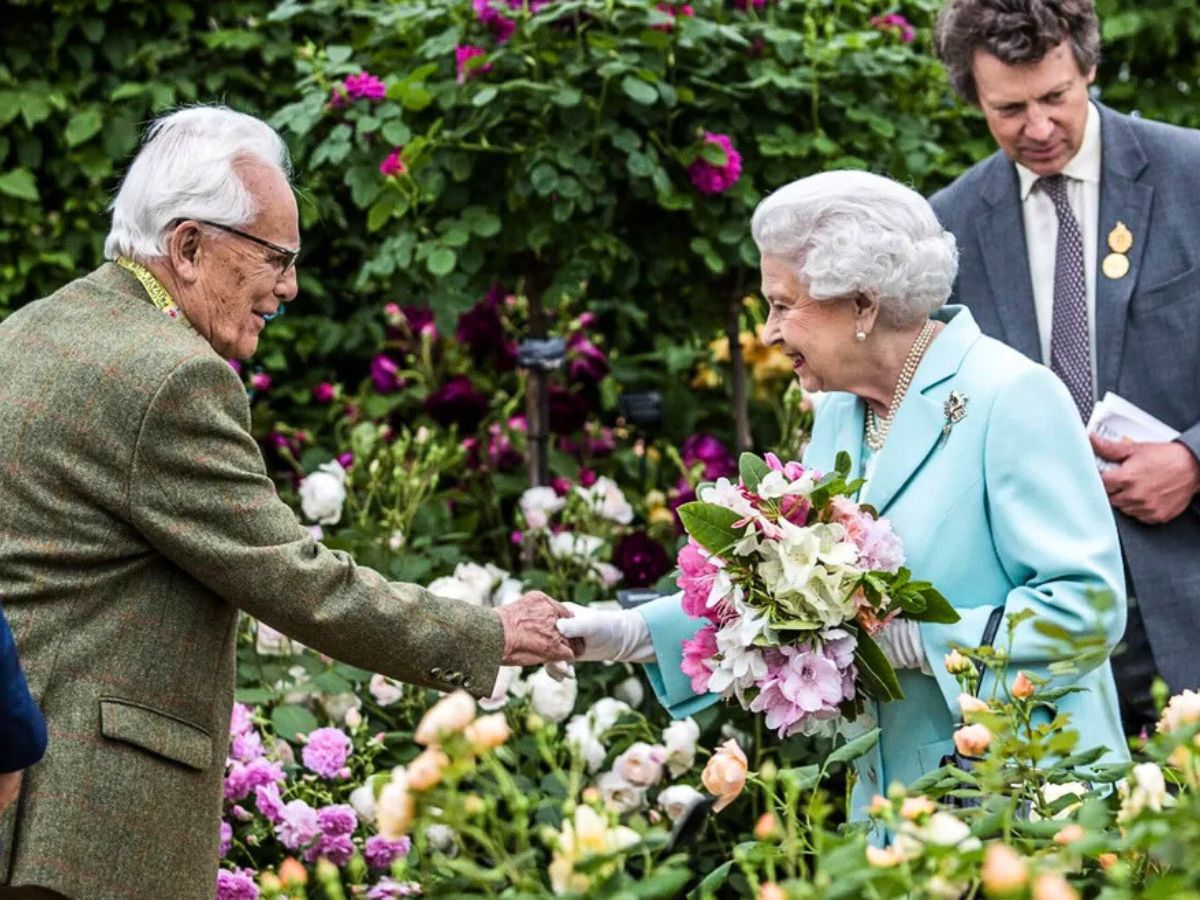
In 2007, David Austin was appointed OBE for his services to horticulture. Yet beyond formal recognition, his true legacy lies in global gardens where fragrance returned to center stage, and roses regained emotional value.
When he passed away in 2018, the breeding program continued under family leadership. The philosophy, however, remains the same: beauty must have substance, and performance should not erase character.
One Hundred Years Later
On this centenary of his birth, we reflect not only on a breeder, on awards or achievements, but on a mindset. In an industry often focused on uniformity and speed, David C. H. Austin chose patience, scent, and timeless form.
A century after his birth, his roses continue to flower with ease, generosity, and quiet beauty in gardens around the world. And every time an English Rose reveals its fragrance before its spectacle, his vision lives on.